Monetization reports and market data
Documents
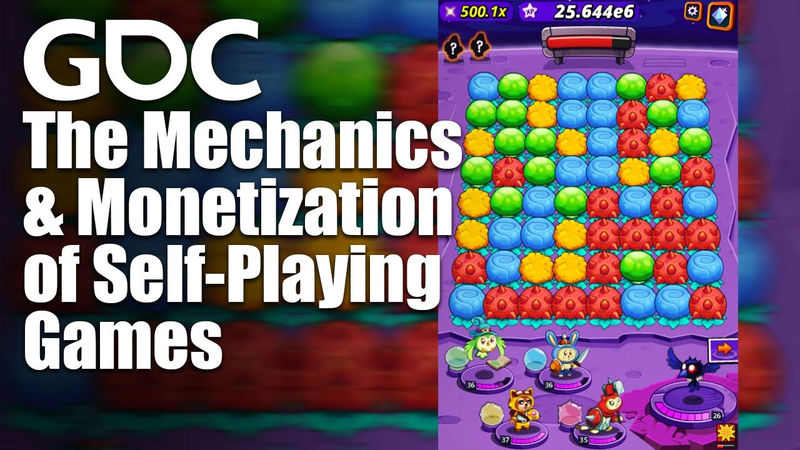
Idle Games: The Mechanics and Monetization of Self-Playing Games
Idle games have established themselves as a distinct and highly lucrative genre defined by the core principle of progress without constant interaction.
- Idle games achieve high buyer conversion rates ranging from 3% to 8% by integrating monetization directly into the core progression loop.
- The genre's success is driven by the elimination of traditional lose conditions and the use of positive feedback loops, which foster exceptional player retention.
- Monetization strategies rely on acceleration mechanics such as time warps, permanent multipliers, and gacha-style draws to drive lifetime average revenue per paying user.
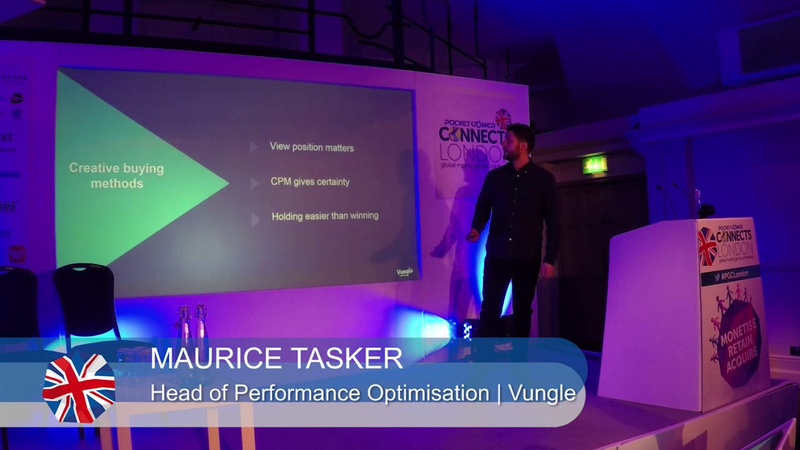
How to identify, retain and engage the highest value mobile game users
This analysis explores strategies for mobile game developers and marketers to identify, retain, and engage high-value users through optimized buying models, attribution management, and fraud prevention.
- Securing 'first-view' impressions—the initial video ad a user sees daily—is the most effective strategy for driving high-value installs and maximizing return on ad spend (ROAS).
- Users who consume fewer total daily video ads demonstrate a significantly higher conversion probability and greater lifetime value compared to those who see many ads.
- Advertisers can guarantee first-view dominance by utilizing CPM-based bidding models for specific publishers, effectively bypassing the volatility of conversion-rate-based bidding.
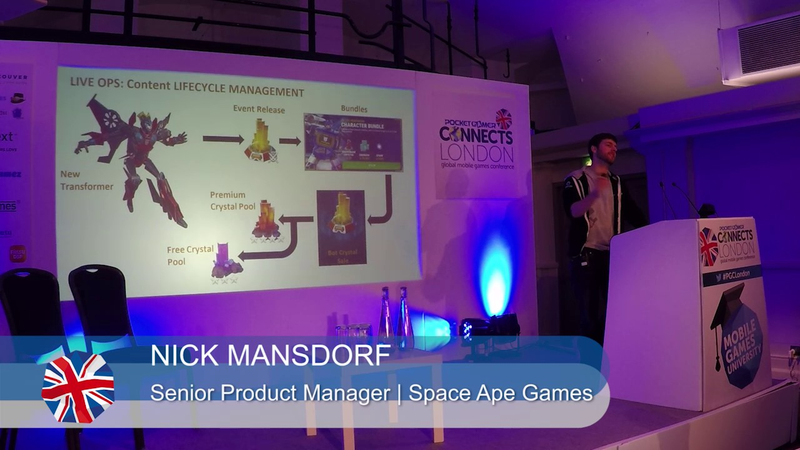
How Space Ape Games plans its live operations to keep its titles going for years
Space Ape Games utilizes a structured, data-driven approach to live operations (LiveOps) to extend the lifecycle of mobile titles and maintain player engagement.
- Space Ape Games integrates LiveOps into the initial development phase, evaluating every design decision for its long-term impact on game economies and player behavior.
- The studio manages content lifecycles by introducing high-value assets through exclusive, limited-time events before transitioning them into broader bundles and gacha pools.
- To prevent player burnout, the studio categorizes events by intensity—ranging from low-engagement 'one-finger' tasks to high-intensity 'four-finger' competitions—and schedules them in a predictable 'saga' cadence.

Game design methodology
A practical game design methodology centers on the use of a one-page, visual framework to structure game loops, monetization strategies, and player engagement.
- Game design should be structured around a one-page, visual framework that replaces exhaustive documentation to align cross-functional teams on core mechanics and project vision.
- The compulsion loop is the framework's foundation, consisting of a clear action, a corresponding reward, and an expansion that drives repeat player engagement.
- Designers can deconstruct successful titles like Candy Crush by mapping their loops to analyze how they balance player skill with challenge and integrate monetization barriers.

Dynamic pricing in games: The opportunities & pitfalls
Dynamic pricing in the gaming industry serves as a strategic tool to optimize in-app purchase revenue and player retention by moving away from static, one-size-fits-all pricing models.
- Implementing dynamic pricing models can drive revenue uplifts ranging from 7% to over 30% within a few months of deployment.
- Developers can mitigate negative user feedback by keeping price adjustments within a narrow, incremental range of plus 5% to minus 10%.
- The strategy utilizes machine learning to cluster players into groups based on behavioral patterns and game progression rather than applying random price variations.
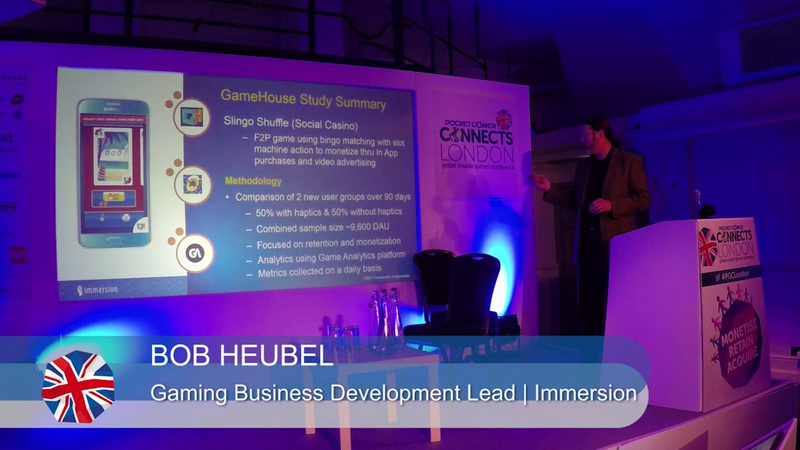
The growing challenges of monetising and retaining players
The integration of haptic technology into mobile gaming serves as a potent strategy for enhancing player retention and monetization.
- Haptic integration in mobile games correlates with a 20% increase in 14-day retention and a 4% to 13% rise in first-time payer conversion rates.
- While individual in-app purchase amounts remain stable, the combination of longer session lengths and higher engagement leads to an overall increase in revenue per install.
- Players are more likely to keep haptic feedback enabled than audio because it provides sensory rewards without the social or environmental drawbacks associated with sound.

How much is enough? Planning a marketing budget for mobile games
Effective mobile game marketing requires a strategic approach to budgeting that prioritizes cash flow management and capital efficiency.
- Developers must bridge the 'cash gap' caused by the delay between marketing expenditures and platform payout cycles by treating uncollected revenue as an accessible asset.
- Accelerating growth cycles requires reinvesting trapped revenue into user acquisition more frequently rather than waiting for standard app store and ad network payout schedules.
- Sustainable scaling is achieved by moving away from 'pay-and-wait' models toward a revenue recycling strategy that avoids equity dilution or reliance on external fundraising.
The anonymous data monetisation opportunity
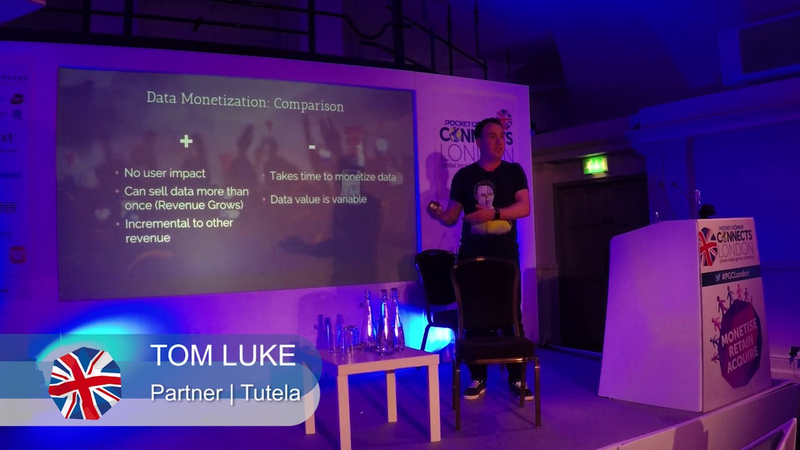
Mobile game developers can generate incremental revenue by monetizing anonymous background data for the mobile signal testing industry, a sector currently valued at $6 billion and projected to reach $25 billion within five years.
- Mobile game developers can generate $300,000 to $500,000 in annual incremental revenue per one million daily active users by monetizing anonymous background data for the mobile signal testing industry.
- The mobile signal testing data market is currently valued at $6 billion and is projected to reach $25 billion within the next five years.
- Developers monetize by integrating a lightweight SDK (under 600 kilobytes) that collects non-identifiable network performance metrics like signal strength and latency without accessing personal identifiers such as IP or MAC addresses.
How to harness the power of playable ads
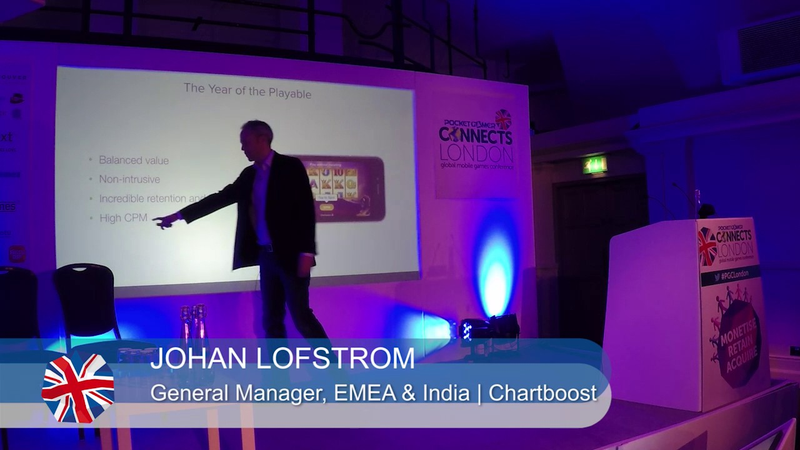
Playable ads represent a significant evolution in mobile user acquisition and monetization strategies, offering a high-engagement alternative to traditional static banners, interstitials, and video ads.
- Playable ads function as HTML5-based mini-games that allow users to experience gameplay before installation, resulting in higher retention rates and increased lifetime value (LTV) for the advertised product.
- Simplifying ad interfaces and highlighting primary interaction points can significantly boost performance; one case study showed engagement rates rising from 42% to 70%, which nearly doubled the ad's eCPM.
- Playable ads provide granular data analytics that exceed static or video formats, enabling developers to track user behavior through every stage of the ad funnel.
Reclaiming My Soul: Why I Quit Making F2P Social Games
This analysis examines the transition from free-to-play (F2P) mobile social game development to AAA production, focusing on the ethical and creative challenges inherent in the F2P model.
- The F2P mobile model frequently prioritizes 'whale' monetization, where development resources are disproportionately allocated to satisfy a tiny fraction of high-spending players rather than the broader user base.
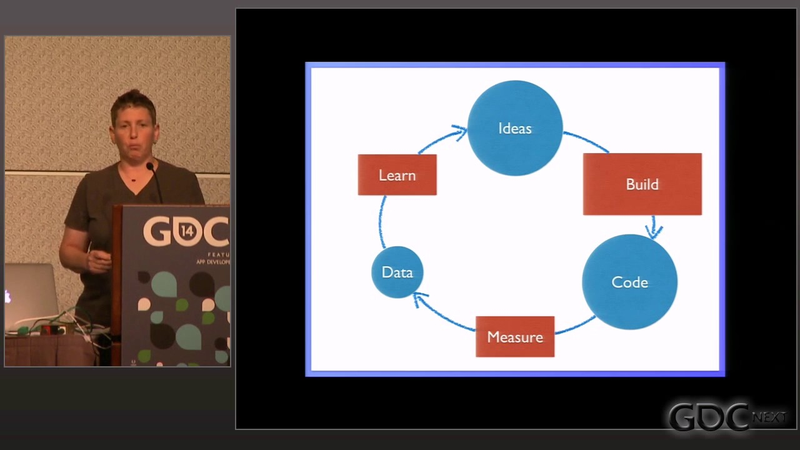
- Data-driven design in F2P often shifts focus from artistic innovation to managing financial funnels, where metrics like retention funnels and user acquisition costs dictate development priorities.
- The industry's reliance on 'fast follows' and cloning successful mechanics undermines creative integrity and incentivizes the release of incomplete or buggy 'minimum viable products.'
Finding Life for Game Monetization Beyond the Megahit
The primary objective of game monetization beyond the initial "megahit" phase is to extend the lifecycle and profitability of established titles through strategic ad integration, cost-efficient operations, and community management.
- Monetizing non-paying users through in-game video advertising is a viable strategy for extending the lifecycle of games that have passed their peak popularity, as evidenced by RockYou's 100 million dollar annual ad run rate in 2014.
- Programmatic video ads now account for 90% of RockYou's video revenue, with the company serving 1 billion impressions per month across its network.
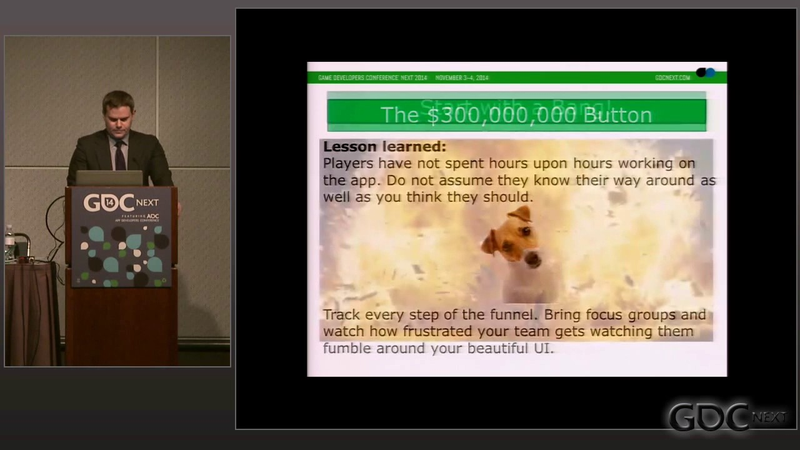
- Optimizing user flows by removing unnecessary registration steps and tutorial friction is critical, as even minor UI hurdles can significantly increase user drop-off rates.

Video Games and Gambling - When Does a Game Cross the Line? - Extra Credits
The integration of video game mechanics into the gambling industry and the emergence of unauthorized wagering within gaming ecosystems present significant ethical and operational challenges for developers.
- Developers must actively monitor in-game economies for anomalous transaction volumes and one-way asset transfers to identify and disrupt third-party gambling platforms.
- To prevent illicit betting, developers should implement strategies to detect and remove automated bot accounts that facilitate unauthorized wagering within their ecosystems.
- Mainstream developers face a design trade-off where disabling digital asset trading eliminates gambling risks but simultaneously removes the benefits of a player-driven economy.