1 free read left. Create a free account for unlimited reading + AI research.
Create free account
How to identify, retain and engage the highest value mobile game users
Key insights
6 takeaways- 01Users who consume fewer total daily video ads demonstrate a significantly higher conversion probability and greater lifetime value compared to those who see many ads.
- 02Securing 'first-view' impressions—the initial video ad a user sees daily—is the most effective strategy for driving high-value installs and maximizing return on ad spend (ROAS).
- 03Advertisers can guarantee first-view dominance by utilizing CPM-based bidding models for specific publishers, effectively bypassing the volatility of conversion-rate-based bidding.
- 04Implementing view-through attribution for installs occurring within 24 hours of a video view increases reported conversion rates, which signals higher eCPM to platforms and secures more premium inventory.
- 05To combat ad fraud, marketers should require attribution providers to withhold post-backs for fraudulent installs, ensuring publishers are not compensated for invalid traffic.
- 06Auditing campaign data is essential to prevent platforms from misrepresenting impressions as clicks, a practice that artificially inflates metrics and misattributes organic installs to paid sources.
Ask AI about this video
Transcript
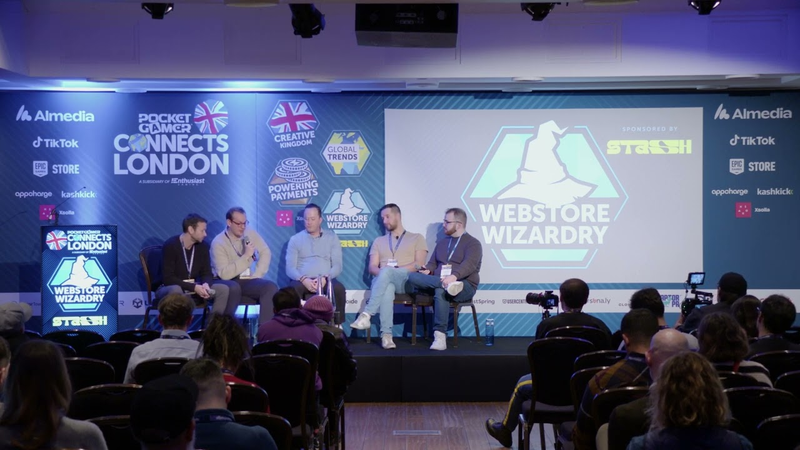
[Music] punggil if you don't know fungal you've probably seen up banners around we've replaced salespeople with them this year and lower lower T&E but if you don't know us we're any about in a video platform probably now primarily designed to deliver high value users through engaging or enrich video arts so what am I going to talk about today so the title is a secret to gain profitability how to you in identify retain and engage the highest our users so I think the marketing team life I was sold this one a little bit so - how to identify I think it would be a little naive of me to come up here and talk you through how to measure your LTV curves as a buyer or even apply that to a strategy I think the markets probably been at that that
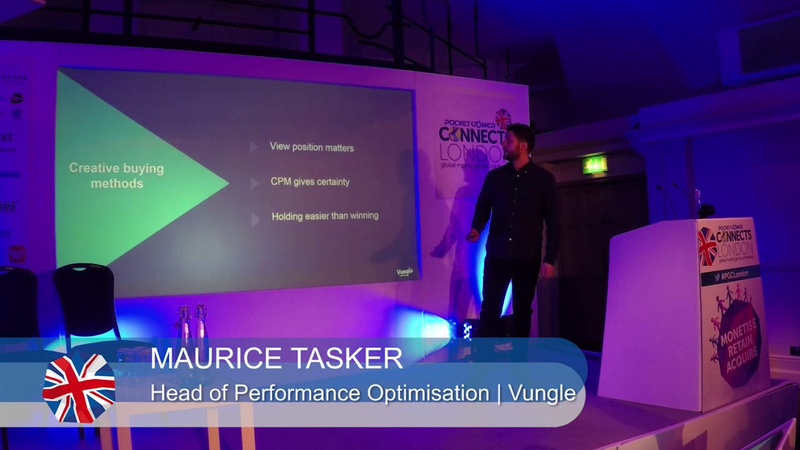
stage for a couple of years now and especially after all of us talk I think everyone's gonna be doing that extremely well equally so I think it would be a stretch for me to talk about how to engage or retain users once Sarah was there in your game frankly I that's not my speciality so I won't be talking about any of this really is really what we're seeing from a platform standpoint how you can access those five other users or some strategies that a buyers are using some interesting strategies when really the competition for those those you know real high-value users it is fiercer than ever so specifically what I let me talk about if first a couple of creative buying methods now we employ sort of 10 to 20 different buyer methods that we advise to you a buyers or developers at Vangel but these are two that I personally find quite interesting and give you an idea of how creative our buyers are getting the next thing is attribution
considerations so it might seem out of place but specifically I want to talk about the you through attribution and how that can affect the overall LTV of your campaigns and third is fraud prevention and detection so I want to touch on fraud briefly it's quite a hot topic right now I want to talk about some of the good things we're seeing and some of the more challenging things so oh this is the otech okay so let's first start with a first mover advantage it's pretty catchy title I get used to those so I think the motivation for this buying model is is really described by the curve here so what I've done is plotted the average platform conversion rate the red line as well as the average 7-day return on adspend as a function of the daily view number so the dataview number is the number of views a user seen within one publisher each day so this kind of basically tells us that the fewer videos a user seen the more likely they are to convert into an
install but also the more likely they are to provide you high value once in your game or app and if you're wondering it's it's not kind of a cause and effect thing because of a kind of platform dynamics it's actually true also on a specific advertiser and publisher level so so what does this mean for a buyer it essentially means if you all if you're number one buyer if you're generating a highest eCPM through your CPI on conversion rate then you're getting a lot of first views and in doing so you have this kind of cyclic effect where you also get the highest conversion rate because you're getting those both those first views and also it's likely that you have a stronger bidding power in that you are getting a higher return on adspend and therefore you can pay a higher CPI so what does that mean for people who are getting a little like a lot of second place views it means actually it's harder to move into the first spot than it is to sustain the first bar because to move from second to first you have to take on some risk you might actually have to have to bid outside of your normal kind of LTV curve
in order to take on that risk win the first view and then adopt the benefit of that first view so how are our buyers kind of managing this those people who are in second view a lot of time or third and fourth events so one strategy that quite a few of our buyers will adopt is what we call the kind of the first mover advantage and that's really predominantly for new supply so when we have a new supply that comes onto the platform it's really an unknown so we have a little bit of time where we're still freaking around you to assign impressions to for the benefit of that publisher so what some buyers are doing is creating a kind of high tier campaign a high CPI campaign that's always on and we just feed in new new publisher new supply to it and therefore they're going to slight advantage in the first couple of days and they can secure that that first few spot at which point they can really evaluate the the full potential of that supply if they're in second spot they'd be evaluating a lower return on adspend and therefore they might choose to
disregard it but if you know first but they're really they're kind of evaluating the maximum that that supply source can offer and then they have the opportunity to kind of disregard it if they don't like it and keep it if they do this obviously comes with a risk that you are going to pay too high for some new publishers that actually aren't giving you kind of high quality so that's that's the risk that you get but it's also something that we've seen beneficial for for a number of our advertisers to take advantage of this situation okay so the next one I want to talk you through is actually the I change this deck but it's not the same so I'll try to talk you through anyway so the next one is what we call a genre based or a first view CPM buyout I might just leave it on this slide because this doesn't really help it's a first view CPM buyer so a while back we had some some advertisers who big big advertisers who really wanted to first view but they didn't just want first view of some publishers they wanted first view everywhere and this kind of was in line with some seasonality so for example at
Christmas it's going to attractive proposition from a brand perspective to say the first view that every single user sees from bungle should be my my game so it's it's very it's very expensive but fairly a big branding play now the challenge is that that makes sense I think and it can be quite powerful for some of our biggest advertisers but for a mid tier advertise it can be really expensive and might not back out in terms of the LTV of those users so it's actually been changed slightly over time and the way it's been changed is that some of our advertisers will use a CPM model and it seems strange to take on a CPM model when you've actually been paying on CPI you're essentially taking on risk previously the platform has had but the benefit of taking of a CPI model is that you can pitch exactly for that first view so you can pitch a very high CPM for that first view you don't take any on any uncertainty through conversion rate so you can basically ensure that
you're winning first view from every publisher that you want so some of our meteor buyers will pay on a CPM basis for very specific publishers but they know back out for them they'll add an ad bucket back off so that means they're only paying for one or only showing one video per user per day meaning that they're guaranteeing themselves the first view and no other view for the day and because that's a very high return on adspend relative to other views and because potentially who we see this work for is where there's a strong demographic for example slots or something like that we can they can actually make this back out so they're selecting to only bid on the first view and on the CPM basis but can still make it back out in terms of a return on adspend okay so next thing I want to go onto is attribution so specifically view through attribution and it's quite obviously quite a hot topic attempt of video and most of the conversations that I have
about user attribution come in the form of do you or do you not think that a view is enough of engagement to warrant an install being attributed to it and it's a it's an interesting topic and I think it has a lot of value and I'm happy to discuss with with any of you whether that's true or not but today I want to show you how you can view it in a slightly different way so just to run through for those that don't know what the you through attribution is path one is normal click attribution where the user will see a video they'll click on that video they'll get redirected to the app store they'll hopefully an install the app and then the the last the last platform that has shown that click will get attributed to consequent installed by the attribution provider so normal click view attribution the window between click or install has to be within seven days and obviously the last click wins so you have to be the most recent click now if you throw attribution is something than advertised can can use if they want to and it's the second part so a view an avatar a user
will see a view see a video they won't click they'll continue playing their game or whatever they're doing and then within 24 hours they'll navigate back to the App Store download the game that they saw within the interview and then if the advertiser have selected it that that view can cause the attribution so as long as it was the most recent view and there were no clicks that happened at all then then the view is actually the point of attribution so what does this mean it essentially means that as an advertiser essentially you're looking at your pool of organics and really the way that your reporting will show it is that you've transferred organics to view through installs now those organics depending on your your view of how powerful a video of you is and the angles are very powerful it really depends on that whether you think it's a sensible thing to do or not but the effect when you buy from Vanguard is the
following so here's a plot sort of day along the bottom the green bars are clicked or installs the the yellow line is the number of views that you're being allocated by Van Gogh and the blue line that lll the blue bar is the number of view through installs that you're getting so you can see on day seven essentially what you're doing by turning on view through attribution you're increasing your conversion rate for the same number of views you are getting or you're counting more installs now by increasing your conversion rate it actually means that your eCPM goes up within Vangel so you get allocated more views so by getting allocated more views not only do you just count those view two installs but you actually get more clicking stores from those views so it's important when considering whether to turn on view or not it's important to consider the return on adspend that you'll get from those extra click installs but also because you've increased your overall conversion rate your overall eCPM you'll get more first views so actually your overall return on
adspend will go up across the board as well so really the consideration outside of whether you think of view is powerful enough is does the extra that you're paying for what was organics equal those two benefits okay so what's broad got to do with it so I wanted to touch on this briefly because it's becoming more a lot more important topic for us so I think we've seen some really really good benefits basically over the last year really big improvements on on the fraud landscape a lot of attribution providers have started releasing fraud analytics and that's the fraud prevention one thing that I wanted to stress I think a gay blade and that the CEO of machines are last year made a really good point about kind of buyers driving the industry and buyers driving improvement in the industry and I think that definitely is true a fraud and we've seen some solid improvements in that for those attribution provider providing fraud
analytics fires are really looking into their analytics deeply and highlighting if there's fraud or not and really not refusing to pay for it which is fantastic the challenge is the difference between detection and prevention so what we see is that different voice that that's very stark difference between some buyers and others so some buyers will detect fraud and refuse to pay for it and they should be refusing to pay for it but that creates a challenge in the chain in that in most cases a platform will already be paying out to publishers and then once an advertiser raises fraud it's a very difficult process to recoup that money and essentially it is a possible process but it's a very slow process and and it can mean that there's slight inefficiencies which means that fraudulent publishers still get paid out so much better model is when attribution providers don't send install post backs that are fraudulent so not only do they report that something is you know an installs
fraudulent but they don't they refuse to send the post back too deep to the platform and that prevents any publishers ever getting paid out which really kind of kills fraud at the source so I'd encourage you all as buyers to consider am i detecting fraud and reporting it after the fact or am i preventing it in the first instance the next thing I want to talk about is something that we've seen a lot of unfortunately and yeah it's a very kind of overlooked situation and it's something that unfortunately is happening a lot in the industry so this is kind of a typical new a buyers view if using certain attribution provider and they'll see a number of different providers that they're buying this now one thing I want to stress is important importance of receiving impression data because the risk if you're not is that you could be being sent impressions as clicks so on this on this red bar here this is a this is a platform that is sending impressions as clicks you can see impressions and and and clip numbers
here are pretty apparent pretty equal and the installs are relatively similar too so this this is a bad situation the reason being that if you if if a platform sends impressions as clicks they are the essentially using view through attribution but with the wrong click window they're applying a seven-day click window to what essentially of view installs so they're actually making you pay for your organics and also it means you're paying the wrong source so the fact because because attribution works on last click and all of these views are being logged as clicks it's a very common situation where this this platform in red is going to be sending clicks when it's not a click and also claiming installs click installs when actually a click hasn't even happened so it means you're attributing spend to a platform that potentially isn't delivering the installs that you're counting and therefore you're attributing spend to a platform where
maybe the return on adspend is actually coming from so unfortunately this is this is rife and I would encourage you all to take a look at take a look at your numbers and consider whether this happen that's it from me I think in summary get creative with your buy models consider the impact of you to attribution and thirdly I think raise the expectation of fraud as buyers it's completely up to you how much fraud is in the industry and there's a lot of power for you to all stop it essentially any questions [Music]
Summary
This analysis explores strategies for mobile game developers and marketers to identify, retain, and engage high-value users through optimized buying models, attribution management, and fraud prevention. The core thesis posits that securing "first-view" impressions—the initial video advertisement a user sees within a publisher app each day—is the most effective way to drive high-value installs and maximize return on ad spend (ROAS).
Data indicates a strong correlation between the number of daily video views a user consumes and their conversion probability; users who see fewer ads are significantly more likely to install and demonstrate higher lifetime value. To capitalize on this, advertisers are increasingly adopting "first-mover" strategies, such as maintaining high-CPI campaigns specifically for new supply sources to capture first-view inventory before competitors. Additionally, some advertisers utilize CPM-based bidding models for specific publishers to guarantee first-view dominance, effectively bypassing the uncertainty of conversion-rate-based bidding.
Attribution strategy serves as a critical lever for performance. Implementing view-through attribution allows advertisers to count installs that occur within 24 hours of a video view, even without a click. While this effectively converts organic traffic into attributed installs, it also increases the overall conversion rate, which signals higher eCPM to platforms, thereby securing more first-view inventory and improving overall ROAS.
Finally, the industry faces significant challenges regarding ad fraud. While detection tools have improved, the focus must shift toward prevention. Advertisers are encouraged to demand that attribution providers withhold post-backs for fraudulent installs to ensure publishers are not paid for invalid traffic. Furthermore, marketers must audit their data to ensure platforms are not misrepresenting impressions as clicks, a practice that artificially inflates click-through metrics and misattributes organic installs to paid sources, ultimately distorting performance analytics and wasting marketing budgets.
















Comments