Monetization reports and market data
Documents
The Data Behind 10 Years of Google Play (2018)
This analysis examines the growth and performance of the Google Play Store over a nearly seven-year period, spanning from January 2012 to August 2018.
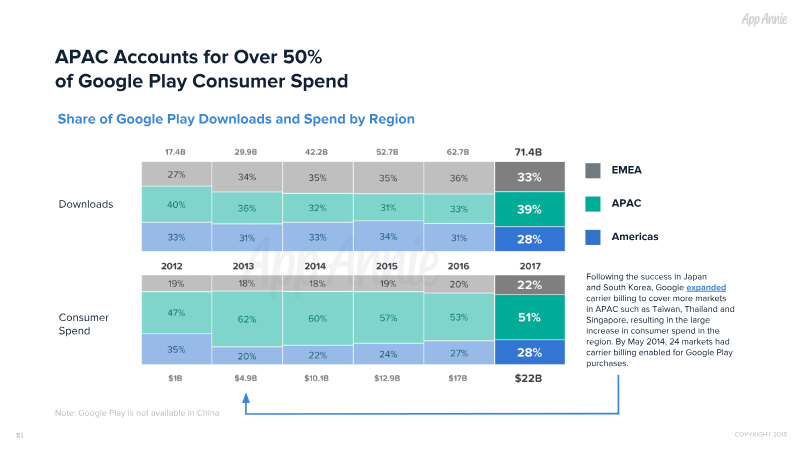
- Between 2012 and 2018, the Google Play Store generated over $85 billion in consumer spend across 330 billion total downloads, with more than 5,000 apps surpassing the $1 million revenue milestone.
- Annual consumer spend on Google Play is projected to reach $42 billion by 2022, representing a 90% increase from 2017 levels.
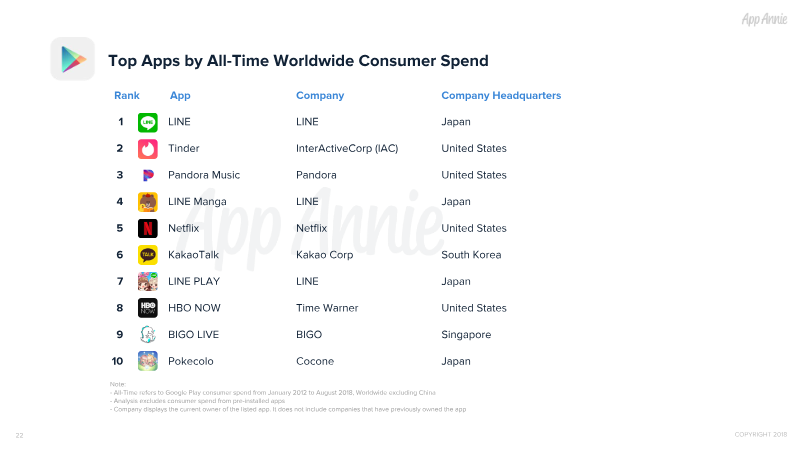
- While India leads in total download volume with 36.9 billion, Japan is the most lucrative market, contributing $25.1 billion in total consumer spend.
How to leverage branded video to better monetise your game
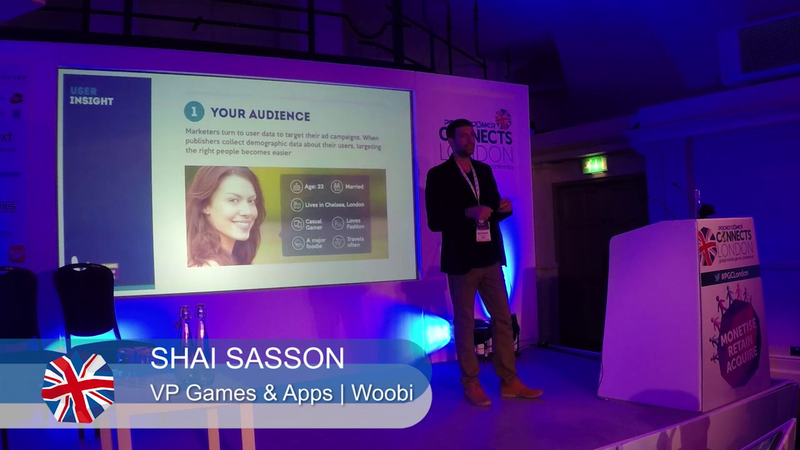
Mobile gaming represents a massive, underutilized opportunity for brand advertisers, driven by a global audience of 2.2 billion players who spend over 1.15 billion hours per month in-game.
- Mobile gaming reaches a global audience of 2.2 billion players who collectively spend over 1.15 billion hours per month in-game, representing a significant opportunity for brand advertisers.
- Branded video advertising serves as a high-value monetization strategy that increases user lifetime value and generates superior CPMs compared to traditional ad formats.
- To attract premium brand partnerships, developers must provide granular audience data, including demographics, hobbies, and behavioral intentions, to support outcome-based metrics like view-through and click-through rates.
The present and future of HTML5 games
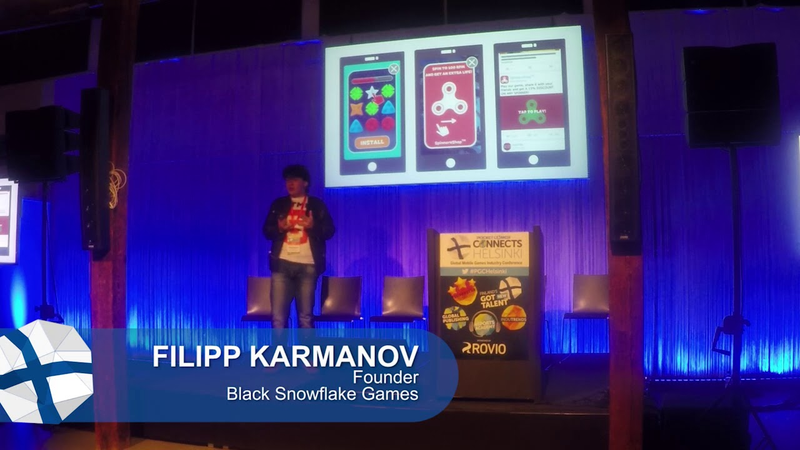
The HTML5 gaming sector is emerging as a significant mobile-first industry, driven by the integration of portable, browser-based games into major social networks such as Facebook, WeChat, and Vkontakte.
- HTML5 has become the primary cross-platform mobile development standard following the phase-out of native Flash support, prioritizing instant accessibility by removing app store download friction.
- Playable ads are a dominant marketing format, with industry reports indicating that over 45% of modern mobile advertisements now utilize this interactive approach.
- HTML5 games serve as high-impact viral marketing tools; for example, a branded game on iFunny achieved 1.5 million plays and 60,000 likes within 24 hours.

Turning a mobile game from Highway To Hell into Stairway To Heaven
The development of competitive mobile games requires a lean, iterative approach that prioritizes market validation from the first day of production.
- Prioritize market validation from day one by integrating user acquisition and discoverability strategies into the initial project inception rather than treating them as post-development tasks.
- Utilize rapid prototyping and continuous market testing to iterate on visual styles, UI, and core mechanics simultaneously, allowing for real-time performance measurement.
- Measure project viability through key performance metrics, specifically day-one and day-seven retention rates, to determine whether to pivot or refine concepts early.

Build smarter, grow faster and monetise better
Facebook aims to solidify its position as a central hub for the global gaming community by providing end-to-end solutions for discovery, engagement, and monetization.
- Facebook leverages a social graph of 800 million monthly active users to integrate gaming directly into social contexts like Messenger, groups, and feeds to improve retention and re-engagement.
- The platform's video strategy targets a monthly audience of 665 million gaming content viewers by integrating live streaming and eSports content into the dedicated Watch tab.
- The Instant Games platform utilizes HTML5 technology to facilitate frictionless, social-first mobile gaming experiences driven by leaderboards, messenger bots, and turn-based notifications.

Lifetime value for mobile apps
This discussion explores the methodologies and strategic applications of Lifetime Value (LTV) modeling within the mobile gaming industry.
- Lifetime Value (LTV) serves as the primary predictive metric for determining sustainable customer acquisition costs to ensure paid marketing efforts remain ROI-positive.
- Industry strategy is shifting from basic Cost Per Install (CPI) metrics toward Cost Per Action (CPA) models, which optimize campaigns by targeting high-value behavioral milestones like tutorial completion or PvP engagement.
- Effective LTV modeling must move beyond simple retention curves and average revenue per daily active user to incorporate organic uplift (K-factor) and specific in-game events.

How to design games for optimal IAP
Modern free-to-play game development necessitates a fundamental shift from traditional, finite project cycles toward a sustainable service-based model.
- Shift from finite project cycles to a service-based model that treats the game as an evolving amusement park to ensure long-term retention and engagement.
- Integrate monetization strategies into the core game design from the outset to support years of content expansion and live operations.
- Replace one-time premium purchases with annuity-based models, such as recurring currency subscriptions and gacha mechanics, to encourage sustained player investment.
Evolution of mobile advertising – How did we get here and what’s next?
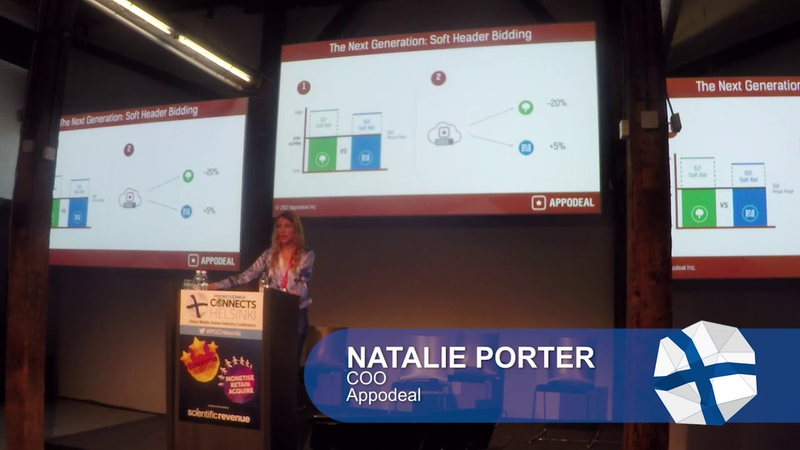
The mobile advertising industry is currently undergoing a fundamental shift, moving away from legacy desktop-based monetization models toward a mobile-first, real-time bidding ecosystem.
- The mobile advertising industry is shifting from sequential, static waterfall models to a server-to-server, real-time bidding (RTB) ecosystem.
- Modern mediation platforms now function as neutral judges that evaluate simultaneous soft bids against historical conversion data to maximize publisher revenue.
- Adopting an OpenRTB 2.3 compliant framework reduces latency and optimizes performance by activating only the winning network’s SDK.

Organic high-value user acquisition
This analysis examines strategies for identifying, acquiring, and retaining high-value users—often referred to as power users—within the mobile gaming industry.
- Power users constitute less than 0.1% of the total player base but generate a disproportionate share of revenue, frequently spending over $200 per month.
- High-value users typically concentrate their spending within only two specific game titles, demonstrating extreme loyalty rather than broad-market engagement.
- Developers should shift monetization strategies away from addictive mechanics toward identity and social status, offering elite items that allow players to signal achievement.
The global launch Of Diggy’s Adventure
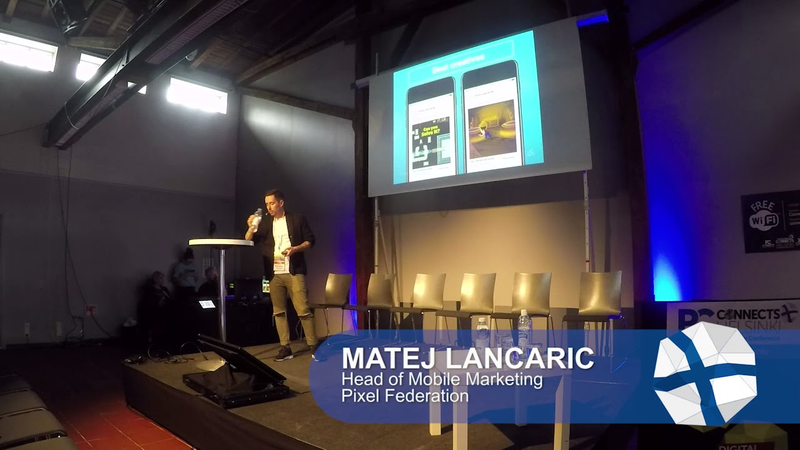
Pixel Federation’s global launch of Diggy’s Adventure demonstrates that mobile games do not require "hit" status to achieve significant profitability.
- Pixel Federation achieved a 60-day return on investment and tripled monthly revenues by scaling paid user acquisition to one million EUR per month during the global launch.
- The game currently generates approximately 1.6 million EUR in monthly net revenue with 400,000 daily active users.
- A five-month soft launch—extended from an initial one-month plan—was critical for optimizing performance, specifically reducing loading times and refining onboarding tutorials.
Rovio's VP of Finance for Games on UA and finance – A match made In heaven
In the current mobile gaming landscape, characterized by intense competition and a saturated market with nearly 800,000 games on the Apple App Store, user acquisition (UA) has become the primary engine for growth.
- Scaling a mobile game to a top-grossing position requires a capital investment typically 10 to 15 times higher than the initial development cost.
- The mobile gaming market is highly saturated, with nearly 800,000 games on the Apple App Store and approximately 750 new titles launching daily.
- Financial governance must treat each game as an independent business case, prioritizing the segmentation of spenders from non-spenders to accurately assess profitability.
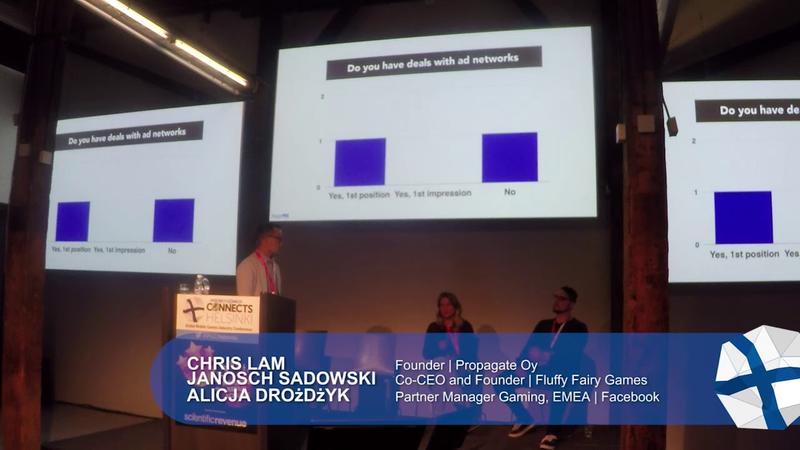
Mobile game monetisation tips
This analysis explores mobile game monetization strategies, focusing on the balance between ad-based revenue and in-app purchases (IAP).
- Monetization must be treated as a core design element rather than an afterthought, prioritizing user-centric 'opt-in' experiences like rewarded video ads to drive revenue without harming retention.
- User segmentation is essential for maximizing revenue, allowing developers to tailor ad exposure and in-app purchase offers based on the specific behaviors of high-value spenders versus non-spenders.
- To maintain technical efficiency and avoid excessive waterfall complexity, developers should limit their ad network partnerships to a range of three to five providers.