1 free read left. Create a free account for unlimited reading + AI research.
Create free account
Turning a mobile game from Highway To Hell into Stairway To Heaven
Key insights
6 takeaways- 01Prioritize market validation from day one by integrating user acquisition and discoverability strategies into the initial project inception rather than treating them as post-development tasks.
- 02Ensure product consistency by bundling features that appeal to a singular, defined target audience to avoid the high failure rates associated with misaligned design elements.
- 03Design the first-time user experience to prioritize immediate, recognizable gameplay over heavy tutorials to hook players before introducing novel mechanics.
- 04Balance game design by pairing accessible, catchy core loops with deep, complex meta-game elements to maintain long-term engagement through community-driven features.
- 05Utilize rapid prototyping and continuous market testing to iterate on visual styles, UI, and core mechanics simultaneously, allowing for real-time performance measurement.
- 06Measure project viability through key performance metrics, specifically day-one and day-seven retention rates, to determine whether to pivot or refine concepts early.
Ask AI about this video
Transcript
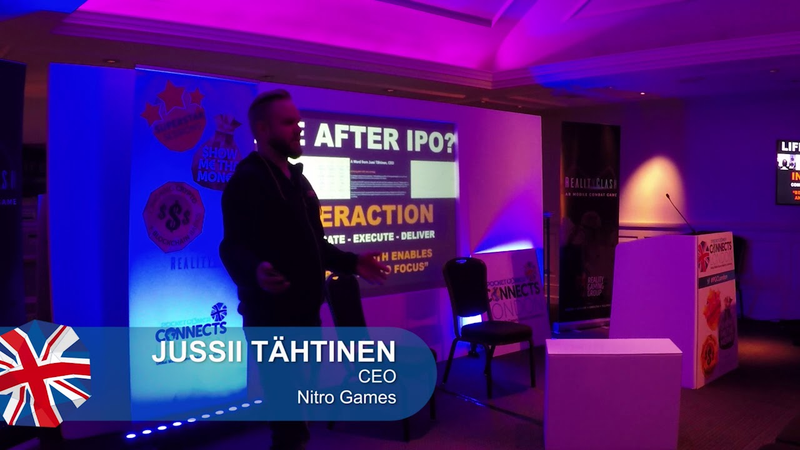
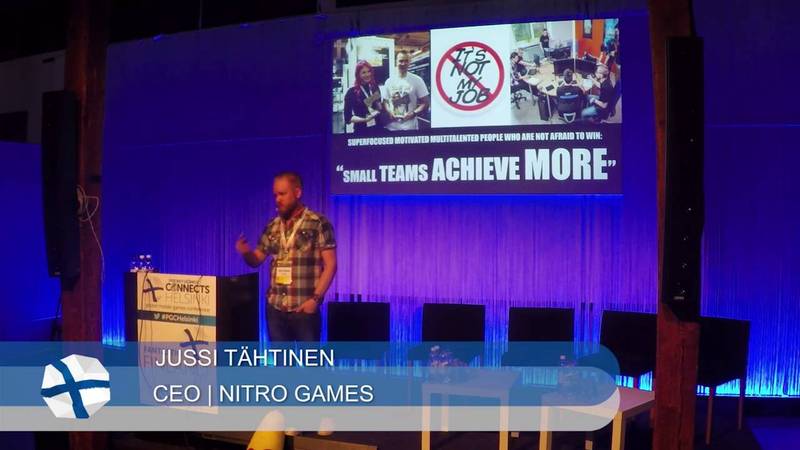
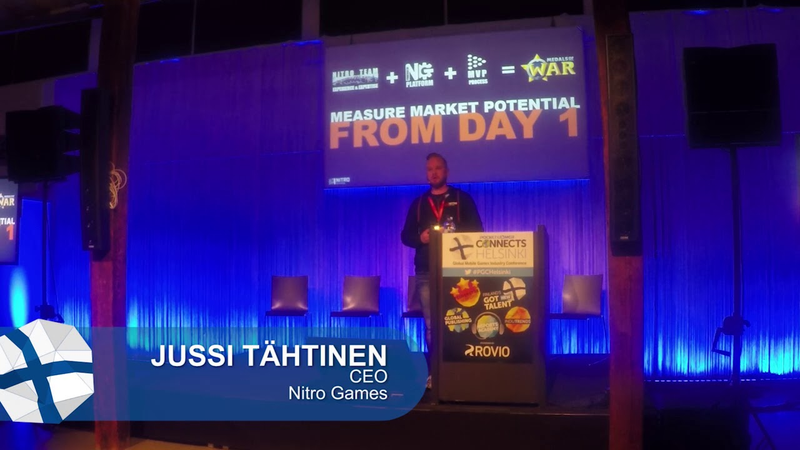
[Music] [Music] good morning um I woke up today already at 5 a.m. because today is a pretty damn special day for us at Nitro games or we're today celebrating our 10 years anniversary our theorem PG connects so couldn't be more proud right now thank you so during those 10 years we've done a few things including a couple of free-to-play mobile games or some of them with our own IP and some of them with third-party IP and I thought that today I would share some of our learnings when it comes to how to do things with free-to-play mobile and
especially how not to do things with free-to-play MOBA so let's go forward but before that with nitro games we've done more than 20 launches on various platforms throughout the years and we've always had this mentality that we want to be mean we want to be a child we want to be lean and we want to be small we're big believers in being truly a small and lean company and as of today were 25 people into studios here in Finland and that means that being such a small has this awesome advantage of having the ability to focus and right now we're focusing exclusively on competitive multiplayer on mobile and that's that tough not that we're trying to crack at the moment when we started looking into doing competitive multiplayer on mobile we started looking into what's already happening on the market and very soon it became pretty obvious that when it comes to mobile games there's actually nothing
really new it's repeating conventions over and over and over again and therefore I thought that it's a good idea to actually compare games into in the music business because there is surprisingly a lot of similarities there so first thing that we started looking into is that what's actually trending in the market right now and what could be potentially the next trends whether they're big trends or smaller trends and looking in the music things we've noticed that as years go by there's all these things that you can easily measure from the heat songs which have been popular whether it's an decrease or increase in the tempo of the song or anything else and over a certain period of time you notice that there are always these sort of things that are pictures of that time something that comes along becomes a big hit and then fades away and then on the other hand you have something that's evergreen and simply doesn't change even though all the massive master in chains so we
figured that are where we want to be in is something that is a match for what's trending at the moment on the market but we definitely want to keep our roots and we definitely want to keep our core customer that we've had for the last 10 years and do our games for that particular guy the second thing when we figured out that what's the market opportunity or was that we started to worry about discoverability especially with hundreds of games released every day on the App Store's and so and everybody knows the importance of this part combined with the fact that user acquisition is getting more and more challenging all the time this really is a key topic and we feel that instead of thinking this in the end we're in you already have the game you should be thinking this thing day one before you start building the game so we started paying attention to things like what does our game and IP that we're about to create communicate about the Chandra what does it communicate about the
company that it comes from what does it communicate to the target player what does it what does it mean to the target player to see this type of an icon for example in the store so all these things we figured that these are day one topics instead of something that we later on let our marketing team to worry about once the game is already done the second thing before we went forward was this our concept of bundling and unbundling a lot of people have spoken about this topic but what we feel is crucial here is that whenever we are building a new product or we need to make sure that on we're offering something to our users that they effect we need to make sure that there is something that they expect to receive otherwise they're gonna be disappointed even if that something is better or better than what they expected and then we need to pay a lot of attention to making sure that those elements that we bundle together or unbundle are separately we need to make sure that
those are all elements that appeal to the same target customer so everything in our thinking process is basically focused around our target customer and what he or she expects and with this concept of bundling we've been looking into various different examples on the market what other companies have done and are basically in a nutshell it looks pretty Streamlight if you are bundling together something that you can expect the same target customer to play it's usually something at least successful if not even a big hit and the moment you go over the line and you start bundling together or something that that same customer wouldn't enjoy or it's going to be a failure so it's not about do this and that element actually fit together but are there is something that the same costumer can enjoy the second thing now we have a rough idea of the game in our heads is first time user experience and our first one decently successful band
and what we see here is waveform representations of six of their popular songs the first 90 seconds of those songs and they look pretty damn similar to me and this is the key thing in first-time user experience the last thing you want to do when creating a mobile game is to teach because people download the games for free they might download several games for up every single day and that means the attention span in the beginning before you have them hooked is super short so that's not a moment when you start want to start teaching that's the moment when you want to give them something that they expect something that they know something where they get the feeling ok I know this this is something for me and after that you're going to introducing something new something hooks something refreshing but don't make them suffer the first 90 seconds or whatever the length of your first time user experience once we're beyond this point we go into this or some things called core loops
designing meta games and again there's pretty much of this learning that has already been done in the in the music business this is pretty much the formula that all popular songs especially rock songs tend to follow and something that we we figured that what's the analogy here between games is that our games always successful ones have some clear core loop and typically they are dominated in a way that if you are talking about competitive multiplayer you have in music it scores in competitive multiplayer it's typically some sort of battle phase or interaction or wherever you interact with other players you need to balance that with the sort of bird section which is typically called as meta game or upgrading something or whatever it might be and our our tech was that we want to be like a CDC we want our course so the battle phase is something that's super
simple to learn but it still needs to be something that you want to hear and play over and over and over and over again it needs to be something that's familiar so that the moment people hear it or played they instantly get this okay that's something I can sing along this is something I want to play but it also also needs to be something that's relatively short because of the nature that I just described so that you don't get bored and because it's gaming on the go you're playing short sessions and all that and therefore we thought that if our games were ac/dc songs they would have simple and catchy choruses that you never get bored of listening to or singing to but the verse is where the secret is that's our meta game and that's something where we want to go very deep and offer a lot of complexity to the player a lot of options which then again increases the importance of the core gameplay and on well we got that figured out here's something really really important we are making our games for
our players and something we are big believers in is that we want to tie those becoming part of our game development or or the game as a service as close to day one as possible so you want to meet with those people you want to hear their opinions you want to have them to have the ability to play the game and give you feedback and we started solving this puzzle in a way that we started running events to the first customers that we had even if it was just some tens or hundreds of people we started running events where we could meet meet with them and then scaling those things up as we go because in the end of the day we feel that any free-to-play competitive multiplayer game are the negative credit is actually in the events and in the in the social sidon and in the community side that's what keep those games alive for a long time so why not start from the beginning and lastly something we learn from music is tied up you need to
have a portfolio and uh a lot of lot of companies say that they are building a portfolio or they already have a portfolio but what's what's important here in my opinion is that ah you need to focus again on the same target customer are some of your albums might be very different to another like with this one album is disco music another one is almost heavy-metal and everything in between but they're all targeted for the same customer and they all serve the purpose of squeezing the last money off from the customer and keeping the customer in a state where he or she is happy to pay so it's a win-win for both parties so our approach to our portfolio is that we don't necessarily want to make all our games the same way or be similar to each other but we definitely want to make sure that all our games are targeted for that same target customer and then lastly we figured that whatever you do whether it's about following conventions in in other games or
intentionally breaking those conventions as long as you strive for quality as long as you have the mantra that whatever we do we want to make it better than the competition we feel that that's the key so all the previous points are you can you can almost ignore if you just do your stuff better and that's something that we we Kirk really a lot about from the day one so now moving from music to actually games I wanted to give you a brief glimpse in terms of how we put this thing into practice with our latest game called medals of war so uh we've been around for 10 years now which means that our we have a team that's worked together for a really really long time and one of the big benefits of having that combined with the fact that we're not exactly super large team is the fact that we can give project management pretty lean everybody knows it's other everybody knows their strengths and
weaknesses so we can avoid a lot of these pitfalls that come into play when you're building a new team that combined with the fact that during last four years we've been building our own technology and processes we call nitro games platform which basically makes our software development pretty fast because we have a lot of reusable stuff that we can use between different games so we combined these two things with what we call nitro game's MVP process which is a fancy name we came up with our end of last year what essentially it means that we build our games in a way that we start market testing them after first week of development and I'm not bullshitting you we actually do that and the whole point of that thing is that since mobile games are getting more and more expensive to develop they're taking more and more time to develop the marketing czar is getting more and more expensive running live operations is getting more and more complicated you have all these new factors coming to play so our approach is that even you can hear it from the large companies who are super successful that even they
sometimes kill games and fail so we figured that do we really need to wait for 12 months or 18 months of development and do that blind and only after that we get something nice that is this going to actually work or not we didn't want to go down that route so we decided that we want to start testing everything from day one so here's what it means in practice a couple of case examples one thing is that during the development of medals of war or it wasn't exactly just medals of war that we developed but several different iterations of the game we had several different visuals stars of the game and we tested these both in the game and also in marketing so we did your typical paid user acquisition with different campaigns and creatives and this way this helped us to avoid certain pitfalls and certain mistakes we knew that we want to make a second world war themed game but we were not exactly sure that where should we be in terms of having realistic game or having something that looks relatively
casual so we wanted to map that out so we've done a lot of different iterations during the development on this and basically went with the option that was performing best both in the sense of user acquisition and both in the sense of our game performance the same mentality we had when developing the UI UX is in my opinion the thing in mobile games are nailed that and even a poor game can be fun and and like if you're underperform even the best game will suck so we had several different approaches to our user interfaces and usability and this is something where we we tried a lot of things that were sort of conventional in the chanter something we knew that players have experienced before we tried something that's relatively new to the challenge or something that's or new ideas or or things like that and then we measured all of those combined with the sort of visual aspect of how the UI looks does it look hardcore does
it look casual and and all those things and through different iterations during the development that's what we ended up with in the case of a main menu for the game and most importantly with tons of iterations on gameplay we at first thought that of course we know what's fun and that's still remains true but then when we had this freedom of exploring different ideas we we realized that we have at least 5 10 different gameplay ideas for medals of war for the core gameplay that all feel fun some some of them might be more deep some of them might be a little bit more straightforward and everything in between but all of those felt good and this is something that I think was the really revolutionary thing that we learned during the development of medals of war we started by testing the core gameplay with the actual test customers
first and we iterated several different approaches something from almost PC hardcore strategy game gameplay into something really straightforward and everything in between and this was really beneficial for us because this testing combined with different IP testing and the visual starts and everything really gave us the luxury and benefit of knowing exactly what works and what doesn't so basically now we've been developing medals of war from roughly February this year and during that time we've constantly had the visibility on all the different changes how it affected day-one how that affected de7 how did it affect monetization or conversional or all of those other things so this means that all the choices that we've been done we've been able to measure them instantly and there have been times when we've gone wrong there have been times when we think that we've gone too far in terms of making something or too deep for example and then we just took a step back so that's been our model and invention and as a result
here's what we got good weather great fish well guess what I love it better the explosive world of war experience real-time multiplayer fooled bad Orlando agent medals of war so that's metal war and uh to celebrate our 10th anniversary we just released this bad boy today so go check it out thank you [Applause] [Music] [Music]
Summary
The development of competitive mobile games requires a lean, iterative approach that prioritizes market validation from the first day of production. By drawing parallels between game design and the music industry, developers can better understand audience expectations, balancing familiar, catchy core loops with deep, complex meta-game elements. This strategy ensures that products remain accessible to target demographics while maintaining long-term engagement through community-driven events and social features.
Key findings emphasize that discoverability and user acquisition are critical challenges that must be addressed at the project's inception rather than as post-development marketing tasks. Effective product development involves bundling elements that appeal to a singular, consistent target audience, as misaligned features often lead to product failure. Furthermore, the first-time user experience should avoid heavy tutorials, instead providing immediate, recognizable gameplay that hooks players quickly before introducing novel mechanics.
Methodologically, the approach relies on rapid prototyping and continuous market testing. By utilizing a proprietary development platform, teams can iterate on visual styles, user interfaces, and core gameplay mechanics simultaneously. Testing these iterations through paid user acquisition campaigns and direct feedback from early adopters allows developers to measure performance metrics—such as day-one and day-seven retention—in real-time. This data-driven process enables teams to pivot or refine concepts early, significantly reducing the risk of investing in unsuccessful titles. Ultimately, the goal is to maintain a portfolio of diverse products that all serve the same core customer, ensuring that every design choice is validated by measurable player behavior and a commitment to superior quality.