1 free read left. Create a free account for unlimited reading + AI research.
Create free account
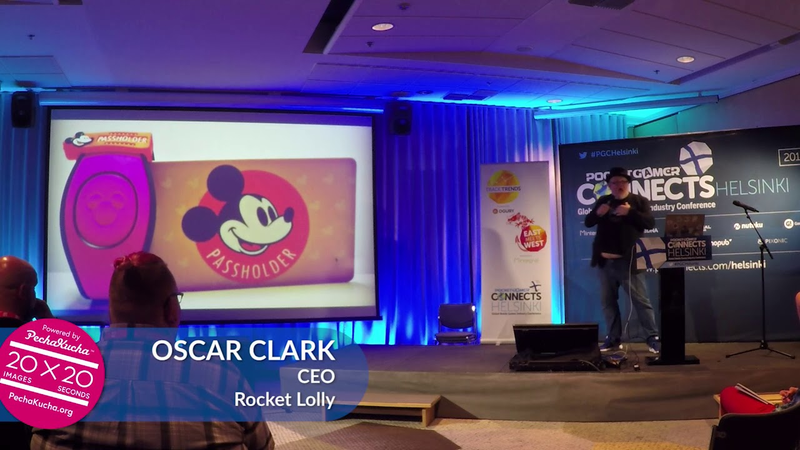
PGC Helsinki 2018 Pecha Kucha sessions: Rocket Lolly's Oscar Clark
Key insights
5 takeaways- 01Long-term commercial success in mobile gaming is driven by player empathy and genuine engagement rather than the systematic extraction of capital through psychological manipulation.
- 02Forcing ad consumption or transaction prompts during gameplay disrupts the user experience and undermines the integrity of the game medium.
- 03Aggressive monetization tactics such as operant conditioning, artificial scarcity, and predatory subscription models often prioritize short-term quarterly earnings at the expense of sustainable player retention.
- 04The industry faces a persistent ethical tension between maximizing immediate financial returns and maintaining a respectful, long-term relationship with the player base.
- 05Designers frequently utilize 'idiot filters' in user interface layouts and pay-to-win mechanics to exploit player psychology and influence decision-making.
Ask AI about this video
Transcript
[Music] ladies and gentlemen may I please convene the evil monetization Club and don't forget the first role of evil monetization Club is don't no no no sorry let's make lots of money so accountants yes we just talked about this well you see what I love about the games industry is that the accountants are the best people to make game design decisions I don't listen to those snowflake liberal game designers and they're oh it's going to break the gameplay nonsense we all know it's all about training players to press the right buttons they're amazing I mean design is just a bunch of operant conditioning have a button for players to press that gives them a reward and they'll be happy about it forget about
gameplay I mean what's that about anyway seriously you've just got to get the order right and of course what's more fun than spending money and giving it to me I mean players will go and waste it on something you know useful I mean spending money makes people feel happy so really we're doing them a favor and besides the whole freewill thing is it overrated I mean players complain that they don't like to be manipulated but look at the data when they don't know they're having their strings being pulled they love it and all this decision-making it's just too hard for them so what if long-term revenue drops that's a problem for next quarter we love the classics stop players in the middle of gameplay and it's a great time to sort out the
players from the freeloaders what could possibly go wrong timing time is something that we can put in a player's way then press 15 times the X button through a pointless cutscene and it will make the gameplay seem longer longer is more value isn't it I mean that's the point you know what things happen what things make what makes things really valuable is being rare think about that last doughnut everybody wants the last doughnut because games are digital we can keep offering them more last doughnuts so who cares about a balanced economy this is about making money now players talked a lot about balance and particularly about pay to win but you know what they are their winges whingers can play about complain about pay to win do you know why because they don't have what it takes to beat people more money want to
win shut up and give me your money you know what the most important thing to remember of course it's those beautiful things you know those you eyes are don't seem to make any sense that's not a mistake it's an idiot filter and you know what we want we want more idiots so we make sure that you hide the very thing that is there because only the people are gonna pay for it deserve it yes the whole point oh let my next trick perhaps my favorite sales we know about sales don't we sales are fantastic so it's always great especially when we cut the price of all our best-selling items we sell even more of them got price this week only everything must go and if they fall for
it we can do it all again next week and so what if we undercut the the revenue we get for that quarter we can sort it out another time now my three of my favorite word's season pass subscription I mean these things like gym membership I mean it you know we all know about gym membership you go there you try it out and we get regular income and after the first few tries no one ever goes ever I mean seriously look around yeah look at us we never go to the gym you know and we can if we really plan it we can send them bungles a bonus stuff too genius I tell you what's even smarter though yeah this is the let's rent the item so that wasn't me somebody always playing silly buggers with me even better why don't we make people who pay
spend even more I mean we know they're good for it and you know let's not leave any money on the table after all and of course the more they put pay the more loyal they are and in fact if you'd paid more they don't want to protect what they've paid I mean oh that database entry that we look after insurance is so much fun if it's giving me an idea why don't you hold something that the player loves to ransom I know it might seem cruel but remember we can always pretend it was part of the story did someone do that already fable that's an old joke no one will get that so pay up or the doggy gets it and if they don't pay we can always show them an ad you know that's pay money right yeah that's the way to do it hey why don't we skip all this nonsense we're trying to get people to
pay for things and let's just make sure they turn up watching ad I don't really care if they play just get them to log in and watch something that'll get us money that's what it should be what more do you want well actually obviously that's all nonsense I don't really think that game design comes from you know great game design came great comes from great game designers who love their game and who love their players and deliver something their players will love too and the Richard reference is because that's my real fur name but everybody knows me as Oscar why because from a very young age I learned not to be a dick [Applause] [Music]
Summary
The presentation serves as a satirical critique of aggressive monetization practices within the mobile games industry. By adopting the persona of a cynical, profit-driven executive, the speaker highlights the ethical tensions between short-term revenue maximization and sustainable, player-centric game design. The core argument posits that while manipulative tactics—such as operant conditioning, artificial scarcity, and predatory subscription models—can generate immediate financial returns, they ultimately undermine the integrity of the medium and the relationship between developers and their audience.
The analysis covers various industry strategies, including the use of "idiot filters" in user interface design, the psychological exploitation of "pay-to-win" mechanics, and the implementation of recurring revenue models like season passes. The speaker illustrates how developers often prioritize quarterly earnings over long-term player retention, frequently interrupting gameplay to force transactions or ad consumption. These tactics are framed as a form of manipulation that relies on the player’s inability to recognize when their decision-making is being influenced by external systems.
Ultimately, the presentation concludes by rejecting these predatory methods. The speaker clarifies that true value in game development arises from designers who prioritize player enjoyment and genuine engagement over exploitative monetization. By contrasting the "evil" persona with the reality of professional game design, the talk emphasizes that long-term success in the industry is built on empathy and respect for the player, rather than the systematic extraction of capital through psychological manipulation.















Comments