Monetization reports and market data
Documents
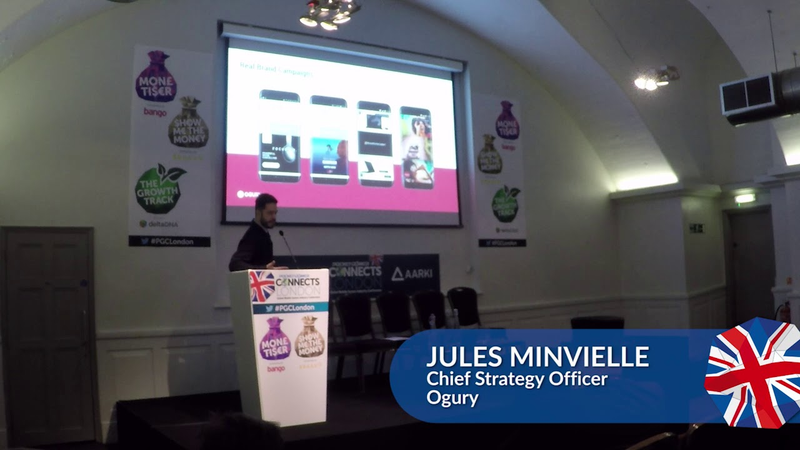
Understand the complete mobile user journey – Attract brands in your games, drive revenue
Mobile game developers often struggle to maximize revenue and user engagement because they lack visibility into the 99% of user activity that occurs outside their specific applications.
- Developers can move beyond performance-based ad networks by using first-party mobile journey data to profile users based on their broader digital behavior, including browsing habits and cross-platform engagement.
- Accessing data on the 'App Universe' allows developers to prove audience value to major consumer goods and technology brands, enabling a shift toward higher-value brand campaigns that improve ad relevance.
- Developers must move away from simplistic 'accept all' consent buttons to implement robust, transparent consent management platforms that allow users to opt out, access, or delete their data to ensure GDPR compliance.
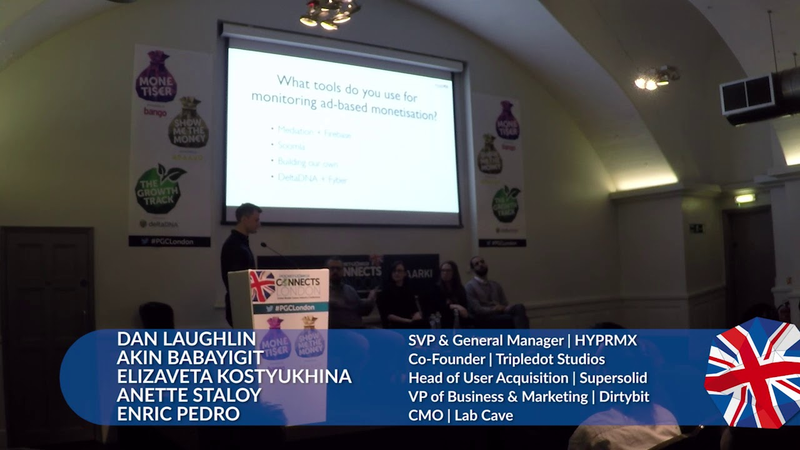
SpeedPanel: Ad monetisation takes over the world
The panel discussion at Pocket Gamer Connects London 2019 explores the rapid evolution of mobile game monetization, specifically the shift toward integrating ad-based revenue alongside traditional in-app purchases.
- Ad monetization has evolved from a secondary revenue stream into a core, data-driven product feature essential for scalable user acquisition.
- Developers should prioritize rewarded videos and non-intrusive ad formats, as these implementations can improve player retention rather than detracting from the user experience.
- The industry is shifting toward bid-based mediation, which increases efficiency but requires greater technical sophistication from development studios.
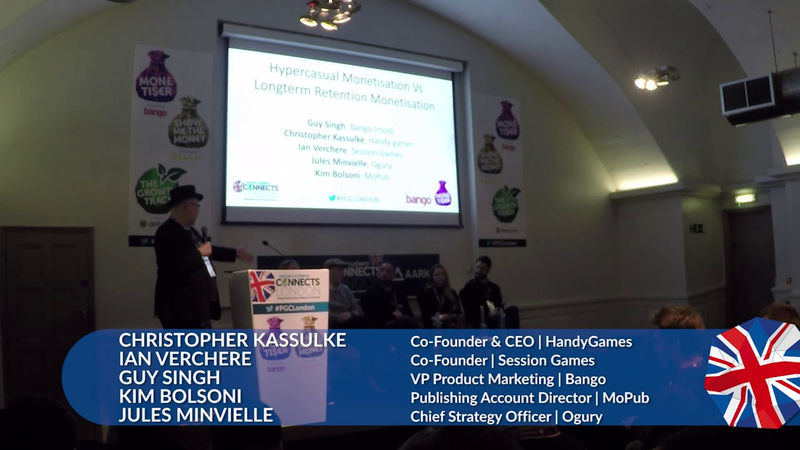
Hypercasual monetisation versus long-term retention monetisation
The mobile gaming industry faces a fundamental strategic divide between hypercasual models, which prioritize rapid, ad-driven revenue within the first 48 hours of engagement, and premium, long-term titles that focus on sustained intellectual property value and player retention.
- Hypercasual games prioritize immediate, ad-driven revenue within the first 48 hours of engagement, whereas long-term titles focus on sustained player retention and intellectual property value.
- The industry is shifting away from intrusive 30-second television-style ads, which contribute to user churn and ad fatigue, in favor of shorter, native, and more varied ad experiences.
- Developers are increasingly integrating non-gaming brands into their titles to diversify revenue streams while preserving the integrity of the user experience.
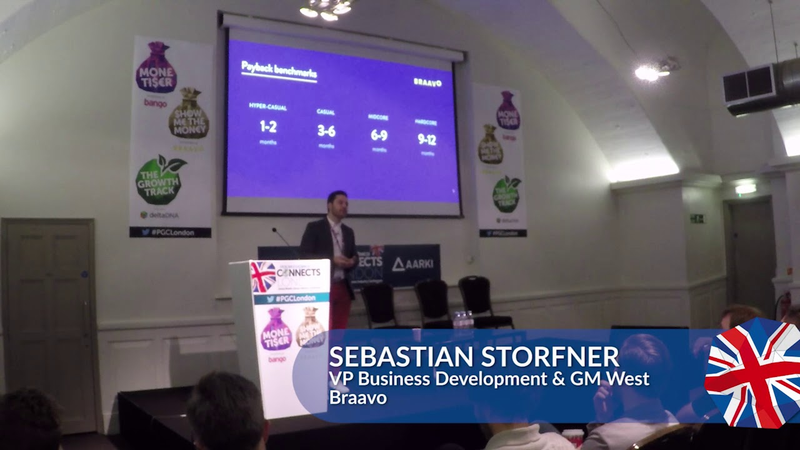
New fundraising strategies for games developers
Securing capital for mobile game development requires a strategic approach tailored to the specific lifecycle stage of a studio.
- Studios should transition from equity-based funding to debt financing once a title achieves positive unit economics, where the lifetime value of a user exceeds the customer acquisition cost.
- Debt financing serves as a non-dilutive tool that allows developers to scale user acquisition by leveraging receivables from app stores and ad networks as security.
- Venture capital is often the most expensive and time-consuming funding path, requiring founders to surrender equity and commit to high-pressure exit strategies.
Lifetime value forecast – How to predict your game's revenue
Lifetime Value (LTV) serves as a foundational metric for mobile game developers, enabling them to determine sustainable customer acquisition costs and identify the most profitable traffic sources.
- A sustainable mobile game business model requires the Lifetime Value (LTV) of a user to exceed the customer acquisition cost by a factor of at least three.
- LTV is a composite metric derived from three core variables: user retention, payment share, and average revenue per user (ARPU).
- Predictive modeling is necessary for real-time strategy because waiting for a user cohort to fully churn is impractical for business decision-making.
Why go hypercasual?
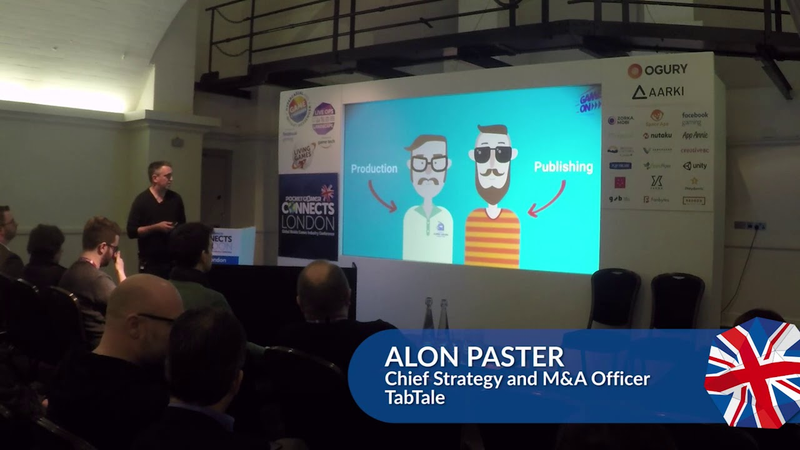
Hyper-casual gaming represents a highly lucrative and accessible sector of the mobile industry, characterized by simple, intuitive mechanics that require no explanation for the player.
- Hyper-casual games prioritize high-volume ad monetization over the traditional 'whale' model, targeting a massive user base to generate revenue.
- The 'fail fast' methodology dictates that prototypes must be built in under three months, with concepts abandoned if they fail to show strong metrics during soft launches of 2,000 to 5,000 users.
- Success depends on rigorous post-launch support and continuous content iteration, which can allow titles to maintain top-chart rankings for years despite the genre's reputation for short lifespans.
Facebook Instant Games - What's next?
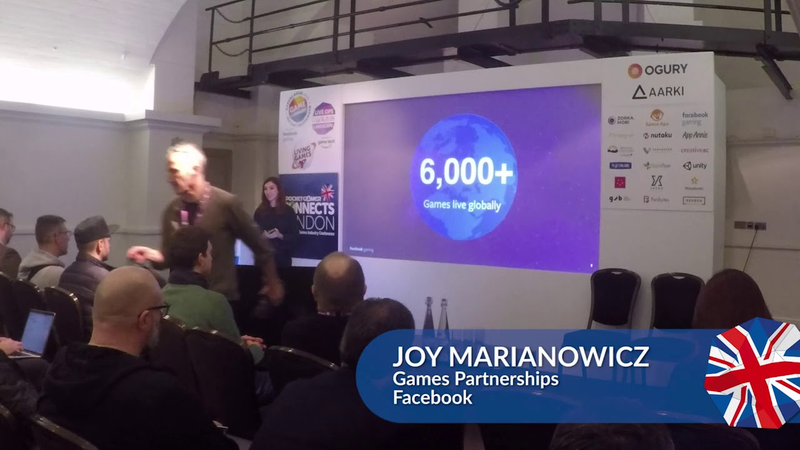
Facebook’s strategy for its Instant Games platform focuses on building a comprehensive gaming ecosystem that leverages HTML5 technology to provide frictionless, cross-platform experiences across Messenger and the Facebook News Feed.
- Facebook Instant Games has scaled to over 6,000 live titles by leveraging HTML5 technology to provide frictionless, cross-platform access across Messenger and the News Feed.
- The platform has successfully improved day-one retention rates, moving significantly beyond previous industry benchmarks of 15–20%.
- Growth is driven by social and viral mechanics, including turn-based challenges, group tournaments, and features that help users find other players.
What Gamee learned about hyper-casual games from 3 billion gameplays across 70 games
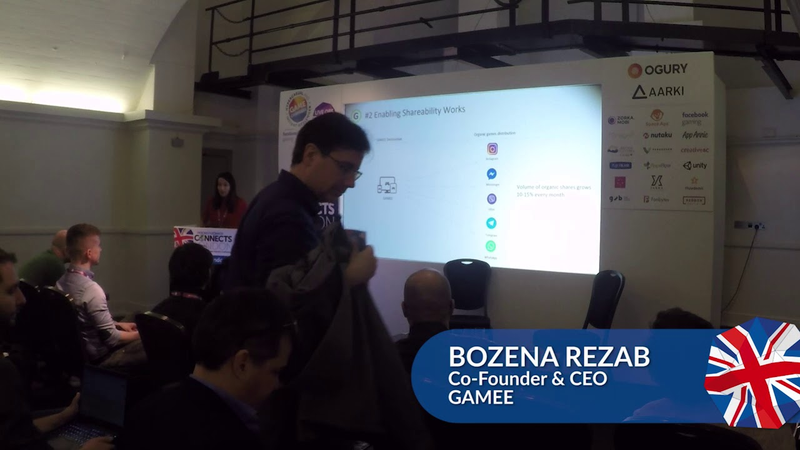
The analysis of over three billion gameplays across 70 hyper-casual titles reveals that social integration and platform context are primary drivers of engagement and retention.
- Implementing a unified meta-layer for progress, points, and tournaments across a portfolio of games can double engagement metrics compared to standalone titles.
- Increasing social density by facilitating direct connections between friends significantly improves both day-one and day-seven retention rates.
- Optimizing the timing of share prompts and providing meaningful incentives like high-score comparisons can increase organic sharing by 10% to 15%.
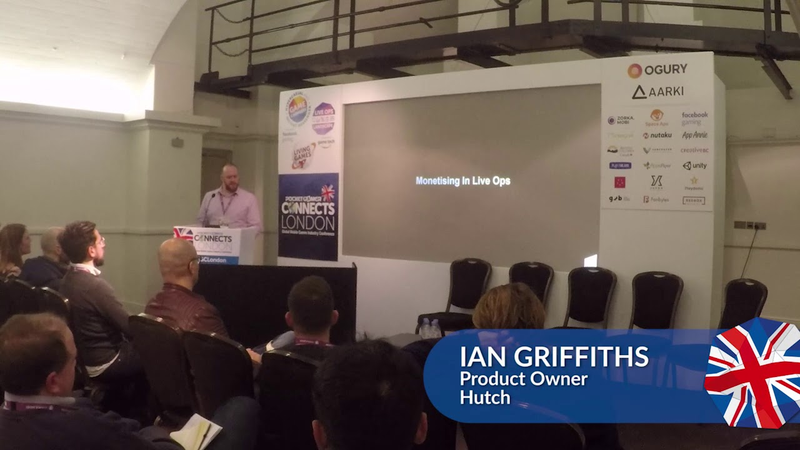
Hutch on monetising for live ops
The presentation outlines a strategic framework for monetizing live operations in mobile free-to-play games, specifically drawing from the experience of the London-based studio Hutch.
- Hutch increased average revenue per user (ARPU) by over 25% in Top Drives by implementing a system that triggers targeted starter pack offers every five player levels.
- Live Ops allows for continuous revenue growth beyond the launch month by building a base of hyper-engaged, long-term players who remain invested for years.
- Effective monetization in Live Ops relies on an expansive meta-game built on granular, extensible content that feeds directly into the core gameplay loop.
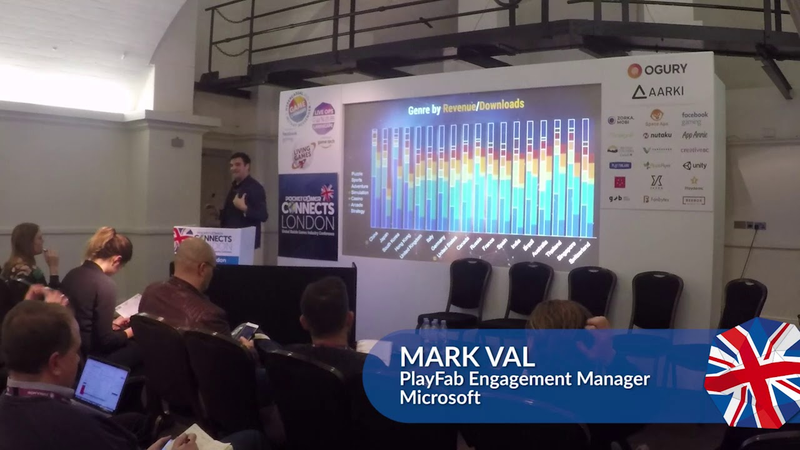
PlayFab on game monetisation with live game operations
Live game operations serve as a critical framework for modern, always-online titles, shifting the focus from initial launch to long-term player engagement and sustainable monetization.
- Retention is the primary driver of revenue, as a significant portion of the player base does not begin monetizing until after the first 28 days.
- Localization is a critical growth lever, with 50% of global users preferring to interact with game content in their native language.
- Successful live operations rely on treating game development as a service, utilizing A/B testing and rapid iteration to align content updates with player behavior.
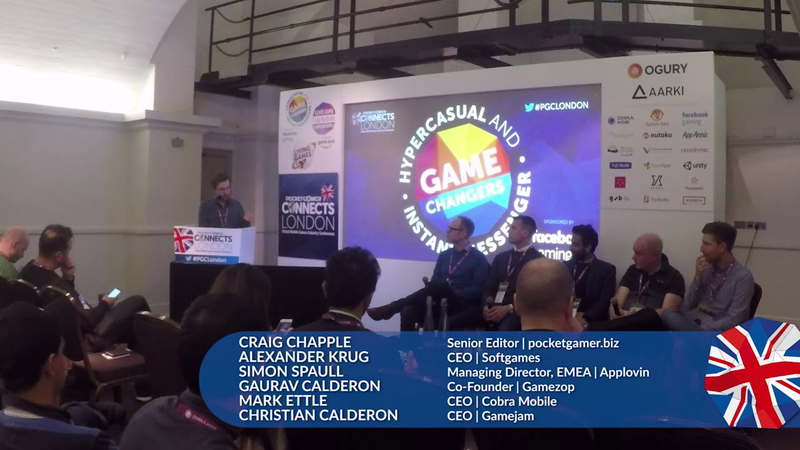
Keys for success in hypercasual and Messenger games
Hyper-casual and messenger games represent a distinct segment of the mobile industry defined by accessible, snackable mechanics and rapid development cycles.
- Hyper-casual games are defined by core gameplay loops that engage users every 1–3 seconds, with success often driven by iterative design rather than complex metagame features.
- User acquisition has become the primary driver of success in the hyper-casual market, shifting the focus from pure game design to the ability to measure and scale paid marketing profitably.
- Messenger-based games rely heavily on viral sharing and social moments to drive organic growth, which can potentially bypass the need for traditional paid user acquisition.
How Facebook works with games publishers to support sustainable businesses
Facebook supports game publishers by providing a comprehensive ecosystem that facilitates the entire commercial lifecycle, from initial user acquisition to long-term monetization.
- Facebook distributed $3.2 billion to game publishers through its monetization networks in 2017, highlighting its role as a major revenue driver for the mobile gaming economy.
- 73% of gamers accept advertising as a standard component of free-to-play titles, viewing it as a fair trade for content access.
- Successful publishers are shifting from retrofitting ads to designing games with monetization strategies integrated into the core experience from the outset.