1 free read left. Create a free account for unlimited reading + AI research.
Create free account
New fundraising strategies for games developers
Key insights
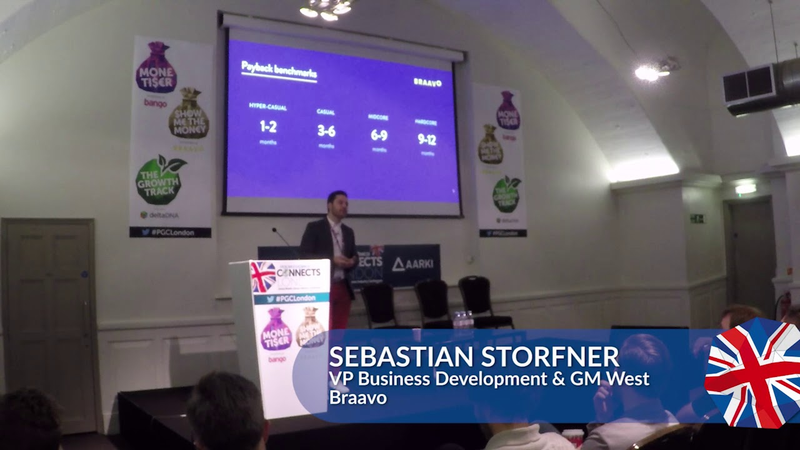
6 takeaways- 01User acquisition payback periods vary significantly by genre, ranging from one to two months for casual titles to over a year for hardcore games.
- 02Venture capital is often the most expensive and time-consuming funding path, requiring founders to surrender equity and commit to high-pressure exit strategies.
- 03Debt financing offers a faster capital flow than equity rounds, which typically require six to nine months to finalize.
- 04Successful studios use debt to fuel the growth of established 'rocket ship' titles while reserving equity to fund long-term innovation and early-stage production.
- 05Studios should transition from equity-based funding to debt financing once a title achieves positive unit economics, where the lifetime value of a user exceeds the customer acquisition cost.
- 06Debt financing serves as a non-dilutive tool that allows developers to scale user acquisition by leveraging receivables from app stores and ad networks as security.
Ask AI about this video
Transcript
[Music] oh good afternoon let's see a few faces in the audience so let's jump right in I know I'm crazy it's actually something I never hear from anybody when we can do a big game so hands like how are you feel we need to join the forces of fundraising yes there's one here so it is a hard thing like it it's time-consuming is exhausting and when you talk to me see it's for example then you exercise in raising the next pump I never had a discussion let me see who said like all of us was also like it because I need to raise our next one pump but there's so much fun because
usually is not a lot of fun right but the point is we all you all have to go through it if you run a mobile game you silly if you want to be fun this fundraising is part of it so we better get on the same boat right so which means how to make fundraising a little bit better so when you you have so I actually have cut off but those options they depend on where you are in the lifecycle of your studio and your game so you think the first stage is to plan your location right that's where it's all about the idea and the concept then the second stage you have to build your option that's where production and then the third stage it set the stage when you have a launcher then it has to put fuel into the rocket ship so I can fly properly in every every stage has different requirements so if we look at the
planning stage right like you can bootstrap your movie you can studio which is the hardest way to do it but there's family access so once you have your concept that is about production it's not an easy and uncertainty because you don't know the outcome you don't know how the game eventually turns out so this uncertainty so one good way and most efficient ways meant to happen right we have to visually see funds although then the problem is that
traditional VC funds invest less and less in our over gaming because mobile gaming is little more mature but we have special yet VC funds that are specialized in gaming and you have large publishers to check corporate VC box so there's quite a bit of options there quite a bit of options there you can can also go up a publishing deal which is his own animal and you could probably spend like two to three hours just talking about coffee meals and there's always work fire is a little tricky but we have so years ago I wasn't and
models and fast Megan is ideal funding either position so when you're LTV is greater than your CPI CPI for your customer acquisition cost it makes economic sense to buy more to invest in vessel to begins to maximize that spend until SV equal CPI and you totally maxed out with the inventory yeah yeah yeah to
actually build a fat tail right to acquire as many users as possible early on in the life cycle and then there's no users churn out some state but the ones which stay because a month of a month in you stack them up and you have effective and that is the tail you want to monetize and you can monetize the lifecycle of the game right and then and since that position is is very expensive it can be 75 to 8 percent of your monthly expenses at some point late in life cycle you decrease you a and your margins should go smooth some of you might think well what you just said here on stage is that always true right and you're right there's a habit rate it is about the payment benchmark which you should keep in mind right different titles in different genres have different hey Beck durations
music what we see in the United careful space we're after is load when the tension is low it's usually one to two months that you should be QA spend when you in the casual genre we have puzzle games the next three games three to six months midcourt the bedroom ceiling is six to nine months to meet us spend and half for half your games it can take a year even longer until you can you answer so if you have positive unit economics and right so what what is not to spend aggressively and usually the reason is access to capital you as someone who runs it again in studio your job is to create optionality for your business and to allocate resources efficiently right the good thing is in the third stage to skin to
skin the studio to schedule the title you have more options than ever before because you can now also access that and why why is that right when we have a rocket ship with positivity economics then there is not a big business anymore it's highly addictive business right and in today's world expected lifetime for a new Titleist 7 to 10 years so it's a long long way life cycle to pipe its predictability with low my exciting means a mobile game can almost be like a month annuity when your job is to find the right strategy basically like the choices we have next ages right when you when you go off to death it's the most expensive right it's ownership in your your business this point is the
most valuable asset you have right that's what we have to give up it's also very limiting because only small fraction of harmonies or gaming companies can can get access to venture capital right if you compare that the best yet is because of that it's always cheaper right so it's also very transparent you know up front instead of the feet and you have access we have much cheaper than inequity but when you raise equity you also keep in mind that you actually please the bark on exit because your investors once they talk the job is to invest at the circulation and sell at a month right so that means you have to actually exit your your spirit down road the bar is much higher than it was before that in comparison it's action division right you don't have to give up ownership in your company but you end up
with the cap you need to go it's also when you look at the equity side it's all in the bar is higher it's also that you have you have limited exit options right if you raise them evaluation of say like 40 million in stripe most unique selections happen subjective so you're not that person anymore the pool of potential aquarist is less and when for some reason the growth in your schema changes over time your you can't miss Alliant which it can be misalignment between the management and yes in compares to that is super flexible right you basically think about it like cat blow on the mom I don't calculate the service I mean when you need five mil for you is not let me activate the five million up front and start servicing the five million instead origin was at that table you can exit rancher you can check on a monthly basis that every month do you
have access to 500 K and if you gain does family scale it up because words to scale it down so ultimately that is connected to the economics of your title which is actually a great thing when you look at the equity side it's not not then you just admitted as an option you also actually time-consuming and I guess many of you been through various funding cycles right it's usually takes a while to find what investors then pitch the investors to go through due diligence and in the end you have to negotiate very lengthy complex agreements right which which takes a while it takes six to nine months right until we have to equity round on average that's actually much faster like in our case we've connected to to the king ice overall game we see the KPIs on a daily basis so we can actually make fun position which is a force post videos so thinking
about acting that it almost sounded like this one capital source moves out the other one but that's actually not the case it depends on where you are in your life cycle if you're going on and there's - equity venture capitalist is from the right source if you later on where you have unit economics and predictability then that is or the best option you can go with to scale type so it's really nice that both funding sources they need each other I guess that's been quite a lot of theory lots of concepts I thought might be nice to watch a few case studies to see how they can actually can actually help throughout the presentation I talked about this rocket ship right like you all know what a bucket soup is like like you have a lot of games out there
it's a staple yeah then we do it and but they're just like stable performance so I need some more like spaceships I have certain and when you when you look at this patient say before rocketship you can use that for working capital like you can use it to scan your concrete mortars teaching cents and you can use it to manage the same right so what does it mean investing has a spaceship title as well what we see actually quite often is the issue that the studio is like running low on cash right so then that is a great tool here in order to grow the spaceship and then have enough capital to bridge to the lounge of the next title or to bridge the next funding round when you think about scaling or about scaling a company
an increase enterprise value you often have the case where a company has a rocket ship like a really strong title and is working on some concepts but the business goal for the business is to raise a new round or go through an M&A process and sell the business right so what do you want to optimize for in this case is for violation right and here debt can help too with debt you can squeeze out more growth of your rocket ship and increase the wallet increase enterprise value and the valuation of of your business sustainable growth the the rocket ship example with a positive LTV that's something I've been talking about the entire presentation an issue you can often run into here is that you a works well but unfortunately budget for you a is not not enough it's too low you know that the titles can sustain more user acquisition funding and that's where that comes in right you came with debt you can top up your a volume and you can
spend more and actually generate more future value for you for your business but it doesn't always have to be that that rocket ship right you can also think about a lot of students they have a spaceship they're working on on a new concept but they don't have enough capital for both right so you have a decision to make like do I keep running my spaceship or do I put put should I put my money into the new concepts right and also here that is the perfect solution because you can use equity in cash to build your new concepts but with debt you can still keep growing your spaceship so actually a lot of different options and I hope that those options kind of Illustrated a little bit the concept why why that is such a great tool especially in a later stage of the cycle for now I want to leave you with this with this one thought right how far could you take your studio a fundraising
Thanks [Applause] hi so if you're in the business of lending money to developers what do you use for security against the loans so we actually use the receivables which are in in the App Store or with the ad networks so that's the main security so there's no personal guarantee or anything like it Thanks [Applause]
[Music]
Summary
Securing capital for mobile game development requires a strategic approach tailored to the specific lifecycle stage of a studio. Fundraising needs evolve from the initial concept and production phases to the post-launch scaling phase. While venture capital is a common focus, it is often the most expensive and time-consuming path, requiring founders to surrender equity and commit to high-pressure exit strategies. Conversely, debt financing offers a flexible, non-dilutive alternative for studios that have achieved predictable unit economics.
The primary thesis centers on the importance of matching funding sources to a game’s performance metrics. In the early stages, bootstrapping or venture capital may be necessary to navigate the uncertainty of production. However, once a title demonstrates positive unit economics—where the lifetime value of a user exceeds the customer acquisition cost—debt financing becomes a highly efficient tool. By leveraging receivables from app stores and ad networks as security, studios can access capital to aggressively scale user acquisition without sacrificing ownership.
Key benchmarks for user acquisition payback periods vary by genre, ranging from one to two months for casual titles to over a year for hardcore games. Debt financing allows studios to maximize these windows of profitability, effectively acting as a bridge to sustain growth, fund new concepts, or increase enterprise value ahead of an exit. Unlike equity rounds, which can take six to nine months to finalize, debt financing provides a more transparent, predictable, and flexible capital flow that aligns directly with a game’s daily performance. Ultimately, the most successful studios treat fundraising as a strategic tool to optimize resource allocation, using debt to fuel established "rocket ship" titles while preserving equity for long-term innovation.



















Comments