1 free read left. Create a free account for unlimited reading + AI research.
Create free account
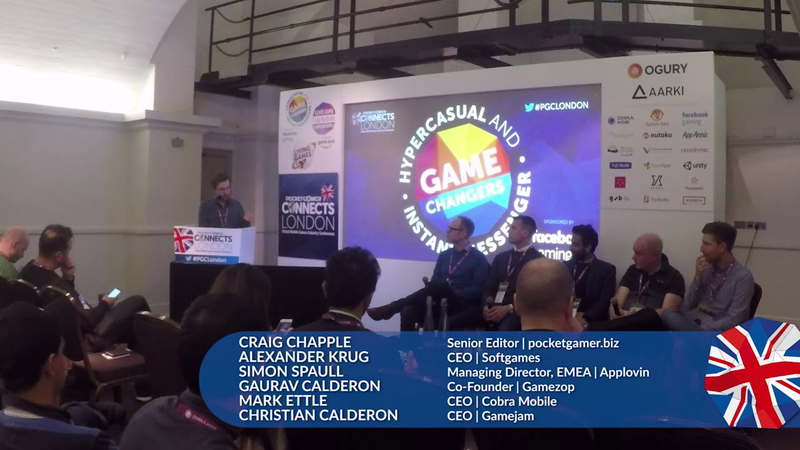
Keys for success in hypercasual and Messenger games
Key insights
7 takeaways- 01Hyper-casual games are defined by core gameplay loops that engage users every 1–3 seconds, with success often driven by iterative design rather than complex metagame features.
- 02Bugs in hyper-casual titles do not necessarily hinder success and may occasionally improve retention by creating frustrating, memorable experiences that encourage repeat play.
- 03User acquisition has become the primary driver of success in the hyper-casual market, shifting the focus from pure game design to the ability to measure and scale paid marketing profitably.
- 04Messenger-based games rely heavily on viral sharing and social moments to drive organic growth, which can potentially bypass the need for traditional paid user acquisition.
- 05The messenger game ecosystem is currently highly dependent on single-source demand, such as the Facebook Audience Network, making eCPM and revenue stability vulnerable to platform-level policy changes.
- 06Technical limitations in HTML5 and messenger platforms currently restrict developers from porting complex, high-fidelity titles, limiting the genre primarily to casual, lightweight experiences.
- 07Developers face a significant talent gap between native mobile development and HTML5, as the latter requires specialized JavaScript expertise rather than standard Unity-based workflows.
Ask AI about this video
Transcript
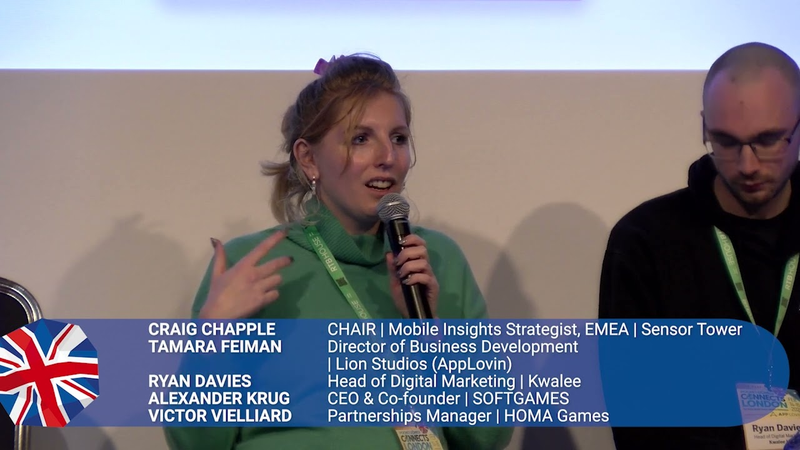
[Music] so hello everybody as you just introduced some senior of a public game Adobe's Craig Chappell and if we got our panelists in the room do we if we do could you all come up on up on stage I'll let them introduce themselves in a bit more detail but we've got Simon spool from Apple oven we've got Alexander Kruk from soft games Christian Calderon from Game Jam mark ethel from Cobra and I apologize if I was from but Gareth a gobble from games up we go we go enough seats I'm standing
where's you guys the microphones should just be right in front of you if you want to grab something wicked all right so if you could all introduce yourselves in a bit more detail and and your experience and what you're doing so Alexander yeah hey yeah I'm Alexander Kruk I'm CEO and co-founder of soft games we're one of the leading developers for on facebook Messenger to today it like around 100 million users played our games on facebook messenger including Kubek rush solitaire story of space invaders and a lot of more games we're in the html5 game space since 2012 we've built over 500 hyper casual games in html5 and yeah happy to be here today
hi I'm Simon spool managing director for oblivion anemia we're a comprehensive mobile platform that enables mobile developers of all shapes and sizes to reach and find their ideal consumers around the world we have seven offices globally we're hitting around 65 billion ad requests daily we've worked with pretty much every developer there is in the mobile gaming space and obviously there's a lot of up-and-coming indie devs which we were very keen to talk to and help those guys Oh success as well thank you my name is Gaurav I represent a company called games up we are in the html5 game publishing business since the last three years instant games is one of our platforms where we have 15 games live otherwise we have a catalog of close to 250 games that we distribute across about 8090 countries on a daily basis with a user base of about 2.5 million users on a day
to day basis happy to be here and very happy to engage with any of you interested in html5 games even after this panel hi mark Ethel Cobra mobile requests small developer but we've done quite a lot hyper casual games casual games and the messaging side we've been quite prolific on the iMessage stuff for Apple which is done quite well and he wants to know about that please come and grab me hey that's it hey everyone my name is Christian Calderon and the CEO co-founder of Game Jam we're a new startup making focusing on hyper casual games prior to that I was the CRO catch app made games like 2048 stack balls and before that I was a VP of dots focusing on revenue monetization we made a game called two dots was pretty popular and before that I was like an investment banker nothing relevant all right thanks so
we're going to discuss keys of success all right in hyper cacher messenger games we're going to kind of split this into a bit there'll be some crossover we're going to start with some hyper casual chats and I guess one of the the first questions is okay we probably all know what it is but how would you differentiate what we're calling hyper casual now compared to the games of old because short snackable sessions in casual is nothing new but hyper casual is so is there a difference that's a great question I too have have trouble answering that when when we started first making these games the goal was to to make a game that everyone could play when we made 2048 no one called that a hyper casual game but if spectively if we look back at it now we classify it as a hyper casual game so it's so it's really interesting I think I wish I
could give you a really strong answer to that but to me these games have always been the same there hasn't really been any difference when we launched dots still low CPI like very you know casual type of game games before that in a flappy birds very similar type of gameplay and usage metrics so to me this like hyper casual label is just it's a really interesting way to categorize these games I guess it's good for investment if you're looking to raise two hundred million dollars to me it's nothing's changed this is the same type of games with the same goal of making a game that everyone can use just add to that we should coined the phrase internally a while back and one of our employees claims that he actually came up with the name hyper casual yeah so we want to take credit for that anyway but it was purely based on session time and
just the style of game but like Krishna said looking back for me snake is a hyper casual game so it's been around for a long time I think it's just a way of creating some more buzz words it's good for you guys it's good for us it's good for investors and yeah that's where it went we can create a whole panel a track about it when it comes to development cycles for hyper casual games should these be games that you can develop really quickly or can they be games that you can spend many months on and polish and and is it worth that time investment yes from a development perspective yes to both a one of our most successful hyper casual games to two weeks from start to finish we've done others which have taken three months to kind of finish from from a development standpoint it's really simple we're all going back to your first question we're all focused on the what's the core mechanic and does the core mechanic work and once we have that
the truth is how do we monetize it so from our perspective is how can we get that to the market as quickly as possible and test that it works and then iterate it from there and our average is about six to eight weeks now I think one of the things that we keep in the forefront of our decision-making when it comes to speed and time is where is this particular hyper casual game going to see the light of the day if we are talking about a messenger platform I think to take a game live on a messenger platform versus taking probably the same game live on a website with a lot of user activity are two different entities in themselves at least what we have tried to do is when we are building specifically for the messenger we have focused on a lot of quality over churning out the quantity of titles we've tried we actually burnt our fingers we tried to put a lot more games in the beginning but we realized that on the chat message on any messenger platform that's not going to you know
take off like it would anywhere else where users are organically finding these games a lot more so I think the destination where you put these games should be kept in mind while trying to find the right answer or parts of the right answer to that question what are some of the we touched on it a little bit with the the core gameplay but what what are the key design considerations for hyper casual games like how simple do they have to be and then when you start adding stuff guess when does it stop becoming a hyper casual from a game design perspective we just think about what does the user doing every one seconds in concentric circles 3 seconds 5 seconds 10 seconds from a game design perspective and I think similar to what Simon mentioned before about session time hyper casual games typically have more sessions smaller session times
total time spent actually can be pretty big if there's more sessions so thinking about those loops and what is the user doing every one second three seconds extremely extremely important in hyper casual and so we really think about that and iterate on that in terms of like the metagame elements features surrounding that what the user is doing every day two days three days a lot of times these can be module arised and used and applied to different games very similarly depending on what the core game is but that core gameplay is like every one second two seconds three seconds really really important for us from a game design perspective well although you know but I think measuring by seconds is probably a great way of doing things and that should definitely be the part of building a game what we try and do differently and what we've seen working for a lot of html5 games is although it's hyper casual by definition nothing should still stop the game
developer from segmenting the users after some activities happen so I think what error at least be made in the beginning was we kept the experience entirely the same because we wanted to keep the design principles really really simple because if the designs complex or if there is too much of an onboarding required then it doesn't remain hyper casual anymore but after the users have spent some time if the interface could smartly change for those who have you know spent more time versus those who've spent less time that could make a sea change in as far as user activity is concerned I just get a chime in from a development standpoint one of the things that we do is that we generally anything that's in the hyper casual we can prototype in two to three days and we have a sort of an internal core loop and how it works and where to be stick the monetization points but it's touching on what you said the certain games when
they move from hyper casual to casual the monetization changes so when we work we can ignore from previous data what works in hyper casual then how to monetize it and how quickly it is but if it's gone from an onboarding perspective if we have a thing if it takes more than usually five to ten seconds for somebody to get what the game is it's not hyper casual that so just gonna say from our side it's more on the marketing side people typically have come to us with the game ready to go but obviously once you launch you see the data very very early on and really for us is the data that dictates that we've seen you know creatives and and different types of creatives help you then influence your game design so yes so if there's a certain character or icon that works very well in a creative then we've seen developers then go back and actually implement that into their game so you can test the new trait very quickly and
very fast using that methodology so you know that certainly push it out there I mean I've seen a lot of buggy hyper casual games and they're still hugely successful I'm actually interested to see if the bugs help the retention because sometimes for me when it's frustratingly buggy I still go back and play later if it's a good hyper casual title and I wonder if I'd have done that had it not been so buggy and I could have just finished it the first time around you know we we probably push things slightly too fast but it's not necessarily been detrimental we've managed to it's right on that and and you know using using advertising and making sure that the economics and everything else was set up quickly we can still push it and create quite a large global success from that yes sometimes bugs add a little bit of charm sometimes a game breaking ballads we touch point on this as well but what should developers really know about engagement and retention in hyper casual
so are you expecting high churn rates how long should you be expecting people to be playing and coming back for I'm sure this differs from her Bethesda games hyper casual game but do you have any like general benchmarks as well you could show I mean our usual goal is 50 to 60 percent day to your attention and then like 20 percent day 7 anything that's hitting those numbers is doing pretty well well we're going to 40 percent to 25 percent between day 2 and day 7 and then were kind of hoping to have 20% by day 30 but touching all what you said earlier a lot of that is in the first month getting the data and very very quickly - dating - what the players are actually warning I look at it from like an ROI perspective so like if you have like a high CPI threshold and you typically need a much higher retention threshold to accommodate for that from from an LTV
perspective if you have a very low CPI then sometimes you can get away with much smaller day 1 retention numbers so for example games like 2040 a pop the lock these aren't you know 55 60 % at day 1 retention games but they were hugely successful also they had various almost a zero CPI because there was no you a done but depending on on that on your game your distribution strategy it really mat matters I think with if you're doing a lot of user acquisition typically you want I always want the highest day 1 retention if your CP is are in the range from like 30 cents to to 50 cents you have like a 2 to 3 cent harped out you're probably gonna want somewhere between a 50 to 60% day 1 retention for day 1 and day 7 around 25% day 14 around 10% we were talking a bit
about just before this about at Tech and really that is I guess part of why she makes hyper casual that new genre weirdly is the outside of it but uh I think Christian you you're talking about the kind of ad tech that really enables hyper casual to scale profit profitably could you explain a bit about yeah it's really interesting so again like coming back to like ketchapp when we were making games we never looked at like a lot of this data because it was just about how fun the game was we looked at a game if it's fun okay let's publish it now with the emergence of like user acquisition becoming more democratized and agile TV the ability to kind of measure this information it it makes it a lot easier to scale for example like when we were marketing to dots we we got it in over a hundred countries a lot of that was driven by paid user acquisition because we can measure it at that time
it was really was a lot more difficult to measure adds LTV but with the emergence of this technology allowing you to measure it more accurately more easier it makes these decisions less risky knowing what your ROI is going to be and how profitable is this going to be so I think as the the the technology gets better it's more easier to to measure this it's a lot safer safer to to spend money to drive these games it's not that the CPI is ever changed they've been pretty much the same for this category it's the ability to measure it and know what your return on adspend is a lot easier than it was before does that answer the question a little bit yes very very technical for my journalist brain I guess to round up
hyper casual here is so you know now that we're all talking about it does that mean like the opportunity it's gone and so really how big is the opportunity can indie developers get in on it and if they can does that still mean they need a partner no no it hasn't gone game they're just games in my opinion they've got different titles now and that their blinds are blurred as we discussed but absolutely there's always an opportunity to create a compelling exciting game and the fact it has a short session time or you know a simple tutorial to get it up and running and play that's never going to change people are always going to enjoy those it's more competitive absolutely I don't think there's a developer in the world I haven't met in the last 12 months there's asked me about hyper casual and many of those developers have never even considered casual games but I've now wanted to move into it because it's the latest thing
so it's certainly very popular the competition purely means we just have to be better in creating those absolute unique exciting games that people are going to play so certainly we have to be you know more selective but we have to do that much more due diligence to make sure that these types would really have a chance from our perspective obviously and then I can't remember the last question is he gonna go bust was it or pop or yeah it was really I think it was there's no space for Indies did I have to partner with someone yeah yeah question personally again from our angle we think it's very hard for an indie developer to go out there and and have the knowledge to and the resources to promote something on this scale but I'm about to find out someone else's opinion say yeah I'm coming from our angle you know we've helped a lot of in and it is a challenge and obviously you have big companies in this space spending you know hundreds of
thousands of dollars sometimes a day on you a so yeah it's hard to get noticed and get up there you know in the waterfall without spending some money so you we think that there is a requirement there but hopefully someone else has found a way to do it without that I'll jump in I would say that until about three or four months ago if you understood marketing and we're pretty savvy do-it-yourself a lot of stuffs changed technology wise a lot of user acquisition has changed there's some great solutions out there that haven't been proven but if you're a small developer with some great hyper casual stuff I think you need to be partnering with people now because it's so difficult to get past and this is going to sound really bad it's so difficult to get past a million downloads you know it's you know I always used to say that hundred thousand was great and then it was a million and there was like four million but really you need to be pulling don't 10 million downloads to really be deriving it you know worldwide
you're still running you a yeah yeah so I mean I mean I self-serve anything but we have access to a lot of publishers I think without that it would be quite challenging and I think that from hyper casual developer point of view their team is we we more spent developing the game during the game once it's been a success and driving that and letting the partner go out and drive that essentially the monetization just really quick on that I've worked with so many developers in this category like for example ketchup was only six people when we sold it Ubisoft and a lot of people get surprised but really like if you talk to any major like hyper casual developer it's usually like one person or two people so like do they need to work with someone else usually yes because like things like data science sometimes even art these other things outside of just the development and design usually you need help with someone to to to get you
know help your game get to the top or even maintain it once it's up there like continuing to create content and things like this so I think it's yes you usually now you have to I think partner with someone and get help not just for the UA like to fund the the the marketing but also it's like you know to make the game develop the game polish the game things like that I think it's good to collaborate move on to instant messenger games and conferencing the questions we just did but just how big is the opportunity in chat up gaming but also what are the key what are the best chat platforms that you're finding the most successful that's example yeah so I mean we basically focus very very strong on pressure messenger because it's basically I mean by default the largest messenger in the Western world so produce like huge like 1.3 billion people who were active on the on the on the messenger so but but beside
this there are like tons of other messengers right so I can we look to Asia we chat for sure it's like a huge opportunity then you have line you have Kakao you have even viber and all opportunities so yeah I think it's it's it's huge definitely I can't really speak about those I can only speak about her experience from iMessage and working with Apple on that and that's been quite an eye-opener but it's been a fantastic Avenue for our games and a way to explore suppose probably the best thing is the virality that takes over your games when people somebody downloads and starts playing it with a friends and that the opportunity there is just immense yeah I think the the it's interesting regarding the platforms because the the tech platform itself plays a huge role in in how successful these games are what the pretension is and and so like for example it's working on Facebook instant
a lot of changes to the platform app have happened and it's relatively hard from a tech perspective to make really good games for this platform except for the UI part because if you know how the algorithm works and if you if like the talk here before they had events that you know highly correlated what they want with retention if you you know how it works and if you're making games like that work for this platform that's you know could be very lucrative for you because you know really need to at this day and age don't really need to have a UI team funding the growth for the use particular applications I'm really interested I haven't tried WeChat yet but I've I've heard from friends in China that it's wonderful and and it's it's doing really really well compared to early days of Facebook instant so I think I'm you know looking forward to that opportunity but yeah definitely the
plot the platform itself from a technology technology perspective place a huge role I mean you these are like H these games you you have the load and and if the load they can't be big and it's not like making a game in unity right like it's you you have to take a different approach is it a space that you're already making money in but for those that are doing message games is it a profitable space already or is that still go away I think you know district I this also in with the question at least with Facebook having led the way now one knows that there are enough takers for html5 games even in the messaging app space right so I think as far as the platforms are concerned we've studied a lot of these platforms and clearly from the feature set standpoint probably Facebook leads the way followed by WeChat and which had existed for longer allegedly in this space but the fact of the matter remains that that there are enough number of people who
are putting that coin on html5 games and not just messaging applications so if monetization is the center piece of the jigsaw puzzle which it is I think ads is what's driving the revenue bit for us at least right now and for most of the other games on messaging applications but in-app purchases are getting there and even if Facebook is not to sort the in-app purchases entirely some other messenger would and as a whole I think then the ballpark figure I think it's profitable now sorry but like the moment it starts getting more saturated and you need UI dollars to compete like what we've seen in hyper casual it's a whole nother ballgame I mean because like right now you're just paying for development costs and pushing your games up there and that is just a small fraction of what your profitability is in games right like when we think about games on iOS and Android most of our budgets are not going to produce the games they're going to market the games so the moment were you know Facebook says okay where's where's
the money then it's a whole other story but I think we yeah when do you think on Facebook the saturation will essentially arrive the saturation on facebook messenger games when do you think that will arrive um I mean it's it's a it's basically like Facebook messenger as a platform is totally different to what you know from Android and iOS actually so there is no ad mediation and you can basically dunno interpret eyes on an iOS right so you have like let's say two things two major things which are two major factors which highly highly affect the revenue right so I think it's it's also the major reason why for example like you is not common right now on facebook messenger actually but I think it's I think it's definitely coming and I think it will come within this year so it will happen you have to have your games or your economy or in general the gate the
game design ready to afford yeah use acquisition that's not important but what we see is basically so basically we launched and or yeah basically end of last year before we've been always just using appetize meant for motorization so just made dollars from from ads and then we launched a new purchase and we've basically you know we are a 50/50 so and this is only Android that's a good thing there so I think Facebook is doing a really good job they're helping us to get like the right metrics at some point and for sure at some point they want all the money back through user acquisition so that's clear so it's going to ask well what's on the key design considerations for chats out games do they share some sensibilities with hyper casual or actually they are completely different because I guess the social layer might be an example where I would
say like social social social so basically right now it's all about you starting the presentation before as well right now I think you gained success on the platform as long as you create share with moments so when something is there I want to share with my friends then somebody's sharing it for sure so we have to think about different angle let's say I think that's the biggest value also the platform brings you because this also helps you now to you know probably even skip the root of the you a part because when people are no sharing it like crazy and everybody just clicking on the icons then you don't have to pay money for the users which is great another thing is you know we've been developing before like tons of hyper casual games so we've learned a lot from from this part so and what we did actually is like we we took the learnings from from from the hyper casual part what was working but was not really working and brought them now to their to the platform it's a and one thing we're going to say like before as well as like what we realized say just throwing a game on the platform
has been working a year ago so we learnt the 80 games made like blue and we're not really caring about this and they Bou so so life ops is super important new feature is the super important so that just launched them and just forget about them that for sure doesn't work anymore yeah I was so excited when when the platform first opened up I was like oh my god it's gonna be like the Zynga days just gonna take all my games and port them over it was it like this be amazing and it's like take it a game with like 50% day when our attention poured it over and it's like what 10 percent 5% day 1 retention even possible like you have to really think about the platform and like a social social it's like totally different like the feature sets like what drives the player to stay in the game and also the the tech the tech perspective how do you make it super quick to load like really easy to run through the UI and everything like the X button you guys have an issue with the X button and then they kept moving the X
button around and so it's like you we would have to do a heat map and and like if the X button was up here we had no UI elements anywhere near the X button because we just didn't want people like their eyes to go click you know we didn't want them to see it you know what I mean so it's just like things that you don't normally think of when you're making a game on I like like we said earlier it's just totally different so yeah I was a little bummed out about that I was like oh man this is a great opportunities gonna be so great and then just totally totally different but some of the if you get elaborated on some of the social features and and how you can actually get players to be chatting with each other and then also and share things with each other completely but can you elaborate at all or on how to make social work on these platforms and can you use bots for example on instant messenger and how's that gone so I said before like so people are willing to
share as long as you give them to share our let's say like I know something funny or whatever they want to show to their friends then the bots yeah the bots are basically what you know from iOS and Android like the push notifications recently actually today Facebook changed again the feature before basically when your ever you started like in the early days of the App Store but notifications were automatically activated so you could just basically send you get like 100,000 users and you could send 100,000 users a pod message which was awesome for retention now they changed it by today actually so you have to ask them I do really want you know you want to get notifications messages whatever let's see how this will yeah what kind of effect this will have on the retention but you can imagine it will most likely drop actually so we have to learn there again and it's right but it's a new platform it's also the I think the the interesting power switches for personal
evil oprah's were moving on to the bathroom to find okay hey how can i how can i now i'm gonna tweak this kind of system I kind of find the nice ways to get the 50% or the 30% they want to retention actually and yeah well it's possible I like we have games which have like this kind of very high they were me two engines actually we found juicing really really simple elementary things of shielding scores people want to share scores but making it really easy with a big button to share to score and making that really pretty and making it can event the great through I mean I message is great for having people's scores and what you've can put you just scored what they've just scored and then sending that box you can almost get like a real-time scoreboard of what's going back and forth making it as simple as possible to understand and communicate and people just press the button cuz we care of you said very about ad
monetization was actually the thing that was driving was the revenue but I don't know Alexander if you if you had the same experience or do in-app purchases that they're making more money now or is it and that's platform I mean like I said like you know we we've been pretty clear from the beginning that with at only at some point you will reach some kind of plateau so you just need more users but we can't afford users because of the uric house and you know so at some point we're like basically deciding ok hey we have to go in the direction of interpret choice then there it took us a while actually it was more than three to four months to really understand once again the platform to understand the users to understand or to build the system the whole game economy like this that ok on the one hand you have the energy users who can make poor choices but on the other hand you have to users who can't do purchases so you have to build like two different economies within your game there but at some point we said ok that's you know all in that's let's launch it and see what's happening there and then we
stopped pretty quick actually I think it was stitches from one day to another data if we actually doubled our revenues in one of our flagship games which was the cookie crush and still like an approach ace is now developing or generating it's like growing faster than the ad revenue at some point so I would HIGHLY highly recommend to everybody to think about how can we implement in-app purchase because as in the app store it's it's it's you know it's one of the best ways to to monetize the users I think I completely agree because although ads is where we started probably the time to think about in-app purchases within the hyper casual set up on the messaging application the time for that conversation is all right in fact I think it arrived a while ago so anybody who's not thinking about in-app purchases only going the ads road like he said you know the plateau is not far away at least if you are planning 2019 2020 and if there any developers
thinking of games that way then think of an economy and hopefully you know there would be methods to reconcile the iOS and right differences by then as well and I think just one important thing to add here as well it's when you compare once again like a messenger space with it's a like native app store space it most likely never ever happened that basically Facebook will open up the inventory to third-party apps so the whole ecosystem you know from the app space like the L the ad mediation whatever companies there this is basically not existent so we just have one one source for your demand which is Facebook at audience our audience network actually so you were highly highly only dependent on one source and if there is some kind of demand job you see immediately in the eCPM section so what a lot of silly question so if you had to choose my per casual or messenger games one where each
I said like we were coming from from the hyper casual part I remember the time from fatty bird and so on and so on it was great times but now we see especially the potential or they say like that was like the living time of a game of a hyper casual time compared to more complex messenger game for example I would always decide for the messenger game because at some point it was just you know I think we develop like release back then the times was like 2016 we released like three games every week so which is like tons of content before pushing out at some point why we did this not because we had just you know hey if you're so creative but you know it you know it was basically you we have to bring out a lot of content within a very short pace of time otherwise you know you're losing the users again so it's more efficient more beneficial for you as a company to focus on it's a few
top games further develop them and make them better instead of just you know being in the hamster wheel and thrown out like tons of games all the time and hoping that you have an X here to keep the yeah the amount of users stable at some point I like making a game was like you know 30 frames per second that doesn't feel like the phone's gonna blow up in like 10 minutes which is the main reason why I don't like these messenger games just from a tech tech perspective I hope in the future it gets better and at that point I think the story will be different but to me they're not really instant games still just HTML games that you have to load there's nothing really instant about it I think the technology can be greatly improved now at that point I think it's going to be really really interesting but right now like I can't create really strong high fidelity games like a can on
iOS on in Android and replicate that experience on messenger and currently but in the future I think that could change I have to disagree you can build two dots or whatever very easily I mean in html5 for sure yeah yeah I mean III have I've we made two dots in html5 and it was great it actually some of our best playable ads were these but but I think like still like there's really there's technical problems like when you try to port these they have to be really small you have to load the game all the time there's all I think still a lot of improvements that can be made from a platform perspective on Facebook that are just not not there yet but I'm not arguing with the fact that you yeah we can replicate the experience of two dots but world of warcraft like no you know with the current technology the way it is now Need for Speed no CSR not gonna happen
so I mean for me like I want I want that that experience and I think it'll come in the future it's but it's just not there now our tech makes it happen I would have to say hi Prakash oh hey but we're kind of we are kind of kind of stuck in the we're not stuck in the middle but we're in the middle where all our hyper casual games have a messaging element and work really well and we're just not moved into html5 year because we're kind of we've seen some performance things so we're working on some tech which solves it and but I think that probably maybe not this year but next year is when messaging will probably happen it will probably mainstream enough to be the next big thing I mean just if you look to your ask yourself what are you using mainly like what is your main main
app using everyday right so it's basically either whatsapp or it's just one of their social networks it's a or they news app so I think putting games within an app which is basically one of your main apps totally makes sense so you don't have to go somewhere and download something you don't have to convince your friend to download something you can just basically yeah communicate them communicate with them or play with them in the same same app or medium or whatever you want to call it so so I totally agree at some point it's yes technically wise it's probably not I I would say like for sure you can build like a 3d game but probably it would take ages to load it definitely but but if you look at now hyper casual is basically simple games and like 3d elements you can easily build it you can see these kind of games also on unpaid messenger headaches gem for example it's a very easy copy of something we all know as well so it's definitely possible but but yes I mean it's just two
different platforms which require one hand unity build a game very easily in unity or on the other hand you have to have a native JavaScript developer still who's building this from scratch and it's a different [Music] [Music]
Summary
Hyper-casual and messenger games represent a distinct segment of the mobile industry defined by accessible, snackable mechanics and rapid development cycles. The primary objective for developers in this space is to achieve high user engagement through iterative, data-backed design. Success is measured by specific performance benchmarks, most notably targeting Day 1 retention rates between 40% and 60% and Day 7 retention between 20% and 25%. While hyper-casual titles rely heavily on paid user acquisition and sophisticated ad-tech to scale, messenger games leverage inherent social features and viral sharing to drive growth, often reducing the initial reliance on traditional marketing budgets.
The competitive landscape necessitates a strategic approach to monetization and platform adaptation. For hyper-casual developers, partnering with publishers is frequently essential to access the data science and capital required for global reach. Conversely, the messenger gaming sector is evolving beyond its reliance on single-source ad revenue. To avoid revenue plateaus and combat platform saturation, developers are increasingly integrating dual-economy models that combine advertising with in-app purchases. These social-first experiences prioritize real-time leaderboards and community interaction to foster long-term retention.
Looking forward, the industry is shifting toward higher-quality, sustainable engagement models. Although current HTML5 technical constraints limit the fidelity of messenger games, these platforms are positioned to become a mainstream alternative to the high-churn cycle of traditional hyper-casual releases. As the market matures, developers must balance the speed of their development cycles with the need for robust social features and diversified monetization strategies to ensure long-term viability in a crowded global marketplace.