Monetization reports and market data
Documents
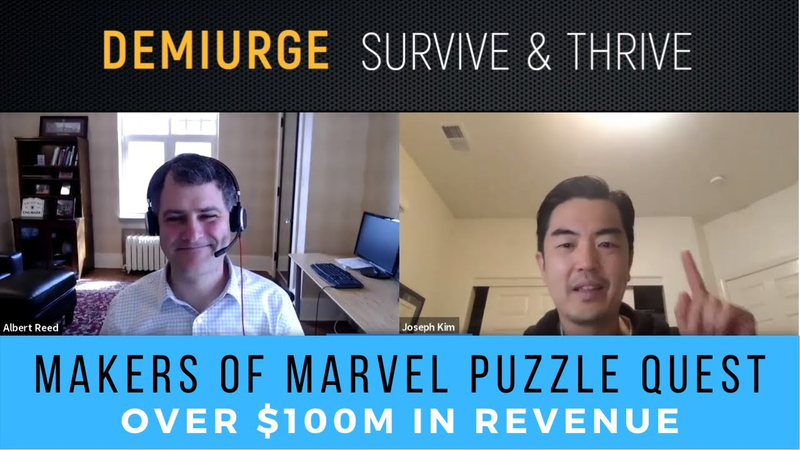
Surviving & Thriving in Games with Demiurge | Marvel Puzzle Quest ($100M+ in Revenue)
Demiurge Studios demonstrates that a successful transition from a work-for-hire service provider to a proprietary mobile developer requires an experimental culture and early investment in emerging platforms.
- Demiurge Studios achieved over $100 million in revenue with Marvel Puzzle Quest by successfully localizing Japanese card-battler mechanics for Western mobile audiences.
- The studio’s transition from a work-for-hire provider to a proprietary developer and its subsequent acquisition by SEGA in 2016 were driven by early investment in emerging platforms and scalable live operations.
- Long-term organizational resilience is achieved by prioritizing a talent-first recruitment philosophy and maintaining rigorous financial discipline to mitigate industry volatility.

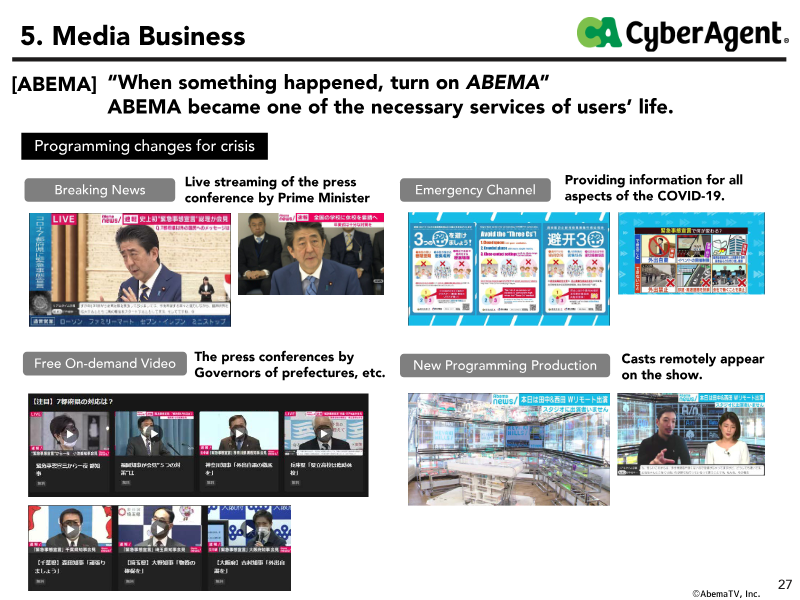
2Q FY2020 Presentation Material: January to March 2020
CyberAgent achieved record-high financial performance during the second quarter of fiscal year 2020, with consolidated sales reaching 129.1 billion yen and operating profit surging 45.3% year-over-year to 12.4 billion yen.
- CyberAgent achieved record-high Q2 FY2020 consolidated sales of 129.1 billion yen and a 45.3% year-over-year increase in operating profit to 12.4 billion yen.
- The Game Business drove performance with 44.8 billion yen in revenue, bolstered by anniversary events for Granblue Fantasy and the successful launch of KonoSuba: Fantastic Days.
- By the end of the first half of FY2020, CyberAgent had already achieved 63% to 72% of its full-year profit targets.
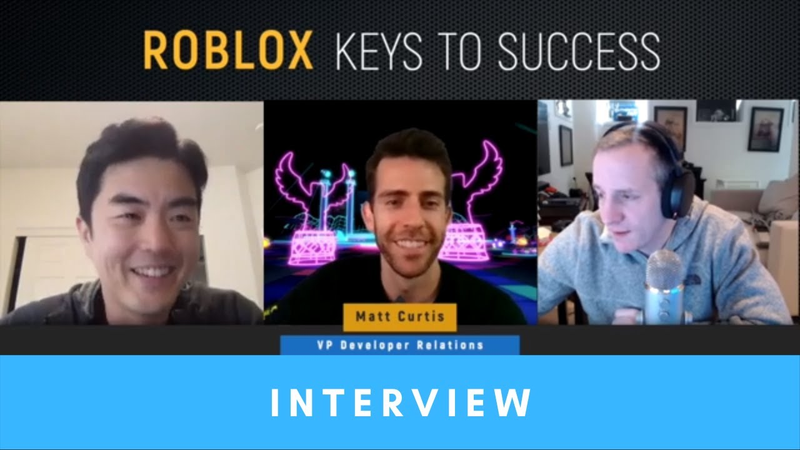
Roblox Secrets to Success! | Matt Curtis VP Developer Relations
Roblox has established itself as a dominant force in the digital entertainment landscape by fostering a massive, self-sustaining ecosystem that currently supports 115 million monthly active users and 1.5 billion hours of monthly engagement.
- Roblox supports a massive ecosystem of 115 million monthly active users who generate 1.5 billion hours of engagement per month.
- The platform provides a comprehensive infrastructure for cross-platform publishing, social networking, and server management, allowing developers to focus exclusively on content creation.
- Monetization is driven by premium payouts that reward user engagement rather than relying solely on traditional transactional mechanics.
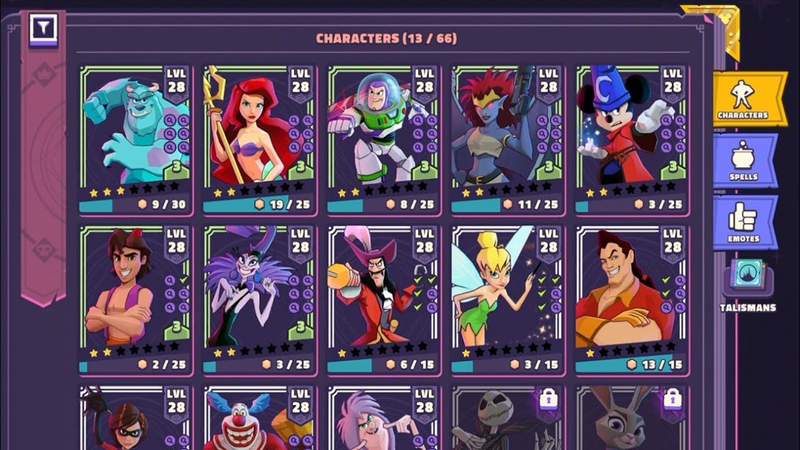
How does DISNEY SORCERER'S ARENA retain, engage and monetize?
Disney Sorcerer’s Arena, a squad-based turn-based RPG developed by Glu Mobile, utilizes a complex, multi-layered monetization and engagement model built upon the broad appeal of the Disney and Pixar intellectual property.
- Disney Sorcerer’s Arena utilizes a shard-based collection system for Disney and Pixar characters, mirroring the core mechanics of Star Wars: Galaxy of Heroes.
- Monetization is driven by an aggressive, multi-layered economy featuring randomized loot boxes, specialized stores, and frequent pop-up offers designed to accelerate player progression.
- The game employs a tiered battle pass system called the 'Pass Holder' season, which incentivizes monthly recurring spending through a premium 'Gold Pass' offering exclusive bonuses.

How does HAY DAY POP retain, engage and monetize?
Hay Day Pop represents Supercell’s entry into the match-puzzler genre, leveraging the established intellectual property and aesthetic of the original Hay Day farming simulation.
- Hay Day Pop is a hybrid match-two puzzle game that integrates base-building and decoration meta-game elements into the established Hay Day intellectual property.
- The game utilizes a dual-currency model, featuring soft currency for construction and hard currency (diamonds) for purchasing extra lives, additional moves, and power-ups.
- Retention is driven by a win-streak mechanic and a progression system that rewards players with stars and seasonal trophies for high-performance level completion.

Making indie game money in the midst of this virus...
The primary objective is to demystify the financial landscape of independent game development, specifically addressing how developers secure funding and sustain operations.
- Relying exclusively on direct game sales is insufficient for most independent studios, necessitating a diversified revenue strategy to ensure long-term financial viability.
- Successful indie financing typically involves a combination of multiple streams, including crowdfunding, publisher advances, licensing agreements, and royalty payments.
- Publishers provide critical value beyond upfront capital, offering essential services such as porting, development support, and business development.
The Paradox DLC Model: Planning for the Long Term
Paradox Interactive achieves long-term commercial success by prioritizing a marathon-oriented business model centered on niche, infinitely replayable strategy titles.
- Paradox Interactive utilizes a modular DLC framework instead of serial expansion cycles to maintain long-term game relevance and generate consistent, multi-year revenue streams.
- The company prioritizes deep, system-driven gameplay and community-driven modding over high-fidelity graphics to ensure high player retention in niche strategy titles.
- Paid content is designed to be atomic, standalone, and additive to enhance the player experience without fragmenting the community or disrupting existing mechanics.
PGC 2020 Sessions @ PGC LONDON - Oscar Clark
The evolution of the video game industry is framed through the metaphorical lens of cake, representing the addictive and pervasive nature of interactive entertainment.
- The gaming industry has evolved from a niche hobby into a multi-billion dollar global sector that now competes directly with traditional media industries like film and music.
- Technological milestones, specifically the introduction of Java-based mobile gaming and the 2008 launch of smartphone-based distribution, were the primary catalysts for democratizing access to digital entertainment.
- The industry’s growth model has shifted toward a cycle of consumption driven by social gaming, microtransactions, and deep brand integration.
Superstar Session: Ready to Scale? What to Focus on Before Pushing the Button
Scaling a game development business requires a disciplined, analytical approach to user acquisition (UA) and capital management.
- Scaling success depends on identifying the point where marginal revenue equals marginal cost and operating just before that intersection to maximize profitability.
- Developers must transition from rigid budget-based planning to a dynamic model where finance and user acquisition teams are integrated for rapid, data-driven scaling or contraction.
- The core objective is to treat a game as a repeatable 'money-printing machine' where capital invested in user acquisition yields a predictable, positive return.
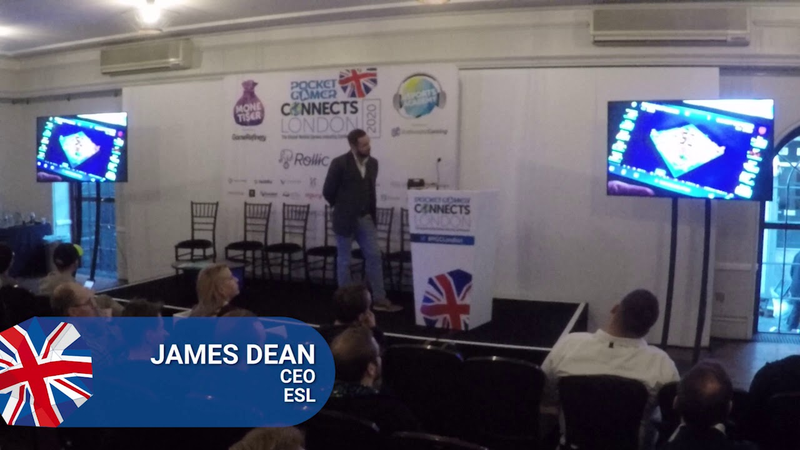
Furthering the Esports Eco-system Through Monetisation and Physical Space
The esports industry faces a critical challenge in transitioning from a high-growth, high-viewership sector into a sustainable, profitable ecosystem.
- ESL is developing a government-funded, scalable B2B framework to transition esports from a high-viewership model to a sustainable, profitable ecosystem.
- The initiative focuses on replacing traditional, ineffective media rights models with direct consumer engagement strategies to unlock new revenue streams.
- Advanced digital tools, including mobile apps, VR, and virtual studios, are being built to provide real-time predictive analytics and data-driven content to viewers.
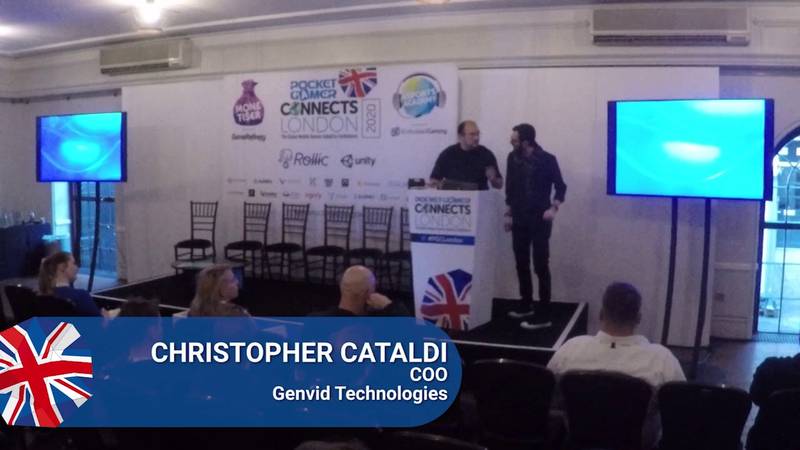
Interactive Livestreaming and the Future of Esports
The future of esports lies in the transition from passive, linear broadcasting to highly interactive, viewer-centric experiences.
- Interactive streaming aims to bridge the gap between traditional sports and esports by transforming passive viewers into active participants who can influence game outcomes or access real-time data.
- Esports currently suffers from an 'opaque' viewer experience where the lack of service design for non-players limits engagement, unlike traditional sports which prioritize the participant experience through optimized camera angles and concessions.
- Genvid has successfully implemented interactive overlays for the last three Counter-Strike majors on Twitch, allowing viewers to click on game elements for information and participate in micro-transaction-based engagement.
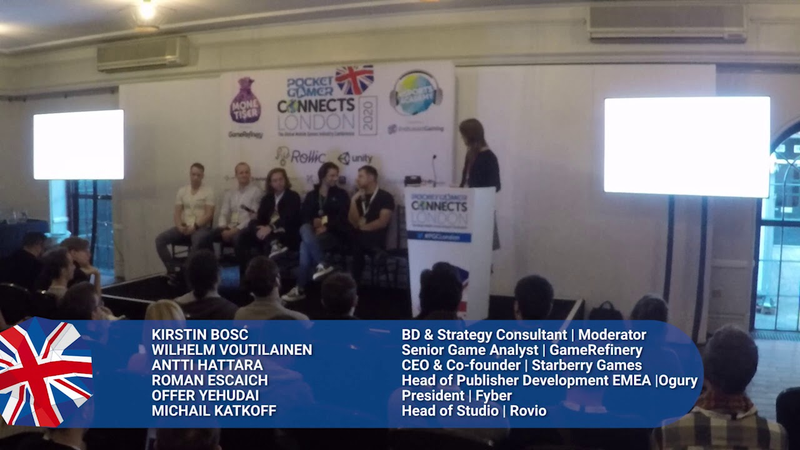
Panel: Choosing the Monetisation Mix for Your Game
The mobile gaming landscape has shifted toward hybrid monetization models as a necessary response to rising user acquisition costs and the dominance of established titles.
- Hybrid monetization—combining in-app purchases, subscriptions, and advertising—is now a necessary strategy to combat rising user acquisition costs and competition from established titles.
- Successful hybrid models treat revenue streams as a cohesive ecosystem where mechanics reinforce each other rather than operating as isolated silos.
- Rewarded video ads should be implemented as non-intrusive, value-added gateways to premium content to enhance player retention rather than detract from the user experience.