1 free read left. Create a free account for unlimited reading + AI research.
Create free account
Interactive Livestreaming and the Future of Esports
Key insights
6 takeaways- 01Esports currently suffers from an 'opaque' viewer experience where the lack of service design for non-players limits engagement, unlike traditional sports which prioritize the participant experience through optimized camera angles and concessions.
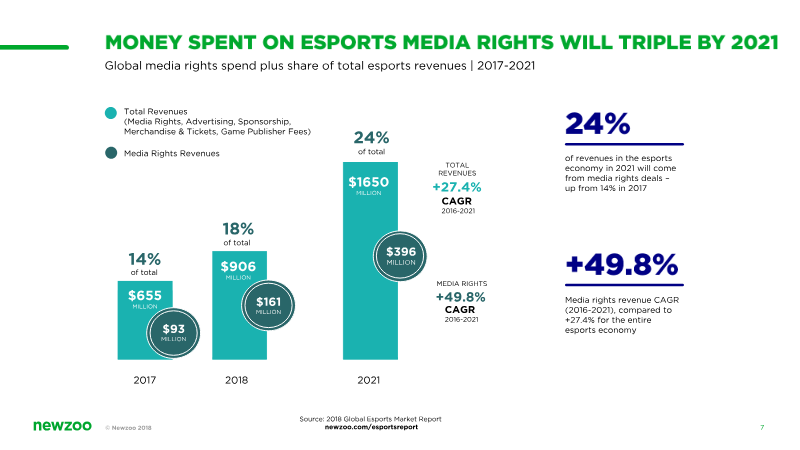
- 02The future of esports monetization lies in moving beyond traditional sponsorships toward premium passes and micro-transactions that allow viewers to feel they are contributing to the action.
- 03Genvid has successfully implemented interactive overlays for the last three Counter-Strike majors on Twitch, allowing viewers to click on game elements for information and participate in micro-transaction-based engagement.
- 04Interactive streaming aims to bridge the gap between traditional sports and esports by transforming passive viewers into active participants who can influence game outcomes or access real-time data.
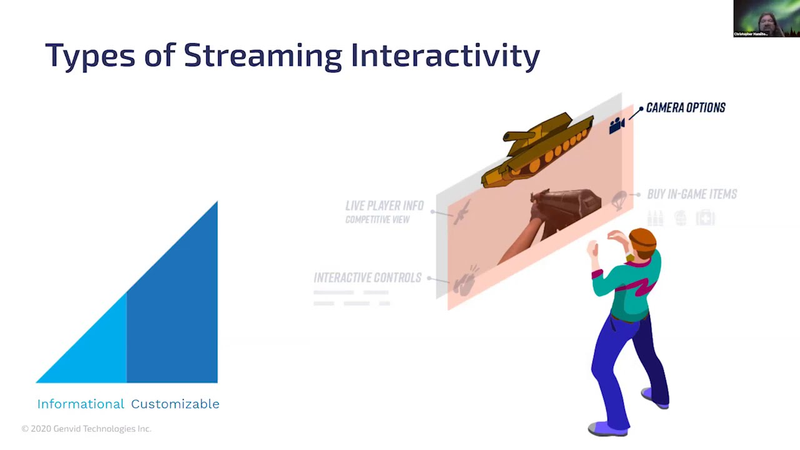
- 05Developers should categorize interactive broadcast features into three tiers: informational (live stats), customization (personalized camera angles and language options), and active influence (viewers directly impacting gameplay).
- 06While Twitch currently supports interactive extensions, the broader goal is to create a platform-agnostic ecosystem where developers control the broadcast experience across various streaming services.
Ask AI about this video
Transcript
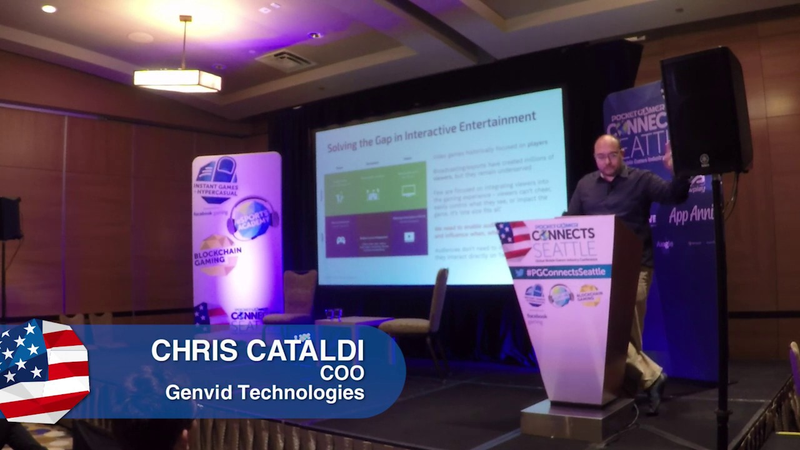
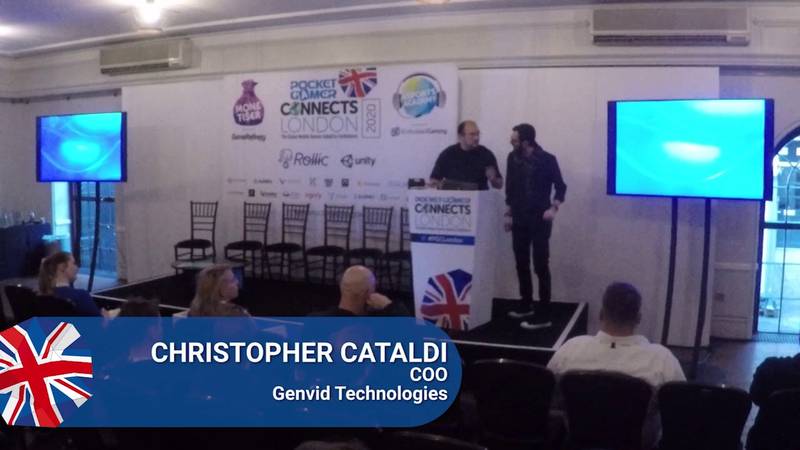
[Music] thank you for all here in London were an hour after lunch for most of you so it's the the best time to be talking about eSports in the future of what we think gaming is as introduced my name is Chris Cataldi I'm from a company called Gen vid technologies just as a quick tutorial for myself how many of you have heard one of my talks or our talks before agenda great okay Chris who works for us and Kathleen works for us we've heard that great so fantastic got 15 minutes to get through a lot of material I hope by the end of it I've shared something of value to you and let's get through it a little bit before I get into the meat
of it I want to talk a little about who we are and what we why we do what we do the company was started in 2016 by a bunch of game industry veterans from you triple-a firms including Ubisoft Square Enix and we've grown from four people to just under 50 people we remember our first meeting in a very small hotel room and we're thinking about what we're gonna do and now we have six offices in four different countries and our whole thesis is as I'm going to speak to you about creating the last speaker spoke about in traditional sports and media broadcast rights are the biggest pool of value we want to make sure that game developers can can access that and create some cool experiences I like showing a picture of the people the crazy people who are on this journey with me because if it wasn't for them I wouldn't be able to stand here and ranted you so we're very
proud of the people who join us along the way if you haven't heard of us we were a business to business company we partner with game developers streaming platforms tournament organizers and others to create cool experiences and and some of the case studies that we've come along the way I wanted I'm gonna be sharing with you today by the way I'm from New York we have a wonderful habit of speaking very quickly especially when it's about something I care a lot about which is the company I helped found so if any point during my talk I'm speaking too quickly for you please tell me to stop for my own benefit so what we're seeing is a merge towards what we call interactive streaming traditional games are becoming more like linear content when your content and trying to become more like games a really good example of this is Bandersnatch with Netflix where they took a not so novel game design construct which is choose-your-own-adventure built some videos around it pretty much what was done in Wing Commander etc in
the 80s and 90s and invented a new kind of genre in general whether it's media as a loaded word ad buyers and and and content creators on that side or games there's a lot of convergence happening and the question is who's going to lead that new era is gonna be traditional media's give me Netflix that's going to make the killer app or is it gonna be epic who's going to make the killer app that you know dethrones Netflix in terms of eyeballs and they see each other as rivals if you've been following media in any regards since we're from the game industry you believe that game developers have the edge when it comes to creating interactive experiences that's literally what the game industry is all about but there are some things that when we port our experiences to broadcast we start thinking about and there are a lot that we can learn from from the physical world and so
there's always a juxtaposition between physical sports and eSports I'm gonna break it down in a bit of a different way than I think many have and it's like this so if you look at value creation and and just in general population size in the physical sports world the smallest audience so the smallest population is in the player base right number of people playing sports especially professionally is the smallest in terms of how they're monetized it's also actually the opposite they're not monetized in terms you don't get money from them you pay them to play then on the next stage from that you have the participant that these are pretty much the fans who go to a physical location people who are going to a stadium and they're in general monetize the most per capita right so these are people who are buying seats have season passes you know buying box seats or buying these concessions etc
and for the most part the content that's being created is very much built around them now one of the best angles there for what's the best seats in the house right what do they want in terms of concessions so let's make sure we have them so they can buy them these aren't people who are good at the game these aren't people who potentially ever played the game or if they have they haven't played recently right but they are the core customer and then next you have the viewers the people at home in per-capita perspective aren't paying the most right they're not paying maybe people review they're paying a little bit of money but for the most part you're not paying anything there's tuning in or maybe they're you know but in aggregate in summary they're monetized the most this is the broadcast deal right what you'll also notice is there's a very strong correlation between the experiences in terms of viewing angles in terms of stats between what the participant in the stadium gets and what the viewer at home gets right it and watered-down version of that so
let's Chuck suppose that against digital which is these sports and games currently the people playing the video games I would warrant are the biggest audience right but they're not at all monetized directly the eSports right I mean unless you're talking about matchmaking where you know you go and you play a game and with other people in the winner get something in general they exist to buy product but they're not creating content for other people the participant doesn't really exist the people go to the stadium is a sub function of the player base right and so yes there are massive you know major tournaments people buy tickets to them but in terms of overall percentage it's so small so it's not even to warrant a real population also if you again remember the prior participant allegory these you know participants are people
who don't necessarily pay the game they just like the game and they're going to be a part of whatever that live experience is for the most part that population of things is for eSports right I mean maybe someone's being dragged by their sales head to go and eSports is a thing I'm gonna check it out but again not represent Airi of any real population and people watching home are just kind of watching at home and since there's no real participant experience their experience isn't really based on the participant experience like you would in the physical world best camera angles what are the best camera angles right now for games it's pretty much the player camera angle and that's about it we're not really thinking about viewability so in general we have an underserved market all right we have people who playing no new people playing games people watching games but there's no real service designers I don't know is it me okay
looks okay well we'll keep it like that okay we have people oh that's amazing try unplugging plug it in there's up like I could just underserved market people are it's not the slide it's working fine so what's that gonna go if he stands next to me that'll always make it work thank you okay so an underserved market a lot of content is pretty much the main people behind if you look at motivations as well people who are in real sports the franchise owners and people who own the stadiums the people who benefit from broadcast rights are owned the game right down sport they own football for for all intensive purposes they own baseball basketball and so when they're creating service design for the customer of the viewing experience they are thinking about not the player experience but the
viewer experience right anyway I'll just back up so we have people playing we have people who aren't actually customers and that's currently the entire makeup of eSports but we could do a lot more using pretty much the idea that people care about the game not necessarily just the people playing it and we have to start thinking about what the service design is for participants the people who care about the game but may not play about play the game and there could be people who would like the game if they knew what the game was and right now there's a very kind of opaque force field around the game that you have to earn your right to watch and that's kind of silly if you think about traditional eSports so now I'm gonna go into some case studies we've powered the last three counter-strike majors for twitch creating interactive experiences that are both monetizable in in a premium pass or single purchase
experience as well as micro transaction on top of it I'm gonna do a thing that hopefully you'll see it's okay I just went out of presentation mode but that might have killed the presentation okay sorry I'm one of the difficult speakers who likes to show a lot live streams there we go and it's in extension that's fine I can move that over so this is a live stream on Twitch right now and it's a so it's a demo so I can show it to you but it's the experience that should be the standard going forward for eSports you've seen counter-strike before any of you buy the premium pass for any of the last couple of majors then you're one of my customers thank you very much the idea here is watching the game if you don't know what's going on you can click any element of it get more information
about the players be able to see whenever you want the scoreboard in advanced and more sitting the mini-map where the player is what weapons they have what direction are they looking are they firing I can click on a specific player if I want to get their stats and this is a new thing and to get access to this you pay you know you subscribe to the channel of the ESL channel or face it for the duration of the event and what we're working on now is a new thing where viewers at home you know why do you get a seat on the sidelines of a game so you can yell and the players can hear you right that doesn't really exist release sports so there's no motivation to really be there and since these sports is a digital medium you should probably be able to do that in a digital matter so see I click on this player and I like this player a lot and I cheer for him a lot he starts going on fire right and we can start making I'm not affected him in this case because it's eSports
and you can't really affect him but imagine you have a fan favorite that's based on the cheering from the fans watching life right now you are affecting the outcome into there in terms of which player gets the most status from it we've been working really closely with twitch to showcase some of their new offerings like command center which lets you see any perspective you want from the match live all of it we're using our that interactive overlay you have on there and so if you see a premium pass counter-strike etc going forward feel free to to play around with it because it's pretty cool and now I will go back to my presentation so what's possible it every game is different so what developers should think about their game is kind of different but we try to distill some some key learning no maybe it's my
computer it doesn't like putting the HDMI on the base informational level thinking specifically about eSports as they exist today that haven't been thought from the ground up in terms of camera angles etc for a crowd experience we should at least be thinking about data for each viewer so not everyone has the same interests but they don't have the same player that they like so probably we should let them expect the camera or cameras that they are interested in without having to go into game engine for it we should be thinking about viewer guides right making sure that people maybe they haven't played for a couple months maybe the meta is different now for traditional sports there exists a meta but we don't care about it we don't care about the material science behind the cleats and in the shoes or what nutritional you know we don't care we just outsource all that he sucks at the picking today right we just yell at them but for games there's a lot going on and people who care care and for people haven't played or watched ever for a while you need to kind of ease them in a little bit and where it gets later on this is more for
newer games we have to think about the ability for viewers to actually dictate the outcome what is holding field advantage for eSports it doesn't exist today and it's only really gonna exist when a developer takes it into consideration right and we take into consideration today that's why people sit in the front seats so they can yell at their favorite athlete because in the back of our mind we think we're making a difference until we have that eSports is you know not gonna be the same level of enthusiasm it's just not going to be there especially for casual audiences living vicariously and believing we make a difference we'll make a bit difference I have a couple minutes left and then Q&A so I'm gonna just talk about some some key things when you're thinking about interactive broadcasts and and and what it means for specific games there are three tiers have identified right now first here being informational just is just information about either the game the people playing background of it as well as live stats right this is fairly easy it's already in the game we just need to export it and show it in interesting ways you know
what does that mean well you know show show it for each viewer tall it on and off next level it's customization this is the idea you have different demographics you should be giving native experiences for each of those demographics whether it's camera angles whether it's language right now you know you're watching the Russian language stream or the English language stream the the world is global eSports are global sports broadcast should be global just like in the same stadium right now we're segmenting into chat rooms right there's no real reason to do that other than we're trapped in a like a old mine site of different broadcasts meta like in Japan or in many countries you just press the button and you got different language right we should be able to do that for broadcasts and we can and it's just a you know example there and then the the craziest layer and we do a lot of work in this and we think this is where the real longtail is is where viewers make a difference and whether it's you know the immediate people think people think about is Hunger Games and viewers dropping in items you know if
you watch and you believe that you can make a difference we can still be competitive and make a difference that's literally what most mainstream sports are today and you feel free to go to our website or talk to anyone who's integrated us and it's a growing list as well and we are always showing examples of where viewers actually can not just cheer and change at alley for who is you know the most popular but actually affect players and this is a game design a challenge I won't claim to say that we've solved what the right balance is but it definitely exists it's only when the game developers start attacking it and knowing that they can do this that will actually get games that are built and succeed around this concept yeah so there are many ways of monetizing whether you're doing premium pass sponsored streams or even to my conscious action based sales and not all
things are equal in terms of difficulty most of your first easy wins are gonna be for information you already kind of know what what stats cetera you have and you can demonstrate that a little bit more work needs to go into identifying who your key demographics are and even the highest work in terms of a design challenge are gonna be you know that balance of the viewing audience so there are a lot of opportunities for demonstrating growth of the pie it's not just about sponsorships it is about that today because I got game developers aren't really controlling the broadcasts I think that'll change I think a year from now will be in a very different ecosystem and I have one more slide which is again when viewers believe they're part of the action and players know that viewers are there you get a really cool ecosystem going and with that I'll and my talk I have a whole bunch of other case studies feel free to come up to me afterwards been in the interim I have a one minute or two for questions thank you we can take one
question or two depending on how elaborate the questions are do you guys have anything to ask wubbzy used twitch as the example but this be used across stuff like facebook gaming YouTube absolutely has it been yet or is it so we support today gendered supports officially the YouTube player YouTube doesn't have a publicly disclosed extension system so you can't go to youtube.com and have that but that's it is what it is and we in general support a whole bunch of players I haven't made an announcement about those yet but you'll see some more coming up one more question question over there on the right Oh Oh Street i I saw your talk last year place what's
changed since last year in terms of because I think you showed the similar CS right what's changed last year is we're having multiple terminal risers doing it the cheering has changed drastically as well as I think the platform's are noticing that this is the thing they can do so if you last year we had one channel a side channel that all I could do is follow one player whoever that player was now you have eleven streams we have integrate you can watch multiple at the same time and that cheering element is also being brought back into the main broadcast as far as counter-strike goes in general game development takes some time and publicly disclosing things take some time so in terms of the backend in terms of what developers are experimenting with there's tons of stuff that's happening unfortunately in terms of what's publicly facing interpret counter-strike that's the main advancement there are a whole bunch of games that I didn't have to have time to because 15 minutes is kind of short that have integrated that have live streams that have 30 times the
amount of engagement that a traditional web infinite trishal even the interactive counter-strike stats are showing us because they're thought up from the ground up in terms of viewer interactivity so that's all I have to share and virtually in the public arena so with that feel free to come up to me afterwards thank you very much for your time okay thank you Chris [Applause] you [Music]
Summary
The future of esports lies in the transition from passive, linear broadcasting to highly interactive, viewer-centric experiences. By leveraging the inherent strengths of game engines, developers can bridge the gap between traditional sports and digital gaming, creating new value streams that extend beyond simple sponsorship models. The core thesis posits that by treating the viewing audience as active participants rather than passive observers, developers can increase engagement, monetize content more effectively, and foster a more immersive ecosystem.
Current esports models often fail to replicate the "home-field advantage" or the deep, personalized engagement found in physical sports. While traditional sports provide viewers with curated camera angles, real-time statistics, and a sense of community, esports broadcasts are frequently limited to a single player’s perspective. To address this, interactive streaming platforms are introducing three tiers of engagement: informational, which provides real-time data and player stats; customization, which allows viewers to select their own camera angles and language preferences; and participatory, which enables viewers to influence the game’s outcome through direct interaction.
Case studies, such as the integration of interactive overlays in Counter-Strike tournaments, demonstrate that these features significantly boost audience engagement. By allowing viewers to access advanced statistics or cheer for specific players in ways that impact the broadcast, developers can create a more dynamic relationship between the audience and the game. While the technical implementation varies by platform, the industry is moving toward a standard where game developers take greater control over the broadcast experience. Ultimately, the success of this shift depends on designing games from the ground up with viewer interactivity in mind, ensuring that the audience feels their presence and actions genuinely matter to the competitive outcome.