Mobile reports and market data
Documents

Week in Mobile Games E50 - AppLovin layoffs, celebrity marketing & Supercell's soft launch aversion
The mobile gaming industry is currently navigating a period of significant structural adjustment, characterized by aggressive cost-cutting and a reevaluation of traditional growth strategies.
- AppLovin has conducted at least six rounds of layoffs since August 2023, with the latest impacting 97 staff members as the company shifts focus away from its Machine Zone midcore games business.
- Minecraft mobile player spending increased by 32% on April 4, 2025, the same day the Minecraft movie was released, contributing to a strong Q1 2025 where revenue grew 19% quarter-over-quarter to $42.3 million.
- Supercell is facing challenges with its latest titles, including Squad Busters, leading to internal discussions about whether the studio's growing aversion to long-term soft launches is hindering the success of new releases.

Supercell Investments: Vision or Vanity?
Supercell Investments, the corporate venture arm of the Finnish gaming giant, functions primarily as an early-stage investor in independent game studios.
- Supercell Investments, active since 2016, functions as an early-stage venture arm focusing on pre-seed and seed-stage startups without clear strategic alignment to Supercell’s core business operations.
- The investment arm has failed to capitalize on a decade of significant market growth, notably missing opportunities to back major industry unicorns.
- Portfolio founders report that Supercell’s mentorship is often inapplicable, as the operational playbooks of a global powerhouse do not translate to the resource-constrained environments of nascent studios.

Web Shops make up 30% of game revenue in 2025. Here’s how to build yours!
Mobile game developers are increasingly shifting toward direct-to-consumer web shops as a primary strategy to improve profitability and reclaim control over the player experience.
- Top mobile publishers are now generating 25–30% of their total revenue through direct-to-consumer web shops, bypassing traditional app store ecosystems.
- Operating an off-store web shop allows developers to reduce platform fees by approximately 50% compared to standard Apple or Google IAP rates.
- Successful web shop implementation requires a shift in UA strategy from simple CPI-chasing to training marketing teams to drive traffic directly to owned digital storefronts.

Week in Mobile Games E49: Trump tariffs chaos and Supercell's celebrity marketing & investments push
The global games industry currently faces a period of profound instability driven by geopolitical trade tensions and shifting corporate strategies.
- New US tariff policies have created significant market volatility, with major tech and gaming companies experiencing stock declines and uncertainty regarding the pricing of upcoming hardware like the Nintendo Switch 2.
- AppLovin has expressed interest in merging with or acquiring TikTok’s international business operations outside of China, though reports suggest a deal remains speculative and complex due to regulatory hurdles.
- The Minecraft Movie achieved a strong opening, generating approximately $300 million in revenue within its first two days against a production budget of $150 million.

Gaming Under Fire: U.S, China, Tariffs & More
The global gaming industry is currently navigating a period of significant volatility driven by macroeconomic instability, shifting international trade policies, and a challenging investment climate.
- The gaming industry is shifting from high-budget, multi-year production models to a 'survival mode' characterized by cost-efficiency, lean operations, and smaller, iterative development cycles.
- Western studios are losing their competitive advantage as global access to cloud software and high-end hardware allows Eastern studios to leverage lower labor costs and higher development efficiency.
- Investment in the sector has transitioned from a growth-oriented model to one of extreme risk aversion, making funding for new mobile and PC projects increasingly difficult to secure.
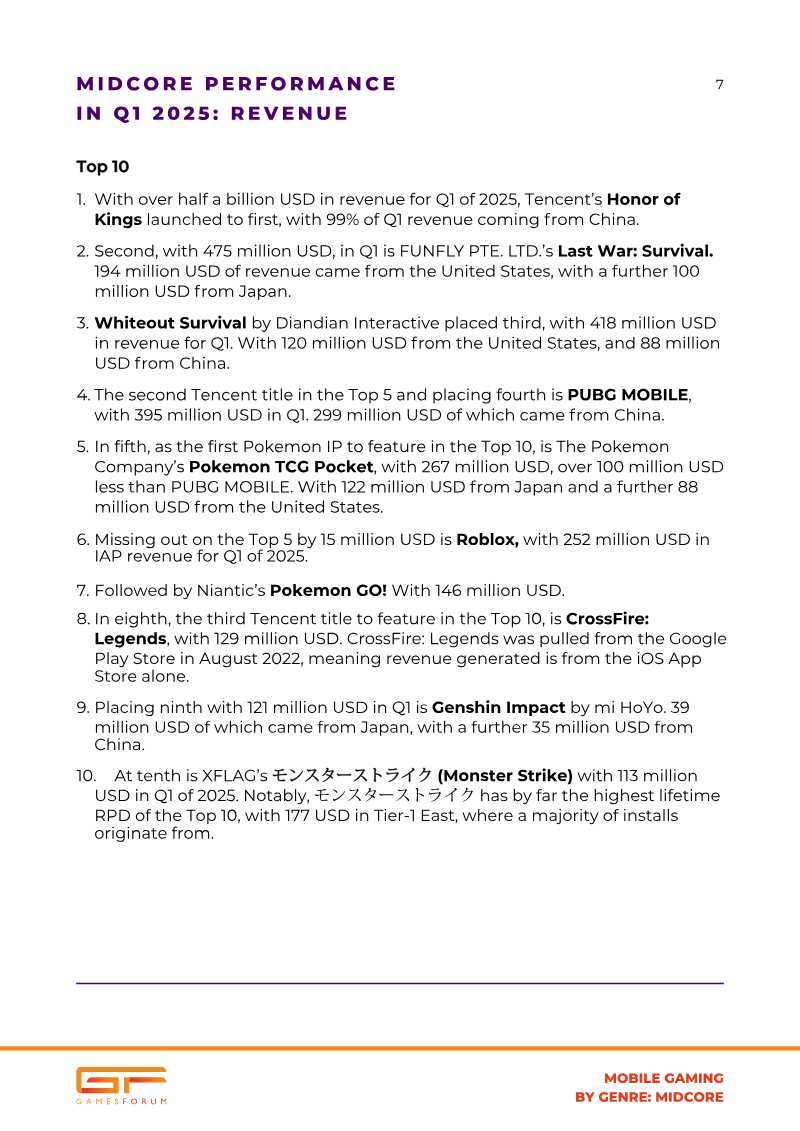
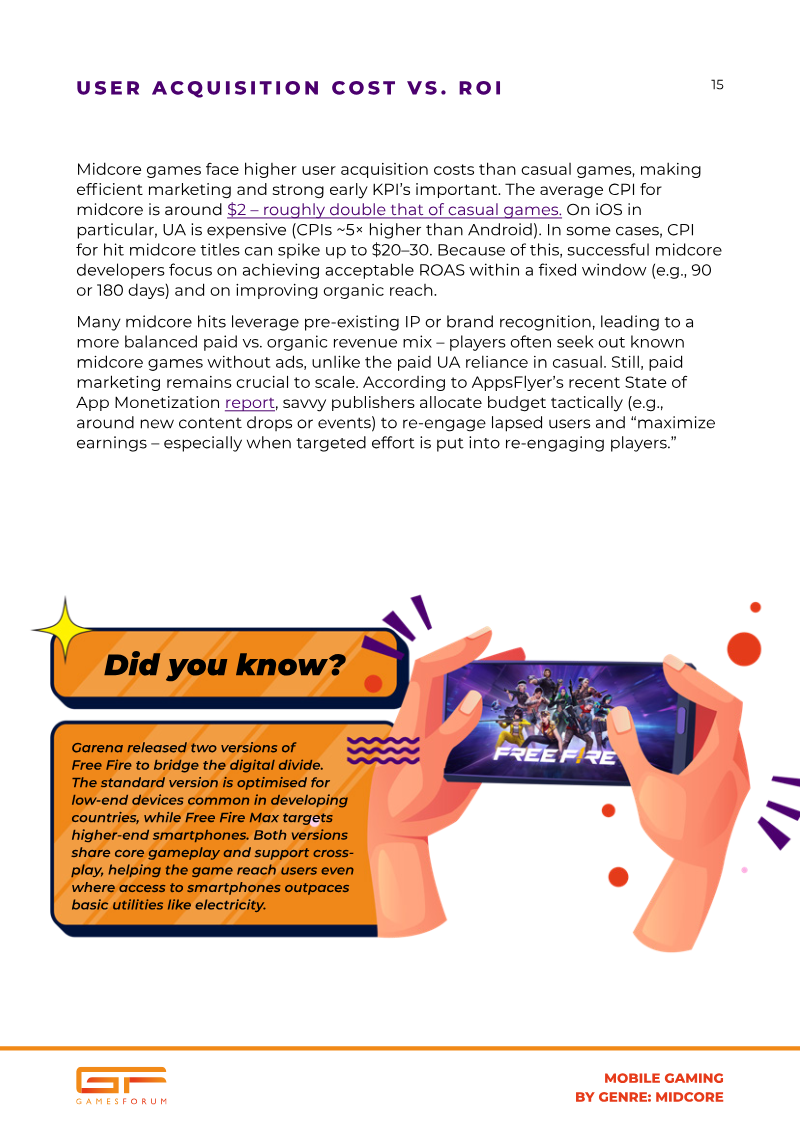

Mobile Gaming by Genre: Midcore
The mobile gaming landscape is witnessing a notable resurgence in the midcore segment during 2025, characterized by increasing downloads and revenue following a post-pandemic downturn.
- Midcore mobile gaming is experiencing a post-pandemic rebound, with Q1 2025 revenue and download figures exceeding 2024 levels.
- Strategic rewarded video integration can significantly boost performance, as evidenced by Bytro Labs increasing ARPDAU by 32.9% and Day-3 iOS retention by 6.1%.
- Midcore titles achieve higher eCPMs than casual games, with Bytro Labs reaching eCPMs of 23 on iOS and 25 on Android through optimized ad placement.

TWIG #326 Supercell Goes VC while Minecraft Kills at the Box Office
The global gaming industry is currently defined by a stark dichotomy between the massive success of transmedia adaptations and the structural challenges facing traditional game development.
- The Minecraft film's $313 million global opening establishes a new benchmark for video game adaptations, proving the high commercial value of Gen Z-focused franchises in transmedia.
- Corporate venture arms, such as Supercell’s investment division, are facing criticism for a lack of strategic cohesion and insufficient mentorship compared to traditional VC firms like Andreessen Horowitz.
- Investors are shifting toward a more selective strategy, prioritizing studios with established intellectual property and clear paths to profitability amid mobile market stagnation.
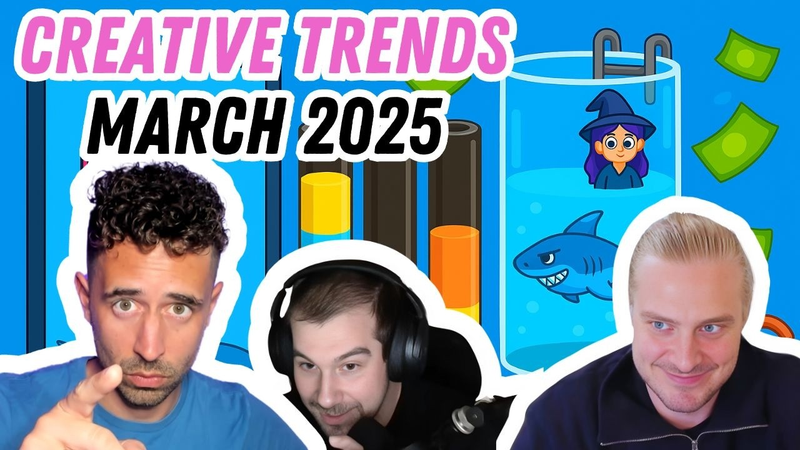
The Secret Sauce Behind $30M/Month Mobile Hits 🧪 Creative trends in Mobile Games - March 2025
Mobile game developers are currently sustaining massive monthly revenues by prioritizing iterative creative strategies over original gameplay innovation.
- Established mobile games are achieving all-time high revenue by recycling 5-year-old concepts and enhancing them with AI-generated visuals and animations.
- Games like Golden Goblins are hitting record revenue spikes, such as $230k in a single event, by leveraging long-standing gameplay loops.
- Creative strategies centered on 'near-death experiences' and high-stakes drama—such as characters in saunas or burning houses—are currently driving high performance in UA campaigns.
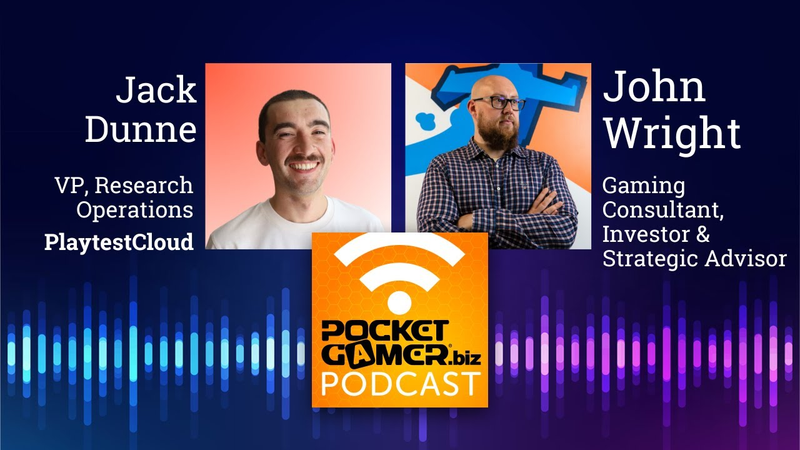
Steal This Strategy — The One Top Studios Use to Save Millions
Top-performing mobile game studios have shifted away from high-budget user acquisition strategies, moving instead toward a model defined by rigorous, multi-stage playtesting.
- Top-performing mobile studios treat playtesting as a continuous, iterative process throughout the entire production cycle—from MVP to hard launch—rather than a one-time event.
- Early-stage playtesting of the First Time User Experience (FTUE) can prevent costly development pivots, potentially saving studios six figures by identifying friction points months before a full launch.
- Successful developers now test their games for extended durations, ranging from two-hour sessions to a full week of content, to ensure long-term engagement and meta-game viability.

How to Unlock Hidden Ad Revenue in Google AdMob. Step-by-Step Walkthrough by Felix Braberg
This guide provides a comprehensive walkthrough for optimizing ad revenue within Google AdMob, a long-standing mediation platform in the mobile gaming industry.
- Consolidate ad units by creating one single unit for all rewarded ads, one for all interstitials, and one for all banners to avoid excessive manual mapping and configuration time.
- For games earning between $0 and $500 per day, prioritize integrating Meta (Android), Mintegral, Unity, Liftoff, and Digital Turbine as the primary ad networks within your mediation groups.
- Perform a 'share of revenue' analysis every 30 days by calculating the percentage of earnings per waterfall instance to identify underperforming price points.
Applovin vs Unity: How Applovin Destroyed the Competition!
The mobile user acquisition landscape is currently defined by a stark divergence in performance between AppLovin and Unity.
- AppLovin has achieved a dominant market position with its MAX mediation platform, which currently holds an estimated 80% market share.
- AppLovin’s competitive advantage is driven by its proprietary Axon 2 algorithm, which utilizes vast first-party data to provide superior performance for ad-revenue-driven games.
- Unity has failed to effectively leverage its ironSource acquisition and engine-level reach due to internal cultural conflicts, technical inefficiencies, and execution failures.

Matthew Ball and the future of video games
The global video game industry is currently navigating a period of significant stagnation, characterized by participation rates that have dipped below pre-pandemic levels and a plateau in console install bases.
- The global video game industry is experiencing stagnation, with participation rates falling below pre-pandemic levels and console install bases plateauing.
- Consumer behavior has shifted away from high-budget releases toward entrenched, free-to-play titles, rendering incremental graphical upgrades less effective for driving hardware sales.
- User-Generated Content platforms like Roblox are now primary competitors to major gaming ecosystems, capturing significant total engagement as traditional growth models falter.