1 free read left. Create a free account for unlimited reading + AI research.
Create free account
Your treasure map towards successful mobile user acquisition
Key insights
7 takeaways- 01Games must be fully optimized for retention and monetization before launching paid campaigns to avoid poor conversion rates and weakened leverage with media partners.
- 02Mobile developers lose an estimated $7.2 billion annually to fraudulent activity, including bot traffic and organic install hijacking.
- 03Fraud detection requires monitoring for suspicious patterns such as unreasonable click-to-install times, repetitive device behavior, and discrepancies between pre-install and post-install engagement metrics.
- 04Developers should utilize transparent platforms providing granular app-level placement data and employ third-party forensic services to flag suspicious attribution.
- 05Creative strategy should prioritize high-performing, proven templates over artistic preferences, utilizing continuous refreshing and high-volume, simple assets to maximize return on investment.
- 06Effective targeting should shift from traditional demographics toward 'moment-based' strategies, such as identifying user behavior during specific daily activities like commutes.
- 07Accurate campaign profitability measurement requires moving beyond last-touch attribution to include social contribution, in-game clan activity, and ad-revenue-based lifetime value.
Ask AI about this video
Transcript
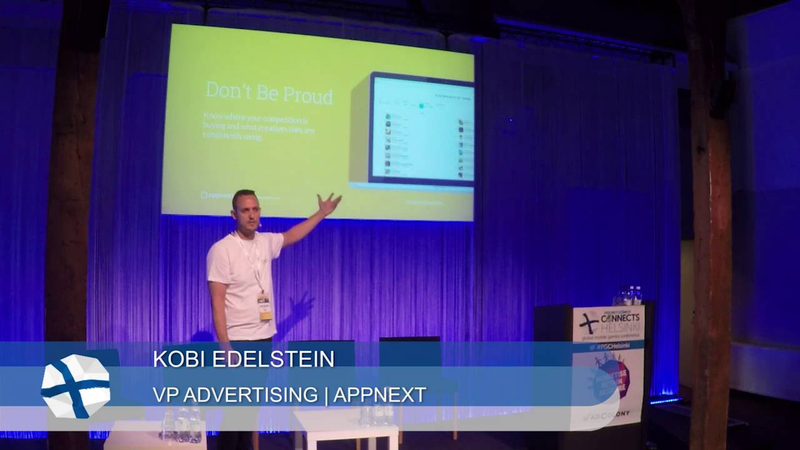
[Music] so hi everyone do you mind if I do this in Hebrew anyone you know I'll stick to English so I'm copy from app next and i'll put together a few tips and now you can find your treasure of successful paid user acquisition add colony really built this up very good for me it started talking about fought i'll touch a bit about that as well app next is a mobile app discovery and monetization platform we work with over 45,000 developers and thousands of advertisers daily who use our self-service CPI based dashboard and let me tell you a bit what we're going to talk about first we'll talk about the dangers of paid user acquisition the mix bots organic install hijackers who you're helping Angels
could be talked about transparency which is a big solution for all of these and then go through a few more tools how you shouldn't be proud what you should do with your creatives right time targeting and a bit more about return on investment so before we talk about the dangers of paid user acquisition can have kind of a show of hands who does paid user acquisition okis more or less 5050 so those who don don't know I'm kidding first make sure your game is prime you don't want to go into these waters before your game retains the users and knows how to make money because it's very dangerous waters a lot of sharks very competitive and anything you do once your game is fine-tuned you'll do much better than when you're just trying in the soft launch your conversion rates are better it will be better your power versus the media partners will be much better
so do it in the right time so the first the first trick you should be aware of in paid user acquisition the first kind of fraud is what i call the mix basically taking a low-cost incentivize install offer wall kind of install where the users are actually paid virtual currency to install the app and you could get that very high volume mix that together with a high intent this is like that apnic's interstitial where users actually know what they're installing and want to install and they're not getting any and kind of incent and mixing it all together and you'll see it under the same source so they you can get the media partner here has the gain is it has high volume with average performance but you don't want average you want to cherry-pick the good the good sources so this is one thing you should avoid and transparency is a big guy big guy to do that
second is BOTS so this is a mind boggling figure 7.2 billion globally is estimated going to fraud so it's not a small issue in any way it's around a third of the spend so take into account the third of their spend is going to bots that are not going to actually play your game and that you don't want to do that right so how do you find that and will i'll talk to it in a few slides but one of the keys is to know where your ads are running know where your ads and running and look at initial but now also look at deep engagement metrics because now the bots will also play the game finish the tutorial some will actually come in the second day as well so initial engagement metrics isn't are not enough here are a few patterns we put together to help identify from our experience BOTS use of known proxies a large amount of clicks from the same
device IP that will give you an indication different I different IPS between the click and the install or the click in the launch of the game will tell you that you probably someone using a proxy and doing some robotic activity as ad colony mentioned unreasonable click to install time so no human is spots possibly can install a game that 200 megas in two seconds something's fishy is going around here look it look into patterns a click or an install exactly every 8 seconds every 15 seconds you know something is routine going on here or post install activity users dropping off at the exact same point so they know okay the advertisers looking for end of tutorial to get people so the goal just above after that point so if a large
proportion of installs from the same media source cut off at the same point it's probably robots also unproportional representation of any kind so it could be a device so if you have an iOS campaign and all the installs are seventy percent of installs are from iphone 4 which is not the most dominant model in the market something is fishy another thing they could look at is the language so same thing you have a campaign targeting us and seventy percent of their languages philippines of the local language of the device then something is fishy is going around and probably robotic there's a lot of device ID related issues you should check different IDs from the same something that's probably the same device by matching the IP and user agent multiple idea phase from the single idea v idfa they are not uppercase google
advertising I these are not lower case which they're supposed to be or some kind of consistent pattern you're seeing in the ID someone is generating them so this is things you should look into BOTS another big phenomena which is very hard to detect because usually when you're looking for fraud activity or something fishy you're looking at the post install effects when someone's doing organic install hijacking or user coloring or in the web days would call be called cookie stuffing they're taking advantage of the last click attribution and try and attribute users that maybe they didn't even see their ads that media partner so it's very very tricky to find because there will be you maybe a act is exactly like your best users because these are probably users who are organically went into the store and installed it with no connection to that so how do you find that first of all look at the preinstall
activity not the post install here for again know where your ads are running so it's kind of the magic and if you have the option to see what happens if you're promoting a few apps if you see clicks exactly the same second for both those apps something is going on here they're trying to click on as many possible ads at the same time to color those users for that media source look at though at CTR s.ct ours will be very very very low because basically any impression or maybe there's no impression someone's not really seeing these ads they're just coloring them through the last forcing to click the CTR will be very very low and conversion periods it won't be one hour two hours it could be 24 hours 36 hours because of the fall someone they colored them and then after three days they went to the store so these are things you should
look to and what we also recommend doing and we have internal systems is to compare to your organic baseline if they act exactly like your organic baseline in terms of initial engagement payment seven their attention they're probably organic so color that media source is organic and go to your media partner and tell them something's fishy going on so who can help you in this this is even youryour game studio you might have a you a department you have a little department but if you're smaller this is a even for big companies this is quite complex just following all these patterns so you should pick the right media partners and know ahead of time where the weather ads are showing how what's the user flow work with the right service providers there's companies like forensic or cyber end that provide these services for you they will flag installs as
probably an attribution fraud and they will do the work for you and pick the right attribution partner some of the attribution partners are doing these services themselves like adjust or apps fire that connects with forensic IQ and sets I Brent so that it fully integrated and you'll see all the data through the attribution partner leading up as i mentioned i think what i think is the holy grail for media buying and these fishy waters dangerous waters is seeing you know the transparency there's some platforms like at next there are fully transparent you'll see where your ad is running exactly in the app name level install the app see the ads make sure the user actually sees them that there's no incentive I incentive down to download the game it could be sometimes they're soft incentives as well you want to see that you're you're okay with that soft incentives are we've we ran into a game
developers saying hey help us out by installing one of these games so they don't get any currency but there's still some kind of emotional incentive and it might be okay because maybe these users are actually good and they're interested but you should see what what's going on you should see your ads and you should see how you're being promoted and and make sure it's viewed as I said and it's not enough lot of the media partners will give you a number but a number is just a number you don't know what stands behind it you can't see the app you can't see the user experience so make sure you work with partners to give you the app name so once we talked about the dangers I'd like to talk about a few more tools for to make your journey successful one one of the major things which is very conceptual is don't be proud drop the ego ego does not have any sense when doing performance marketing so if you're
an art director and you want your ads to look great forget it you're your game is your art if no one comes and sees the game that doesn't make any difference then people forget the ad so the ad could be as ugly as possible if it works use it and the same thing is don't think you're better than competition you're smarter I always look what what they are doing what kind of creatives work and as you can see this the famous example of the screaming face on the top charts any strategy game uses a lot of games use it but why would you I mean you'd think that you want to be different that a advertiser or publisher want to stand out but everyone uses the same face anyone have a idea why it works now why it works you can rationalize it it's probably because it's people can immediately recognize
the genre they know exactly what's going on okay this is I know this game people have very short attention spans they have a few seconds to decide I look okay this is strategy I'll try it out same works with ads so look at templates there's templates in different genres of games that work you can be very creative and put this amazing power shot but then you have a very simple black on white three characters progressing level 10 level 15 level 20 that will work there could be a giant battles create a scene their templates that work and they're now pools that help you find find these templates in what works and you could look with work with sensor tower they have a product currently only for iOS and a penny who bought app scotch is relaunching the product as part of their pursuit and you could actually see your competitors campaigns you can see which one is a laser here this delayed aha you can see we know where it's running for
how long and assume if they're running with the same creative at the same actually publishers a name that it works so try to imitate that don't be proud one thing that many user acquisitions managers forget they know what to do it when they're when they're buying on Facebook and Google but it's same thing with anywhere else when we have media you have to refresh it you have to refresh it so this is a typical graph where you'll see creative goes up there's some kind of slow gradually decline in the performance and you refresh the creative and then goes up starts going down and sofas we see that all the time in our in our platform and we talk to our advertisers about refreshing more and more and more and basically what you want to try to think is is is there a way you can keep this line more like this and maybe you need to look at creatives that are less complex to produce maybe they're have ninety
percent of the effectiveness or the ROI on them is ninety percent not one hundred percent but because you can maintain a much higher refresh rate then they're much more they provide better ROI over time so this is something you have to take into mind and by the way this is a good way also to see if the media source is doing some of the fraud we're talking about before because if you refresh creatives all the time in the there's not you don't see this graph then someone's not the users are not seeing the ads probably so take that into mind remember to always refresh your creatives personalization so of course language the genre of the game also looks start looking at matching what you what what type of trigger you displayed in the ad and onboarding experience so again let's fall back to strategy game if someone is more of a builder and you put the creative about building take them
through a flow and onboarding experience that that has building is the major part at the beginning here's a great example from the apps world of get know they know that you're out about in a bar area so they're telling you hit out about tonight so that your ride home with no waiting around but this adds to the complexity I talked about before about refreshing your ads so if you've got this giant metrics of 15 languages and 12 types and you want to refresh them all the time you want to personalize different types of game but try to think of simple templates that will allow you to both personalize and refresh pre-qualify no everyone knows that videos in a big rise you can advertise with app next add colony luongo unity and the good thing about it is it prequalify the users know what they're about to install same thing is that's why playable ads you can do with try sensor cross install
that's why they're doing well as let's say it's the same thing people know they get a feeling of what they're doing and then they install but this is it's a tricky tricky point because the cost is higher so maybe if you're a more mass market game this shouldn't be your main chat without saying what we want to do this video we know what the quality is very high but if you if there's a chance that even by mistake someone can install the game but its mass market it's not very complex it's very engaging then it'll be much more cost productive to do other formats you should mix them up but don't rely only on this if you are mass mug if you're a niche game and their chance of someone installing it and playing it by chance is low then you should stick to pre-qualifying formats I didn't talk attentively about a lot about targeting because first of all everyone talks about it and I think it's kind of overrated when you're looking at a
mass-market game you want to get big audience you want millions of users you're not to be able to discharge at the exact specific 45 to 50 user that has already played ten strategy games you need to to go much wider and one of the things we're developing and there's some other companies are looking at is trying to recognize the moment the user the mobile moment the user isn't throughout his day and then allowing advertiser target these moments so for games there's a lot of research and we've done as well about commute time commute time is a great time people pay a lot of games on their commute and you could target can you time by day party but you know some people don't stick to the regular hours of commuting so with other data we we know and some other providers know to tell you a user is commuting this is the time to target them same
thing if they're leaving work of course if they're playing a game that means they're playing again but there's other ways and they're probably cheaper because everyone's targeting the users are now playing a game but maybe if he's commuting and not playing a game yet is a better time so so look out this is going to be a trend that's growing about moment targeting and last and not least probably doing in time 150 okay so ry get the full picture on social contributors there's the users that are going to the k-factor these are going to bring you more users back and there's thought the in-game factor the users you know everyone knows you're that the people in the Alliance the Alliance the clans whatever you call them or that's a real monetization and retention driver so these users are very important they might not be paying users so try to do some kind of a multiplier for for campaigns or maybe sources that bring you a lot of social contributors
and we're seeing different companies playing around with different very complex but interesting models multiplying by the Kate factor and then adding a something about the in-game contribution ad revenue their companies now that will like simula this is an even house he's walking around tall guy with a similar shirt they allow you now to also trace back your ad revenue so could be that a campaign is is losing money if you're just looking at in-app purchase but basically if you're also looking at the lifetime value of AD revenue then the campaign will have positive our line so look at the full picture also here and also look at who's contributing so probably a user didn't see one add this is from our friends at the apps fire you can see an example of the first touch being Twitter and then a plugging and then Google Adwords and last touch will be Facebook so if you're looking only to last touch attribution so Facebook is doing all the good work here but if you're going to look into all the assists along the way and apps
find others also allow you to see this and you can develop fractional attributions maybe multipliers receiving companies will take an assist and give it a twenty percent value and you could also find overlapping sources so if you have two sources appearing all the time together is assist one is assists and one is the last click probably not worth while advertising this especially if you're doing CPC or so you can on the on two of those sources pick one that's it minus 20 seconds thank you very much for your time please come up with our booth afterwards if you have more questions great [Music] you
Summary
Successful mobile user acquisition requires a strategic, data-driven approach that prioritizes game readiness, transparency, and the mitigation of pervasive industry fraud. Before initiating paid campaigns, developers must ensure their games are fully optimized for retention and monetization, as entering the market prematurely leads to poor conversion rates and weakened leverage with media partners. The industry faces significant challenges, with an estimated $7.2 billion lost annually to fraudulent activity, including bot traffic and organic install hijacking. Identifying these threats requires monitoring for suspicious patterns, such as unreasonable click-to-install times, repetitive device behavior, and discrepancies between pre-install and post-install engagement metrics.
To combat fraud and optimize performance, developers should leverage transparent platforms that provide granular data, such as specific app-level placement, and utilize third-party forensic services to flag suspicious attribution. A key component of a successful strategy is the abandonment of ego in creative development; developers should prioritize high-performing, proven templates over purely artistic preferences. Continuous creative refreshing is essential to maintain performance, and developers should consider producing simpler, high-volume assets if they yield better long-term return on investment.
Effective acquisition also involves sophisticated targeting and measurement. While traditional demographic targeting is often overrated for mass-market games, emerging "moment-based" targeting—such as identifying a user’s commute—offers a more effective way to reach potential players. Furthermore, calculating the true value of a user requires looking beyond simple last-touch attribution. By incorporating social contribution, in-game clan activity, and ad-revenue-based lifetime value into their models, developers can gain a more accurate picture of campaign profitability. Ultimately, success lies in balancing pre-qualifying ad formats with broader reach strategies and utilizing fractional attribution to understand the full user journey across multiple media touchpoints.

















Comments