1 free read left. Create a free account for unlimited reading + AI research.
Create free account
Let’s go whaling: Tricks for monetising mobile game players with free-to-play
Key insights
7 takeaways- 01Monetization success in free-to-play games relies on converting a small percentage of high-spending players, known as whales, who are driven by competition, social status, and rapid progression.
- 02Developers should segment monetization offerings based on specific player archetypes, such as achievers who value convenience, killers seeking competitive advantages, and socializers prioritizing customization.
- 03Loss aversion is leveraged to drive spending by incentivizing players to pay to protect existing progress or virtual items they feel they already possess.
- 04Gacha mechanics function as high-engagement tools by utilizing variable rewards that mimic the psychological appeal of slot machines to increase player lifetime value.
- 05Psychological pricing strategies like anchoring use initial high-price suggestions to influence the perceived value of subsequent, more affordable offers.
- 06Social proof is utilized by highlighting the spending habits of successful players within clans to normalize purchasing behavior across the broader user base.
- 07The core gameplay loop must be designed to ensure frequent interaction with the meta-game and store interface, balancing skill-based challenges with opportunities to pay for progression.
Ask AI about this video
Transcript
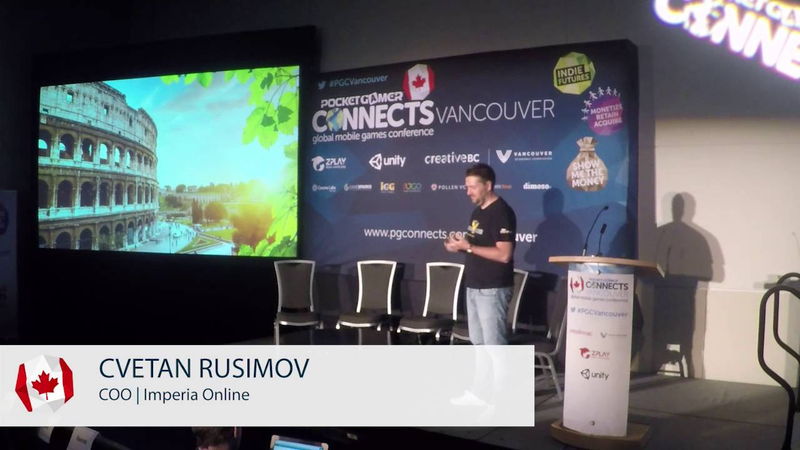
Hello, I'm here to talk about monetization. It's let's go whailing. It is about a a summary of a huge bunch of uh behavioral psychology. So the the tricks on on how to monetize a game. Well, some of you will probably u be slightly shocked by what all the tricks I have listed here, but I'll leave the morality of it out of the talk. We can discuss it uh if we have time later. So let's dive right in. Uh first off, Wall Street trader and oil shake got into a fight. Who won? you guys did. This is to remind you that a lot of the
spend comes from from the high high paying guys, the whales. Um, and the very best way to get these guys to spend is to get two rich competitive guys to fight each other and tell them, "I'll give you a slight upside if you pay me." Next off to remind you that the best way to make sure of both your retention and your monetization is to make sure you have enough of an in-game economy in there. Uh the thousand up there is actually clearly lowballing it. Top grossing games have in-game economies worth tens of thousands. That's how you can uh keep people in there. They have lots of things to do to to stuff to upgrade to progress along and that's how you can can make them them spend a lot as well since you can for instance uh give a huge uh discount on something you know uh this stuff is worth 150 uh euros
but now I'll give it to you for five. If your whole in-game economy is worth less than 150 you cannot do that of course. So now a few of these um like frameworks on how how to think of stuff. I've seen suggestions to model what you sell according to bartle types. I assume you're all familiar with bartle types. Uh the achievers want to progress in the game. The socializers want to speak to other people. The killers just want to uh compete and kill each other. And the explorers are the guys who are after stories and and uh experiences. So this is from Will Luton's uh suggestion to you sell convenience to the achievers which really means faster progress customization to socializers uh hats and stuff uh competitive advantage that is pay to win for the
killers and content for explorers. Now the reason I highlighted convenience over up there or or progress is that most of your sales will be here. uh customization hats and stuff, they're nice, but you you'll have a singledigit percentage of your income coming from that if you do both that and progress. Uh competitive advantage is good, but you can go overboard with it and have an unbalanced game. Uh which is if it's too clearly pay to win, people will stop playing. And content, it takes a lot of resources and time to do that. Uh selling content is very expensive. Hardly any team can keep up producing content in in the uh at the pace needed. This one I like a bit bit better. Um hook habit hobby. This is a a uh model from Dimmitri Draano of flare games. Uh it's a model for how people progress in
a game. The hook is what gets you into the game to try out a free-to-play game. Then you build it into a habit that you play multiple sessions every day and then at the end it's the hobby phase where where people uh see it as their one of their main hobbies and they put put lots of time and resources into it. Now if we look at this from a monetization perspective the hook is where you put up an icebreaker. You want to give a really really good deal something that's a no-brainer. You would be crazy to turn it down as a player. The reason to give a really good deal up front is by making people spend up front, they are also emotionally committing to your game. Their retention will go up and the first spend is uh it breaks the ice. Then they think of themselves as spenders in the game. It's okay for me to spend in the game. Uh lots of people are otherwise have this wall up. I will never pay for a mobile game. So you need to break the the wall first. The habit is like the main meat of the game. This is where you sell the
faster progress as we just discussed. And the hobby is for the guys who have already maxed out. They're the guys who have uh all of the Clash of Clans building at the max level. They they are already there. So you can no longer sell progress to them. You have to sell consumables. This is where you're selling uh the faster healing times or or faster build times of armies. Uh this is also where you get basically unlimited upper spend. There's no limit to how much you can spend in, for instance, Clash of Clans. So, let's go down into some of of these more tricks. Uh, gachas. Who hasn't heard of gachas? Excellent. Uh, most of you have. So, gachas, uh, they're named after gacha pon, these Japanese machines, which are sort of slot machines that give you collectible stuff. on random you get collectible stuff but it's really the same mechanic that we have had in in western markets
for for collectible playing cards like uh Magic the Gathering for ages. You cannot no matter how much you spend you cannot directly get the card you want. you have to over and over again pay to get uh a bunch of random cards and hope that the thing you wanted is in there or then you like trade them somehow uh if there's what wasn't what you hoped for. Um these are great for for again both monetization and retention because people like uh the um the lottery part of it. Uh if you want look it look up Skinner box to know why. Um, it's really a lot more exciting and you give get more content because people cannot immediately progress to the stuff they want. They have to keep trying a few times. So, it really takes like five times as long to get the collection that they need compared to just progressing and collecting soft currency and buying it straight off.
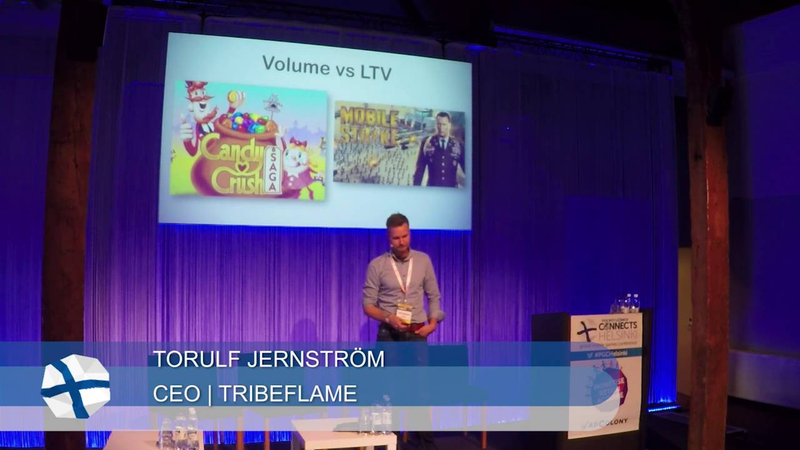
Okay. Then think about uh how you want to get get to um get to your millions. Do you go the king route of having a huge volume of players and a fairly modest lifetime value for each spender? Or do you go uh the machine ser route of having a very hardcore game that uh like 95% of the population is going to look like what is that? But the 5% that actually do play it, they will spend a lot. Just know where you stand on this hot state. There's an excellent uh book about um behavioral psychology called uh thinking fast and slow. Uh this is the fast thinking. I'm telling you that the fast thinking mode is what you want. The slow thinking is is your analytical brain. Uh what's 12* 47? I'm sure all of you can answer that. But you have to start your actual thinking brain to do that. Uh now if I say complete the
sentence bread and everyone's got butter. So that's the fast thinking. Our brain works in these two modes and starting the analytical part of your brain is too much to ask for a spend. How it applies to games is make stuff immediately useful, immediate gratification. If you have u a level based game and you sell some boosters up front, for instance, a coin doubler or or uh some other stuff that will help you, people will have to analyze and think it through these things are good for me. These will help me progress before they do it. And they won't do that. If on the other hand you do like for instance in this uh temple run once your game is over save me I have a few seconds to spend hard currency and and I get to continue or similar in Candy Crush Saga at the very moment that I lost uh I can see I just played a bit more I can pass it make it
immediately useful loss aversion this is uh people are much more attached to the stuff they have than an equal amount of things that they can gain. Which means that um if I give you an an offer, um I'll flip a coin. If it's tails, I'll take €100 from you. If it's uh heads, I'll give you €120. Who would take the take the bet? No one. No, we want we need more gain to offset the loss is felt more strongly. uh we need like 200 against 100 loss, 200 gain against 100 loss, then we'll take the deal. Uh in games, you can apply this by giving people stuff that feels is in their pocket and then threaten to take it away unless uh they pay up. This is lots of level based games do this. Uh there are collectibles in in things like Puzzle and Dragons. You collect along
the way. If you didn't finish the the level, they'll take it from you. Now pay to continue a bit. Office and scarcity uh plays into the loss aversion. If there are um rare cards up here and you see see the goblin going with these clocks tick tock. I'll take it away from you. I'll take it away from you. Uh they they are scarce. They go away. This is a brilliant way to to uh get more people to to spend more subscription. Does anyone recognize the guy? He's the builder from um uh Clash of Clans. The point of this is the builder h has a very specific way of working. If you spend your hard currency on this guy, you will only get the benefit from him if you then keep coming back to the game very often. So it drives both retention and uh
monetization. Build stuff that that uh makes people come back to your game a lot in order to get the value out of that. The IKEA effect uh this is to say stuff that we put work into we value more highly. Uh you know a really sells you cardboard stuff. It's but you value it still somehow slightly higher because you actually built it yourselves. Uh the model over here is from a uh psychology book called Hooked, how to build uh uh hooking products. Uh this is how we build build habits. Uh there's a trigger to remind us to do something. Then we go do an action. We get the variable reward just like the gachas. we we get uh the lottery ticket and then to really hook it down, we need to ask people to do something for us, do a little bit of work because then they become emotionally attached to that and
then we set up the the next trigger either internal or external. External trigger means uh really a notification in our case internal to that people have in their minds that you know I started building uh uh that tower or I planted pumpkins that means I need to come back in 8 hours. So that's the trigger and then we go go round and round and and we have the habit. Anchoring is fun. Anchoring means that when we don't know the price of stuff, the first price we hear suggested for it becomes our anchor and then we compare everything to that. Uh for instance, an iconic example, black pearls. Black pearls when they first came on the market, no one wanted them because they're dull and black and don't look very nice. Uh they were the guy who had them told his his um summer traininee or whatnot to to just dump the price of
them and get rid of them. Uh the summer trainer understood it wrong and actually hiked the price by 50 50% or 100%. And then suddenly they beca became uh these objects of desire. Uh even more um special I think is this. If I ask all of you to write down the last two digits of your social security number and then I have an auction like uh imagine this is a fancy bottle of wine and you get to bid on auction here. The people like me, my last two digits in my social security number are 99. I'd bid a higher price on this than the guys who who have uh like 10 or 05. just because I wrote down a high number on a paper will anchor my my thinking on on what goes next. So, how to use this in a game? Some games immediately uh when you're in in the tutorial, they suggest to you you should buy this good for €50 or or something like that. I I
go like, "Oh, that's expensive. I'll never do that." Of course, no. And I expect them to say no. Then again I come back back like uh a few se sessions later and suggest they buy it for for 15 and I say that's a good value because my anchor was at 50 social proof. Uh so this is we are herd animals. We tend to do what all all the others do. U you all sit quiet listening to me because that's what all all of the other guys do do here. So uh especially when people are similar to our to us this means that uh you should have uh the socially accepted way of behaving in your game should be paying. You want to tell people for instance their when a clan member of theirs spend money you want the whole clan to know because then that becomes the socially acceptable way of behaving. uh you by
absolutely do not want to tell them that the majority of people in your game never spend money. That's poison. Never tell them that. Availability means that the stuff we hear a lot about is the stuff we judge as uh likely to happen. This for instance can tie into gotas. Uh if there are rare gachas, not every player will see them every session. That's like the definition of rare. which means that they will think that it's not likely to happen that they get one of those. Which means that you should tell them about it. Which means every time a clan member gets one of the rare things, you should broadcast it to to all of the others like your friend got this rare or legendary thing. Then they will judge it more more um likely. The right amount of choice. This is a famous jam experiment. Uh they put up a stall in a supermarket with 20 different jams. Uh you know the ta have a taste
here then then you you have a a discount go buy some. And then they had a control group who had only five jams to taste. Now for the one with 20, a lot of people stopped by and tasted the jams. But for the one with six, a lot more people bought because they they know that that's the best one. That's the one I want. If there are 20, there's too much choice. We just get get anxious. We choose nothing. There's a bunch of data on uh this that whales take longer time time to convert. This is just another reminder for you to have content for a bloody long time. the core loop go through through the store. Uh have an example, Hill Climb Racing because it's so fantastically minimal and nice. You do your action, your your in-game uh your core game there and you go straight into the to the meta game where you you do the upgrades and then back there. So the loop always go through the meta stage
where where your store where where you're you're spending money. Labeling technique. I haven't seen this actually done in a game, but it's uh interesting. it should work. If we tell people they are a certain way, if we compliment them on on being nice, good citizens, they are more likely to behave as nice good citizens. So, you should actually tell your players that they are uh generous individuals who who have a a taste for good art and and uh want to support their um their game developers by paying you and buying APS. related to that also to te telling people the reason to do something makes them much more uh likely to actually follow follow through and and do that spend because reasons the reasons don't don't even have to be that good in order for this to work and last here are uh remember there are four ways of progressing in in games in general you can have a skill game based
game you can have a luck based game you can have a game where you just progress by grinding or you can pay to uh to progress. Make sure that your games aren't too skill-based. I made that mistake myself. A two skill-based game, you don't get people to pay pay you because there's no reason to. So, make sure grinding and paying are legitimate versions of progressing in the game. Thank you. That's it. A few questions. Any questions tool? Nope. Okay. Well, thank you very much. Thanks. I'll give one more in case you didn't have questions. Um, reciprocity is a very very strong mechanic. If I give something to you, uh, if you give something to me, I feel obliged to give something to you. To trigger that. However, we need three
different uh criteria. The gift needs to be unexpected, personal, and significant. Not it can't feel like something I gave to to to everyone, which makes this a real challenge to do as part of the game. But I think you can incentivize your players to trigger reciprocity between each other. But that's a challenge for you guys. Thank you.
Summary
The monetization of free-to-play mobile games relies heavily on the application of behavioral psychology to drive player spending and retention. The primary objective is to convert players into consistent spenders by leveraging psychological triggers that encourage both initial purchases and long-term investment. Success in this sector is often driven by a small percentage of high-spending players, known as whales, who are motivated by competition, social status, and the desire for rapid progression.
Effective monetization strategies are built upon a robust in-game economy that provides players with constant opportunities to upgrade and progress. Developers are encouraged to segment their offerings based on player archetypes, such as achievers who value convenience, killers who seek competitive advantages, and socializers who prioritize customization. The transition from a casual player to a dedicated hobbyist is facilitated by a cycle of hooks, habits, and rewards. Techniques such as gacha mechanics, which utilize variable rewards to mimic slot machines, are identified as powerful tools for increasing both engagement and lifetime value.
Key psychological principles employed include loss aversion, where players are incentivized to pay to protect progress or items they feel they already possess, and anchoring, where initial high-price suggestions influence the perceived value of subsequent, more affordable offers. Social proof is also critical; developers are advised to highlight the spending habits of successful players within clans to normalize purchasing behavior. Furthermore, the design of the core gameplay loop should ensure that players frequently interact with the meta-game and store interface. By balancing skill-based challenges with opportunities for grinding or paying, developers can create an environment that encourages consistent, long-term financial commitment from their user base.














Comments