Mobile reports and market data
Documents
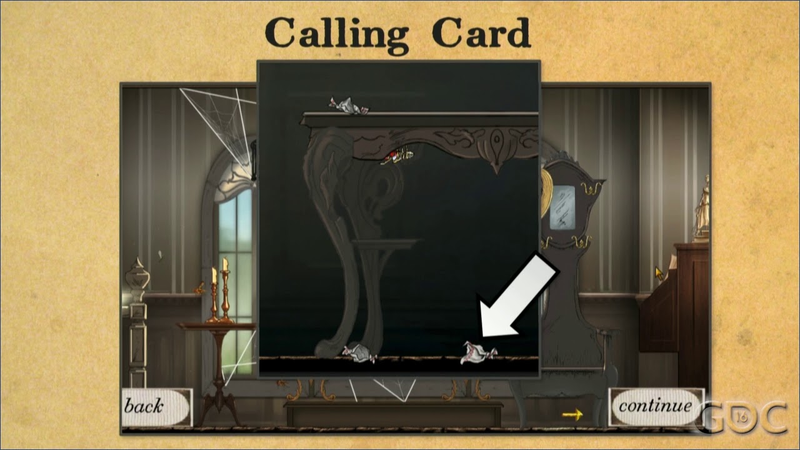
Advanced Environmental Storytelling in Spider: Rite of the Shrouded Moon
Spider: Rite of the Shrouded Moon demonstrates how environmental storytelling can successfully replace traditional dialogue and text to convey complex, non-linear narratives.
- Environmental storytelling in 'Spider: Rite of the Shrouded Moon' relies on non-linear narrative delivery where the author does not control the order in which players encounter story fragments, requiring players to actively piece together mysteries without text or dialogue.
- To maintain narrative cohesion, designers should use 'calling cards'—recurring, interactive props like candy wrappers or toys—to establish a character's presence across different levels without requiring unique assets for every interaction.
- Portraits serve as critical anchor points in environmental storytelling, allowing designers to link specific names, faces, and character traits to props found throughout the game world.
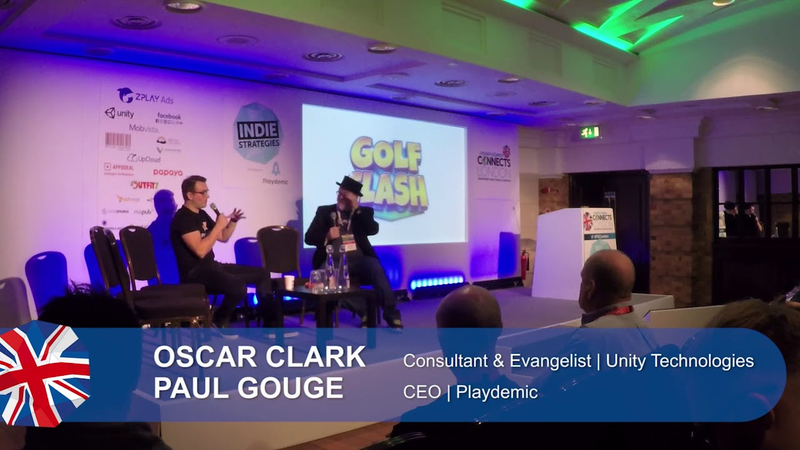
Golf Clash – The power of infectious gameplay
The evolution of mobile gaming from early experimental platforms to the current era of live-service dominance reflects a shift toward accessible, high-frequency engagement.
- Modern mobile success relies on the 'games as a service' model, which prioritizes long-term retention and persistent social ecosystems over static, one-time experiences.
- Developers can maximize engagement by transforming simple, three-minute gameplay loops into multi-layered experiences through asynchronous multiplayer, competitive tournaments, and frequent content updates.
- Post-launch product refinement should be driven by data-based analysis of player behavior rather than traditional, static design methods.
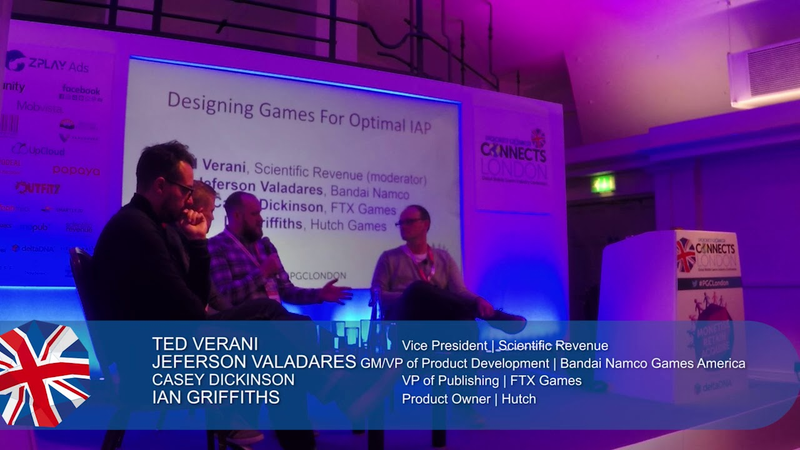
Designing games for optimal IAP
Successful free-to-play mobile game design necessitates the integration of monetization strategies directly into the core development process rather than treating them as secondary additions.
- Monetization must be integrated into the core development process from the start, as retrofitting revenue mechanics into an established game often degrades the player experience.
- Long-term player retention is the essential foundation for any revenue model, as games unable to maintain a consistent user base over several months cannot effectively monetize.
- Developers should adopt a live-service mindset, utilizing continuous content updates to evolve the game and maintain engagement well beyond the initial launch.
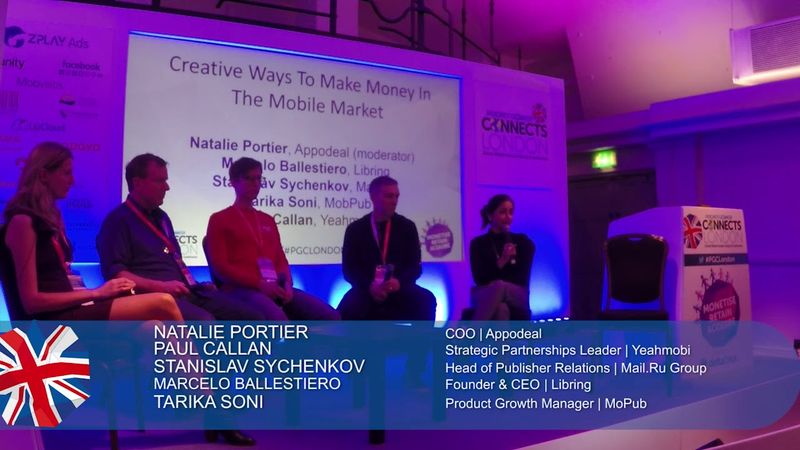
Creative ways to make money in the mobile games market
The mobile gaming market is undergoing a strategic shift toward hybrid monetization models that integrate in-app purchases with diverse advertising formats.
- Monetization strategy must be integrated during the earliest stages of game design rather than treated as an afterthought to maximize lifetime value.
- Hybrid models combining in-app purchases with diverse advertising formats are replacing rigid, one-size-fits-all approaches to better balance revenue and player retention.
- Rewarded video has evolved from a simple incentive tool into a core gameplay element that improves user retention when integrated thoughtfully.
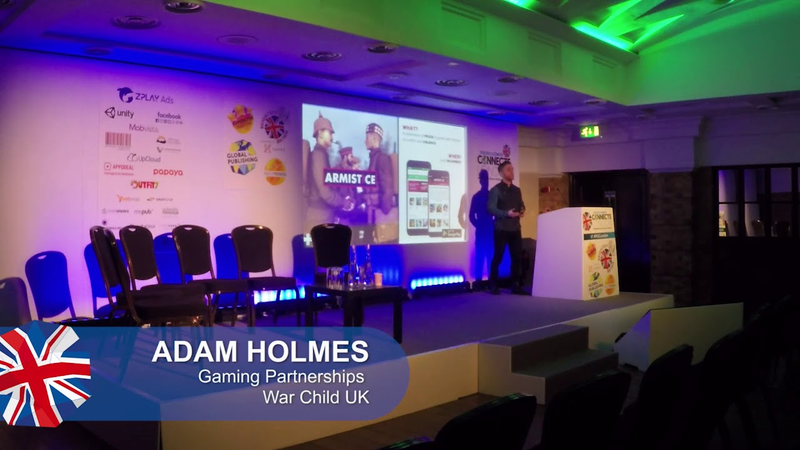
How to use your mobile game for good
War Child UK advocates for the integration of charitable initiatives into mobile game development, arguing that the gaming industry possesses a unique, untapped potential to drive social change.
- 55% of gamers are willing to make in-game purchases when they are linked to a charitable cause.
- War Child UK has raised approximately £2.5 million through developer partnerships since 2007.
- Charity-linked initiatives can improve key performance indicators, including player retention, engagement, and monetization metrics.
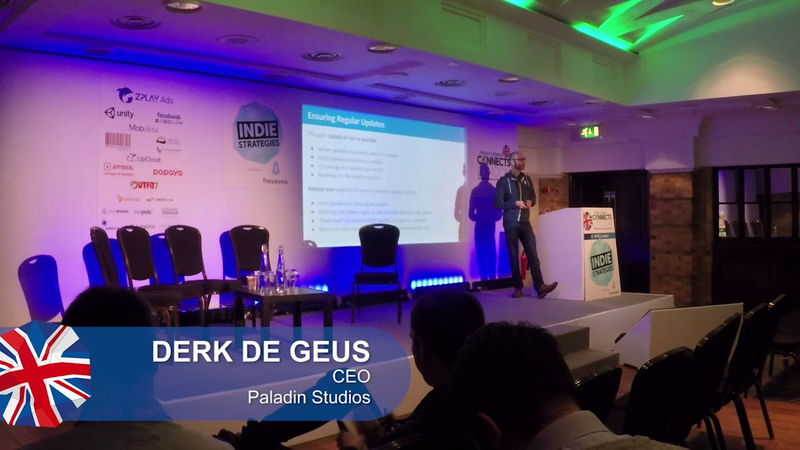
Live ops for indies – The DNA of an effective mobile team
Effective live operations for independent mobile game developers require a fundamental shift in mindset from the creative, milestone-driven development phase to a data-informed, stability-focused maintenance phase.
- Transitioning to live operations requires shifting from a milestone-driven development mindset to a disciplined, stability-focused maintenance phase.
- An effective live ops team for indie studios consists of four to eight members who balance creative vision with technical conscientiousness.
- Consistent, smaller updates generate recurring performance spikes that extend a game's lifecycle, effectively transforming a declining revenue curve into a sustainable long-tail asset.
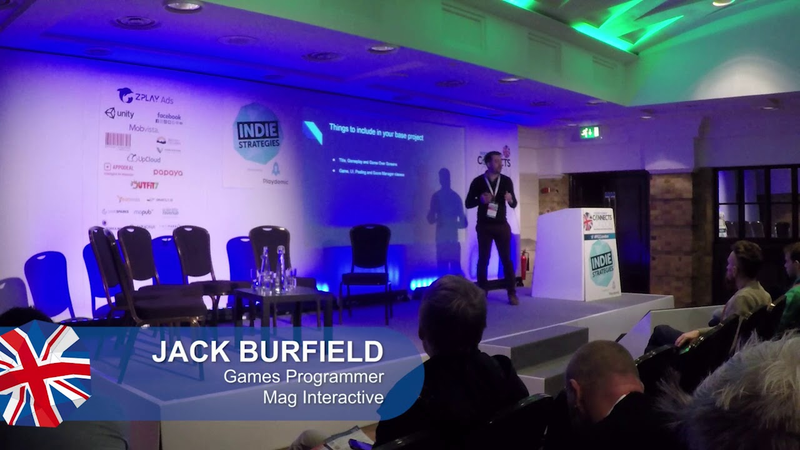
Rapid prototyping for mobile games development
Rapid prototyping serves as a risk-mitigation strategy in mobile game development, allowing studios to validate core gameplay mechanics before committing to long-term production cycles.
- Successful prototypes should target specific retention benchmarks: approximately 60% to 70% day-one retention, 40% week-one retention, and 10% to 20% month-one retention.
- Rapid prototyping functions as a risk-mitigation strategy by using a strict five-day development window to validate core mechanics before committing to long-term production.
- Prototypes must be released without ads or in-app purchases, as success is measured exclusively through player retention metrics rather than monetization.
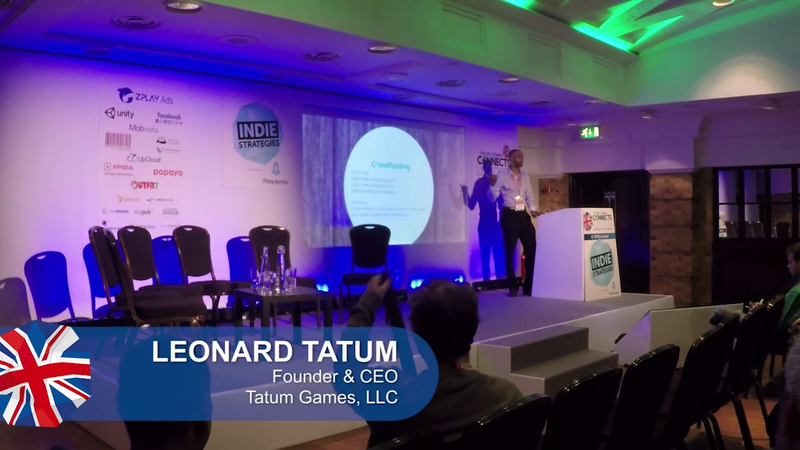
New start-up? No money? No problem!
Securing capital for a startup requires a strategic understanding of different funding types and a resilient approach to networking.
- Successful fundraising relies on building genuine professional relationships rather than cold outreach, as personal connections are more effective for securing seed-round investment.
- Angel investors typically provide approximately $50,000 in seed capital, necessitating that founders present a realistic valuation and a documented plan for fund allocation.
- Entrepreneurs must distinguish between fixed capital for tangible assets, working capital for daily operations, and growth capital for expansion to maintain a disciplined financial ratio.
Bringing esports to mobile
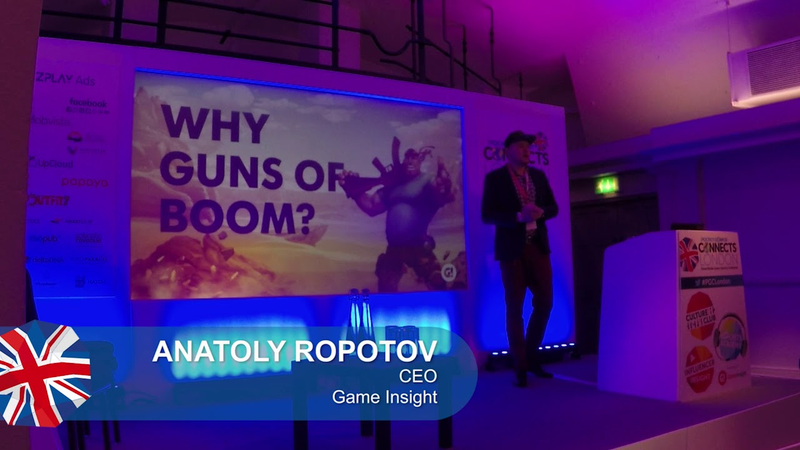
The mobile esports landscape is currently undergoing a pivotal shift, transitioning from isolated titles to a broader ecosystem of competitive gaming.
- Successful mobile esports require a balance of high-level competitiveness and inherent streamability, supported by community-led tournament organization.
- Developers must prioritize accessibility by removing complex PC-style controls, such as jumping or crouching, to ensure a seamless mobile experience.
- The shooter 'Guns of Boom' achieved 30 million downloads and 25 million players within eight months of launch, demonstrating significant market penetration without initial Asian market exposure.
Summoners War and the recent esports and community events focus
The Summoners War World Arena Championship 2017 served as a strategic pivot for Com2uS, marking the developer’s transition from a purely mobile RPG experience to an active participant in the global esports landscape.
- The 2017 Summoners War World Arena Championship served as a strategic pivot for Com2uS, transitioning the mobile RPG into the global esports market to drive user acquisition and brand visibility.
- The Paris tournament in October 2017 attracted over 1,000 in-person attendees and reached a peak of 23,000 concurrent livestream viewers across ten languages.
- Tournament success directly correlated with commercial performance, as the game hit top-grossing status in France, Switzerland, and the Netherlands, and reached the number two spot in Germany during the event period.
Prototyping and production process – The core of the Gram Games company culture
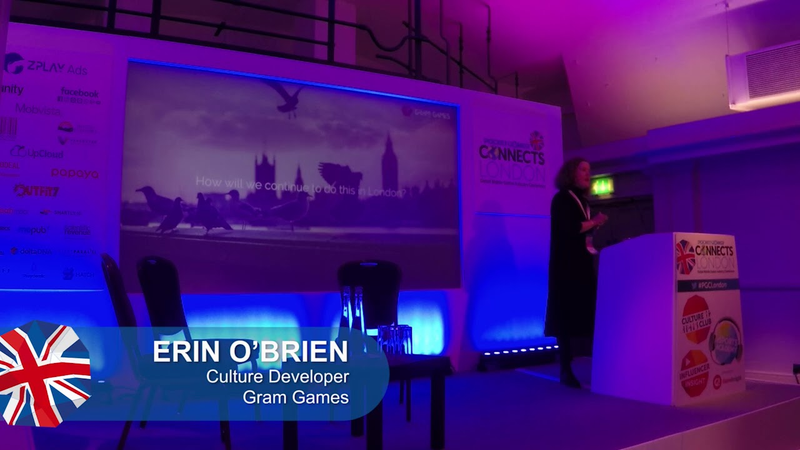
Gram Games, a mobile game developer with offices in London and Istanbul, maintains a unique organizational philosophy that treats company culture as a product requiring constant iteration, bug-fixing, and development.
- Gram Games treats its organizational culture as a product that requires constant iteration, bug-fixing, and development to maintain a high-performing environment.
- The company operates on a flat organizational structure that removes traditional management hierarchies in favor of data-driven and evidence-based decision-making.
- Operational success is built on five core tenets: a flat structure, constant iteration, a familial environment, a commitment to learning from mistakes, and transparent communication.
Panel: Influencer Marketing Uncovered
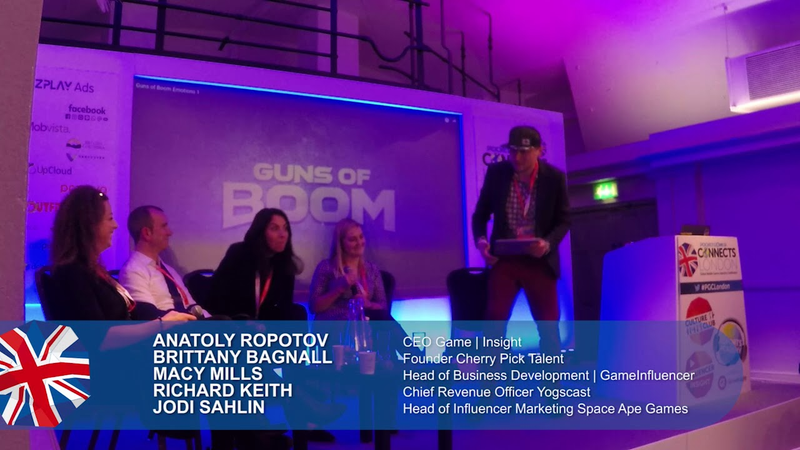
Successful influencer marketing in the gaming industry relies on prioritizing authentic creator passion and long-term relationship building over superficial metrics like total view counts.
- Prioritize long-term partnerships with creators who genuinely enjoy the game, as these authentic collaborations yield higher ROI than campaigns focused solely on high-reach, top-tier talent.
- Niche influencers frequently outperform larger personalities by delivering superior conversion rates and fostering the audience trust necessary for player retention.
- Move away from transactional, one-off promotional videos in favor of sustained collaborations that allow for high-effort content like live-action stunts and community challenges.