1 free read left. Create a free account for unlimited reading + AI research.
Create free account
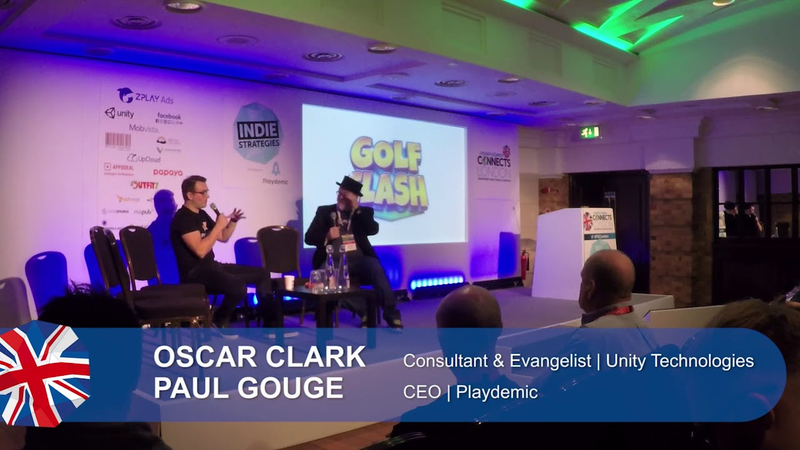
Golf Clash – The power of infectious gameplay
Key insights
6 takeaways- 01The shift from early, fragmented mobile development to modern app stores has solved distribution friction but created a 'discovery crisis' due to the high volume of competing content.
- 02Developers can maximize engagement by transforming simple, three-minute gameplay loops into multi-layered experiences through asynchronous multiplayer, competitive tournaments, and frequent content updates.
- 03Modern mobile success relies on the 'games as a service' model, which prioritizes long-term retention and persistent social ecosystems over static, one-time experiences.
- 04Post-launch product refinement should be driven by data-based analysis of player behavior rather than traditional, static design methods.
- 05Strategic partnerships with major intellectual property holders can significantly amplify global reach, provided the developer retains autonomy over player-centric design.
- 06Achieving scale in the current market requires a focus on accessible, simplified gameplay mechanics that avoid over-complication.
Ask AI about this video
Transcript
[Music] [Music] so let me start by introducing a guy we've just worked out I've known for 18 years and we first gave it to contact in around 2000 with a little single battle mail I was working at British Telecom on this thing called wire play the future was starting with dial-up modem and we were trying to do online gaming can you imagine doing online gaming with donek made him anymore anyone did that I might adjust to old is that three of us we're the oldest it's so old anyway but the point is that that area was a lot the same things that we deal with now I think so their support I mean
obviously I mentioned battle mail you were rock pool games well let's do a little bit of a journey down the sort of historical route so what got you kind of started and why anyone know anyone remember what battle mail wars anyone not know what battle mine was actually pretty hand if you don't know what battle mail was so these people know well is because I mean to me this is the first social gaming you know in terms of computer gaming yeah and describe what battle mail was yeah certainly so so battle was a million years ago as we said and we started in 99 and the idea battle mode was to create a free-to-play product that we distributed virally so I guess that's why you're saying so if you know an original social idea and it was it was during that time which again will make us feel really old that calm was just exploding and everyone's get excited about the possibility the internet had to distribute content you know and we were you know looking at the game's history at the time thinking well the hard thing for indie developers I guess it's relevant today is how you get your game out there and we knew at that point obviously console was dominating
and it was a hard ecosystem scratch into so there's something exciting about the notion of creating a platform that will allow content and gaming to to be distributed for free easily and relatively friction free over the Internet admittedly via you know for small files that / debt / dial-up modems but but it worked you know we had a we I think may 2000 ish we had a million players which you know in a million players back then was a big number it's probably less big now but it's hard to get your head around just how big a million players was in mm it's like ridiculous it was such a meme even the term meme wasn't being used in this time and basically I would pick whether I was gonna hit or block head height mid height low and and then you would get that and then you would choose what your response was and then it would tell you if you won or not and then you would tell me and that kind of interaction asynchronous play sounds trivial now but it was so important yeah and I think it presented to us as well that it was it was quite thin as you say it wasn't a deep experience but actually it we often described as messaging up
rather than gaming down and that interaction was just more interesting than telling someone an email and I think well that proved to us is that that yeah there was a space out there in the world for that type of gaming for you know for casual sort short session gaming that people would really engage with around what they were doing you know that idea that we're now familiar with that you would sort of game around what you're doing rather than sort of sitting there down from the TV and you know focusing on your game and that really proved to us that was possible and there were a lot of people out there who would would be gamers that would get involved in that and then when you look at using the Internet in that way obviously the first thing you're gonna do is go to a new platform and do mobile what you wouldn't so just as the the PC world and and everyone was starting to find success with these kind of models you'd been doing you've you're doing I fed you end up setting up Rock Paul yes how did that happen well it was we actually start on mobile at battle my LG so it was an interesting story we got approached by so we had like so many combos this is an advertising model that
were whilst we had millions of users and great critical acclaim we were making no money so you know we were desperate to try and stay alive so nothing's changed really but but we were approached by Siemens Mobile which you know again a long long time ago Siemens were desperate trying to put a dent on the mobile marketplace that was dominated by Nokia and they had finally realized that it wasn't really about technology it was about lifestyle you know Nokia clip-on covers and ringtones and you know games and Siemens needed that so battle male became the very first fully animated multiplayer game and which was even preceding Java and brew so we actually were writing it to the firmware of the phone which was you know pretty early days of this industry but that made us you know Alec is sitting on the front row here with my business partner then and now and that made us excited about the possibility that mobile hat you know and we thought wow you know what we've just seen happen on on the internet with the battle now could happen on mobile devices and we were probably too early but we all were but we said it Rockpool to do that so the idea of rockball was you know we
were fortunate enough to sell battle mail and the idea of roppa was to to really start to work with big brand holders and to try and bring their titles to mobile and to help them in to hold their hand reading in at a time when the big mobile publishers just wants to put a toe in the water and you know you and i were we knew each other then and you know we remember that industry well and network operators were all powerful because of course you know we had these wonderful people who were at network operators who were so pragmatic and so generous I took sixty percent revenue share yeah everything you know and we would yeah literally our forelocks yeah hopefully I was never actually like that but I mean there was a dinner was a situation where this is a market that was making very little money in scheme of things I mean compared to now but it was so much control over who could go on what when and how I mean I had a reason why I was being quite controlling because I wanted to have a contextualized editorialized service and it turned out to make more money than any other operator I'm glad to say well
per-user we didn't have that many users but it was interesting kind of being in that world where it's so controlled and actually we still had people like the OEMs paying you to go onto their phone which had like two pixels higher screen absolutely yeah and we loved those deals yeah yeah we I mean and we worked a lot of the big brand holders to try and to establish that so we did lo what was sago we did Sonic Super Monkey Ball Golden Axe we did a lot of work at HQ etc so we worked with a lot of brands during that period and really sort of starts to see the potential but as you say the market felt like it was a bit a little bit broken so the the process of distribution was challenging as you saying that were co-operators were all powerful and frankly not the best transition was a main fragmentation was the biggest issue so I think it's Rockville's peak we were supporting somewhere in the region of a thousand SKUs which was just insane so anyone who's complaining about Android remember that and I think John Casey who was IMO was me with singie and it reminds me the Lara Croft game that they had on mobile was it 3000 bills I think I think at one
point their 3,000 builds they had to manage so it's a valuable lesson to not repeat you know we were spending more money on porting the original builds to support the excuse we were developing the game but the reason for bringing it up the reason for this kind of like journey down you know a history Lane it was really just to sort of show that a lot of the fundamental problems and arguments we have even today still come down to those kind of route things which is where is the route to market what is the the pain threshold to do that and to get past that point how do I access my customer how do I find the content that suits the device I'm you know building for I mean tomorrow I know that all these are the same problems I mean well they are and they're not I mean in some respects that a lot these phones being solved you know that's what makes the market today so exciting you know is that we don't have to you know to handle all those SKUs you know we do have a route to market that is much more achievable and scalable and and now mobile gaming is this huge industry you know there was a time when so we'd sort of whisper what we did at dinner parties but now it's you know this it's this big deal you know it's the biggest platform
in games you know it's 46 percent the industry's is mobile revenue so I think now we operate in a space where you know it is the biggest opportunity there is and you know to bring product to market through the app stores is you know is a friction-free process I mean I don't think there's any other digital ecosystem in the world where you've got over 2 billion consumers that you couldn't literally deliver your software to you know friction in a frictionless manner so I mean that is that's so exciting as an opportunity to Congress through the gatekeepers anymore you still we still have the gatekeepers well we have a massive discovery problem you know which is kind of the same thing and I think you know we often refer to as the Play Doh because the aperture problem you know you have you know 2 billion plus people over here and you know 2 million apps over here trying to get to each other through this tiny aperture which is which is the App Store and you know we've talked a lot about discovery in discoveries is a problem on on App Store's because it's just so much content trying to get through this tiny e-commerce platform to all these people so you know that's why I viously the huge growth in performance marketing has driven has driven that distribution mechanic before we go into that I mean I
think it'd be interesting just to go into this whole idea of because you've got acquired didn't and inaudible yeah and you ended up Ian Botham exactly you know you ended up in AI dos working on mobile or context yes and how did that change the way you thought I think again this is another error I think wolf will come back to it did that have an effect in the way you thought about delivery of content and delivery of experience it did and I think typically we work we were getting a little bit battle weary of that I guess I called mobile 1.0 at that point yeah so so this was a time when we were doing thousand SKUs and you know as we've said before network operators all powerful and it was looking like it was going to be a really hard space to make decent money and have decent success so we've started to look outside of mobile for similar casual opportunities so if you recall this is that the period when da starts to explode and there's this big casual revolution that was driven by Nintendo largely we had the try it before you buy PC market so we were actually trying lots of the same the same driving force that made us want to make you know casual mass-market content we were trying out different platforms
whether it be PC whether it Radiesse and that was getting pretty exciting and when we were acquired by DOS we were required to head up their casual division which you know which was a really interesting challenge and and that we did for it for two years before the advent of Facebook and Facebook is that is that was the next big platform that really excited us because Facebook looked like the frictionless mass distribution sort of viral platform that battle mail had tried to be you know ten years earlier and Facebook we're really killing it and and we'd heard great stories from some people knew at Playfish about how successful that could be and a Christian seem to be building a real interesting business so so we left I chose to set up play Deming as a facebook games company to really see we could push that forward but when I have this very distinct memory when Christian sega's Ari was still at glue I think at the time it had gone to Facebook's announce what they were gonna do games and it was just remember it was a game forum so it was basically this time of year and he came out of the toilet would you believe and then it was just
infusing about how social gaming was gonna change the world and it did for a while it did and he was really early to market I think and none of us believed him for a while you know and it took a while to really understand how big that opportunity was and you know when we when we launched played emic it really was an experimental because no one had there was no Zynga no one has published numbers on deflated no one has said had done these big funding round so so we were just trying to find out where this free-to-play model would work and that was really the first time that we'd experiments it with even though battle my was free and lots of things we were doing you could argue in that space we'd never run a games of service until 2010 so that was the first time we launched it and I remember you know as putting the pans together and you know typically we had the team that was gonna make our first products and they were going to move off and they were gonna make the next product you know in that sort of old-world style and it was anything when we started to launch the product understand the power of running a live operation and learning all these wonderful three-letter acronyms that we all throw around now that actually that this was a totally different way of doing business and a much more exciting one to us you know to actually have you know this ability to evolve the game in
light of player behavior and respond to what people are doing and you know reflect that in the content was hugely exciting I think if you think about this whole journey so I can't one of the reasons why I like doing this history run is it kind of rough hopefully it reminds people when you see the kind of success you guys are having now this doesn't just magically appear spontaneously it's this being this incredibly long and hard journey I'd love to be an overnight success yes sadly sadly we're not it's taking you 20 years to be an overnight since it's the classics jokes in it but I mean that these lessons is continuous lesson what I find interesting is then when you you've had to come back to mobile what was the trigger to go back to mobile well I think I mean it was really seeing you know what we saw grow up on Facebook really should have happened on mobile first you know and I think that was that was a really interesting experience for us to see and I guess to a certain extent it was really watching what supercell did to see that pivot is that we'd you know obviously we all had iPhones and but we'd kind of had this slight downer on the whole mobile
experience and and at the point mobile was pretty much a premium business and we they weren't operating the free-to-play model as a dominant revenue stream as we were seeing on Facebook so we saw this big scale opportunity on Facebook as a PC platform at the point that that mobile transition was happening and you know if you look at many players in the market that were very successful on Facebook they did struggle to make that transition quickly so you know Zynga probably being the best example of that and so when we looked at that we we could see the emergence of the platform and the revenue stream that we wanted to be on starting to happen and we made that pivot probably later than a lot of our Bob here is really because because we're doing so well on Facebook so we were like you know this is it is a bit like the Zynga problem this is where this is where the business is so why would we pivot and so we actually pivoted in 2013 back to mobile which is ironic to come back to it later we're in a very beginning but the moment we did that that was of the tidal wave of transition away from Facebook as a PC platform to Facebook as a mobile platform and ultimately to the free-to-play business but we know now that obviously we'd seen you know be
very successful in Southeast Asia but was really starting to be you know dominant in the West and obviously everyone knows now that you know free-to-play is the business model yeah well you say that but there are still kind of occasional murmurings around max yeah absolutely yes I mean obviously the classic example being somewhere I'm on your belly which is obviously beautiful although I still say it's not a game I don't dan and I talked about many times I I think it's brilliant but I mean I get to hear bits a puzzle it's important to remind puzzles are good - we shouldn't be shouldn't be liitle about it yeah it's a puzzle so but the thing for me though is it's like magical experiences is what the crux of it is is being an all identify a nice lay if actually for me this transition from Facebook to mobile was epitomized when Ilkka stood up at GDC in 2011 I think it was and he basically gave a fantastic story about how gun shine had failed and it was the most pressing talk in many ways and yet it was the most enlightening variants because yes his then transition and then we wish we'd failed in facebook time seriously so to
that extent yes amazing absolutely but the point is now in this situation where we've got platforms yeah and and Android able to be able to get significant enormous numbers get there to any other market we've seen today with the ability to have frictionless payment mechanisms that's never in it but then you know how that then leads you to you know that clash and you know how you knew the Warner Brothers situation all that kind of stuff so how does that that journey happen for you sure well I mean it was you know play don't made the transition initially taking one of our lead products on Facebook over to mobile so we had a protocol village life there was a million DEA you product on Facebook and we took that over to mobile say it was really that it was it was a transition of a seeing product that took us back to space and then like many of our peers we were looking to replicate that success and I think you know ilk has talked about this a lot but a lot of that process was really about trying to to really find a product that would have that scale effect I mean you know going back to
that aperture problem we all know now that there's this little point releasing a product that you don't know has killer metrics you know and so we spent a long time trying to find that next product and really trying to respond to what we were seeing in the marketplace both in terms of our own data the what players were telling us but also what we were seeing out there as being successful so so Golf - really was the sum total of us root of analyzing what we wanted to make what players we thought players wants to play and delivering on something that we felt was the most optimized version that we could create of that and you know the result has been hugely successful which we're very pleased about but its dissected a little bit because obviously you know there's several components to that Leon I think it's I hope it's useful people to get this because obviously we're gonna go off mechanic nothing particularly new about golf mechanic I mean it's beautifully implemented I'm not saying it but yeah yes it's the end player or you know I play but it's also this disarmed kind of social connection with another person as you play there's also this ability to then break down that experience into
events and tournaments there's also that experience where I'm effectively using the clash royale kind of models of almost infinitely growing options to enhance to personalize my experience how does each of that how do you even get started thinking of an experience like that well I mean I think obviously a lot of its based on the experience in the studio so we know we've done those things in other guys another form to fall and we had a you know we had a general idea of the piper game who wants to make you know we knew we wanted to make a short session game when you want it to be portrayed very smartphone centric we wanted it to be multiplayer we wanted to be real-time multiplayer we want it to be something that we felt really have a sense of presence you know between you and your opponent and we'd seen able people do that really well you know that was something that we felt was a strong element of that game so he wants to try to condense lots of the things that we were playing out there in the market and that we thought were important into something that would but they would really satisfy that that's I guess going back to the original premise of mobile that sure session snappy engaging experience
something which is grab you but also that you can play happily for three minutes and the joy go Mets and their systems you mentioned that you know I think the art of this type of game making is to have that 3-minute engaging experience but also to have the systems and the design that will allow that to evolve in something much deeper over time so you can access it at lots of levels and I think golf - works yeah the guys you know they've designer and the studio have been able to create a product that operates on all those levels very successfully in particular for me it's it's this kind of looking any like wheels within wheels and I think that's really kind of yeah yeah I can play it and I'd have a good time done but when I play it and I unlock new things I can feel reasons to care and playing but the real trick for me was it aimed the tournaments and I although I've done huge amounts of like online social gaming for my entire career I've become a bit kind of a recluse when it comes to social gaming and I don't tend to dip in mostly because I'm just not skilled enough I'm too much of a generic
player not a skill player but actually the tournaments just work and they kind of get me playing not just for that one session but they'll keep me playing for three to five days and that I think's incredibly interesting yeah and I think it goes back to what you said before I mean it's a bit like an onion skin you know you you want to be able to peel back the layers of the game and for it to keep delivering stuff te and then you know we we talk a lot about games that run as a service evolving for the player so you know games if you we're trying to compete for people's time you know in the long run we want people to playing now at this game for many many years and for us to deliver on that promise the game has to evolve you know it has to give you more so that first short session experience that grabs you is the reason you come back but the reason you stay is because it's delivering you a different experience and tournament so a great example of that you know toilets aren't for everybody but for those people that are highly engaged in the product they offer another layer of depth another layer of competition it goes from from 1v1 or in your league to won't be many and I think that creates a new rule system a new dynamic it requires more of you you have to play
more you know and and that suits the highly engaged player and it then it evolved that gameplay experience so suddenly it becomes about you know I love Gulf Coast Guard love the tournaments you know it's it becomes that part of the experience and I think the best social or the best mobile games that offer a service do that really really well so you know I think you can say this with clash of clans or excuse me a clash Royale or in the great successful products out there that's the game you're playing a year later is not the game you started playing at the beginning really that is the crux isn't it the point of the games of service is that you know the vast majority the work happens after launch you know and presumably that's still the same case for you oh it is it is and we love that you know that's why we love games the service because you know in some respects the product we launched a year ago is unrecognized but for the product we have now obviously the core essence of the products you know remains but but that's the joy and I think responding to to player behavior is is part of that you know I remember in one saying that's here that the days of the ivory tower design are over because you know we can no longer just sit in the dark room
think creative thoughts you know we have to respond to what players are telling us and I think that is a great way to evolve your product is to really listen to it to what's going on out there and then ensure that the game you know delivers on that yeah and I think like you say that was the lesson for me in particular things like Facebook did was just show us how data was yes so we only got a couple of minutes left obviously and spend as much time as I can with you but anyone got any questions they want to add or should I carry on just asking anyone will want to chuck something at us that's not as a resounding it's too early in the morning let's talk a little bit so obviously you were quite by Warner yes how'd it happen and what does that do for you sure say say it was really conversation that we've been having with Warner for a little while we were talking to you obviously Warner have this incredible catalog of IP so as well as as well as working on cough gosh we were also interested in looking at IP we could see the power of IP starting to impact on the App Store so we started a conversation with Warner's about some of their IP and that conversation
relatively rapidly turned into an acquisition conversation and that for us was really about being able to play on it on a bigger field really it was it was getting access to to the broad reach in the IP in the back catalog of Warner and also to be a little bit like alright us deal to be part of a business that really wants to do well in the space that we were excited about and so that was really a you know the key driver behind a team and what has been involved in motor bar for a very long time lately or not yeah but it must be an interesting journey for them because I suspect I mean I don't need to talk for them but it must be interesting working with a team that's got such a vast catalog such vast array of different interests do you still manage to solve retain a kind of core of like you still self determining so presumably you're getting to choose projects which you know will deliver a really interest yeah very much saying I think you know golf clash obviously is now this you know massive success story and that's you know we were all surprised by that you know we all believed it's gonna be successful
but none of us thought you know a casual golf game would be a top ten grossing title so I think you know we've all both us and Warner have been hugely impressed by that you know excited by that and I think really what we're looking at now is how we can evolve from there you know to keep building on that product you know we think this year will no gough clash will be so much bigger than it was in 2017 and then you know we're still talking about what we're going to be doing three years three and four say there's a lot of work to be done there but really sort of taking those learnings and do more of that with gob clash with a more regional IP and with the Warner catalogue and I think you made an interesting point about their mini clip and a ball pool you know that feels like there's a lot of similarities a lot of kind of core identity about this kind of simple game that everybody understands doing it exceptionally well in an accessible way yes when that doesn't sound like a bad way to work no it doesn't and I think and I think that's something that we all can sometimes lose a little bit you know again I thought bringing in here in was our Chairman throughout so you know before and we were quite Warner Brothers and one thinks in you say to me stop being so game developer II and and you
know and what that meant was you know stop trying to over complicate things stop trying to do things that are really sort of you know appealing to your own you know sensibility as a game developer because you know what the mass market wants is potentially something simpler much more pure and I think that's really what we've delivered in golf clash is a very simple compelling experience and so what's the one thing you would let these guys think about you know what should they take away the one thing I would say is that is don't give up on the belief that you couldn't get to the top of the charts think a lot of people have talked about you know the fact that the mobile industry is over it's done in a super cell and king of one you know it's all pack up and go home and I think we're evidence that isn't through you know we are you know we were a small developer in you know in the UK in the wrong part of the UK you know and you know we were able to to achieve that that success in fact only Thanksgiving you know we were the number two grossing game on the US App Store say you know it's possible um you know it's hard and you know that you'd need a decent amount of luck but it is possible you know don't give up on the idea thank you very
much [Applause] [Music] [Music]
Summary
The evolution of mobile gaming from early experimental platforms to the current era of live-service dominance reflects a shift toward accessible, high-frequency engagement. Early mobile development was characterized by significant technical fragmentation, requiring developers to manage thousands of unique software builds for diverse hardware. This era was defined by restrictive gatekeepers, such as network operators, who controlled distribution and revenue shares. Over time, the industry transitioned toward the frictionless distribution models offered by modern app stores, though this shift introduced a new challenge: a discovery crisis caused by the massive volume of content competing for user attention.
The success of modern titles like Golf Clash is rooted in the "games as a service" model, which prioritizes long-term retention over static, one-time experiences. By analyzing player behavior and iterating on core mechanics, developers can transform simple, three-minute gameplay loops into deeper, multi-layered ecosystems. Features such as asynchronous multiplayer, competitive tournaments, and evolving content updates allow games to remain relevant for years, effectively turning a casual experience into a persistent social platform. This approach moves away from traditional "ivory tower" design, instead relying on data-driven insights to refine the product post-launch.
Ultimately, the mobile market remains a viable space for developers to achieve significant scale despite the dominance of established industry giants. Success requires a focus on pure, accessible gameplay that avoids over-complication, coupled with the agility to adapt to shifting platform trends. While the transition from PC-based social gaming to mobile-first free-to-play models was a complex evolution, the core objective remains consistent: creating infectious, social-centric experiences that resonate with a global audience. Strategic partnerships with major intellectual property holders can further amplify this reach, provided the developer maintains the creative autonomy to prioritize player-centric design.













Comments