1 free read left. Create a free account for unlimited reading + AI research.
Create free account
Prototyping and production process – The core of the Gram Games company culture
Key insights
7 takeaways- 01Gram Games treats its organizational culture as a product that requires constant iteration, bug-fixing, and development to maintain a high-performing environment.
- 02The studio utilizes 'DIY Fridays' to provide employees with dedicated time for personal projects and skill development, fostering autonomy and motivation.
- 03Operational success is built on five core tenets: a flat structure, constant iteration, a familial environment, a commitment to learning from mistakes, and transparent communication.
- 04The company emphasizes lateral growth, where roles are defined by individual skill sets and demonstrated responsibility rather than hierarchical advancement.
- 05Gram Games maintains operations in London and Istanbul, applying its employee-centric methodology to minimize turnover and maximize creative output.
- 06Recruitment focuses on hiring individuals who can contribute to the evolution of the company culture rather than filling traditional career ladders.
- 07The company operates on a flat organizational structure that removes traditional management hierarchies in favor of data-driven and evidence-based decision-making.
Ask AI about this video
Transcript
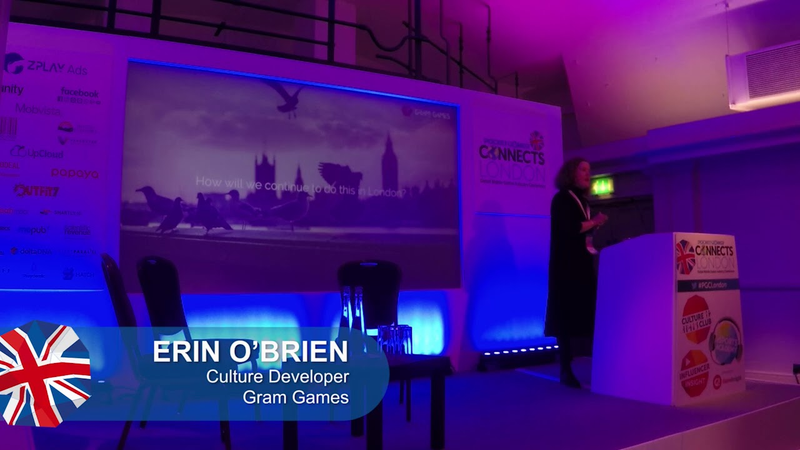
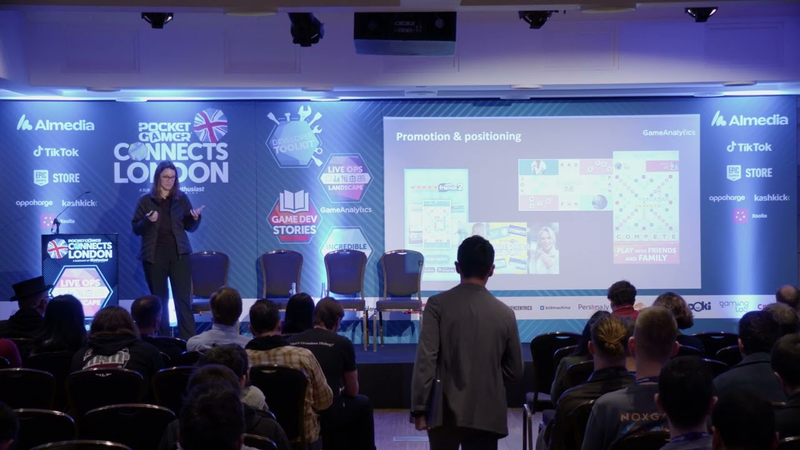
[Music] [Music] hello everybody MD I do sincerely apologize for how you feel this morning but I hope you had a good time last night to introduce myself my name is Erin and I am the culture developer at Graham games which if you don't know is the studio behind titles like 10/10 merged six bounds II the merge franchise and we're based here in London with an office in Istanbul so I think that the first question that I need to address is what is a culture developer because it is hands down the number one question I get and the thing is at Graham Games we view our culture and the environment that we've created for our employees is really critical to the success that we've experienced and in some ways we
view it as a product just as we view any of our games as a product and in the same way as we maintain and iterate on our games and keep an eye out for bugs and make sure they're performing as best they can we do the same thing with our culture so today what I'm going to talk about is kind of why we do that how we do that kind of the principles when we maintain in order to do that and what we're gonna do going forward all right oh wait the clicker is here sorry all right so yeah so I mean this quote well not ours is a concept that we really abide by which is that you can't really externally impose a culture on people a culture has to be organic it has to be bottom-up and it has to be a product of the people within your organization so each and every time that we bring a new person into the organization we do a lot of due diligence in order to ensure that both our vibe is going to work for them and that they're going to fit in not only fit in to our company culture but also going to actively work to contribute something to it to develop it and to change it for the better so that we can then better make games
and yeah so apps excuse me sorry yeah and yeah as I said earlier at Graham games we view our company culture as just as critical and important to the success we've experienced as kind of any of our titles because we kind of believe that without the environment that we have our people aren't really going to put themselves out there they're not going to try new things they're not going to feel that they can be themselves and we view that freedom as Krita to kind of what we were able to do the speed at which we were able to produce games and kind of what we're able to you know give you guys the players but yeah but I think that one of the critical things that we really work to maintain when people come into Graham and also you know everyone who is within Graham is that every single person within the company feels a kind of distinct responsibility for contributing to and maintaining the company culture this can't be done just by me obviously it's part of my job but it is a part of every single person's job in our organization and when we're bringing people into the company when we you know implement
systems when we implement processes that's something that we really make sure to underline that a culture cannot function on its own it cannot just be put out there in the world and then keep on existing it needs to be you know contributed to and maintained by every single person in the organization but yeah so kind of the basis of this culture that we have the theory behind the whole thing is that basically ultimately games are fun and if you don't have a fun creative environment where as I said earlier people feel they could be themselves they can put themselves out there and that they can enjoy themselves and kind of play around while they're working then you're knocking that kind of sentiment is not going to be reflected over into your games so if people feel that you know they're being top-down told what to do if they have arbitrary rules if they have arbitrary kind of directions from middle management top management then they're not going to kind of imbue the work that they do with the creativity of the freedom and the fun that makes great products ultimately and as it turns out this kind of system that we create where people feel that they can be themselves
and they can put themselves out there and they're happy and they're enjoying themselves is actually a positive feedback loop because when you put as much kind of benefits and enjoyment for your employees into your culture then they're gonna kind of do their darndest they're gonna work as hard as they possibly can in order to contribute back into the company that allows them to have this kind of creative free open environment and so we've actually found that you know I think that a lot of people see company benefits and they see freedom and they see things like we have DIY Fridays every Friday where people feel that where people can explore their own projects where they can do their own thing I think that a lot of people view that as kind of external as band-aids that are meant to appease employees but for us we actually do view that as critical to what our employees are able to do and critical to the way that our company kind of maintains balance and yeah so I think that what is really another like misconception about this whole concept is that you know we're just screwing around all the time in our office and that's not true at all naked I think that we really we we work work
we work very very hard and therefore we play really really hard the work that we do the work that we contribute to the organization allows us to trust each other and it allows us to be able to like let loose and feel that we're comfortable with the people around us and to truly enjoy ourselves in the work environment because if that's not the case then it just doesn't really isn't really conducive to games that are fun games that are enjoyable and so yeah so basically ultimately the kind of central sentiment to our culture is if we've created an environment where people feel that they can be themselves they can push themselves they can kind of explore the limits of their creative potential and ultimately that's what allows us to have great games so the elements that our culture is based around and obviously as I said earlier we iterate and we maintain our games all the time so these are constantly morphing constantly changing but generally it's based around a flat structure constant iteration a familial environment learning from mistakes and constant
communication so the flat structure is pretty self-evident and but basically we have no boss except for data is kind of the way that we think about it there's no arbitrary directions there's no arbitrary structure there's no kind of top-down suggestions of what people are going to make everything is very grassroots most of what we do comes out of the prototyping process it's very kind of ground-up from our team constant iteration goes back to data again we never really believe that we're done with what we do that goes for culture that goes for games that goes for everything that goes for systems it's about always keeping an eye on the way that things can improve the way that you know kind of systems can improve the way that games can improve and working quickly and effectively to make sure that that happens in terms of familial familial environment that goes back to what I was saying which is that if people are comfortable we do believe that they're going to do their best work for this industry and for the kind of products that make and learning from mistakes is kind of one of the most critical tenets in my opinion it means that we don't you know
excuses are kind of a waste of everyone's time we really want an environment where people are constantly learning where people are kind of willing to kind of screw up recognize the way that they screwed up and then iterate and build on that screw-up in order to kind of make themselves better and make the company better and finally constant communication this whole system does not work unless there is constant communication and Trust and kind of without that everything would kind of fall to pieces yeah so another I think funny but fun thing about this is like this whole concept of work-life divide is kind of a fallacy and that's not to say that you know you shouldn't have your you time you shouldn't be able to relax and kind of decompress at home but we don't believe that you should have to put on a face at work that you should have to be someone that you should have to behave in a certain way around your colleagues because again going back to what I said earlier we believe that when people feel that they can be themselves and they can be honest they're then going to be more willing to
take that risk to put themselves out there and to try a new product to throw out a maybe crazy idea that could ultimately turn into kind of a game changer for the company but yeah and so building on the failings so yeah our kind of company if you know if you know a little bit about Graham games at the beginning we really kind of struggle to make a hit we struggle to get a title out there and so we've imbued our company culture with this belief that you know your greatest success is like 10/10 our first hit can come out of failure can come out of struggle can come out of mistakes that you've made and I think that like on our DIY Fridays for instance people are encouraged to try new things to learn new things to try out new programs and kind of even if they screw up at the end of every Friday we kind of present what we've done and even if you made zero progress you couldn't figure something out you ran into a bug whatever that is valuable information that you can share with the company and that we can collectively learn from collectively develop on and heltah mately hopefully to develop the
company for the better Oh so basically going back to the culture as a product idea so basically what we mean is that the reason I exist is because we maintain our culture in a way that it's never stagnant it's not really kind of encompassed into one little you know shell we are constantly looking for bugs we're constantly on the lookout for you know things that aren't working things that aren't working for our people and then cut at the moment that we stop doing that same with our games the moment we stop looking for bugs the moment we stop ensuring that our games are the best they can be things kind of start falling to pieces because ultimately you're the people in your organization need to believe that kind of the organization is being diligent to ensure that the culture is working the best for everyone within it and the minute it stops doing that then kind of again the whole system falls apart and yeah so basically to bring it back I think that we believe that companies can really really benefit from implementing
cultures that aren't necessarily just grind based aren't necessarily just focused on output but also are very focused on the input into their employees and kind of when you maintain healthy happy environments you know you reduce to turnover rate we have experienced an output in product and we really believe that it is a business imperative that kind of the more you focus on your people the more you focus on your environment you're actually going to see an output and you're going to see a difference in what your company is able to create it has worked for us and yeah and so as you guys might know so this year we moved to London and I think that it's actually an interesting moment in time to talk about this but there's a lot of talk right now kind of in this industry about splitting headquarters with with kind of the talk around Amazon or opening a second headquarters and we moved our headquarters to London and it's been a huge year for Graham Games and it's not been without difficulty and it's not been without kind of struggling with some of the roadblocks blocks that come with trying to take a company and a
culture from one place and kind of transport it to another but yeah but we've actually learned quite a lot and we've I think that we've seen a lot of our principles kind of tested which is you know we say that each of our that our culture is affected by each person that comes into it but you know we've really seen that in fact this year and it's been a fascinating experience to kind of build two new studios in a way because we moved a lot of people from miserable as well and kind of see how our culture grows and develop and it will continue to do so as both of our studios continue to grow but yeah and so in conclusion I think that the most important sentiment that I hope that you all take out of what we do and what I've said today is that culture is important but always iterating on your company and always iterating on your culture and your environment is critical you can't just determine what a culture for a company is gonna be and then try and project it on the people that come into your company because it'll never work it's inorganic and so kind of just you know maintain village insane tained
awareness of what people want what people are looking for what works for people and I think that we've ultimately found that that is what kind of results in the most honest and authentic and ultimately effective company culture so yeah um so and we're always expanding we have positions on our page so if you'd like to get in touch for London positions or on the off-chance you are based in Istanbul Istanbul positions you can just check out our website or you can come up find out my contact details so yeah thank you guys for listening and if you have any questions you have to find me or I can take questions now yes yeah absolutely so so we actually kind of when I mean I think that a lot of companies experience a change in systems when they kind of expand beyond twenty twenty-five people from small to mid-sized and that's really where we had to implement a lot of systems into our recruitment process to kind of there before there was things
that we did but they weren't systematized so what we did is we actually have quite a long interview process but so what we implemented was this kind of get to know you call we call it a culture call at the beginning of the process and there's a set up so we basically taken those core principles that we have those five core principles and we have sorry derived questions from them or like kind of created questions that reflect on those prints and we try and kind of get a sense of kind of the places people have worked the things that have worked for them the things that haven't worked for them and kind of keep an eye out for what people not only it we don't really look for fit but we look for whether people would be or whether people are willing and excited to bring something into our environment to bring something into our culture and then we have tests usually if it's a technical role a technical call on-site interview executive interview and then ends with an offer if all goes well yes yes yeah yes so I mean
we have so basically the way that I try to explain it to people usually is you know at Graham you kind of are you know the output that you get is the input that you put in ultimately and you are very much valued or kind of given responsibility based on you know your ability to demonstrate what you're able to handle and we have people with more experience we have people with less experience but those roles don't ultimately translate into some arbitrary kind of positionality in a structure and yeah and we have I mean we have a group of founders who founded the company and then the rest of us yeah there's no arbitrary hierarchy and I think that you know that doesn't mean that we don't have people asking people for things whatever you know it's that's how a company works but there's never there's never really any kind of you have to do this because he said so kind of situation that you would find yourself in there is always the ability to question and if you can prove based on
data based on evidence based on anything that something shouldn't be that way no matter how long or short you've been in the organization then that's a totally valid point to raise oh yeah I mean I do I do I know it sounds kind of silly but I think that the only the only boss arbitrary kind of structure we really do have is data and evidence and that's really the only thing that you would have any arbitrary not non arbitrary sorry any kind of you know hard decision on would be based on them of course yeah [Music] our 77 nose mm-hmm into offices I don't
I would avoid the word please I think that it's about making sure that the system is working for as many people as possible as well as well as possible it obviously there's ways that that doesn't work all the time but that goes back to the diligence point that I made earlier which is I think that I mean I do one-on-ones we have several people in our kind of ops team who do one-on-ones who keep an ear to the ground and you know if you and I think that I think that it comes down to Pro activity and diligence so if there's something that isn't working if there's whether it is a relationship or a system or you know some grouping that isn't working it's about really kind of paying attention to that and making sure that you know those issues are addressed because we because we believe that you know if if is going down if as it were if it's allowed to fester then that's kind of just gonna grow and there's gonna be bitterness and then the whole system kind of gets
threatened but yeah I mean I think it's just about listening to people honestly and listening to people as much as possible and not getting up in the concept getting caught up in the concept sorry of culture and getting caught up in the concept with the company but actually listening to how people react to it and then performing actions and changing systems and altering things based on that however however individuals that are either not performing up to expectations or you know perhaps this individual has like a personal problem that's affecting their ability to work I mean how are these people addressed if there isn't if there's a flat structure like ie as much as I don't want to fire somebody sometimes that needs to happen right yeah like how is that done if if there's no clear hierarchy so well so ultimately I mean if there is an issue I can't go
too too far into the that but if but ultimately like if there is a if there's a problem usually people approach me or they approach our CEO or you know they approach someone else you approaches someone it's I mean it's a very open environment it's very conversant or if they're and in the other direction if there is an issue that someone is having then we try and talk to that person and we try and kind of get the rationale and the understanding for what is going on and you know I think that in a structure like this actually issues become evident quite quickly because it is so open and because people work so closely together and so collaboratively that if something's not working it becomes evident quite quickly and we try and and yeah we try and talk to people individually and to kind of get a sense or a trans if they're the person is not aware of the issue of aware of what's going on to translate that to them but also to figure out kind of how we can implement whether it's learning or whether it's you know support or whatever to make it work and as you said
sometimes it doesn't but I think that what we look for in those situations is not necessarily like you know this is what you did you know this is the end cut off but kind of a willingness to iterate on that and to improve and to kind of try and figure out how to make it work if it's not working um thank you I also have a second question that that kind of builds on that as game developers we know how important it is to kind of give the the player the feeling of advancement in the game and they need to feel like they're moving or work in a flat structure how how do employees get that feeling that they're actually advancing within the company or advancing their career you know if if if the structure is flat then right the only way to move is sideways correct yeah but I think that is true and I think that in our company roles evolve
and they do it for instance I started out as a Content Manager at ground games and I think that I mean I can use my personal experience in the company as a kind of indicator of this but there is I think that we're very good about recognition and we're very good about kind of acknowledging when someone's kind of killing it or when someone's good at it has a skill that even if it's not within their job description a skill and then kind of capitalizing on that and trying to make sure that that person feels that that skill is being utilized and then that skill is being kind of recognized as well and you're right I mean sometimes we don't have an arbitrary kind of you know junior developer a senior developer kind of path but I do think that for the most part that ability to kind of try out skills to try new things and again as I said mentioned in my speech we have literally a day a week where you can work on personal projects where you can try and develop a skill where you can try and learn a new program and I think that that that ability to kind of try out new things to move sideways as you
say but also kind of to gain more responsibility in that way yeah it can it leaves people feeling somewhat fulfilled sorry fulfilled not someone fizzled yeah [Music] [Music]
Summary
Gram Games, a mobile game developer with offices in London and Istanbul, maintains a unique organizational philosophy that treats company culture as a product requiring constant iteration, bug-fixing, and development. The central thesis of this approach is that a creative, high-performing environment cannot be imposed from the top down; instead, it must be an organic, bottom-up creation where every employee takes personal responsibility for the company’s health. By fostering a flat structure, the studio aims to remove arbitrary management hierarchies, relying instead on data and evidence to guide decision-making and product development.
The company’s operational framework is built on five core tenets: a flat organizational structure, constant iteration, a familial environment, a commitment to learning from mistakes, and transparent, ongoing communication. To support this, the studio implements specific practices, such as "DIY Fridays," which provide employees dedicated time to explore personal projects and new skills. This autonomy is intended to create a positive feedback loop where employees, feeling trusted and empowered, are more motivated to contribute their best work to the collective success of the studio.
The recruitment process is highly systematized to ensure that new hires not only fit the existing environment but also possess the potential to contribute to its evolution. Rather than focusing on traditional career ladders, the company emphasizes lateral growth, where roles evolve based on individual skill sets and demonstrated responsibility. By viewing the work environment as a product that requires constant maintenance and proactive problem-solving, the studio seeks to minimize turnover and maximize creative output. This methodology has been tested and refined through the company’s expansion and relocation, reinforcing the belief that an authentic, employee-centric culture is a critical business imperative for long-term success in the gaming industry.

















Comments