Mobile reports and market data
Documents
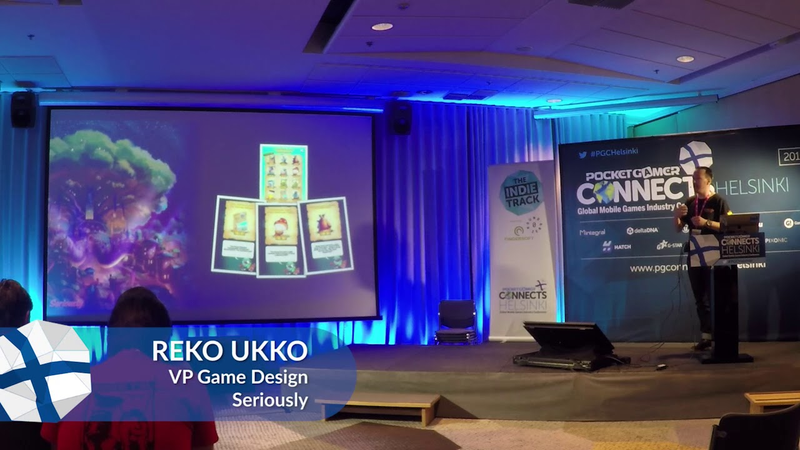
Telling your brand's narrative across mediums: A case study on Best Fiends
Seriously, a game development studio based in Los Angeles and Helsinki, utilizes a narrative-driven approach to brand building for its flagship title, Best Fiends.
- Seriously generated over $100 million in revenue for its flagship title, Best Fiends, by prioritizing long-term IP development over short-term monetization.
- The studio maintains a consistent brand narrative by hosting workshops that integrate Hollywood creative talent with game developers to ensure tonal alignment across all media.
- High-production-value animations have garnered over 15 million views, serving as a key driver for both player retention and efficient user acquisition.
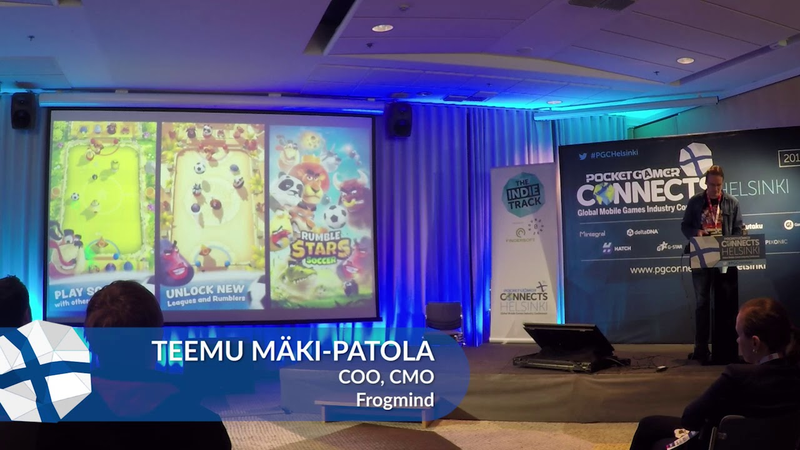
Badland Brawl and Rumble Stars Soccer soft-launches
Frogmind’s transition from premium mobile titles to free-to-play, real-time player-versus-player (PvP) gaming is defined by the development of Badland Brawl and Rumble Stars Soccer.
- Frogmind transitioned from premium titles to server-side validated, free-to-play PvP games to ensure game integrity and prevent cheating in titles like Badland Brawl and Rumble Stars Soccer.
- The studio achieved an 80% reduction in data consumption by optimizing networking and matchmaking stability during soft-launches in Finland, Vietnam, and Thailand.
- Maintaining effective matchmaking requires a minimum threshold of 5,000 daily active users (DAU).
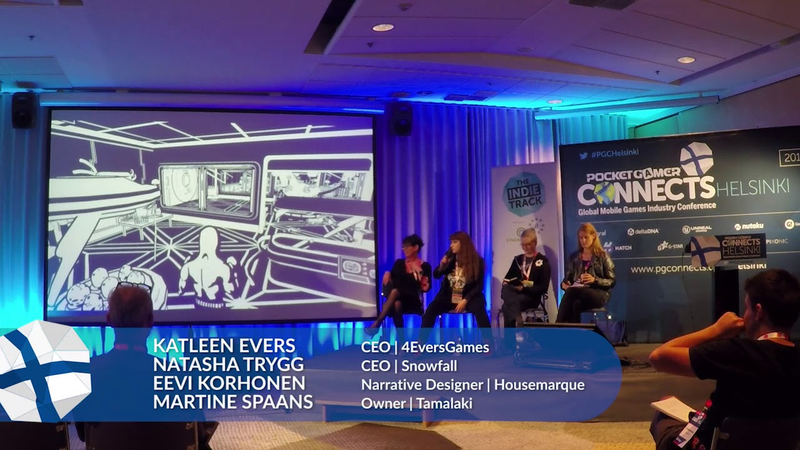
Fantasy game pitching
Successful game development relies on the ability to synthesize creative vision with viable market strategies, a process exemplified by the rapid conceptualization of diverse gaming titles.
- Successful game pitching requires balancing high-concept creative narratives with clear commercial feasibility and alignment with current consumer market trends.
- Developers must integrate revenue strategies—such as microtransactions, in-game sponsorships, and influencer-driven marketing—directly into the core game design to ensure long-term sustainability.
- Modern game development demands the ability to pivot across diverse platforms, ranging from mobile-first architectures to major console releases like the Nintendo Switch.
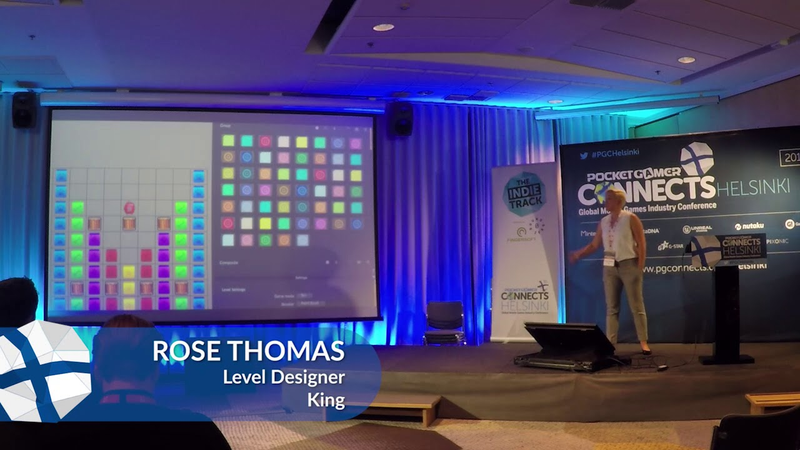
5 years and counting - Keeping our pet alive
Pet Rescue Saga, a long-running mobile title from King, maintains a consistent player base of over 4 million users despite being nearly six years old.
- King maintains a consistent player base of over 4 million users for Pet Rescue Saga, a title nearly six years old, by operating it as a live-service game.
- A small team of approximately 17 people in Malmö, Sweden, manages the game using an agile framework with two-week sprints that deliver 15 new levels per cycle.
- The development team utilizes proprietary in-house tools that use groups and conditions to manage level complexity, blockers, and boosters through specific probability weights.
Facebook marketing 101 - Boost your revenues with high-value users
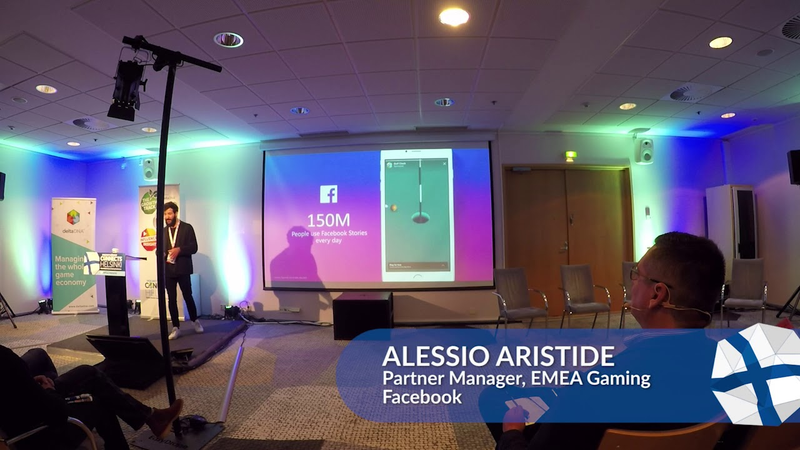
The gaming industry faces significant challenges in user acquisition, as average day-seven retention rates hover between 10% and 12%, while day-30 retention drops to 4% to 5%.
- Gaming industry retention rates are low, with day-seven retention at 10%–12% and day-30 retention falling to 4%–5%.
- Value optimization with minimum ROAS bidding allows developers to automate ad delivery to meet specific revenue targets rather than focusing on simple click-based metrics.
- Playable ads improve engagement by offering a full-screen, interactive game demo within the newsfeed, allowing users to experience gameplay before downloading the app.
How to conduct playtests when you have no budget, time or resources
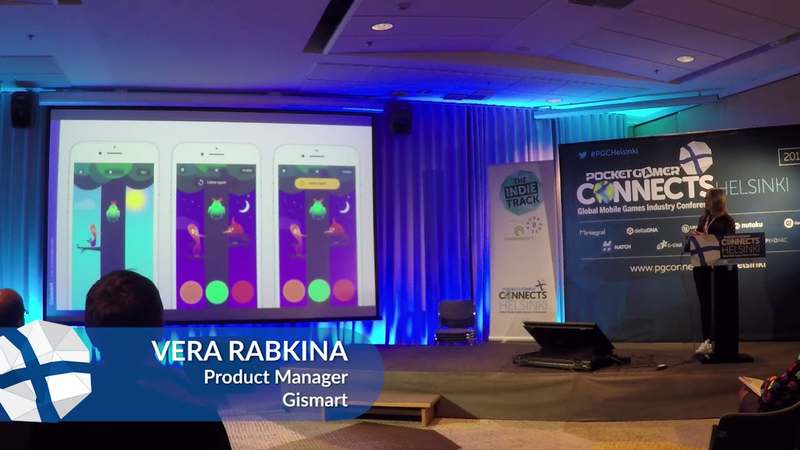
Effective playtesting is a critical, iterative process that allows developers to validate product hypotheses early, minimize costly rework, and better understand diverse user patterns.
- Shift the focus of playtesting from evaluating the game as a whole to validating specific, pre-defined hypotheses to maintain discipline with limited resources.
- Develop concise, task-based scenarios mapped to specific screens to ensure playtests remain actionable and focused during every stage of development.
- Interviewers must actively solicit negative feedback and avoid providing immediate solutions to prevent the human tendency of seeking validation over critical data.
The history of ad monetisation and how we got here
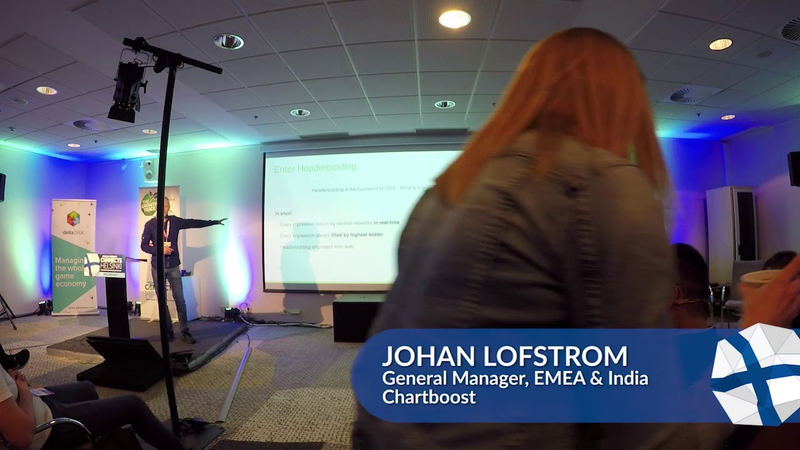
The evolution of mobile game ad monetization has transitioned from simple, single-network integrations to complex, real-time bidding systems.
- The mobile gaming industry is shifting from waterfall-based mediation to real-time header bidding to maximize publisher yield.
- Header bidding allows multiple ad networks to compete for every individual impression simultaneously, ensuring the highest bidder consistently wins.
- Adopting header bidding is estimated to increase publisher revenue by 20 to 30 percent compared to traditional mediation methods.
7 post-launch CRM strategies you need to know to maximise game revenues
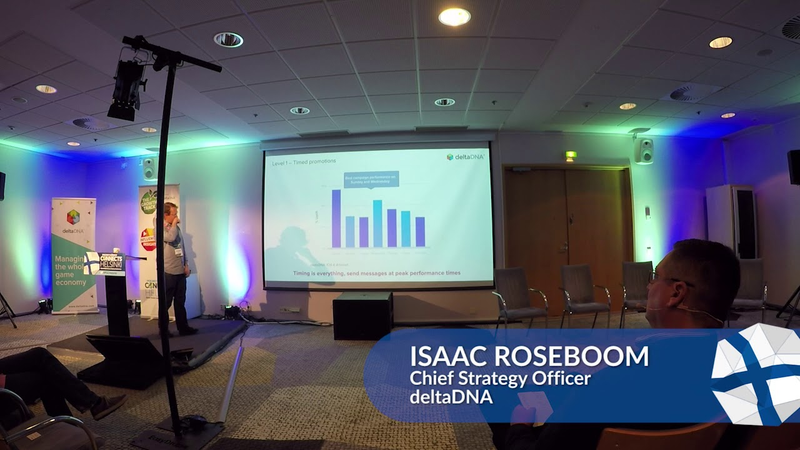
Modern mobile game revenue is increasingly driven by long-term player retention rather than initial launch spikes.
- Long-term revenue is driven by mature player bases, with 70% of daily revenue in successful games generated by users who installed the app more than a month prior.
- Advanced player segmentation and personalized targeting drive a 47% revenue uplift, significantly outperforming the 10% uplift achieved by games using only basic targeting.
- Only 15% of developers currently utilize sophisticated, personalized player targeting, representing a major opportunity for competitive differentiation.
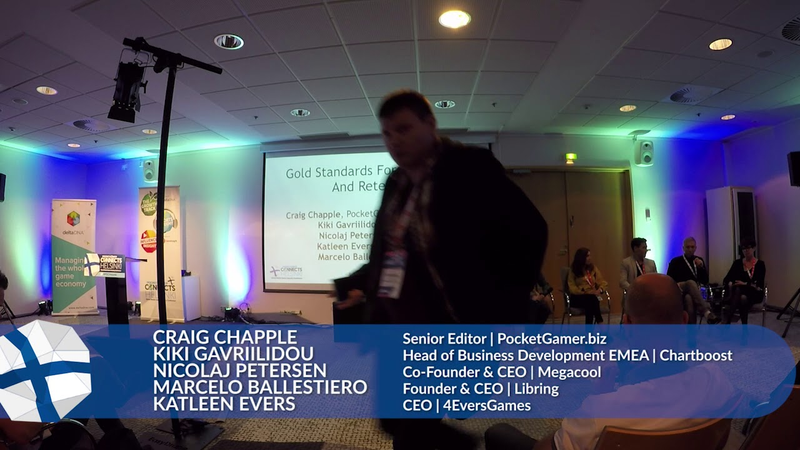
Gold standards for acquisition and retention
The mobile gaming industry faces a challenging landscape characterized by market saturation and rising user acquisition costs.
- Retention is the primary driver of profitability, as high user acquisition costs make business models reliant on high churn rates unsustainable.
- Users acquired through peer-to-peer recommendations exhibit 60% higher retention rates on the 14th day and generate double the revenue compared to those from paid channels.
- Deceptive advertising must be avoided, as misleading creative assets lead to poor retention and negative app store reviews that permanently damage long-term growth.
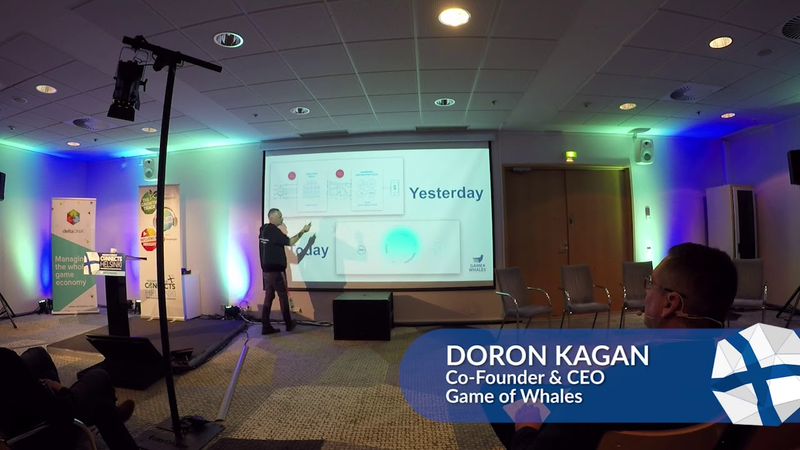
How AI automation increases games IAP LTV by 25%
The mobile gaming industry faces significant challenges regarding user monetization and retention, characterized by a standard 2% conversion rate for in-app purchases (IAP) and a daily churn rate of approximately 50%.
- Automated AI and machine learning platforms increase in-app purchase (IAP) revenue by 20% to 25% compared to traditional manual management strategies.
- Real-time behavioral clustering allows developers to move beyond generic demographics, enabling personalized monetization strategies that distinguish between potential spenders and non-payers.
- AI-driven optimization improves day-7 retention and overall conversion rates by identifying interaction 'sweet points' that human analysts typically overlook.
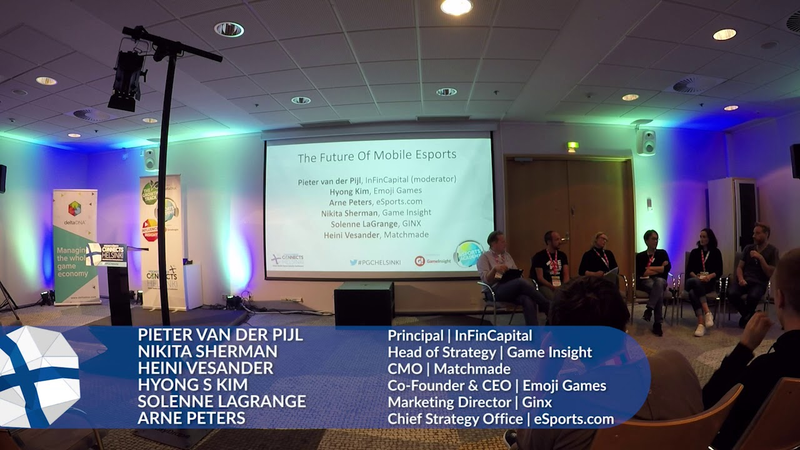
The future of mobile esports
Mobile esports is poised to transition from a niche competitive pursuit into a mainstream, recreational activity, mirroring the accessibility of traditional casual sports.
- Mobile esports must shift from elite, PC-mimicking structures toward shorter, social, and inclusive competitive experiences to achieve mainstream status in Western markets.
- Sustainable growth requires prioritizing grassroots community development over top-down professional leagues, integrating players as creators and moderators to ensure organic engagement.
- Developers should adopt mobile-first design philosophies rather than porting complex PC titles, ensuring technical optimization across diverse hardware to mitigate latency issues.
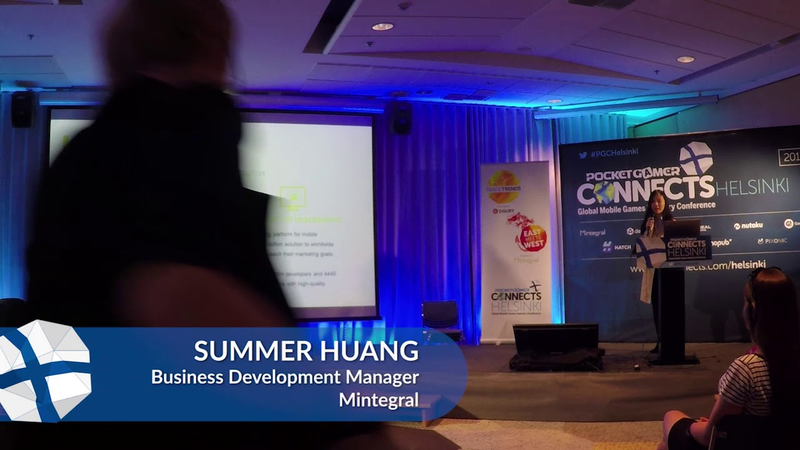
How to promote your games in the ever-changing Chinese market
The Chinese mobile gaming market represents a massive, high-growth landscape characterized by unique regulatory, cultural, and technical complexities.
- The Chinese mobile market is massive, reaching 788 million mobile users in 2018, with iOS users significantly outspending Android users in average in-app purchases despite Android holding an 87% market share.
- Navigating the Chinese Android ecosystem is complex, requiring distribution across third-party stores like Tencent's My Apps and 360, as well as mobile manufacturer stores such as Huawei, Xiaomi, Oppo, and Vivo.
- Western App Store Optimization (ASO) tools are ineffective for the Chinese market; developers should partner with local experts to handle localization and secure the full certifications necessary to increase the chances of being featured.