Mobile reports and market data
Documents
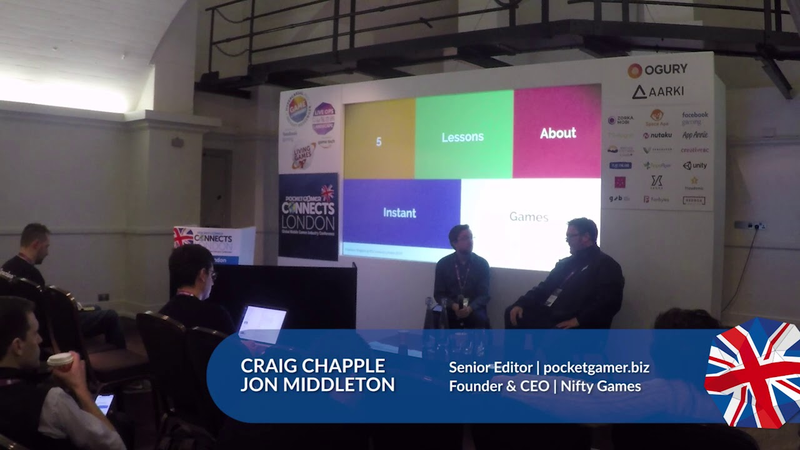
Fireside Chat: Creating enticing sports games with short and fast play time
Nifty Games focuses on developing mobile-first sports titles that prioritize short, fast-paced, and competitive gameplay sessions lasting three to five minutes.
- Nifty Games targets the mobile-first sports market by designing competitive gameplay sessions that last between three and five minutes.
- The company leverages real-world sports fandom to improve user acquisition and retention by aligning in-game content with professional sports calendars.
- Strategic partnerships with professional sports leagues and organizations serve as a key driver for reaching dedicated fan bases and maintaining relevance with younger demographics.
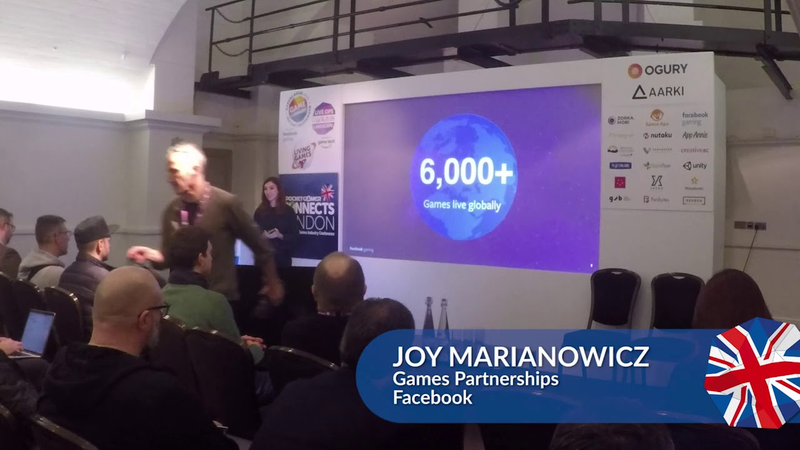
Facebook Instant Games - What's next?
Facebook’s strategy for its Instant Games platform focuses on building a comprehensive gaming ecosystem that leverages HTML5 technology to provide frictionless, cross-platform experiences across Messenger and the Facebook News Feed.
- Facebook Instant Games has scaled to over 6,000 live titles by leveraging HTML5 technology to provide frictionless, cross-platform access across Messenger and the News Feed.
- The platform has successfully improved day-one retention rates, moving significantly beyond previous industry benchmarks of 15–20%.
- Growth is driven by social and viral mechanics, including turn-based challenges, group tournaments, and features that help users find other players.
Growth on Messenger – What Moonfrog Labs learnt from the success of Ludo Club
Moonfrog Labs, a Bangalore-based mobile game studio, achieved significant growth for its title Ludo Club on the Facebook Messenger platform, scaling from 64,000 daily active users in March 2018 to approximately 2.8 million by early 2019.
- Moonfrog Labs scaled Ludo Club from 64,000 to 2.8 million daily active users on Facebook Messenger between March 2018 and early 2019 by prioritizing familiar board game mechanics.
- High initial drop-off rates of 10% to 14% were mitigated by focusing on minimizing load times, which proved critical for user retention on the Messenger platform.
- The studio utilized the platform's capacity for real-time client experimentation to iterate rapidly, compensating for the lack of publisher control over game discovery and listings.
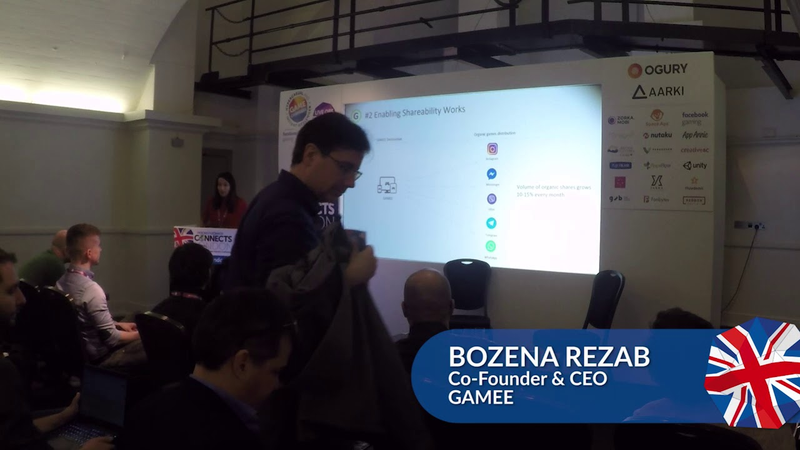
What Gamee learned about hyper-casual games from 3 billion gameplays across 70 games
The analysis of over three billion gameplays across 70 hyper-casual titles reveals that social integration and platform context are primary drivers of engagement and retention.
- Implementing a unified meta-layer for progress, points, and tournaments across a portfolio of games can double engagement metrics compared to standalone titles.
- Increasing social density by facilitating direct connections between friends significantly improves both day-one and day-seven retention rates.
- Optimizing the timing of share prompts and providing meaningful incentives like high-score comparisons can increase organic sharing by 10% to 15%.
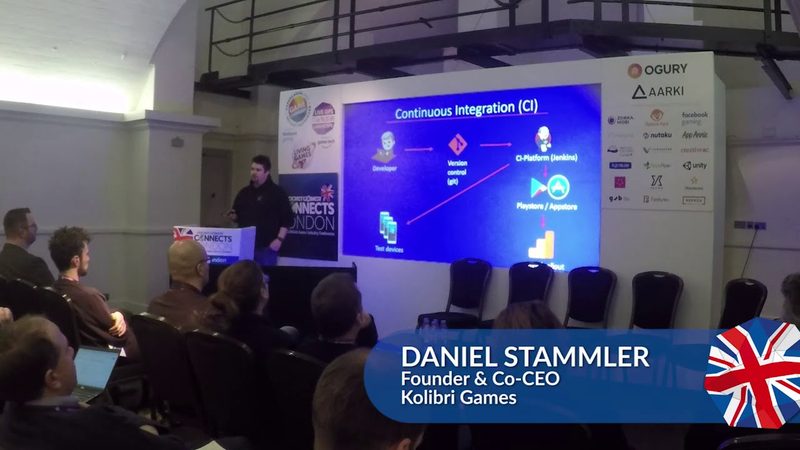
Kolibri Games on rapid development for idle games
Kolibri Games employs a rapid, lean development philosophy centered on the Minimum Viable Product (MVP) model to mitigate the high risks inherent in the hit-driven mobile gaming industry.
- Kolibri Games utilizes an eight-week development cycle to launch Minimum Viable Products (MVPs), allowing the studio to validate market viability before committing significant resources.
- The studio makes data-driven decisions to scale or abandon projects based on early performance indicators, specifically prioritizing day-one retention rates and organic download metrics.
- Development is executed by small, cross-functional teams that release weekly updates, treating titles like Idle Miner Tycoon and Idle Factory Tycoon as perpetual services rather than static products.
Hutch on monetising for live ops
The presentation outlines a strategic framework for monetizing live operations in mobile free-to-play games, specifically drawing from the experience of the London-based studio Hutch.
- Hutch increased average revenue per user (ARPU) by over 25% in Top Drives by implementing a system that triggers targeted starter pack offers every five player levels.
- Live Ops allows for continuous revenue growth beyond the launch month by building a base of hyper-engaged, long-term players who remain invested for years.
- Effective monetization in Live Ops relies on an expansive meta-game built on granular, extensible content that feeds directly into the core gameplay loop.
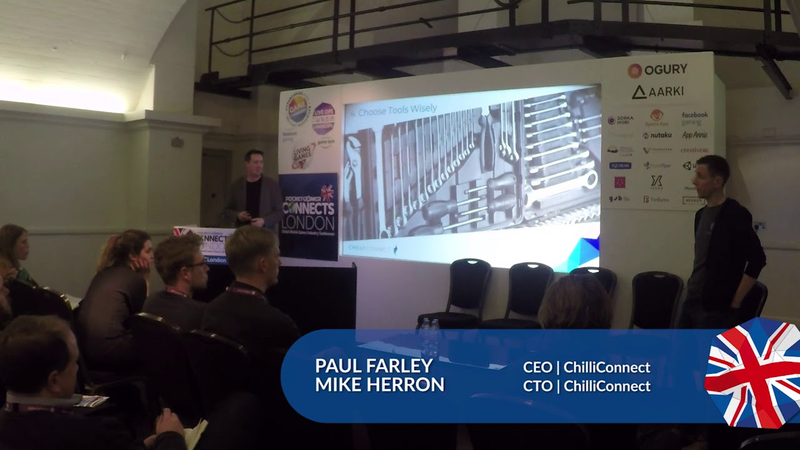
Live ops sucks, but it doesn't have to – 5 ways to ease your live ops pain
Effective live operations (LiveOps) are essential for modern mobile game success, as industry data indicates that over two-thirds of revenue is now generated directly through these ongoing services.
- Live operations are critical to modern mobile gaming, as over two-thirds of total industry revenue is now generated directly through ongoing live services.
- Developers should allocate between two and five percent of net revenue toward the costs of LiveOps tools and infrastructure from the start of the project.
- LiveOps must be treated as a core design element integrated during the initial development phase rather than an afterthought or post-launch burden.
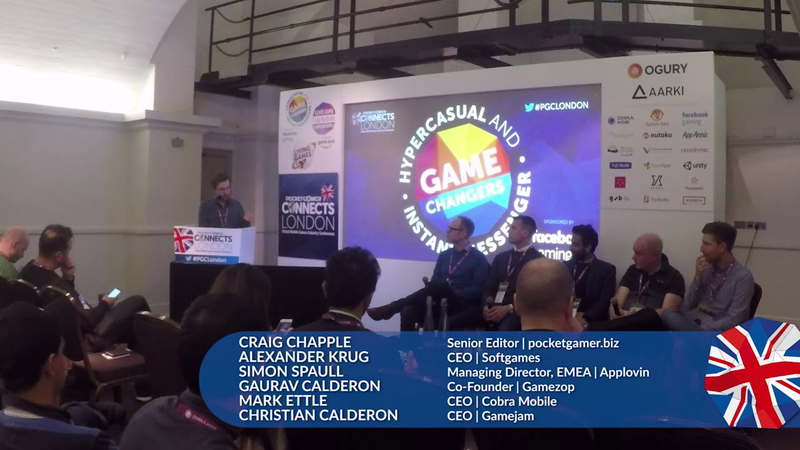
Keys for success in hypercasual and Messenger games
Hyper-casual and messenger games represent a distinct segment of the mobile industry defined by accessible, snackable mechanics and rapid development cycles.
- Hyper-casual games are defined by core gameplay loops that engage users every 1–3 seconds, with success often driven by iterative design rather than complex metagame features.
- User acquisition has become the primary driver of success in the hyper-casual market, shifting the focus from pure game design to the ability to measure and scale paid marketing profitably.
- Messenger-based games rely heavily on viral sharing and social moments to drive organic growth, which can potentially bypass the need for traditional paid user acquisition.
UNO! Playing your cards right in global casual games
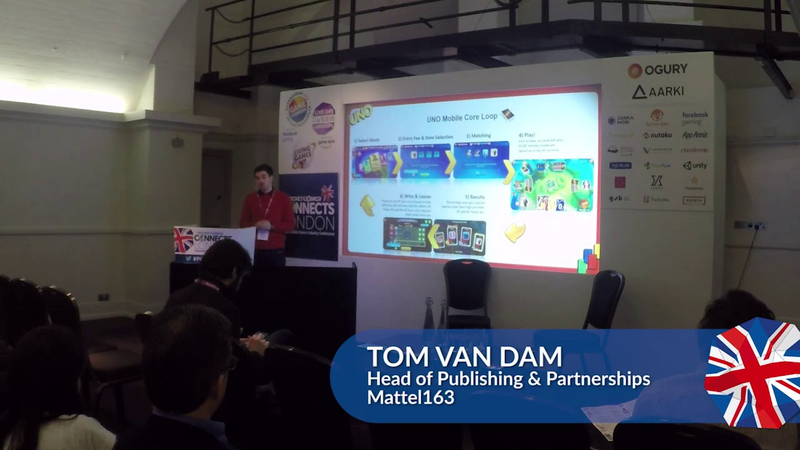
Mattel163, a joint venture between Mattel and NetEase, leverages the globally recognized Uno intellectual property to bridge the gap between casual gaming and sophisticated monetization strategies.
- Mattel163 leverages the Uno brand to lower user acquisition costs while applying Asian-inspired monetization mechanics to a global casual audience.
- The game generates approximately 60% of its revenue through in-app purchases, supplemented by rewarded video advertisements to maintain engagement for non-spending players.
- As of early 2019, the platform reached 15 million unique players with average daily play times exceeding one hour.
Retention through events and community
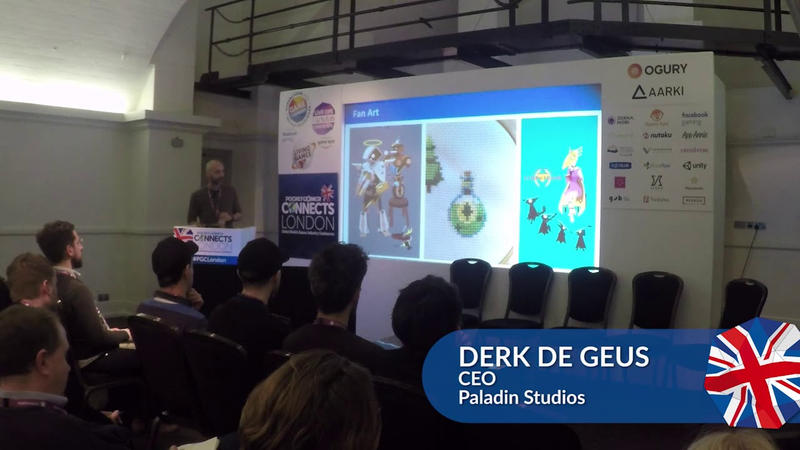
The strategy for maintaining high player retention in the mobile card game Stormbound centers on fostering a grassroots community rather than relying solely on complex in-game meta-events.
- Paladin Studios maintained high player retention in Stormbound by treating the community as a creative partner rather than relying on complex in-game meta-events.
- The development team fostered a self-sustaining community by intentionally leaving game lore and narrative open-ended, which encouraged players to produce their own content like fan art, comics, and poetry.
- The studio offloaded significant community management and content creation tasks by incentivizing players to organize their own tournaments and maintain external databases.
Games as Ikea – A service design approach to in-game marketing
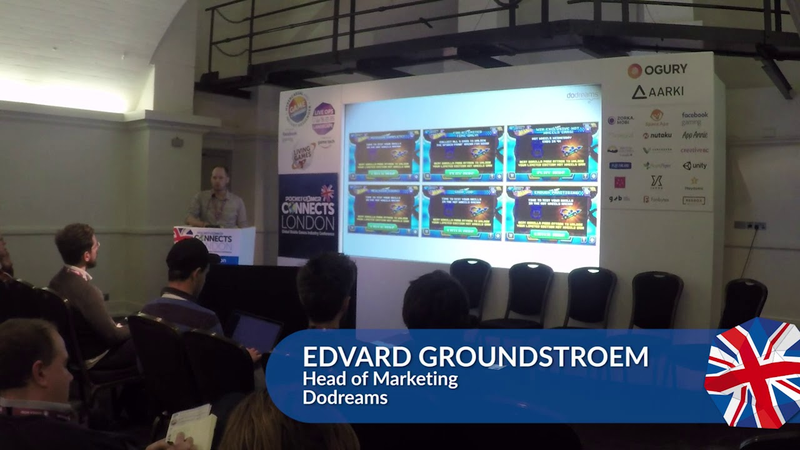
The primary objective of this analysis is to apply service design principles—modeled after the retail strategy of IKEA—to optimize in-game marketing and user retention in mobile gaming.
- Transitioning from an opt-in to an opt-out navigation model via an 'event lobby' showroom increased event participation by 88%, in-app purchases by 56%, and ad engagement by 129%.
- Mobile game 'Drive Ahead' identified a 'bazaar' problem where content abundance caused decision paralysis, leading 80% of players to repeat previous modes and 74% of classic mode users to never explore other content.
- Applying the 'peak-end rule'—placing high-reward, short-duration events early in a session and ensuring satisfying conclusions—improves the overall player perception of the gameplay experience.
Build movements for your community
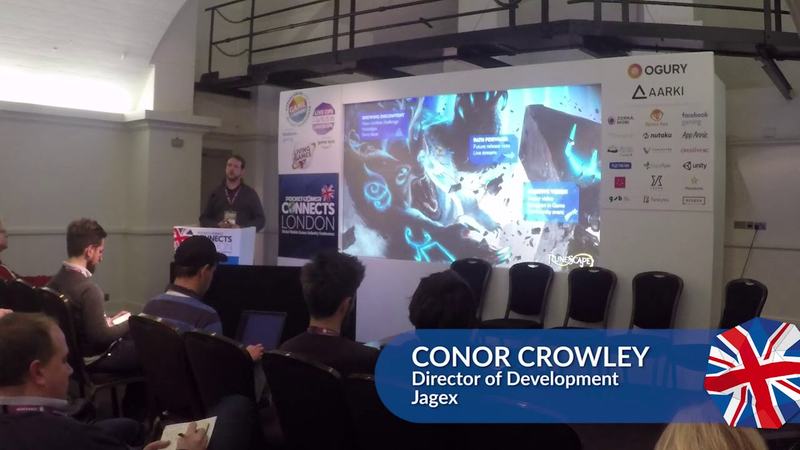
Building successful game communities requires shifting from a standard update-by-update release cycle to a movement-based strategy.
- Shift from a standard update-by-update release cycle to a movement-based strategy, where players share a purpose and work toward a common vision to sustain long-term engagement.
- Implement collaborative decision-making tools, such as the 75% majority polling system used in Old School RuneScape, to align design goals with player expectations.
- Seed ideas early through teasers, social media, and live-streamed development sessions to allow for speculation and feedback before official content launches.