1 free read left. Create a free account for unlimited reading + AI research.
Create free account
Live ops sucks, but it doesn't have to – 5 ways to ease your live ops pain
Key insights
7 takeaways- 01Live operations are critical to modern mobile gaming, as over two-thirds of total industry revenue is now generated directly through ongoing live services.
- 02Data collection should follow a bottom-up methodology, focusing telemetry on specific, actionable insights like player progression and monetization context rather than capturing excessive, unrefined data.
- 03LiveOps must be treated as a core design element integrated during the initial development phase rather than an afterthought or post-launch burden.
- 04The game’s architecture must be designed early to support LiveOps, specifically regarding the choice between server-authoritative and client-authoritative models.
- 05Tool selection should be based on specific team capabilities and functional needs rather than brand popularity or the breadth of available features.
- 06An extended soft-launch period is essential for optimizing server integration, validating data telemetry, and accurately forecasting infrastructure costs before a global release.
- 07Developers should allocate between two and five percent of net revenue toward the costs of LiveOps tools and infrastructure from the start of the project.
Ask AI about this video
Transcript
[Music] I talk to these live up sucks but it really doesn't have to so I'd really like to ask the room first of all how many people are actually running labels in the game right now okay pretty good how many people are thinking about running live ups in their game but they're not doing it just yet they're planning okay's a few less okay so back to that a first group okay I have all those running live Oxford and they who's spending it's super easy oh that's the right answer well done thanks for that um yeah so about 15 years ago I co-founded a mobile game studio and we've grown that over the last 15 years and we've had to transition from premium products through to free-to-play life to games or services and you know it used
to be really easy used to make a game used to put it in a box or you put it you know onto a store and you kind of forgot about it and if the game was successful you made lots of money and if it wasn't that was it tough you had to kind of go again I think way box has changed a huge amount of that so I don't think it's particularly easy if we look at the live ops landscape you know when you're considering everything that's involved in running a game live these days this is really kind of the tip of the iceberg by the way we've got lots of bullet points on the slides so we'll stick up on the website after this so don't worry about taking pictures and stuff there's loads so from everything that's encompassed within your game from a cake management to messaging and localization actually your team which is really important very few people talk about the development town when we talk about live ops it's a monetization which mark did a great job to cover just now it's a customer service app store management then we get into data you know how you collect store and manage your data and get insights from data server infrastructure security and compliance wow you know I'm tired even just talking about it already right let alone doing
it and then as a studio you're having to balance all of that against your resources and I'm none of us i day you know are really in a situation you know where we're super cell or ei or Activision where we've got unlimited resources to play with so you've got time you got finance to deal with and your talent as well is that your people what are the capable of what skills do I have in-house and who can I hire and that's really really really hard um one of the things that's kind of interesting is that sleep space we've actually said that two-thirds know their revenue over two-thirds of the revenue comes directly from lay BOTS thirds of the revenue so if you actually do want to make money your games business now you have to take away box very seriously we have a very short time today so we're kind of talking about what we were going to share on Mike's very technical he's our CTO and he was wanting to go into a lot of detail about the technical side of live ops I says no no no let's talk about you know the higher level stuff this is the stuff that it's very common sense though all the people forget or they may say these are the mistakes we see developers making like day in there and we'll go through them you think oh gosh no one
makes these mistakes but they do and I've got some examples there that we'll share as well so here's here's five things the first thing is really interesting you would never ever wild hope you've never ever commit to development without first having a game design or at least a plan of your game will you'll be amazed if people let go into live ops they start there they're kind of they're launched and they haven't really made a plan of like what they're gonna do inlay box and this is it's pretty obvious but I think it's a point that's well worth making the early you plan obviously the better define your own success criteria as I said earlier we're not supercell we're not Activision you know your studio is gonna be unique it's gonna have a unique financing model you can a certain aims and objectives that you want from your games set your success criteria that reflects you know what you need to set your own KPIs what you're aiming the target model various outcomes no one knows the future you don't know the future I don't know the future you know your game might be a huge success it might be a complete failure the reality is it's probably going to be somewhere in the middle so if you can model
various outcomes you're prepared to deal with those outcomes later on certain cadence people talk about cadence a lot in layoffs certain initial cadence for your labor ops activities you might be looking at say for example content updates right which is a you know favorite one and you might think okay we want to get to a place where we're doing a content up there every Friday before the weekend and then we'll have a sale on the old content over the weekend well that's brilliant but actually doing content every week is really difficult you know it takes a lot of resources so you might want to start just doing it once a month first and then move to you know twice a month and then we've to weekly um definitely factor in soft-launched okay you know there's there's plenty of examples where developers have gone straight to global launch with a soft launch even you know fairly sophisticated educated developers we've seen situations where there's a lot of PUA there's TV ads radio ads print stuff going on and the gameplay the monetization LiveOps none of that is actually optimized at all and obviously if you do that you're gonna leave a significant time a ready on the table you're gonna have a decreased churn rate
and in terms of your user base as well so soft launch is really really important one takeaway please do not you know leave here with a you know thinking of it listen future is soft watch you know the longer you can spend in soft watch the better mic so a common error that we see is our developers will just try and capture everything about their game without giving any thought about the kind of insights that they're trying to get from the data so what that means as a games being a soft launch for a couple of weeks maybe a couple of months the developer says okay let's see how players are getting all of this but take for a piece of content or how they're progressing through the best part of the funnel and it turns out if we don't have the event data to get that news and science and by that point players who came into the game they've turned and now opportunities over so our advice is you need to basically design your event data with the same care and attention that you would apply to your game design because is that the start important so like I said a common problem is not really thinking about what you're trying to do the data so we advise taking a
bottom-up approach so think about the kind of insight so you want to get and Devine design your data around those insights so if you're not sure about stuff first-time user experience is really important so make sure you've got really good telemetry around that player progression so high players are going for your game how they're getting for various pinch points how quickly if they are accumulating premium currency I'm actually important as well and also monetization contact so what was a player doing before and after they monetized not just to fight their monetized most contacts around is really important you should also think about our telemetry specification so this will be a document which describes in detail the event data that you're going to capture from your game as well as the parameters that go along with each event so ideally you'd have an analyst or a product manager leave it all in this document I would also ask as a communication tool between everybody in the team so you don't get essentially with the analyst is trying to look at data from soft lunch and he has to go to the developer to say okay well what did
we actually capture what format data how do they work with it if you have that written down and it's super clear to everybody in the team the other thing that was really important let me see is people don't test or data so the developer says okay I put into a machine and these things you see okay that's fine and again you watch the game and it turns out that's not fine because Jim once a player has charm from your game the opportunity to capture data from them is gone it's really important you make sure you get it right so once you've got your Toyama tree in your game while it's in there test it and also test it with your chosen iOS 6 tools so you know go through practice scenarios with the test belt and make sure you can get the visualizations or you know however you plan to use idea to make sure you can get IOS been captured by a CUDA yeah and the final points always liked context there's just as important as action it's like I said so the player opened the store that's great but why did they open the store what was the currency violence what piece of content had to just play it all these things are probably more important or just as important as the actual event so yeah good example we saw we had done one
customer Bell was trying to capture additional data as a leach event so we Jason included a whole bunch of stuff thinking that was a good solution but they never told the analyst on the team about that and the game was out for about a month or so before anybody realized and then it took a lot of extra effort and fuel to visualize our data so there's been more communication there there's a telemetry spec if somebody that actually taking the time to test the timesheet data that would have been captured so yeah yeah design your event data with care attention cheetah is just as important as any element of your game design thanks Mike so in a previous life I was a game designer and your most games gonna look a little bit like this you know under the hood all of the kind of great games that we play when you're actually on the development team behind them you realize that you know it's a mess quite often so I think you know kind of chaotic development environment is quick you know important to remember particularly when you consider why boss is to consider what functionality needs to be built into the game for LiveOps right at the beginning so starting from
the very basics of the server client relations is the game going to be server authoritative is he gonna be client authoritative figuring 8 is actually gonna be a mix is super important I think it's going to inform a lot of decisions are going to make further down the line if you make a bad decision quite early on that can also impact if you then you're unable to respond to the changes that require to be made in your game making a less race I love lists my life is just lists and maybe that's you know something that comes from being a game designer but lists are really important so you list all the things you think that you don't want to change in real time once the games actually live look at other games that are like your games most of the things we think we're kind of you're inventing things are completely unique but quite often in game development we're borrowing ideas for different people and it's quite possible that your games already got a similar game that you know it's already life so look at what they're doing in terms of content update and features your what events are they running life you know someone's running an event in
the UK every weekend you're the 50% sale in your genre well that probably works pretty well for that style game so that's a really good place to start it's gonna save you a lot of time very important also you know we're a wave ops tool set integrate your tools before you need them don't leave it too late we see this time and time again someone's just the whiticus a software engineer here we're gonna integrate some tools it doesn't give you any time to really learn how to use those tools even the best tools in the world and to be fair you know game developers today whether it's your engines or LiveOps toolkits like play 5 well actually connect you know developers have got an incredible toolset to choose from but ultimately even the best tool in the world is completely useless if you don't use it well so you know learn read the documentation figure out how to user and optimize it as well I think we don't really talk very much about the team as well and its course it's people that make games and it's people that run live ops team you know you need to prepare them as well I think you're briefing them around your water the kind of common threats and opportunities that
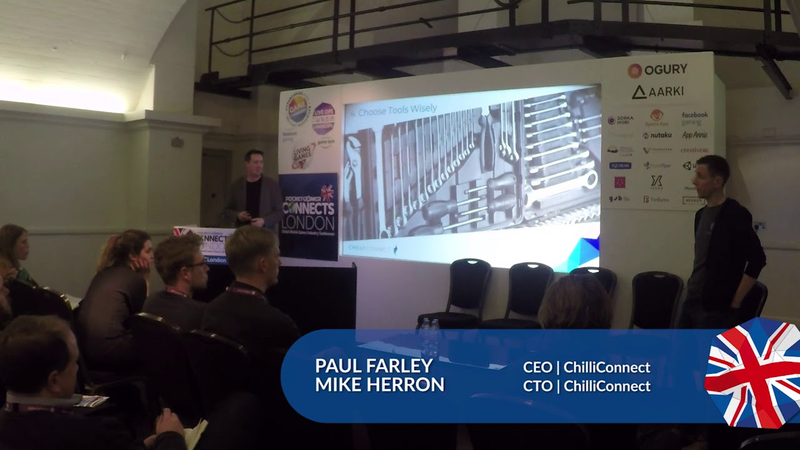
we're likely to see you know thinking ahead of you know the games live if there's a bug or there was a problem how we're gonna respond to that I think you have we've seen numerous times where developers will have a serious bug within their game and they think okay right great you know what we can do to help resolve this if situation is message the players and we'll give them some free currency and that's that's fantastic there's mechanisms within Chile to support that but ultimately if you haven't integrated that within your game then you can't do it and what that leads to is you Russia a quick release to fix that and of course if you're rushing stuffing being the bonus it's going to lead to more bugs and more problems so don't leave it too late integrate your tools okay so speaking of tools you should choose your tools wisely I thought you were gonna abuse me there so mu does Ryan a wife service game those that demo tools or platforms that you need to integrate to do your your job effectively is massive it's overwhelming so these are just a few you'll typically have a game services
platform my Chile connect to handle player accounts you might have standalone analytics as well support attribution add social and this is just a tiny fraction of the number of potential solutions are available so how do you find your way through this minefield so yeah it's easy to be overwhelmed so our advice as we sort of you know set in some of the previous slides is to start simple to start with all you know don't try and do everything at once because you've read some blog post on them you know poking away if it up there's a bit somebody that's trying LiveOps in a game with tens of millions of players what we are doing doesn't need to apply to your game with a couple of thousand players in the soft launch so keep it simple and don't feel you need to know everything from day one focus on main kpi's focus on some of the things that Paul spoke about in terms of support some of the things that Marcus talked about in terms of run your game lip and play your attention and just use the tools that you need for your initial soft launch phase and don't worry about the later stages that will come so one
thing that's worth mention as well so often there was no best to our platform is particularly true I think in our no ethics I think because I know what takes tools I've been known for well before so our feed to play took off in Mobile so it's this massive legacy if years and years were four different iOS these tools so how do you pick the one that's right for you one thing we see quite a lot is developers so I polish it sister and yes a developer is like just trying to find the one that was bought for not only fitting it to their team so just as important as the tool was how well your team can use it to I'm we're offense with fair skills and experience you know it's one really interesting lesson that we've had speaking to some people we had a publisher which is not really sophisticated I'll take specialization too but it was purely web-based it was about our building visualizations are your data without having to write any queries which is great if you don't have anything on your team with that kind of experience but they actually had one day a tile list who was quite comfortable writing queries and in fact all he
wanted was access to his raw data so that was a really kind of classic example where you've got a less March tool which is great on the surface it's probably a great tool for a lot of people but I didn't fit the team so just as important as the tools you pick it's fitting them around the people that you've got on your team thanks mate I'll try not to destroy any more than that stage up so we're British we're generally not very good at talking about money but let's talk about money super-important amazing the amount of developers that kind of go headlong into game development and layoffs were they thinking about what things cost so I think you know probably given the fact that everyone's pretty much running late but sort of wait to run low box we all appreciate the value that provides basically you know if you want to run particularly a successful mobile game these days you require a lie lie box strategy and you're going to need some tools to be able to do that you need to include the cost of those tools and the cost of the usage and running servers in the plan as Mike said you know actually
understanding what actual wave ops functionality you're going to need to support your game as a super important so it's probably another list write lists of get get the costs for those tools very early on include them in your financial plan very important a lot of a lot of tools new names you go to the website and there's no pricing on the website that is a particular bugbear of mine I think transparency is really important it doesn't help developers I've been in those shoes trying to figure out you know how much is this going to budget how much am I gonna have to budget for this if the pricing isn't there straight away and clear that's a problem but you know there are plenty of solutions that will give you that so make sure that you know you include that in your financial plan as soon as you can I think having different options is really important particularly when you're just starting a you're not really quite sure you know what I need what tools am I going to need you know have a plan B as well you're both for tools and for your resources certainly with tie games the mobile game studio we've had games that you actually blow and I set the water in terms of success and we thought well where's that come from and there's plenty games that we thought oh it's
surefire hits that just behavior horrible quick death so having your different options I think is really important in terms of how much you can spend on user acquisition how much you can spend on your tools software kind of covered soft launch as well I can't stress this enough soft launch is super important make sure you've got plenty of resources in place for an extended software period you don't know how long it's going to take some games we've seen successful software which is the last three months we've seen soft launches dragged on for years we just don't know until you actually launch you've got real data and real players how long you're going to need to optimize your game and the great thing is that once you're in soft launch you look a look at your live ups tools and look at the usage and how much you're using on the server you extrapolate that out and get an idea of what once this is global once we've got millions of players this is how much cost it's also a great time of course you know in soft which to optimize your server integration and again we've seen a whole bunch of kind of crazy stuff that developers do when again they don't really understand the tools they're using so they kind of do some crazy stuff they're not doing best practice and end up spending a lot of money because the game is constantly pinging
the server for no good reason so you know I think this is something that you know we see time and time where folks start to look at LiveOps and they look at the cost and the website and I think wow this is going to be really expensive I've got that you know 20 million monthly active users this is going to cost me tens of thousands well actually it will but it's a tiny fraction of your net income and what we've seen both in tagging and a chili over the last few years is that generally if you're budgeting between two and five percent of your net revenue income to reinvest back into Y box tools and usage that's generally a good kind of finger in the air kind of warpath pick up so we're from Scotland yeah so we don't have two takeaways in Scotland we have tackle wars and this is actually a real Chinese takeaway in Scotland it's one of my favorites and so I've got five five tackle wasps make a plan okay pretty obvious avoid death by data figure out what data you need and design your event data around that build in lay box early so think about what you're going to need once you're in labels don't leave it
until you're in sophomore even global launch before you start to integrate certain tools choose your tools wisely if there's a lot to choose from some great tools out there but just because it's expensive and it looks sexy doesn't mean to say it's what you need and factor in the cost think about what it's gonna cost build it into your budget early that's us um thank you very much for listening we've got one minute 45 seconds left Chile Connect is is by far the best lay box platform it's born eight other games to you we spun out from games to do two years ago we understand your pain I think that's what makes us different from everyone else we we've been there we know what it's like it's it can be really horrible it doesn't need to be one of the great things about being with Chile Connect now is that we get to help developers day in there and we receive great success so if you'd like to talk to us upstairs come and find us we'd love to talk about your games and how we could help you [Music]
Summary
Effective live operations (LiveOps) are essential for modern mobile game success, as industry data indicates that over two-thirds of revenue is now generated directly through these ongoing services. Despite the necessity of LiveOps, many developers struggle with the complexity of managing player data, server infrastructure, monetization, and customer support. To mitigate these challenges, developers should adopt a structured, proactive approach rather than treating LiveOps as an afterthought.
The primary strategy for successful implementation involves five core pillars. First, developers must create a comprehensive LiveOps plan during the initial design phase, establishing clear success criteria and modeling various potential outcomes. Second, data collection should be approached with a bottom-up methodology; rather than capturing everything, teams should design telemetry around specific, actionable insights—such as player progression, first-time user experiences, and monetization context—while ensuring these events are rigorously tested before launch.
Third, LiveOps functionality must be integrated into the game’s architecture early, including decisions regarding server-authoritative versus client-authoritative models. Fourth, tool selection should be prioritized based on team capability and specific needs rather than just feature sets or brand popularity. Finally, financial planning must account for the costs of these tools and infrastructure from the start. A recommended benchmark is to allocate between two and five percent of net revenue toward LiveOps tools and usage.
Ultimately, the scope of these efforts should be refined during an extended soft-launch period. This phase allows developers to optimize server integration, validate data collection, and accurately forecast costs for a global release. By treating LiveOps as a core design element rather than a post-launch burden, studios can avoid common pitfalls and ensure their games remain sustainable and profitable.
















Comments