Mobile reports and market data
Documents

Czech Video Game Industry: PC, Console and Mobile Game Developers in Czech Republic 2019
The Czech video game industry is a mature, export-driven sector that has outgrown the public support it receives.
- The Czech video game industry, despite lacking government support, is a significant part of the digital economy, with Czech companies comprising roughly 10% of all game companies in Central and Eastern Europe and generating twice the revenue of the Czech film industry.
- In 2018, 31 games were created in the Czech Republic, contributing to a total of 136 games released by Czech studios between 2015 and 2018; PC and console game development (67%) dominates, though over half of studios also focus on mobile platforms (61%).
- The industry faces a major obstacle in the lack of skilled developers, with almost 1,500 individuals working in game development in 2018 (83% male), and over 60% of Czech game development companies experiencing labor shortages.

Mobile Gaming Apps Report: 2019 User Acquisition Trends & Benchmarks
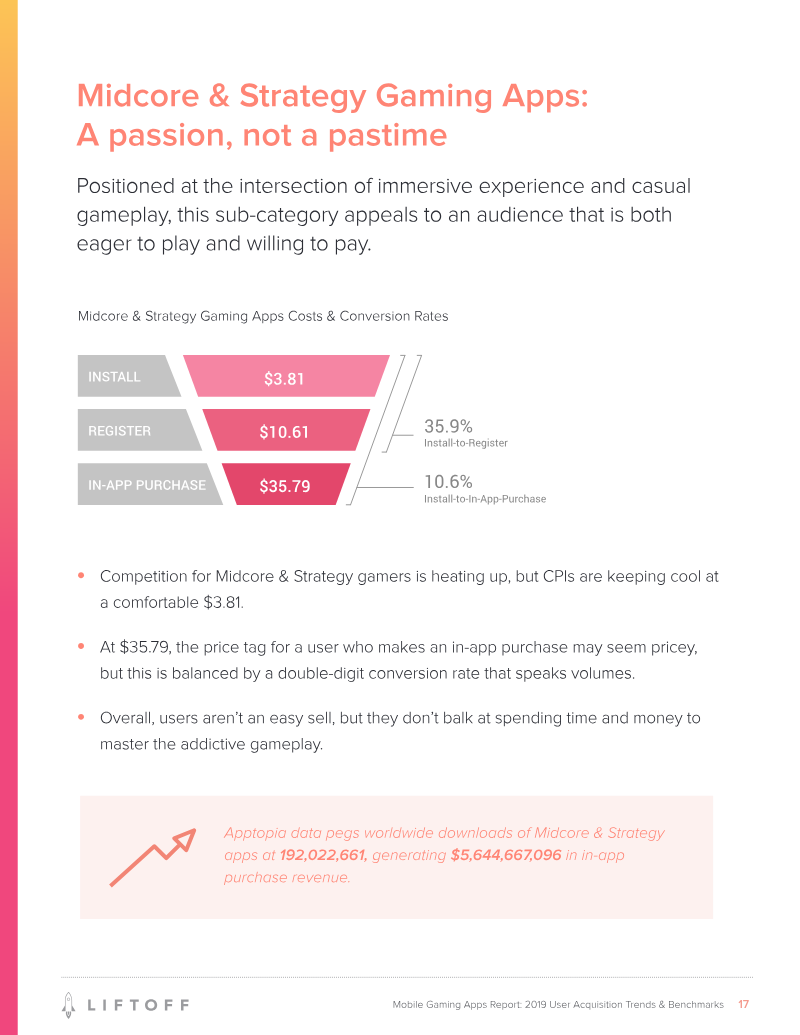
Liftoff's 2019 mobile gaming user acquisition benchmarks, drawing on campaign data from June 2018 to May 2019 and AppsFlyer retention data covering 6,500 apps and 950 million installs, show acquisition costs rising across the funnel.
- Gaming apps dominate the mobile market, generating 74% of total app store revenue despite rising user acquisition costs that average $35.42 per paying user.
- Android provides a more cost-effective reach for user acquisition compared to iOS, with the third quarter identified as the optimal period for high conversion rates and lower acquisition costs.
- North America, Japan, and South Korea remain the most expensive regions for acquisition but offer the highest long-term retention and in-app purchase revenue.
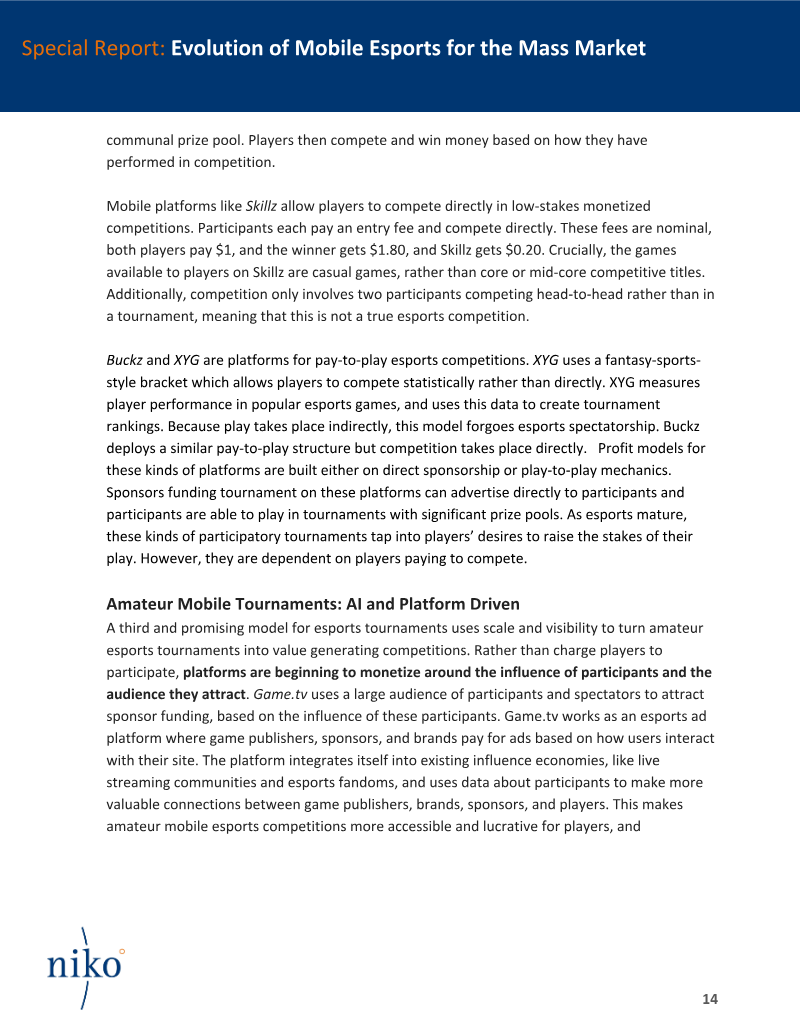
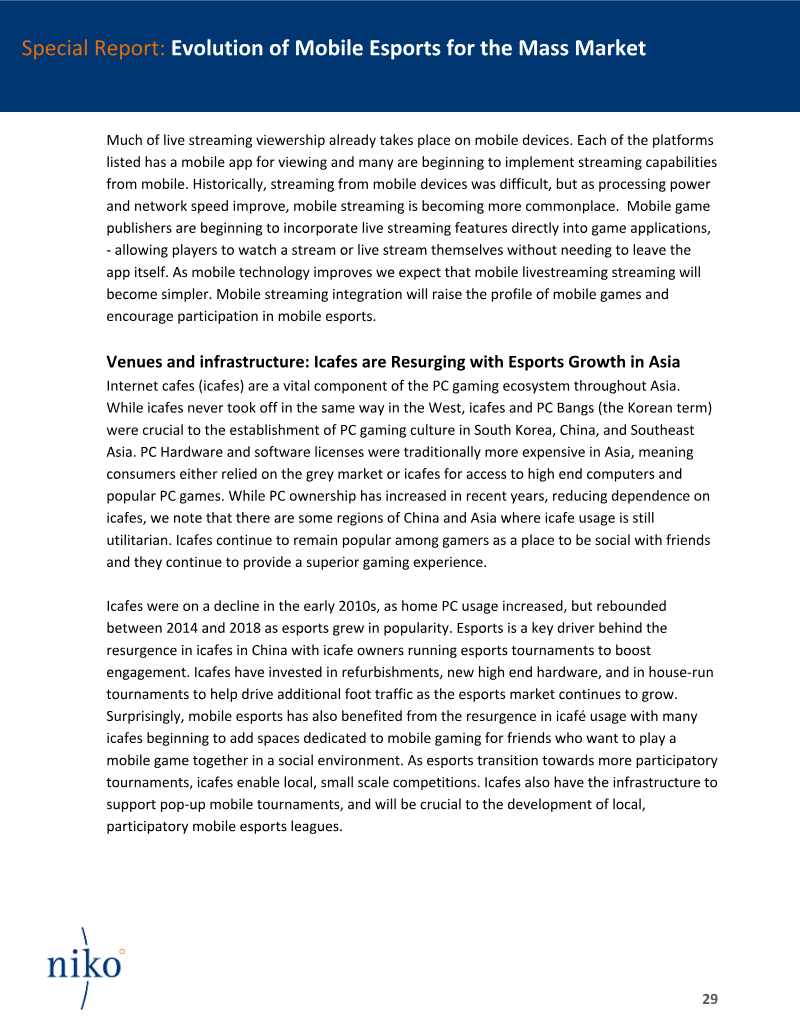

Evolution of Mobile Esports for the Mass Market
Niko Partners contends that mobile device growth and esports will drive digital games industry expansion over the next five years, and that mobile esports will become the fastest-growing esports segment, with Asia as the bellwether.
- Mobile esports is projected to overtake PC esports as the dominant global competitive gaming format, leveraging a player base of 2.53 billion that exceeds the combined reach of PC and console gaming.
- Mobile esports titles generated $15.32 billion in revenue in 2018, accounting for more than 25% of the total mobile gaming market.
- The sector is shifting from a publisher-funded marketing tool to a scalable, professionalized industry supported by media rights, sponsorships, and microtransaction-based models like season passes.
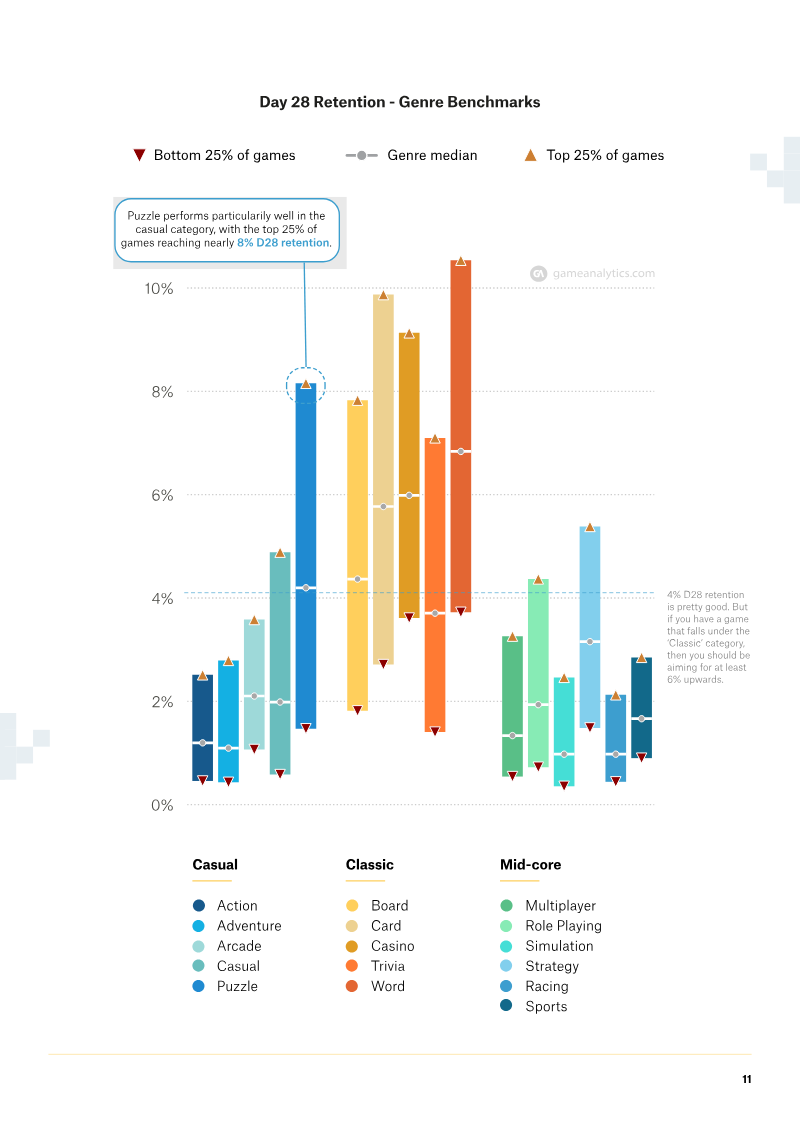
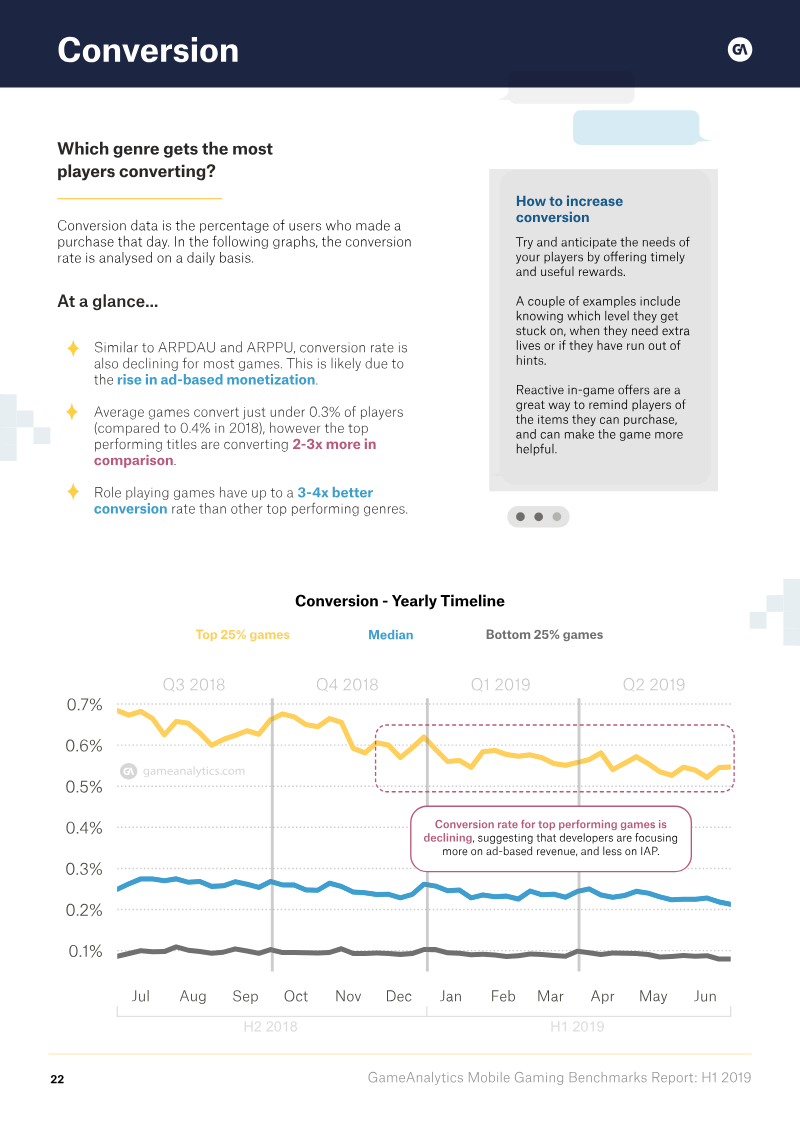
Mobile Benchmarks Report GameAnalytics
The GameAnalytics H1 2019 mobile benchmarks establish performance reference points for the global mobile games market, drawing on nearly 100,000 games and 1.2 billion monthly active users from July 2018 to June 2019.
- Mobile developers are shifting toward ad-based monetization, evidenced by a 15-20% year-over-year decline in ARPPU and ARPDAU across 100,000 analyzed titles.
- Top-tier mobile titles require a Day 1 retention rate of 35% and a Day 28 retention rate of 4% to remain competitive, with industry leaders often demanding a 50% Day 1 rate to greenlight projects.
- Strategy and Role-Playing Games remain the highest revenue generators, while hyper-casual games rely on advertising models supported by a median eCPM of approximately $5.00.
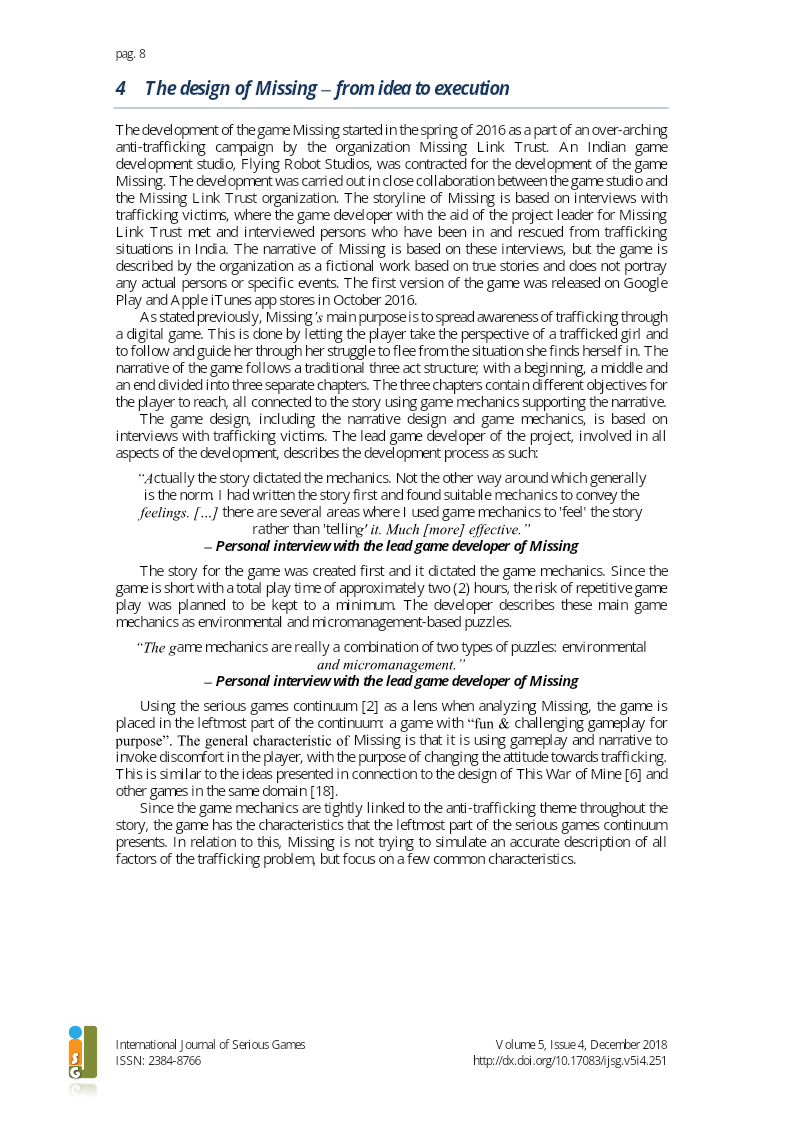
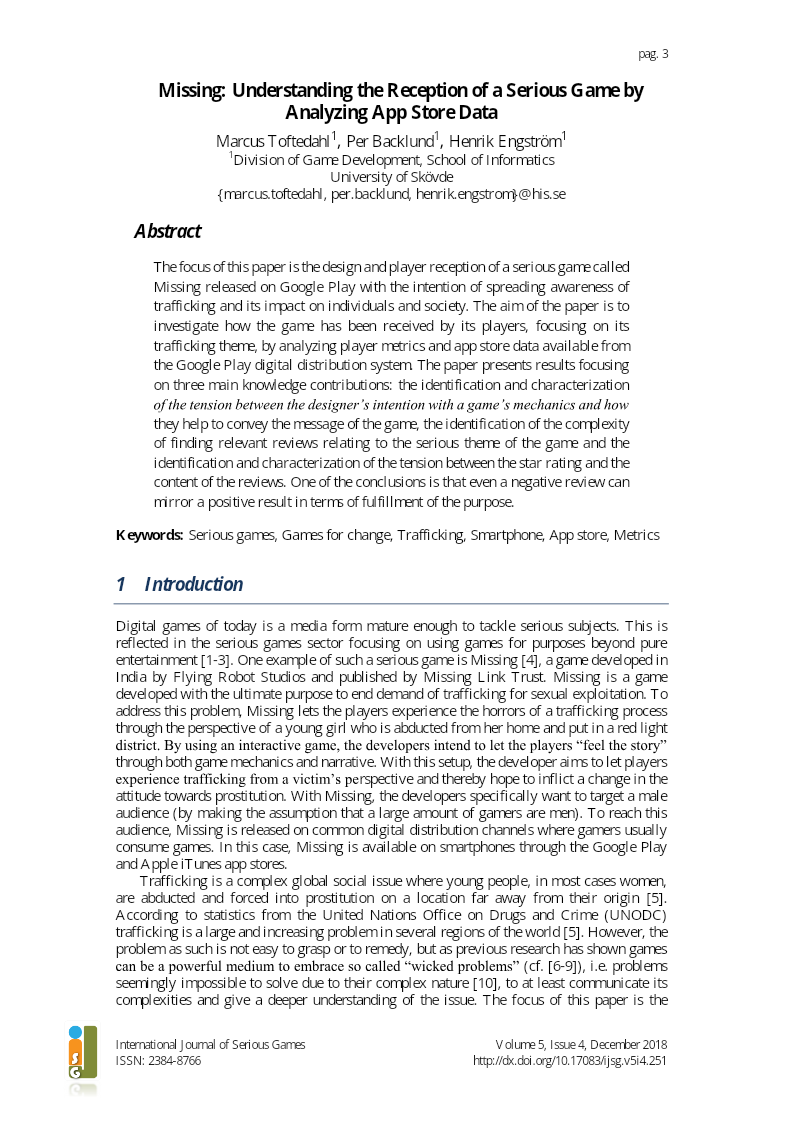
Missing: Understanding the Reception of a Serious Game by Analyzing App Store Data
The serious game Missing serves as a case study for evaluating how narrative-driven mechanics can effectively raise awareness regarding human trafficking.
- Technical stability is a critical gatekeeper for social impact, as bugs and progression issues frequently overshadow the intended narrative message in serious games.
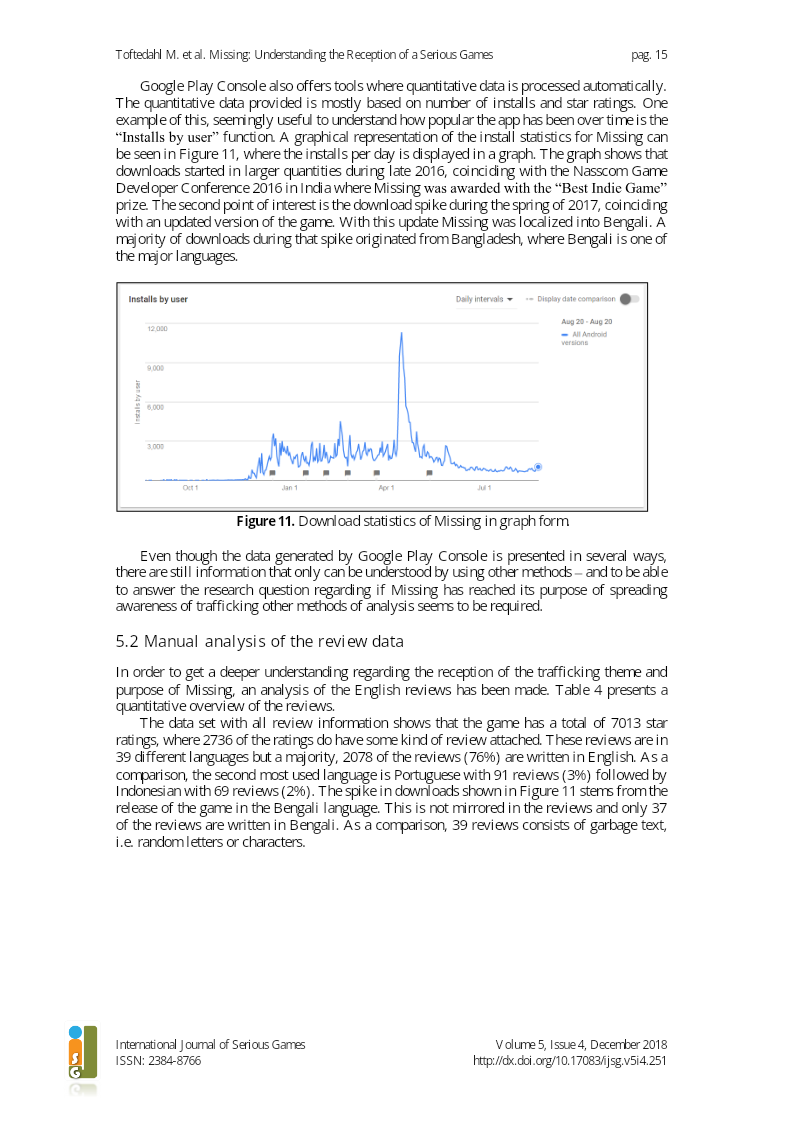
- The game 'Missing' achieved significant reach with over 460,000 downloads, demonstrating that mobile platforms are viable conduits for social advocacy.
- User demographics for 'Missing' were highly concentrated, with 63% of the total user base located in India and Bangladesh.

How does Brawl Stars monetize?
Brawl Stars, a team-based top-down shooter developed by Supercell, utilizes a streamlined and accessible monetization model designed to support a massive, broad-based player audience.
- Brawl Stars utilizes a high-volume, low-ARPU monetization model designed to generate significant revenue through small, frequent investments from a massive, broad-based player audience.
- The game’s economy centers on a progression system where players use soft currency and character-specific power points to upgrade a roster of 22 distinct brawlers.
- Hard currency, obtained via direct purchase or loot boxes, functions as the primary engine for accelerating character leveling and unlocking rewards.
Iterating Design and Fighting Fires: Updating Fruit Ninja and Jetpack Joyride
The mobile gaming landscape demands a delicate balance between rapid iteration and the preservation of a title’s core identity.
- Maintain a design-first philosophy to filter community feedback, ensuring that new features do not compromise the integrity of the core gameplay loop.
- Implement a 'chaser update' model that pairs major content drops with rapid, community-focused patches to stabilize player retention and improve store ratings.
- Transition from simple currency-based shops to achievement-based progression systems to increase long-term player engagement and sense of accomplishment.
Games You Might Not Have Tried - ep 17 - New Games to Learn From! - Extra Credits
The seventeenth installment of the "Games You Might Not Have Tried" series focuses on identifying unique, experimental, or unconventional titles that offer valuable design lessons rather than traditional entertainment value.
- Experimental game design succeeds by focusing on a single, elegant premise and executing it with high precision rather than attempting to include excessive features.
- Developers can achieve significant emotional or intellectual impact with minimal resources by prioritizing economy of design and thematic maturity.
- Non-competitive mechanics, such as those found in the art-focused MMORPG Occupy White Walls, can effectively foster positive and creative online communities.
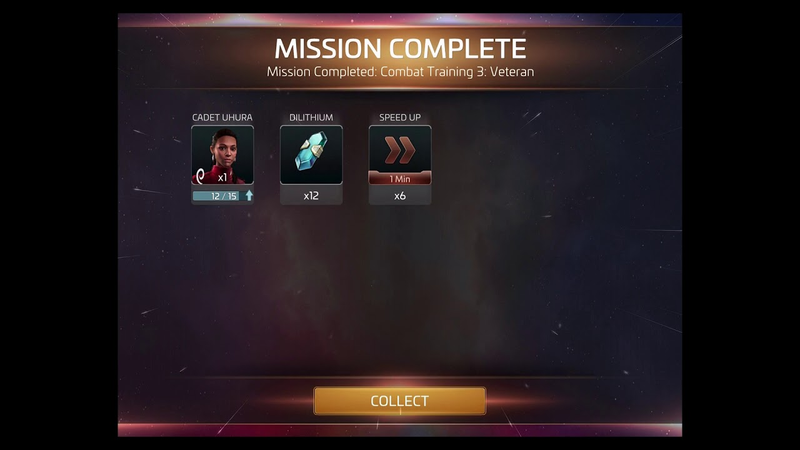
How does Star Trek Fleet Command monetize?
Star Trek Fleet Command, developed by Digit Game Studios and published by Scopely, functions as a mobile 4X strategy game that integrates base-building, resource management, and RPG-lite character collection.
- Star Trek Fleet Command utilizes a 4X strategy framework developed by Digit Game Studios and published by Scopely, combining base-building, resource management, and RPG-lite character collection.
- The monetization model is built on a multi-layered economy that uses hard and soft currencies, speed-ups to bypass construction timers, and loot-box-style recruitment systems.
- The game leverages the Star Trek intellectual property to differentiate its core loop from generic 4X titles, using recognizable characters and ships as primary engagement hooks.
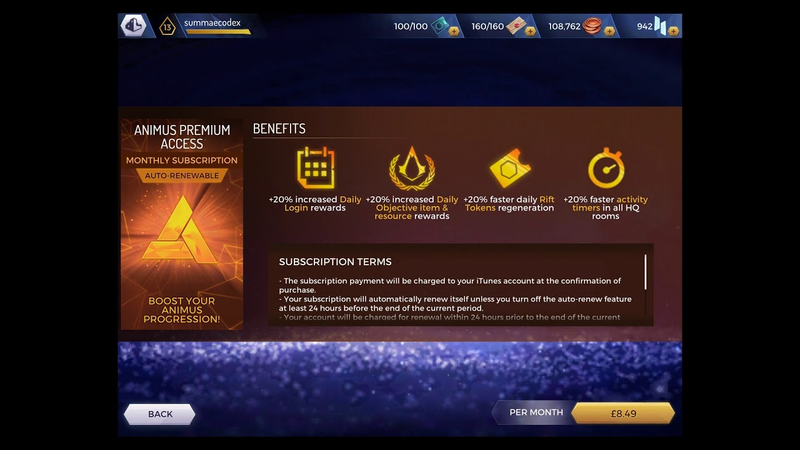
How does Assassin's Creed Rebellion monetize?
Assassin’s Creed Rebellion is a free-to-play mobile title that blends base-building mechanics with turn-based squad RPG elements.
- Assassin’s Creed Rebellion utilizes a Gacha-style loot box mechanic as its primary progression system, requiring players to collect character shards to unlock and upgrade heroes.
- The game employs a non-aggressive monetization strategy that avoids heavy content gating, allowing players to progress through standard gameplay without mandatory spending.
- Revenue is generated through a multi-layered economy featuring a hard currency shop for DNA cubes, energy refills, and crafting materials, alongside a monthly subscription service for accelerated progression.

Level Design Case Studies: Trainyard and Cut the Rope
Successful puzzle game design hinges on the delicate balance between accessibility for casual players and sufficient depth to satisfy experienced users.
- Design levels for casual players by assuming they lack a 'vocabulary of games' rather than lacking intelligence, which requires intuitive mechanics that do not rely on text.
- Use the 'Wingdings test' to ensure game mechanics are clear without text, allowing players from any culture to understand the gameplay through visual cues alone.
- Implement 'dips' in the difficulty curve to allow players to relax and practice existing mechanics, preventing the burnout that occurs when a game constantly ramps up in intensity.
Controls You Can Feel: Putting Tactility Back Into Touch Controls
Successful game design on touch-based platforms requires prioritizing tactility and physical interaction, moving beyond the traditional reliance on visual feedback.
- Prioritize proprioception and muscle memory over visual feedback to make the interface feel invisible and allow players to focus on the game world.
- Avoid virtual joysticks and other legacy controller paradigms that lack physical affordances, as these force players to rely on slower visual processing.
- Design for primary feedback where players intuitively know the outcome of an input before it is confirmed visually.