Mobile reports and market data
Documents
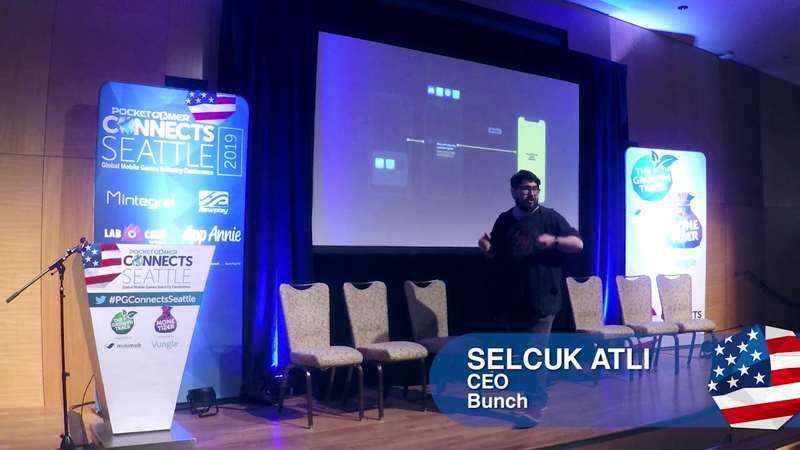
The digital playground: Reducing friction to play
The digital landscape of mobile gaming is shifting from isolated, single-player experiences toward social networks where gameplay serves as a primary medium for interaction.
- Social connectivity is a primary driver of retention, with data from the Bunch network showing that each additional friend a user connects with increases retention by 1.3 times.
- Players who use integrated communication tools to chat before, during, and after gameplay sessions exhibit nearly double the retention rates of general users.
- Developers should treat mobile games as social platforms where the 'metagame'—social behaviors occurring outside the immediate session—is as critical to lifecycle management as core game mechanics.
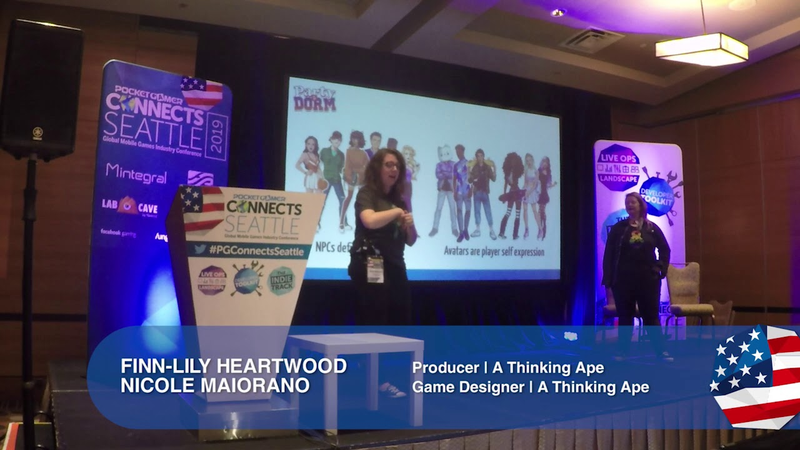
What is inclusive content and why is it important?
Inclusive content serves as a vital business strategy for mobile game developers, particularly those managing live operations with global, diverse audiences.
- Shifting from generic, stereotypical character designs to culturally nuanced avatars can drive revenue increases exceeding 200%.
- Inclusive content functions as a data-driven business strategy that improves community engagement and performance for global, live-service mobile games.
- Authenticity is achieved by hiring consultants with lived experience and creative expertise to mitigate unconscious bias and avoid offensive tropes.
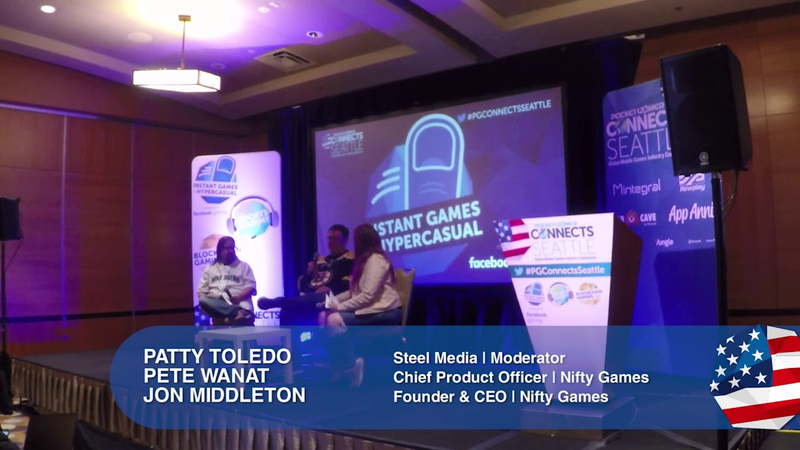
Creating enticing sports games with short and fast play time
Nifty Games executives Jon Middleton and Pete Wanat discuss the strategic development of mobile sports games designed for short, fast-paced play sessions.
- Nifty Games targets the 'core-casual' mobile market by bridging the gap between complex console simulations and hyper-casual gaming through shortened, fast-paced play sessions.
- The development strategy prioritizes maintaining the authenticity and rules of a sport while streamlining mechanics to lower the barrier to entry for casual or younger players.
- User acquisition and retention leverage the inherent social and community-driven nature of sports fandom, which encourages high engagement and spending on digital content.

AskGM #5: How to Make Mobile Apps Safe for Kids | With Super Awesome
The digital landscape for children is undergoing a significant transformation as developers shift from traditional, data-heavy monetization models toward privacy-first infrastructure.
- Developers are shifting from data-heavy monetization to privacy-first infrastructure to comply with global regulations like COPPA and GDPR.
- The industry is replacing unreliable age gates and behavioral tracking with zero-data tools and AI-driven identification to maintain compliance.
- Specialized B2B technology platforms are being used to abstract the technical and legal complexities of developing for child-directed audiences.

1,500 Slot Machines Walk into a Bar: Adventures in Quantity Over Quality
The mobile gaming landscape of 2013 underwent a radical stress test when developers pivoted from premium game design to an automated, high-volume strategy.
- In 2013, an automated pipeline generated over 1,500 low-quality slot machine apps, proving that aggressive keyword targeting and market saturation could bypass traditional quality benchmarks.
- The experiment achieved 1.6 million downloads and $50,000 in revenue despite lacking basic features like save functionality, demonstrating that algorithmic discovery can monetize minimal content.
- Developers utilized a 'Golden Goose' web service integrated with Unity to automate the entire production lifecycle, including theme generation based on Google Trends and automated store submissions.

The Future of UA+PM | N3TWORK's Nebo Radovic talks Product Management and User Acquisition Strategy
The integration of user acquisition (UA) and product management (PM) teams is a critical driver of competitive advantage in the mobile gaming industry.
- Integrating User Acquisition (UA) and Product Management (PM) teams is a primary driver of competitive advantage, shifting from siloed operations to shared accountability and unified goal-setting.
- High-frequency communication, including daily or near-daily meetings, is required to synchronize live game events with UA strategies and monitor metrics like early retention and payer conversion.
- Genre specialization is mandatory for success, as distinct game genres require tailored creative assets and targeting strategies that align with their specific Lifetime Value (LTV) curves.
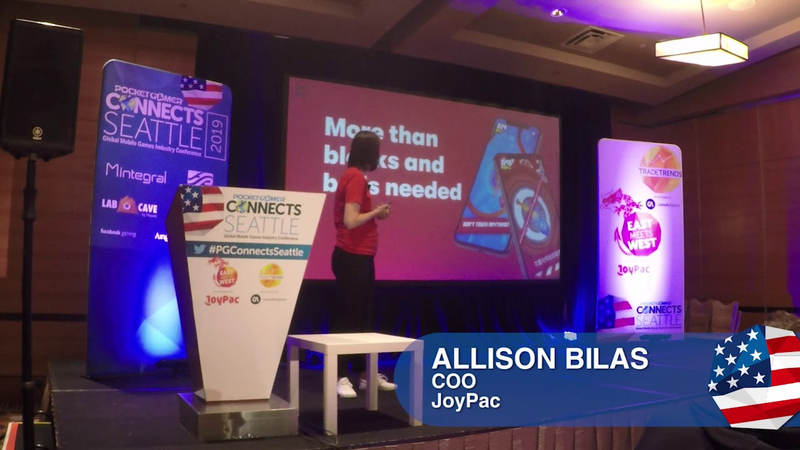
JoyPac's lessons from launching 10-plus hyper-casual games in China
The hyper-casual gaming sector is experiencing a significant expansion into the Chinese market, driven by a maturing advertising ecosystem and a massive, mobile-first user base.
- China represents a massive market opportunity with 800 million mobile users, including 242 million iOS devices, which matches the total device count in the United States.
- Hyper-casual gaming is a growing trend in China, though it is evolving more slowly than in the West, with four of the top ten downloaded games being hyper-casual compared to ten out of ten in Western markets.
- Chinese players exhibit longer average session lengths for hyper-casual games—three to five minutes—compared to the one to three minutes typical in Western markets, necessitating adjustments to gameplay design and ad monetization.

Analysing the Japanese games market
The Japanese games market represents a significant, high-revenue territory that remains distinct from other Asian markets like China and South Korea.
- The Japanese market is highly insular, with top-grossing charts consistently dominated by local publishers who possess the specific cultural expertise required to satisfy domestic consumer preferences.
- Successful market entry requires deep localization that goes beyond translation to include Japanese-specific UX expectations, such as providing 'kind' and highly guided onboarding processes.
- Western developers should avoid creating broad, diluted products for multiple Asian markets and instead focus on audience-specific design tailored exclusively to the Japanese consumer.
Haxe: The little known secret to scalable, cross-platform game creation
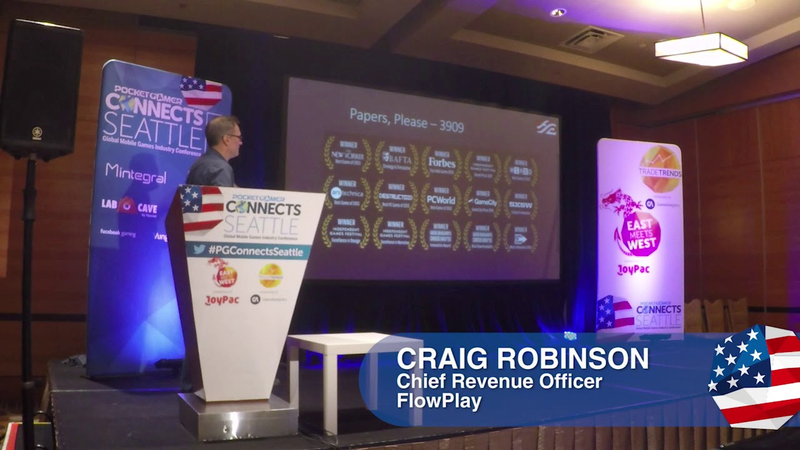
Haxe is presented as a powerful, open-source, cross-platform programming language and development toolkit that serves as a viable alternative to more mainstream game engines.
- Haxe is a cross-platform toolkit that translates a single codebase into multiple high-level languages or bytecodes, enabling deployment across web, mobile, and console platforms without proprietary vendor lock-in.
- The language supports high-performance development through specialized frameworks including OpenFL, HaxeFlixel, Heaps, and Kha.
- Haxe has been used to develop commercially successful titles such as Dead Cells, Papers, Please, and Northgard.
The future of gaming and global trends
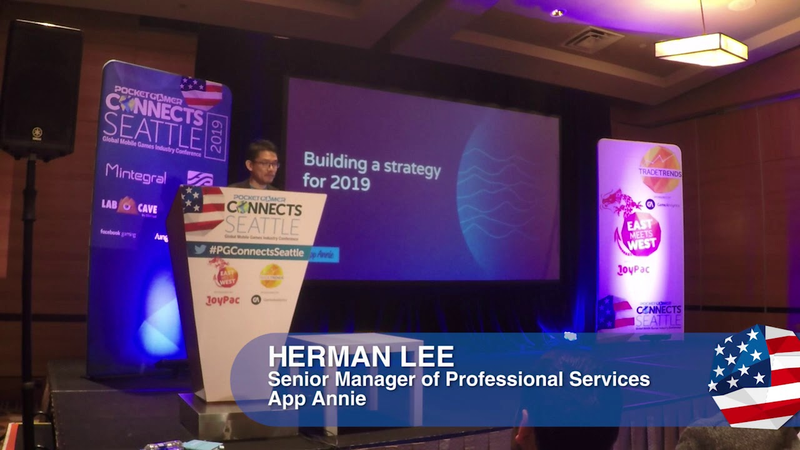
The mobile gaming industry continues to demonstrate significant global expansion, with mobile revenue consistently outpacing console and PC platforms.
- Mobile gaming is the industry's dominant platform, with revenue projected to exceed 60 percent of total global gaming spend by the end of 2019.
- The market is bifurcated into emerging regions like India and Brazil, which drive high download volumes, and mature markets like the U.S., Japan, and China, which generate the bulk of revenue despite slowing download growth.
- Developers are shifting toward diversified revenue models, increasingly supplementing traditional in-app purchases with subscription-based monetization and ad-revenue strategies.
The games industry scenario in China and the value a local publisher can provide
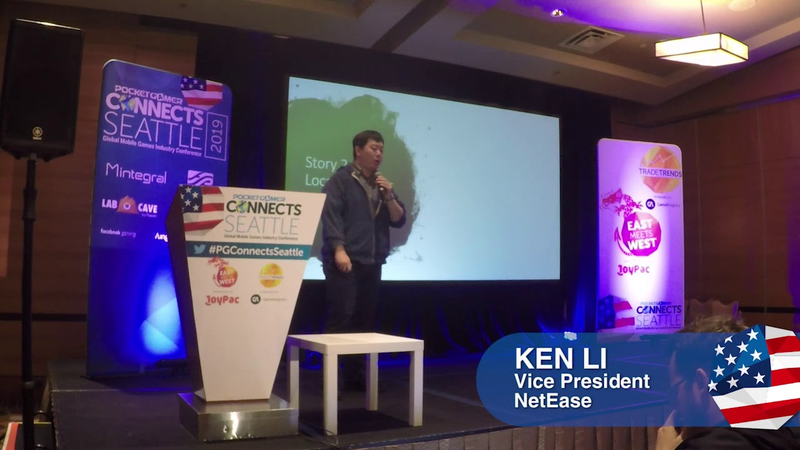
The Chinese gaming market presents a complex landscape characterized by significant scale and high competition, requiring a nuanced approach for foreign developers.
- The Chinese market is the world's largest for mobile gaming revenue, serving over 600 million consumers, yet it is highly saturated with thousands of new titles launching annually.
- Local developers dominate the market, consistently producing seven to eight of the top ten highest-grossing mobile games in the country.
- Relying on unofficial distribution channels like the iOS App Store or Steam carries significant regulatory risk, as evidenced by government-mandated mass removals of apps.
South American market overview
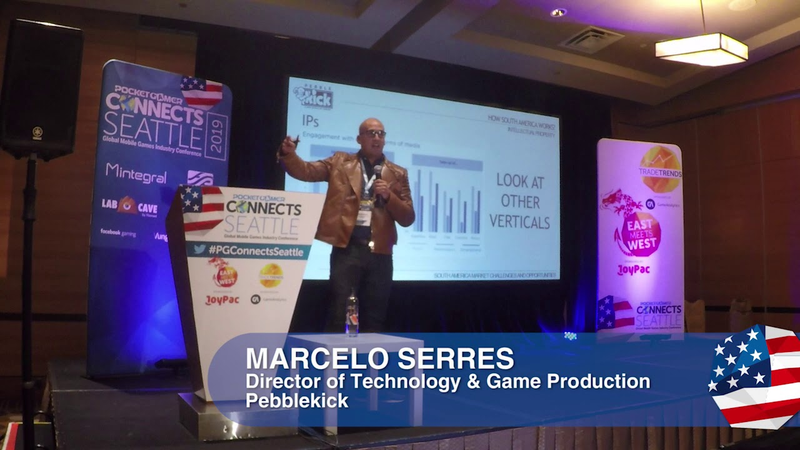
The South American gaming market presents a high-potential but complex landscape characterized by significant cultural nuances and a lack of mature local business design expertise.
- Success in the South American market requires 're-culturalization' rather than simple translation, which involves aligning products with local entertainment preferences and forming strategic partnerships.
- Developers must avoid treating the region as a monolithic entity and instead implement a three-dimensional strategy that analyzes the specific, overlapping dynamics of individual countries.
- Soccer and telenovelas are the primary cultural pillars of entertainment; licensing these IPs or integrating their themes is a highly effective strategy for user acquisition and brand relevance.