Mergers & Acquisitions reports and market data
Documents

PocketGamer.biz Podcast Episode #6: Zynga buys Peak, Sonic the Hedgehog movie sequel, and more!
Zynga’s acquisition of Peak Games for $1.8 billion marks a pivotal expansion of its forever franchises portfolio, specifically targeting the sustained engagement of titles like Toon Blast and Toy Blast.
- Zynga acquired Peak Games for $1.8 billion to bolster its 'forever franchises' portfolio, specifically targeting the long-term revenue potential of Toon Blast and Toy Blast.
- Epic Games is actively challenging mobile app store ecosystems by advocating for an independent iOS storefront, though industry skepticism persists regarding the technical feasibility of such a platform.
- Casual gaming giants like Rovio and Playrix are pivoting toward mid-core development by acquiring studios such as Dark Fire Games and Cateia Games to integrate RPG mechanics and narrative depth.

PocketGamer.biz Podcast Episode #3: Jens Begemann leaves Wooga, Jagex gets sold again, and more!
The global mobile and console gaming landscape is currently defined by significant leadership transitions, strategic acquisitions, and the evolution of social gaming platforms.
- Jagex has been acquired by Macarthur Fortune Holding for $530 million, marking yet another ownership transition for the studio as it struggles to stabilize its legacy intellectual property.
- Rovio achieved a 74.8% profit increase by significantly reducing user acquisition costs, though this strategy risks long-term brand fatigue for the aging Angry Birds franchise.
- Epic Games is evolving Fortnite into a persistent social hub through its Party Royale mode, leveraging virtual events to attract millions of concurrent users.

Acquisition of Candywriter
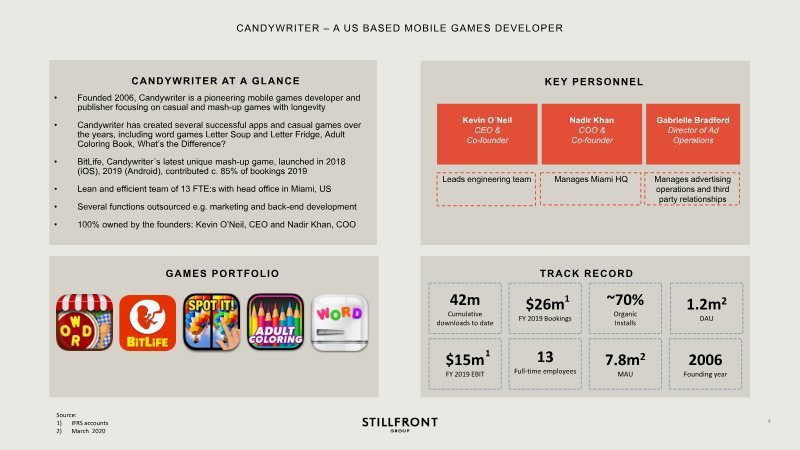
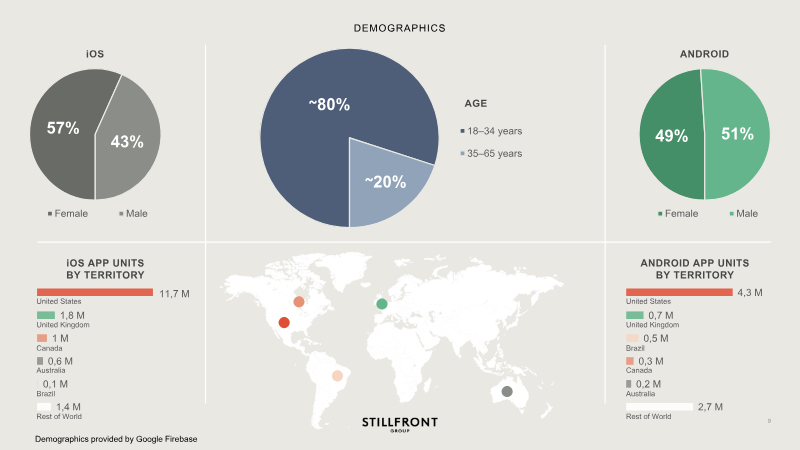
Stillfront Group AB outlines the strategic acquisition of Candywriter, LLC, a Miami-based mobile game developer, in a presentation dated April 23, 2020.
- Stillfront Group acquired Miami-based developer Candywriter for an initial consideration of USD 74.4 million, with a total potential valuation of USD 195 million including earn-outs based on EBIT performance through 2022.
- The acquisition is expected to boost Stillfront’s 2019 pro forma net revenues by 8% and adjusted EBIT by 11%.
- Candywriter reported USD 26 million in net revenue and USD 15 million in EBIT for 2019, driven primarily by its flagship title, BitLife, which accounted for 85% of its annual bookings.
Surviving & Thriving in Games with Demiurge | Marvel Puzzle Quest ($100M+ in Revenue)
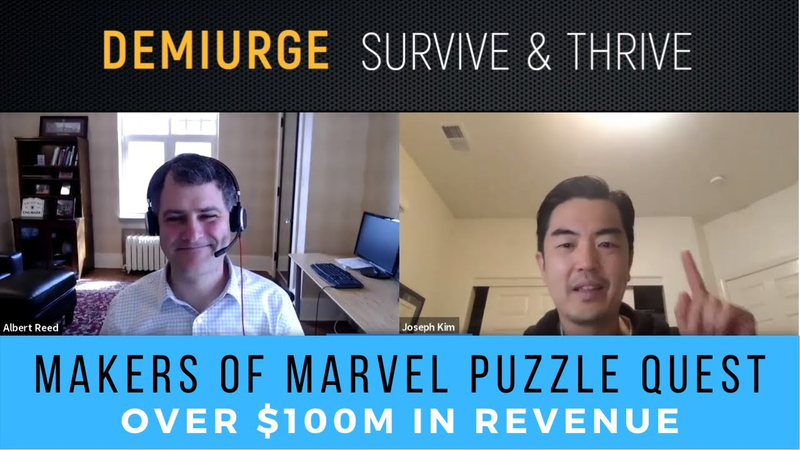
Demiurge Studios demonstrates that a successful transition from a work-for-hire service provider to a proprietary mobile developer requires an experimental culture and early investment in emerging platforms.
- Demiurge Studios achieved over $100 million in revenue with Marvel Puzzle Quest by successfully localizing Japanese card-battler mechanics for Western mobile audiences.
- The studio’s transition from a work-for-hire provider to a proprietary developer and its subsequent acquisition by SEGA in 2016 were driven by early investment in emerging platforms and scalable live operations.
- Long-term organizational resilience is achieved by prioritizing a talent-first recruitment philosophy and maintaining rigorous financial discipline to mitigate industry volatility.
Microsoft Buys Metal Gear and Silent Hill Rumors | Games ReCAP
Speculation has emerged regarding a potential acquisition of Konami’s intellectual property portfolio by Microsoft, specifically targeting high-profile franchises such as Metal Gear, Silent Hill, and Castlevania.
- Speculation suggests Microsoft is negotiating to acquire Konami’s intellectual property portfolio, specifically targeting the Metal Gear, Silent Hill, and Castlevania franchises.
- The proposed deal aims to bolster Microsoft's presence in the Japanese market and support the expansion of Xbox Game Studios Tokyo.
- Under the rumored terms, Konami would retain royalty rights for remasters, while Microsoft would secure full profitability from all new, original titles developed from the ground up.
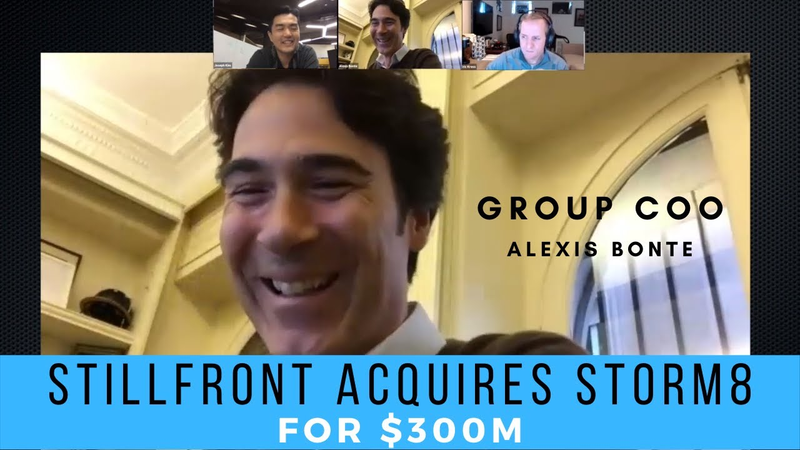
Stillfront Acquires Storm8 For $300M | Talk with COO Alexis Bonte
Stillfront Group functions as a decentralized network of over 13 semi-autonomous game studios, prioritizing the retention of original founders to preserve creative independence and entrepreneurial agility.
- Stillfront Group operates a decentralized network of over 13 semi-autonomous studios, managing a portfolio of more than 35 long-lifecycle, free-to-play titles to minimize the volatility of hit-driven gaming.
- The company acquired Storm8 for $300 million as part of a strategy to expand into new market categories by integrating established, high-performing entities rather than pivoting existing studios.
- Stillfront’s market capitalization grew from $600 million to over $1 billion within a six-month period, driven by its acquisition-led growth model.
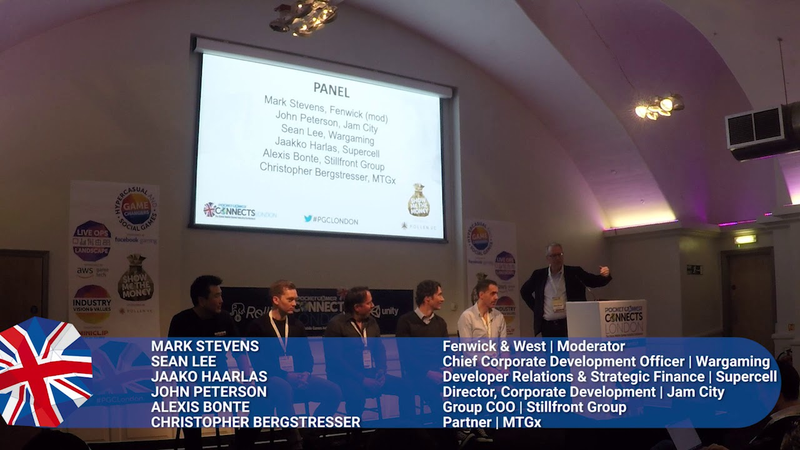
Panel: Better Together: The Consolidation & M/A Panel
Strategic mergers and acquisitions within the gaming industry are increasingly defined by human capital and cultural synergy rather than purely quantitative performance metrics.
- Successful M&A in the gaming industry is increasingly driven by cultural synergy and shared long-term vision rather than purely quantitative financial metrics.
- Acquirers prioritize the purchase of autonomous, early-stage studios over established entities to ensure better cultural alignment and creative momentum.
- Direct, personal engagement is preferred over competitive auction environments to preserve founder autonomy and avoid the pitfalls of traditional investment banking structures.
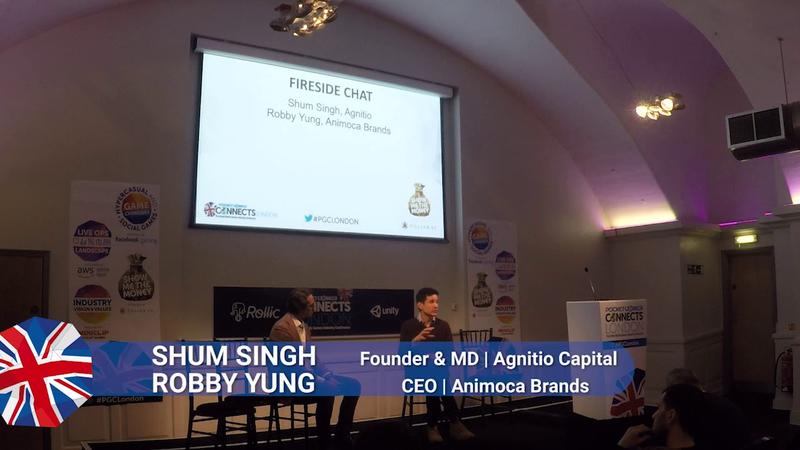
Fireside Chat: Animoca Brands: Diversifying Your Business Through M&A
Animoca Brands utilizes a strategic approach to mergers and acquisitions (M&A) to diversify its business model and facilitate growth within the mobile and blockchain gaming sectors.
- Animoca Brands executes a targeted M&A strategy by acquiring small-to-medium independent studios with 6 to 30 employees to diversify into mid-core and blockchain gaming.
- The company caps individual acquisitions at approximately $10 million, focusing on a niche segment often ignored by larger multi-billion-dollar corporations.
- Acquired studios retain operational autonomy while receiving centralized support for administrative functions including legal, HR, finance, and user acquisition.
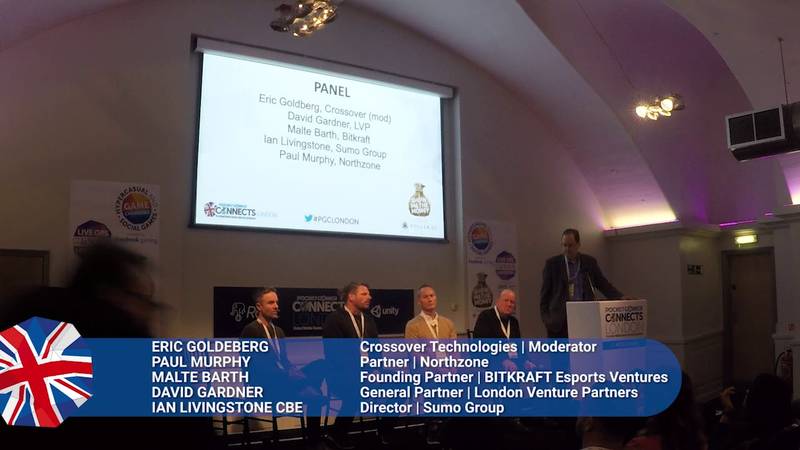
Panel: VC in Games
Venture capital investment in the gaming sector is currently defined by a rigorous focus on scalable business models and leadership capability rather than individual creative concepts.
- Venture capital investment in gaming is currently prioritizing scalable business models and leadership capability over individual creative concepts, with a target of achieving 10x returns.
- The primary investment sweet spot for gaming firms currently sits in funding rounds ranging from $1 million to $7 million.
- Investors are shifting their focus away from content-heavy studio models toward platform technologies, cloud-based infrastructure, and data-driven monetization tools.
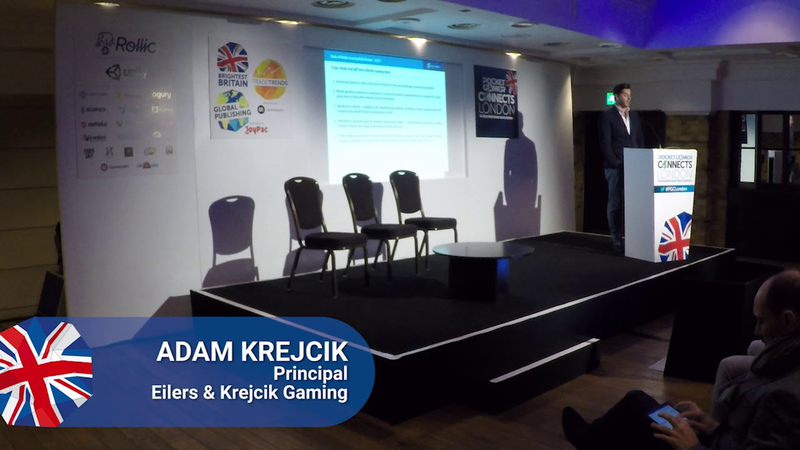
State of the Mobile Gaming M&A Market
The mobile gaming mergers and acquisitions (M&A) market remains robust and vibrant, characterized by a steady stream of strategic acquisitions rather than singular, transformative mega-deals.
- The mobile gaming market experienced a 34% compound annual growth rate between 2013 and 2019, reaching $68.5 billion in global revenue by 2019.
- M&A activity is characterized by frequent horizontal acquisitions in the $100 million to $500 million range, led by major players such as Playtika, Zynga, AppLovin, and Tencent.
- Valuation metrics for mobile gaming acquisitions are typically set at 2.5 times gross sales or 8.8 to 10.5 times EBITDA, depending on earn-out structures.
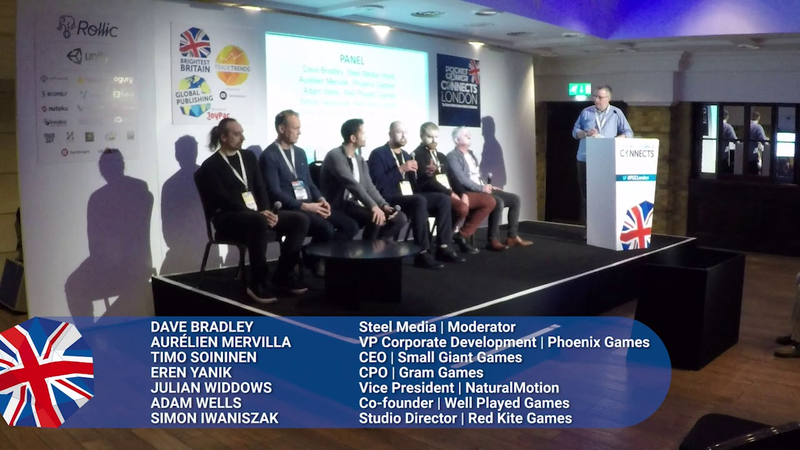
Panel: Integrating an Acquisition into Your Business
Successful business integration in the gaming industry hinges on a strategic balance between maintaining creative autonomy and leveraging the operational advantages of a larger parent organization.
- Successful acquisitions function best as a federation of independent studios that preserve creative autonomy while operating under a unified parent vision.
- Integration success relies on prioritizing long-term cultural alignment and growth over short-term financial exits.
- Acquirers provide critical value by supplying shared operational infrastructure and specialized expertise in data science and product management.
Embracer Group Acquires Saber Interactive: Investor Presentation
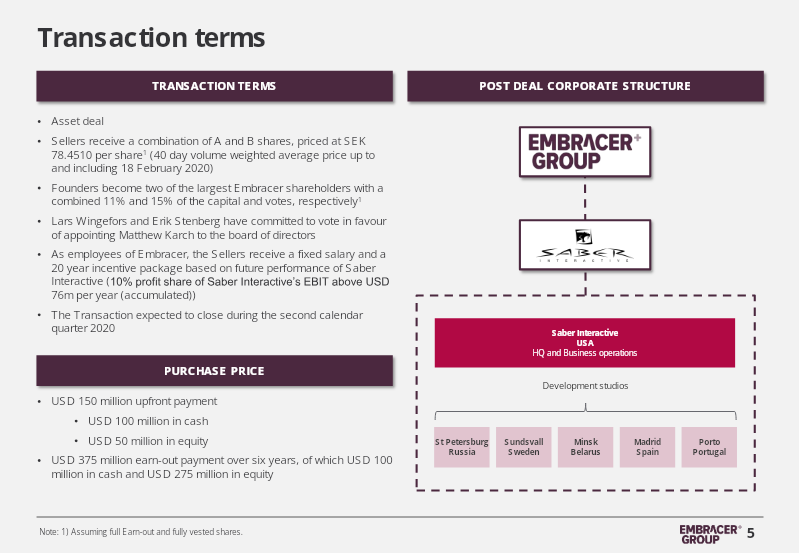
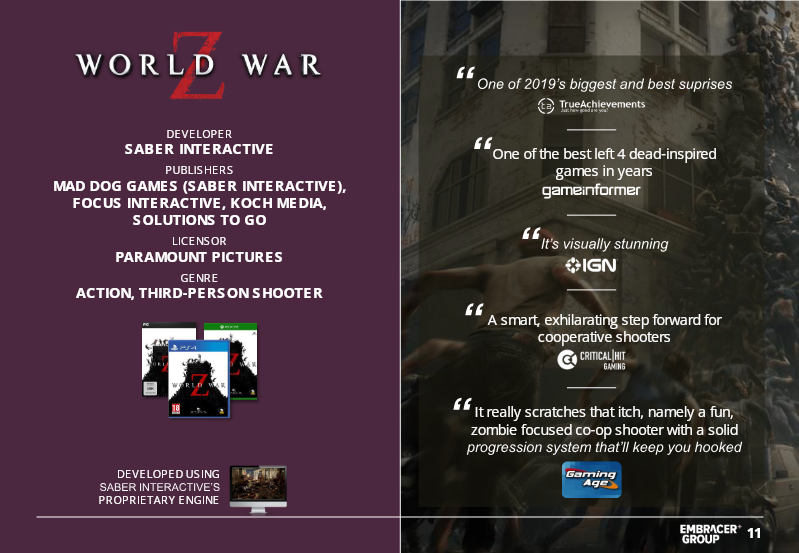
Embracer Group’s acquisition of Saber Interactive, announced in February 2020, serves to expand the parent company’s global development capabilities and intellectual property portfolio.
- Embracer Group acquired Saber Interactive for a total purchase price of $525 million, consisting of $150 million upfront and a $375 million earn-out structure over six years.
- Saber Interactive reported strong 2019 financial performance with $105 million in revenue and $62 million in EBIT.
- The acquisition adds 600 developers, 163 intellectual properties, and 31 internal studios to the Embracer Group portfolio.