1 free read left. Create a free account for unlimited reading + AI research.
Create free account
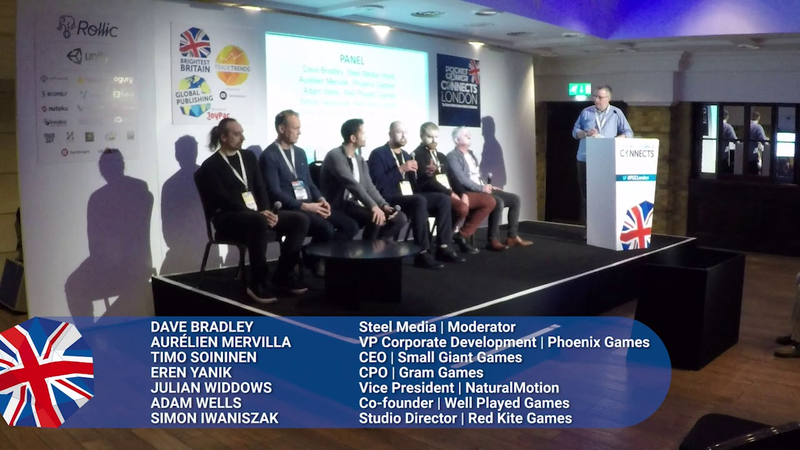
Panel: Integrating an Acquisition into Your Business
Key insights
6 takeaways- 01Post-acquisition friction is minimized when studios retain their existing management structures and maintain transparent, ongoing communication with the parent company.
- 02Integration success relies on prioritizing long-term cultural alignment and growth over short-term financial exits.
- 03Successful acquisitions function best as a federation of independent studios that preserve creative autonomy while operating under a unified parent vision.
- 04Acquirers provide critical value by supplying shared operational infrastructure and specialized expertise in data science and product management.
- 05Aligning incentives between the parent organization and the acquired team is essential to ensure the partnership acts as a catalyst for innovation rather than a creative disruption.
- 06Studios must maintain rigorous financial records and operational discipline from inception to ensure valuations are grounded in robust, data-backed models.
Ask AI about this video
Transcript
[Music] we've got a great panel band left panel here which I'll introduce in a moment please come on guys come on up we've got so she should have cease there should be six we've got it's a big old panel out of here there's one of the end there yeah great so this is the acquisition panel that's about how to integrate an acquisition into a into your company the game's business is after all a business and it thrives on the acquisition of smaller companies by bigger ones purpose of this panel is to to look at how that works or perhaps how it should work everyone here has direct experience on one side of the fence or other I'll let the panelists introduce themselves in a
moment but it's a great lineup and our panelists have seen it from both sides Phoenix games recently announced the acquisition of a promotion software and it's games division 16 tons and they last year acquired well played games who are also on our panel red card games was acquired by sumo digital and our other panelists are now part of Zynga famously part of Zynga which we'll come to and ultimately we want you guys to gain some insight into what that means for those companies and how about process occurred so we've got 40 minutes I've got lots to get through we won't get through it all so let's start I started out around here can you guys introduce yourself please you name in your role and maybe just give us a just for just a sentence of an it some insight into what brings you to this panel so what's what's your experience of acquisition there's a much hi everyone hello yeah so I'm Simon of Anna sack I'm the co-director red kite
games the reason why I'm on this panel is we were recently acquired by sumo digital back in the 1st of February 2019 so it's actually just coming up to our year 1 anniversary so not about time - where do this talk thank you Adam so I'm Adam from well played games and we've actually got a very similar story we were acquired about 12 months ago by Phoenix games we're a company we've been going about three years and we required two years into into our startup basically great thank you my name's Julian widow's I'm a vice president in natural motion here in London the reason I'm on this panel is back in 2005 our first company swordfish was acquired by Vivendi we were then divested in a right to codemasters and that's become the Codemasters for me to one studio and then most recently I joined Zynga on a promotion rather very soon after the acquisition by Zynga to grow studio that itself started out with a small acquisition of four people from
a studio called super mono thank you an anemic and chief product officer at Graham games and the reason I'm on this panel is we were acquired by Zynga about a year in Africa hi yeah I'm Timo from small giant games out of Helsinki we also could acquired about a year ago by Zynga so happy to share some experiences from Phoenix games so my role as a VP corporate development at Phoenix is to find companies evaluate them and buy them mainly free-to-play studios so that's why I'm on the panel today fantastic thanks guys so you can see we've got a wealth of experience here of different types of companies that have been through this process so let's break it down I want to dive into talking about the first steps there kind of how and the why of acquisitions and bring in a company a smaller company into a bigger one so tell you what I'm gonna go to you first earlier to talk
about Phoenix games what qualities are you looking for in a developer that you want to acquire so I guess the answer would be the same from a company like Zynga but they had different priorities and different ranch but there is a big four so we're looking at the team we're looking at products we're looking at the financial and we're looking at the culture for us at Phoenix we're looking at the team first even if we do 100% acquisition we want to keep the funder onboard for a few years so it's the specificity of what we're doing but for us a funder are the most important parts because they have the vision of the Companions I know how to grow that company for you so yes to come so we want them to stick with us right now that's interesting and we'll come back to that point later on I think you're you're bringing a lot and the other representatives here you've all been acquired by by other companies unless you have a comment on what already and said I've got a question specifically for you guys so what should
a developer keep in mind when discussing being acquired with a company like Phoenix games so let's start out to start the end that you want to were leaping their team oh and maybe give us your insight into that yeah I think the most important thing is that be very clear about what you want to happen to your company so I think you know that and sometimes it sounds strange but a lot of a lot of times people don't have a clear vision of that and I think being clear about that it's super important then the other thing is obviously you know if you want to get bought and then you know maybe very clear about your sort of positioning your strategy that how what potential gap that could fill in the in the acquiring company's portfolio so that you you fit in like a golf there I think and and then of course having a very clear sort of business metrics that you can actually prove that that this can actually be sustainable so that you can create more value okay yes please it may be a crucial thing is not to manage proxies
so the if the if the end goal is being acquired exiting that generally reduces the optimal decision making all right that so as long as you target for sustainable long term profitability you will continue to be an attractive company be it for investing means for acquire being for even in your hiring practices so at least for us it was always a long-term goal of sustainable growth and profitability nothing different from what you would do as a smaller company as well yeah I mean I think Seema touched on a little bit certainly when I've been through this the key thing to discuss up front and to understand is what is unique and special about the culture of the business that you're in and how that fits into compliments or needs to be respected by the businesses acquiring where I've seen friction exists is where there's a cultural mismatch there wasn't discuss pre-acquisition
that then starts to manifest itself through a behavior post acquisition and I think understanding that and knowing where bridges need to be built and what integration will look like is critical to success post acquisition we're naturally pressure starts to increase as the acquiring business wants to see results whether that's in a title that's in dev or one that's already live now let's practice interesting I'm we'll come back to that point I think about character later on yes so yeah and you want to go for your insight there yeah I think for us the most important thing when we were looking at said getting acquired is understanding the story certainly of the parent company Phoenix games in this in this instance for us it was about the relationships and understanding what their strategy is and kind of why they exist and how that fits with us as a company for us for two years we we always say in our first year we were sort of drowning in our second year we were overworked and then our third year where we've been acquired we we feel like we've been lifted and we have the confidence now to sort of push ahead and grow okay that's interesting and yeah so well being at the end of the
line I don't want to just repeat what everybody said concerns or there's a lot of similarities there but and furet kai it was when we were acquired by sumo digital we'd been working with them for quite a long time we're talking four or five years at this point so we knew each other inside out from a dev point of view and also just them how we worked and how we would work together going forward so that was really nice because that really wasn't much of a topic of conversation Joe and our acquisition talks it was very much about well you know tell us tell us what is what makes red kite red Kai and let's look at building that up and making sure that we respect your brand and your culture and help you kind of maintain that and drive that forward and you know what's it about your team that makes it and different and complementary to and sumo digital as a partner so it kind of echoes what everybody's saying here early and I do think they're very key important aspects no that's cool and in fact um I there are questions I want to ask to either learn about about the deal
and about kpi's and things but since you've all kind of mentioned the need to integrating the company and be aware of and the culture in the relationship with the with the with a bigger company let's go there first and so this let's let's go back and get back to you then cinchy ways that there as well does an acquisition inevitably change the culture of a the character of the company of either company and should it change the culture what's your experience there for me I think it's a about you know working together on that because at the end of the day there are going to be positives of any acquisition and you shouldn't just dismiss everything because part of it is you know the partner is going to bring a lot of good things to the table so I think it's about setting out you start early on of and what's important to you the kind of areas you in what your business strategy is for growing the company or whatever you might want to do going forward I'm just making sure that that they're aligned really I think that you
know you shouldn't just dismiss things because there's lots of good things that can be brought to the table as part of it as well and you know it inevitably you know you are going to be getting involved are being acquired because you know you're going to have either personal goals or strategic goals as a team and it is about working together to achieve those if that isn't aligned from day one then he probably wouldn't be a good decisions doesn't want to chip in on that what was what just generally anyone who wants to take it what was your experience like over yeah in that yeah for us I think you know I think the clear answer is that you know it thinks that really shouldn't change in my opinion because you know creative it's a sort of flourishes in in very different shapes and forms that if you try to force people to wear the same hoodie you know is it's gonna go all go horribly wrong so I think you know the if you look at the three of us in a part of the thing we have very different companies different Studios we have our own cultures ways of working but I think you
know the the synergies should only come from in terms of learning because you know you know there are things that other people will do better than you and you said need to have big ears and sort of and listen to what they have to say an exchange of ideas and then of course you know leveraging you know pretty obvious stuffs like you know purchasing power of a bigger group which is really like Monday it has nothing to do with game development those really obvious things but I think you know this maintaining I'd like some somebody use the word nation states within an umbrella it's actually a really good analogy in my opinion so that's at least we'll be trying to do and nothing really changed for us since the acquisition which is great right I think the only it also depends on the acquirers strategic goal right so for example if they think that certain things are not done being done well enough and that's why they'd like to acquire cut costs increased profitability and they acquire cheaper than the market price it's a certain thing that the approach for them will be very direct on the other hand if they
acquire company because of the potential growth opportunity the profitability then they shouldn't then they should not want to change anything and beat it let the culture be as it is and only on operational level like legal accounting security physical IT whatever those are the areas where I think you're bound by the wider group and those are I think the the type of stuff that you can't really run away from yeah cheering go for it yeah yeah I mean I mean I totally agree the when we required in 2005 one of the things we looked at very carefully as the behavior of the company that we were required by two studios had purchased before and that was a really good indicator of what we could expect and that was to respect the autonomy independence and culture of our business which was very well formed and very regional specifically regional to the UK at the time when I joined natural motion we were in a slightly different position actually because natural motion had recently been acquired but as I said the
studio that formed the heart of the nm racing business in London we're starting from a nucleus of people who'd been part of a very small India before that and so the all sorts of cultural dynamics going on there as we scaled the studio from four people in 2013 all the way to where it is today which is a really large entity actually within the nm straight Zynga business and that didn't able us to do a few things that are quite interesting and unique which is start to inherit elements of the I guess operational culture that we thought Zynga Excel that particular on the product side natural motion had an incredibly good day for an analytics organize a but culturally product management was somewhat underdeveloped within the business and enabled us to learn and integrate people from North America into our company so that we could learn from them and that's been a trend that's carried on we're generally speaking we have product managers from Zynga working with us or actually within our team and has been true for what six years now right so I think if you're really careful about what you're aiming to achieve you can look for those synergies I think both Aaron and team I mentioned that right right did you want to chip in
yeah I guess one thing that we noticed cause I think internally you want your company your culture to stay the same one thing that definitely changed for us that I think was beyond our control was the perception from people outside okay our story was always the the plucky startup you know we were poor with scrabbling around for work and suddenly you get acquired and that story changes she obviously can't talk too much about the acquisition but people make a lot of assumptions they they assume that beers are on you now oh absolutely you've just got to be careful about those yeah whose external perceptions okay interesting well we'll come back to some some changes but I think inevitably one of the things that changes is that you're now reporting to somebody else early and of someone who isn't it acquire of other businesses how do you go about setting your expectations for the companies that you require and communicating it to teams that are used to managing themselves so I think I will talk about Phoenix specifically but he really depends of the culture of the
buyer so we have example in the video game industry of big group buying companies they want to incorporate everything so Electronic Arts is a very good example on it's not a very positive one from the developer perception I think Phoenix is kind of the opposite we have a preservation culture so basically what we're trying to to do it's very difficult to do it's to not change the culture of the company we are buying so we let the management manage and we don't change anything we don't change a project we don't have like an agenda setting out you should do that game on we encourage the culture to stay the same not to integrate the way we're working that side of course something are changing inevitably on its mainly on the financial side because we're putting more resources in the company we're buying and we expect a return on investment at some point so that's why I think it's very very different from a buyer to another in our
case basically when we buy a company we know what the project in the pipeline are and if we buy the company it's because we are interested to move forward with this project and we also know the financials so we're buying companies that are profitable or close to profitability and we know that with the scale of what we're bringing they're going to move to profitability and exactly what aaron was saying is you know if if you're building a sustainable business with a gross the buyer will be happy with it of course you will try to optimize everything but the idea is really to keep going so now that's great now you actually you mentioned it there and a couple of other guises as well of course being part of a bigger company has some obvious benefits and we can talk about those the financial injection for sure but just before we move on let's just spend a minute does anyone fork up for people in the and the audience who may be in this position does anyone want to say any pitfalls what should a developer be aware of what can what can go wrong is there anything that that you think that
a negative aspect that a developer should just be mindful of who might be going through this yes go for it yes so we were in a fortunate position that we had we we had like multiple buyers and we actually got cut to choose the one we want to work with and I think what was really interesting we had a pretty clear vision as what we wanted to do and you know let's say that with some of the Asian buyers that we said we had liked in a significantly more cash on the table and they said you know they were why don't you take our cast because it's more than the other guys are offering we said no no we don't want cash now because we we don't want to leave our home we want to continue the build games and reap the benefits of the future and and in the icing guys Asian guys they really didn't understand that that you know you know we don't understand we said look we want to stay and over here for years and build and reap the future value and we want to have you know have a kind of partnership with the new owner that this is the deal and and I think it's the so understanding sort of the expectations that what is it that the acquire really wants from you
and what is your role in the portfolio because you know I've I've seen and heard horror stories where you actually sell your company and you know emptiness fills your mind that you know you are you know you're no longer have role and they they will actually change people in the teams and they will take over and then it's got like literally game over and and we really wanted to avoid that so that's why we were super happy to find zing and and we find this like partnership model that you know we we are here for the long haul and we have the one other thing is super important think about the incentives structures going forward because you we were entrepreneurial team we still are we we still own you know twenty percent of the company and we have mechanics that we we can actually continuous entrepreneurs for the years to come and and I that made us to make that choice all right thank you Simon did you want to chip in there yeah I think a bit of advice that I would give is just assume it's not going to happen always just continue with your business don't put anything on hold or you know make any assumptions he's it's a really hard thing to do because you're constantly
second-guessing yourself going well if this ends up happening then well this is gonna change and this is going to change but realistically all you can do is control what you can control and you know as those meetings are happening you know generally you know acquisitions the they can be quick I think depending on the reason for the acquisition we've talked about companies that may be being acquired because they struggle in but certainly from red kites point of view we were a very successful growing profitable company so those discussions take a lot more time in my opinion certainly from my experience but you just need to carry on with your business and your strategy and everything and even though you out having these talks so you know don't slow down don't take you far off the pedal because ultimately you know it could fall away is that does anyone else want to chip in on that point sure there's only one thing actually and again it's kind of cakes it to a really old story 15 I'd years ago now we'd actually work with our acquirer for two years by the time we were required they knew us inside out they
knew what we were good at they knew where we were materially deficient and they were willing to be the foil for that actually bringing in some really important large company experiences and operations actually particular technical operations that enabled us to grow really quickly as a business and actually as developers ourselves and so there was just by default and honesty between us and the business that was acquiring and I don't take away from the people who do have to sell you know in a fire sale basically because they're looking for employment for their talent but outside of that range if you're able to be honest with the acquirer and it's t-mose been able to do select a partner who understands what you are and what your aspirations are it'll make the life post acquisition so much easy because at the end of the day we all get out of bed to enjoy the work that we do and it's a pretty horrible experience when you're misaligned with the company that you're working for right right right but it feels like a hostile takeover or something and it's not quite right I'm gonna skip ahead I'm going to leave some some time at the end for people to ask very specific questions but I think picking up a point you made there about
how to make that the the acquisition process smooth let's let's dive ahead into that and just ask ask all of you what what are the best practices for a smooth acquisition process what lessons have you learned that were just that are essential for making that work so I'm wanna dive in there or yeah I think for red Chi and certainly from myself as the managing director of red kite was that I was always very much on top of not just running a games company but realizing that was running a business and that that needed to be nice and neat and tidy and everything made sense and that you understood the finances and that the structure was right and I mean interestingly four rules was I was doing that but I wasn't consciously doing it because I wanted or thought right we're preparing ourselves to be acquired our celery I actually came as a surprise and a bit out of the blue for us I think that was because we were a good business we were doing good work we were profitable we were starting to get recognition and both in the UK and
abroad as well with with the various projects were on and it just kind of came I think there was almost a critical mass so as then I actually thought it was a joke because with I think it was it would have been early 2018 and all of a sudden within the space of three weeks for different companies came to talks was about being acquired and I was like where the hell is this called from especially since we weren't looking to be bought so I think in in some ways like that is providing that when you know you're running a good successful business you'll probably find that and when the acquisition talks come is the that is very helpful but I think as well realizing that you aren't just making games is you know obviously that's such a key part but you know you are running a business as well and ultimately that in when come to do due diligence of selling a company is just as important as the products and the work that you've done right right right actually can we just go down there I know that people want to chip in but I
just want to bring Aaron in here because Graham was acquired by Zynga what did you learn about best practices from that experience I think it's very crucial to the alignment of incentives is very crucial especially if you're looking to be acquired as a company that has more growth and profitability prospects into the future so it's a bit like games business at the heart of it is a bit like Pharma business from the financial perspective right you spend a lot of time on rnd time and money on R&D and you don't know what's going to come out and once you're shooting for a instead of a B might come out of the process so it's the creative process so the only thing that that you should make sure well not the only thing but what work or thing you should make sure of is that your long-term incentives are aligned with the acquirer as being a quiet company as long as that's there all of the other procedures and methods to get to the point should not matter like because you should know at heart of it that you're both looking and working towards the same outcome that's beneficial for everyone yeah great does
anyone else have an observation on this yeah yeah just say for us as a start-up company we knew on day one that ultimately we wanted to sell eventually so everything we did was set up for that our articles of association our shareholders agreement really attention to detail at the start helped with a sale in the future having good lawyers I think we actually left a lawyer's a bit too late we could have had a much earlier I ended up actually setting up our data room which was part of the acquisition which was a lot of work that I underestimated which actually helped me in the in the long run to actually understand the sale but made it very difficult at the time a lawyer could have done that much quicker and easier but yeah definitely I'd say attention to detail at the start right there's some things when you set up a company you can go we'll worry about that later we'll worry about that later but no you should really think about it at the stop oh sorry yeah maybe one comment so I think when when you sort of
in a way are getting married with someone you know it's a similar building a relationship that you actually get to know the you know the other party and start building that trust so I think you know from a company's perspective that you basically showcase your you know you know what what's in the roadmap and you know during the process you actually do deliver against that of course sometimes things may not go as you plan but the you know that you are being a systematic company that you actually plan ahead and you actually deliver against those or you know really good explanations why things didn't go as they plans and the other way around as well that you get to you really need to learn and get to know the key decision-makers in a potential acquire so that you build that relationship that are they are there for real are they full of and so and that that is super important because it's a long longer journey after that actually well you've got the mike team I'll go to you first with my next question what impact did being acquired by Zynga have on your game development
and your company growth can you can you kind of point examples of that or yeah you know that yeah it's the for us we've continued to be really independent you need as these guys on my on my left as well so you know from nothing really changed in terms of the actual procedure of developing games but I think we've got a lot of leverage on sort of areas that has helped us but not interfere and you know areas like getting like super smart data scientists to jump ship and help us to you know figure out and solve some complex problems you know then squeezing is a margins with the networks in terms of advertising buying and and things like that so those are the real real big benefits because you know and the deal was that you know you know we have to solve our problems we have to run our business and and deliver the growth and and you know and and I think very important part of the you know the decision-making equation was that we were considering at some point perhaps you know going public but you know who wants to be a you know CEO of a public
games company I certainly didn't want to do that so now we have now really good people are seeing and taking care of that anyone else please chip in what what impact can you give any examples or see anything concrete that was an impact on your game development or the growth of your company after being a being a quiet I think we're similar to Tim oh it was mostly the impact we had was mostly positive and possibly reactive rather than proactive right so whenever we ran into certain questions on our own we had people to discuss it with previously we had to rely on conferences or personal networks or other places to actually get in touch with other people and now you have people who've been in this for longer time period than us and if needed they could send in the resources to people to work with us so so far it's been swim very positive as well cool other people's experience is similar all pretty similar yeah it's still fairly early days because we've see any I guess 11 months into our acquisition but for us it's all about
confidence I think we always did struggle with confidence it was just worries looking over our shoulder now obviously when we look over our shoulder we got a big sort of parent company that's there to back us and help us grow when we need to actually grow without being completely dependent on that sort of painful project right right oh yes I'm good yeah I think for us you know from a day-to-day perspective things haven't changed still you know what again was important was having that independence still having control over who we work with and how we work but the great thing you know of recti having its own partners and people that we work with is that we also now have the the might of sumo digital behind us which you know is a great thing to always have in the locker no matter what and I mean I think that we're looking in that respect in the in some ways we can still be read Kai and
known for what we're very good at and a little bit boutique e in a way but that money also suits us we can have the the force of the sumo digital machine behind us which M unlocks different doors and opportunities for us as well so it's a it's a really good place to be and I guess our our main change was the the encouragement from sumo for us to move from our premises in Huddersfield to Leeds and the growth of the studio that we're now wanted to do but again very much supportive in a way of the everything being on our terms at our pace and and things like that so it's a really kind of positive thing that's good you look like you're about to mentioned earlier actually about the I mean I guess the months post acquisition and how we started to understand Zynga's product culture which we're going back seven years now was I think one of the best developed product cultures in any of the mobile space for sure in the free
space base rather because they were coming from that PC web background and actually when we started to integrate into the business is a very small team at the time what we saw is not only people understand understood how to run free-to-play games at scales live operations but with less mobile experience but people who actually understood how to take games and take them on a journey to become events harnesses and really think about our racing business it is something pretty special in that regard in that it is an event harness what we do is we serve as amazing aspirational car events to our players that are regularly turning around in some cases every day but every week delivering this amazing content and at the time that was really pretty much unknown in the industry and so I suppose approaching with some curiosity about what the business can offer you enabled us certainly to scale the live operation significantly when we launched it back in 2016 in a way that I don't think would have been possible pretty sure wouldn't have been possible without their help right right right so scale absolutely and I thank you I am gonna just quickly ask you a question
early and from the point of view of Phoenix everyone seems very positive about their own company culture persists after the purchase so how do you as a representative of a bigger company that how do you maintain a kind of culture of what Phoenix games is when your company is made up of lots of smaller companies I think in our case Phoenix is a you know it's a very small company in the end Phoenix itself is fifteen people so we are really focusing just on buying companies not building cultures so we are our own stuff because you know every company has a small culture but it's not something very important for us it's really you know we're learning each time we are acquiring a company and I think we adapt with that you know our publishing entity is a bit bigger but same I mean we did a lot of third-party publishing in the past before moving to the business of acquiring company with a party publishing you're leaning to you know listen on adapt to every culture of
every company so that experience is coming from there yeah I think you know after that it's more about people it's like we have we have a very specific structure in the sense of our CEO it's you know own the company you need to provide all company not like Zynga that is a public company so it's easier to translate you know our way of thinking and our way of working because it's you know no ration ship between one or two people gotcha that's good so what I want to do we've got a few minutes left I want to give some questions time for questions from the audience oh do be thinking of how you want to pick the brains of these these guys but well while we do that just to get this going I'm gonna end here myself with with the quick fire round let's dispel a few myths okay I'm gonna throw out some statements and you can tell me how wrong I am okay and anyone can leap in okay so here's a here's a statement the first thing that happens in an acquisition is that a load of staff get laid off true or false false
any any particular concrete examples or we've we've not lost a single person yeah that's good enough for me it's good okay for everyone same experience yep good ok next segment a CEO or business owner who sells their company he's really just looking for an exit and they're gonna quit the company as soon as they're out of their obligation period so true false so just to give more information on that all the company we're discussing with the CEO and the management are never after the money on living they want to grow their companies right so it takes a lot of different ways to do that and you know sometimes after a few years I will live but in the end I want to grow their companies right right and it's not the same everyone agrees with that experience we're pretty unanimous that's the case I don't yep good ok next question then acquisition is the only way for a big company to grow bigger so a big publishing company
it's the only way to grow bigger is to require fourth ok and you agree on that is that it's probably the fastest but ok it's rather fast this but not the year ok not the only way good ok next statement and maybe you can you can tell me how wrong I am in it so all the column the consolidation all the consolidation in the games market is makes it harder for there to be real innovation purchases and emerges and acquisitions are bad for innovation in the games market am I right or wrong Oh pulse pulse yeah you all there ok so everything I've said is wrong so far which is good I'm pleased to hear I was hoping I was wrong with all of those things thank you so we've got a few minutes left in fact I believe lunch is being served in five minutes time so before we all head out for that do I have any questions from the audience we've got some people here with some great experience yes please do you have a mic there that maybe we can if not would grab one from the stage perhaps but Sara sperm like we've got a quick sear thank you very much sorry the lights right in my eyes but I can't see you there the gentleman in the Hat there thank you
hello again so the topic of marriage was mentioned a little bit earlier on I think it was Timo it led me to wonder about cultural honeymoons because there is a certain amount of romance that might be associated with an acquisition so I wonder as you progress out of the honeymoon period what are the most effective tools you can use in order to maintain healthy relationships both from the direction of the buyer and from the talent up downwards yeah that's a good question so I think again sort of using the the proxy of a normal relationship you know talk to each other and so so so basically having a sort of regular communications which is not just because you know I wouldn't even use too warm you know reporting reporting is Monday but you know it's over having a conversations you know have been building a relationship building again that trust that you know how things that if there are no surprises that you you talk about things openly I think that's that's the only way to avoid those
problems which you which you are referring to anyone else sorry if I could just close with one more remark this isn't to do with the marriage I wonder if there's a little bit of selection bias in this room in that we spoke about founders being adamant that they'd remain within the company after you know they're there they're there golden handcuffs removed I know I could certainly come up with the name of a company in which the founders were the door as fast as they could be I think that's a fair comment but at the end of the day is going to be different for different companies and different objectives and people's personal reasons for it you know actually say we can only speak for our companies and our minds on that but I'm sure that the that is very true just to add on that I mean I sold my company a few years ago and I left on the company still growing so it the goal was to let the company grow as the best as possible on you know as a CEO I was
thinking that yeah I think it's better if someone else is taking care of the company so it's really depend on the goal but the goal is to always to see the company growing in a way even if you're not involved anymore I think we've got a couple of questions I think we can probably take them we're technically out of time but you know I think we built in some time for questions so while you're there can we take that question there then we'll come to you next to that thank you thank you hi gents I'm hoping you can share some either glorious success stories or absolute nightmares of how you bring all of your staff along because when you're the managing director or the CEO of a company being acquired you're in the room where it happens you have all the inside info but out on the dev floor if people don't know or do know by reputation the company that's acquiring you they will start making stories up in their head and that plays out in culture and how things go in an ongoing way so if you have any tactic specifics I'd love to
hear that one in Graham we have two offices one in Istanbul one in London the first room where that came on after we got acquired was that we're gonna close down this humble office right and just live with London which we addressed directly by as Timo said talking to our staff but a crucial thing we also did was because before the acquisition as people are part of a start-up and in our case it's a four year old five year old startup the type of people you attract before the acquisition are very different from the type of people we attract after the acquisition right before you get people who have incentives who have these dreams of maybe the tale scenario where there will be a big something at the end of the rainbow whereas after you get people who are looking for that stability that longer-term brand and so I don't think we did was aligned people's incentives with ours and also company's incentives so to also have the longer term in order
to retain the people we actually had a some sort of a share and our in our case in our scenario to align and we had that with everybody who were with us together so everybody has gotten some sort of shares that were not the direct payout but a longer-term three years four years five years period that were there for so that they would also retain and work for the long-term sustainability and profit maximization just like the rest of us yeah I think for us and for myself personally when I had to go through that experience was I already had a very good strong feeling I had you know a good relationship with the team and everybody so I already felt very very confident that this was going to go well this convers and that they had the trust in me that I was making the right decision not only for the company but for everybody in it as well now I think that's something that is built just over time and either you have that or you don't so you either going to have a nice conversation or potentially a more rocky
conversation so I think there's a little bit of just you know the history of the company and things like that where it's gonna go one way or the other and I think a lot of that does come down to trust in the relationship that you have as the as the managing director I think something you can do which kind of links into the previous comments was you know most companies have shareholders in it they're gonna be the ones that know first before say the rest of the team do use that as a very good opportunity to really talk them through engage well what does everybody think about this you know there's still at least a handful of people generally that you can talk to about these things and before then talking to the wider team and so I think you can you know if that is something that's at your disposal use it as much as possible because if you've 100 percent certain that all your shareholders are on board and that there's nobody that's grumbling at all that message is gonna then translate out when you need those people champion to
championing the the overall decision for the company as well who so let's just take one final question here can you bring the mic down please for this gentleman here then we'll make that the last question because I know everyone wants to get their their lunch of course I shouldn't say as well that if you want to catch up and ask questions perhaps don't want to put your hand up in the room then maybe grab these guys out on the the show floor later everyone's in pitch and match I think and there'll be the party tonight of course please yes I go for it yeah how did you agree the valuation of your business at the point of acquisition and what information or advice did you have to see that that valuation number was about right yeah that's it that's it there's a great question it's the trickiest you know part of the negotiation of course having a really good bankers that will help you they are actually good bankers out there even honest was I think but yeah but I because it's about you know who knows about the future but you know I think if if you have a very solid mathematical model of your business that you know you
can you can demonstrate that you know what the LTVs are what what's your return on adspend payback times and how you can scale what's the you know the data model behind that I think that forms a really solid base otherwise it's too much guesswork and it gets really sort of complicated the other aspect of that is that that you know would you as a team if you're really confident about the future and you you don't wanna you don't want to get everything right now so like in our case we had a start valuation of 700 million and and then we have an uncapped turnout structure over the next few years that you know it's really up to us how we deliver so I think that created a lot of sort of a you know when like you coming back to your point that you know win-win situation that we have a common goal with the with the new owner and partner so but it's tricky and and we've be sort of validated those numbers with you know you know with other people we had not a number of you know other folks at the table and it sort of calibrated with that so it seems to be reasonable number some people were offering a little bit more somebody less
but it's also the other stuff in in the agreement it's not just evaluation but you know what's sort of how do you build that equation around around that so that's somebody else think I think something just to quickly say on that as well is just remember that it's in nobody's interest to trip somebody up or trick somebody in this kind of a situation because if you're genuinely going to work with these people further down the line it has to be all so much win-win so really you know from certainly my point of view there was an element of leaving the lawyers and the accountants to do quite a bit of that stuff because ultimately you trust your side they trust their side the valuation you know it's either gonna match on both sides so that there can be a happy kind of you know marriage made or it's not gonna work out but you certainly in nobody's interest so trying you know do an offer on the other person when you're hoping to have you know a relationship that keeps going forward and forward and forward because it's just never going to work if that's the case I think there's
a little if again it is just an element of trust I'm gonna leave it there I wish I could have time to get more comments from everyone here but we're well past one o'clock so I am Timo Aaron Julian Adam Simon I've been Dave Bradley from Pocket Gamer round of applause theme for my great panel [Applause] you [Music]
Summary
Successful business integration in the gaming industry hinges on a strategic balance between maintaining creative autonomy and leveraging the operational advantages of a larger parent organization. Rather than viewing acquisitions as a threat to innovation or staff retention, industry leaders argue that these partnerships function best when structured as a federation of independent studios operating under a unified vision. By prioritizing cultural alignment and long-term growth over short-term financial exits, developers can secure the resources necessary to scale their operations without compromising the unique identity that drove their initial success.
The most effective integrations rely on a foundation of transparent communication and mutual trust established well before a deal is finalized. Acquirers provide significant value by offering access to specialized expertise in data science, product management, and shared operational infrastructure, which allows studios to focus on core development. To facilitate this transition, developers must maintain rigorous financial records and operational discipline from the company’s inception, ensuring that valuations are grounded in robust data models that reflect the true potential of their projects.
Ultimately, the long-term success of an acquisition depends on the alignment of incentives between the parent company and the acquired team. When studios retain their management structures and creative independence, they are better positioned to thrive within a larger corporate umbrella. By fostering an environment of ongoing dialogue and shared commitment, both parties can mitigate post-acquisition friction and ensure that the partnership serves as a catalyst for sustained innovation rather than a disruption to the creative process.













Comments