1 free read left. Create a free account for unlimited reading + AI research.
Create free account
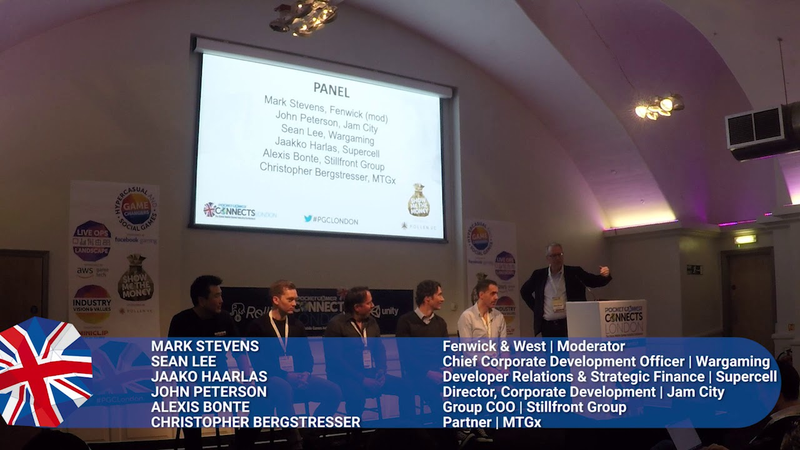
Panel: Better Together: The Consolidation & M/A Panel
Key insights
7 takeaways- 01Successful M&A in the gaming industry is increasingly driven by cultural synergy and shared long-term vision rather than purely quantitative financial metrics.
- 02Acquirers prioritize the purchase of autonomous, early-stage studios over established entities to ensure better cultural alignment and creative momentum.
- 03Strategic value is now derived from the ability to integrate diverse, globally dispersed teams into a cohesive, resource-sharing portfolio rather than relying on physical proximity.
- 04Direct, personal engagement is preferred over competitive auction environments to preserve founder autonomy and avoid the pitfalls of traditional investment banking structures.
- 05Firms utilize flexible incentive models, such as significant equity stakes and performance-based earn-outs, to align the long-term interests of the parent organization and the acquired studio.
- 06Due diligence processes remain focused on critical risk factors, specifically geographic regulatory stability and the security of intellectual property rights.
- 07The decentralization of game development and the democratization of production tools have rendered geographic constraints obsolete, allowing companies to source talent globally.
Ask AI about this video
Transcript
[Music] so we've got a great group of Chris purchaser from both token and MTG sponte for still fronting for Jam City [Music] Zoo supercell astronomy working so all active network those respective companies so let's start it out I like to hear from each of
you kind of what role Corp dev and acquisitions plays in the company and so if you could start with the what percentage of your revenues come from wired assets I and should we start with wargaming I looked at the question last thing I think roughly 30 percent plus possibly comes from high positions and what I mean by that is we started off world taste that was internal studio but World of Warplanes were warships old tank blitz and some other titles have been made by studios have required so fairly sizable how about supercell my guess is the answer is gonna be a different yeah I think right now it's still still very small I think probably like one or two percent given that we are I think we're still sort of early early days and on the M&A and investment side and also I think with most of our investments are in very early Lockheed or series a type investments so I think we're still sort of yeah we have a long-term view on it then and hopefully that percentage will become a lot bigger in the future John yeah we are close to
50% right now and what we've done with emanate the opposite of the spectrum I'd say close to 100 percent probably like really okay why are we doing these we do get to do so disheartened and and so on the MTG sided before MTG split it was maybe a 50/50 but since the split it's a hundred percent growth through acquisition and and I'm an advisor on for MTG still but group CIO for totem and interactive there it's a similar model to still front where we're buying autonomous Studios and tucking them under the umbrella so although we still have some legacy business that's in the work for hire ninety percent maybe even
ninety five percent is still through individual company so we've required and that's relevant if you even take the industry pioneers like Electronic Arts other than the sports titles everything was acquired every studio started out through an acquisition then and then grew organically but from an inorganic route so I think it's important to realize that this is core to the strategy of the growth of many companies in the as you're looking for potential targets to bring in I you know what is what is the strategy is it - is it - to get standalone businesses that grow on their own is it to integrate businesses into into yourself you know what what are you looking for when you're looking for targets and or is there are there multiple things that you have that you know kind of art in the target list I'll be happy to start yeah we're we're looking for companies that aim for us
it's really about the team I mean you can look at product you can look at the KPIs of the product and that's great but what really drives that are the teams and we want to find teams that have created a great culture and Colonel II have a strong vision for the future and can continue grow on their own we don't look to integrate the companies we're investing in the culture that they've created and the way they do business as much as the product so so for us we just look for those teams that have that quality to where they can't grow up but also share that knowledge base across the other portfolio companies I think the one nice thing about say even a company like still front is you have all these different companies with different perspectives on the games market and being able to share thoughts and ideas on that I think allows you to innovate it because it's still friend strategy because in a rollup that's a much different approach to to life than if you have an existing studio and you want to tuck somebody into the end of the organization so so I think to
understand so front you need to understand that we're all entrepreneurs and we all co corners are still function it's a very traditional parent society I think I'm not truly impossible to do in the u.s. people the way it really works and what we look for is we do for Studios has been around for a long time and with teams have been doing it for a long time to do through ups and downs but once we kinda don't move it and get the student to join the family what we're looking at is basically a two that's comfortable residual risk scale and very importantly we don't put it in there kind of hit and miss cyber games what you look for is games with long life cycles of people beat or you know players play for years and years and year now and that allows us to have this wire before you enough freedom five games right now live my team just allows you to be a games company which is
usually doesn't go well together that's not a natural combination so so John is a non-public games company what's your perspective on on this yeah so we we look for seasoned teams that have the culture and then in the drive that we have they were looking for I mean teams that have you know failed but a you know we're excited about the new opportunity that they have and if the kpi's meet what we're looking for then then we dig in deeper and we have a tool set number of different tool sets within the company that they can utilize whether it's user acquisition consumer insights machine learning we have a great set of tools if they choose to or not so we're not we're not mandating that they use everything that we have used what they want and it's it's been a it's been a
good good success for us so we've had three answers here that are more on the portfolio side where you're building an aggregation of teams of existing products that are in the market and our and our I have KPIs are profitable yakko that's not what you're looking for yeah again I think what is common with all of us I think we're looking for great teams and teams that are gonna have big potential in the future about yeah we're not tied to the team's having a product in the market already or games that that are generating revenues or profit so I think we can also take a very long-term view that we we see something something in the team that we think can happen can have a big impact at some point and we can take like a very long term horizon five five 10 years if it's not even longer and and you are the teams that we invest in they continue as fully standalone businesses we can do both minority or majority the
teams will have their own culture but we are there sort of in the background supporting them and helping them in any way we can and and one important part of our model is also as Chris and Alex just said that sharing the learnings between all the university companies and also sharing learnings between Austin us and the teams and so I think we feel there's a lot we can also learn from different teams it's not just us sort of spreading our information to them I think it's a slightly different perspective we have a different flavour which is going back to the great teams I think the definition of great teams also depends on what you're what you're needing and looking for so in our case sometimes a great team for us is like many of you guys great teams great idea stand alone they can grow on their own maybe some help and whatnot but also for us sometimes a great team is a team that can fill our gap so maybe they not they're not creating original IP but we have some visions around some products that they can help fulfill take a their own and run with it so just want to add a little bit more color that definition of great
team could be different depending on who you're interacting with so how many of you will take on a unit purchase a company that needs another thirty million dollars of development to reach the market is that are you at all open to that kind of a deal where long lifecycle long development there you know have some promising early a you know early results but but there's a long way from launch is that even even possible in your model well I would say on the MTG side with the that's where they have the investment phone and they've invested into play ventures so they can kind of look for those those bets it's not a big team at MTG so to to actually go out and acquire something like that it just be impossible to manage and even from a toad man we're leaving the legacy studio to organically grow on its own so we're taking the portfolio approach like still
friends so no we wouldn't make a big vent any I would even supercell take on that kind of a long life cycle development at least we haven't done any of those so far so I think we picked very the more sort of mobile development cycles we're in the cycle is shorter and you start getting data from real users earlier on so but yeah of course we still look at investing in a case by case basis so we definitely would would look at them but haven't done any yet I think from our perspective we kind of can and we did really do I mean just very nearby some of you know we acquired a CEO called education out of Guilford UK year ago of course going back there were a great team because they didn't necessarily have an original IP they want to run with but they were a great fit for a product vision that we had and post acquisition that studio is on route to a multi-year 30 40 so not too much 50
million style of a product that we're making a big big bet on by the way we're hiring so so that's why I say kind of and one of the points that that I'm getting to and maybe these questions is that a no matter what a target company might look like just because you have value doesn't mean you're a fit for any particular buyer you know that the the company that is two years away from a product launch might be a fantastic company worth a lot of money but there are buyers for whom you're such a bad fit that there isn't worth the conversation so I think it's important to do a fit to the to the situation do what do you feel about the you know is important to have had a prior business relationship with the company there's there are companies that I only you know that want to acquire businesses where they've previously been publishing for them or have a minority investment I you
know what is the kind of lifecycle of a relationship that's going to end up in a in a potential acquisition all stock go ahead sure yeah for us it that really doesn't matter that we've had a previous relationship I think that starts with you know the initial call and then the the meeting of the team and if it's gonna go somewhere then generally the life cycles three to six months start to finish so I think within that time you you really get to understand whether it's gonna be a good fit or not and so with TinyCo we didn't really know them previously we knew of them but that was that was a great fit for us you know a few other ones we've done the yueqin studios bingo pop we didn't know them at all but how was that's been fantastic as well so I'm assuming still front does so
we're very very picky we go through about thousand five hundred companies at any given time Friday night we made one or two acquisitions a year so were extremely picky we follow companies for a long time many of us you know some of us have been engaged industry for 30 years for 10 years 50 we do a lot for a long time so we know a lot of the players and we know a lot of the teams when you've got 12 entrepreneurs they start their own company you know that's pretty good for reference tricks in terms of so although we exist in relationship in terms of publishing all that that's not really you we had to obscure for a long time in check and then once we've made a decision things were very fast and he knows three months for us we it's really about knowing the
entrepreneurs I mean maybe we're a little more methodical that way very picky in that regard because it's you know for us it's not just about their ability to drive success but there also has to be a cultural fit as well between you know how we're we're viewing the world a little bit and how some of the other companies I mean they don't want to find two that are just so polar opposite that there's no way they're going to learn or share take your time get to know the entrepreneurs as much as we can of course we filtered through a lot but once we sort of get to that point where we feel there's a good connection with them there's a good cultural fit then it can be quite fast after that yeah so the life cycle is is in months where n can be a very large number of getting-to-know-you followed by a 3 to 6 3 months or so of kind of intense deal I mean there's also the opportunistic stuff I mean you get things from investment banks and you
sort of look at it and go wow ok they've been able to replicate success they're really interesting and then you kind of dive in and yeah it might be a competitive process at that point but you you then take some time when we've missed opportunities because the important thing for us again is to get to know the team and the entrepreneurs if we miss an opportunity because we can't get to know them fast enough then fine we miss it but that part of knowing them is important so so Yaka how important is a prior relationship with with you or ill third or one of the core team members yeah I think just I'm thinking about the investments we've done so I think with many of them we haven't had any relationship like can even set a formal relationship but I think at that I said Lexus said I think many of the teams we invested they have been around for a long time and also like our founders and employees they know a lot of people in the industry so usually there's someone who knows someone who worked with them for example in the past it doesn't have to be a business relationship but it helps you you know there's some connection between
us from from the past but ah yeah we also can we can move very very fast once we sort of make make the decision to commit to investment we are very small sort of still fairly small and I thought I saw a team very small just a couple of couple of people on the Donna - yeah exactly me and one hundred I said yeah and chocolate you mentioned mentioned banks and the role of banks have I you know banks do a lot of promising to their companies that engage them you know how how how useful is it to have a bank do the introduction does that increase the odds decrease the odds I you know how do you feel about the classic auction process where the banks want to find the highest bidder do you play in those I don't like it to play that game any bankers advises your and I think they're the station is I think there's some
great ones and there's some mediocre ones and there's some horrible ones out there I don't want to speak on behalf the group but I'd like to believe all of us here should have the reach and and and coverage to be able to identify that quality deals before the banks are retained by these firms that's kind of my view so my personal view is I would get embarrassed that there was genuinely a great opportunity that came to me that I did not know about through a bank I would be chagrined yeah III really shot I mean it depends on the bank I and and I'm not saying this as a plug for anybody but you know I've had a long working relationship with some at Agni show and the great thing about shum is that he actually knows the games industry he does work with the entrepreneurs to find the right kind of cultural fit and and yes you know they do want to try to drive a price but a fair price at the back of that those are the people I'd like to work with but you know I'm with Sean though you know through our network we have direct
contact with so many entrepreneurs anyway but every now and again you get some real gems out of bankers like Sean your company the fact that you haven't done pray almost start talking someone they will recommend you're serious about this get it back because that means that if you have a good one that this done deals and you rethink someone that means if you're serious about your process and then that means that we take more seriously and other attitudes the question about no competitions and you know auctions we don't we almost never participate in those because normally the company before that the fit is so important because we co-own still front if if if the founders don't see that and they feel the need to go to the auction process probably the wrong thing yeah I
think for us it's it's important to have a relationship obviously with the with the studios that we're talking to and at some point a banker is gonna get involved hopefully not sorry Stanford but it's it's it's for us it's it's good to have the relationship with the banker too and there's there's a handful of good ones out there and then there's some that you know aren't as important and aren't as relevant so but I still think having the relationship with what the bankers are key yeah certainly the processes that I see a bank can add a lot of value wants to bring the deal from the kind of amorphous it's interesting to you know let's get it done I provide context for the negotiation provide some realism for the entrepreneur who may have a different perspective on what value looks like and can help on on deal negotiations and
such but a it's a you know you do need to choose somebody if they're asking you questions about how the mobile gaming industry works it's probably not a relationship that's gonna be gonna be fruitful let's talk a little bit about how you keep your team's engaged you know when you're looking to to a quiet to bring an entrepreneur into the group I you know do they keep a minority stake do they have an earn out today you know what how did how do you make sure they that they stick around and they if they have the incentive and how important is that so for us it's obviously super key I actually joined this so probably from the choir my Studios I'm a good example of that the way it works is usually personal structures we believe there's and also you know we but the most
important thing the really key thing is the autonomy he's like we have our studios are already working very well they'll be able to empower through the collaborations of having you know other like-minded people and working with you for me you Republic for example when I was Republic you know one of the things that was missing and we had a really nice studio who's doing very well very profitable that we knew that were never going to be the next superstar it was just the DNA that wasn't there where we couldn't get the right people around the table now as part of still product or we have access to all this knowledge you know we've got us to this very good of you and our CEO is very good lot of things we have we have that access it's so much more exciting and you see if you look at every single students joint still front if you look at the organic growth of that studio you know it's not a positive minister it's not a positive in fact so that's the way to a people is true autonomy and success now if they continue to be successful with your they're more successful with your going forward they're gonna stay with you
there's no work for many of the young certainly the entrepreneurs we find worthwhile are the ones that ask the question you know what value do you bring to us and that's an important one because yeah there's the money component and certainly many good entrepreneurs out there a homeowner take a little money off the table but they also want to use a lot of that cash to put back into the company because they're here and they do want the opportunity to become a super cell and so it's just as important for us to structure a deal the right way certainly with the financial incentives there but also to be able to show that there's value in joining the group and and give them a pathway to really scale that business the way they want to how do you want to comment on you you actually take this to the logical extreme of leaving a minority interest in the hands of the yeah of the entrepreneurs yeah I think it's very
similar to the model that you know tension tension has worked with us so we want to leave the employees and the founders with a meaningful equity stake in the company so even if you have a majority we feel that the the team still needs to have a meaningful upside through truly equity and we believe that in every startup every single employee should should be a shareholder and the other one is as Alexis said so it's it's the upside and then it's control and autonomy so even though we have a majority that team will still have complete complete control over their own destiny and and they are complete creative control and other other aspects as well I have a question they mark you and then the panelist is the question I have is as a former banker this might be a very blasphemous but I still struggle with the concept of contractual terms or financial whether it's minority or other upside or now or not I struggle do they
really work because I've seen examples abound where they're completely bought out yet they're just motivated up the wazoo to continue to build the business that they've built in crazy success and other setups where like if they have all these incentives are now and they're like they already checked out so I'm just kind of wondering what worth where does reality sit so you get a lot of I've probably done several hundred deals that have various flavors of that so I can be a panelist on this one I one of one of the answers is that a highly engineered earn out that is this product has to do this amount in this year definitely you need to really understand how the behaviors are affected by that because the team was gonna drive to the earn out I mean it's like any bonus plan you're gonna have perfectly since these are very very rich bonus plans I you need to really understand and know exactly what you want the the more you want them
to do you know hey build a great company build some great products and don't necessarily hit this year's a EBIT on target but you know build something that's gonna be lasting that's harder to do with a turnout formula i and easier to do a little bit with ongoing equity either in the entity that they continue to own or in the parent entity so you know if you can align them around your stock then they kind of don't care you know they're they're building something that's great that still front gets value from as opposed to from their their subsidiary so it's a it's a hard conversation but a really really important one because it's one of the things that reveals what you're gonna do together you know because you you you date for this three-month period you know during the deal process but you live together for another you know and years and it has that has to work right that's much more important just to pass a lot it's
that's why we have a super flexible formula we there's no like it's all deal one of the key elements that we do of course is we when it make sense we always try to have a important share of the shares in the company [Music] usually people are quite happy because you know those are something very well become connect to the new name Jenny corks obviously that's the best key but what we sees in that conversation whether very very serious conversation when and like I will personally put the people in the team to the last limit and then went and then we even instructed deals in a way so that it is more interesting for them just down these things sometimes in the past and then you Joe yeah I think it's just it for us
it's a case-by-case basis you know what are the founders want if you can tell they want out but you really love what they have give them a bigger upfront and get them back out of there or if they're really passionate about it and you can see it's a two to three year horizon you know give them a you know maybe a smaller upfront but you know bigger much bigger upside potential and just structured so they have different layers where they can you know make a bigger piece if they really hit it out of the park and different buyers are different approaches for I for 25 years ei refused to do any earn outs that the corporate policy that it was you know money up front they did not want it they wanted to have people become part of the team fully integrated and they didn't want to have any misaligned interests they always wanted to align people's interests around the the equity and the compensation packages around EA other companies had completely the opposite
approach so this is you you can learn a lot about your buyer by how they want to incent you and how they want to change your influence your behavior so one one last question I think we're at the the end of Arts I are there any geographies you wouldn't do a deal in can you think of you know is it all about the game and it doesn't matter that the company is located in China I you know in the middle of Africa you know - is it how do you feel about that the the geographic choice for me and for us it really comes down to know for example and I'm not trying to put any one country down I mean you know sometimes IP rights are tricky in one country or another you know like in the case of MTG MTG owned a media company in in Russia and then the government changed policy there - where foreign
companies couldn't own majority shares so they lost their shirt on that and of course all the IP was owned by that Russian entity so MTG lost everything and I think it's ok you know from from our perspective looking at companies where you know you have a company like Damon site where they have a huge development city in Russia but all the IP is held in Lithuania and in London that's ok because at least we know there's there's stability and Civ IP rights in those territories so we kind of look but it's also where the IP sits in the end for us we're in Austin and they travel with great so she was gonna do something about that we're speaking supercell about what they're doing to do something for their government only a mesenteric surge or you can go by boat what's beautiful about this industry is that honestly yes
this sort of you know and I've seen you know that but quite honestly right now you can build a world-class team world-class game pretty much anywhere the tools were there the link it doesn't need to actually be anywhere it can be distributed in any place so thank you for the wisdom and I'm sure the panelists be happy to chat afterwards both here and outside so and thank you for attending [Applause] you [Music]
Summary
Strategic mergers and acquisitions within the gaming industry are increasingly defined by human capital and cultural synergy rather than purely quantitative performance metrics. While financial indicators remain relevant, the primary drivers for successful integration involve identifying teams with a shared long-term vision and operational compatibility. Leading organizations prioritize the acquisition of autonomous studios, often favoring early-stage teams with high potential over established entities that may lack cultural alignment. This approach emphasizes the importance of long-term relationship building, which frequently spans years before a formal transaction occurs, ensuring that both parties are strategically synchronized before committing to a partnership.
The deal-making process is most effective when conducted through direct, personal engagement rather than competitive auction environments. By bypassing traditional investment banking structures that prioritize price, companies can better preserve the autonomy of acquired founders, which is essential for maintaining creative momentum. To secure long-term commitment and mitigate risks, firms utilize flexible incentive models, including significant equity stakes and performance-based earn-outs. These structures align the interests of the parent organization with those of the studio, while careful due diligence regarding geographic regulatory stability and intellectual property rights remains a critical component of the evaluation process.
Modern game development has undergone a fundamental shift toward decentralization, rendering traditional geographic constraints obsolete. The democratization of sophisticated development tools allows distributed teams to produce world-class content from virtually any location, expanding the global talent pool. This evolution in production capability has fundamentally altered the M&A landscape, as companies no longer need to prioritize physical proximity to secure top-tier talent. Consequently, the industry is moving toward a model where strategic value is derived from the ability to integrate diverse, globally dispersed teams into a cohesive, resource-sharing portfolio.

















Comments