Marketing reports and market data
Documents
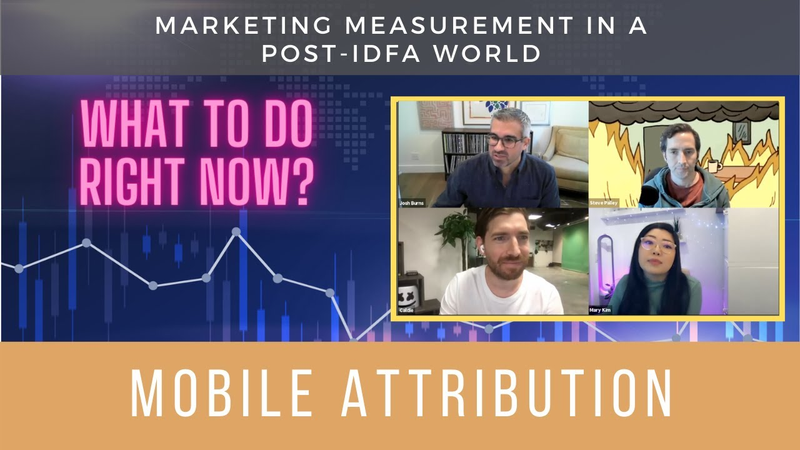
Future of Mobile Attribution | What to do Post-IDFA Deprecation!
The deprecation of the Identifier for Advertisers (IDFA) represents a fundamental shift in mobile attribution, rendering traditional click-based tracking methods obsolete.
- The deprecation of IDFA has rendered traditional click-based tracking obsolete, forcing a transition to Apple’s SKAdNetwork and the loss of granular, user-level data.
- Developers must now implement sophisticated internal modeling and complex instrumentation of conversion values to compensate for the lack of precise tracking data.
- To maintain user acquisition efficiency, studios must integrate with Mobile Measurement Partners (MMPs) and accelerate monetization signals earlier in the user funnel to generate actionable insights.

Developing UA Skills Over a Career
User acquisition (UA) is evolving from a channel-specific discipline into a broader growth function that requires a blend of storytelling, product intimacy, and data-driven experimentation.
- UA is shifting from a channel-specific discipline to a holistic growth function that requires managing complex, multi-channel ecosystems rather than focusing on individual platforms.
- Successful growth marketing relies on four core pillars: omnichannel orientation, empathetic storytelling, deep product understanding, and data-centricity.
- Marketers must move beyond immediate ROAS metrics to prioritize long-term retention and account for the 'honeymoon phase' of user behavior.

The Diary of a Modern PR Campaign: How to Plan Your Game's Promotion
Successful game promotion requires a transition from passive awareness to a structured sales funnel that guides potential players from initial interest to long-term advocacy.
- Successful promotion requires transitioning from passive awareness to a structured sales funnel that guides players from initial interest to long-term advocacy.
- Developers must build direct communication channels, such as newsletters and Discord servers, to maintain audience engagement throughout the pre-launch phase rather than relying on unpredictable store features.
- The promotional lifecycle follows a rigorous five-phase process, starting with peer-tested pitches and high-quality asset creation, and concluding with strategic post-launch support.
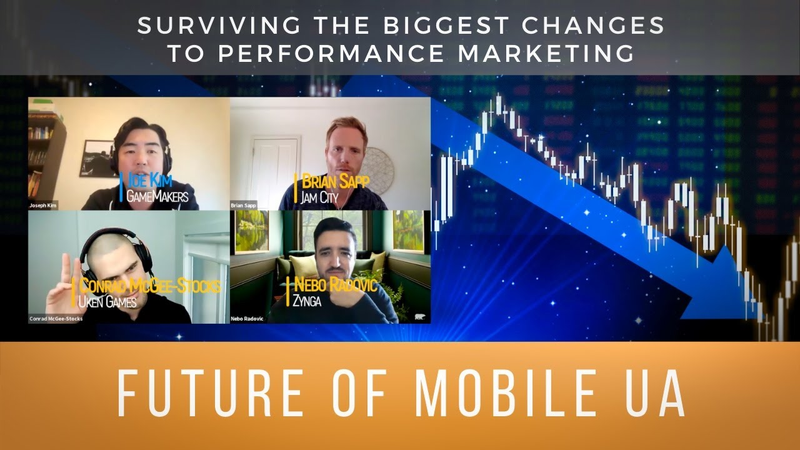
The Future of UA | Surviving the Death of Performance Marketing
The landscape of user acquisition is undergoing a fundamental transformation as the industry pivots from manual, granular media buying toward automated, machine-learning-driven platforms.
- User acquisition is shifting from manual, granular media buying to automated, machine-learning-driven platforms, rendering traditional tactical campaign management obsolete.
- The deprecation of identifiers like IDFA and stricter privacy regulations have necessitated a move toward custom attribution and media mix modeling over traditional performance metrics.
- Marketing roles are evolving into a hybrid function requiring a synthesis of data science, brand strategy, and product development to navigate complex, automated data environments.

Cultural and Creative Sectors in Post-COVID-19 Europe: Crisis Effects and Policy Recommendations
The COVID-19 pandemic served as a profound stress test for Europe’s cultural and creative sectors (CCS), exposing deep-seated structural vulnerabilities that existed long before the crisis.
- The Cultural and Creative Sectors (CCS) in the EU-27 were economically fragile before COVID-19, characterized by over 1.1 million enterprises (5% of non-financial businesses) generating EUR 145 billion (2.3% of the non-financial business economy) in 2017, with growth rates slightly above the overall non-financial business economy (1.5% vs 1.4% annually between 2012-2017).
- The COVID-19 pandemic severely impacted the CCS through measures like halting non-essential business, banning public events, and restricting movement, leading to significant income loss for suppliers (e.g., sound/lighting, caterers) and local economies dependent on festivals and events.
- Freelance performing artists, who often rely on multiple income streams and networking at events, were particularly hard hit by movement bans and social distancing, with many unable to access public support.

Ninjala: Battle Action Game Overview
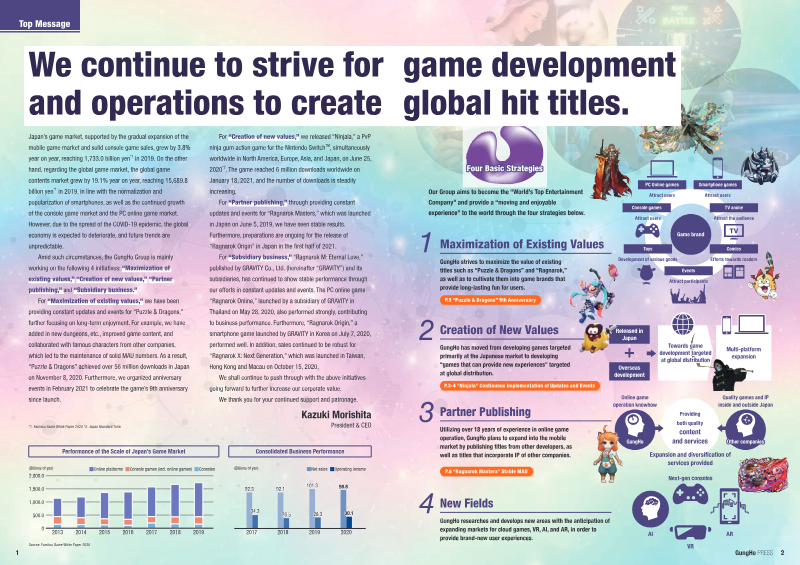
GungHo Online Entertainment pursues a multi-faceted growth strategy centered on the maximization of existing intellectual property and the creation of new, globally distributed gaming experiences.
- GungHo Online Entertainment reported 98,844 million yen in net sales and 30,157 million yen in operating income for 2020.
- The mobile title Puzzle & Dragons surpassed 56 million downloads in Japan as of November 2020 and reached its 9th anniversary in 2021.
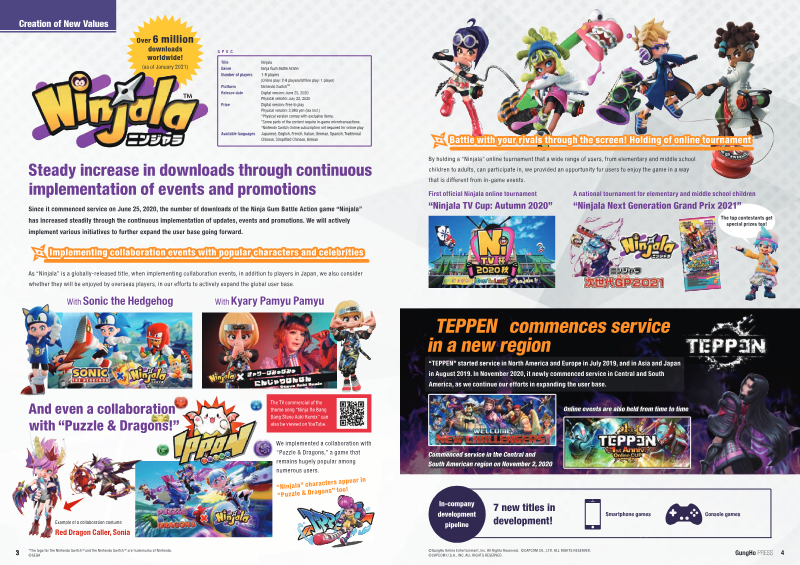
- The Nintendo Switch PvP title Ninjala achieved over 6 million worldwide downloads by January 2021.


Audio Ad Engagement in Mobile Games
This analysis examines the efficacy of in-game audio advertising as a non-intrusive alternative to traditional video and banner formats within the mobile gaming industry.
- Audio ads achieve a click-through rate (CTR) of approximately one click per 1.4 listens, vastly outperforming the 0.08% average CTR of static banners.
- A Warner Music Group campaign targeting 18-to-30-year-olds achieved a 1.78% CTR, representing a 1,000% increase over traditional banner standards.
- Behavioral testing shows 100% of participants continued gameplay during audio ad delivery, with 100% brand recall when ads were paired with a companion banner.
1Q FY2021 Presentation Material: October to December 2020
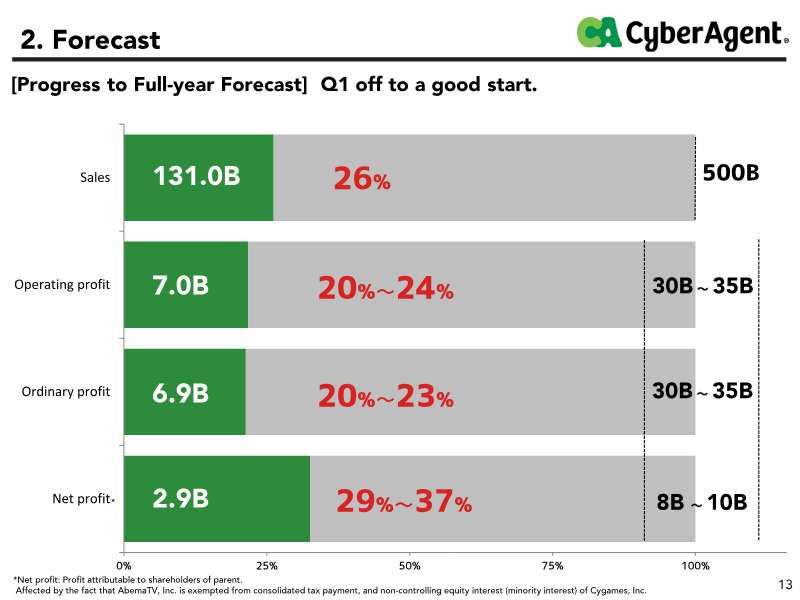
CyberAgent achieved record-high consolidated sales of 131 billion yen during the first quarter of fiscal year 2021, representing a 13.3% year-over-year increase.
- CyberAgent achieved record-high consolidated sales of 131 billion yen in 1Q FY2021, a 13.3% year-over-year increase driven by strong performance in the Media and Advertising segments.
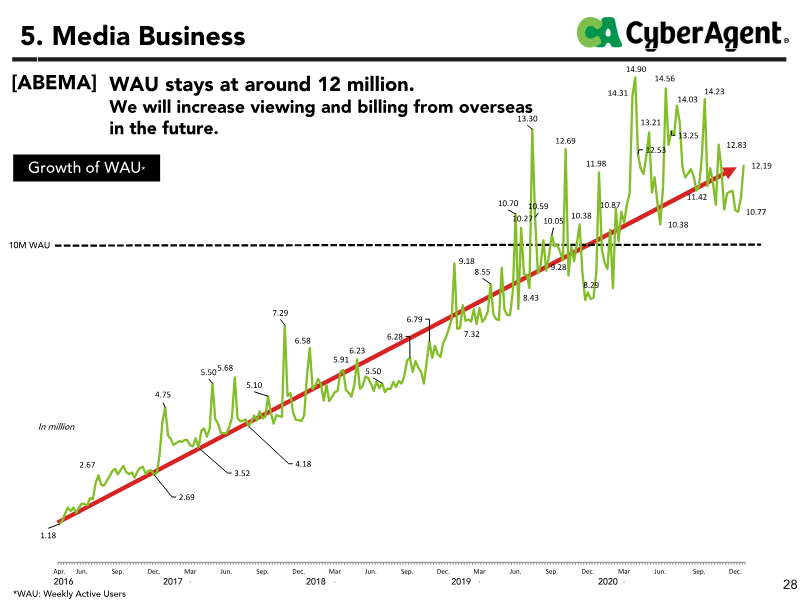
- The Media segment grew revenue by 67% to 20.4 billion yen, bolstered by ABEMA’s premium subscriber base exceeding 921,000 users and an elevenfold increase in WINTICKET transaction volume.
- The Game business experienced a 15% revenue decline to 29.9 billion yen and a 77.8% drop in operating profit, attributed to seasonal factors and increased marketing spend.
Trialogue Negotiations on the Proposal for an e-Privacy Regulation: Key Considerations from the Video Games Industry
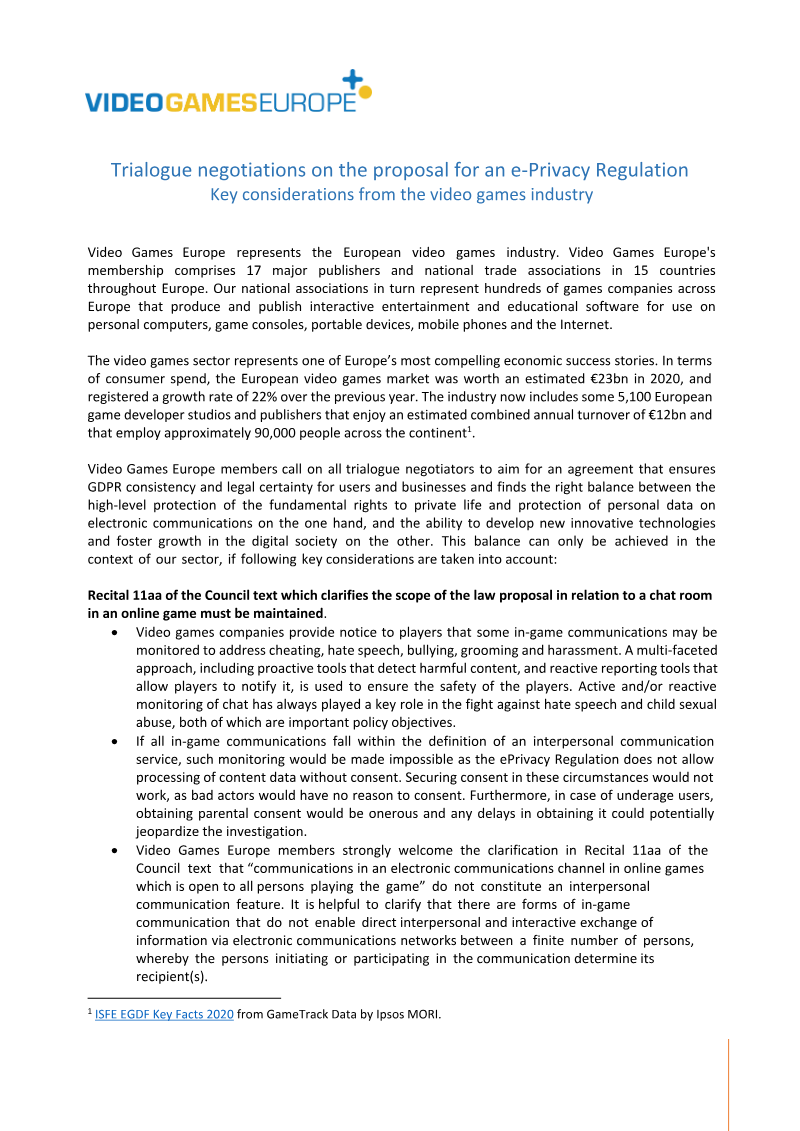
Video Games Europe, representing 17 major publishers and national trade associations across 15 European countries, urges trialogue negotiators to craft an e-Privacy Regulation that aligns with GDPR consistency while preserving the sector’s capacity to innovate and protect users.
- The European video game industry, comprising 5,100 studios and 90,000 employees, generated €12 billion in annual turnover and saw 22 percent year-on-year growth as of 2020.
- Video Games Europe argues that in-game chat rooms must be excluded from the definition of interpersonal communication services to allow for essential monitoring of cheating, hate speech, and child safety risks.
- The industry advocates for Article 8 provisions that permit processing terminal equipment data for security, fraud prevention, and performance updates without requiring individual consent.

2021 H1 Global Mobile App Marketing Whitepaper
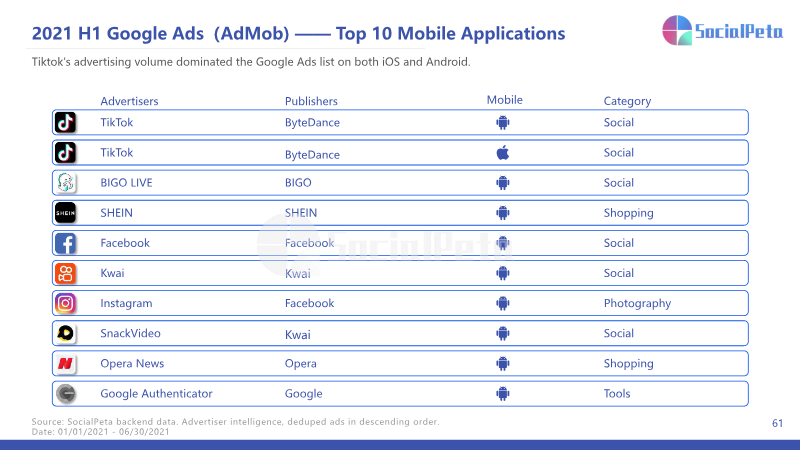
The global mobile marketing landscape experienced a massive surge in activity during the first half of 2021, characterized by a 108% year-on-year increase in advertising creatives totaling over 19 million.
- Chinese developers dominated the global market in 2021 H1, accounting for 70% of top-charting mobile game media buying and 100% of the top ten advertisers on Facebook’s News Feed.
- Advertising costs surged significantly, with Facebook’s average CPC and CPM increasing by 128% year-over-year due to heightened competition.
- Apple’s IDFA policy changes triggered a 13% decline in the share of iOS advertising creatives, forcing a strategic shift in focus toward Android platforms.


Mobile Ad Creative Report: August 2021
Mobile gaming creative trends in August 2021 centered on humanizing digital experiences and leveraging high-profile cultural partnerships.
- Mobile gaming ads in August 2021 shifted toward high-fidelity, narrative-driven content featuring real-world celebrity partnerships, such as Garena Free Fire’s collaboration with Dimitri Vegas & Like Mike and Call of Duty Mobile’s integration of Ozuna.
- Top-performing creatives are increasingly moving away from pure gameplay footage in favor of cinematic storytelling, anniversary-themed promotions, and interactive elements like Buzzfeed-style quizzes.
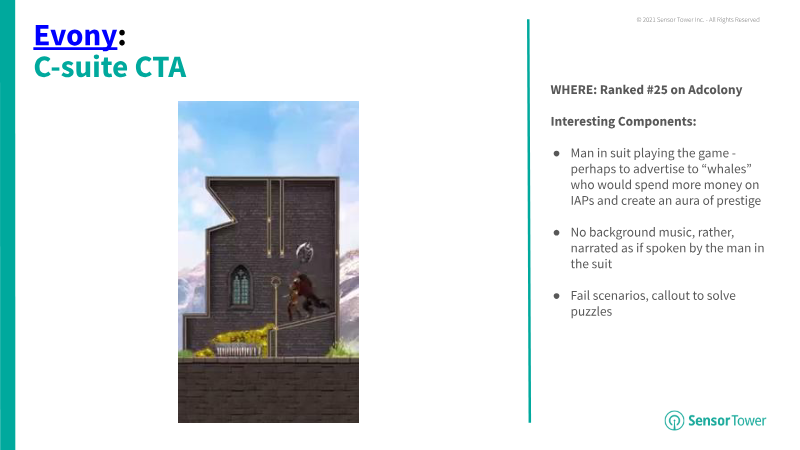
- Psychological triggers remain a core engagement strategy, with 'fail-state' ads—demonstrating a player losing a level—continuing to drive performance for titles like Royal Match and Evony.
The State of Mobile Game Advertising: An Analysis of U.S. Mobile Game Advertising Trends in 2021
Mobile game advertising in the United States remained resilient through the first half of 2021, showing no immediate negative impact from privacy changes such as the deprecation of IDFA.
- Mobile game advertising in the U.S. remained resilient through H1 2021, showing no immediate negative impact from the deprecation of IDFA.
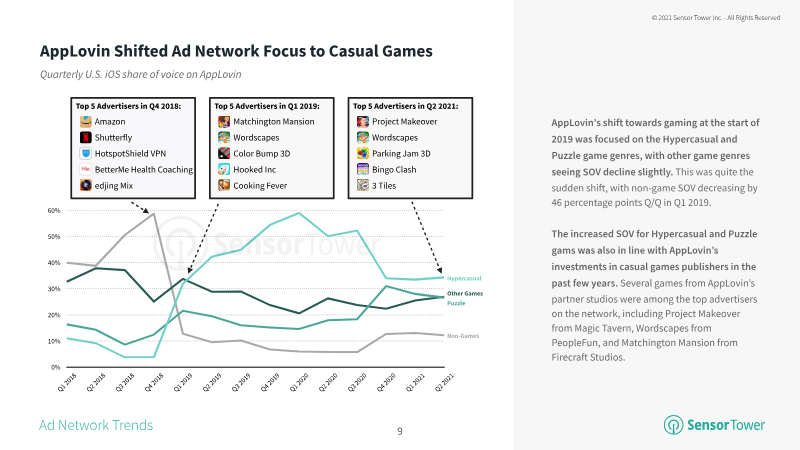
- Playable ads have become a dominant creative format, accounting for over 40 percent of the gaming share of voice on AppLovin.
- Specialized ad networks like AppLovin, Chartboost, and Vungle maintain a gaming-focused inventory exceeding 90 percent share of voice, while platforms like Facebook, TikTok, and YouTube provide broader audience reach.