1 free read left. Create a free account for unlimited reading + AI research.
Create free account
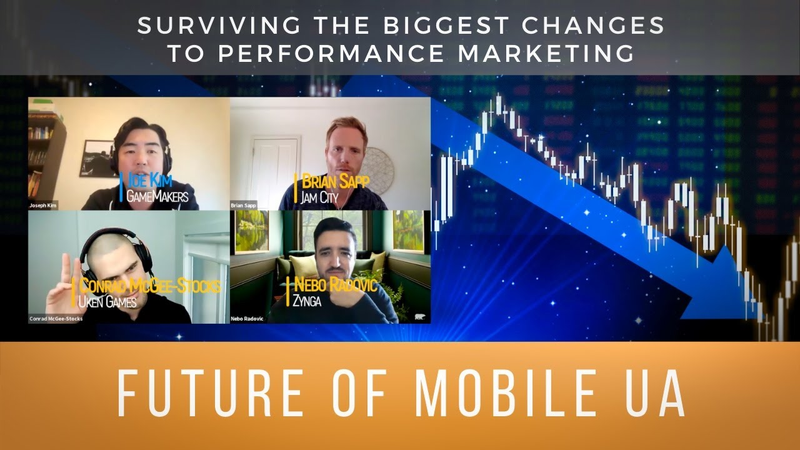
The Future of UA | Surviving the Death of Performance Marketing
Key insights
6 takeaways- 01The deprecation of identifiers like IDFA and stricter privacy regulations have necessitated a move toward custom attribution and media mix modeling over traditional performance metrics.
- 02User acquisition is shifting from manual, granular media buying to automated, machine-learning-driven platforms, rendering traditional tactical campaign management obsolete.
- 03Marketing roles are evolving into a hybrid function requiring a synthesis of data science, brand strategy, and product development to navigate complex, automated data environments.
- 04While automation handles routine tasks and creative production, human critical thinking remains essential for interpreting nuanced player behavior and market addressability.
- 05Organizations must foster closer integration between marketing, engineering, and product teams to ensure growth strategies align with broader product objectives and long-term sustainability.
- 06Companies should maintain distinct, dedicated functions for user acquisition and product management to ensure focused execution on both growth and development.
Ask AI about this video
Transcript
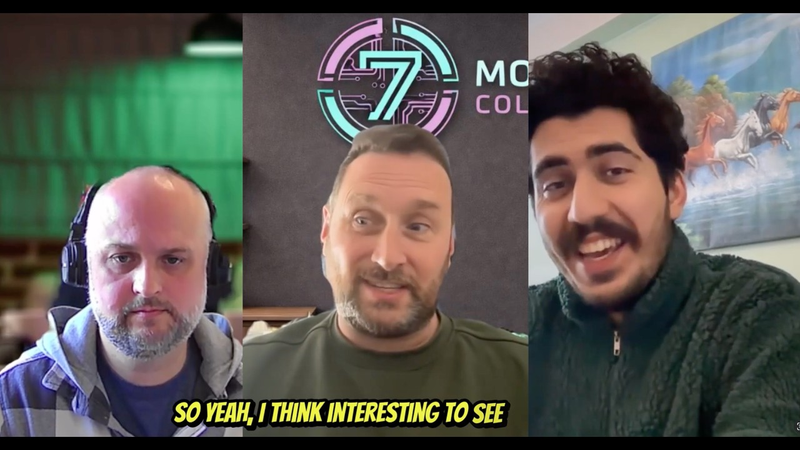
we are going to be talking about the future role of a performance marketer and there's been a lot of discussion about the death of ua marketing as a profession or at least the need to shift the role in some way and so with us to talk about this i would say three of the smartest folks in the performance marketing industry today first we have conrad mcgee stocks director of growth at yookan games we also have neboredovic uh and i think this is a new announcement right nebo director of user acquisition at zynga congrats on the new role and of course the brian sapp svp of ua and ads at jam city and so we're a little bit short on time so i'll leave it to the audience to click through their bios you can get that from the from the event page and you can find out more about these guys you definitely want to check out these guys backgrounds but just jumping right into the discussion
the first question i have is really around what's happening in the industry today and so we've got kind of like three major themes impacting the ua profession and one common theme that's been playing out over the past few years has been the rise of machine learning applied to advertising and functionality that used to sit on the buyer's side within the studio now getting pulled into the black boxes of let's say facebook and google's buy side platforms and so when we talk about ua team control levers like bid and budget targeting creatives the first two were sucked up by facebook and google and you know increasingly even create as there's efforts to automate that part secondly we have the rise of automation and the ability for tools to take on a lot of the job of markers that beforehand what was done manually and third we have a transition to a more privacy focused data handling where tracking and optimization will become harder
and more inaccurate so first question to our panel do you guys agree with these themes and what do you think the impacts of these themes will be to ua marketing teams and just uh generally and uh maybe starting with you brian well i mean i think eway is dead right didn't we all agree on died a while ago i don't but we're not supposed to tell people that because like i don't actually want to do my job you know um no i mean i think automation's been coming for a while uac started it kicked it off and at first i think the whole industry like threw up their fists like what the hell is going on why'd you take my targeting away and now uac is a very effective channel at scale um and now facebook's kind of following suit with aaa but i think that's at the network level i think the bigger discussion is like you know how is automation handling above the network level and you know that's where we're seeing inroads already um you know most everyone here and a lot of great people listening like i think we
all started with um day seven day one roast as like our optimization target and that was because humans can only handle so much cognitive load right and that was a great metric for um balancing cpi and rp you know across campaigns across channels but uh inevitably uh automation will be coming along uh for for most companies um and the reason being it can just simply take in way more signals than a human can so you know it'll be able to take into account cpm rp payer percentage risk scale uh you know across hundreds of campaigns and across multiple games so um it's definitely here in some respects and coming and will continue to evolve um but that said you know it it it changes the way that the role is happening at a daily uh in in terms of like tasks um but it doesn't change the importance of the role
and i can go kind of on further about what i think is going to happen there but um and i know we have more questions about it but yeah i mean i agree automation's here i think it will change how the role is being done but i don't think it's going to remove the necessity of the world by any means and in fact i think in some respects it could make the role uh more important conrad what do you think yeah for sure i mean what like i at core i like this whole like oh it's dead i feel like is did writers die with like you know blog publishing or short form content or like anything else so i mean some of the arguments i think are semantic um but yeah i mean it's pretty hard not to disagree i think like the most obvious impacts are like teams get smaller and the talent bar races like i think there's no way around that um you know i think that you so like obviously we'll probably i'm sure we'll get into it later but um your click-based attribution is on its deathbed fifty percent of the market or whatever you
peg ios at is is gone and then i'm sure google will follow suit call it you know like six to 12 months later it'd be hard to see that not happening so yeah i think the job of um someone who's responsible for ua or like quantitative performance marketing or media buying or however you sort of encapsulate and pull apart like okay what is somebody who's doing user acquisition actually responsible for and where does that and where does that go um you know but i think those i think yeah a high level yeah definitely agree all right so it kind of sounds like what i'm hearing is like i mean regardless of whether there's animation or not brian what you're saying is like the the role is still very critical very important conrad you're saying maybe the role shifts in some way and nebo what's your take so i mean i agree with conrad and bryan and i think that the scope might change but the the core java person want um and you know that the optics might change we might need to focus more on automation understanding like how automation can help us scale and and do better do our jobs better but
within the limits of the the current kind of ua landscape which means that you cannot really do much at a granular level you're going to have to look at a look at things holistically and try to like get the most out of like facebook and google which are already automated and try to like you know potentially work on you know understanding where the money should be spent and and you know what are the creative issues like get the most budget but not necessarily uh play around at the outset level and and kind of with targeting and picking different audiences in terms of like one thing that came like you know one thing that's going to be kind of a pretty a pretty dominant topic in the months to come is also like understanding attribution in the new world like post idea fair world building custom distribution models um understanding how to do how to like do incrementality properly and lift studies and how to combine all these different sources of data like sql network first party data attribution attribution provider data to kind of build a reasonable attribution model
that's gonna be uh it's gonna be something that we'll probably spend a lot of time on in this year and it's not something we thought about much in the the past year so i think that's gonna be kind of the main uh difference in the in the months and years to come okay so to some degree ua marketers are going to have to get smarter in terms of what happens after idfa deprecation and would you agree with conrad in terms of like team sizes having to shrink do you guys have any if you were to estimate how how much smaller ua teams become do you guys have any general thoughts around what that potential impact would be yeah i can tell you firsthand like because i just changed my job right like it's definitely like the the demand for senior talent is not as high as it was um months ago i'm not i'm not complaining i'm just like that's def like i can see that like you know a few years ago you know everybody was looking for like senior uf folks that's not the case anymore and i think that part of the reason is that there's like fewer channels that
are relevant and there is less to do with those channels like on the google and facebook side of things and as a result you just need people who are very savvy and understand like how to do ua properly and not necessarily a lot of people i like a lot of eyeballs to look at the data and see what's what's going on um got it so maybe we can go ahead and connect oh yeah i was gonna say like to nebo's point like i think it's less about you alluded to it i mean i i was actually going to use the analogy of machine zone which you have first-hand experience with but like you know really large teams mannering like really really like okay this one hyper specific channel you do this and this is the only thing you do versus now where it's like you know all consolidated and there's a lot less i need a lot people with a lot stronger i think background in stats and then um yeah stronger fundamentals i think okay and so maybe we can now expand a little bit on this on this aspect in terms of the ua role as far as like as a role shifts
you know how will marketing teams and marketers themselves have to change in order to be successful you know nebo you mentioned you know having to understand how to adapt in a post idfa deprecation world but nevo you also have a framework i i believe you call it like data plus plus brand plus plus or block product plus plus meaning that it as for ua marketers that they're probably going to have to specialize in one of these different areas and so could you actually talk about you know kind of that that framework that that you have in your your plus plus model and then and then conrad and brian it'd be great to hear from you guys as well in terms of you know if you are a ua marketer to remain relevant and to be able to you know have the skills you would need to be able to be competitive in the future what how should marketers be thinking in terms of developing their skills so that they are relevant but maybe starting with you nebo in terms of your plus plus model
yeah it was uh one of those things we mentioned in one of the podcasts and became a thing um yeah so i think because there's this concept like pga personalities you know when you're like specialize in something then you want to specialize something that to broaden your knowledge not just become like super uh an expert in something super specific so i think that a similar thing will happen on the ui front because there's not there's not a lot of them that you can you can gain on the media buying front and that's why you kind of have to expand to like different areas or expand your knowledge and learn more about about some other specific things such as data brand or brand advertising or product um and examples there like for like a data plus plus dual marketer it would be just like understanding custom attribution models understanding what can be done on the automation side and what can be automated then working with data engineers like developers to build those models and and set up those reports and whatever is necessary in that sense brand plus plus there is there is there is a chance that uae the way we do ua currently won't be as efficient
in the months to come because simply we won't be able to track it properly which means that we'll have to expand like to try more channels like tv advertising and out of home advertising and and to we will need to learn how to measure it properly i mean some companies like did a lot of work on that front most other like gaming editors didn't which means that there's probably room for like brand plus plus ua folks who will just understand brand performance and how to measure properly and the last one it's basically product plus plus just people who understand what can be done on the product side on the and how product and ua teams can kind of uh work together to improve the the likeliness for success for like new products an example of that would be just like understanding conversion value and like what are the things that the product teams need to do on their end to to get the most out of the conversion value and and just you know to to improve the likeliness of success on the on the ua front um uh it doesn't have to be just these three things but there's definitely going to be some like some additional work in the areas that are not so common to folks right now and and i think that's one way of like
looking at the future diet conrad what do you think yeah um so from a team perspective i think largely i mean this is it's kind of not going to be spicy if we all agree with one another um so i'm trying to be as adversarial as i can but it's hard um the one thing that i would say though is that the brand so it sounds like nebo where you're calling brand plus plus is like you just have an understanding of like traditional media measurement media mix models and that like traditional brand buying um i in my mind i kind of roll that into like your heavy arm the data side you are you know whether it's either slanting towards like someone who's on like the data edge side or really heavy on the stats in the analyst side you know and would sort of be at home in that kind of role um where it's less about business impact but you just understand like all the really complex systems that go into powering you know beyond just like basic attribution but the flow of data are like the bi systems that you use and how those drive the decisions
and then on the other side of that i think which is like not the polar opposite but you have like the sort of storyteller creative sort of sort um that in my mind would be more the the brand marketer on like on the communication side and when i talk about brand i'm thinking about like oh you know how to not only um run performance direct um that's the term i'm i'm blanking on it but like uh direct engagement but you can also buy impressions that serve a higher purpose and you can establish a brand and something that people seem like oh that has value not just like you know pull the plane kind of click bait stuff and then there's that and i think that's probably going to be more important at least that's my argument that'll be more important but largely i i definitely agree all right ryan um well i think historically there are three major functions to marketing that kind of stayed in their lanes product marketing focused on like audience segment market opportunity uh audience motivation and then they kind of they kind of fed
that information into creative and creative would just build their creative and try to make the best looking creative and then you had media buying and so um i think what's happening is like the future of the marketing role is all three of those things are really converging into one role uh and the reason i you know i think all three of those need to understand the other disciplines so product marketing needs to understand the creative kpis that they're trying to hit uh and then they need to understand how the media buying platforms work media buyers need to understand the audience uh motivations audience segment to create the right campaigns uh and then creative needs to get more data driven so you know this is already starting to happen but as we kind of move towards automation taking away some of the functions that the traditional media buyer was doing um these these future marketers are going to be handling all of this you know and being able to be able to understand all three of those aspects and be able to speak to them and operate against them and so um to me that's that's the future of marketing it's kind of merging all three of those into like one role if you will or roles that
kind of understand all three in the first generation of mobile gamers came off consoles from titles like super mario warcraft and league of legends now as we enter the era of mobile 2.0 with three and a half billion devices global gaming has mainstream easy to play wherever you are and something for everyone the categories have proliferated the best gaming companies in the world need deeper insights a framework to capture the market opportunity and now introducing game iq a revolutionary analytics product that delivers a taxonomy of genres sub-genres and comprehensive feature analysis matched with app annie's legendary market data you have the insights to level up your performance designed exclusively for the rock stars
of mobile so maybe i could ask one other question before opening it up to the audience which is brian to your point since these roles are converging when you think about in to be as competitive as possible in the future like what kind of person should be leading the marketing organization in that case and i know that in the industry so far we're seeing different kinds of games game publishers have specific perspectives right and so some will say well it's going to be more brand led and so they'll hire someone who's a brand person to be in charge of the marketing organization and you've got different perspectives happening in the industry today but from your in in terms of what you guys think to be as competitive as possible this just want to get your thoughts and your rationale what type of person should be the the overall lead of of marketing or how that should look and brian maybe we should start with you
is is ginger an appropriate answer or um i mean i i'm not going to say brand can't lead marketing you know i think whether it's performance or brand you have to have left and right brain thinking you know you have to be able to build creative that's memorable that stands out in the competitive market that's incredibly important at the same time you have to understand performance data and what really moves the leverage to scale a business so i do believe most of the future cmos are going to come from the performance side but i think there are brand talented people that understand the performance side they can also execute in that role um and it really speaks to the the marketing role merging across all three of those disciplines you really have to understand all three of those disciplines really well to be a cmo in my opinion got it conrad yeah i think that um you know like if you step away from the like oh are they predominantly brand or performance you just say like okay what are the characteristics
it's like um you know somebody who's i mean this is obvious but like incredibly high standards and i think especially in when there's a lot of access to data like really really deliberate about testing so you know if you look at traits and things that you see in product or something like okay what makes a product really successful like test and learn culture those kind of things i think you see um in the marketing words both now and going forward you see people who look like they they would be just as at home in a product org as they would a marketing word maybe their bit better on the storytelling side but i think that there's still a really heavy emphasis on a robust understanding of data robust understanding of you know what needs the product or the suite of products that they are responsible for growing and how to actually convince somebody or you know globally to to to buy to download to play whatever it is right
got it and so connor if i'm understanding you correctly you're you're kind of saying like the so the right person to leave the marketing org is somebody who knows everything but then but also has uh to your point somebody who's comfortable with having like an experimental framework of some kind because of all these changes that are happening that maybe not so much like the the importance is not only in terms of like the the functional expertise but also just having a perspective and being able to instill within the marketing organization this kind of experimental and testing frameworks because a process driven perspective i think really is like the simplest is like very process driven um and i would say like very data savvy got it but yeah good at everything everybody should be great at everything no it's hyperbolic but yeah you you you captured that well you though i mean i just agree with brian and conrad i think like a person needs to be technical uh simply
because there's a lot of data uh wrangling or whatever is the right term that you need to do in this role and understand where the data is coming from and how you can leverage it to succeed and there has to be some interesting creative and how creative works you don't necessarily need to be a creative person but you need to be interested in creative well i'm not sure about the storytelling part unfortunately because you know the the kind of standard storytelling brand approach didn't necessarily work on the performance side where we just like try the most ridiculous things ever and it suddenly works um so it's more about like having that kind of uh curious mind and being open to trying all kinds of things and and uh and you know um helping the team kind of uh nurture that that kind of mindset or approach i think that that would help a lot but the problem with most of these kind of whenever we're looking for the right leader it's like we're usually looking for unicorns and the realities those people don't necessarily exist um like you know having someone who's really good at creative really good at product and really good at ua so you kind of have to satisfy like two
of those um and i believe like most of the leaders in the future will just be really good at two of those things not all three of them necessarily uh and they have to be ginger obviously hey i've got one question nebo on okay so if we're talking about the marketing org is the creative component so like the teams that are responsible for producing creative is that being viewed as like as part of that or is that do you feel like that's sort of adjacent like that rolls up in a totally separate sort of grid of infrastructure yeah i think it's part of that because like creative plays such an important role in the attention side too and and that's i think what a lot of people are looking when they talk about misleading ads it's just like you know creative cannot be siloed because it has a huge impact on the on the product side and also has a huge impact on the ua side so you kind of have to marry the two and the only way to do that is kind of to keep it close to the ua team and the ua leaders um but it's managed by the u.s person i
don't think it matters that much but at least those two teams need to be very close and work together um yeah you make the same argument for product too sorry brian yeah zebo i mean i agree with you that like you're not going to find someone who's incredibly strong in all three i think it's what's more important is a leader that understands when they're not strong and they can you know supplant that gap with leadership that is strong um but i do think you know i've seen orgs that are super brand heavy and and they miss in the performance side and they spend a lot of money creating creative that that wow beautiful doesn't perform right and then uh i think you can go too far the other direction too super performance heavy you're not really moving past a certain audience demographic or you're not making a splash you're not building a brand over several years so i really do think it's a fine balance to find the right mix of both but it is a data driven process oriented and agree with everything that's being said here um leader that then can also understand brand and kind of try to push that forward but
um you're gonna find strengths and weaknesses and so it's really important if you're strong in performance you hire some really strong brand people underneath you and vice versa you know i think i did forget a question so maybe i could ask this one last question and then we'll open it up to the audience but you know there has been a lot of gloom and doom and i think i helped perpetuate that i wrote a blog post uh last year called death of performance marketing where you know i kind of set out kind of gloomy scenario did a kind of secret interview with somebody i think all three of you know who this person is who then transitioned out of ua based upon the gloom and doom and so for those people in ua what would you say to some of these people who are you know kind of feeling down about ua and what would be like one bit of advice that you would give them uh starting with you brian well i mean um listen do you think digital marketing or marketing is going away no and in fact it's going to get be more important and in fact like you know we companies are going to want folks who can and grow and scale businesses so i think
the roles are incredibly important and they're vital for most companies um uh that said i think you know we've kind of hit on all the reasons why the role is changing and and in the future of this role you know one the biggest thing we look for is critical thinking in the role an intel intellectual curiosity so folks who have that and can are strong communicators and then can kind of look beyond their purview and look to these other disciplines to learn from and and impact you know they're going to be just fine and they're going to be in high demand so i don't think anybody needs to get upset you know if you're very one-dimensional and you're just downloading spreadsheets and crunching numbers yeah you're probably going to be replaced but like that's i would say that's that's a shitty job that no one should be wanting to do anyway conrad if they're like middle level i'd say number one things learn how to listen and learn how to listen well like if someone who wants to be a leader i think like the first part if they're trying to progress their career is like being a great listener and knowing how to take action on what they're hearing uh
number two and this sounds kind of counterintuitive is like there's a lot of stuff that you can figure out just by googling like almost like our entire profession you could probably figure out if you just got really good at googling the answers um so like the ability to problem so really i'm just finding a way to say you know really strong problem-solving ability what sap's calling and intellectual curiosity it's like yeah can you look outside of what you're doing and can you figure out how to get to an answer because there's not a lot of stuff that's like really behind um you know wall like ivory walls that you can't figure out and then i think on the third side i'd say like be more technical like if you just you know if you're somebody who's like very strong in excel it's like okay push that plus one and you get a little handle on python or sql or like access to data because the closer you get to data assuming you work in an open org the more impact you can have i think for them for the most part if you want to take yourself to the technical bend and i think that that's like a great direction for anybody neva
there's so much uh i would just said maybe that you know understanding product is really important even if ua goes away and you want like you can always transition to the product side and work on that front um that helps a lot um i don't know i don't think ua is going anywhere uh you know when it comes to ua it's like with any other pretty much discipline you know change is kind of the only constant and things change you know we're not doing va the same way we did five years ago uh it's much simpler but we're focusing on other issues and other problems and it's always going to be like that so we just have to accept it and you know the these kind of consumer products are super dependent on advertising and we'll continue advertising just like the way we did my change but the kind of the the underlying kind of philosophy of doing marketing or like performance marketing will stay the same and so with that let me open it up to the audience if there are any questions feel free to put them into the q a or chat and looks like we have one question
here can any of you please be a bit more specific about the kinds of automations can you guys talk about some of the the automation technology or capabilities that are kind of uh coming or out there in terms of automating ua sure wants to take this one i can um so i mean i haven't already talked about facebook and google but that's you know automation at the campaign level um but uh you know a step above that would be automating uh bids and budgets across campaigns which you know both those platforms don't really offer and then a step above that i'm kind of going from simplest to harder would be bids and budget or sorry budgets across channels and games and that's something that most teams would probably start building in-house and then above that would be campaign creation which is gets a lot harder and this is where i think you know media buyers having a good understanding of product marketing um really can kind of feed the right information into automation which is
like campaigns um and then automation can help grow that and then a step above that would be creative uh to some extent and what i mean by creative is creative testing creative purging creative refresh again a lot harder and then creative building actually building creative which i think when we hit that and if we ever hit that we've probably fully arrived like a self-driving car of some sort um but there's different steps to automation and and we're still in an infancy right now so uh we're nowhere near like the last step of actually having creative built and performing across multiple channels you know and even if you if you look at like um just speaking to the creative piece because i think there's even like little things that are like you know 50 automated so it's like okay take a you take you know your standard ua video or different types of the tons of formats you type you start to see um equals uh you so you have a bunch of intros and you have transitions in them that are all the same and then you just can pretty easily stitch together to stitch together
videos you know with any scripting language like python you could pipe that into facebook automate the results and then feed those into your learnings and then drive more creative production so like half automating that like that's a simple what i'd call like half step automation that i think you're already seeing like some teams employ got it so now we can just add one more level which is kind of portfolio management like you can do the same thing across the entire portfolio games i think that's going to be really interesting for like studios that have a lot of games just to like understand which campaigns at that kind of company level perform the best and which campaigns are going to yield the shortest payback that's going to be really interesting i think for a lot because like a lot of automation can like automation cannot be done at a ad set level as brian mentioned you know it makes sense potentially to do kind of budget planning and optimization the campaign level across the entire portfolio that's one thing that you can automate and just improve the the success of over all your efforts okay next question is from josh
rubenstein i hear some strong opinions that since the ai is starting to commoditize targeting within a platform it's going to be shifting more back to know who in order to find advantage through connections and negotiating deals with all platforms etc how about networking plus plus any value to that angle direct deals or just on the bd side sounds like right sounds like yeah negotiating deals with alternative platforms josh do you have any examples of alternative platforms that you're thinking about well i but just generally speaking are you guys thinking that there will be advantage in terms of being able to negotiate deals of some kind or doing direct deals i mean i don't know about direct deals i think those are fraught with problems but just generally like negotiation i don't know if it's like a plus plus i would kind of call
that like price of entry um if you're like me mid or senior um you know at a studio and you're responsible for managing relationships and just making sure like you know i i i tend to would see that as a as a sort of more sort of required skill like you should be able to do red lines you should be able to be aggressive you should understand how values created and captured by both parties in any agreement would be my thinking but maybe i'm misunderstanding yeah i think this might be very product specific i think you know with scale and gaming going out and trying to negotiate deals for some inventory is probably not the best use of time because we can we can just deliver such huge scale on the known channels but i think if you have a niche product or non-gaming product you're probably finding an outlet there that might work for you um that's just my guess on kind of what the question was but i think the biggest issue we've had with direct deals is just it's not it's not comparable to the scale we get on a network got it
joe jenny's got an interesting question about um automation requirements and spend thresholds i think that's actually quite interesting okay that sort of tail that tails into how you know people who the studios on the smaller end on the automation side like you know getting having something hit statistical power whether you're trying to evaluate pairs or or even installs you know from campaigns i think that question just went to panelists so let me read it oh did it yeah so question is doesn't automation require a threshold of spend so the algorithms have significant data sets how will this affect small companies with small budgets that might not meet required thresholds for learning i would say that that problem exists whether automation is there or not so you're either not spending enough and you're not getting statsig i mean odds are you're not getting statsig period anywhere um but but you're just trying to optimize your overall budget so you know you would try to just adhere to the platform's best practices to get enough campaigns up and running it
really depends on your what your metric you you you're optimizing towards in your ltv and how much of it is backloaded versus front loaded and yes budget is a factor here but i would say this problem isn't an automation problem it's more of a problem you're going to have regardless and if you're only spending a little bit of money you're probably not hitting statsing on anything anyway and you're just saving budget but not really getting anything going for the machine learning to learn especially on facebook and google and also if you're trying like you know if you're looking at trying to optimize pub say on a rewarded video network um you know like looking for an event that's two down funnel like you know one three seven row as or something else it's like okay you know can you find a metric that is indicative of future performance and that you can that requires fewer observations that are slightly cheaper to acquire i.e like day one retention versus actually looking for spenders because then spenders you have there's you know multiple there's two conversion points right yeah and i think going back to like like i think there's a lot of human bias here
like so like okay fine like what's a small budget for every campaign that you think is right and that's that's different from buyer to buyer so i think actually automation would help you kind of remove human bias in this decision-making um otherwise it's really up to the human and they're just inherent bias with that okay so we have a next question from rey saloon what's up ray for these areas of expertise needed to be successful in ua how much is teachable to someone with basic knowledge of the space with a great analytical mind how easy is it to mold someone for this role 100 as long as somebody's like numerically savvy i think i think it goes back to the the the the soft skills you know like you want the data skills um but then more important is the soft skills around eagerness to learn critical thinking you can learn anything got it and there's some kind of bill like general business knowledge that's necessary
i mean i'm seeing like an issue with data savvy people is that they don't necessarily understand some things such as you know like addressable market and whether your product is you know accessible what are like what's the difference between a casual and a hardcore game and why like those things have like such a huge impact on on the way your campaigns perform uh that's something you have to teach them um but the data part is definitely important that's a good point okay we have a question from omar omar you have a question about idfa deprecation and pools to measure i i think maybe we can save that for the final panel where i think they'll be addressing some of that so next question anonymous question so hopefully this one will be spicy given these changes and skill sets in ua it sounds like ua should report into product product managers generally have to be data driven understand creative and understand product if ua needs to learn all of these skills more deeply why wouldn't they just report into product or why not train product managers
in ua what do you guys think i i think there's limited time you know so uh one i think it depends on the org and how the orcs set up and how many products you have right but but two i could argue that products should be really focused on making the product better and building features that increase the ltv and ua should be very focused on growth and on making sure that you know the budget up makes sense um and so if you're asking to split the product team into over two different things that takes resources away from making the product better i think that's detrimental to the whole business um but this can change by category right so there i think there are products where the growth really aligns with the product um especially in non-gaming um so i think this is like this is industry specific and definitely company specific got it okay so well maybe we could take actually a lot of these other questions
that are coming up i think will likely be relevant in the next in the last panel in terms of what's going to happen with google uh how will the interest change with ios 14 we're going to be hitting some of that and for the existing panelists if you guys stick around for that maybe we can open it up to you guys as well but with that maybe i can turn it over to josh uh josh are you around do you wanna and so maybe um so brian conrad nebo thank you very much for uh for joining us on this panel if you guys could um mute and turn off your video and josh i'll go ahead and turn it over to [Applause] [Music] you [Music]
Summary
The landscape of user acquisition is undergoing a fundamental transformation as the industry pivots from manual, granular media buying toward automated, machine-learning-driven platforms. This shift, accelerated by the deprecation of identifiers like IDFA and tightening privacy regulations, has rendered traditional tactical campaign management obsolete. While these technological advancements reduce the necessity for large, task-oriented teams, they simultaneously elevate the requirements for human oversight, demanding a higher caliber of technical and analytical talent to navigate increasingly complex data environments.
To remain competitive in this automated era, marketing professionals must adopt a multifaceted specialization model. Success now requires a synthesis of data science, brand strategy, and product development, moving beyond simple performance metrics to incorporate custom attribution, media mix modeling, and product-led growth initiatives. This evolution necessitates a closer integration between marketing, engineering, and product teams, as the role of the marketer shifts toward a holistic, strategic function that balances rigorous data analysis with compelling creative storytelling.
Despite the rise of automated creative production and portfolio-level budget management, the core demand for human critical thinking remains robust. Organizations are encouraged to maintain distinct functions for user acquisition and product management to ensure dedicated focus on growth and development. Ultimately, the future of the profession lies in the ability to combine technical proficiency with deep business acumen, such as understanding market addressability and nuanced player behavior. By leveraging automation to handle routine tasks, marketers can focus on high-level strategy, ensuring that growth efforts remain aligned with broader product objectives and long-term business sustainability.