1 free read left. Create a free account for unlimited reading + AI research.
Create free account
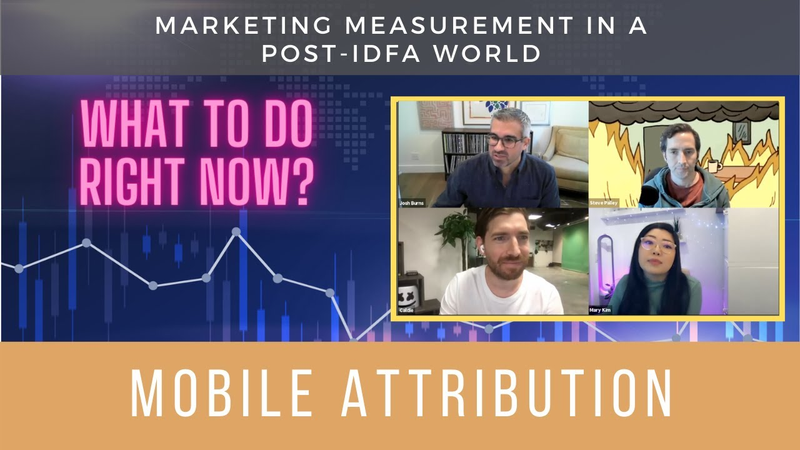
Future of Mobile Attribution | What to do Post-IDFA Deprecation!
Key insights
6 takeaways- 01The deprecation of IDFA has rendered traditional click-based tracking obsolete, forcing a transition to Apple’s SKAdNetwork and the loss of granular, user-level data.
- 02Developers must now implement sophisticated internal modeling and complex instrumentation of conversion values to compensate for the lack of precise tracking data.
- 03To maintain user acquisition efficiency, studios must integrate with Mobile Measurement Partners (MMPs) and accelerate monetization signals earlier in the user funnel to generate actionable insights.
- 04The high cost of building advanced data science infrastructure creates a significant barrier to entry that favors large portfolios and threatens creative diversity among independent developers.
- 05The potential future loss of Google’s advertising ID necessitates the adoption of bifurcated workflows and a diversified partner ecosystem to mitigate platform-imposed restrictions.
- 06The industry is increasingly shifting toward open-source, collaborative tools as a strategy to democratize technology and help smaller developers scale outside of siloed platform environments.
Ask AI about this video
Transcript
i think we're going to jump into the future of mobile attribution so first i will intro our illustrious panelists so we have mary from game hive christian from game jam and steve from pixelberry thanks so much folks so i think you know the general topic here is future mobile attribution i think we had some comments in the first panel conrad mentioning that click click based attribution is dead uh and someone else talking about how we you know will no longer be able to look at things as granularly as we have in the past um so i think you know we can jump right into sort of a pretty broad question um you know we've heard a lot about possible ways of doing attribution post idfa probabilistic uh idfv so looking across the portfolio identifiers across your portfolio mixed
media modeling so just cutting through i think all the noise and sort of bs that's been thrown out there you know what's really going to work and what's not going to work from your guy's perspective so mary since you're first in my screen i'm going to go to you first what are your sort of high-level thoughts here as we get closer to sort of a d-day yeah i mean probabilistic attribution although we would love this for it to be more of a longer term solution um there have been many conversations circling that this may also not be okay with apple um and to really know for sure we have to find out we have to see when that d-day comes to see what apple has to say but i mean i think we would find comfort if it was okay and at least the fingerprinting would be a way for attribution but it does also leave a lot of issues and it leaves a lot of open-ended questions including like accuracy although you know it's mentioned that probably probabilistic attribution is
around 90 accurate um if you really think about the user agents that are involved with probabilistic attribution the number of devices are very very limited for ios devices as well so that also leaves a question of okay how accurate really would that be and then other methods like id fv yeah there are also a lot of limitations to this too and when a user actually deletes all of your apps from your portfolio off of their device you actually get a brand new one if they were to reinstall it so i think that's also not the perfect solution to kind of work long term to look at attribution and then i think i've been hearing a lot of other different types of attributions that are happening and you know companies are working on like some i've heard like contextual attribution where it's no longer about like just the probabilistic and like uh the user agents
but it's where you know mmps are trying to figure out like what kind of screen brightness does a user have on like audio volume languages or time zones but um to me that sounds very intrusive and who knows if also that will be allowed for me i think it's scary trying to you know whoever knows what my device settings are i think that's even more scarier i think like one additional one that i've heard uh most recently which i think is super interesting and maybe very innovative with uh along with what john was talking about creates opportunities for new companies to uh innovate um to do new things but um app clips so first time i was introduced to app clips it's really it was really an intent to kind of have like a qr code for users and get kind of that snippet of experience of what the app should look like and you can also download the app as well and i have heard that some attribution
providers are working to try and leverage this by embedding like a universal link in the app clip to match the user and i think that to me it sounds wow that's great like should it solve then the whole uh so whole issue but i think it's still very early and to really know what real thing will work we'll just have to wait and see but yeah i am happy to know that like a lot of um companies out there are spending the time and effort to you know become innovative with these solutions and we see it already so um as much as i'm not looking forward to it i am looking forward to seeing what creative ways we can use to then uh attribute awesome christian what's your thoughts here you're looking forward to the new stuff worried about what are you currently doing what are your thoughts yeah i'm like definitely not looking forward to it um but i think yeah i think mary kim covered
like probably every possible situation um which is awesome uh i think the one thing to note is that um you know everyone can kind of gather conversion data themselves through sk network um but the the thing is is is uh how you calculate ltv and roi is going to be completely different based on uh advertiser and the abilities that they have so i'm for us you know we're a small company and so it's it's i think it's scary for a lot of small companies especially like indie game developers like uh what what i would categorize myself in um and so you're kind of reliant on your uh attribution partner which which i you know if you can gather conversion data yourself then what value does the mmp bring to you
right and so like i think that that relationship changes and and how they uh and that business changes a lot um and there are some things that are not allowed right like we know that like fingerprinting won't be allowed for example which um so some solutions are just not going to be allowed according to apple's terms of service uh which is uh you know unfortunate unfortunate and then i think like bigger bigger companies like with larger portfolios will maybe be more reliant on things like idfe um and uh they'll have their own advantages through through through their portfolio maybe even able to drive lower acquisition costs utilizing idf fee but that won't necessarily be available to to others that can't really utilize that so i think it varies it's usually different depending on advertiser um and i'm definitely not looking
forward to it steve what are your what are your initial thoughts yeah i mean my initial thoughts i'm gonna i'm gonna basically um repeat what we've already heard from other two panelists um i think it it really is very highly dependent on the size of your studio what kinds of resources you have to begin with um the base case is going to be skid network right um which is apple's new attribution solution that it's imposing on everybody uh it's kind of the center of gravity uh for the mobile games world so we're gonna have to contend with it um and if you don't have substantial data resources if you can't uh make for a course um to designing your own uh you know time series regression discontinuity stuff stuff like that you know fairly technical stuff that requires like a team of data scientists um you can get creative and
you can try some of this other stuff around the around the margins i'm not convinced how well it's going to scale that leaves you with ski network which is designed by very smart people who know what they're doing to reverse segmentation in a very real real and very damaging way right it's not to say that you're not going to be able to do ui anymore it's just going to get worse it's going to impact efficiency um and the people that design this know what they're doing uh and uh they designed it to break facebook's whale finder and i think it's going to do that right um i think we've we've seen that pretty definitively from there you know you have sort of a secular decline uh across ua right industry-wide but the whales are still out there they're not aware that any of this is happening it's not relevant to them so any company that can develop a comparative advantage in attribution from here
will be really privileged i think going forward hi everybody i'm bradley kincade creative director here at opera event at operavent we've developed a product called igc influencer generated content we have a very diverse pool of influencers scattered all over the globe that speak a multitude of different languages we use those influencers to generate content offline that they then deliver to our team and our amazing team of editors turns those into high performance advertisements for you to run on facebook google snapchat tick tock performance networks like unity fungal and more we have a very user-friendly dashboard that allows our clients to view leave comments directly to the editors draw on the videos leave time stamps and accept and reject videos directly from the dashboard in order to make things streamlined and seamless one of the most amazing things about our dashboard is this allows our clients to schedule their campaigns in advance here at operavent we believe that anybody could make a great video but at the end of the day those videos are measured by performance and performance is what matters most
our team does extensive research on every product that we work with in order to create a happy meal between what's been working great for you already and adding influencers into the mix we have some clients that come to us and know exactly what they want and we have other clients that come to us and they're interested in learning where to even start here at operabit we believe that one ad doesn't fit all networks some ads perform better on facebook than they do on google some perform better on youtube than they do on snapchat and we believe it's important that you discover what works best on each platform in order to optimize performance across the board if you're interested in getting high performance advertisements made for your company reach out at getigc.com so when we think about sort of operational changes are you how are you guys thinking about sort of what you're implementing now to be prepared uh is it's still more scary towards wait and see uh i mean any thoughts about some stuff that folks can be doing to sort of best prepare themselves for this imminent change
any thoughts around that i i think some channels will change right so like there you can kind of prepare yourself by understanding which channels will be the most affected by this um because those are the channels that you may want to pivot more on or away from or change um there are like different scenarios that are kind of already starting to play out already within some ad networks um so you can kind of see seeing the change slowly happen um for example like with with applovin you are required to uh like the campaigns take a lot longer to start right and sometimes campaigns don't spend and so like and um with with some other like iron source like uh you kind of have like a similar thing happening and so like with google you might you may be in trouble on youtube right so like and so i think there's like certain
scenarios that could play out within each ad network and um under kind of understanding what could potentially happen uh operation operationally will change your workflow um and so i think the best thing to do is just kind of think about the possible scenarios that could play out excellent other thoughts i mean obviously you guys are you know you're not maybe the biggest studios but you're still well fairly well resourced and you have sort of scale from that perspective uh you know what should smaller teams really be focused on i think right now how can they maybe framing around that context to maybe the smaller to mid-tier folks who are driving meaningful revenue but aren't you know giant public companies mary what any thoughts there about how you're sort of preparing from your sort of size perspective as a company yeah um so we're not that huge either but we are doing the best we can to be prepared for it although we've been
seeing changes come almost on a weekly basis so i think first things first like updating the sdks is so crucial um just so that we don't miss out on the new changes that are happening as well um yeah uh skin network uh i mean a lot of mmps are trying to prepare us for what's to come and you know we've also tested our conversion models and we've seen what kind of a discrepancy that we're seeing so we're continuing to iterate on it test it trying to improve it and really just compare the models to see what works best for you but i think for you know even smaller companies who don't have the resources for having data scientists to look into the data to see what's best to predict the models um you know you should work with your mmps to kind of figure out what that should look like and really just test um a lot of the times mmps have like a front-facing ui for you to kind of uh test different models out and kind of see before you actually implement it how it
compares to what it is today but um yeah i would say that's the biggest thing that um yeah i would recommend just really test out the models make sure that when it does happen you know you're not you're not like in in deep deep trouble and just know kind of what to expect in the worst case scenario steve what's your thoughts around you know looking at current data and modeling based on sort of the scenario where you have you know skid net worth much limited data visibility yeah it's a good question um just to just go back real fast i think um when this change was announced six months ago i i think our studio like many others launched into just this peroxism of activity where i was just like talking to everybody doing research reading everything i could listening to everybody i could asking questions people who know more than i do and trying to just compile as much information as possible what was going to happen get a plan together right and then six weeks later it's like
nope wait it's all changing right and so at a certain point i think we were like well this is still in flight and there are many changes that are still happening even now even though we're we're only a month or two out now um so this is not like a super satisfying answer but the fact of the matter is like um the rubber is going to hit the road and then a bunch of stuff is going to happen a lot of it probably won't work very well and so [Music] to a certain extent you can you can prepare as much as you can but the reality is uh when the changes happen we're probably gonna have to adapt pretty quickly and uh you know unfortunately there might be some collateral damage uh as that happens that's just like the reality of the situation right because the documentation isn't there the testing isn't there in my experience or in our experience now in terms of what what studios should
be concentrating on to like avail themselves of that base case they really need to understand how they're going to use those conversion events in sk ad network in my opinion right you have these 64 unsigned integers right that uh you know only one ever gets sent per user in a not in an anonymized fashion right and they always need to uh go up in in terms of the value gradient so you need to know what your value gradient is right you need to understand what those 64 values like how you're going to instrument them um what percentage of them you're going to use for actual revenue versus pre-revenue events how your revenue buckets are going to be apportioned to maximize signal um all these things are like pretty important considerations the alternative of course is to hand it to facebook because they have kind of an off-the-shelf solution that they're designing
and i think unfortunately for a lot of smaller studios that don't even necessarily have data teams that might be uh the way to go at least uh in in the early going while this stuff shakes out so when you when you say collateral damage is that revenue you're right yeah i think it is i think it's efficiency i think it's revenue um because again like not all of the facts are known and some of the facts that we think we know are probably wrong uh things are not going to work the way we expect them to um even the things that we've been told right and apple has not exactly been what i call forthcoming with uh information it yeah so let's uh let's shift to you know external attribution support obviously you guys are most likely working with third parties to support your sort of uh you know marketing activities uh how are you reevaluating that
uh you know christian i'll go to you first how are you reevaluating kind of your current setup or partnerships um to i know you obviously mentioned your you know smaller size but curious kind of how you're thinking about that sort of mmp role uh you know as these changes kind of become more imminent yeah so i mean i think the mmp still provides i mean it's their job to provide value right so um even though that uh you can you know gather the conversion data yourself it's uh it's going to require data science to to accurately calculate roi and ltv i think so i think the attribution provider can uh the mmp can can provide this so we we are you know in uh tight conversations with them getting updates on on how they're progressing um and
um i think the relationship is is closer now than maybe it was before i think also the mmps um [Music] they're in an interesting situation right because they even know that everyone can gather uh conversion data themselves i don't think anyone will be able to do it better than the mmp in terms of actually calculating roi and ltv so you could see these businesses change i wouldn't be surprised if mmps went into different lines of businesses to take advantage of the situation because they're well prepared to i think better than the publishers so i think in my opinion uh the mmp is going to be really interesting to look at this year and seeing how those
businesses change and do you feel you know obviously have close discussions you know isn't specific to you but just in general do you feel like there's you know innovation happening that's going to help support a lot of these changes for especially smaller teams that maybe isn't isn't known yet but do you feel like you know they can pivot to maybe not provide the same you know low visibility but sort of a lot of out of the box solutions that will be you know solve a lot of these problems for smaller teams i don't think so i think that i i think it's yes but uh i i think this is like the big thing here is margins are shifting in different directions and i think the ones that the people like it's the companies that are going to get squeezed are the small ones and um and the companies that will gain margin in this situation are the ones with data science and it's always been like this in this industry since the very
beginning so i don't think that's going to change i think that smaller companies are are in the worst position and mostly dependent on providers and providers uh we can see that they are not necessarily loyal to the advertisers or publishers right like they'll go and compete with you or they'll go and do something and so i think the smaller developers and publishers are in the worst position um but hopefully there are good companies out there that do provide solutions for them and that allow them to navigate through this but unfortunately i think that's just how it is this is a that you know tables are shifting and margins are changing and i think the you know some people get more some people get less cool um mary you mentioned about looking at sort of uh the future
based on sort of the data that you have as it relates to some of the conversion value uh stuff i mean can you talk a little bit about how you guys are kind of thinking about uh sk ad network and some of the constraints obviously with the conversion values i mean any thoughts or a framework that you can maybe share with folks um in terms of your approach that you're taking to kind of figure out what your strategy will be when this when this sort of bomb drops eventually yeah um i can't say i'm i'm super happy with the testing that we've been done um like it's it's definitely inaccurate and we're really missing a huge piece of the puddle puzzle and i think that um when it goes live who knows actually whether or not this will actually be the case or you know we'll see some tremendous changes but um i would say for us um i mean we are an rpg title um we have top tied
instrument battle bouncers that are in that realm and a lot of it has to do with iap so it is also going to affect us quite tremendously in a sense where we do go for whales we go whale hunting and that's going to be very very difficult for us to kind of navigate where they come from and who these users are and so you know we have those typical conversion models like revenues as well as events but other than that it's been very difficult to kind of navigate or even kind of visualize like how this will also come into play and um yeah it tends to actually under track what we see compared to like um our normal reports so um we're still testing um to see whether or not we can kind of improve this but it is like the new reality of what's to happen but i would say like in terms of model design we're still trying to figure it out and we're trying to follow through with the best practices in the basis but in terms of getting creative and really seeing what works we really have to see
got it steve any thoughts around you mentioned some of the event types like we talking obviously spend is usually you know obviously top of mind but maybe some earlier events i mean are you thinking about uh you know events or milestones and shifting kind of your thought process around that really yeah um well so it's going to be game specific right uh number one number two you have this tension between trying to get as much data as possible for as long as possible and getting data that is actionable immediately for optimization purposes right because of the way skid network is designed they've kind of uh put you in this dilemma where uh you have this timer system right and it kind of gathers up groups of data uh you know groups of users and then spits the aggregated data back out um
on kind of a randomized schedule and if you instrument your events further down the funnel the quality or the importance of that signal can rise right you can find a whale who's spent a hundred dollars for instance in the first week right but that's also coming potentially like 10 days after install or something like that uh number one number two um you're gonna have to think about uh again where the cut points are going to be uh when you're bucketing the revenue um and how that relates to calculating roas right if one of your buckets is let's say one hundred dollars to a thousand dollars in ltv uh that doesn't give you a ton of information about uh you know there's there's obviously a lot of variation in there um so when you try to relate that back to what your roi is for this campaign or this channel you know you're you're adding a bunch of
events that are uh they're not integers right yeah you have nine people that spent between a hundred and a thousand dollars in this cohort right it's like well that's not great you know under the soap are there other non like in terms of non-revenue events are you thinking that will be something you'll experiment with and then absolutely yeah it's because that stuff is a lot further up the funnel right and it can provide a like a fairly high fidelity signal uh depending on how it's correlated with outcomes down the funnel right and in order to do that you need analytics you need real data science uh at least a little bit um and you need to have a really good understanding of your game too um other things equal like other people have made this point like eric suffered um like i think we should expect to see um games try to cram monetization you know signals much earlier into the
funnel over time that's how they're going to respond to these new structural constraints or one of the possible responses got it so uh christian i'm going to go to you because you know obviously there's been a lot of talk especially from our other hosts around you know hyper casual and sort of the impact of of these changes um you know frankly in a negative capacity i mean what are your thoughts around that from a sort of macro perspective uh you know obviously heavily ad revenues haven't haven't heavy focus uh and that potentially declines with these changes any any thoughts there what what's your sort of perspective yeah i mean i've been answering this question for like four years but okay um so like i mean yeah so i i think um uh now it's really in trouble like so the the the the thing that's interesting
is i think if you it's if you have a portfolio and you can utilize idf in this situation i think you're okay but if you can't it's going to be significantly harder to drive lower costs so i think what will start to happen is we'll really start to see wall gardens popping up within portfolios and we all know that it's just always just getting more competitive um so that's you know you can just think about that in terms of the the play on cpm so i think there's like two arguments here right and the first is if you are uh fighting for uh att you know driving up adoption rate and uh can you drive up uh your cpms with that uh everyone's kind of hyper targeting these people right um that's one
argument and then the other argument is uh lat users you know will will drop but it's it's interesting because again i think it's all like a question of where are the margins going to fall so like the will the advertisers spend more for learning or will the networks give up margin for the advertisers to make it more effective or will like on the net cpm will the publishers take a hit and will the so like who's were like so i think that's that's a big question and we have to see where that happens um i firmly believe in the laws of you know supply and demand and so i think that uh that what we're trying to do is integrate as many partners as possible so both on the ua side and on the monetization side and i think that the the bigger portfolios are doing the same thing
um integrating more and more partners and i think this helps diversify risk and allows us to think about more channels to scale so more channels to make money on um and at the same time it uh diversifies us away from walled gardens where we may see a threat or or a do you know decrease in scale or decrease in revenue so i think that it's it's still kind of really early and we have to see how this plays out but i think that this is the biggest kind of threat for for smaller companies entering in the space uh in terms of hyper casual and it could create an increase in dependency for um for smaller studios and it could have an effect on the creativity that we see in in games in in the marketplace um yeah independent so from a hyper casual for dependency would mean maybe like you have to work with a
you know some of the larger players to you know have any type of potential success effectively exactly uh yes so yeah so i mean it could that could happen right uh because those those players may have walt gardens that they that they could better scale on and whereas they couldn't do that on their own because they don't have a data science team and they don't have everything that we're you know talking about now um i do believe though that there is a world where uh there is like freedom for these indies if there are self-publishing solutions that pretty much open source what the big publishers are are doing now and so i do think there is a way out out of this for for indie developers but somebody has to come up with a solution and somebody has to allow other uh developers to use it um but no one has
i you know i think some people are talking about it but no one's really done it at scale yet um but currently what was it the direction that it looks like it's heading is everyone's putting up their fences and uh getting ready to battle so i think you know that's what it looks like is happening uh so let's just use the google uh here and i'll say people you know throw some questions up um we'll get to those next so google two questions one is like not as sexy but operationally like how are you guys gonna treat this sort of bifurcated process right google right theoretically is business as usual apple or ios becomes this whole new sort of you know pretty significant change uh like mary how are you thinking of handling this are you just gonna have two separate sort of uh workflows are you just gonna try to like mesh them together in the near term like how are you thinking about that from an operational perspective i think in the short term especially
when it does hit uh we will look at things differently so even when you talk about the campaign strategies of how to structure the campaigns has to be different um and so yeah we'll have goals that are different for os and eventually hopefully we can actually migrate and look at it on a holistic view but i think in the near term because we don't know what to expect we have to make sure that we understand what those implications will cause and then potentially kind of migrate everything and look at it as a whole but um i really hope that google doesn't follow through with it i mean seeing that there are a lot of controversies um behind this like i hope that's just fine but it's definitely not wanted um but really who knows privacy has become you know much of a bigger topic these days and maybe they also will be forced into it i don't know but um i really really hope not steve what do you think it's gonna google ad id goes away
yeah i don't know like they have a real incentive to not follow apple down this road because obviously this is going to redirect a lot of spend into android it's going to become a lot more relatively efficient number one but like this is just one aspect of google's larger business and google's larger business is under a lot of scrutiny right now to put it mildly so they also have real incentives to you know call themselves compliant um with a new way of doing things uh like i've heard very well connected smart people say that we're probably six to 12 months out for google um other people think that it might actually take a little bit longer than that just for them to design their solution um because i don't think that uh you know they want to cause chaos necessarily um but yeah i do think it's inevitable it's
really more a question of when um until it happens though yeah you are gonna see two different workflows and you're gonna see i think a lot of budget start to flow towards android on a relative basis interesting um so we had one question around google ad id deprecation the other question was around uh do you believe it's possible to come up with a set of universal identifiers to avoid making future changes that have negative impacts on the business due to reliance on a fixed identifier [Music] that is a pretty complicated question anyone have any thoughts around um steve any thoughts around that like identifiers creating universal identifiers versus being sort of went into uh you know what we've been doing in the past yeah i it's tough because these are
usually platform specific right um or you know depending on the size of the walled garden or the publisher publisher specific um universal identifiers would imply like the creation of some kind of consortium uh something along those lines which i guess is possible but right now like the the incentives don't seem to align for that um maybe if it's established legislatively or something like that you could see something like that happen um within the european union maybe i don't know um the mobile acquisition transparency oh filippo yeah that's right felipe's been beating this drum for a while and uh i back it man no that's a great idea um we just need i don't know several billion dollars of lobbying behind it and we'll get there uh christian somebody had a question uh they wanted you to elaborate more around your sort of solution to the walled garden uh i think for indie developers my my
hypothesis was you're talking about some type of maybe collaborative solution to this identifier issue that was open source i don't know what if you had any further thoughts around that and maybe what you think people should do or that you know you're seeing people think about yeah i mean i don't think i don't think there is a real solution at the moment um but i think it's it it's definitely it's possible but i don't think that i don't think there is a real solution um but i think that if if there was uh the solution it would be a solution where developers gain more margin um because again i think this is just all about where were like money right so um and if if that's the case then the technology just has to get democratized and um
and uh margin has to flow into the favor favor of content creators um so the solution would be to democratize the technology okay so from a rev so are you talking about sort of like a lower like rav split essentially or like a platform fee revenue if if someone could build a solution that can scale outside of walled gardens uh for example or with with them through through some means programmatically or through uh scaling on lots of other networks or um there if someone could come up with some kind of technical way to to to do this and then democratize it um i think that is one solution of not being dependent on old gardens um but there's many i think that the how how this can just like
every time there's a walled garden there's always some kind of form of disruption over time right so and usually that has to do with a change in technology or a change in behavior and um but i don't think there is a solution now but maybe there could be got it okay um let's see other questions uh well we have this is sort of adjacent but um how do you guys see the industry changing with ios 14 specifically around campaign structure creative testing creative iteration um mary i don't know jeremy you talked a little bit about well very high level like campaign structure any thoughts around that um from a sort of operational perspective what changes we might be seeing around campaign structure creative testing yeah it's gonna really really affect pretty much all your processes in terms of creatives
and i think the most important thing to think about is actually the campaign structure so for instance on facebook just following the rules and um doing what would actually make sense so um you have just a limited amount of what you can actually put out there and to segment it in a way where it kind of gives you um those answers answers to the questions that you might um be wondering um but honestly we don't know so um i would stick to you know a good design of the campaign structure but yeah maybe it might make sense to really just sit down and think about you know if we were to see everything on an aggregate what kind of would be valuable for you and what would make the most sense based on that but it's going to be a mess it's going to be a real mess i don't know i'm tempted not to end on that last on that note but i hope we um uh i think we will um so
thanks guys so much guys and gals thanks so much for for participating in the panel um and this is this actually wraps up the event [Music]
you
Summary
The deprecation of the Identifier for Advertisers (IDFA) represents a fundamental shift in mobile attribution, rendering traditional click-based tracking methods obsolete. As the industry transitions toward Apple’s SKAdNetwork as the primary standard, the loss of granular user-level data necessitates a move toward sophisticated internal modeling and complex instrumentation of conversion values. This environment creates a significant barrier to entry, as the requirement for advanced data science infrastructure disproportionately impacts smaller developers who lack the resources to navigate these technical constraints independently.
To maintain user acquisition efficiency, studios must urgently integrate with Mobile Measurement Partners or platform-specific advertising solutions to interpret limited data signals. The shift toward aggregated reporting forces developers to accelerate monetization signals earlier in the user funnel to gain actionable insights. This operational pivot is further complicated by the potential loss of Google’s advertising ID, which compels developers to adopt bifurcated workflows and diversify their partner ecosystems to mitigate the risk of platform-imposed restrictions.
Ultimately, the current landscape favors large portfolios capable of absorbing the costs of complex data infrastructure, potentially threatening creative diversity within the mobile gaming market. While there is no universal solution to replace the precision of IDFA, the industry is increasingly looking toward open-source, collaborative tools to democratize technology. By fostering these shared resources, independent developers may eventually find a viable path to scale outside of the restrictive, data-siloed environments maintained by major platform holders.