Market Analysis reports and market data
Documents
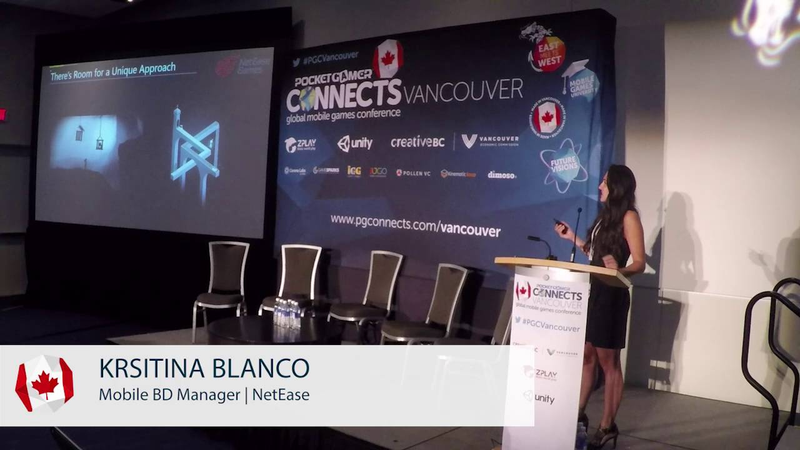
NetEase on how to break into the Chinese mobile market
The Chinese mobile gaming market represents a massive, high-growth opportunity for Western developers, though it requires a specialized approach to navigate its unique cultural, regulatory, and distribution landscape.
- Securing a local partner is essential for navigating China's complex regulatory audits, fragmented distribution channels, and rapid trend shifts.
- The Chinese market is highly concentrated, with the top ten titles capturing over 50% of total industry revenue.
- Successful entry requires deep adaptation of game design, including a shift toward hardcore RPGs and MMOs that support long play sessions and complex social economies.

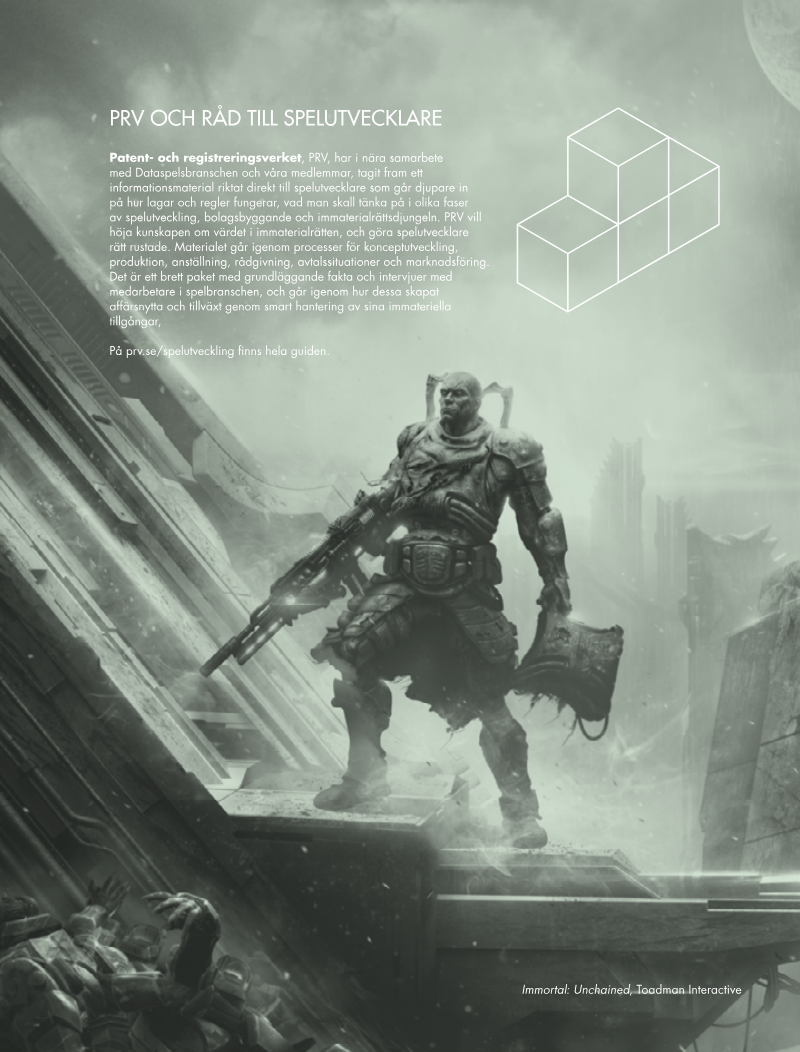

Faith: Investeringar i globala digitala innehållsproducenter
"Faith: Investments in Global Digital Content Producers" examines the critical role of Intellectual Property (IP) in driving investment within the Swedish game industry, particularly between 2015 and 2017.
- Intellectual property is the primary driver of industry transactions, accounting for 68 to 77 percent of all analyzed deals between 2015 and 2017.
- The core value of gaming companies has shifted from technical infrastructure to intangible assets, specifically creative content, brand equity, and proprietary game design.
- Long-term commercial viability for studios now depends on the rigorous legal protection and active management of copyright and trademark assets to prevent cloning and unauthorized distribution.
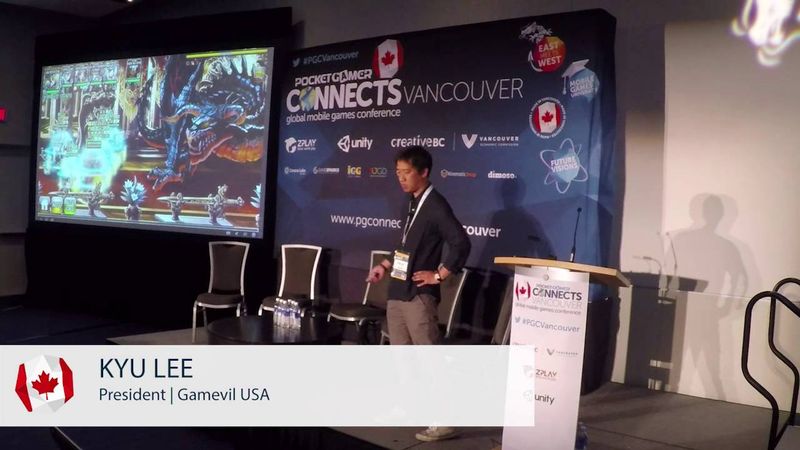
Trends in the South Korean mobile game market
The South Korean mobile game market is defined by a highly competitive consumer base, a dense urban population, and a rapid transition from PC-based MMO development to mobile-first gaming.
- The South Korean mobile market is driven by a highly competitive player base that views financial investment as a strategic tool to gain an early advantage, fueling the dominance of action-RPGs and collection-based games.
- With 25 million people concentrated in the Seoul metropolitan area, the market benefits from efficient word-of-mouth marketing and a culture that prioritizes social status and competitive achievement.
- Auto-battle features are a functional necessity for the market, allowing players to maintain progress despite the demanding work and academic schedules typical of the dense urban population.
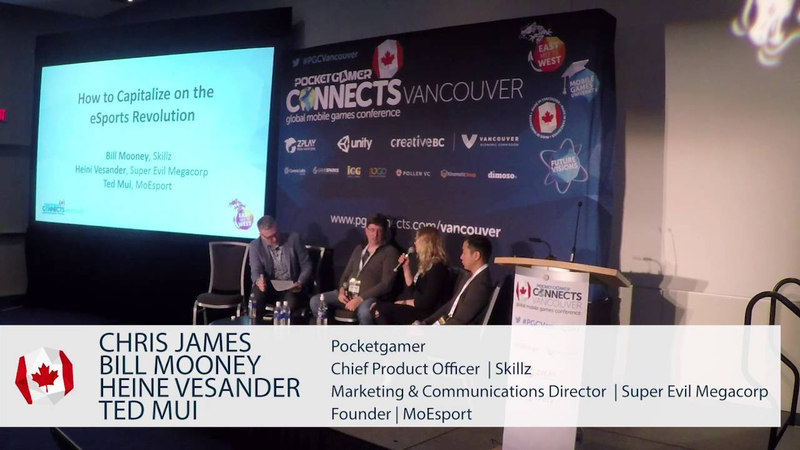
How to capitalize on the eSports revolution
Mobile eSports represents a significant, under-monetized frontier within the global gaming industry, currently valued at approximately $10 to $11 billion.
- The mobile eSports sector is currently valued at $10 to $11 billion and holds a potential audience of over two billion smartphone users.
- Long-term growth requires shifting from artificial, prize-driven incentives toward the cultivation of organic, community-led competitive ecosystems.
- Developers must prioritize equitable, skill-based gameplay over pay-to-win mechanics to ensure competitive integrity remains the foundation of the player experience.
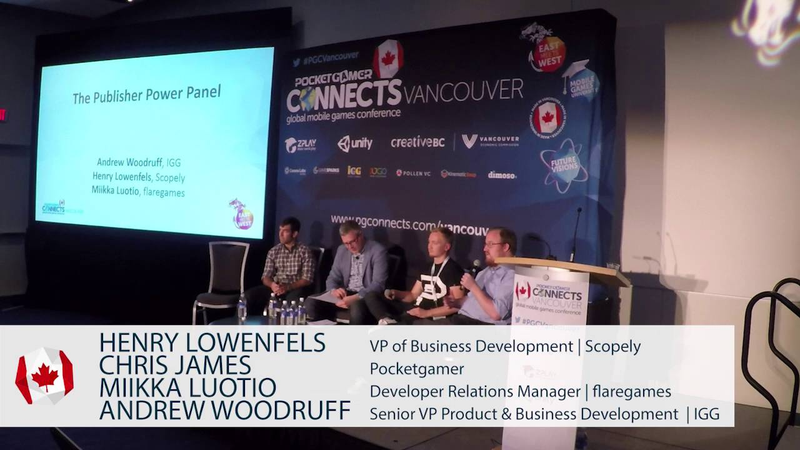
Trends in mobile game publishing with Scopely, Flaregames and IGG
Mobile game publishing has evolved into a strategic partnership model where publishers function as co-developers, providing essential funding, marketing infrastructure, and operational expertise.
- Mobile game publishing has shifted to a co-development model where publishers provide funding, marketing, and operational infrastructure to allow developers to focus exclusively on core gameplay.
- Publishers prioritize developers who demonstrate team cohesion and the capacity to produce multiple titles, moving away from interest in one-off projects.
- Successful pitches must feature addictive, universally appealing core mechanics that transcend specific demographic biases.
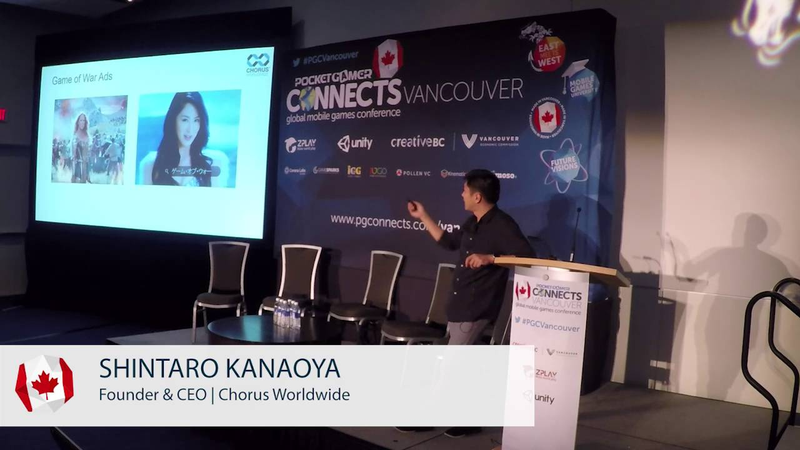
How to get your western game published in Japan
Entering the Japanese mobile gaming market presents significant challenges for Western developers, primarily due to the dominance of local titles and a distinct preference for specific gameplay mechanics.
- Success in the Japanese mobile market requires deep culturalization beyond simple translation, including adapting humor, font choices, and character art to overcome local consumer caution toward foreign products.
- Developers should adopt a shareware monetization model, offering a free initial experience with a single in-app purchase to unlock the full game, as premium titles face significant barriers to entry.
- App Store optimization must mirror traditional retail packaging by using detailed, informative graphics that explain game features rather than relying solely on standard screenshots.
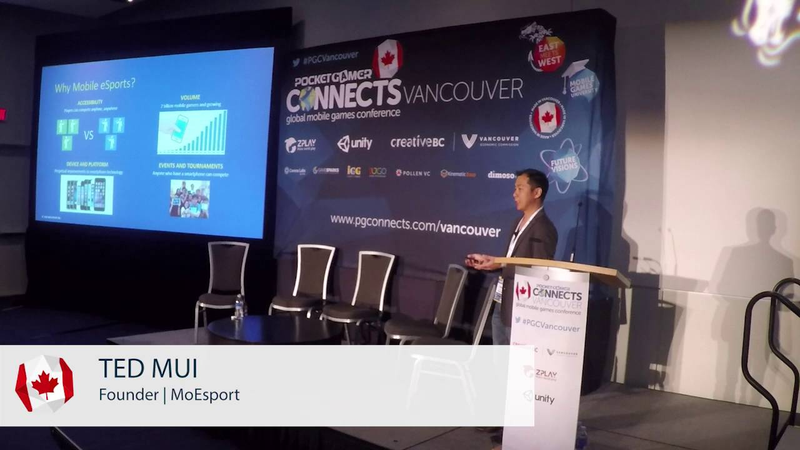
What's the future for mobile eSports?
The mobile eSports sector is experiencing rapid growth, driven by the increasing sophistication of mobile hardware and the widespread accessibility of smartphone gaming.
- Mobile eSports is shifting from casual play to high-quality, synchronous PvP experiences, with growth in North America and Europe projected to outpace the established Asian market.
- The industry is moving away from pay-to-win mechanics toward skill-based competitive integrity to ensure long-term viability.
- Sustainable growth is built on four pillars: gameplay balance, active community engagement, spectator appeal, and a consistent tournament cadence.
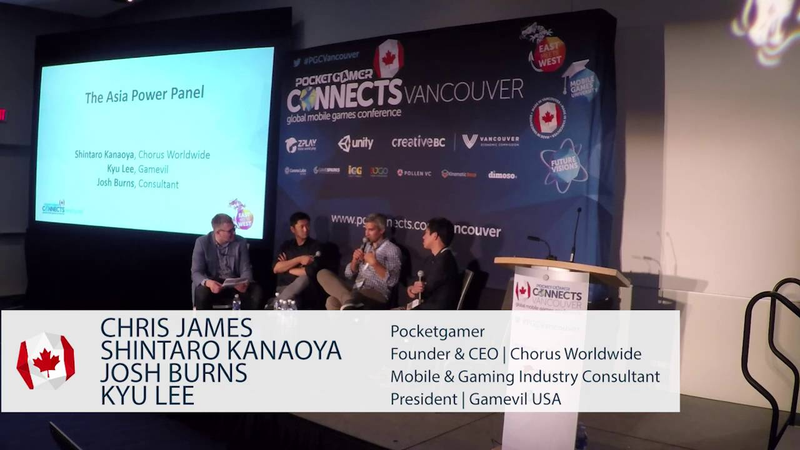
Trends in Asian mobile game market
The Asian mobile gaming landscape is defined by intense competition, sophisticated monetization models, and deeply ingrained cultural preferences that vary significantly across regions.
- The Asian mobile gaming market is highly competitive and distinct, with top-tier games in Korea generating up to $1 million in daily revenue and companies like Netmarble exceeding $1 billion in annual revenue.
- Market scale in China is massive; a game outside the top 100 in China can generate download volumes equivalent to a top 5 or 10 title in the US or Europe.
- Western developers should avoid attempting to create 'global' games that cater to all regions simultaneously, as this often results in products that fail to appeal to any specific market; instead, developers should stay true to their own cultural identity.

From Tap Titans to Nonstop Knight and Egg, Inc: Trends in idle games
Idle and clicker games represent a distinct segment of the mobile gaming market characterized by minimalist core gameplay where the primary objective is to automate progression.
- Modern idle games have shifted to rewarded video advertisements as a primary monetization pillar to overcome the genre's historically low average revenue per user (ARPU).
- Successful titles like Egg, Inc., Nonstop Knight, Build Away, and Tap My Katamari utilize rewarded ads to offer tangible benefits, such as currency multipliers and production speed boosts, in exchange for player engagement.
- The genre has evolved significantly since the 2014 release of Tap Titans by incorporating increasingly complex meta-games and sophisticated progression systems.
China Mobile Games Market 2016: Opportunities for Western Developers
The Chinese mobile game market, the world's largest by downloads and revenue, offers substantial opportunities for Western developers, despite significant operational and structural differences from Western markets.
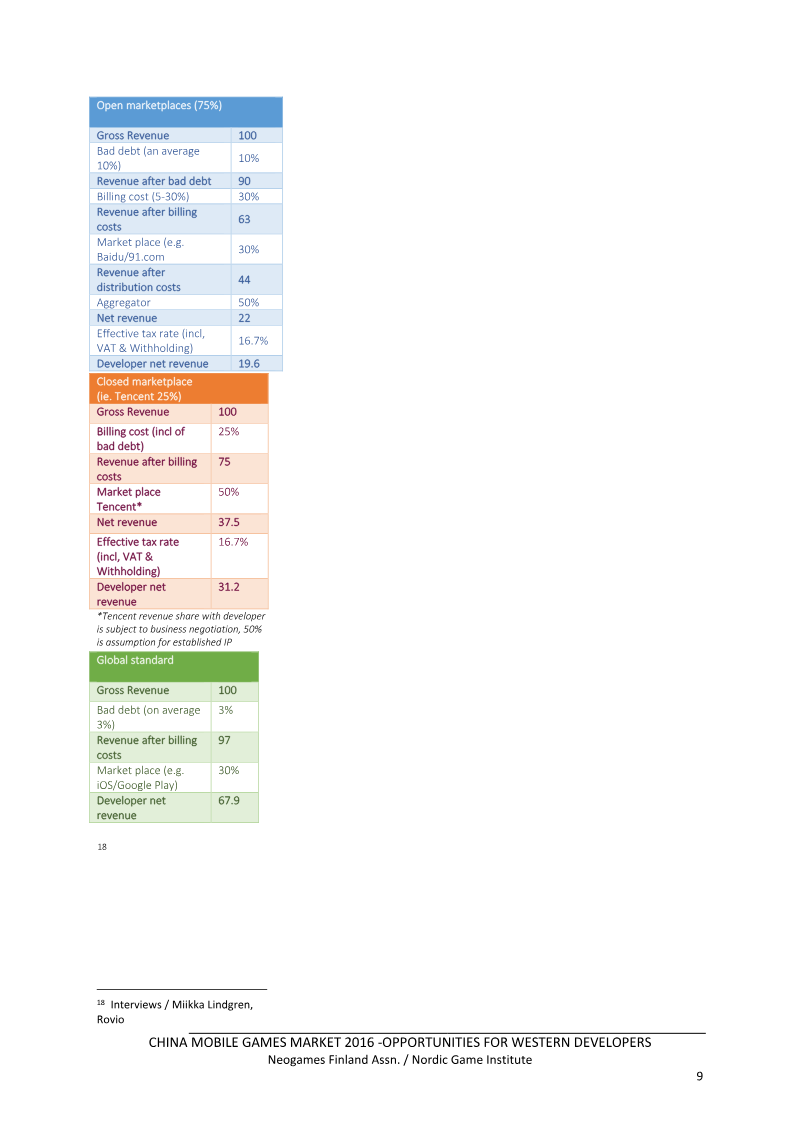
- Western developers face a significantly lower revenue share in China, typically receiving only 20% to 30% of earnings compared to the 70% standard in Western markets.
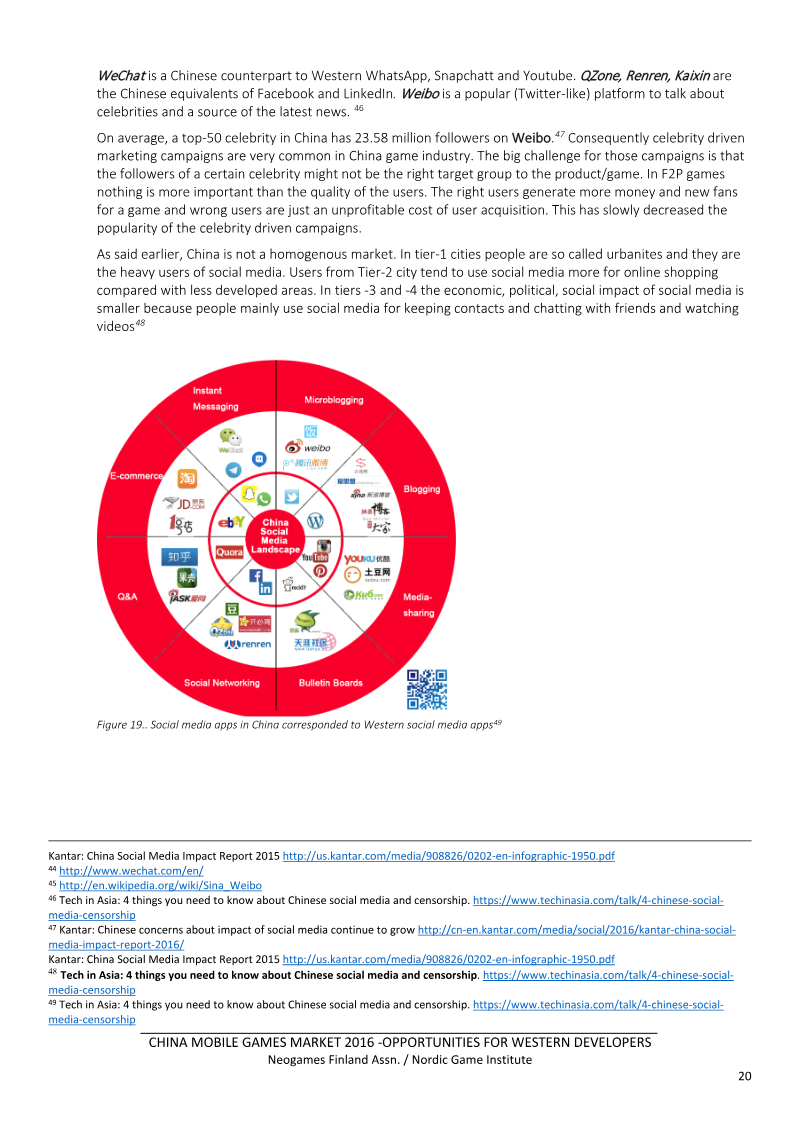
- The Chinese mobile gaming market is a duopoly dominated by Tencent and NetEase, who leverage massive cross-media ecosystems and aggressive monetization to control the sector.
- Successful market entry requires deep cultural localization, including the adoption of VIP systems, pay-to-win mechanics, and specialized anti-cheating measures rather than simple translation.
Business Management Simulations: A Detailed Industry Analysis and Recommendations
Business management simulations serve as a critical bridge between theoretical instruction and practical application, functioning as a formative yet fragmented industry.
- The post-simulation debriefing process is the most critical factor for achieving educational outcomes, outweighing the simulation's internal game mechanics.
- Successful simulations must integrate robust instructor support, assessment mechanisms, and collaborative features like team-based play and immersive storylines.
- The market is currently dominated by North American providers, with significant untapped growth opportunities in Europe, Asia, and Australia.
The Warhammer 40k License - A Total Change of Strategy - Extra Credits
Games Workshop has undergone a fundamental shift in its video game licensing strategy, moving from an exclusive, high-quality partnership model to a broad, decentralized approach.
- Games Workshop shifted from a model of exclusive, high-budget partnerships—historically held by companies like SSI Mindscape and THQ—to a decentralized 'shotgun' licensing strategy.
- The current strategy involves licensing specific segments of intellectual property to numerous developers simultaneously to flood the market with a high volume of diverse titles.
- This approach functions as a marketing vehicle for the core tabletop business, effectively offloading advertising costs to third-party developers.