1 free read left. Create a free account for unlimited reading + AI research.
Create free account
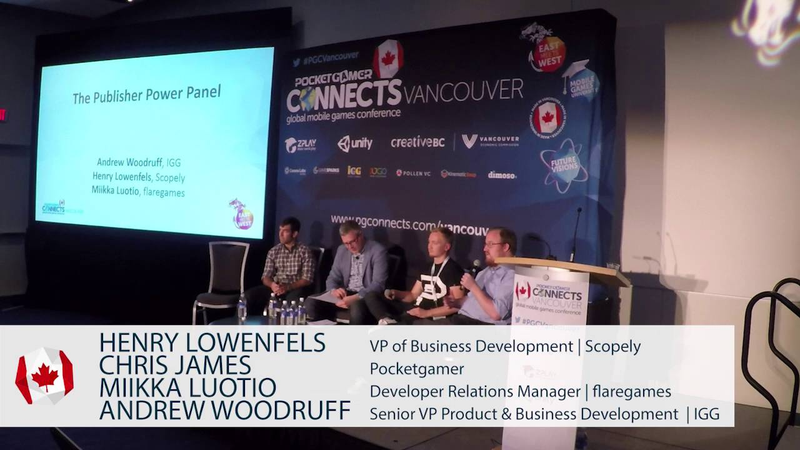
Trends in mobile game publishing with Scopely, Flaregames and IGG
Key insights
6 takeaways- 01Successful pitches must feature addictive, universally appealing core mechanics that transcend specific demographic biases.
- 02Publishers now favor deal structures that include global publishing rights to ensure maximum operational efficiency and scale.
- 03Publishers prioritize developers who demonstrate team cohesion and the capacity to produce multiple titles, moving away from interest in one-off projects.
- 04Modern publisher-developer relationships are evolving from transactional agreements into integrated partnerships focused on deep consultation regarding game design and performance optimization.
- 05Mobile game publishing has shifted to a co-development model where publishers provide funding, marketing, and operational infrastructure to allow developers to focus exclusively on core gameplay.
- 06The industry is increasingly adopting a platform-agnostic strategy, utilizing platforms like Steam to gather player data and refine mechanics before executing broader mobile launches.
Ask AI about this video
Transcript
I'm go welcome other panelists up to stage please thank you okay I don't you doing you're going to do that yet do they do I'll sit in the middle I'm gonna break okay so this is that final Powell of day so stick around she's got the last chance to learn something today and yeah I mean I think that how much more we can add to that incredibly packed and a slideshow don't know but I shall try and prize a little more out so we've already had for these two gentlemen previously so we should like to introduce yourself Sarah and what you do yes I'm echolalia finished guy working for a German games publisher called flair games we problems that's good hahaha and I'm all the way in Canada so we do we publish free-to-play mobile games globally so we work with developers all around the globe and yeah
yeah totally so we've got sort of three different kind of very different kind of publishers here and different levels and different types of games so I want to ask if you can answer it not for slides but yeah you might like girls do but think what is the absolute core role the publisher now I mean like Ulysses quite a lot of things that is it is it really marketing and discoveries obviously the biggest challenge right now in any app store it's getting out there's so much content so is that really the biggest thing is or is it is it about supporting development funding development is that something people do it I didn't notice that in there with us part of that yes and I mean no it is funding is a part of development still we we do find you know some pretty big productions with our partners I think it's really case by case I was thinking about this question a lot cuz it's a really good one like how to answer in a concise way is challenging but I think it's really to support the developer and enable them to
do their job and the developers job is to ship a highly engaging game so what does that mean it means something different for every developer for some developers it means oh wow these guys have a really great concept but they don't really understand how to run it live so let's like help them make a great LiveOps plan together and enable them to do this with the tools that we have for some for others it might be wow they really know how to run a game and get it out there but if only they had the users and it's a marketing thing so I think it I think it's really support and really understanding what they need to enable them to do the best work that's a very good answer so you're basically you're plugging in around what whether you need if you're filling out there's quite a lot of things these days of develop has to do it's not like a fire-and-forget anymore and so you're kind of filling up the bits they can't do base yeah and focuses everything we want our develop developers to focus on making great games I mean if a developer is thinking about all these other things they're taking time away from the moment to moment gameplay and we want them thinking about that would you agree with that way yeah I think I think funding is is a big part of publishing these days but I think increasingly I'm seeing
value in being able to incubate some some cool game concepts i mean i get consulates of pitches that are just concept decks that are amazing you know but there's there's hardly any prototype or is really rough and i think there's a value that publishers can give with the know-how that they're looking a lot of games and on a weekly basis they're going through shifting through a lot of games and publishing a lot of games that know how can be kind of given in early stages as well and i think that's a that's a new angle that i think is interesting yeah yeah nobody would you say Andrew come on I'm pretty it's hard isn't it yeah all i can do is that on but i mean i think from from another perspective publisher is seen a lot more games so that expertise comes from a lot of failure yeah as well as success so publisher can also kind of look into if it's a particular genre or a particular game style or directed at a particular market they can actually bring in a lot of expertise to say hey I brought up a
little bit on our talk but the UI UX failures that can happen in a particular language or you know how a market will respond differently or is there an event system that they might require okay they've already seen failure so it's experience you if you've seen yet you've seen what's definitely all going to work so you avoid repeating the same mistakes but okay that's good three different source i was working so i think kind of flipping that around and ashes what is it the looking forward is a number one thing that that makes you go boom these are the guys is you kind of mainly looking at the the team or what they've done before is it like an amazing new game mechanic is it like an understanding of I don't know the kind of business that are free to play the live up so what is it that you kind of really mainly look at what's the one that makes you get aside so it's been it's been interesting because that has changed a lot like in the last two years actually at Flair games for example we started looking at super experienced mobile development teams that are they're small but extremely like veteran but we noticed
that that doesn't always guarantee everything so if you only have the most experience behind like like combined experience of hundreds of years that doesn't like guarantee anything in these days and actually we realized that sometimes even the small teams that have a few years experience can do more magical stuff when it comes to mobile games so we've kind of started to open up our mind in terms of looking at more more smaller developers that are a little bit more indie in terms of what they're doing because the tools that are available these days just allow people to do faster iterations yeah and and go to mistakes faster and be able to kind of fail faster and to get to success faster in terms of like making a really fun game you know in a shorter time span so realizing that we are looking at agility is one of the things and being able to be lean is one of the key things that the guys can kind of iterate and try things out break stuff out come and and you know improve based on that so
that's that's something that we're looking at this so yes so you Amy see that's quite refreshing you're interested in your Europe the publisher they're interested in relatively new maybe not come brand new but but you don't have to be super don't have to have a portfolio of like 20 games published before they've all made millions before they come and talk to you guys then yeah basically we just look at have you guys done some more buggers before and that's like okay you've done mobile again support that's that's cute so you know let's see what you have and that's that's usually the kind of minimum requirement obviously experience adds to the to the whole due diligence and and you know that just gives a confidence booster but I don't think it should be a deciding factor anymore I think you should just be have a wide funnel in terms of looking at developers out there yeah yeah would you it was to approach what you looking for what what I'm pretty much just rephrasing and one protective I think as a publisher you're usually an investor right and especially if you're looking into a particular developer
sometimes the state of the game they're really happy with it they're looking at it from from their own from their own eyes I think a lot of the time you're looking at what their vision is when you ask them the right questions to kind of see where is that going do they have the the the foresight to see what what happens when you launch is there a longer-term plan to provide content you know making sure that they have all the pieces in place but again kind of looking at it from an investor perspective I agree perfectly a perfectly well with that it's just you can't be just saying okay you have 15 years of mobile experience doesn't necessarily mean they're going to be very successful at all they can be 15 bad guys couldn't make it well that's it Eileen because if you look at it I mean in the market investors don't really put money into developers they put it into publishers yeah you look at all the investment it's usually into a publisher kind of yeah blurring of the lines I guess these days in certain say exactly yeah but uh yeah but you did change again and that is as a bullet something house if the ideas no I mean I think you
know I that I don't know if I drove at home and my in my talk that five-tool analogy I mean we're looking for excellence in a particular area and and I know there are a few of you out here oh I've asked that question to that that's sort of a universal question I like to ask from games no developer it's like I'm gonna go i refer easy differently it's like i'm gonna go back and talk to my team back in LA and kind of explain who you guys are like who are you like what's great about you like why why you and not some other developer and having something to hang your hat on like it's because we have the best production processes in the business we never miss a date and we are dialed in we execute or like we it's because we love strategy games and all we do is strategy we live breathe strategy games that's what we wanted or maybe we we just really love liveops you love optimizing I've lived for everyone loves it's just great it's amazing right but but excellence in winner and that kind of makes up for sort of week because no developer is is the best designer in the world the the best at liveops the the best at back-end takta bet you're not the best at everything known as and so but we
want you to be sort of the best in a particular function so I kind of segues into a couple of points to made her my question is is you're talking about it being as an investor and you're talking about you want you to leave you or something so I in the typical you must see quite a few games i'm guessing it's pretty what you do a lot of days like i said so how can developers best pitch you what is one of the tips have just putting together that that kind of best pitch you know there what is it you really want are you saying you want you know what the thing your best up but is there kind of some do's and don'ts you can give that i mean i think that the the idea of that pitch is that when I closed that deck or walk away from that meeting I should I should very clearly understand what that thing is you know I should I should know okay here here's why I should go make a case and and stand up in a room full of ten people staring I mean asking me why I should make a case for this developer to be our partner yes I like like hanging your hat on that thing and making it very very clear i think is the best views much the other is relationship building you know i think that most of our relationships
that we have with our current partners did not just happen from one meeting like at all it happened from multiple trips in either direction from multiple meetings and conferences from us passing on multiple projects so you know just because you show us something and it's not for us at the given moment that could be for a variety of reasons it could be because our slate doesn't we've got a comparable game or we've got you know too many games at once or we're just not interested in that genre at the moment or what it might not even be that we don't like the game itself you know so it's keep that conversation going try to solicit feedback really listen and really develop those relationships because oftentimes two years later you will end up working with that person cool also get drunk and take embarrassing photographs I've heard that's very friendly so you know but what do you want to see when people come to view the pitch tech or what is it what does it look like yeah I think number one I you know what would actually care about and I didn't get fair we we look at and value the most is like if you give us a a prototype or build of your game and it captures
literally the whole company starts playing it organically that's when we are like okay we have something magical here yeah and and you might have the most beautiful peach deck or the most ugliest peach tick but if the game actually the game I'll build itself doesn't pick up organically around around the studio and our publishing folk that people start playing it like like there's no tomorrow if that happens then there's something there and I believe in playing you know playing the game and I really believe in the fact that if you feel that you're like your concentration is off out of that build or game or whatever reason it's missing something most likely sometimes that can be remedied and imagined on top of it okay it's just missing the metagame so you know I'm not playing it for weeks weeks on end but it has to have that addictiveness I guess you're looking at things that are quite far along to be able to is it's not like if thats that's kind of slightly different incubation / because then it
only has to grab you yes yeah totally and the way we approach things is like we're kind of honest for for developers when they give us something super rough so we're like okay well we're if why put this build for the rest company you know it's it's so rough that it's probably not gonna pick that momentum that people can't put it down but that's not to say that the concept would be bad or that good so the incubation part there comes in where you know you know I think publishers should be able to kind of keep advice and spar developers to to kind of add the missing pieces yeah sometimes it's very little things that are missing there and keep be amazing you know okay you get fed again and push them what do you want to see in a day I mean what is it you the cool things just have to be in there for you I think go back to a previous point I'm a down I think again you're you're going to be working with these people for a long time if they're like the idea of if the game inspires the whole company but i think the the people also need to inspire that so when you're talking to
them and they're not they can't pitch like sometimes you receive like a 45-page pitch you know like these are this is every single system we have okay just can you come back with something that I can almost you know give us a holla your long i'm trying to get as much specific severe price is it like a is it five powerpoint 10 is it me what you know just give you an initial I hate to go back to like the business example but it's an elevator pitch right and then that's always either the first contact point and I think then when you get into like your point about meeting several times when you meet several times and you want to get more information see our there where their vision is and see kind of where the publisher can help with some aspects and where I like the other point you brought up where they're their actual attributes what are they bring to the table yeah I think it's you can't give someone like 400 pages and then expect them to read it yeah yeah there are certainly things you don't want to do that I think could be rules but I think it's really difficult to get cuz if it if there was that role like i'd be the richest guy in the room sitting up in
the corner of the room just like handing out golden tickets too bright so I mean there's it's just so case-by-case cuz every publisher perceives things differently yes don't don't overload you know be able to articulate your ideas there's there's certain don'ts but the dues i think is really specific to the team yeah unfortunately but i think i think that's like we was one of reasons we can't do these big indie pitches we think it's a useful service because i think if you can't excite media or publisher whoever in or even convey in three minutes what your game is about and why it is interesting then you've kind of got go back and start your pitch again because that's longer than you going to get in most cases i think we considered but okay and i've wrote for a business perspective how much knowledge and how much you know are you expecting the develops had come to you to you know really thought through the kind of the business models the business case our projections and all that sort stuff was that your job i'm going i'm starting this site so i thinks i'm afraid it's always been second or third so harsh how are the man um I mean I think it's it you're not expecting every developer to understand the whole business landscape so but again if they're coming towards
saying this is what we're looking for what you know what we're hoping you can provide I like your your example during your the last presentation about twenty twelve verse 2016 I think most of the developers now are actually they understand what they're missing yeah so I think in any communication point it's really good to be very upfront with hey I think we understand this LiveOps thing or we understand this other thing and what we would like in any potential future partnership to move forward with with this from the business perspective I think it's always something that depending on the company depending on where everything is you need to work together to kind of find it out but yeah okay yeah so in a hassle that's fine okay so in terms of like developers presenting business cases for me that's easily kind of the tail end of once you actually receive the pits and the game is awesome and you're like okay how do we how do we do this amazing thing together and that's usually some
developers are good at it and they're usually the ones that do a lot of work for hire they'll give you numbers ready ready made and you know that's that's all nice but I don't think it's a requisite by any mean yeah because the way I think a good publisher should be able to just call up on any developer and just joke a business case and just built the numbers on a sheet in a one-hour phone call usually doesn't take longer than that so you understand what's your development costs what type of profit share you going with and and so far it those are those are like kind of the tail end things and they're usually already already developers almost always have those in the mind even if they don't write them in the concept XO they know what's their burn rate so usually that's not rocket science by any means at least in my opinion yeah I totally agree with with all the points being made I'll say that it can be a turnoff to a publisher when when a developer I mean if you know what your numbers are going to be and should be and you really know like fantastic but if you see something and they're
like hey we're looking for you know five percent day 30 retention and like you know you've got games your portfolio that are doing like fifteen percent and that's what it takes 24 for what you wanted to kill the whole it kind of killed if you got a shot themselves in the foot so in that regard less can be more I mean if the business case isn't obvious you're talking about like I haven't seen too many people pitch me something that has like subscription models in it yet I'm sure I will start to that might be interesting to see like okay what's your perspective on why subscription is going to work here because it's kind of not proven yet but for things like him making an RPG Oh your scope Lee you've got Walking Dead like you don't need to really tell us sort of why a mobile gotcha based RPG is going to work you know no yeah this is an additive conversely uh as a warning to I think developers looking for publishers if you start seeing crazy stats coming right away like oh yeah you need to achieve this value before we pay out something I saw a lot of publishers doing that when i was on the development side and then i go you need to achieve this and then if you achieve that will give you a little bit more in a little bit more because i
remember one where we had development deal they're like will give you a million dollars and when you start reading the deal yeah and it was like no wait up front it's thirty thousand dollars yeah and then if so it was it was you're never going to get there so just as a warning point you can run away from that segues nicely to the next point what what I mean obviously every deals different I get that but they typically like what the core elements of the deal is it is it is it kind of money up front to cover the production and then some sort of revenue share is that is that as simple as it gets a lot more sort of fiddly than that oh good yeah so I mean like one of the things that I think I'm kind of amazed that is looking at normal publishing deals and there's a profit share what what publishers give developers seem to be is really unfair not in terms of like being equitable for balls but in terms of because we're building services I think we should be like publishers should be driving
towards more like a like a 50-50 situation where they can actually like say that hey we're on the same boat because once the game is out and while it's in development we should have the same recoup pool we should be like standing in the same you know same Bowl and whatever happens you know and I think that's something that I'm I'm hoping to see more because we're building services and you know especially when it's a free-to-play game if it's a premium game that's a whole different ball park right but if you're doing free-to-play games you got to be able to offer incentive for the developer at both the publisher also feels that they're the same level of investment in terms of how quickly they can get to profit and how quickly they can make money you know a good game okay so ya feel free to cover this with deals from the day with your head right I don't disagree with that theoretically but I think in practice it's a little bit more complicated because I mean I think if the wrist profile is equal and I don't just mean from a financial standpoint like there's sweat equity and it's it's a little bit
of a qualitative assessment totally agree but I think you know a lot of the deals that we're doing we're coming in very very early we're often bringing IP that costs multiple millions of dollars to acquire we're often times financing a production with 30-plus people that's going to cost multiple millions so I don't think a 50-50 deal is fair they're actually at all you know and and if a developer is financing their their three million dollar production and acquiring the IP then yeah let's slip the rapture totally you know I mean but so I think I think it is about about the risk profile the cool like we have cool jobs because I you know I've been in a form of business development my my whole life and typically business development is about getting the best deal for your company and in free to play games it's not it's about getting the best deal for both sides it's actually about getting the least like the worst acceptable deal for both sides because you need both sides to feel rewarded at the end of the day if our developer partner if I you go is really annoyed that we're pulling too much profit off the walking dead and they don't feel that they're being
rewarded well we're screwed because we need those guys and hey guess what if we feel like we're just paying out and you know we're not being rewarded for the investment that we made well they're screwed because the game is dead we're not going to mark it anymore so you need to find this scenario where both sides actually legitimately feel good at the end of the day going home when they look at their bank account based on the work they've done the investment they've made and it's totally case by case I think and by genre developer everything I expect last point you'd like to add just my my last one I agree perfectly you know if the it depends on the deals you've seen that going back to the whole point i was making like you do see some of those tier deals where maybe to tour the publisher and developer too cautious and they're coming in and they're they're adding in okay well you have to ease benchmarks before we do higher payout I've been on negotiated some deals where it was kind of interesting where we gave all of the the emphasis on the public developer in order to achieve something and then we were giving away a much higher percentage so they needed to do a very good job in order to get that
higher percentage but that he said I wanted to add that final point I think a really good case study is a King they had candy crush saga and they were trying to push 10-cent to grab it for a long time it took a year and a half and a year and a half later came out they still got the same deal that happened at the beginning which is the 10 20 10 90 yeah the King taking 10 and by that time I mean we know the Chinese market it changes is really quickly there was already a perfectly great copy it was actually it's probably the third generation copy yeah so it already was integrated into all the social media and they could never get candy crush to work so in certain markets I bring that up because certain markets there is a monopoly then you should just give it up just just go for it uh-huh yeah they did terribly for King I remember the whole situation was his railway they struggle day without five billion dollar sale it was a tough but fair point that you did to ten cent dealers it's very interesting about that I guess that segues into another point really is you
guys as publishers you do you prefer to work on a space it's on a global basis or market by market when you were talking to I mean I do in China and yeah well I DD we actually earlier on me d emphasize china so castle clash we we took the 1090 deal and we just gave it to them yeah the Chinese market um maybe we negotiated better because we're chinese company i'm not sure i wasn't involved with the deal with a couple years ago but yeah we like to go global again making sure that the games can go everywhere yeah because it's as soon as you can as a publisher as soon as you can hit that scale it'sit's much it's actually pretty cheap yeah you're adding a couple more people a couple more expertise for the different markets it's much easier to do a global I've seen deals that really really did not work where one particular publisher had these languages or region I mean you have that other issue look a language or region we doing with and then oh this and that and
then especially on mobile you're kind of screw you know you're on a an area where it's affecting each other we had one deal where we actually partnered Android versus iOS oh wow and the game the game field for sure yeah but nobody's even heard of it could you basically what you're saying you need a one-person refocusing on that the whole world will certain markets I think can can you can break up like I think the Chinese markets a very standalone market some of the Southeast Asian markets are very standalone yeah so you can license license out those two to publishers that are better in those regions especially since they have different app stores yeah to do with but when you have like the English French German regions I think it's if the publisher has the capacity it's much easier to go with one in that region okay so anything tied to happen I mean we we tend to to take global rights we would be open to conversations that made sense you know otherwise if there was a especially if it was with a you know interesting Eastern strategic that was doing some work over there and maybe we would take
it in the West but typically we don't really want our developers like grinding it out on the business development side like we want them thinking about the game so you know not that we wouldn't be open to to parsing out rights for the for specific opportunities but you give it if they've got if you're only taking North America then they got to go figure out Europe they go figure out China the rest of Asia it's like they're gotta do that's work that's taken away from them spending time with their team and operating a game okay that makes sense i mean i think segwaying forward from that as well as like are you looking to have like you are you doing things ideal a game web game basis like I deals typically game by game or is it you more you're trying to get a publishing deal with the studio for multi games or Forex years or what's the what's what it typically you're looking for us well i think it's it's increasingly more about the teams and and if you see a team that can deliver an awesome game and they have this kind of recipe in terms of like especially small teams that have have liked like a really good coherency
within the team and they execute something really good in a relatively short time that's when you kind of you should be looking as a publisher looking at the situation and like okay saying these guys can definitely repair something as cool as theses obviously different game but those up teams you should be able to kind of identify and obviously if you can you know obviously that's a good opportunity to have multi title type of teals yeah so that's something that's a really dream case scenario for a lot of publishers if you find that team you know lucky you know that's it just come down yeah let's go right guys you've that's all--that's all--that's all tied down there the guys did an amazing job with non-stop night and obviously we want we're super interested in partnering and working with them in the future games as well up is if they did really awesome job and it's just like a handful of guys in a small office with a sauna and then in Finland and they did stop making so many little best games it's knowing a preferred yeah I
mean I mean those guys they come from a background of you know Romeo Romeo temporary office which got shut down and they formed their company afterwards and they're awesome guys they have experience on mobile and they think alike so they work really coherently as a team and I think that's that's in a situation like that you obviously want you're saying like hey I'm totally interested in your next game let's talk about what do you want to do after this and also those type of situations as a publisher when you see that you just you should you know go to the talks with DOS yeah yeah yeah yeahs hundred hundred percent agree it's all about the team I mean there's a lot of overhead that goes into spinning up one of these relationships on both sides you know understanding each other's tech understanding who the players are on each side what they like to hear what are the turn-on sirna what's the creative dialogue so if it's working it just makes sense to keep doing it you know if it's not working I you know it makes sense to go your separate ways but we really whether or not we set up a multi-game deal or an investment or you
know something that is a step towards an investment you know in via triggers and the deal you know we always intend to do more than one game we're not going to go into business with the team when we're just like okay will do this one game and then we'll never work with them again because that's not really a scalable model I don't think in today's free to play market okay fern um we've got a couple minutes left before we wrap up I've got small questions but I'll gonna throw out there see when he's got a question for these guys your last chance last question for those there's a hand at the back okay just about see it through the light thank you hey guys it's time for me to games I had a quick question around the idea of what really excessive published around the game is you know hey everybody in the office is playing it then we know we're onto something and we have that happen to us one of our games has picked up by a publisher because you know we send it to them and everybody in the office was playing it and you know they called us they said 20 people tried it but what happens if the game that you're pitching is for a different target market than the people in the office thing the game what if you're making a game for females 35 + and everybody at
the office testing it is you know between twenty and thirty five males how did the evaluation process look like that that's a good question like for us that the answer to that is kind of simple we absolutely know we mostly if you look at what we published our like RPG role-playing game strategy games and the reason why we focus on those is because we love and breathe those type of games so obviously we can get excited about them and every single body in the four games office they play those type of games and you know that's that's it but if we get a casual game obviously there's a there's a bigger challenge of that picking up if let's say that game is a puzzle game and not a lot of people of in the office you know loving puzzle games but I believe that you know if the game is good enough and has that level of accessibility that you really start having fun even if that's not your type of a game I believe if it's powerful enough if the game is fun enough it'll transcend demographics even within an office you know it's just it will blow
through and I've seen that happen so many times in different game companies yeah okay that's good question i need any further question all those german hair the front almost lost you there oh and whenever there as well as questions I I snuck in sorry about that yeah cheeky I just want to I mean listening to Henry and then listening to the panel on the second time i'm just wondering whether you know that the word publisher is really correct any more it sounds like you guys have such a varied mix of skills such a varied mix of services that you're providing telling there's such a varied mix of credibility amongst the people you hire in your own companies to work with you have ops people and development people you're I think words like incubator I've been used you sound like coaches in some ways and mentors is is the role of a publisher becoming more like it's almost like a joint venture in some ways or you're becoming a partner in a classic sense that that's the word partner that that is the word I mean I it was actually so I was tasked with with
putting together a presentation based on my first month at scopa Lee and this is September of 2012 and and I had one slide and it basically was like we're not a publisher or a partner because at least back then you're right your point your point is right and back that known like the word publisher because there's a lot of baggage that comes with publishers you know and rightfully so to be honest I don't think that the publisher developer relationship has been a healthy one in our industry all the time I do believe that it can and should be and publishers like igg and flair and scope Lee I think are doing things the right way but i do think yes it is the word i like to use is is partner I mean we we don't really love the word publisher it is a catch-all and it works and so what people understand but I'm right there with you Bryan yeah and I would say like we've been internally we use a lot of word code development which is you know we're kind of a co-developing publisher because there's so much stuff we we do these days as publishers that it's actually like especially projects that we take
co-op early on you know we were sparring the guys we're committing consultation on their design and everything so we're part of the development in a way quite often and it's more and more or less just throwing money in a general directs and it's actually caring about the success of the game and making the game more fun and that's more or less you know shifting towards more and more to towards co-develop and I would say I think we're endings go out there why we change ad network sales friend as well and we came back and that may they feel more approachable it's a one final question from John the beard here he i was wonder if you guys found value and taking your mobile titles to other platforms like steam or playstation network and possibly points vs anybody anybody looking cross platform we all mobiles i would say like i said in i was in the other panel just before I came here and I so lazy I was crass that you know you know that's the future looked bright for indie devs and I think like I hope that the platform's
mobile proposed ourselves like Apple App Store and Google Play would start looking more like steam because of some of the stuff that you know the valve is doing with steam you know I just wish some of the tools were available so obviously you know that's super interesting i'm getting pizzas from indie devs who are just pushing their game they originally did it for mobile but they're like hey we just you know because its unity we did a pc version so we're pushing it out the steam to learn how people like to play the game so that's something that obviously as a publisher you can't say no to that anymore you're like okay you guys can do that I don't know how to help you that but let's see the learnings and we can help with the mobile publishing side but I truly hope that in the future we'll see somewhere in a laboratory they're working on features like steam has more I hope that's that be the future but yeah we're definitely not like being agnostic to that anymore like like oh no you know let's not talk anymore obviously that's just learning from a different platform even if it's a different color scheme quite often so
but doesn't matter okay right I think we're over time so can we have a valid Paul's fly at wonderful panel here thank you very much guys it's very good very impressive
Summary
Mobile game publishing has evolved into a strategic partnership model where publishers function as co-developers, providing essential funding, marketing infrastructure, and operational expertise. The primary objective is to allow development teams to concentrate on core gameplay while the publisher manages the complexities of the competitive free-to-play market. Success in this landscape is no longer defined by a developer’s extensive portfolio, but rather by their agility, ability to iterate rapidly, and specialized excellence in design or live operations.
When evaluating potential collaborations, publishers prioritize teams that demonstrate strong cohesion and a clear, long-term vision. Effective pitches must articulate a unique value proposition and showcase addictive core mechanics that possess universal appeal, transcending specific demographic biases. Because these partnerships represent significant long-term investments, publishers favor developers capable of delivering multiple titles rather than one-off projects. Deal structures are designed to align risk profiles, with a strong preference for global publishing rights to ensure maximum scale and operational efficiency.
The industry is currently shifting toward a more collaborative, platform-agnostic approach. Modern publishers are moving away from transactional relationships, instead positioning themselves as integrated partners who offer deep consultation on game design and performance optimization. This evolution includes a growing emphasis on cross-platform releases, such as utilizing Steam to gather player insights and refine game mechanics before broader mobile launches. Ultimately, the focus remains on minimizing friction and fostering sustainable, high-quality production cycles that can thrive in a global, data-driven environment.

















Comments