Live Ops reports and market data
Documents
Iterating Design and Fighting Fires: Updating Fruit Ninja and Jetpack Joyride
The mobile gaming landscape demands a delicate balance between rapid iteration and the preservation of a title’s core identity.
- Maintain a design-first philosophy to filter community feedback, ensuring that new features do not compromise the integrity of the core gameplay loop.
- Implement a 'chaser update' model that pairs major content drops with rapid, community-focused patches to stabilize player retention and improve store ratings.
- Transition from simple currency-based shops to achievement-based progression systems to increase long-term player engagement and sense of accomplishment.
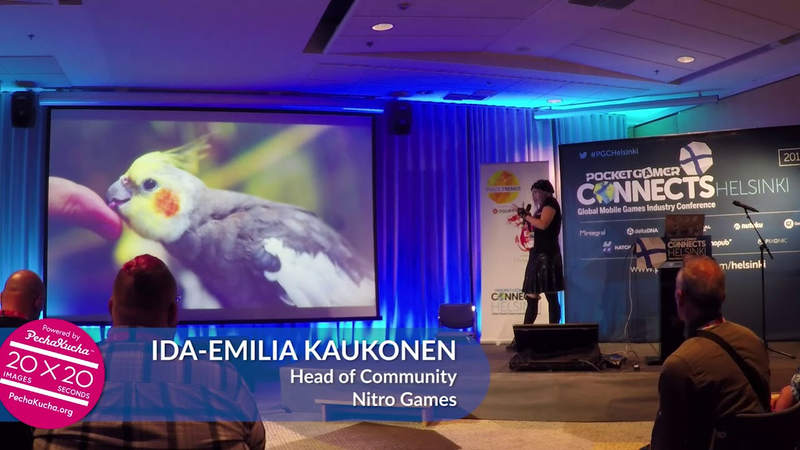
PGC Helsinki 2018 Pecha Kucha sessions: Nitro Games' Ida-Emilia Kaukonen
Effective community management in the gaming industry requires a proactive approach to crisis prevention, user retention, and boundary setting, mirroring the complexities of caring for exotic pets like parrots.
- Prioritizing the retention of an existing community is significantly more cost-effective than the high expense of user acquisition.
- Silence from a community is a more dangerous indicator of decline than vocal frustration, as anger suggests active engagement while silence signals apathy.
- Community managers must act as a protective buffer to shield development teams from user grievances, ensuring that actionable feedback is prioritized over superficial aesthetic updates.
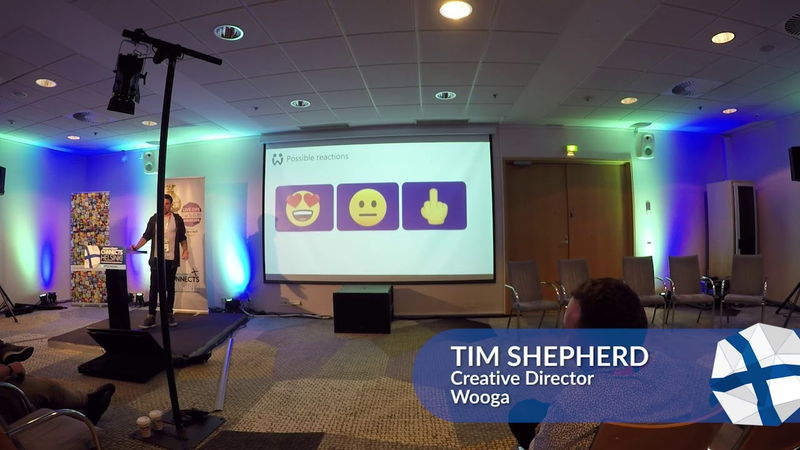
Live operations: Bringing a seven-year-old game back to life
The revitalization of the seven-year-old mobile title Diamond Dash serves as a case study in re-evaluating product positioning and audience psychographics to extend a game's lifecycle.
- The revitalization of the 2011 mobile title Diamond Dash demonstrated that declining performance often stems from a misalignment between developer perception and actual player motivations rather than a lack of inherent product value.
- Research identified a critical shift in the core audience from casual explorers to highly competitive players, necessitating a pivot to a 'casual-competitive' framework to unlock new engagement and monetization opportunities.
- Technical modernization, including a migration to a unified codebase and the integration of rewarded advertising, was essential to validating the game's business model and increasing lifetime value.
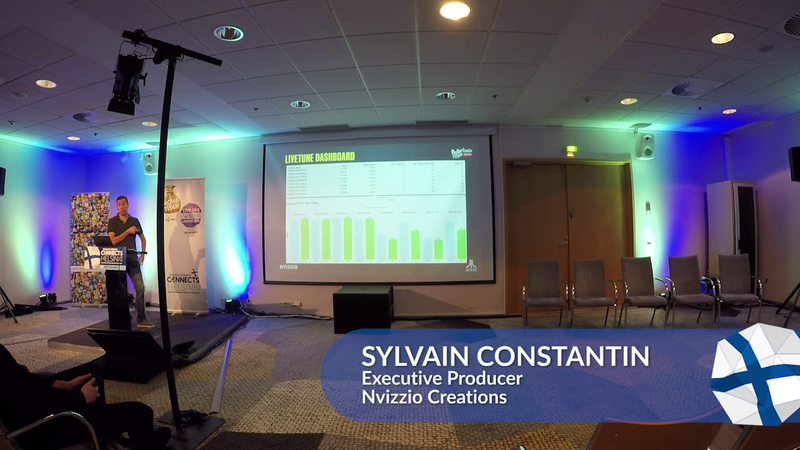
How Nvizzio increased day 30 retention by 50% with Unity's LiveTune
The mobile game developer Nvizzio Creations, led by executive producer Sylvain Constantin, utilized Unity’s LiveTune and Unity Ads to significantly optimize the performance, retention, and monetization of the title RollerCoaster Tycoon Touch.
- Nvizzio Creations achieved a 50% increase in day-30 retention for RollerCoaster Tycoon Touch on Android by using Unity’s LiveTune to optimize technical performance across fragmented devices.
- LiveTune enabled real-time adjustments to game settings, such as frame rate and memory management, without requiring full build updates, effectively closing the performance gap between Android and iOS.
- By shifting to a diversified ad strategy featuring user-initiated rewards, the studio increased daily revenue per user by a factor of three.
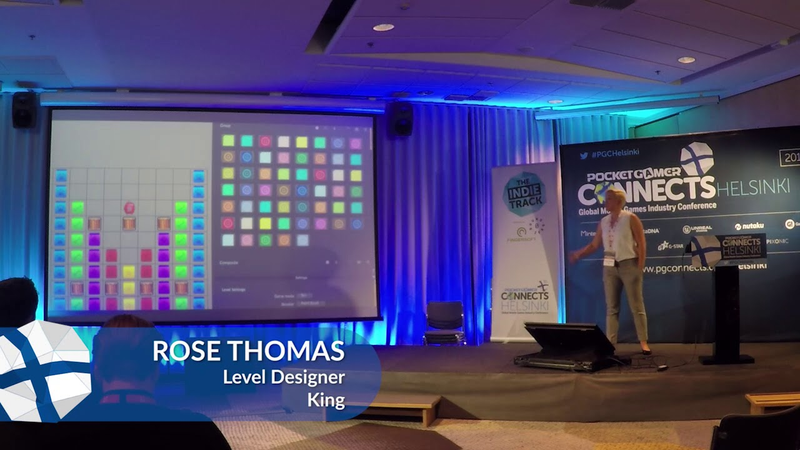
5 years and counting - Keeping our pet alive
Pet Rescue Saga, a long-running mobile title from King, maintains a consistent player base of over 4 million users despite being nearly six years old.
- King maintains a consistent player base of over 4 million users for Pet Rescue Saga, a title nearly six years old, by operating it as a live-service game.
- A small team of approximately 17 people in Malmö, Sweden, manages the game using an agile framework with two-week sprints that deliver 15 new levels per cycle.
- The development team utilizes proprietary in-house tools that use groups and conditions to manage level complexity, blockers, and boosters through specific probability weights.
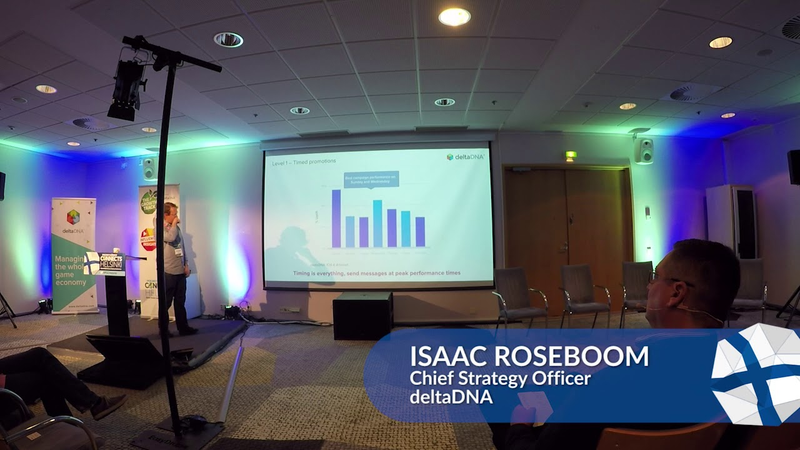
7 post-launch CRM strategies you need to know to maximise game revenues
Modern mobile game revenue is increasingly driven by long-term player retention rather than initial launch spikes.
- Long-term revenue is driven by mature player bases, with 70% of daily revenue in successful games generated by users who installed the app more than a month prior.
- Advanced player segmentation and personalized targeting drive a 47% revenue uplift, significantly outperforming the 10% uplift achieved by games using only basic targeting.
- Only 15% of developers currently utilize sophisticated, personalized player targeting, representing a major opportunity for competitive differentiation.
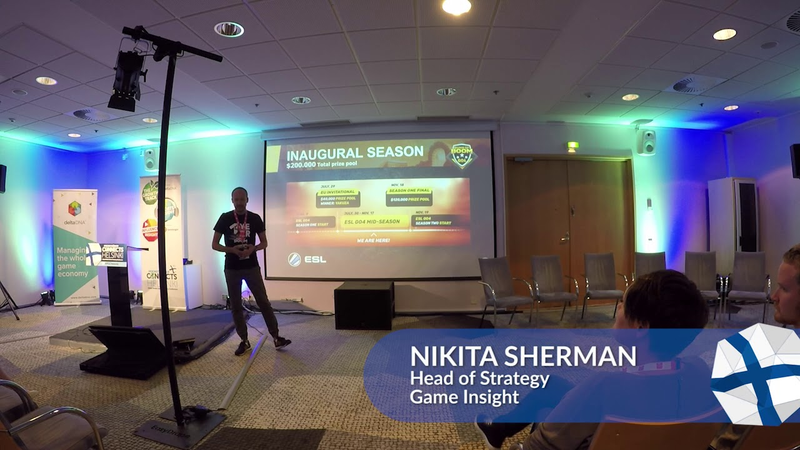
Building mobile esports in Guns of Boom
The transition of the mobile first-person shooter Guns of Boom into the esports arena serves as a strategic framework for extending the lifecycle of free-to-play titles.
- Competitive esports integration serves as a marketing tool to increase player retention, with data showing that participants in the competitive ecosystem exhibit twice the activity levels of the general user base.
- To ensure competitive integrity and remove pay-to-win imbalances, the developers introduced a 'Pro Mode' that equalizes gear statistics for all players.
- The 'Pro Mode' requires a minimum player level and a one-month entry period to ensure that only dedicated users participate in the competitive scene.
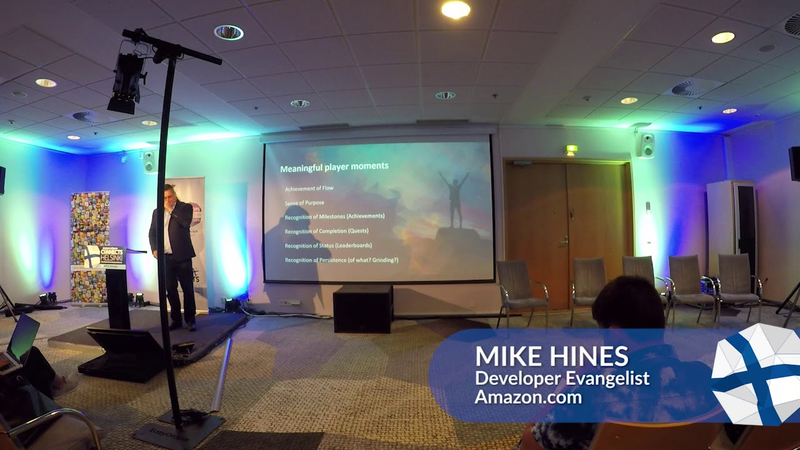
Increasing retention with live game services on Amazon Web Services
This presentation outlines strategies for game developers to improve player retention and engagement through the implementation of LiveOps services.
- Offloading non-differentiated backend infrastructure to managed cloud services allows development teams to prioritize the creation of social and competitive player experiences.
- Server-side management of game variables, such as weapon power and pricing, enables real-time A/B testing and segmentation without requiring client-side updates.
- Retention is driven by engineering 'peak and trough' moments, such as milestone achievements and status rewards, to create memorable player experiences.
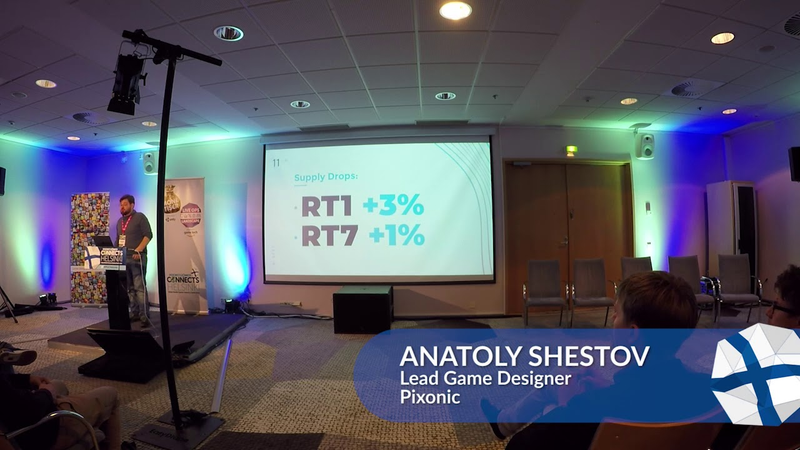
Unity Mobile Business: 5 things Pixonic does to retain users in War Robots
The mobile game War Robots, a cooperative PvP title with over 100 million installs and 1.5 million daily active users, utilizes a data-driven approach to optimize player retention.
- Pixonic increased War Robots' monthly revenue by 10% by implementing non-intrusive video ads that allow players to replenish ad-watch pools and double post-combat rewards.
- The introduction of timer-based 'Supply Drops' successfully increased Day 1 retention by 3% and Day 7 retention by 1% by encouraging more frequent, short-session engagement.
- Implementing a 'Battle Rewards' progression system based on skill-based achievements increased Day 1 retention by 2% and fostered higher levels of competitive play.
The Hitman Sniper post-mortem
The Hitman Sniper post-mortem details the transition of a premium mobile title into a sustainable, live-operated service.
- Square Enix Montreal successfully pivoted Hitman Sniper from a declining premium title to a sustainable live-operated service by implementing 36 iterative updates over three years.
- Regional price adjustments in emerging markets proved highly effective, resulting in a 115-fold increase in game downloads.
- The implementation of personalized, mission-specific rifle offers based on behavioral and geographic data increased conversion rates for key items by nearly four times.
Agile development application for live ops
Agile development methodologies serve as a critical framework for managing live operations in the game industry, where the primary objective is to deliver sustained value to players as efficiently as possible.
- Live operations should function as a scientific process, using iterative updates to test hypotheses against player data to ensure features deliver genuine value.
- Agile frameworks like Scrum for time-boxed sprints, Kanban for bottleneck visualization, and Lean Startup for rapid prototyping should be adapted to fit specific team needs rather than applied rigidly.
- Autonomous, multidisciplinary teams of six to ten people are the optimal size for maintaining agility while ensuring clear accountability and authority.
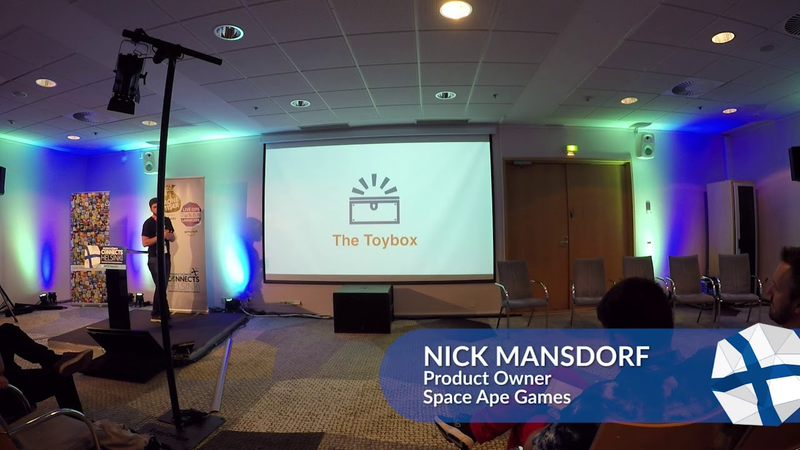
Space Ape on lean live ops for mobile games
Space Ape Games, a London-based mobile studio founded in 2012, utilizes a lean live operations strategy to maintain long-term revenue for its portfolio of mobile titles while shifting development resources toward new projects.
- Space Ape Games shifted its staffing model after 2016 to reduce developer involvement in live titles, moving from 70% of staff dedicated to live games to a lean model that prioritizes engineering resources for new intellectual property.
- The studio maintains legacy game profitability through a 'toy box' framework of proprietary web tools, allowing non-developer staff to manage events, monetization, and assets without requiring client-side code pushes or app store updates.
- Operational efficiency is achieved by transitioning the art pipeline to a fully outsourced model, enabling the studio to reduce full-time artist headcount on specific titles from five to zero.