Global reports and market data
Documents
Game Spaces Speak Volumes: Indexical Storytelling
Clara Fernández-Vara's DiGRA 2011 paper proposes "indexical storytelling" as a refinement of environmental storytelling, drawing on Peirce's semiotics to argue that game spaces can convey narrative through physical traces that players must interpret in order to progress.
- Clara Fernández-Vara's DiGRA 2011 paper proposes "indexical storytelling," a refinement of environmental storytelling grounded in Peirce's semiotics, in which physical traces in game spaces must be interpreted by players to progress.
- Indexical traces differ from mere world-building backdrops because they are directly bound to gameplay and may record either the game world's past or the player's own actions.
- The argument is primarily conceptual, drawing on GDC 2010 industry talks by Richard Rouse and Smith and Worch and supported by illustrative examples rather than quantitative evidence.
Exploring the Creative Potential of Values Conscious Design: Students' Experiences with the Values at Play Curriculum
Belman and Flanagan's 2010 study examines how undergraduate game design students engaged with the Values at Play curriculum, a four-week program that teaches students to embed social and political values into game design.
- Students in the Values at Play curriculum, a four-week program teaching undergraduate game design students to embed social and political values in games, often embedded values unintentionally in game features, and struggled to make them explicit.
- The study's main tensions were reconciling values-conscious goals with the need for games to be fun, and resisting conventional genre clichés such as violent conflict.
- Students adopted three strategies: repurposing familiar mechanics, using unwinnable or unconventional win states borrowed from serious games, and inventing original mechanics to foster empathy, such as the language-barrier mechanic in Cabbies.
Undercurrents: A Computer-Based Gameplay Tool to Support Tabletop Roleplaying
Undercurrents is a computer-based tool designed to support tabletop roleplaying without dictating its rules, pacing, or social dynamics.
- Undercurrents is a computer-based tool that supports tabletop roleplaying without dictating its rules, pacing, or social dynamics, based on the thesis that computers add most value when they are under player control rather than acting as game authorities.
- The tool was designed to address limitations of traditional computer role-playing games, which impose fixed rules and rhythms, and offers features such as secret player-to-GM messaging, timed audio-visual presentations, and a real-time session wiki.
- Design requirements were gathered from three focus groups of tabletop game masters, all male and aged 16 to 45.
Leadership Style in World of Warcraft Raid Guilds
Patrick Prax's study examines how leaders of World of Warcraft raiding guilds manage their organizations, comparing their approaches with those found in real-life settings.
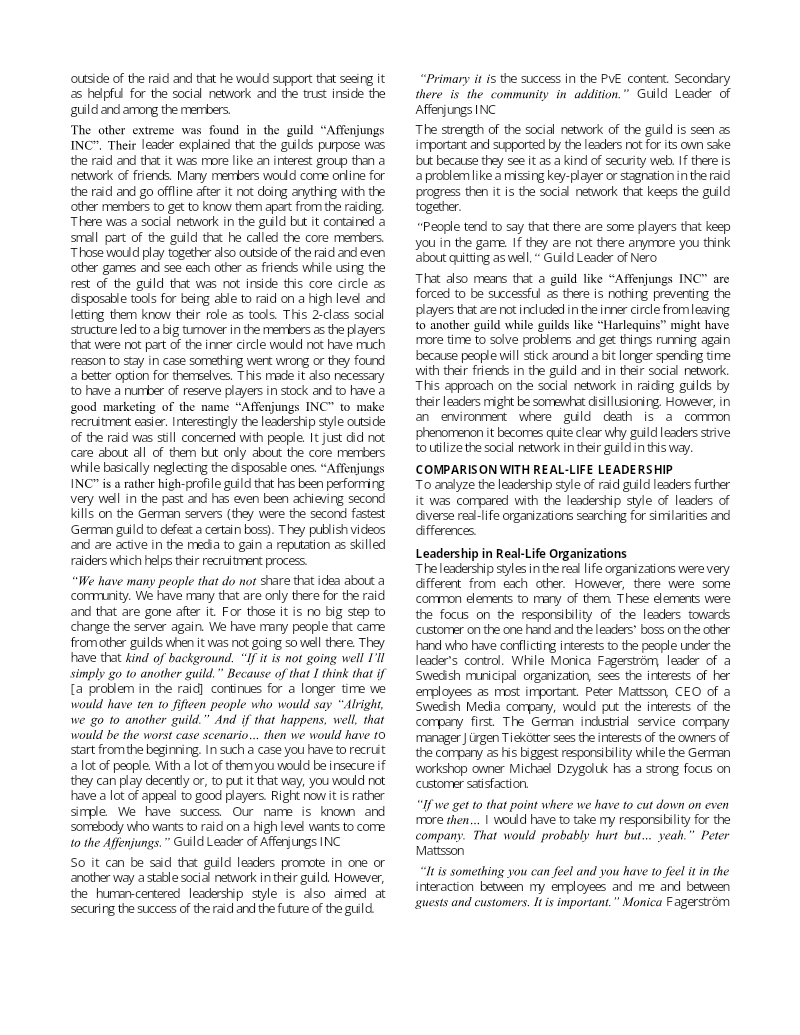
- Guild leaders behave in a 'Janus-faced' manner, switching between a results-focused, authority-compliance style during raids (scoring 9,1 on the Leadership Grid) and a people-focused, country-club style in everyday guild life that prioritizes members' social satisfaction, enjoyment, and sense of achievement.
- Raid stability is costly: a single absent player can force a raid cancellation, and that failure can cascade into the collapse of the guild, which is why leaders adopt a strict results orientation during raids.
- The study compares two guilds at opposite ends of the spectrum: Harlequins never lost a member to another guild, while Affenjungs INC relied on a small core social circle, treated other members as 'disposable tools,' and suffered high turnover.
Social Play? A Study of Social Interaction in Temporary Group Formation (PUG) in World of Warcraft
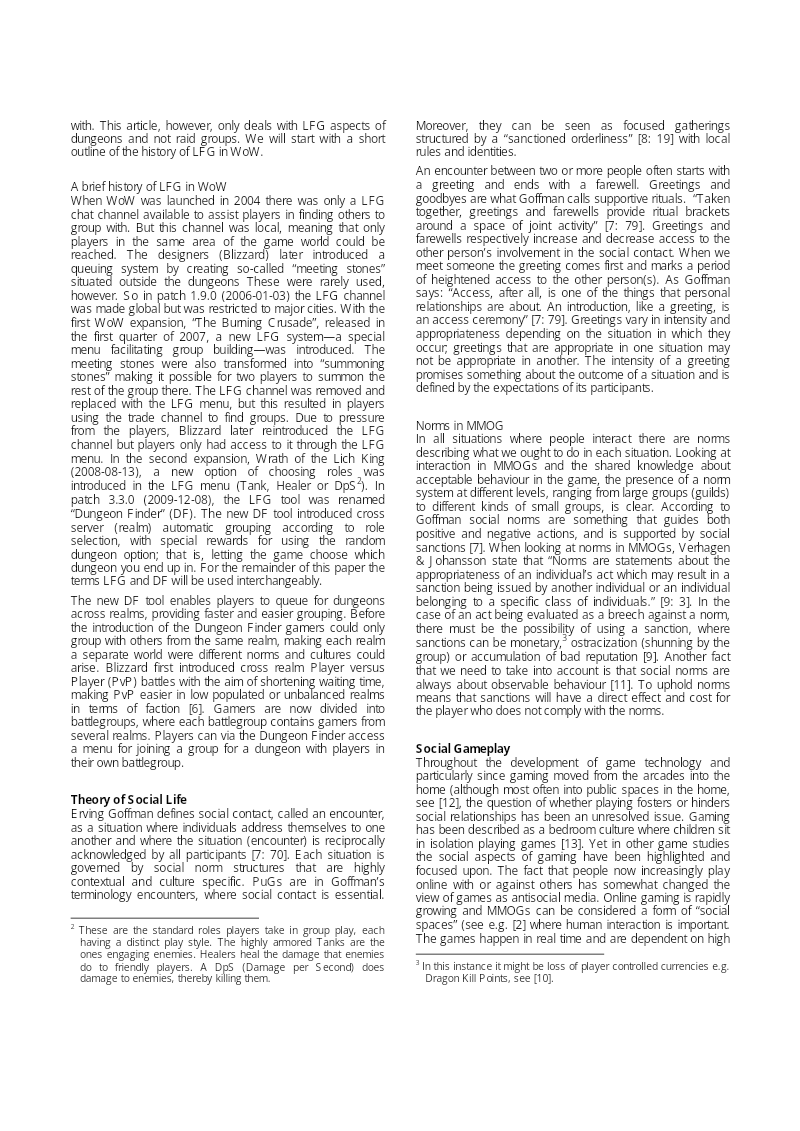
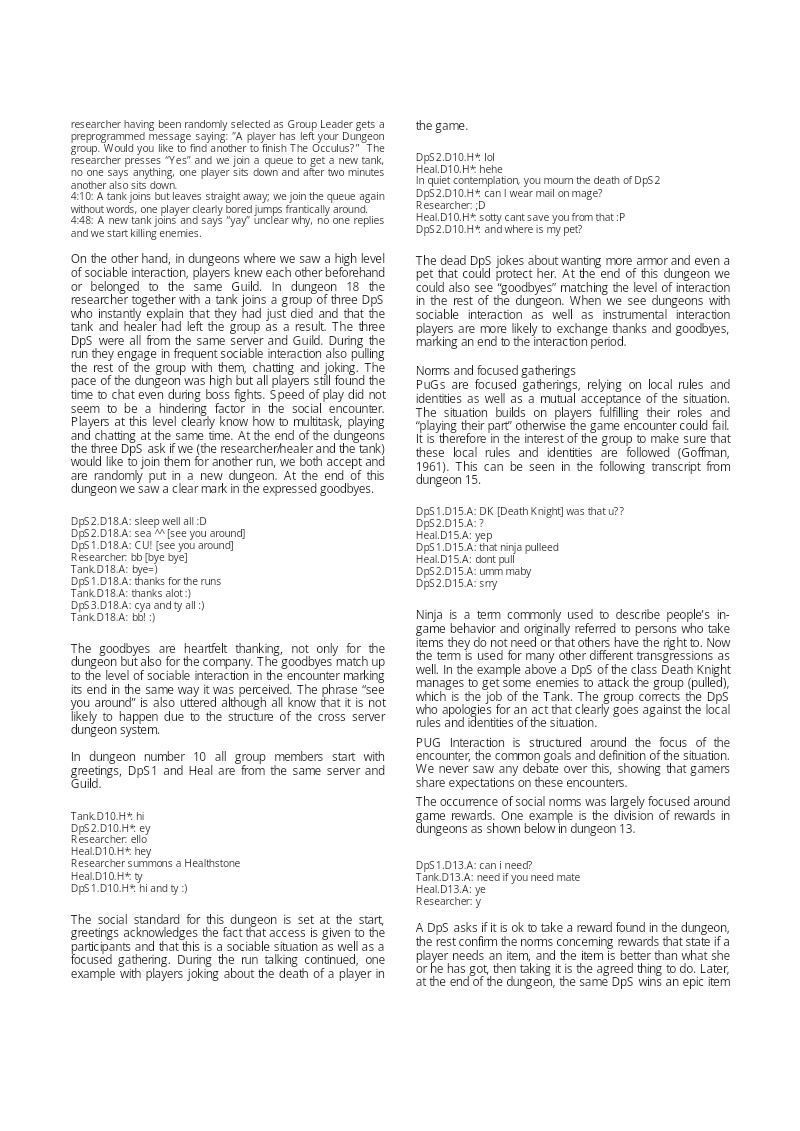
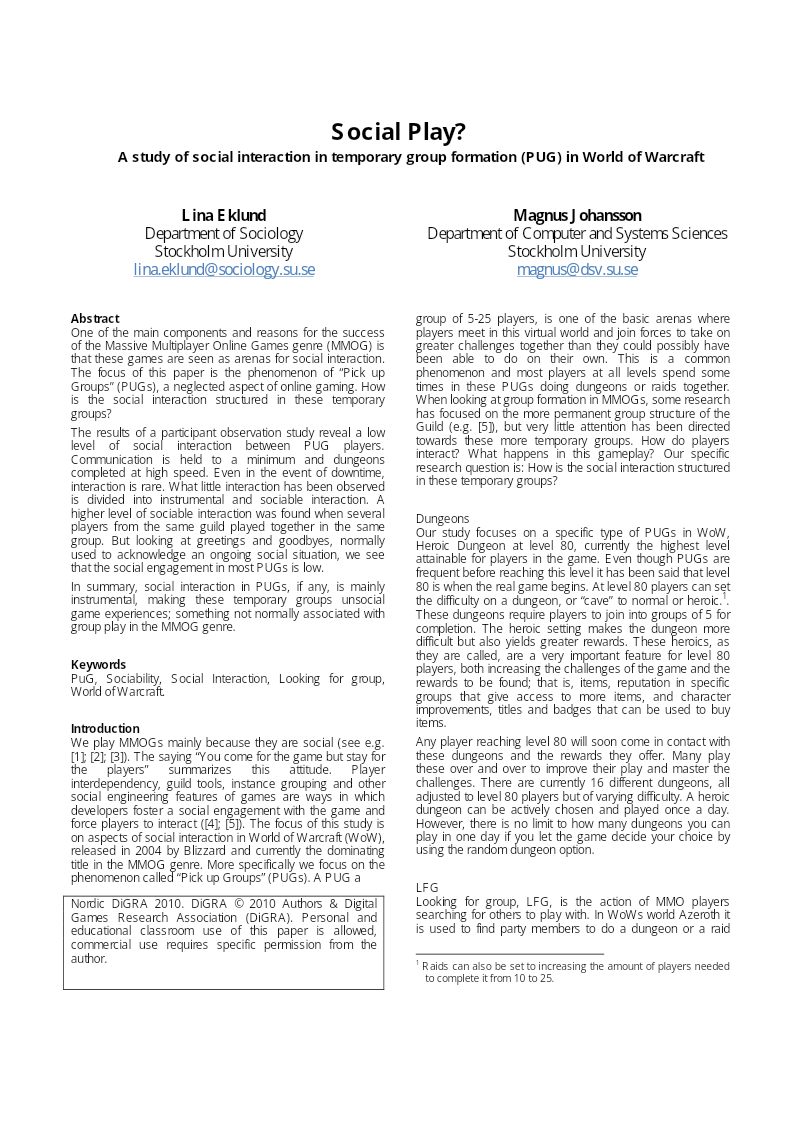
Drawing on 24 recorded random dungeon runs in World of Warcraft, this study examines social interaction in pick-up groups (PUGs), the temporary teams players form to complete dungeons with strangers.
- Pick-up group interaction in World of Warcraft dungeons is predominantly instrumental, focused on tactics, rewards, and task completion, with greetings, farewells, and rapport-building rare.
- The study, based on 24 recorded random dungeon runs, characterizes PUGs as largely "unsocial" when measured against the social expectations commonly associated with massively multiplayer online games.
- Sociable exchanges occur mainly when group members already share a guild or prior acquaintance, indicating that social engagement depends on existing ties rather than arising spontaneously in temporary groups.
Designing for Player Experience: How Professional Game Developers Communicate Design Visions
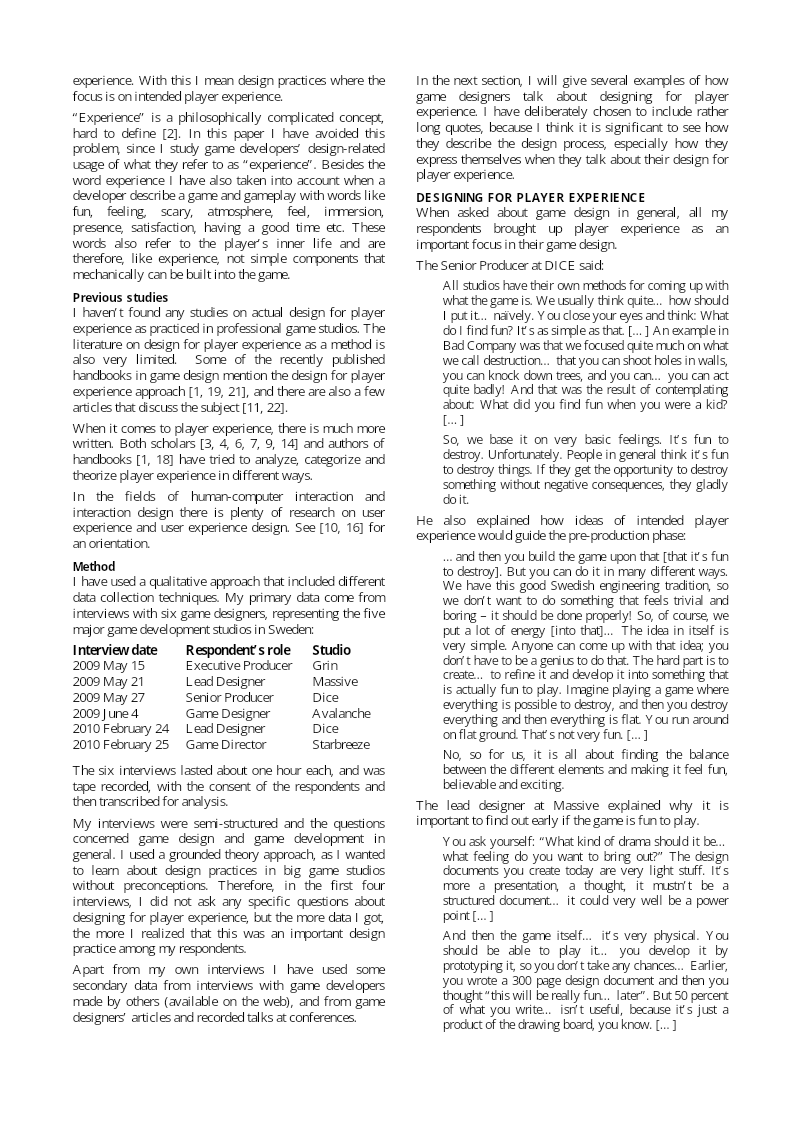
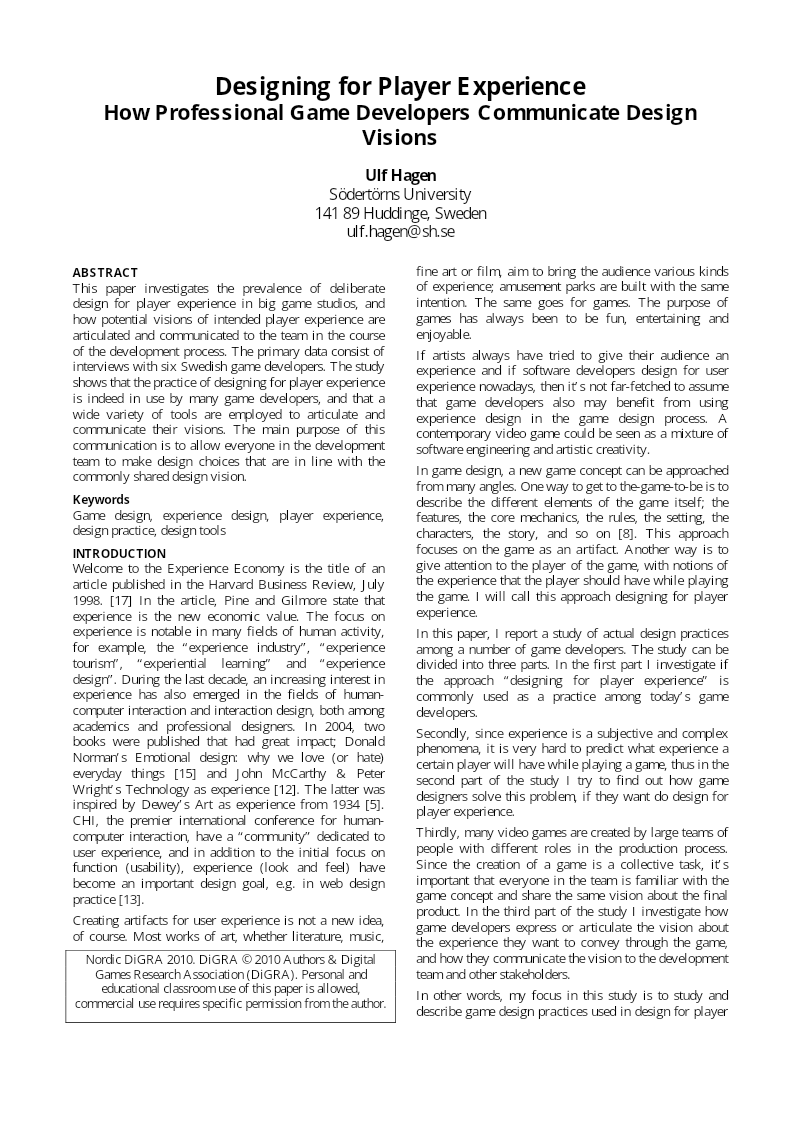
Hagen's study examines how professional game developers articulate and communicate the intended player experience of their games, focusing on Swedish studios.
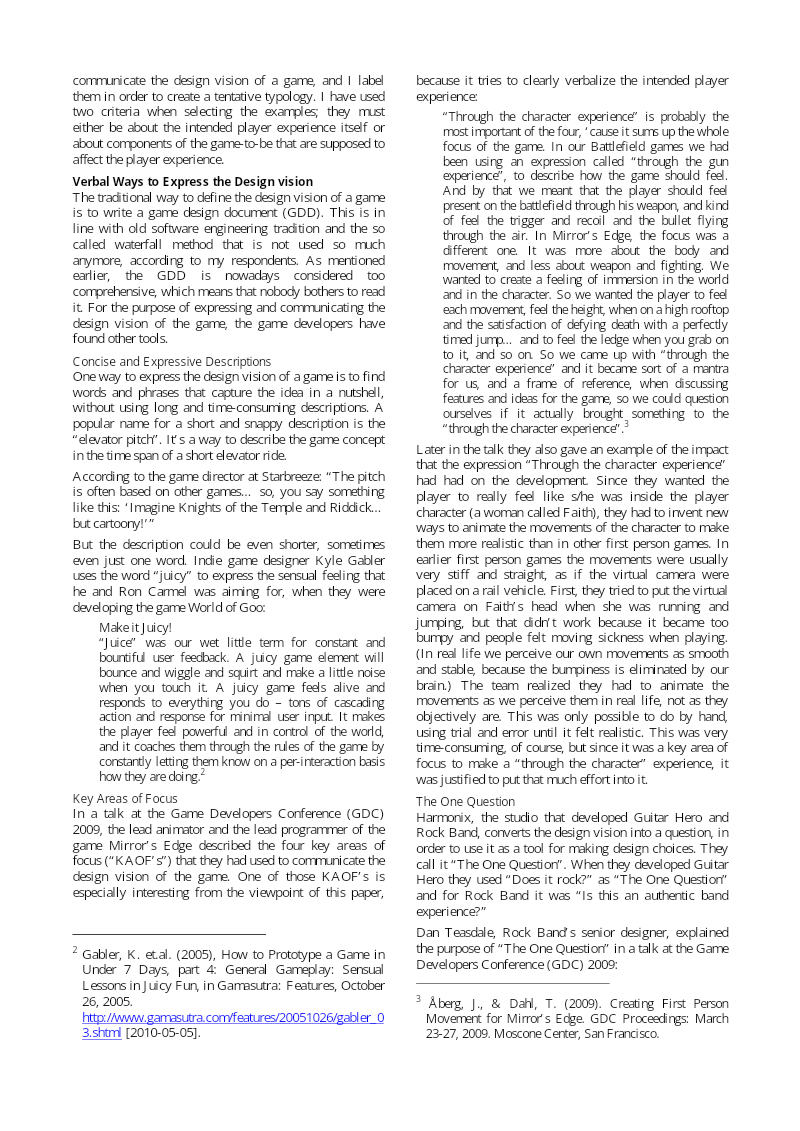
- Designing for player experience, meaning the feelings a player should have rather than mechanics alone, is a widely practiced approach among professional developers, according to Hagen's study of six interviews with developers from five major Swedish studios.
- Strong game development depends on communicating a shared design vision so that team members can be creative within a common framework across large, multidisciplinary groups.
- Studios such as Dice, Harmonix, Avalanche, and Starbreeze communicate their visions through concise descriptors, similes, anti-exemplars, concept art, animation, and music rather than lengthy documents.
On Making Good Games: Using Player Virtue Ethics and Gameplay Design Patterns to Identify Generally Desirable Gameplay Features
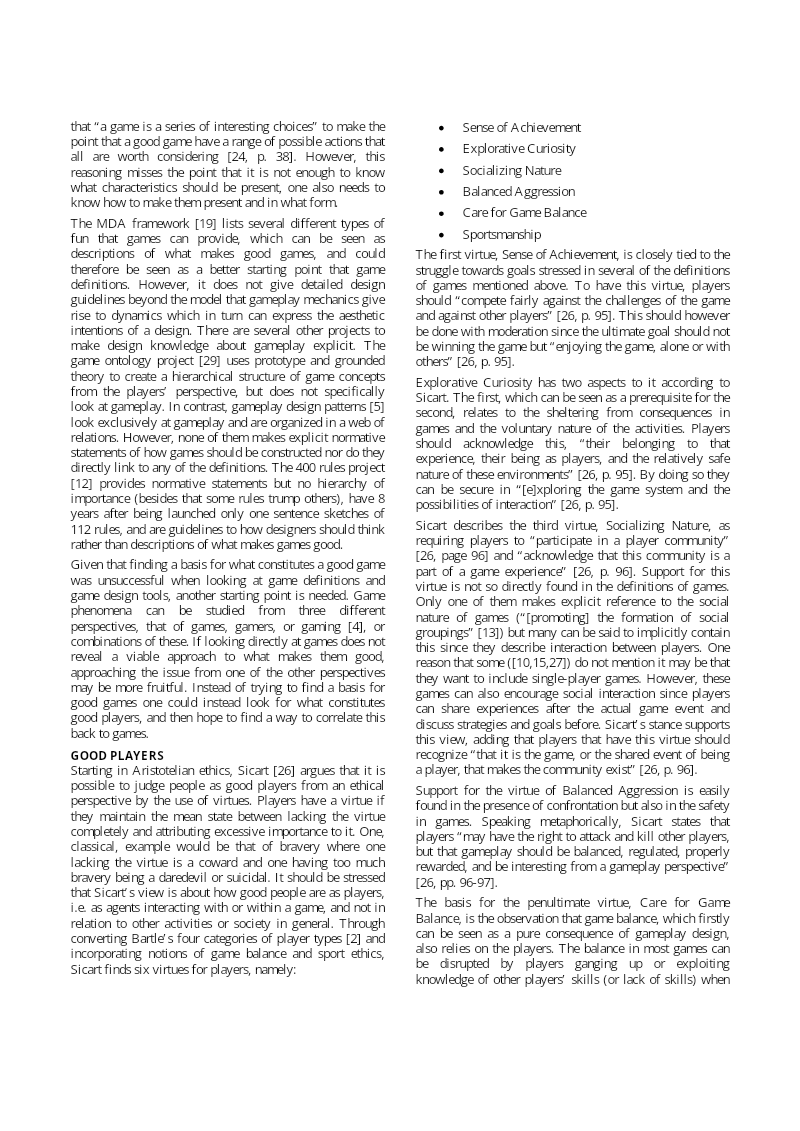
Björk's paper argues that a good game is one that supports its intended use, which is to cultivate good players, and it adopts Sicart's six player virtues (Sense of Achievement, Explorative Curiosity, Socializing Nature, Balanced Aggression, Care for Game Balance, and Sportsmanship) as the framework for judging that goodness.
- The paper argues a good game is one that supports its intended use of cultivating good players, judged by Sicart's six player virtues: Sense of Achievement, Explorative Curiosity, Socializing Nature, Balanced Aggression, Care for Game Balance, and Sportsmanship.
- Prominent design frameworks such as MDA, the Game Ontology Project, and the 400 rules project do not explicitly connect design guidance to what makes games good, a gap the paper aims to fill by mapping design patterns onto the virtues.
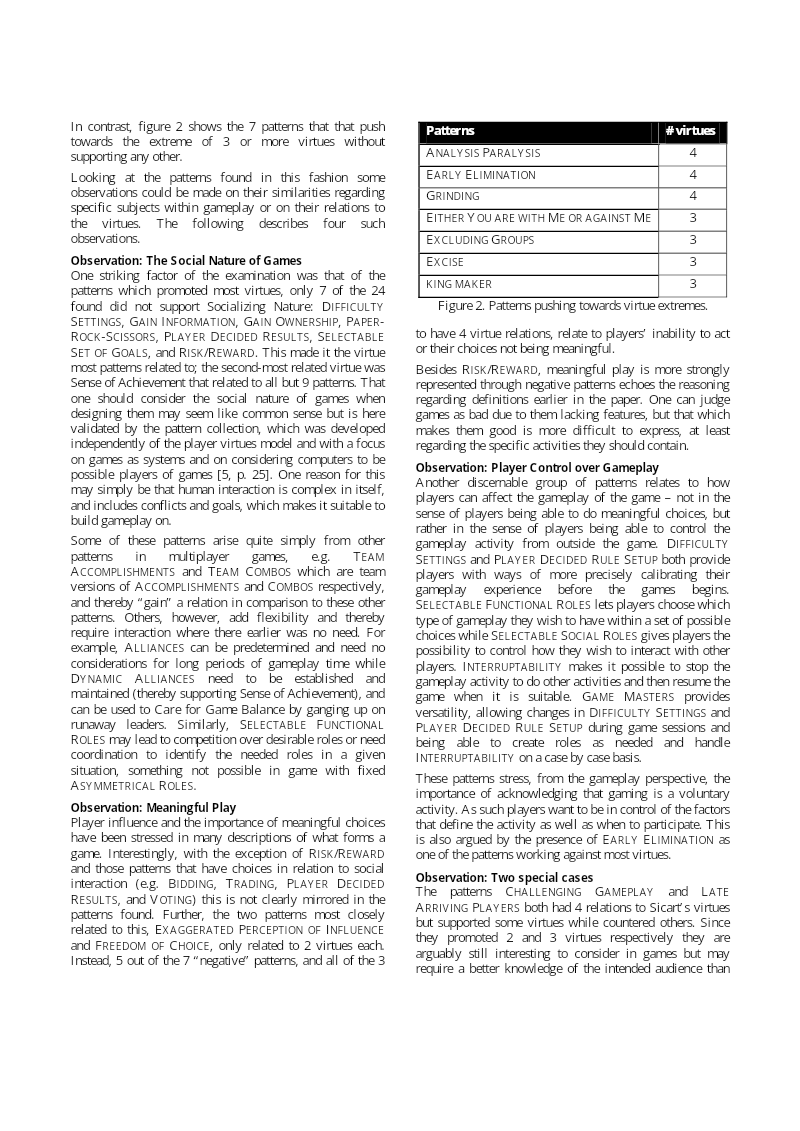
- An initial scan identified 24 gameplay design patterns relating to three or more virtues, with a further 161, 131, and 50 patterns relating to one, two, and three virtues respectively.
The Positive Negative Experience in Extreme Role-Playing
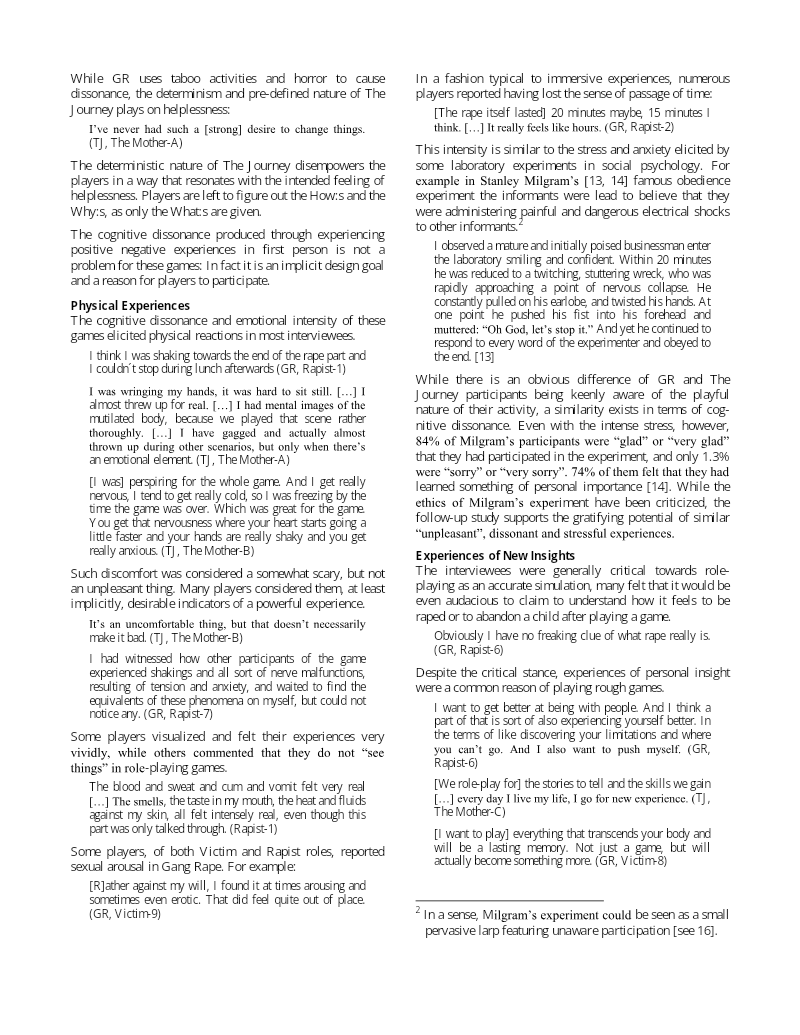
Markus Montola's study examines two Nordic freeform role-playing games, Gang Rape and The Journey, which are deliberately engineered to provoke horror, disgust, powerlessness, and discomfort.
- The study by Markus Montola examines two Nordic freeform role-playing games, Gang Rape and The Journey, engineered to provoke horror, disgust, powerlessness, and discomfort, and argues they produce a "positive negative" experience in which players find sessions gratifying and powerful rather than enjoyable.
- Based on interviews with fifteen experienced players, the work finds a consistent pattern of distress alongside appreciation: many reported crying, physiological stress, and lingering discomfort, yet none regretted playing Gang Rape and most reported positive takeaways.
- The "bleed" designs, which blur the boundary between player and character, make it difficult for participants to disengage from the fiction once a session begins, and they foster intense bonding and reliance on mutual support among players.

A Public Place of Their Own: A Fieldstudy of a Game Café as a Third Place
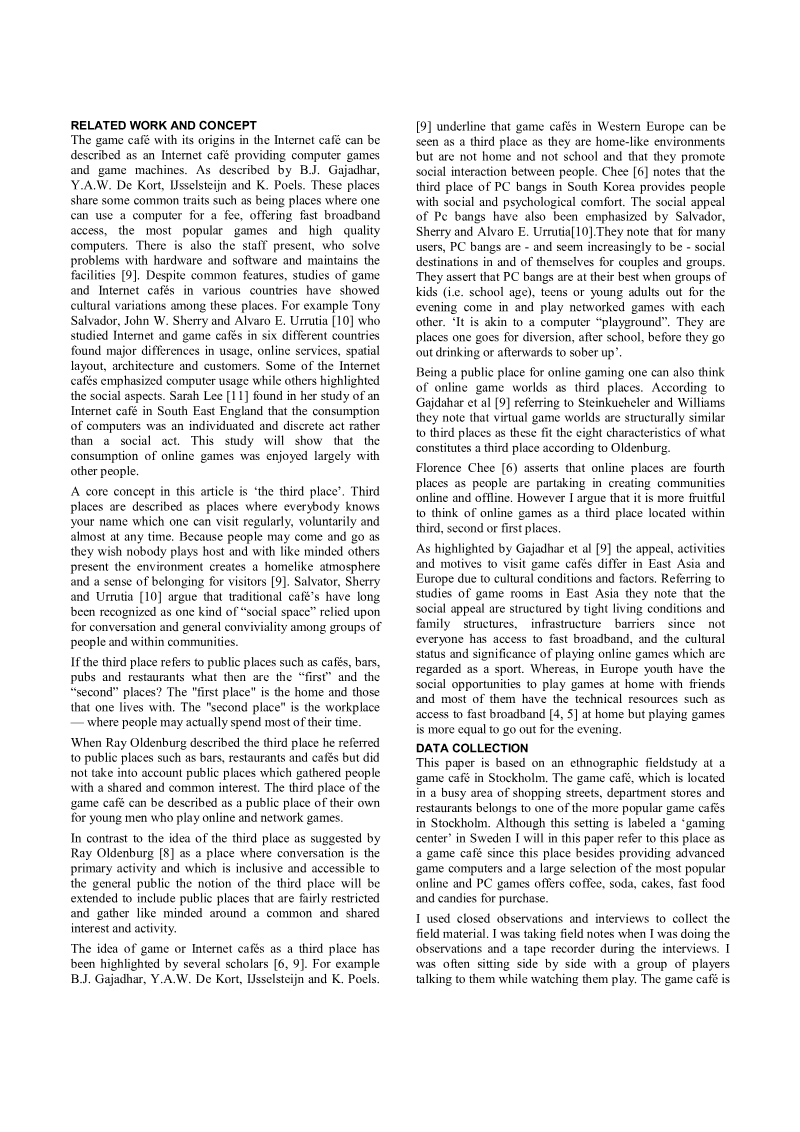
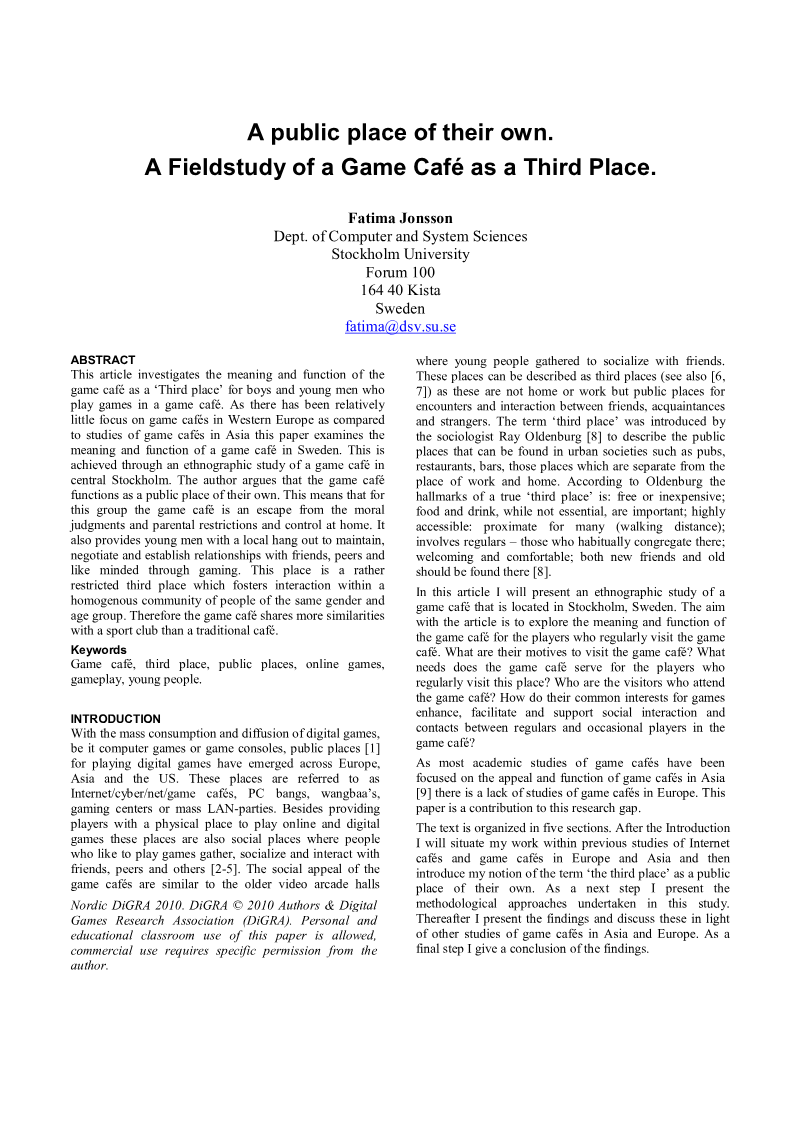
Jonsson's study examines Phantasy, a game café in Stockholm, as a "third place" in Ray Oldenburg's sense: a social setting distinct from home and work where people gather informally.
- The study examines Phantasy, a game café in Stockholm, through field observations and interviews conducted in 2005 and 2007, applying Ray Oldenburg's 'third place' concept to young male online and network gamers aged roughly 14 to 25.
- The café functions as a space of autonomy for regulars, offering an escape from parental restrictions and moral judgment in a home-like, homogeneous environment where players socialize, form fleeting relationships, and play together in person.
- Swedish parents in the study viewed game cafés favorably, a marked contrast to the more contested parental attitudes reported in Asian contexts, suggesting cultural framing shapes how these venues are perceived.


Capcom Annual Report 2010
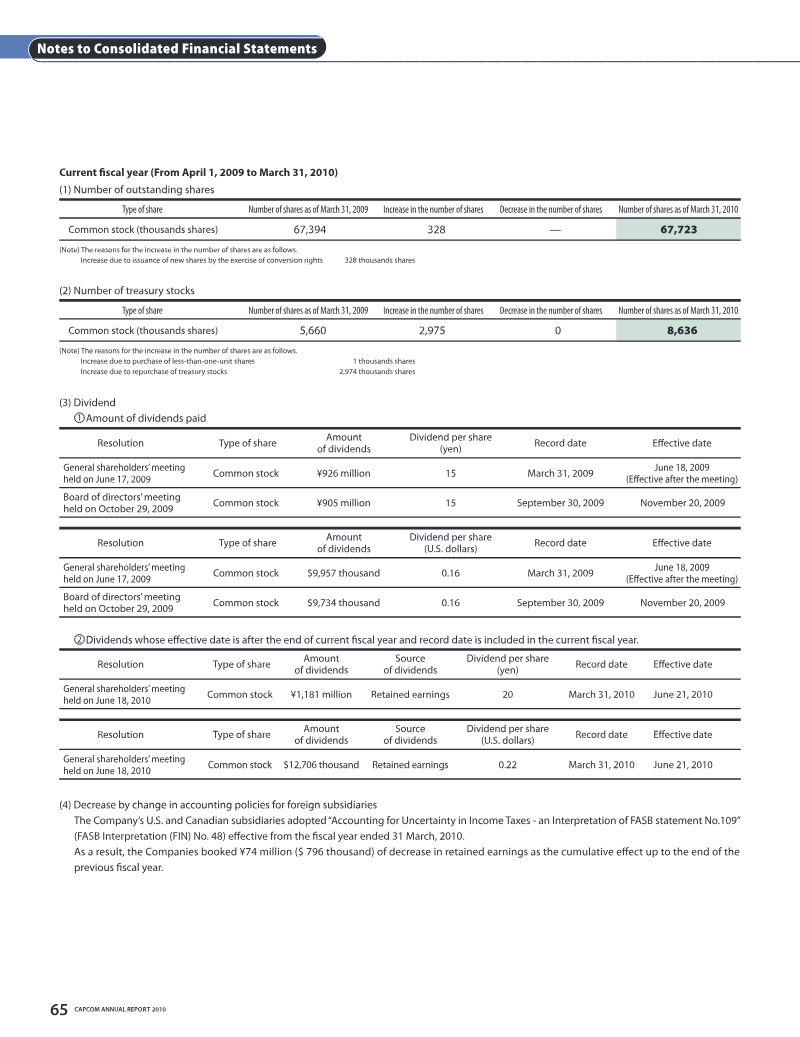
The 2010 fiscal year represented a period of significant financial contraction and strategic realignment for Capcom.
- Capcom experienced a significant financial downturn in fiscal year 2010, with net sales dropping 27.3% to 66.8 billion yen and net income falling by 73.1%.
- The company is pivoting to a 'Single Content, Multiple Usage' strategy to leverage core IPs like Resident Evil, Street Fighter, and Monster Hunter across consoles, mobile, and online platforms.
- Management implemented a new matrix management structure and separated CEO and COO roles to improve operational accountability and decision-making speed.

Ubisoft Annual Report 2009
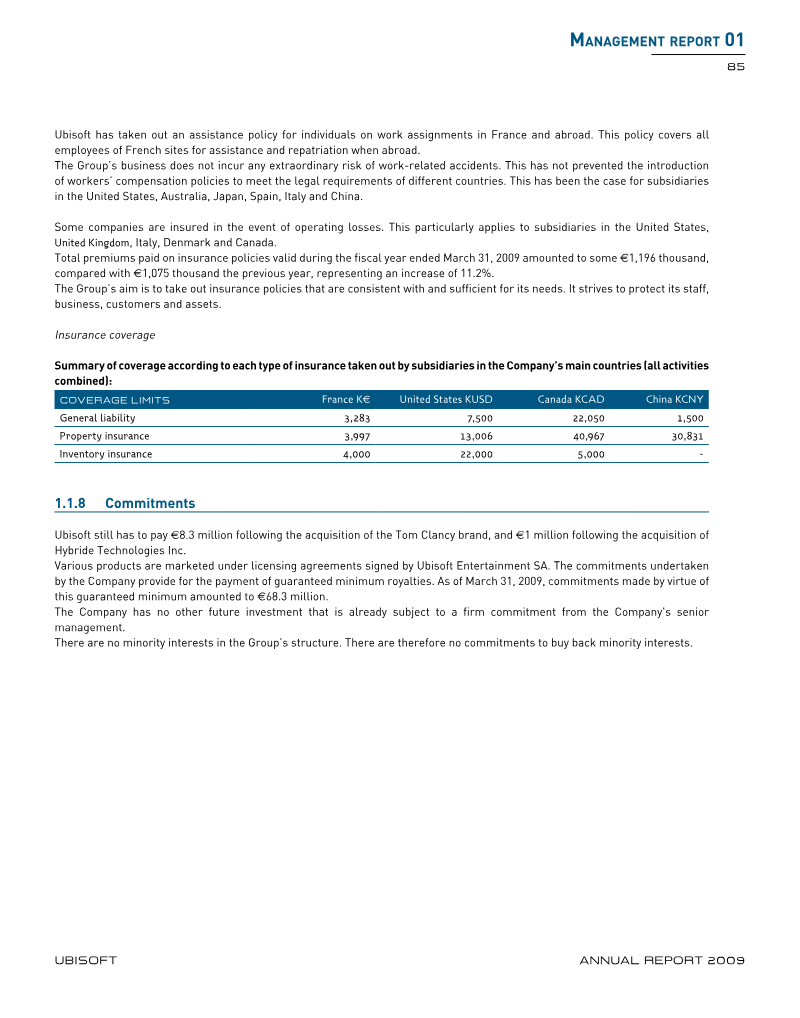
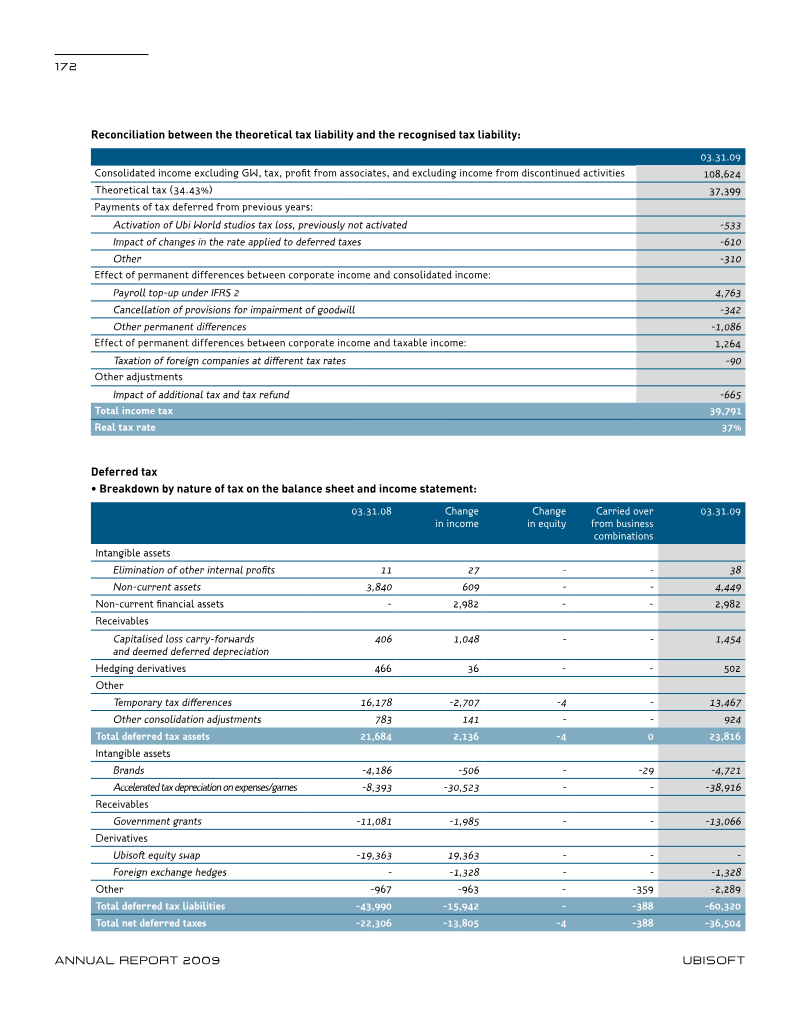
The 2009 Ubisoft Annual Report details a period of significant expansion and strategic transformation for the company during the 2008-2009 fiscal year.
- Ubisoft surpassed €1 billion in annual revenue for the first time in the 2008-2009 fiscal year, achieving €1.06 billion in sales, a 14% increase over the previous period.
- Net income declined significantly to €68.8 million from €109.8 million, driven by a strategic shift toward lower-margin casual titles and increased marketing expenditures.
- The company expanded its global workforce to 5,765 employees across 28 countries, supported by the strategic acquisitions of Massive Entertainment and Hybride Technologies.
Understanding Play Practices: Contributions to the State of the Art
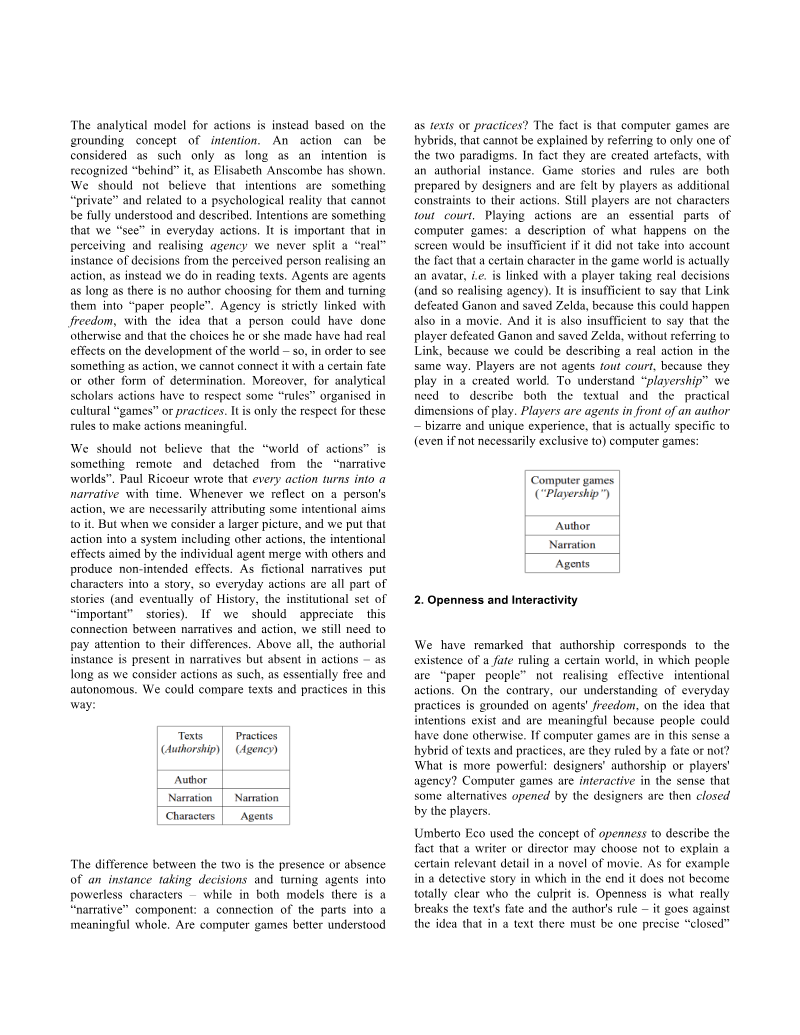
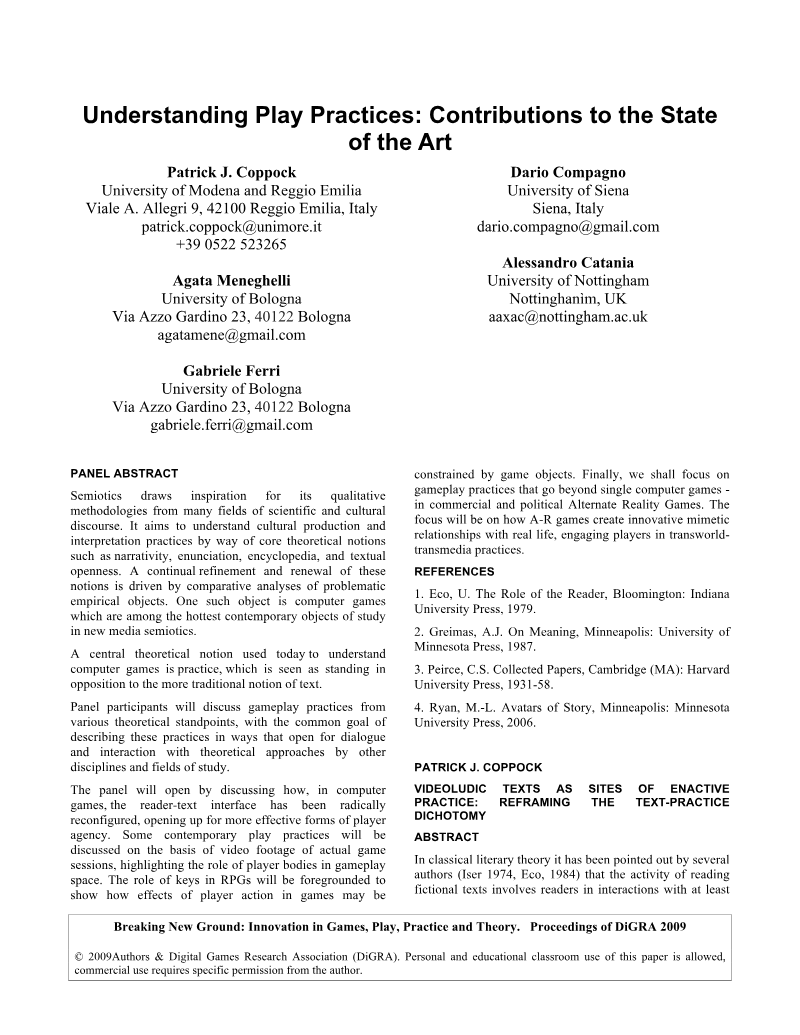
The collection "Understanding Play Practices" argues that computer games and related play forms should be understood as hybrids of text and practice, in which authored structures meet the genuine agency of players.
- The collection argues games should be understood as hybrids of text and practice, rejecting a rigid text/practice dichotomy in favor of a 'playership' model of how players act within and beyond designed systems.
- It offers a four-part typology of relations (corridor, secret passage, fake bifurcation, true bifurcation) for assessing whether a game's apparent choices reflect genuine player freedom or merely the appearance of options.
- The work is primarily theoretical, based on close analysis of representative titles rather than empirical measurement, so it provides no quantitative data on player behavior or market figures.