1 free read left. Create a free account for unlimited reading + AI research.
Create free account
Life as a public indie developer
Key insights
6 takeaways- 01Nitro Games, a 40-person studio based in Finland, utilized an IPO on the Stockholm First North market as a growth platform rather than an exit strategy.
- 02Public listing streamlines business negotiations by providing partners with immediate access to financial and legal documentation, effectively bypassing lengthy due diligence processes.
- 03The transition to a public entity requires a rigorous operational loop of quarterly reporting and regulatory disclosures, necessitating a balance between administrative transparency and game development.
- 04Despite the six-month listing process and increased regulatory burden, the company has achieved significant year-on-year revenue growth.
- 05The IPO provides a stable financial foundation for a dual-track business model, combining service-based revenue with the self-publishing of proprietary IP like Medals of War.
- 06Public status acts as a catalyst for internal operational discipline, forcing the team to maintain an agile, MVP-based production process while remaining conscious of market perception.
Ask AI about this video
Transcript
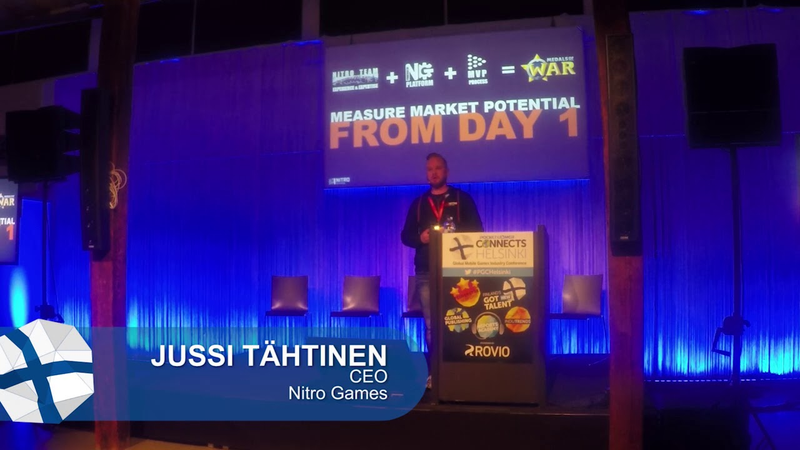
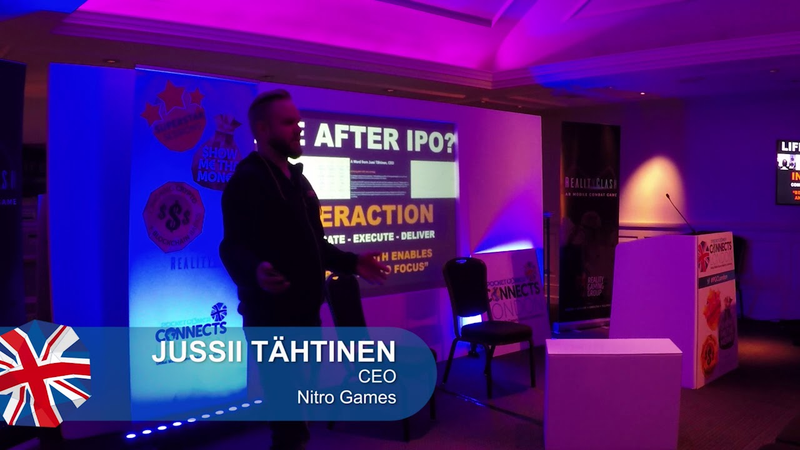
[Music] [Music] all right good morning London so I'm Europe I'm from nitro games from Finland and uh for those who don't know who we are we're a 10 year old gaming company were essentially 40 people in two studios in Finland and during those 10 years our focus has always been in making games for gamers simply put last five years our focus has been exclusively on making mobile games and more specifically with the real-time multiplayer games on mobile and what we're talking today is how life is when you are sort of in the company and you're a public company at the same time
so that's from June last year which is when we listed nitro games in Stockholm in Gnostic first North and basically the point of this pitch right now is to go through how we actually went about that why we are peeled in the first place how do we see life as a public company what it actually means in practice in our everyday life and are also a little bit about what it means for future so let's have a look I think one of the key things to stay in the beginning is that our when we look at world and when we talk about IPO it's not an exit I think a lot of a lot of parties treat the whole IPO topic as a means of an exit and for some companies and some entrepreneurs it might very well be that but for us it definitely was not or for us we saw IPO as an opportunity to have a new start to take the company to the
next level one step further one step higher so it was basically a tool to move forward oh no means an end of a road but our beginning and in general why we are build and how do we view the world that what it actually means I think the key thing is that we feel that being a public means that you have a platform it say it's a platform for several purposes or one of them is obviously funding when you go public you typically raise funds sometimes more sometimes less but you typically do raise funds what it means from fundraising perspective is that are essentially at that point you already have a platform that gives you access for further funds should you want to raise more capital or later down the line for example we went public in June we did our first additional funding round already in October last year so so
the platform exists and that makes your life easier when it comes to fundraising the other thing is that on all of these businesses are about making shareholders happy in the end of the day so one of the key things about being on public is that you have an actual valuation or 24/7 every single day of the year you know what your company values and that alone is a topic that brings value to the shareholders as well as the fact that what they actually have in their hands is something that's liquid something that they can get rid of if they want to and they know the price tag of that in addition to directly money related things what this platform brings to us is basically the fact that since we are a public company it means that somebody somewhere has done a decent amount of due diligence and gone through all the records whether its financial or or legal or or whatever it would be so it gives a little bit of credibility that what you have been having under the name nighter games is actually something
that's concrete and something that somebody has already inspected it also means that all of the numbers and documentation is available online so when we know for example go into a business negotiation with another party whether it's about a distribution deal or marketing deal or whatever it could be the whole process is easier because we can say that everything is up there online code check out on our website that's all you're going to get and that's all that everybody gets to see so the whole process of negotiating becomes a lot easier because you're transparent everything is out there available already so essentially I feel that being a public company are in the style that we are it's basically multiple solutions in one package that make your life a little bit easier when we talk about the actual business of making games and releasing games so that takes care of several aspects there how we actually did it it's more or less half a years of fun so basically we started in in in January
last year and we rang the bell in in Stockholm now starting in June so roughly six months give or take and on during that six months or it's relatively hectic times you have the have the whole sort of technical process going on with a lot of applications to different different parties applications to Gnostic you need to make your shares actually public you need to have annual general meetings or general meetings to make certain decisions and so on and so on so a lot of formalities and to make sure that you do those correctly and incorrect order you need to work with advisers so that's what what's involved are then also a lot of legal paperwork or or digital people paperwork anyway but a lot of legal documentation that needs to be there checked or created or whatever it could be so a lot of that in addition to those things there's obviously a decent amount of investor
presentations involved because in order to successfully IPO a company you need to be investors who are actually believing in what you're doing and what you are saying and showing your company as part of the IPO so you need to go out there and meet those investors so prepared to do a lot of this stuff as well in addition to that there's so many parties involved that a big big part of the time also goes into a lot of meetings with different parties keeping everybody updated keeping everybody comfortable because in this type of process there's typically quite a lot of stress and doubts and all those things going on all the time so so it takes a a lot of focus to make sure that you are shareholders your potential new investors your employees your board your whatever everybody's common you know relax that things are moving forward and everybody stays stays positive about the thing but in addition to that that's the sort of IPO related thinkI beef that I would want to underline is that during those
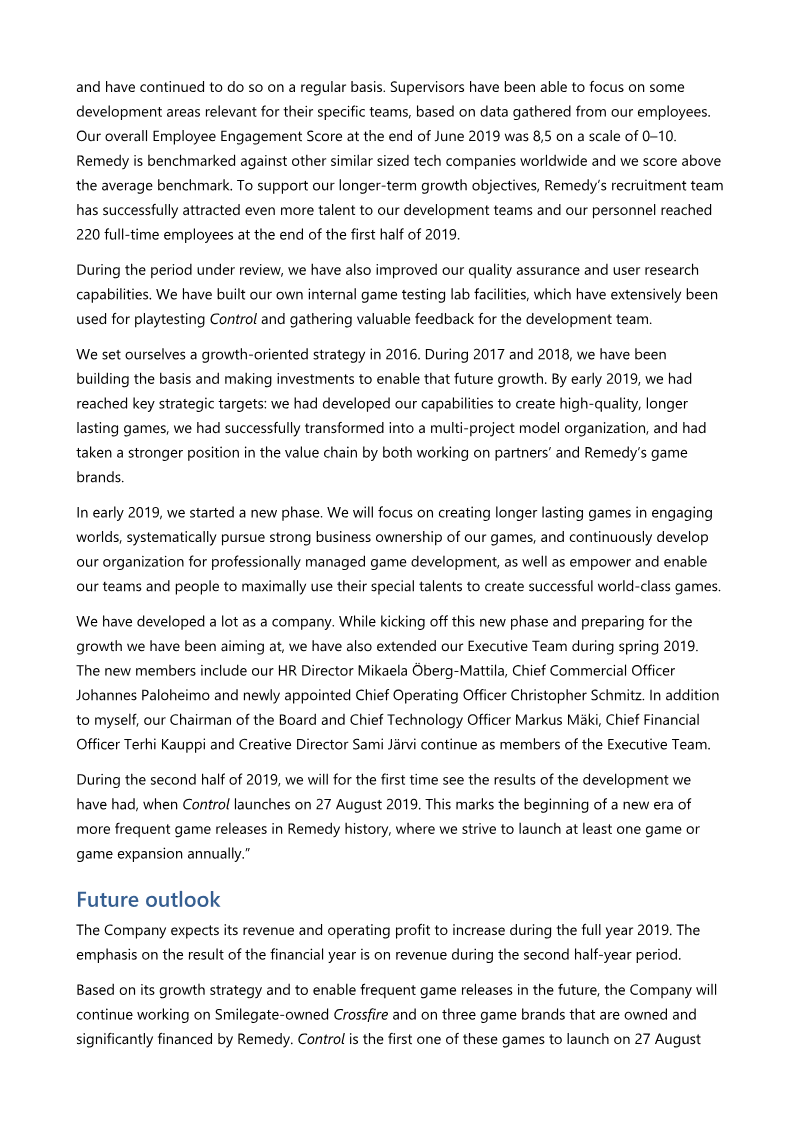
six months the secret to success is not really in those things those you need to do that's like a simple thing but the key thing is focusing your business like if you sort of forget that I'm actually running again company here while you're doing the IPO I am pretty sure you're guaranteed to fail so you need to make sure that you focus on your actual business and drive that forward parallel to this IPO process because that delivers everybody the message that these guys are now going through this process everybody understands they might be slightly busy or slightly stressed but still you got a deliver on your business deliver news and progress there as well and those two combined I think that's that's how you can make get it done but in the end of the day six months of fun so then we IPO how does a life look after that was trying to think of one word that would sum it up and I think it's interaction so essentially being a
public company means that our you need to be able to communicate how am i doing how is the company doing what are our like achievements in the past or what are what's going on right now what we're doing next you need to be able to communicate basically what you're doing the second thing is that what you communicate you need to be able to execute no no big secrets here applies to several other type of companies as well but basically communicate and execute and once you have execute that hopefully you deliver some results positive ones so this is the core loop that you keep repeating all the time and you repeat this core loop basically by talking to people whether it's your shareholders or potential new shareholders just go out there and talk about what you're doing how you're doing it while you're doing it and so on and so on and so on that's how it goes then on the execution side that's that's your business that you should know how to run in in our case obviously it's about
making games and getting those games out there and on on the deliverables side those are the results that will then determine your sort of faith as a public company so how well you are able to communicate your shareholders what you have achieved and how you communicate that is again you go out there meeting people discussing you put out in our case quarterly reports with all the numbers out there a little bit of text explaining that what actually happened what's behind those numbers those things then you have sort of ongoing communication going on you put out press releases some of them are regulatory that are required by the rules of the market that you need to press release some of them are more like actual things that you just want everybody to know and then in the end of today all of those will then translate into your share value so in a nutshell I think being a public company means that it sort of
enables you to focus into your key business because you don't need to worry about the funding side that much but it also forces you to focus into your key business because if you fall out from this core loop where you do what you actually said you were about to do all that loves gonna be pretty difficult for you then about future what it is for us moving forward so basically in in nitro games we have three unique selling points three differentiating things that we feel set us apart from other companies out there we are one of the most experienced teams in Finland we've been around for 10 years or we have our own technology we call nitro games platform which we've been developing for five years now and we have a unique way of producing these mobile games which we call our MVP process essentially means that we start market testing our games after roughly one week of development these three USBs we already had existing before we appeared once we did the IPO
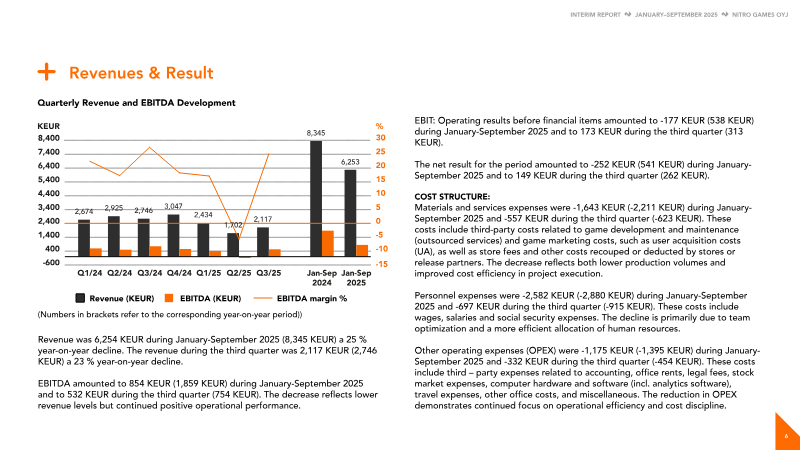
what it enables us to do is to basically split our business into two categories so on the other hand we work with other companies in the industry offering our services to them that's a way for us to work on large projects large partners get some revenues get some dragon but with the funds that we raise from IPO the key thing is that it helps us to self-publish a portfolio of games based on our own IP right now we're busy working on a game called metals war which we have launched in certain countries and certain platforms and there's more countries and platforms still to come and more games in the pipeline coming after this one so this is what we're doing essentially with the phones and our long term goal is where a crowd company are still for the foreseeable future and what that means for us is that we want to grow our user base we obviously want to CRO our revenues or so far we've had roughly 100 percent year-on-year revenue growth rate in the company and we want to increase the recognition of
the brand called nitro games and these three are how we are building value into the company and for the shareholders and I also wanted to touch base a little bit on on what people often say that why you shouldn't IPO on when we announce the thing that we plan to go public there was quite a few people who were a little bit skeptic about it to put it politely and that's quite quite a lot of sort of forum misconceptions related to you related to IP owing in general in my opinion and most of these are something to do with you shouldn't do it yet for whatever the reason either it's too expensive too difficult your company's too early or whatever it could be in my opinion all of those are if you find the right marketplace if you find the right audience and you feel that your company has something to offer for that audience why not it's an option you can consider so I
would be very careful of not letting any of these topics limit limit your thinking if you are considering doing something similar we spoke in the beginning how how how we say this as a start so basically we've only been doing this for up short while now roughly roughly a little bit more than six months but that's our share price development and so on during during the since the listing and basically when we went public in soon after that there was a short short period of time when when like there wasn't much going on with the with the share price but suddenly then after summers thing started developing we started putting out press releases communicating how we're doing how we're opening up new countries with with medals of war how we have made some new new deals on the distribution side how we made some new deals on the service business side how we're moving forward
and so on and so on and I think this is like essentially the thing that you need to prepare for if you want to be public companies that like as long as you keep repeating the core loop or you will basically get what you deserve if your business goes well it's likely that it will reflect in a very positive development on the share price because the end of the day your job is to drive shareholder value drive value to your shareholders then again if you don't meet the expectations then you're likely to see the curves going the other direction and so on so I think it's it's something that if you're comfortable with the fact that every part is everything's out there your whole company's transparent everybody knows how you're doing and you will get exactly what you sort of deserve how then I think it's something that's really good for you and so far we've been really happy with with the first six months of being a public company the
conclusion things are I would like to remind that our IPO does not necessarily mean an exit it might be it definitely was that not that for us or it's a new start for us something that helps us to take the company to the next level and in the end of the day I think when it comes to everything related to fundraising are one thing that we should all remember that in the end of the day the key thing that why we're in this business is making awesome things called games with awesome people so so you want to make sure that whatever you do on the fundraising side or or anything else are you want to make sure that that helps you to make great products with great people and then that's how success will come in the long term so that's our story in a nutshell any questions I'm happy to answer I [Applause]
think in terms of internal culture one big thing that definitely changed was that we started discussing a lot more about how we are being perceived so when you're a private company especially for those team members who are not out there traveling and meeting people and so on or it might be might be the people very easily get into the sort of our office circles and they might be well sort of not forget the fact that there's a big world out there that you are servicing
with your products but the thinking might very easily go into relatively narrow space so that caused a lot more discussion about like we're doing things like this how are these perceived and what's happening in the future and all those things so I think it it made everything more open again so also also both publicly but also internally everything became more open thank you so much for sharing I have two questions question number one is after going public you don't feel that you will be sharing a lot of information with competitors and the outside world like I believe being but public means that every single thing that you are even planning to do will be public so is is that is that fine so mainly that yeah well well that's true because I sort of are we call the market abuse regulations
or have pretty strict rules that you need you need to be very open about things that might have an impact on share price which results in you having the press release all sorts of things fit up to the market but we've never really had a problem with that because of our minds that had always been that we actually love telling people how we're doing and why we're doing things because we feel that if you know we share something that how we are performing or or what leading the what and how we're doing things if somebody can learn from that bit good or bad point that serves everybody so we don't really have a problem with sharing whether it's something positive or negative so so that wasn't really an issue for us but if your company culture is more about protecting something then then it might be an issue I think you
could almost say that certain things become quicker or because are especially if it's something where you need to you know negotiate because you can essentially skip through all the due diligence and so on or because everything is out there available so go and read it please so a lot of processes became quicker in that sense we have tried to make sure that while since the IPO we've grown pretty heavily we're no more than 40 people in two Studios in Finland we've tried to make sure that we maintain as agile as possible moving forward but I haven't really seen it's slowing anything down more more more likely kind of being sort of like um like a good pace setter for the whole company because this is what we've communicated that were about to do we better now deliver so it sort of keeps everybody focused and delivering [Music]
[Music]
Summary
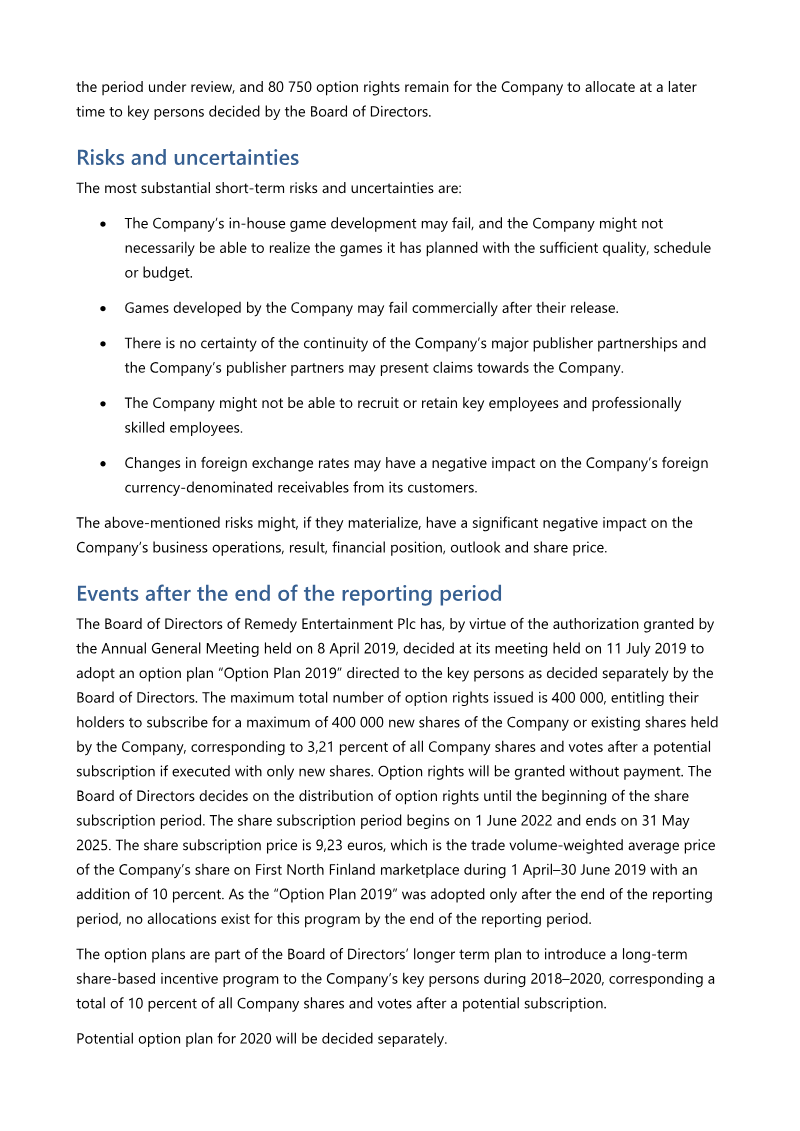
Nitro Games, a Finland-based mobile gaming studio with a decade of experience and a team of 40, views an initial public offering (IPO) not as an exit strategy, but as a strategic platform for growth. By listing on the Stockholm First North market, the company sought to professionalize its operations, enhance its credibility through mandatory due diligence, and establish a transparent, liquid environment for shareholders. This transition has allowed the studio to streamline business negotiations by providing public access to financial and legal documentation, effectively bypassing lengthy due diligence processes with potential partners.
The transition to a public entity requires a rigorous commitment to a core operational loop: consistent communication and execution. The company emphasizes that an IPO demands a high level of transparency, which necessitates frequent interaction with shareholders through quarterly reports and regulatory press releases. Despite the administrative burden of the six-month listing process, the company maintains that success depends on balancing these public obligations with the continued development of high-quality games. Internally, this shift has fostered a more open culture, forcing the team to remain conscious of how their development decisions are perceived by the broader market.
Financially, the IPO has provided a stable foundation for the company to pursue a dual-track business model. The firm leverages its proprietary technology and an agile MVP-based production process to offer services to industry partners while simultaneously using raised capital to self-publish its own intellectual property, such as Medals of War. By maintaining a focus on product quality and team cohesion, the company has successfully navigated the transition, reporting significant year-on-year revenue growth and demonstrating that public status can serve as a catalyst for operational discipline rather than a hindrance to agility.