1 free read left. Create a free account for unlimited reading + AI research.
Create free account
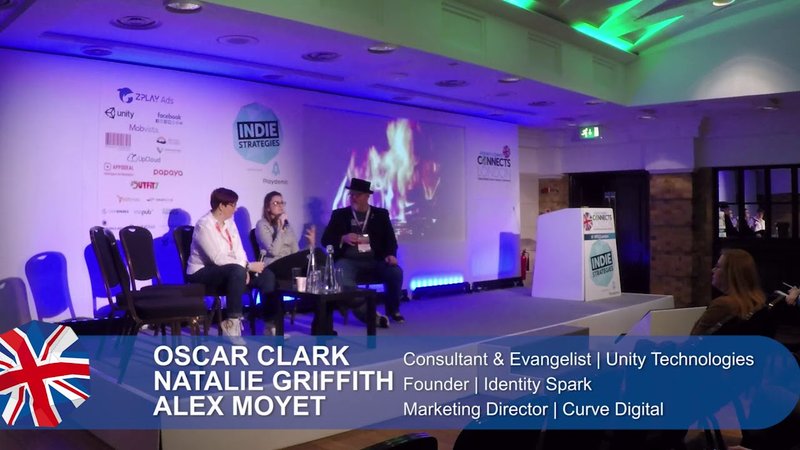
Fireside chat: Brands and indies
Key insights
7 takeaways- 01Developers must integrate marketing and branding functions early in the development cycle to shift from transactional sales to cultivating a dedicated community.
- 02Branding is a strategic necessity for indie developers to build long-term trust and audience loyalty, rather than a purely visual exercise involving logos.
- 03Indie developers should prioritize authentic storytelling and transparent development to create the emotional connections that established franchises like Sonic or FIFA have built over decades.
- 04Successful studios view their work as a continuous, authentic dialogue with their audience, ensuring players are invested in the project well before the final product launch.
- 05Marketing must be treated as a non-linear process, with messaging mapped across various channels to address different stages of the sales funnel and shifting audience motivations.
- 06A data-driven approach to social media and community management is required to avoid inconsistent messaging that can undermine development efforts.
- 07In a saturated market, consumers perceive every studio through a brand lens, making intentional perception management essential for securing repeat engagement.
Ask AI about this video
Transcript
[Music] [Music] and one of the things I'm gonna try and sort of deal with now is to start thinking about what that means in terms of you know understanding what a brand means to again develop what brand means to an indie and how we actually take our game experience and move that forward people if you if you're having chats sorry so we can carry out the session that'd be great I feel free to stay with us and what we'll do is we'll introduce these W people I say excellent my name is Alex
Boye a and I'm currently the marketing director at indie publisher curve digital working on some really awesome PC and console games before that I worked at Media Molecule at Sony Xboxes advertising agency so lots of interesting experience across Triple A in indie in the brand space not oh yeah I'm not serious I run my own band a marketing consultancy called identity spark I've been in the industry 27 years this year so I've kind of seen everything started life is a graphic designer and then a journalist but I've spent 17 18 years in marketing communications and branding so yeah working with a whole range of different different sizes of studios something's so mock is just buying ads isn't it I am actually a trained monkey I actually have got my diploma in marketing I am at your marketing with the only group of people in games that have to sit here and defend what we do every single conference they're in no other industry
demócrata people have to justify themselves it's ridiculous we're not evil no I mean you know on are you evil okay well he's evil this is great no obviously marketing is you know it seems really ugly and corporate word but essentially it is just about you know getting the game that you have worked so hard on out there to more people and getting more love for it more sales for it and we absolutely care about that success just as much as the developers working on the games do yeah absolutely and I think kind of where some of this sort of marketing is evil thing has come from I think people that were sort of in old-school console development like that and the 90s I think there was a lot of especially working kind of a big corporate us publisher there was a lot of this kind of like oh no now you need to make it green because the marketing focus group have said so and I think there was there was always a lot of quite a bit attention but I think you know anybody that doesn't integrate a marketing function and a branding function right at the beginning of development now is is not setting themselves up for success at all so I think as we now now become part of the
pot there's a little bit less resistance than the were definitely was that method where you know in a console space in particular when I was even when I was at Sony you know we were a Playstation home but we still had the thing of we throw our game over to the marketing people who have had no engagement at all and if it fails it's their fault doesn't matter whether the game was any good it's their fault because it was a marketing guy if what they're evil so I think is a lot of this gonna blame historical in culture stuff but increasingly you know it's also a case that we've we've had this kind of protected zone which again doesn't exist in other industries where the people making a product have nothing to do with the audience historically now obviously with free-to-play mobile that's changed but I think that's really the cart of where the the disjoint incas been historically with that in mind do you think people understand what a brand is I think a lot of people think of branding as what's my logo to going to look like they think of the visual side of branding they don't think of it in
terms of what does your business or your game stand for what what is it you care about what do you want to achieve where do you want to position yourself against everything else they don't think about you know tone of voice how to get themselves across on different channels all that kind of thing they just think oh yeah if we've got a logo designed we've stored the branding I understand agree with that obviously this that it is the most immediate element of marketing because it is so visual it's what you're looking at on the store front when you're selling your games it's often the most contentious point I would say of any marketing discussion is talking about the visuals of what you're communicating but equally I think a lot of people don't necessarily remember those aspects when they're thinking about brands you know 5-10 years and if you they're thinking about tone of voice about the conversations they were having about you know the type of games a publisher was releasing as opposed to specific elements of that branding so yeah marketing is much more than just what you're seeing on a store page thing so like the curve tick you know that's nice you know just do it you've got all of these things about exercise about
what you can expect the quality of the product to be you've got all these things that are imbued in that simple curved shape and I think the disconnect is that people don't necessarily always understand the level of work that goes into building those emotional connections so when you look at something like I'd know Sonic you know we know everything about Sonic the Hedgehog don't we I mean anyone who doesn't know about something the hedgehog in the room leave no no no really not really but you know in this we already emergently know but to get to that stage there's a huge amount of work that's gone into a millions of dollars are gone into that so one of has this got to do with India's because they didn't have millions of dollars and lifetimes of yeah I mean I think it's really important to set expectations and I mean talking about Nike there were very few bigger brands in the entire universe but there is a big difference between a brand and a brand with a capital B and I think to put this into context you know go have a chat with someone you know one of your friends one of your family
members that doesn't play games and talk to them about the games that really mean a lot to you in the indie space and you know 99% of the times they won't have heard of it and to put that into context I was talking to a friend the other day who doesn't play games I mean they will have heard of FIFA or Assassin's Creed or the big triple A's but they don't play games and they said to me Oh have you seen that that cut man that Disney cut man and they were talking about cut pet and you know that's a brand there's a huge brand a huge amount of support from Xbox over 2 million sales I think it is probably one of the biggest in these success stories of the last few years and even then someone can't necessarily get the name right that's not in games so I think you know lowering expectations you're not necessarily gonna create a sonic overnight that is not an overnight job that is a 2030 year job but that doesn't mean that creating your own personal brand or your games brand do your studio brand your developer brand isn't hugely important for that long-term vision yeah exactly and I think that that kind of expectation management of the fact that this they say this isn't this isn't an overnight thing you have to kind of you have to put some time into it and you have to regardless of how it is you're trying to reach out to your consumers you know you've really
got to go back to sort of classic sales marketing funnel and I know you know you everybody has to have encountered a brand or a product six seven times before they kind of make a decision to purchase it well it's gonna be exactly the same exactly the same in games you know you don't instantly feel loyalty for something it's extremely rare so you have to put that time and effort in and gradually gradually bring people to you in a variety of different ways the whole deal that it's about you know an attitude as much anything else and I think if you look at kind of game indie game brands in particular we know so they're often tied up with the personality of the individuals so I mean the two obvious ones people like Mike Bethel or Ramy and how are we short and you know their personal attitude is the brand of their game companies but but even that didn't come overnight so I knew you like Bissell when he was a wet behind the a game designer that came to work at blitz and and he was the first person I knew really who was actively engaging on Twitter and doing stuff and he wouldn't have liked pinned that at that point as him building his personal
branding but that's exactly what he was doing you know mitts that you said in the last session about overnight success taking is and but you know Mike was like that and so even if you're not consciously aware of that's what you're doing that is that is what he was doing but his passion and you know it's consistency and I think you only get that consistency if you're actually genuine with it as well and a kind of authentic with what with what you're doing I think if you try to fabricate what you think is the perfect brand that's never gonna work cause you can't sustain it I don't think it's but I did some work as a branding person a long time for a joint games for an actuary company would you believe I was seriously you could kill me now but how different Hatlen but it's really fascinating kind of just trying to understand how do you make a corporation who have an identity is not necessarily the most exciting and turn that into a brand I mean again is it's about selling
core values I think that's what really I think getting getting to the heart of what it is that that could become your brand what is it that you you believe in your your core what is it that you want to try and shoot achieve what do you want to be seen as achieving you know what kind of reputation do you want to have this doesn't have to be a hugely kind of egotistical driven thing but you have to be thinking about that because you without that you've got no direction for marketing you've got no direction for PR you've got no direction for your social media or your website and if you're trying to pull all those things together without that foundation then you know you're setting yourself up for failure but really this is a kind of area I want to kind of explore a bit further because I think the issue I have is essentially a classic marketing training exercise if you've ever done in a marketing course or like you know degree type stuff and this is something that's rammed into us the difference between direct response and brand-building direct sponsors about getting your audience in now Brown building is about sustaining them so you can continue to get them to come in for themselves and historically in mobile
games because if anybody know penny but the point is that we're focused so heavily on direct response because this amazing route to market through ads and inside games always kind of stuff do you think we may have you know Betty just ignored the brand value side of things what do you think I don't think necessarily I think it is possible to have a continuous marketing funnel continuous acquisition funnel without necessarily denigrating your own brand at the same time I think the landscape is very much transitioned to this games as a service early access you know transparent development model that we're all in now where it is no longer just enough to you know pre-prepare assets or announcements two years in advance put them out there sell some games move on you have to be constantly engaging constantly talking and that has to evolve with you as a person or as a studio as a developer you know and as matt said as well just be really genuine and authentic otherwise it will come crumbling down yeah I think you I think that games as a service thing is what is
what's kind of changing a lot of it quickly back on the the mobile side though I think the you still get brands building themselves up over the limited time that we've had so you know there's most parents be quite quite happy to you know we're now by a talking baka game when it comes out because it's a talk about a game you know and I think a couple of years ago that do seem even vaguely possible that people had any idea who made the games but you haven't come back to the early access thing I think what games as a service it's now absolutely critical that you think long term let you say it's not just shall be in a box and put it out and move on you've got to build people you've got to build people to come to you over time if you're doing even doing an early access game you've got to attract a certain type of person that wants to come and play an early game and gets a kick out of playing something that's not quite finished and giving you feedback then when that gets more finished those people will move on to something else that's early because that's what they enjoyed you need to get another wave of people in so even even that long term games as a service thing you're still targeting different types of people during the lifetime of your product because they're going to be interested in different types of things and they have different motivations so
you've got to be on it got to be on it all the time and it's not a linear process anymore I think in a way that it used to be we have your you know your announcement your release you launch it boy maybe have some DLC but it is yeah exactly it's not it's not linear it's not a line it's a it's actually a series of circles or it's like a Venn diagram mess absolutely mess but that's why you need marketing people although is that there are some structures around which we can kind of at least build there are some positions that we can recover so I mean even simple things like how many people are spending time thinking about who their primary audiences or their secondary audience or their tertiary or you are then turning those into understanding what the channels are you can communicate to them and then how you find the right message I think that channels versus users thing is really important I think a lot of people are still in the mindset of kind of we need some social media it's lower let's get some pictures on Instagram and we'll do some tweets and was to take a Facebook
page up but one thing I've been working on a lot the last two or three years is actually for each projects I'm working on mapping the channels over that sales funnel actually and kind of thinking well okay in the early stages for you know game X actually we're only going to attract those earlier people that call in new to the new to the funnel at the top of Facebook or maybe when we get a little bit further down then they get interested in Instagram for these reasons and and kind of as that as they sort of go through that go through the funnel you have to migrate them across channels often as well you can't just kind of go we'll have a Facebook page and that will do it all because it's it's just going to reach different people at different times I think part of that there was also under Zen call messaging because if you're going to put things up on social media and it doesn't resonate with that audience and it doesn't actually fit with your brand you've just sent mixed messages you've just undermined X number of months of work in the process you have I think but it would probably take quite a significant tweet or a significant Facebook message to undermined it completely if you're doing something illegal offensive for example that is that is very bad some people have done that just a few but I think
within reason you can experiment quite a lot particularly with social media particularly if you're doing kind of open transparent game development you're putting out screenshots or you know even things that gone wrong in the process seeing if that sticks if people are interested in that jumping on hashtags and things like that I think that's where kind of looking at the data is it's absolutely crucial and if you're if you're running multiple challenge channels if you're not actually looking at the analytics of those at least weekly then that experimentation can easily turn from experimentation into actually screwing up because you know you've got to actually keep on top of what's working what isn't capitalized all the things that are and then things like Facebook got the rules change every ten minutes anyway on what's gonna work and what isn't and how they're changing the news feed algorithm and everything else so you've not just got to keep on top of what you're doing you've got to see what competitors are doing you've got to keep on top of actually what the platform holders are doing to change their offering for their users because all of that plays into how effective your contents going to be so if you have to give one bit of advice for Indies think about games that's a classic
question I have to ask it what's the thing to focus on if you're gonna look at your game should they even try to bother looking at their game is a brand should look at themselves as a branch their company I think that the game is a brand the person is a brand and the studio is a brand whether you like it or not that just is as default so we are all brands our games are all brands and that may seem terribly cynical and horrendous and we don't want to be brands but it is that's just that's how consumers are seeing it subconsciously as well as consciously so yeah it's it's not really a choice you are your game is going to be a brand it is going to be viewed and perceived and analyzed and it's up to you to make sure that that analysis is is correct and beneficial and also I think that the the barriers to actually getting things up there and developed and live are so low you can have you know that the consumer doesn't care if the thing they're buying on Steam is made by one guy in a bedroom in the weekend or by a studio of 60 people over two years that they're still paying for it to some degree or whether
although there are you know they're being asked to engage with it so if you don't actually take what you're putting out there seriously and actually sort of take the consumers seriously in respect their standpoint regardless of what whether you think it's important or not then actually it's kind of you know it's a it's disrespecting the players so they're not gonna they're not gonna become loyal to you know because let's face it they've got so much else out there they could and if there's any point in this thinking about rounds it's about being able to make it more likely the next time they see something I do yeah to go act on it yeah that sense of trust I mean it if you think about web branding comes from is I brand this sheep or whatever so that I know it's mine and other people know it's mine and then when I put onto you know a product I sell you know that it's something I put my name to that you can trust and I think your the end of the day if branding is anything it's about building trust is that fair absolutely yeah I mean ultimately you're trying to get brand loyalty aren't you I mean that's
that's what it's about for people to to be able to talk about you to other people the kind of word-of-mouth stuff to kick in but then let you say for people to come back to you with the next thing you do and I think that's one of Mike's great success is that his personal brand LED everything it's that it was such a journey through the the creation of Thomas was alone and the stuff he's done since that by the time that actually came out for people to buy so many people were vested in wanting to him to see him successful that it was like yes absolutely we'll get that now we've kind of been with you on the journey and I think that kind of thing is really powerful so then people that sort of think will kick all this stuff off two weeks before launch a missing a trick because you miss that opportunity to really kind of get people involved in your journey and your story and crucially as well the bar is so high especially in indeed that you know you cannot do those things but a lot of your competition will be doing those things and doing them better so it's absolutely worthwhile investing in I don't know thank you very much [Applause] [Music]
[Music]
Summary
This discussion explores the necessity for independent game developers to treat their projects, studios, and personal identities as brands. The central thesis posits that branding is not merely a visual exercise involving logos, but a strategic foundation for building long-term trust, audience loyalty, and sustainable success. By integrating marketing and branding functions early in the development cycle, developers can move beyond transactional sales to cultivate a dedicated community that follows their creative journey.
Key findings emphasize that branding is an exercise in expectation management and consistency. While major titles like Sonic or FIFA benefit from decades of investment, indie developers must focus on authentic storytelling and transparent development to foster emotional connections. The discussion highlights that the modern landscape—defined by games-as-a-service, early access, and direct-to-consumer engagement—requires a non-linear approach to marketing. Developers are encouraged to map their messaging across various channels, recognizing that different platforms serve different stages of the sales funnel and that audience motivations shift throughout a game’s lifecycle.
The analysis underscores that branding is an unavoidable reality in a saturated market; whether intentional or not, consumers perceive every game and studio through a brand lens. Consequently, failing to manage this perception is a missed opportunity to build the trust necessary for repeat engagement. The speakers advocate for a data-driven approach to social media and community management, warning that inconsistent messaging or a lack of analytical oversight can undermine months of development. Ultimately, the most successful indie developers are those who view their work as a continuous, authentic dialogue with their audience, ensuring that players feel invested in the studio’s success long before the final product launches.













Comments