Game Publishing reports and market data
Documents

Gaming Journalism: How, What, and Impact with Jason Schreier and Neil Long
Gaming journalism currently occupies a precarious position at the intersection of evolving media economics and a maturing industry.
- Gaming journalism is shifting its primary focus from product coverage to investigative reporting on systemic industry issues, including labor volatility, corporate mismanagement, and toxic workplace culture.
- The traditional advertising-based revenue model for gaming media is collapsing due to the dominance of individual content creators, forcing outlets to pivot toward specialized, high-value reporting.
- To ensure long-term financial viability, media outlets must diversify revenue streams through sponsorships and consultancy while strictly maintaining a firewall between commercial interests and editorial independence.

Massive Layoffs | Roundtable News | 334
The global gaming industry is currently navigating a period of severe contraction, characterized by widespread layoffs and a pivot toward conservative fiscal management.
- The gaming industry is experiencing a widespread trend of layoffs, with companies aggressively cutting HR and recruitment departments, signaling a significant reduction in hiring plans for at least the next six months.
- Epic Games is facing internal instability and reputational challenges, evidenced by the dismantling of its Enterprise team and the failure of its metaverse-related initiatives to gain traction despite the acquisition of assets like Rocket League and Fall Guys.
- User-Generated Content (UGC) platforms like UEFN (Unreal Editor for Fortnite) are being criticized for their complexity and perceived lack of innovation, with some industry observers comparing the push for these tools to the speculative nature of the NFT and blockchain booms.
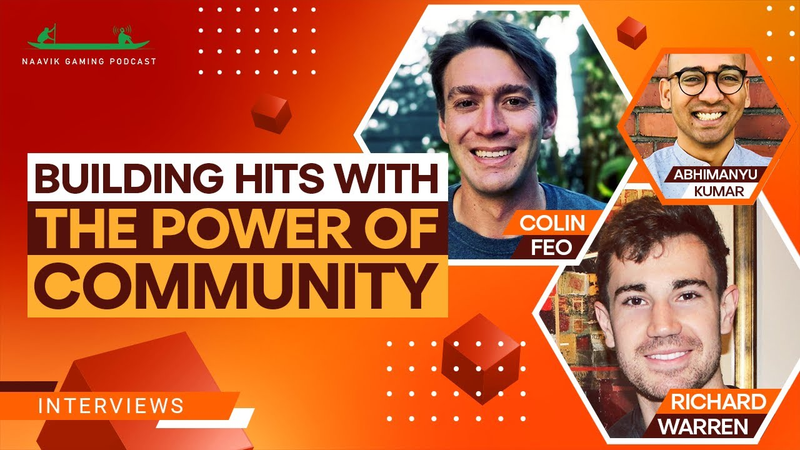
Building Hits with the Power of Community
Modern game development faces significant hurdles regarding discoverability and escalating marketing costs, necessitating a shift toward community-first growth strategies.
- Community management must transition from a support role to a core product development pillar, directly influencing product-market fit and the iterative feedback loop.
- Gamifying user engagement, such as offering playtest access in exchange for social sharing, serves as a high-efficiency growth strategy that can scale titles to hundreds of thousands of downloads with minimal ad spend.
- Studios should prioritize high-quality, active engagement over raw audience size, utilizing platforms like Discord and Twitter to foster dedicated fan bases rather than broad, passive reach.

7 x GAME INDUSTRY TRUTHS with CHRIS HEWISH, PRESIDENT of XSOLLA
The global gaming industry has entered a period of structural realignment, transitioning from an era of cheap capital and hyper-growth to a disciplined environment defined by high interest rates and inflation.
- The gaming industry has shifted from a hyper-growth model to a disciplined environment focused on profitability, sustainable business models, and rigorous profit-and-loss management due to high interest rates and inflation.
- Personalized player experiences driven by behavioral economics can increase consumer spending by nearly 40% when grounded in psychological theory rather than industry imitation.
- Developers are increasingly adopting direct-to-consumer distribution models to bypass traditional storefront fees and reclaim margins in an environment of shrinking revenue.

M&A Master Class: Chris Petrovic Teaches Acquiring Great Gaming Companies
Mergers and acquisitions in the gaming industry serve as critical mechanisms for scaling operations, acquiring specialized talent, and integrating innovative research and development.
- Successful M&A in gaming requires a clear strategy focused on long-term value creation through 'forever franchises' rather than short-term financial engineering.
- The industry is trending toward a conglomerate model similar to major entertainment studios, where large entities manage diverse portfolios of specialized developers to maximize cross-platform IP.
- To preserve the creative momentum that makes a studio valuable, acquirers should utilize an 'opt-in' integration strategy that maintains operational autonomy while providing access to centralized resources.
Indie Starter Kit: The Basics of Founding a Successful Games Company
Establishing a successful games company requires a foundational commitment to a clear, compelling vision that transcends short-term industry trends or purely financial motivations.
- A compelling, large-scale vision is essential for attracting top-tier talent, investors, and partners, as it serves as a long-term motivator that transcends short-term industry trends like AI, NFTs, or VR.
- Maximize the internal value of your company before seeking external investment to retain greater control and leverage during negotiations.
- In the early stages, hire only self-motivated individuals who are more skilled than yourself, as the quality of your team defines the limits of what your studio can create.
Celebrating 10 Years of Pocket Gamer Connects: The Story Behind the Brand
Pocket Gamer Connects emerged in 2014 as a strategic response to the lack of dedicated, mobile-focused business-to-business events within the gaming sector.
- Founded in 2014 by Steel Media, Pocket Gamer Connects was established to fill a market gap for dedicated, mobile-focused B2B gaming events.
- The inaugural London event attracted 500 attendees, serving as the foundation for a rapid international expansion that eventually spanned markets including Helsinki, Bangalore, San Francisco, and Hong Kong.
- The brand has successfully evolved from its original mobile-only scope to include broader industry segments such as PC, console, virtual reality, and Web3.
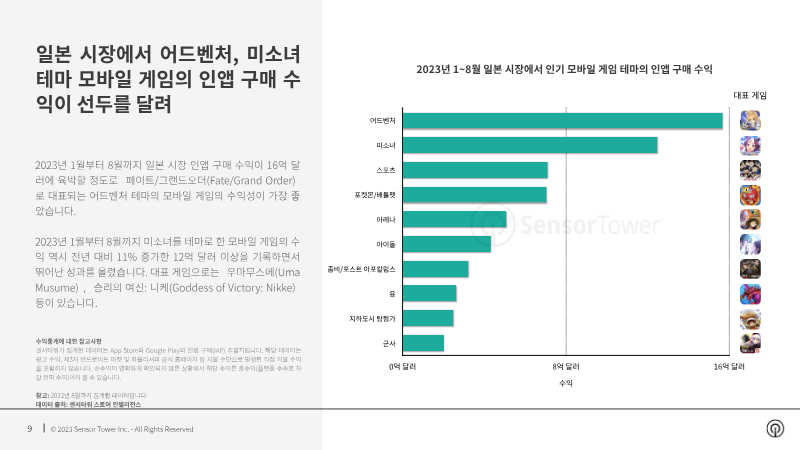
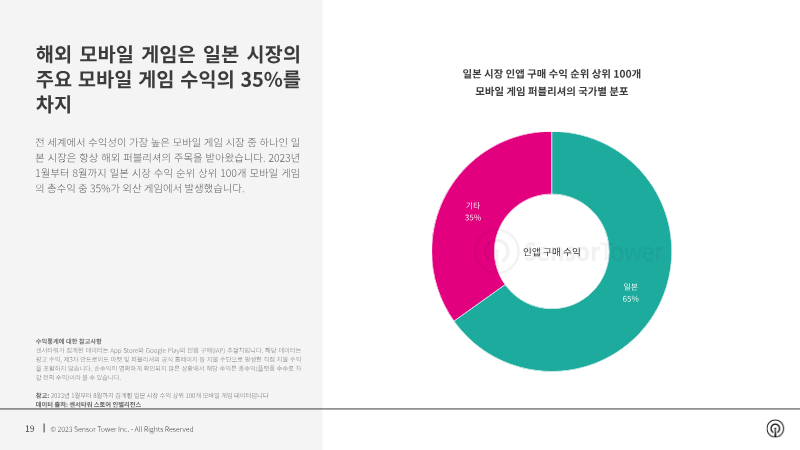

2023 Japan Mobile Game Market Trends
The 2023 Japan Mobile Game Market Trends report provides a comprehensive analysis of the Japanese mobile gaming landscape, focusing on revenue, download trends, and the competitive dynamics between domestic and international publishers.
- Japan remains the world's third-largest mobile gaming market, generating 18% of global revenue with projected annual earnings of nearly $14 billion.
- The market maintains the highest revenue per download (RPD) globally at $21, significantly outperforming the United States.
- Role-Playing Games (RPGs) dominate the sector, accounting for 48% of total market revenue, followed by strategy and sports titles.



Wyniki Finansowe 9M23
The financial results for the first nine months of 2023 for PCF Group S.A. reflect a period of transition characterized by a decline in profitability compared to the same period in 2022.
- PCF Group S.A. grew its total workforce to 722 employees by September 30, 2023, up from 612 in 2022 and 495 in 2021.
- The company maintains a global footprint with 473 employees in Europe and 249 in North America, operating across hubs including Warsaw, Newcastle, Dublin, Montreal, and New York.
- The organizational structure is heavily weighted toward production, with the majority of the 722 staff comprised of developers and quality assurance professionals.
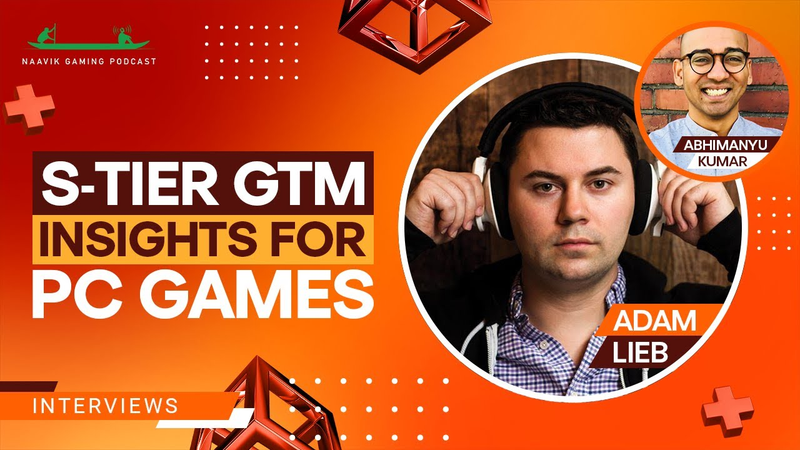
S-Tier Go-To-Market Insights for PC Games
Effective go-to-market strategies for PC games hinge on a clear distinction between premium, one-time purchase models and long-term, free-to-play live services.
- Marketing must be treated as a dynamic, iterative process rather than a static launch event to ensure long-term viability in crowded digital ecosystems.
- Influencer marketing has transitioned from an experimental PR tactic to a core strategic pillar that requires the same analytical rigor and ROI measurement as traditional paid media.
- Developers should prioritize sustained strategies, such as long-term creator partnerships and consistent wish-listing campaigns, over one-off promotional pushes to raise a title's performance floor.
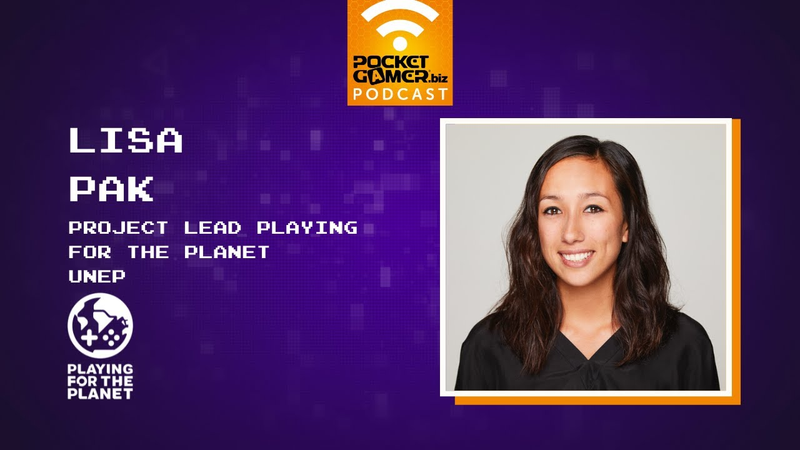
Playing For The Planet’s Lisa Pak On Gaming For Good And Wielding The Power Of Play
The gaming industry possesses a unique capacity to influence global environmental consciousness by leveraging its massive, engaged player base.
- The Playing for the Planet alliance, supported by the United Nations, facilitates industry-wide collaboration by providing studios with shared carbon accounting tools and sustainability toolkits.
- The Green Game Jam serves as a primary mechanism for developers to integrate educational environmental narratives and activations directly into existing game titles.
- Studios are repurposing excess advertising traffic to support environmental campaigns, effectively converting commercial assets into tools for social impact.


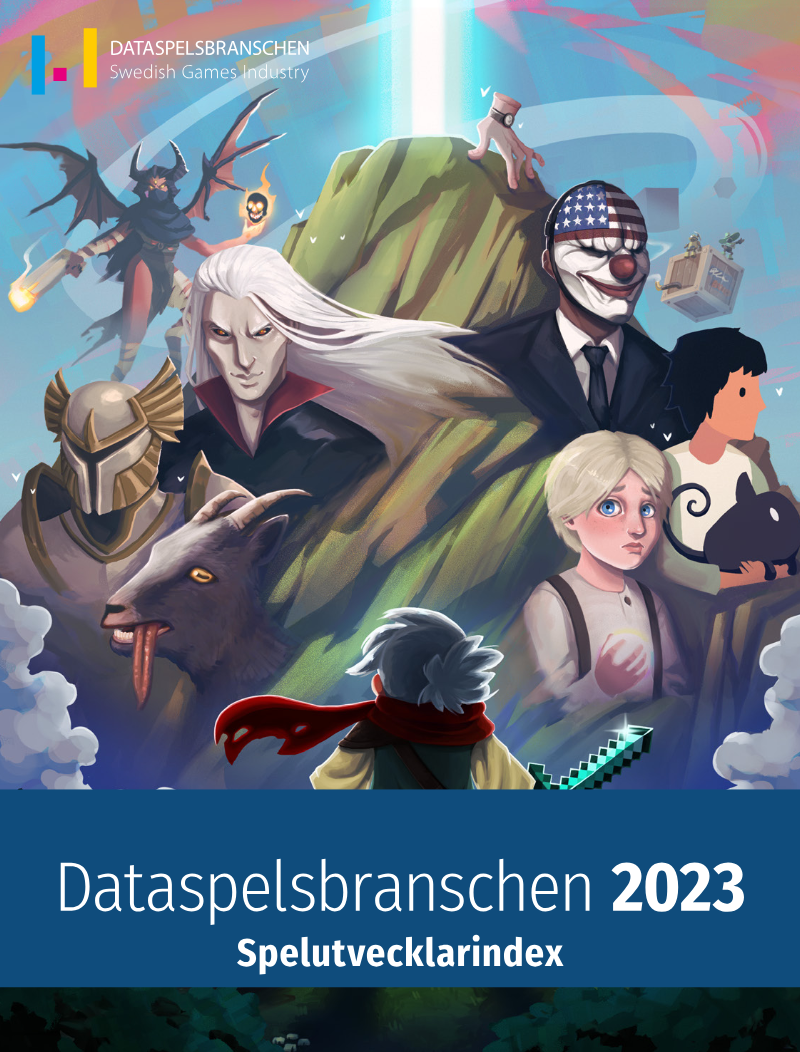
Spelutvecklarindex 2023: Swedish Games Industry
The Swedish games industry serves as a powerhouse of global digital entertainment, characterized by rapid revenue expansion and a vast international footprint.
- The Swedish games industry generated 86.5 billion SEK in global revenue in 2022, representing a 47% year-over-year increase driven largely by acquisition strategies.
- Swedish-owned studios now number 392 across 59 countries, employing 25,000 people globally with 8,445 staff based domestically.
- Swedish-developed titles have reached a massive scale, accumulating nearly 7 billion downloads and engaging approximately 25% of the global population.