Game Publishing reports and market data
Documents

Immutable’s Web3 Roadmap for 2024
Immutable has established itself as a dominant force in the Web3 gaming sector, currently commanding a 70 to 75 percent market share by providing specialized infrastructure designed to solve long-standing industry hurdles.
- Immutable currently holds a 70% to 75% market share in the Web3 gaming sector and is valued at approximately 2.5 billion dollars.
- The platform is supporting a pipeline of over 110 committed games, with more than 100 high-quality titles expected to launch throughout 2024.
- Immutable is shifting the industry from infrastructure development to a content-driven era by utilizing tools like the Immutable zkEVM, a global order book, and the Immutable Passport wallet to abstract technical complexities.

Elena Grigorian, CEO of MyGames - My First 100 Days as a CEO
The transition to leadership at My.Games centers on a strategic shift toward organizational agility and global expansion.
- My.Games is shifting its growth strategy away from traditional targeted user acquisition toward mastering the retention and monetization of broader, non-targeted audiences to combat fragmented digital attention.
- The company is prioritizing expansion into Asian markets—specifically China, Japan, and South Korea—through localized partnerships to drive a return to double-digit growth in 2024.
- Operational infrastructure has been decentralized through a network of international hubs in Armenia, Georgia, and Abu Dhabi to support a permanent remote-work model for a portfolio of over 50 titles.

Nexon’s CEO on Leaving a Legacy, Fostering Talent, & AI in Games
The gaming industry currently faces a critical inflection point characterized by an inversion of Moore’s Law, where ballooning development costs and bloated team sizes have paradoxically led to stagnant creative output and declining player satisfaction.
- The gaming industry is experiencing an inversion of Moore’s Law, where rising development costs and bloated team sizes are resulting in stagnant creative output and lower player satisfaction.
- To achieve sustainable AAA-quality production, companies must pivot to 'deflationary innovation' by using AI and proprietary software to automate labor-intensive tasks rather than increasing headcount.
- Embark Studios serves as a model for this shift, successfully producing high-fidelity titles with a lean team of only 75 developers by prioritizing custom backend infrastructure.
7 Days Of Indie Game Dev - Devlog
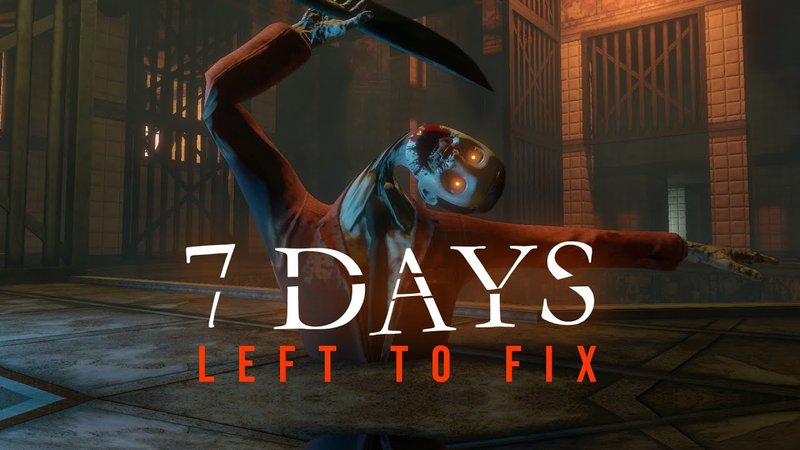
This account details a seven-day development sprint focused on refining the visual aesthetic of an indie first-person shooter, Twisted Tower, to align with publisher expectations.
- The developer successfully completed a seven-day sprint to overhaul the visual aesthetic of the first-person shooter 'Twisted Tower' to meet publisher quality standards.
- Publisher 3D Realms approved the visual redesign, which successfully blended a 1930s industrial tone with whimsical, fairy-tale elements.
- The project prioritized efficient asset management by sourcing low-poly models from external marketplaces rather than creating original 3D assets.



A Study on Global Game Policies and Laws: 2023
The 2023 Study on Global Game Policies and Laws provides a comprehensive analysis of the regulatory environments governing the video game industry across six key Western European markets: the United Kingdom, Germany, Belgium, the Netherlands, Spain, and France.
- Belgium maintains a strict legal prohibition on paid loot boxes, while other surveyed European nations only apply gambling regulations if in-game items possess real-world economic value or are tradable.
- All surveyed jurisdictions strictly enforce the EU’s General Data Protection Regulation (GDPR), which requires rigorous data processing protocols and a mandatory 72-hour notification window for data breaches.
- Consumer protection laws across these markets generally mandate a 14-day right of withdrawal for digital purchases and require transparent disclosure of pricing, contract terms, and influencer marketing.
Video Games in the 21st Century: The 2024 Economic Impact Report
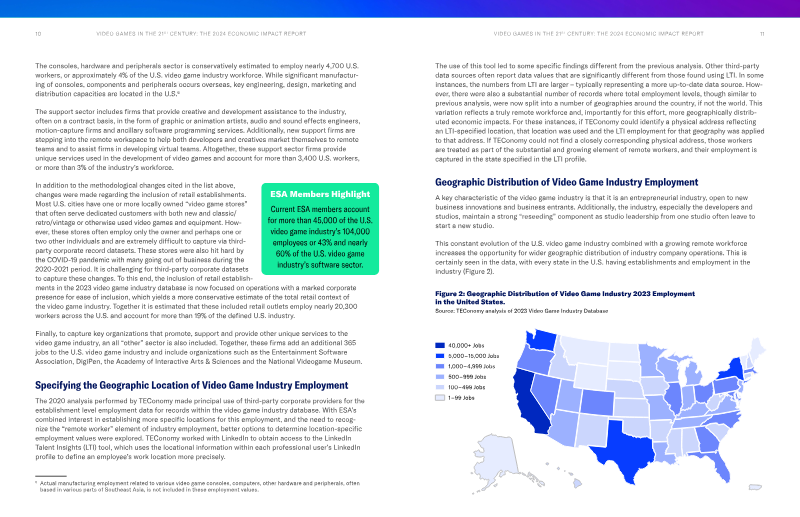
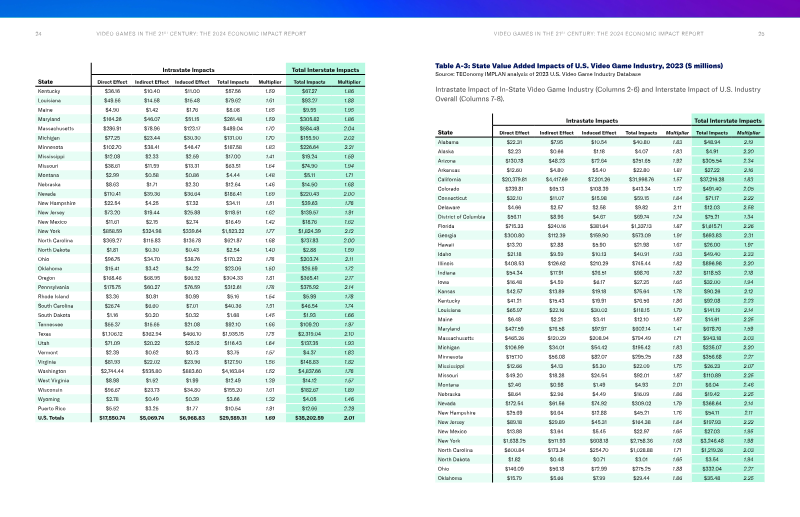
The United States video game industry serves as a primary engine of national economic growth, generating a total economic impact of $101.4 billion and contributing $65.7 billion to the national GDP in 2023.
- The U.S. video game industry generated a total economic impact of $101.4 billion and contributed $65.7 billion to the national GDP in 2023.
- The sector supports over 350,000 jobs nationwide, maintaining an employment multiplier of 3.36 where every direct hire sustains more than three additional roles in the broader economy.
- Direct employment reached 104,080 workers in 2023, with software development representing 74% of that workforce.

Fortnite Lego, Game Awards, and GTA VI | 338
The modern gaming landscape is currently defined by the consolidation of massive, multi-experience platforms and the immense cultural gravity of blockbuster titles.
- The gaming market is shifting toward platform-level dominance, exemplified by Epic Games transforming Fortnite into a multi-experience metaverse through integrations like Lego Fortnite and Harmonix-developed modes.
- High-profile releases such as the Grand Theft Auto VI trailer demonstrate that massive blockbuster titles continue to dictate industry discourse and drive record-breaking consumer engagement.
- The industry faces a critical sustainability crisis characterized by escalating production costs and a persistent reliance on crunch culture to meet rising consumer expectations for visual fidelity.

Nuverse Winds Down / Shrapnel Lawsuit / Business Of Gaming Awards
The global gaming industry underwent a profound structural reset in 2023, characterized by a transition from the unsustainable growth of the post-pandemic era toward a focus on operational efficiency and fiscal discipline.
- The gaming industry underwent a structural reset in 2023, shifting from post-pandemic growth to a focus on fiscal discipline and operational efficiency due to high interest rates and increased capital costs.
- ByteDance’s decision to wind down its Nuverse gaming subsidiary demonstrates that massive capital backing is insufficient to guarantee scale in a hit-driven market.
- High-quality, single-player AAA titles like Baldur’s Gate 3 and The Legend of Zelda successfully challenged the industry's long-standing reliance on live-service models.

Bootstrap or Finding a Publisher for Indie Game?
Navigating the decision between bootstrapping and seeking a publisher is a critical juncture for independent game developers, particularly those working on their first title.
- Developers should prioritize defining the game's core vision through prototyping before initiating publisher conversations, as early-stage projects often require significant scoping and thematic adjustments to find their 'soul'.
- Bootstrapping allows developers to retain 100% of income and maintain creative control, but it requires a disciplined, lean team structure and a commitment to handling the business and marketing aspects of development alongside production.
- When seeking funding, developers should prepare a realistic budget for their first title and then double it to account for the unpredictable nature of game development and the risk of over-scoping.

Indie Game Publishing with Pete Bottomley | 336
The gaming industry is currently navigating a significant market correction characterized by a shift away from the rapid, often unsustainable expansion seen during the pandemic.
- The gaming industry is undergoing a market correction characterized by a shift away from pandemic-era over-investment and aggressive hiring toward lean, agile operations.
- Publishers remain the most effective partners for developers because they provide specialized market metrics and demographic expertise that generalist investors typically lack.
- Studios must prioritize sustainable growth and disciplined development cycles to survive the current contraction, avoiding the pitfalls of feature creep and irresponsible scaling.
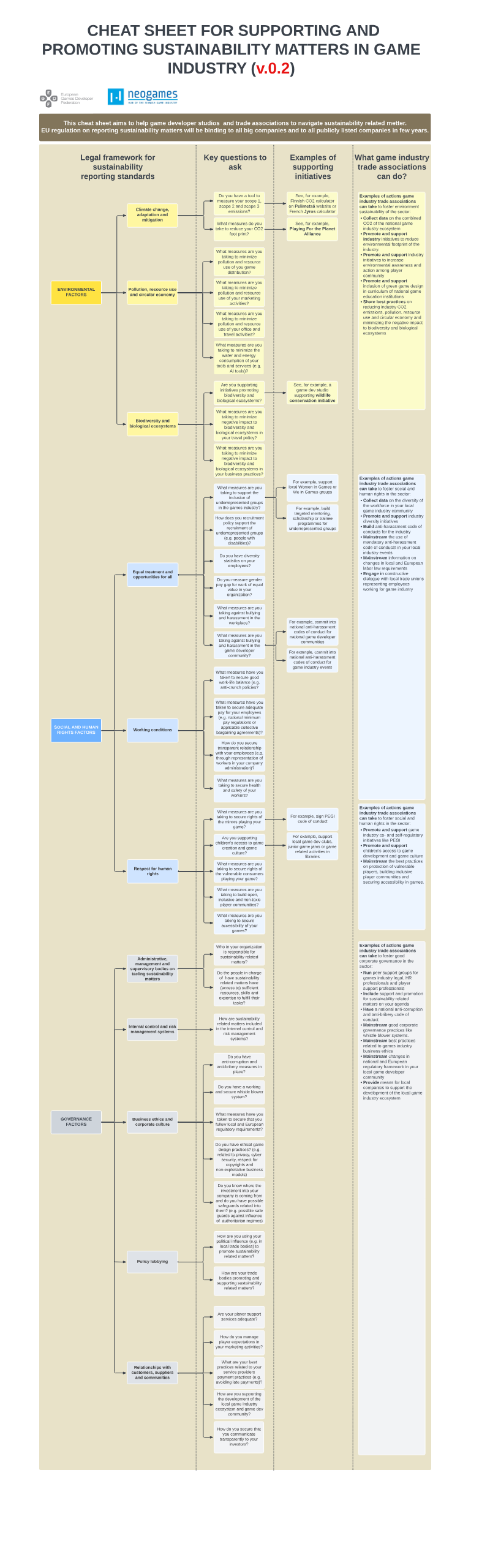
Cheat Sheet for Supporting and Promoting Sustainability in the Game Industry
The primary objective of this guide is to assist game development studios and trade associations in navigating the evolving landscape of corporate sustainability.
- Studios must prepare for mandatory sustainability reporting as EU regulations increasingly require large and publicly listed companies to adhere to strict environmental, social, and governance (ESG) criteria.
- Environmental compliance requires studios to track scope 1, 2, and 3 emissions using specialized calculators while addressing the high energy demands of modern digital tools like artificial intelligence.
- Social responsibility mandates include tracking workforce diversity statistics, implementing anti-harassment codes of conduct, and establishing formal policies to eliminate crunch and ensure fair compensation.

Your Indie Game Is Worth More Than You Think
The primary objective is to reframe the expectations of independent game developers regarding financial success and career longevity.
- Financial sustainability in indie development is best achieved through a diversified portfolio of multiple titles rather than relying on a single viral hit.
- Games with modest performance, specifically those garnering between 800 and 1,700 reviews, can generate significant revenue when distributed across multiple platforms like consoles and mobile.
- Developers should anticipate a 'launch equation' requiring approximately five smaller, iterative projects before achieving a breakthrough success.