welcome welcome welcome everybody to thedeconstructor of fun podcast I'm yourhost Mish katkov and we have an honoredguest Mr Chris Petrovic Chief businessofficer and board member at fun plustalking about merges and Acquisitionsnot talking about giving a master classabout merges and acquisition Chriswelcome to the podcast welcome back tothe podcast thank you thank you I'mhonored to be here all right um Let megive an proper ENT of you cuz I knowyou're uh you're a modest person ahumble person you live in the uh in theuh the mountains of Switzerland so soyou don't want to talk too much aboutyourself can I introduce you pleaseplease all right so uh Chris petrovichyou before joining fun plus as Chiefbusiness officer and a board member uhyou were a senior vice president andhead of corporate strategy m& andbusiness development at Zinga and thiswas the time when Frank shibo and thecrew took over and Zinga went from aboutwhat like a little bit under $2 to I
think$10 ending up with an acquisition oftake two and I think you had uh not Ithink objectively you had a big role toplay in this transformation with anacquisition of gram games small giantPeak games and roic so quite the rideseveral big deals we're going to talkabout those uh a little bit later on uhbefore Zinga you were a senior vicepresident head of corporate strategy anddevelopment at Kabam uh working withwith my adopted Uncle Eric cres angryUncle everybody's angry Uncle that'sright uh before before Kabam you workedat GameStop as a vice president andgeneral manager of digital adventuresand uh I mean you have a story careeryou're a mentor advisor board member ofsuch many companies but one stands outbecause I'm a little bit of an oldergentleman over here uh you're a VP ofdigital at Playboy so we can talk aboutthat during this podcast like the fullpodcast or just move on to talk about
m&a but I think we're gon I think mostof the audience is is mostly interestedin m&a absolutely agreed agreed right uhall right and um and Bob uh so your umyour colleague Bob uh was here in inHelsinki last night because we'rerecording after the Pocket game Connecthe told a little bit of a rumor so hesaid that when you're walking whenyou're walking the mountains of of youyou like hiking so when you're hikingthe uh the mountains of Switzerland uhyou listen to to something and and Ithought that when you're walking postingthose nice pictures and you're walkingthem I thought that you must belistening to country music that's theonly thing that you would be listeningright no actually no if what he says istrue then then you will be flattered tohear that I I do my catch-ups on theweekend of the deconstructor funpodcasts yeah this is this is this isfunny and the the funny part is too is II I end up rage texting Crest while I'mlistening it and I'm always on the vergeof throwing my my phone off the mountainfor some of the commentary that I hearhere so so so we're ruining those
beautiful hikes around the the SwissAlps by makes me gofaster got it by this nonsense podcast Imean not not twig is maybe nonsense butthis one is pure gold so without furtherfurther Ado uh let's start talking aboutmerges and acquisition and I think themost basic first question is like why docompanies engage in mergers andacquisition especially since we knowthat the number of ofdeals that are successful over time isuh between 10 to 30% so very high riskum Endeavor so so Chris why do why docompanies do this or especially gamingcompanies yeah it's a great question Ithink if you look at the history of ourindustry um not just in Mobile but butbeyond um you know the history of of ourindustry is built on the foundation ofbringing in uh you know new and newblood and and Innovative uh businessesthrough m&a um and I think that's atheme that that permeates not only in
our industry but in other I would callCreative Endeavors or R&D uh heavyindustry so you know use as a proxy theentertainment industry um a lot ofinvestment a lot of mergers andAcquisitions of Studios of of you knowdevelopers Etc same thing in the in themedical mettech field like a lot of R&Dbased uh Acquisitions and a lot ofsimilar deal structures so I thinkwhenever you're dealing with R&Dintensive environments um where there'sjust a natural towards smaller moreNimble companies that are creatingInnovative products and services and andand able to do so in a way that largercompanies can't um it's attracted tolarger companies and then on the flipside the smaller companies get theperceived benefit of the 1 plus oneequals 3 calculus that you hear aboutwhich is being able to benefit from thescale The Experience uh whatever otherthe financial might of of the acquirethat can help you accelerate your visioneven more so that's in theory whatdrives a lot of the m&a logic in ourindustry and in others so so there's the
theory and and U actually it was we hadan event yesterday um uh a happy hourevent and there were of course a lot ofFounders asking like how do I getacquired like I would know uh so so uhso correct me if I correct well you wentthrough a process so I think it's validto people ask you yeahwell okay yeah maybe but U but correctme if I'm wrong I if I if I did the uhthe right um right answer to them so Isaid there's five reasons why why acompany would acquire another in gaminguh the the first one would be thatyou're buying Revenue so you have a niceTopline Revenue you're putting into thisother company and if the bigger companyhas a good profit margin then maybethose two together uh you know can lookeven as a as a as a much stronger uhentity even if the other one has scalingmaybe not so profitably or evenunprofitably the other part the thesecond reason would have been profit soyou're buying a company that is justvery profitable and you might be the onewhose profit margins are not that high
and together it kind of uh looks verynice or you're just buying a cash cow uhlike Peak games and um the third onewould be an audience so you're buying aspecific audience it might be uh anaffiliate audience that fits really wellwith your core games and you maybeyou're using already uh or running a lotof ads in their game so let's say youhave a puzzle game company and they havea word game and you're seeing a lot ofaffinity of the audience so you'remaking an audience Buy uh the fourth onewas acquiring expertise so let's sayyou're a casino company and you want togo into a casual gaming company thenyou're into casual games and you'reacquiring uh a developer that has anproven expertise in a specific genre andthen the last one is you're placing anearly bet so it's a startup it's it'ssomething that they have a cool Techthey have an interesting team somethinguh something small but but that thosewere basically the five reasons and ofcourse they're not mutually
um um distinctive I mean they'redistinctive they're not mutually uhthey're not mutually exclusive of eachother exclusive exactly I was sayinginclusive mutually exclusive uh butthere's only there's kind of like onething that is that is driving it so as aas a Sensei of merges and Acquisitionswhat do you think about my answer no Ithink that was a great answer I thinkthat covers most uh potential scenariosindividually um for why somebody woulduh transact um I think just taking astep up from that I think you you haveto acknowledge then and understand thatany one or more all of those thingscould come into the could come into theconsideration when when an acquirer isis looking to deploy capital in that wayum and I think that's where it has tostart and for us uh you know when I waspart of the fortunately part of the theteam at Zinga um you know we startedwith a high level strategy uh thatreally didn't get down into that levelof detail um but ultimately thatstrategy drove which of those boxes werechecked um and and as as you all may
remember from the Zinga times you knowFrank laid out a really clear strategyabout the importance of foreverfranchises right and and that was theNorth Star for the business both uh interms of resuscitating the organicgrowth through the existing products andalso by finding additional growththrough m&a and that's why we focused oncompanies that created either games thatwere already forever franchises byzinga's definition or were clearly ontheir way to becoming forever franchisesbased on the metrics that we were seeingand and you know comping those metricsagainst our Treasure Trove of data thatwe had from over 10 years of operatinggames ourselves so uh whether thosethose were category adjacencies whetherthose were capabilities whether it wasTalent um whether it was Financial uhACC creativeness you know those thingscame second um and and had varyinglevels of importance but but the themain box to check was the overarchingStr strategic you know fit um of thetarget to what Zinga was was pursuing on
its own and so that's where the 1 plusone equals 3 calculus always comes inthat I talk about um you know in thisforum and also talk about with potentialtargets is that it has to be that inorder for it to to to make sense forboth sides you want to create long-termsustaining value um for your youremployees your new employees forexisting employees for shareholders andmost importantly for players and that'sthe other kind of driving force that'smore philosophical But ultimately is theoverarching theme that should permeateum all conversations because if you'renot talking about those things andyou're not true to your corporatestrategy and you're just doing forexample Financial engineering is the isthe North Star then that increases thelikelihood that it's destined to failbecause you're not starting from in myopinion the right the right startingpoint um for creating that long-termsustaining lasting value creation forall the all the constituents involvedthat's a that's a really great greatpoint when you you know when you talk
about the forever franchisees becauseit's something that is easilycommunicated outside the company butit's also easily communicated inside thecompany and you said that there wereclear kpis that were set that woulddefine what is a forever franchise andit probably is is a is a really goodthing for a corporate development an m&ateam because they are literallyexecuting against the only strategy thatthe company has and not kind of boilingthe ocean and trying to find somethingand then bringing back like does thismake sense does thisyou couldn't be more correct I think forus it it created discipline and rigoraround the kinds of opportunities thatwe filtered through the team meaning thethe Corp Dev team before it even got touh the the this committee the you knowthe decision-making committee which wasjust you know a couple other people inaddition to my team so that disciplineand rigor and focus was uh what allowedus to move quickly to be decisivebecause if it checked those that thatmain box and if the the the potipotential new addition to to the team or
to the organization felt the same wayabout the opportunity thoseconversations could move very quickly uhI I can't tell you that you know when Ifirst joined Zinga I along with my teamdid the exercise of postmortem all theprior Acquisitions that the company haddid and it wasn't wasn't great it wasn'ta great outcome it was that 10 20% uhyou know uh uh value or or sorry 10 10to 20% of the Acquisitions drove themajority of the value and in fact thecompany had not recouped the money thathad spent historically in m&a betweenthe time that it went public and thetime that I got there so it still hadnot realized that value um and you knowI spent a lot of time uh when I firstjoined the company going aroundapologizing for the you know thebehaviors of the you know the past umyou know uh Corp Dev uh regimes um andreally had to build up that that trustand credibility and reputation and beinghonest being forthright beingtransparent about our strategy and ourview and our desires uh went a long wayum I think the other thing that just to
share a quick anecdote when you talkedabout where we started as a team andwhere we ended up you know one of themost memorable discussions or interviewsthat I had um with Frank when I wasconsidering joining Zinga um he told methis made this quote that I'll neverever forget which he said look Chris youshould join here if if nothing else wecan't fall off the floor and and likethat stuck with me because at the timeas your point like the stock was at sucha low Point um that there was no to gobut up if we just halfway we're halfwaydecent at execution and thankfully Frankand the rest of the team um that joinedafter I did um for you know uh from hishis prior employer um we were all veryclear we were all on the same page itwas it was really really well understoodum and we were able to execute and sothat was a really interesting ride onethat I think is worthy of businessschool case studies to be honest becausefor all of the great work that my teamuh did on on the m&a side to bring valuethere's also a lot of great work that
was done in other parts of the companythat really really may not have been asfront and center publicly but deservesequal if not more credit yeah 100% I wasthere kind of before that and and duringmy two and some years at Zinga I had Ithink three different CEOs and um eightdifferent managers and three differentdivision heads so it was a a lot ofchanges were happening at a very fastpace seems like I foll in a lot of yourfootsteps when it comes to places worktrue that's true that's true maybeyou'll be podcasting one day you neverknow never know souh uh yeah it was there was a lot ofthings and this is like really importantnotion is that the company had a verystrong North Star that was Foundation ofall the strategy which is the foreverfranchises and that seed throughout theorganization no matter what the uh whatthe faction or the division or the theline line of work whether it's probablyHR whether it's legal whether it's thecorporate development everybody was wasreally gunning for this one thing and
and it kind of speaks volumes of ofFrank's leadership in the way that he'sable to set that one North Star and notdeviate to all the possibilities andopportunities that are spawning left andright and that kind of leads to myquestion of of lots of Founders lots ofFounders are listening to this andtrying to collect nuggets like Chrisjust tell us how do we sell our companyand and so so in this case would yousort of recommend them to follow thenews and kind of understand thestrategies of acquirers so that they canposition themselves against thosestrategies yeah that's a great questionI think I'll refer back to a really oldadage which you know could sound cornybut it it does hold true and they saythat great companies are bought not soldum and and really what that means isthat um you should try whenever possibleum obviously subject to the specificcircumstances of your company but thatadage refers to the fact fact that youshouldn't be running a business with um
you know being top of mind about how doI exit and how do I sell th those kindsof opportunities and avenues becomebyproducts of great execution greatvision great team and in our case greatproducts and services um having saidthat I know that's that's you knowrefers to kind of a perfect world whereeverybody is firing on all cylindersthat there's unlimited you know accessto Capital that you know there aren'texistential issues in our industry sounderstand understand that there aresituations where companies feel likethey need to sell um it doesn't takeaway from the fact that there continuesto need to be a focus on execution andrunning the business and and I advocatequite heavily to anybody that ask thatquestion um to bring in trusted advisersaround you whether it's board membersinvestors or or you know strategicadvisors like investment banks thatspecialize in helping companies do thethings that they need to do in order toget them ready for a process um becauseagain the more you as a Founder in
michig I know you you probablyexperienced this you know the more timeyou spend in the in the weeds of dealingwith the back and forth of a potentialchoir the less time you spend bydefinition uh managing your peoplerunning the business being responsive toyour customers and so bringing inadvisors in exchange for the you knowthe the the small fee relativelyspeaking that they get at the end of asuccessful process is well worth theinvestment because it allows them to bethe buffer it allows them to be theliaison it allows them to give you theblueprint on best practices about how toget a data room ready what informationto provide what not to provide what toput in your presentation and they alsoprovide those resources as well um andso ultimately the decision for when acompany needs to be sold is is a relatedquestion that we we need to talk aboutbecause that gets to this master classuh topic that that we're here for andagain another corny analogy but I I Ilike to use the the alphabet as kind ofa frame of reference for folks that wantnuggets so um the ABCs we'll start with
the ABCs so for me umuh alignment through bilateral consensusABC alignment through bilateralconsensus so what do I mean by that Imean that it is absolutely essential forthere to bealignment on a bilateral basis now thatcan be across many Vector so let's startwithin a company there needs to becomplete alignment about the go tomarket strategy for a company as betweenFounders uh and also as betweeninvestors shareholders if there are anyand you need to have all the cards onthe table you need to have all thediscussions you need to talk about allthe uncomfortable topics that may comeup so that there is not a a you reducethe likelihood of confusion and and anddisalignment in the future as theprocess moves on and also there needs tobe bilateral consensus as between theseller and the buyer which is superimportant I think you know as I alludedto earlier in my in my comments you know
during my time at Zinga we wereextremely transparent with the foundersand it wasn't only myself and my teamthat they heard from they heard fromFrank they heard from the rest of the SEsuite and Senior leadership and theywere very uh consistent we were all veryconsistent separately in our messagingabout why we were engaging what ourintentions were what our goals are whatwhat success looked like so that theycould understand our desire and ourvision and our strategy and we alsoasked them the same question which iswhat you know what do you want what doesgreat look like for you from an outcomeperspective are you committed to beingwith this business for a long period oftime um you know what are your goals howcan we help you know all of those thingsthat you want to ask when you're in thatdating phase right so that you get toknow the other party as as much aspossible so alignment through bilateralconsensus super superimportant that's uh those are reallygreat points I'm going to jump into theuh before the Str before alignmentthrough bilateral consensus you weretalking about uh the the role ofadvisers which are incredibly important
so advisers or Bankers uh as we usuallycall them now this is not a paid ad forAram but I think you work that those areat least one of the uh one of theadvisor I think you worked with them foron all four types of deals so can youtalk a little bit about how it isworking with um AR is a bank right theythey they bank is an investmentInvestment Bank and advisory firm umthat represents companies on both thebuy and the sell side I was fortunateenough to work with Aon and his teamon many of our transactions not all ofthem um at Zinga but on many of thetransactions where they were the therepresentative for the sellers got itand and so that helps significantly theacquirer because usually the seller ismuch smaller and if you're an acquirerand then the seller has a veryprofessional advisor then that makes theprocess much uh much smoother and at thesame time takes away all the headachebecause the seller needs to focus on asyou said like if you're a small giant ifyou're Peak if you're GR if you're roicyou're focusing on shipping games you're
focusing on maximizing profit you'refocusing on maximizing Revenue you'retalking probably to several uh companiesat the same time and that's where acompany like a comes to play yes and ARis one of many that I've had thepleasure of working with and we can feelfree to list others over the course ofthis podcast if we' like but yeah I meanthat is the role that they played andthat is the the important role that afirm in that position plays which isbeing that buffer that liaison that thatum that conveyor of information back andforth and again to your point you knowyou as the buyer may think that you'rethe only you know the only date on thedance floor but in fact you know Banksalso get their you know or earn theirkeep by virtue of making you availableto other potential suitors as well so ifyou imagine you know multiply the theinflow of requests from one companytimes three or five or 10 and thatbecomes a lot yeah um especially whenyou're talking about dealing withsmaller organizations that have 50 orless people right and most most oftenit's much less than 50 um and those
people you know need to focus on runningthe business obviously they're going toget pulled in at the appropriate time todo things like unlock access to dataunlock access to financials set a dataroom but again a lot of that heavylifting and grunt work um andcollaboration is managed by and isparticipated in by these Investment Bankadvisors um because that's that's howthey earn their keep is is you knowgetting you ready uh presenting you to abunch of suitors and then being thatbuffer um so that they can control thenarrative the messaging and the flow ofinformation and ndas and you know datarooms you know there's a lot of a lot oflogistics that go along with thisprocess that are super important butalso very timec consuming yes very timecconsuming uh so what are some keychallenges that you've encounencountered in the m&a transactions andand most importantly how did youovercome them from the buyer side yeah Ithink uh I think some of the keychallenges um early on are getting thatconsensus that I talked about and it'snot so much from our side but obviously
you know the the the seller needing toget consensus and uh you know from itsconstituents and that is you knowshareholders employees Executivesinvestors Etc and the more of them thatthere are the more that you have to getconsensus for and and in some cases manyof those folks wanted to speak directlyto us as well which is fine um but thatends up that ends up making the processa little bit longer but it's obviouslyyou know the cost of doing business um Ithink the other challenges areum the Readiness of uh companiesespecially early stage companies toengage in a process I've I've comeacross many companies that did not startfrom the beginning of professionalizingtheir back office right and I thinkthat's a really important point to maketo entrepreneurs and startups is thatyou know you can't run a business withyou know Google Sheets and you know andand and kind of more analog stuff thatyou need to you know be very diligentabout how you store contracts about howyou know how you store your data about
how you keep your financials and thereare tools out there that are notexpensive or difficult to learn it'sjust a matter of you know startups thatare moving fast that are Nimble that arejust kind of at break neck speed makingproduct they sometimes you know neglectthe the plumbing so to speak right thethe inner workings of the company and itmanifests itself quite a bit when youget into a data room uh situation withpotential seller and you're gettingstuff that is you know kind of garbagein garbage out right if they're not verysophisticated in the way that they keeptheir books and Records it shows quiteclearly and that actually ends up beinga consideration as part of yourdiligence process when when you look atthat and you say wow the company is thisunprepared anddisorganized uh and maybe disorganizedis better than unprepared because maybethey have not been preparing for verylong to to engage in a process but youknow disorganized not professionalizedyou know not buttoned up in terms oftheir back office that lead gives youpause at least to think about what doesthat mean in terms of how they're goingto run the business especially with withbeing part of my organization where
there's a a higher threshold of ofcompetence that's required um eitherbecause we're larger or because we'republic or whatever the case may be sothose were the big um issues um thatI've encountered and and one that Ispeak to Founders about all the timeabout the importance ofprofessionalizing your back office fromday one yeah really great points andthat's that's I mean the professionalismis uh is easy to execute to be honest asyou said multiple different tools itjust needs somebody to be in controlwith the admin so to all the foundersthat are listening uh if if you're backoffice and by back office like where doyou keep your contracts who's youraccountant all theselaw exactly all these things all thedocuments have them clearly in one placejust be professional about it becausewhen the opportunity comes that willtake so much time and you need people toresign different types of papers and uhcan't say that I've been there but I'veheard about these things that that uhthat Prof professionalism pays dividendsover long term ter and then the firstpart that you said consensus I actually
wrote about this some time ago I I Italked about as an exit strategy meaningthat you are aligned in what is the exitstrategy and the exit strategy changesat different points as the marketchanges as uh as the funding changes asas everything changes but this issomething that you can uh quarterly orby yearly go with with the board andthis allows you to say no to multipledifferent um engagements because overthe time m&a teams engage with you theyjust want to have a chat and then youknow exactly like what are you chattingabout and you can be clear because youhave a strategy and this is the strategyat this moment so you're not going towaste time and especially go deeper withuh with you know maybe more junior m&ateam members and and start dating themwithout without proper you know properuh exit strategy let's put it this wayso so I absolutely agree on those thosetwo things really really great pointsand Founders should should keep that inmind um one of the things like when Iwas reading about like why m&a dealsfail across the board uh it's beenmainly due to the post merger post
merger integration and cultural fitbetween the two companies now whenlooking at your Acquisitions um youacquired three Turkish companies and oneFinnish companies and when you thinkabout the Californian company when youtalk about cultures like I couldn't findmore distinctive cultures than Turks andfins so can you can you please talkabout like how did you assess thecultural fit because it's clear that theculture fit is there since the companieshave been so successful post acquisitionyeah it's a great question let me let meget back to some first principles andthen I'll talk specifically about thoseexamples I I again I I will say toanybody that is willing to listen uh onthis topic that I believe that um withinthe m&a process that the easier part ofthe process is the deal itself the moredifficult part of the process is theimplementation of the integrationframework uh and the administration ofthat going forward and that is where themajority of those deals fail when we
talk about you know um 80% of valuebeing driven by 20% of of Acquisitionsyou know it should be 100% of valuebeing driven by 100% of the AcquisitionsI if you're doing it right or even 150%value if they're outperforming and thereason is that integration is somethingthat often gets overlooked and ignoredas an important piece in fact when Icame to Zinga um I was somewhatsurprised to realize that there was notan actual I was not inheriting any kindof an integration work or process thathad been put in place um by by priorgroups and prior regimes and so Ifortunately came came to the table withone that I had built up over my mycareer previously to Zinga um and and Ialso had the good fortune and and youknow Frank and the rest of the seniorleadership that came from EA are alsoyou know will also tell you that theylearned a lot from the dos and don'ts ofof m&a uh from their time at EA and sothey came to the table as we cametogether as a group with their own viewsabout what they had learned uh and theirown observations about what could have
gone better and fortunately for us a lotof that uh uh you know kind of coalescedaround the topic of the importance ofintegration um and for me integration isnot a you know a kind of single monoliththat gets applied the same way everytime uh integration depends on the thethe specifics of each deal and morespecifically than that um if you takethe kinds of deals that I did at Zingathat are that are pretty normal um inour industry there are two types one iswhere you uh just buy something outrightum for you know for considerationupfront either cash or Equity or somemix and it's basically an asset purchaseright where you buy a studio you buy acompany and then you put that in as youknow as a as an entity within yourorganization that has been fullycompensated um o over you know on dayone for the value of that the second isobviously um more performance-basedwhich we call earn outs right and earnouts come with them and we'll get intothis in more detail hopefully but earn
outs come with it a lot more um detailsome guard rails around uh theperformance of that acquired businessover over a fixed period of time and theassociated rules um for that performancenow um you know for earn outsintegration is much different than whenyou're acquiring an asset and and weexperience both uh and we fortunatelywere able to do both really well thereason why earnout uh integration isdifferent is because it it by definitionrequires a lighter touch uh and thereason why it requires a lighter touchis because you have contracted with theseller on terms that basically say youthe seller will get an additional payoutover the course of a period fixed periodof time if you hit benchmarks a b and cright and the reason why earn outs cometo come to bear in the first place whichwhich I forgot to mention is you know inmany cases when you're talking about acompany that is on a growth trajectoryum you know they they have a certainperceived value of themselves rightwhich they have a right to and some of
that perceived value comes in the formof their belief in the likelihood offuture success right as a as a buyer Ionly can ascribe value by definition towhat I see in the market that'sgenerating data uh because as we knowyou know um you know current uh you knowcurrent success does not necessarilytranslate into future success so if Iwant to buy your company michiga you saywow you know we made $100 million thisyear on this one game and we have two inthe pipeline and we're going double therevenue for each of those two gamessuccessively on top of the first onebecause we learned here and now we'regoing to apply these learnings and it'llbe a home run plus two so that's whatyou should pay us and I would say inreturn respectfully Mishka um I'mwilling to pay you for what is currentlyin the market today but I'm also willingto compensate you through an earnout ofwhat you believe you're going to achieveover the course of that period of timethat these next games come out and sofor us it was actually a great startingpoint because as you know when youengage in the these kinds of processesthe seller provides their projections
and the buyer looks at those projectionsand the way that you that you createyour you know um uh uh connect thatDelta inv valuation is that you saygreat if you believe your projections Iwill pay you based on you hitting thoseprojections because if you hit themyou'll be happy if if you and if you hitthem I'll be happy because I know thatit's going to create X additional valuefor for for my company and so the thethe challenge with earn outs is that itcreates guard rails by which you need tomanage that business between the timethat you get bought and the time thatyour earnout period is over uh and thelast thing that you want to do is be ina position where you feel that theacquirer is impacting your ability todeliver and execute against that earnoutstrategy or just the you know how youbelieve is the best way to run yourbusiness so by definition um you as thebuyer want to be as hands off aspossible and we we we took that approachfor us at Zinga for earnout based deals
it was do less to do more that was theMantra and the way we approached it wasthat we provided each acquisition withthe menu of services that Zinga couldprovide and we did it for free by theway I know some other companies do likeinad departmental reimbursements andthings like that we offered it all forfree no strings attached and we saidhere are all the things that you couldbenefit from if you would like uh westarted with a very small requirementbecause Zinga as you guys may rememberwas a public company uh independent onits own and there's certain reportingrequirements that you need from afinancial and audience perspective werequired those two things to be man youknow mandatory delivered to us so thatwe can roll those up but beyond thateverything else that we had in thosemenu of options and services were opt inand that's the key part is that we gaveGraham we gave small giant we gave Peakwe gave rolic the same list the samemenu and said here's what we can offeryou pick some none or all of them it'sit's it's up to you and we wanted to
make it their choice and during thecourse of us getting to know each otherwe would constantly show the value ofhow these Services manifested themselvesin other parts of the business as a wayto say in case you were wondering youknow our data science team was able toaccomplish XYZ our Central productmanagement team was able to accomplishABC our accounting Finance HR legal wasable to do XYZ and it provided a benefitand a value to Zinga and if you want toAvail yourself of the same thing youknow let us know and we're happy to helpso the first thing obviously a lot ofthese companies do is they raise theirhand and they say I want to take I wantto offload all of my back office stuffbecause I wanted to focus on makingproduct I don't want to hire legal Idon't want to hire HR I don't want tohire tax Financial Accounting I want youguys to do that great uh and then atsome point as you know each company thatmaking new product or running live liveproduct runs to do an issue and we werealways there to uh answer any questionsthat they had and if the questions gotser serious enough we would offer upresources to go in and help triage the
situation provide learnings do apostmortem and then and then leave sothe reason why I bring this up isbecause we have too many examples in ourindustry and others where you know whereacquired entities are asked to beabsorbed into the Borg uh in a way thatis uh counter to their culture counterto their own brand identity counter tothe way that they've built theirbusiness and not actually additive tothe 1+ 1 equals 3 uh calculus so umintegration is very important thatrequires fine tooth comb uh uh executionon a deal by deal basis based on thecircumstances of each uh of each dealand what has been agreed to between theparties that's really interesting I'venever actually heard about uh this typeof a thinking where you have twodifferent types of post mergeracquisition processes and really basedon the deal structure and I assume thatwith an asset purchase you justbasically absorb the asset and itfunctions just like all the other assetsinside the uh inside the corporationyeah so great example going back to Peak
you know we acquired two two parts ofpeak we acquired Peak two parts shouldone was the board and card Studio thatbecame Zinga turkey and that was anasset purchase from Peak to us umbecause they had deemed that that studiowas no longer strategic to what theywere doing and for us we wanted to be aleader in the board in card gamebusiness based on Words With Friends andZinga poker and we wanted to double downon these Evergreen products again basedon a corporate strategy uh we loved theteam we we loved where they were basedwe love the products that they made andwe love their potential to be able tocreate new products and they were anasset purchase they got rebranded toZinga turkey the GM of the TurkishStudio became the head of that studio hebecame part of our inner inner um kindof communications and phone calls and itwas all Zinga email addresses and andyou know all the access through the youknow through the internet and all thosekinds of things was availed to themearly whereas when we acquired Peak thesecond half of peak the main part of thebusiness they stayed and independentthey still are under the peak brand theyopt in or out to whatever they want from
the Zinga uh uh you know menu and that'streated even though by the way that wasnot an earnout based deal but still theythey were they earned their way toindependence by virtue of how how bigthey had gotten in the scale that theyhad achieved and so we treated that alsoquite lightly because they theydemonstrated that they were able togenerate success without us and wedidn't want to actually hinder that inany way we only wanted to be able toprovide incremental value where they sawfit that that's really cool um I mean Imean yeah like like going through allthe Acquisitions like that that was thetype of a thing that we're alwaystalking about even on the podcast howthey stayed autonomous and how Zinga isdoing it right and some other companieswere doing it wrong according toCrest but um but uh talking about likegoing back to the original question likehow do you assess the cultural fitbetween the companies yeah I think thecultural fit is something that you spenda lot of time on the front end uh and Ialluded to it earlier about we spent topto top time between the founders RC RCSuite um very early once we got theinternal consensus that this was an
asset that was of strategic interest tous and and good fit on paper then thenext important part and the mostimportant part was making sure that thepeople um that we were going to bepartnering with were like-minded uh thatthey believed what we were saying andthat we could also tell them that wewere going to um deliver on what we saidand so spending a lot of interpersonaltime and I was fortunate enough in thatmost all of these deals um I think up towhen we were closing Peak were're donepostco so we were able to more freelytravel spend time we were in Istanbul wewere in London when Graham moved toLondon we were in Helsinki with smallgiant quite a little bit and we actuallyalso would fly them out so they couldsee the broader organization um andagain not to the detriment of runningthe business we're very selective abouthow many people we sent when we sentthem if it was around a conference whenthey were already traveling so be it butwe were very Nimble and agile andgetting on planes um to to go spend timeup front because again the datinganalogy you know works here you got toput in the work on the front end inorder to feel like it's a great match
because this is meant to be a long-termrelationship that hopefully willgenerate value over time and you wantboth parties to be happy so that they'reinvested engaged and retained um and soreally it's just asking all thequestions providing all the informationjust like you would on a date so thatyou make sure you know that person orthat entity as much as you can um goinginto the process as opposed to justthinking that it it's all just on paperand and and the interpersonal stuffdoesn't matter because I contend thatthat matters much more it it matters alot like of course human connection whenyou're making a deal in any deal mattersa lot and the second part that matters alot is the reputation of the of theacquire like we had the situation wherewhere Peak was contesting for roio andof course that's a public companyacquiring other public company soeverything was public and there was alot of negative consent in in the mediaand and inside the company of notwanting to be acquired by Peak becauseof their two other Acquisitions in thecountry that that didn't go as planned
you mean plka I think you mean sorrysorry sorry plka what did I say PeakPeak Peak on the brain yeah yeah no peakyeah I have Peak on my brain all thetime no no sorry I was talking aboutplka yeah so plti is our acquisitionattempt of roio and and they hadacquired previously uhreworks and and uh seriously seriouslylug yeah and buffalo Studios and yeahbut there's a long history there of butbut specifically the two Studios thatwere in Finland and due to that they hada little bit of a negative consentbecause they closed one of them and theother one is kind of a not not in insuch a growth mode that it was beforethe acquisition so so the reputation ofthe company as well as the uh you knowhow nice the uh the people in the m&ateam matters a lot and that leads to myquestion of like what is a work week ofan m&a team like like when when I don'tthink you have typical because you haveto travel so much yeah but what do youguys do what do we do yeah so we wespend a lot of time in the data um youknow we were fortunate enough at Zingaand everywhere that I've been one of the
the base requirements is to make surethat we have uh solid data flow ofinformation of of what's coming fromindustry that is everything from um howgames are performing which ones aremoving up the charts um you know lookingat the the top download list topgrossing lists you know globally acrossplatform Etc um uh also just playing alot of games um you know you know I Igave each of my team members at Zingaa $100 stien per month to be able tospend an ingame currency across anygames that they wanted so that theydidn't feel constrained by that outputof cash um so that they could actuallyget into the games and understand whatthe monetization looks like what thecommunity feels like what the game playlooks like um and and provide their ownfeedback you know that was one of thethings that always was uh top of um thelist of things that needed to be broughtto the table whenever we were doingthese consensus-based discussions aboutwhether to pursue a Target was that thatthere need to be multiple people in theroom that played the game that couldgive a consumer perspective as well as a
product you know feedback perspective tothe team obviously we didn't expectFrank to play every game althoughsurprisingly he played more than youwould think um but we had you knowmyself Bernard Scott Scotty kinberg umthe rest of my team there was a wholebunch of people that were you know Avidgame players and and came to the tablewith a lot of opinions so that's superimportant um and and uh you know and Ithink also just Fielding gosh the numberof I think on an annual basis the numberof uh companies that were part of ourdatabase was probably 3 to 500 a year umwhich was either usoutreaching uh getting Outreach fromthese companies or their advisers orjust meeting them in the course oftravel um and we added every one ofthose to our database uh and track themaccordingly so that we can make surethat as team members interacted withthese companies that we had a record ofwho spoke to whom and when and aboutwhat and obviously if we added orsubtracted team members over time thatthey could also look at that and get upto speed you know because to me theworst thing that can happen is is when
you have a company speaking to eachother through multiple channels but theynever make the connection that they wereprior conversations it just makes itlook quite unprofessional so we pridedourselves on having good trackingsystems make sure that we we we did thatas uh as much as possible and then justa lot of analysis a lot of Market dataanalysis a lot of company analysis whenwe got their information and a lot of alot of decks man a lot of a lot ofPowerPoints that we put together um forinternal consumption um board decks uhcommittee decks um all that kind of goodstuff so it was uh you know quite laborintensive both from a travel perspectiveas well from a you know interpersonalperspective but also from a from a dataand work product perspective and we wereonly at my largest the team was uh fourpeople like that was that includingmyself so it was quite a small team howdid you end up making so many deals inTurkey like was it just like theappetite grew as as you came to Istanbuland or like was it same investyeah I don't think we had turkey uhspecifically on our radar until we
started seeing the data from fromvarious game companies and there was acouple things that happened at aroundthe same time you know when I joined uhZinga I had the Good Fortune of having along-standing previous relationship withsadar the founder and CEO of Peak frombefore my time at Zinga so we werealways keeping in touch I was alwayskeeping tabs about how his company wasdoing and it was obviously quite knownum that they were one of the fewcompanies that made the successful pivotfrom web gaming to to Mobile gaming andand then how they were able to build twoamazing franchises with a hundred orless people was quite inspiring and sothat was known um so through that kindof known filter then you start you knowpeeling the onion back and looking atthat market and seeing other signals ofsuccess coming from that market andGraham was one of those games if you mayremember the first incarnation of Grahamwas actually making kind of the switcherpuzzle games right like the 2047 likethe more kind of you know casual what wenow maybe call hyper casual games or Hyou know casual puzzle games and theywere all in Turkey um and we had said atthe time that they were they started a
process with with arim uh during kind ofversion one of their company and werespectfully declined and said hey lookwe we we love you guys we like thedirection that you're going but we wantto see a little bit more uh of thismanifest because at the time we talkedto them they were transitioning frommaking these casual games in Turkey tomoving to London moving from ad based toI based with their merge mechanic and sothis was before they EX uted andthankfully we did not pursue it becauseI think we would not have gram would nothave become what it did if we would havegot intervened earlier on so betterlucky than good sometimes in ourdecision- making but we told them we'dlove to stay in touch we'd love to giveyou three to six months to get yourselfsettled on this new business model thisnew genre Focus getting settled inLondon making sure that we see how youinteract with your team back in Turkeyhow that works and six months later wekept playing their games we couldn'tstop talking about about uh you knowabout their merge game um we got reallyexcited we met their lead designer whohappened to be based in the Bay Area um
and then we really quickly because wehad built that Rapport over the last sixto nine months previously when we cameback to them we were very clear abouthow we felt about their business aboutwhere we thought we could help aboutwhat we wanted to provide them in termsof a long-term opportunity so that wasvery very quick uh and then over timethrough through my relationship withsadar the broader zingo organization gotto know him and the team quite well umthrough our travels there for for Grahamand and elsewhere and otherwise whenthey came to the Bay Area and againthere were some really um uniquecircumstances surrounding peak'sbusiness that I'll defer to sadar andhis team to talk about uh because thoseare that's for them to discuss but umbasically there were a set ofcircumstances that necessitated them tomake a decision about um selling whenthey did um and fortunately for usbecause we had built up such a rapportin relationship sadar and team did notwere not interested in engaging withanybody else besides us which actuallywas kind of a de facto exclusive
environment that was organic it wasn'tsomething that we mandated in writing hebasically just told whoever would listenon his side that yes we will sell but wewill only engage with Zinga uh and if itworks it works if it doesn't it doesn'tand so we were a very lucky beneficiaryof putting in that relationship work inthe months and years preceding that dealthat allowed us to consummate thatrelationship um you know quite quicklyum and and in terms that both bothparties we're more than happy with allright I wrote some some pieces for forthose aspiring to be great m& teammembers one day maybe uh maybe Headingan m&a team so as a person you need tounderstand the market that means youknow using your data AIS using whateveryou can read and listen to Twig maybesometimes to hear about how the marketis going different opinions differentviews and that helps you with uh withthe communication of of to to the thehigher ups and setting up your strategyas well the second part is play a lot ofgames this is super important because
those allow you to have the the righttype of conversations with the uh withthe teams you're meeting they willrespect you more because they are gamemakers and you are in the business sidebut if you come in and you you can speakthe same language you've played allthese games you progressed so farbecause your boss has been giving you100 bucks every every month uh the thelevel of conversation is going to betotally different and they're going tolike you and that leads to the thenetworking part so you have to network alot and and network in a in a right waywhere you set up not a lot of likemeetings where you meet a lot of peoplebut when you when you understand who arethe people you want to set up a greatrelationships with who are going to peelthe onion for you as he said uh allowyou to connect to others and uh somebodywho doesn't maybe need your help rightnow and and and and so like you have ayou might have a very sort of a mutuallybeneficial relationship and that thatwill lead to a lot of a greatcooperation over time and possibly evena deal with that person has happenedwith with Peak and then the final partas as was with the uh for the foundersis professionalism so um you know the
the companies you connect Will Will justlike you connect with the with thecompanies and you think they'reunprofessional when they don't havetheir back end together the companieswill think exactly the same way aboutyou as an aqu choire if a third personfrom your company sends a an email likehey we should meet up at this thing it'sreally cool we've been playing it's likeI I just talked to two others like likewhat is going on over there like do youguys even have a conversation so sothose are the kind of like the four fourfactors that I picked up yeah I I wouldsay those are spoton and I also think webenefited a lot from actually um livingup to our word when we did some of ourearly deals and and the founders ofthose deals like in Graham and smallgiant actually became advocates for usuh and and spoke uh from the perspectiveof Founders to the community I thinkthey actually did some some interviewswith uh with folks like games be andothers where they actually talked abouttheir experiences and they were not shyabout holding back about places wherethey felt we can improve and we tookthat feedback and applied it in thefuture but I do think that when you havethe advocacy of Founders who can say yes
you know everything that they told methey delivered and it's been true andthere's been no tricks there's been nohidden agendas there's been no bait andswitch um you know that goes a long wayto fellow Founders hearing from themversus hearing from me right andobviously you know the proof has been inthe pudding in terms of how these theseyou know games and these deals uhdelivered um but ultimately you know forus the beneficiaries we were thebeneficiaries of these Founders beingadvocates for us and it actually justorganically increased inbound deal flowso we actually ended up having to travelless um in the first instance because webecame known as a fast-moving honestorganization um that that could makedecisions quickly that paid fairly andthat provided the latitude for Foundersand Studios and companies to maintaintheir own culture their own identity butbenefit from the the the perceivedsynergies that a larger company couldprovide yeah it's it's the same thing aswith with almost with high ingstrategies like when you hire a reallygood director somewhere that director
will bring in other people who he workedwith or she worked with and who's knownin that uh cluster of of uh whether it'sthe U the craft or whether it's the thelocation uh the same thing with theseAcquisitions when you make a goodacquisition might not be the biggest onebut you're executing well against it thethe people who joint your organizationlike it they talk positively about itand suddenly uh they will introduceothers who they think are also great toyou and and um and that kind of pays offso so do your do every acquisitionproperly yeah look I our deal with Ricwas directly uh uh uh benefited byvirtue of the positive experience thatGraham and Peak had with us um and theyasked a lot of questions outside of usthey they did a lot of diligence theyspoke to a lot of their colleagues inTurkey as they should um and I think itgave them a lot of comfort um in knowingthat they were going to be going to aplace that had their best interest thatcould provide them with growthopportunities and and be able to support
their vision and I think the you've seena lot of that with Ric Ric has growninto one of the largest hyper casualPublishers they've made Acquisitions ofStudios with with Zinga and take2support which is was always part of thevision and plan um and so to be able toprovide that as a platform for them toexecute on their Vision uh you know waswas just a another great uh outcome ofjust a diligent approach to to how thispartnership uh would would work yeah100% um before I jump in into the fanquestions we have a few of those uh Iwanted to like end this part of the uhof of the master class in in the mostopen-ended question which is like whatare the trends you're seeing in thecurrent m&a landscape in our industryand how do you think those Trends impactthe deal strategies and the structuresgoingforward yeah I think it's beeninteresting to see the way in which them&a landscape has evolved especiallypost idfa you know I think think um youknow there were uh there was a muchlarger uh a higher velocity of large
scale deals right that happened postidfa and maybe even bleeding into idfawith with take two and Zinga but um youknow uh EA did a bunch of Acquisitionsum on the mobile side um obviously youknowMicrosoft um with Activision that kickedoff if I believe that that they startedtalking with each other well before idfaum you know King is always like one ofthe OG you know of crossplatformAcquisitions um that has withstood thetest of time um and there was alwaysthis talk about consolidation at the topright and I think that the Microsoft andtake two deals were the culmination ofthat and uh interestingly enough butmaybe not surprisingly we haven't seen alot of that kind of top down m&a wherethere's been consolidation at the topwith large scale companies merging uh oror or you know merging into each otheror becoming Partners um and that'sobviously been because of theuncertainty in the mobile space becauseof valuations because of um you knowaccess to Capital or lack thereof
because of the cost of capital there'sjust been a lot of factors that haveimpacted the velocity and the size ofm&a deals I mean I think for any of usthat get the reports that we get frominvestment Banks or from you know gameinvest you know you see the velocity andthe dollar numbers are much lower thanthey used to be right you used to seelike 20 deal3 billion doar and now it'slike five deals aund million dollar orsomething like that you know and andyou're just seeing it not happen as muchbecausebuyers are in capital preservation modeand sellers are not necessarily in aposition of strength either from avaluation perspective or from aportfolio performance perspective to beable to to to command the highestoutcome that they desire for themselvesso I think we're at a little bit of alimbo stage right now uh until thosekind of factors get closer to each otheruntil the recession is fully at at ourback um until the markets calm down alittle bit cost of capital goes downvaluations maybe go go up or normalizedepending on who you ask uh what theright term is um and I think outside of
gaming you're going to see you knowconsumer internet IPOs uh e-commerceIPOs Etc um you know coming to Markethere in the next couple months and Ithink that'll be a telling sign for thebroader consumer tech industry about howthe market views um views these sectorsI think we all can agree because we'rein the business and even though we maybe inherently biased I think we firmlybelieve that the medium to long-termviability of gaming is there's noquestion about it it's always going tobe the largest sector of entertainmentMobile gaming is always going to be thelargest sector uh of gaming um and thatthere's still tremendous growthopportunities either in audience andgeographies and platforms um that isstill to come in front of us relative toother being in other entertainmentcategories I think is a lot harder of acell these days than being in gaming soI think the m&a webs and flows with themacro um and I think we'll you know myMy Hope and prediction is that startingin the first half of 24 that we'll seesome return turn to normal see maybewhat we'll see though is aqua hiresmaybe rollups um of a smaller scale so
people starting to get back into itstarting to dip their toe in the waterbut doing it at a smaller from a smallerrisk profile perspective and then oncewe have like complete um or nearcomplete kind of stasis or security orstability in in our markets um prettypredictably then you'll see the big guysstart coming in a little bit morebecause they'll they'll be bolstered bythat predictability and stability um butin the meantime I I do think that we'regoing to see a lot smaller scale uh alot more velocity on the smaller smallerend of the scale clear so less m&asmaller size uh reason being the capitalpreservation despite the fact that youcould now get a lot of good dealscompared to the crazy years of 20 20202021 you know early parts of2022 uh there's there's a lot ofcompanies doing you know start of doingdown rounds so that helps you with uhwith any kind of Aqua hires there's uhthere's just companies whose valuationjust has decreased because they might bemobile first and mobile is not that hotanymore uh and then you can make a good
good acquisition there and but Iunderstand from from the uh from thecorporation side they don't want to makeany mistakes and so they're just goingto rather sit on there cash and it's noteven sitting on the cash because thehigh interest rates that cash isactually generating Revenue so uh sothat that also uh pushes company topreserve Capital because it's producingyes agreed okay all right well fanquestions then so all right number onebeyond the obvious Financial metrics inkpis what are some less tangible factorsthat Zinga considered when evaluatingthe long-term value of an acquisitionyeah I think it really came down to whatwe were talking about earlier which isthe people and you know what is thequality of the team that had that thatwas operating at the time had theyworked together before did they havesuccess and failure together have theyapplied those successes and failures totheir future businessum and do we see them being uh a naturalfit within our organization because
again we we we we lifted the kimonoenough for them to be able to see theinner workings of the company so thatthey could feel comfortable that this isa place that they could call home so itreally is the the interpersonalrelationships and going back to thatcorny dating you know analogy is thatyou know the the the dating part we putin a lot of leg work because we wantedthis to be a long-term relationship andso really that you know making sure thatit's a fit that people are not just init for the the payout that that shouldjust be a natural outcome of greatexecution and great partnershipespecially on the earnout side um butwe've also seen that you know even withthe best intentions that money canchange people's perspective about howincentivized and and invested they arein continuing to put in the hours andthe work to to grow and maintain abusiness so these are things that youcan never really completely control butyou can do your best to get a good gutreaction based on your interpersonalexperiences with those folks over timeabout what kind of people they are uhand whether you see that they have the
ability to lead uh regardless of theconditions um and that they are investedin making making great games for aglobal audience at the end of the dayand not just in it for the payday andthenleaving so in a way you have to be alittle bit of a people you know a peoplep not in a little bit you have to be atotal people person if you're working inm&a completely yeah which is ironicbecause the the the the core engine ofm&a is analytics right andnumbers based uh you know analytics andand you know financial analysis butultimately the the the people aspect ofit is is supremely important yeah yes umwell uh then two questions from I'mgoing to mention who who posted this soLou deara he's roio VP of marketing Iknow he he loves the the shout outs soshout out for for uh for long endedbecause Louis is from Spain I mean halfhalf Spanish half American longwindedquestions let me let me read the firstone where do you see the endgame forconsolidation in gaming will we looklike the auto Auto industry or beer
industry where there are a handful ofconglomerates each with various Brandsunder their roof if so how quickly willthe market look like that if not whatwill the market look like in a few yearstime from consolidation standpoint greatquestion wow that's a great question soI guess it depends on the way in whichyou define consolidation because if youlook at it by sector or by platform youcan argue that the console PC spacehas been Consolidated for quite a longtime right you have these conglomeratesor large companies that have beentraditionally AAA focused or AAA firstEA Ubisoft take two um Activision um youknow and those are kind of like the onesSquare Enix those are the ones that justcome to mind that are public and largethere used to be a lot more um and andnow there are less and I think that tookyou know what is it 30 plus years to getto the stages where there were the therewas kind of a small group of ofconsolidators and Market leaders uh ifyou look at it from a mobile perspectiveyou know the consolidation has already
started as it relates to theseincumbents buying into Mobile right sothey've Consolidated a lot but in termsof those of us like like my company thatare independent you know I think that umwe willlook there's a possibility that we willlook like the AAA space but I actuallythink that what's going to happen morelikely is that because the way that themarket is going is such that platformsmatter less right as we're getting intothis a of anytime anywhere any deviceexpectation of consumers for games it'snot going to be Mobile versus PC consoleit's going to be about who owns the bestIP who makes the best games that thatcan be played across a myriad of devicesand platforms and what does that IPportfolio look like so I think ourindustry ends up looking a lot like theentertainment industry which is the bigstudios you know the Disney the Sony Etcum that own a lot of differentsubsidiaries that have complimentary orunique skill sets or value propositionsbut ultimately drive to a singularstrategy which is to provide the bestinteractive entertainment experiences to
Consumers around the world so I think uhand we can talk about this more at alater dat I do think that that theemerging conglomerate game companiesthat get it right will will basically bethe next Generation entertainmentcompanies because I happen to believethat the next Marvel and Star Wars willcome from a game company um because thatis just where the digital nativegeneration is starting to First interactwith and and and get for IP they'redoing it through games they're not doingit through going to movie theatersthey're not doing it through watchinglinear television so I do think thatthere's going to be a conglomeration ofgame Centric entertainment companiesthat will take their place in the kindof Pantheon of the entertainmentlandscape and it will look our industrywill look a lot like the entertainmentindustry with you know kind of the bigcorporate uh you know structure but thendiscrete studio uh uh um portfoliounderneath that that are very focused oncertain genres or different audiences ordifferent platforms But ultimately theIP and the content and the consumer iswhat matters the most fantastic visionand do you think that the uh the
production will also remind a little bitof that that is happening in Hollywoodwhere you have a multi- studio approachand everything is much more flexiblewhere you have those IP holders the bigstudios and then they just leveragedifferent professional Studios to uh tohelp them to deliver those entertainmentproducts yeah I think that's part of itI also think that because we're soDiversified in our industry in terms ofthe the the genres the platforms thebusiness models that consumers expectand demand that there'll be a lot morevariance uh in in in that approach andhave that expertise will be reallydistinct um and there'll be hopefullysynerg synergistic you knowinterworkings that happen within aconglomerate where Studios andorganizations will help each other outbased on what their area of focus andexpertise is like for example to use aHollywood analogy if you're a big bigentertainment company and you own a astudio that you know specializes inhorror films that studio is not going tobe helpful when you're creating you knowromantic comedies yeah right um uh maybenot so much on the output but maybe in
the process of you know leveragingTechnologies or you know how you workwith audio or how you work with you knowwith um um you know cinematography thosekinds of things I can see also applyingin in Next Generation game companies aswell awesome uh second question fromLouis when you look back at the variousdeals you made and how they have evolvedsince then which do you feel over timehas proven to be the biggest success andwhich do you feel has proven to be thebiggest failure with hindsight why doyou think that is and how does thatcompared to your thinking at the timethat's a great question so I would sayyou know the answer depends on the timeframe that you're looking at it um andyou know we when you do deal modelsgenerally as an m& team you're you'reforecasting out two maybe three years atthe most and your forecasting gets alittle bit iffy you know and lessprecise you know anything outside of thenext calendar year um um because youreally just especially when it comes tonew products right and and again goingback to one of the things I said earlierin our chat is that I never ascribed any
value in my deal modeling to futureproducts never put any kind of handicapon it never gave it any chance ofsuccess it was always a zero for me andagain it wasn't personal it was just Ican't ascribe value to something thatdoesn't exist uh other than just as anidea and a PowerPoint I just can't thatwould be irresponsible financially to doum and so all of our deal structuresvaluations were based on what we paid onday one for the current trajectory ofthe business and then what we gave as anincentive to pay out over time shouldthese products new products get releasedand achieve the level of success thatwere in the the sellers you knowforecast in the beginning so I think allof the deals that we that my team and Idid during my time at Zinga had hadtremendously outperformed the dealmodels within a relatively short periodof time well before the three-yearperiod so I think from that perspectivethey were uh regarded in my mind as asis quite successful I think obviouslythe one thing that you as an m&a team oras a leadership team can't control is
whether future products are successfuland now you know we've seen that Grahamand small Giant and and Peak and othershave had you know uh not as much ease ofgetting new products to Market as theirpredecessors and that's not unique inour industry but it also goes back towhat I said earlier about the riskmitigation by virtue of not giving themvalue for that unless it's actually beenearned so from my perspective you knownothing lost in terms of anial you knowreturn by by these games not being assuccessful because they were alsorunning successful franchises foreverfranchises as they turned out right thatare great annuities um and then all allyou can do is just hope that they learnfrom that and their next products end upbeing more successful than than theprevious efforts uh and and that's justthe nature of our business so uh I don'tsee any of them as having been failuresI think the one that I would say believeit or not the ones that we didn't talkabout which were the first two that Idid um you know one was H we acquired acompany called puzzle social that did adaily crossword game um that was myfirst deal and then we also did we
acquired a solitire game um that was anasset purchase um and those were likeyou know below $50 million so quiteinexpensive in the in the scheme of youknow the three billion dollar plus thatthat we spent over my time there butthose ended up being not as greatperforming because we those were thefirst ones that we did as a team and asa leadership team together thankfully westarted on the smaller end um of of costscale but we learned quite a bit fromthose smaller deals that helped informus on the larger deals that everythingfrom Graham through wallik ended upbeing quite successful because of thoselearnings so I would say those failedfor a number of reasons I think numberone was you know the the uh the originalthesis may not have uh may not have beenum spoton uh or in some in one case withthe with the solitary game the team thattook over that asset tried to tried toinnovate too much on a very simple gameand really kind of you know uhinnovative its way out of uh out of kindof being an evergreen product and andand trying to put too much into it um so
we learned a lot from those um obviouslythe the people that sold thosebusinesses still got paid and and weabsorbed you know some of the employeesin in many of those cases but those arethe ones puzzle social and then the thesolitary game um while they returned youknow didn't return nearly to the scalethat the larger deals did but oh wellthen I wanted to kind of Zoom back to Iunderstand those failures but I want tokind of Zoom back on everything you'vetold you're so professional with thisyou have such a great Insight um youknow I'm learning a lot how did youlearn all these things is it throughfailures is it through looking throughother people's failures is it by justlike because usually you you either winor you learn that's what I've noticedyeah right so where did you learn allthese things why are you so good at m&aI I I think you know sometimes it's luckI mean sometimes you're surrounded bygreat people and you're put in a greatcircumstance where you have a platformfor executing against what you feel isthe vision and I think specifically atat Zinga at the time that I came in uhand the the the faith that Frank had in
myself and in the process of actuallygenerating in organic growth for thecompany through m&a because we wereblessed with having a strong balancesheet and we were a public company thatcould use equity uh as considerationlike we had tools at our disposal thatallowed us to deploy those tools in away that uh was unique to other peopleor maybe advantageous relative to othercompanies in our space I think many ofmyself included came from priorexperiences I I alluded to the EAexperiences that my colleagues hadbefore they joined Zinga my experiencesum at cabam and at GameStop before thatand even at Playboy of doing m&a a lotof learnings there including like wetalked about a little bit about theintegration framework that I createdover just time and experience of doingdeals and seeing where things went rightwhere things went wrong and thencreating a playbook for myself that Icould use going forward so like you saidyou're you're you you learn a lot uhespecially in Failure but you also learna lot in success and and you try anddouble down on that success so it reallyjust is the benefit of experience going
through the bumps uh taking your licksand and your bruises and just getting upand and trying to do it again and alwaysbeing honest always being transparentand and and and always being umperceived as a partner yeah and humblebecause that that's the the key oflearning but but yeah you like that'simportant also to understand that you'reyou have a quite the history beforeZinga cabam uh GameStop so forth so itwasn't like coincidence that that that'swhere everything culminated and and youable to make such a a three billion dollstreak or four billion dollarstreak yeah yeah so it's like uh it'sit's definitely a not not that yourcurrent role is not a culmination ofeverything prior but but that was kindof like the the culmination of of m&am&a work um last one yeah this is uh thespiciest one so I'm gonna end on thiszinga's acquisition by take two would heor would Chris agree with Eric cresmeaning that um Eric cres has said that
uh zinga's acquisition by take two I'mparaphrasing Zing's acquisition by taketwo is the worst acquisition in gaminghistory yeah I remember that that wasone of the podcasts I was listening toon my hike and I wanted to throw myphone off the off the mountain um solook I uh you know Eric and I worktogether at cabam uh I love I love ourour angry Uncle here of of instructor offun I think everybody it and and youknow this is the kind of stuff thatactually creates great conversation umyou know look Ithink that that observation can be haduh at any moment in time for any kind ofdeal um I think Zinga was a recipient ofum or or I guess take two perhaps wasthe recipient of ill you knowunfortunate timing of their dealrelative to the early stages of idfa andand the industry not really knowing whatthe full effects uh were going to be andmaybe not taking that risk into accountas much um and I don't know that anybodyoutside of Take 2 would have known any
better or different including any of usin the in the in the doof Communitywould have been able to handicap whatthat really would have meant um theironic thing is that all of the impactthat Zinga had on idfa was was born outof two things number one was the factthat it was the first public companythat was honest about the impacts ofidfa I think as you remember like manyother public companies were were puntingon that topic and not wanting to talkabout it where Zinga did and I thinkZinga was unique because it had so muchexposure and access to the impacts ofidfa on both the positive and thenegative side by virtue of being a a aspender of UA dollars a recipient ofmarketing dollars in its ad-basedbusinesses and also owning an ad Networkright so they saw it from so manydifferent angles that I think in thenear term that may havedisproportionately impacted themnegatively I think ultimately that'sgoing to be a strength because they'llbe able to diversify their risk acrossall these different touch points as weget more clarity around what it means tooperate in a post idfa post privacymanifest post Google privacy world I
think the companies that have thesemulti multifaceted entry points into themarketing landscape will ultimately youknow Thrive and and be fine and I thinklook you know this is not an asset thatthat take to bought that was meant to bedisposable and have a shelf like like Moyou know mobile is supremely importantto take to the mobile business generateswhat close to half of of the revenue ofTake 2 and creates the potential forsteadiness in a business that'sotherwise quite up and down and lumpyright with its long cycles of its Templefranchises so I think that providesreally great Hedge for somebody liketake2 and I think if you were to look atthe more optimistic side uh of this thathaving a leading mobile company uh inits inside of its four walls that canhelp deliver on new products especiallywhen it comes to opening up the coffersof the take two uh IP portfolio um thatis something that can create tremendousvalue and and obviously if I'm Zinga I'mclamoring for all of the IP and if I'mtake two I'm going to say well okay
before you get to the ground Jewels yougot to prove yourself on these other IPSthat we have in our in our portfolio butI think if I'm a company that hasunfettered access uh to a portfolio IPportfolio that's the the size and scaleof take twos and I get it for free thatis tremendously valuable to me and Ithink that they have the opportunity tocreate that value there's always thequestion about whether Zinga is theright company for that and I keepreminding people that a company is neverstatic with the current capabilities andpeople that you inherit that thatamorphs over time and molds itself tothe needs of the company right so ifthey don't feel like they have thecapability to make a Red Dead Redemptioncrossplatform game and be the mobilecomponent to that they'll go get it Ihave no doubt about that and I thinkthat you know the company is filled withgreat leaders whether it's on the zinggaside whether it's you know on the nordiaside um whether it's any of the otherStudios you know they are leaders andthey have Prov proven to be leaderscategory leaders uh across multiplegenres and hopefully now across multipleplatforms with take tw's partnership so
I don't think that over time that thatcrest's comment will withstand but Ithink at a moment in time when he madeit relative to idfa and relative to theperformance the near-term performance ofsome of zinga's uh uh portfolios I thinkit you know he was right to be criticalof it but again I take a long-term viewum this to me is not a disposable youknow product that you buy and then itexpires this is something that hasPerpetual value that you keep trying tounlock over time yeah and Zinga hasproven to make that difficulttransformation going from web businessto mobile business and not justtransforming but becoming one of thelargest Publishers on mobile uh so andand when you think about their gamesyeah exactly and when we think about m&right most of it by m&a exactly to bringit back full circle exactly exactly andthere's everything from natural emotionto uh to Peak and and roic so all kindsof different games to small giant so sothere's there's definitely uh yeah I Iwould agree on the on the long-term Viewand I thought I think Eric would agreeas well we have the rule of like now
saying this is not going to work in fiveyears like let's let's put a cap on ARand VR and Cloud let's just talk in infive years ex sentiments rather than theuh forever but um PA listen thank you somuch for for sharing all this thisknowledge it was uh I think thanks forhaving me I think this will be very wellreceived uh and so if you have anyquestions us about uh m&a just listen tothis podcast and if you still havequestions about m&a you can probablyfind him on deconstructor fund slackChannel you can try LinkedIn uh or youcan try some of the events andespecially the events hosted byAR that's that's where you candefinitely findChris if they keep having me yeah yeahyeah well after this I'm sure they willso uh so uh yeah shout out to arene uhgood good advisers among many let's putit this way right um thank you againthousand thanks and uh thank youeverybody for listening um till nextepisode
Key insights
7 takeaways · ~3 min read
01
Successful M&A in gaming requires a clear strategy focused on long-term value creation through 'forever franchises' rather than short-term financial engineering.
02
The industry is trending toward a conglomerate model similar to major entertainment studios, where large entities manage diverse portfolios of specialized developers to maximize cross-platform IP.
03
To preserve the creative momentum that makes a studio valuable, acquirers should utilize an 'opt-in' integration strategy that maintains operational autonomy while providing access to centralized resources.
04
Acquirers should bridge valuation gaps by utilizing performance-based earn-outs that are directly aligned with the seller’s own financial projections.
05
Current market conditions favor smaller-scale acquisitions, strategic rollups, and talent-focused acqui-hires rather than large-scale transactions until valuations normalize.
06
Preparation for a successful exit requires professionalizing back-office operations and establishing clear stakeholder consensus on goals before engaging investment bankers.
07
Acquirers should adopt a five-year strategic horizon and a data-driven approach to target evaluation to navigate macroeconomic uncertainty and build sustainable partnerships.
Ask AI about this video
Summary
Mergers and acquisitions in the gaming industry serve as critical mechanisms for scaling operations, acquiring specialized talent, and integrating innovative research and development. Rather than relying on financial engineering, successful transactions are rooted in a clear corporate strategy that prioritizes long-term value creation. Companies that focus on building "forever franchises" and maintaining operational excellence are better positioned to attract strategic buyers. The current industry landscape is shifting toward a conglomerate model, mirroring the structure of major entertainment studios, where large entities manage diverse portfolios of specialized developers to maximize cross-platform intellectual property.
Achieving successful outcomes requires rigorous preparation, including the professionalization of back-office operations and the establishment of clear consensus among stakeholders regarding exit goals. Engaging experienced investment bankers is essential to manage the complexities of the deal process, allowing leadership to remain focused on core business execution. To bridge valuation gaps, acquirers often utilize performance-based earn-outs aligned with the seller’s own projections. Furthermore, an "opt-in" integration strategy—where acquired studios retain operational autonomy while accessing centralized resources—proves more effective than forced assimilation, as it preserves the unique culture and creative momentum that made the target attractive in the first place.
While the gaming market currently faces a period of macroeconomic uncertainty and reduced deal velocity, the long-term outlook remains robust. Future activity is expected to favor smaller-scale acquisitions, strategic rollups, and talent-focused acqui-hires until valuations normalize. Success in this environment demands a disciplined, five-year strategic horizon rather than short-term modeling. By fostering deep interpersonal relationships with founders and maintaining a consistent, data-driven approach to target evaluation, acquirers can navigate market headwinds and build sustainable, additive partnerships that leverage massive IP portfolios across diverse consumer touchpoints.

















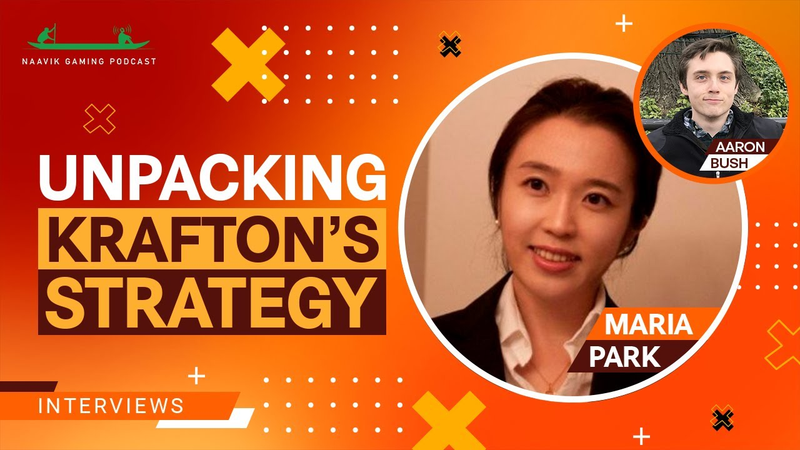

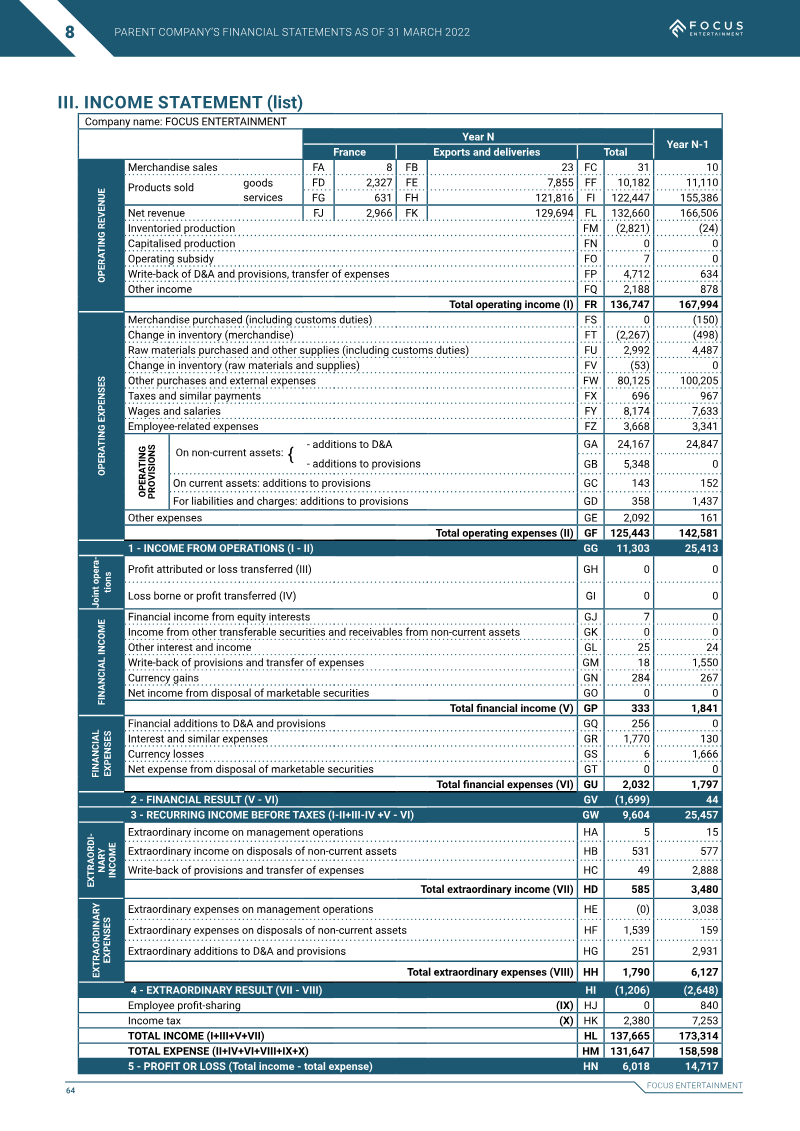

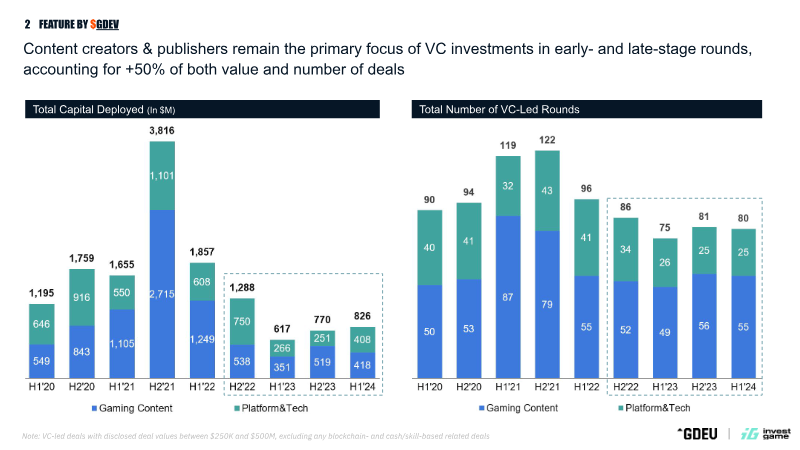
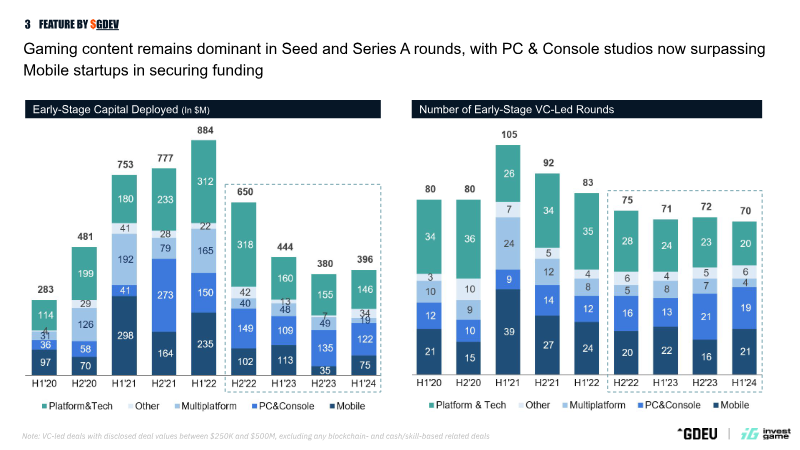


Comments