Transcript
hey hope you guys had a good holiday break uh before I dive into this week's episode definitely want to talk about this open AI stuff so from last week fire hire rehire uh Microsoft you know uh taking Sam the former CEO and now Sam back as the regular CEO so many things that shook the AI World a lot of it I think is driven by money and for profit if you believe in any of the conspiracy I guess Elon puts it best uh asking the board to share the information that spooked them to do something so drastic as to fire a CEO that is leading the AI race right so it's pretty ironic that the whole internet and and the public opinion is is defending Sam and wanting to being
reinstated and virtuous about him being in the position that he needs to be uh which is back at his company uh and quite possibly it's ironic because quite possibly could be the reason of future doomsday of the human race if any of the rumors are true but we I guess we'll find out the next week or so but the main thing the main rumor is that they cracked a major breakthrough of achieving AGI which is artificial general intelligence which is the main uh thing um that all these companies are are striving for and uh if they're having a for-profit mindset the Securities are not put into place to kind of protect the people that needs to be protected so in other news
um how it shifts the charge and leads for our industry at the game industry is going to be very interesting I mean if a breakthrough has been achieved that means if this year was fast and too crazy uh for entertainment imagine what next year looks like if they 10x their growth in AI I mean we're already seeing tools left and right about enhancing the workflow and basically job replacement for a lot of disciplines and at the very least job efficiency quote unquote right but it's it's definitely interesting to see uh how how this unfolds it's happening pretty fast uh which is how this Tik Tock generation and AI tends to work they works really fast so it's very good if anything to pay attention to to all the stuff you guys
are for or against it uh as always I want to do a shout out for for those that are joining us in the Discord uh to discuss in between episodes of latest news such as this talk to me uh while we wait for the next week's episode Link in descriptions uh as always I want to welcome breel into the server uh who is the latest and greatest that jumped in uh hopefully you guys are finding that there's a community here to support you in these very try times uh and uh kind of as a weekly tradition you know I'm I'm going through the Apple iTunes page of G Devon chain to share reviews uh this is a great way for me to kind of uh reenter the focus and and to make adjustments as
needed because your guys' feedback is Monumental to the success of the podcast so I appreciate it this one's from that guy at Apple I'm starting from the very beginning and jumping all over the place good or bad uh five star review on this one or I'll promise I'll read a bad one next time uh this is by that game at Apple one of our first reviews back in 2015 and it's crazy to kind of think it's been eight years it's great to have forms dedicated the game development it's also great to have interviews and behind the scenes in game development on AAA titles it's even better when you have people who love Creative games and have the industry experience talking firsthand on what it's like I read the book in a couple days in love to can't wait to hear you guys talk about the industry I also hope you guys cover topics on the art side of things I am environment artist myself and I would love to hear opinions on tools and workflows and just game development overall well thank you for that game at uh that guy at Apple uh hopefully you're still with us uh shout out in Discord if
you ever get the chance we love to kind of talk to you at length but it was our one of the first reviews and it was awesome when um both Larry and I saw that uh and it was actually very humbling to kind of see that anyone is listening so uh if you guys ever get a chance if you guys are long-term listeners drop over at the Apple podcast page uh drop any type of ratings you know five star review is the best obviously this gives visibility in the store Page and uh if you like it you can even just drop the five star you don't have to say anything but I will shout out and read uh your messages just to kind of give a highlight to to those who are taking the extra step in conclusion as always every episode as a reminder is accompanied by an article I want you guys to be able to kind of Trace back previous episodes and and
look at the highlights of them in in very pretty much detailed notes uh if you don't want to listen to again but there are so much information so much valuable gems that are pretty Timeless uh for a game developer to reference to either get in the industry uh get through the industry going from smaller Studios to bigger Studios or to to going Indie getting out of the industry doing something on your own getting publishing all this stuff I try to make sure that I dilute you know the the valuable gems in each of these episodes on an article that is something that you can peruse through and and look at and uh be able to kind of Trace back whenever you desire uh that is relevant to your life and and to your career so see you guys on the website as always wherever you're listening to thank you
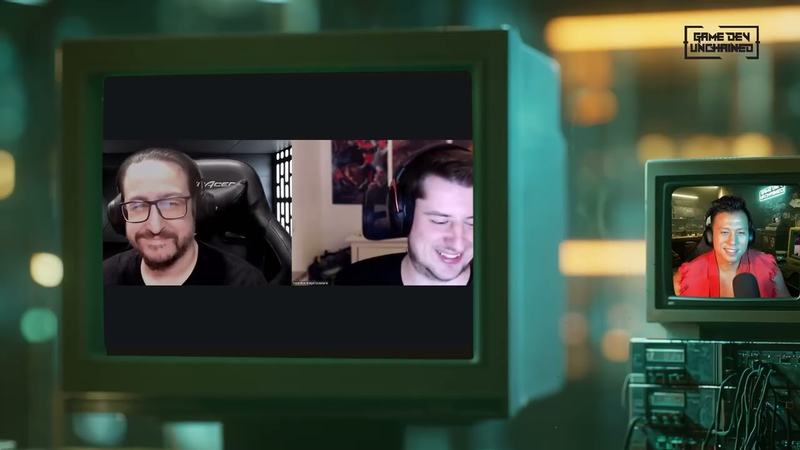
and on to this week's [Music] episode what's up everybody welcome to another episode of Game Dev unchain the number one game development podcast about game development and the lifestyle thereof I am your host Brandon fam and with me a returning guest from a while back Pete bottomly how you doing the Pete hello Brandon how are you today good uh so this is part of the podcast where I introduce well I let our guests introduce themselves to the listeners out there of who they are where they been where they're at where they hidden just a short introduction yeah sure so I'm the co-founder and Studio head of white paper games uh we're a studio based in the UK uh we've been operating for over 12 years now uh we mainly focus on PC and console more narrative driven
cinematic style of titles all developed in on real engine I guess that's a high level version of me perfect man I think we were just briefly talking about the last time I talked to you was 2018 a lot has happened since uh it was actually a great opportunity for me to talk to a lot of people I talked to before the pandemic before this storm that I think the game industry is going through right now uh and actually uh a returns of narrative games I feel like the last few years there's been a big Focus back to single player narrative games and these are you know as usual we'll explore all these topics but first first come first serve man you look well I'm glad to see you around and yeah yeah yeah it was funny because we released a a 10-year documentary around well 2022 and it was just funny to see how things
just don't change over 10 years as well like people still look the same act the same but then also so many things are are different as well so uh yeah no it's was good good to catch up again Brendon yeah so has have things changed at least for you and your studio because of the pandemic since the pandemic I mean that was a major paradigm shift for a lot of small and big companies at that time yeah I mean yeah that's a that's a question you could answer in many ways um operationally I don't think we've changed too much we were just beginning production on our third title as the pandemic hit so in in March 2020 thankfully we had just signed the deal around that January time January February time and we had already built the team we kind of knew what we were doing um we
had processes operations in place so you know outside of unplugging PCS in the studio because we have a physical Studio based in Manchester apart from unplugging PCS and and heading home nothing really um impacted us thankfully it was more on the kind of you know family friends just making sure everyone was okay kind of side um but operationally nothing too much changed for uh and we pretty much just shipped that entire game um through the lockdowns in the UK so yeah operationally things didn't change too much on the back end of that things have definitely changed uh it was an intentional push after our third title because historically our games our first game was called ether one it released on PC first and then went onto PlayStation 4 and that took us just four years of bootstrapping and just uh pushing to get
our first video game out into the world self-published um and thankfully did uh critically and commercially well enough for us to make our next title and so the occupation then was our second title which I believe is where we kind of synced up on the the back end of the occupation there um and that again was about a four-year process so we intentionally wanted to do something um more along the lines of 28 months development is kind of two years and some change there um with the the goal that we actually wanted to go multiproject after that um project so we kind of built out the team enough uh we generally try to increase a team by about three people is every project so we're now uh around the 16 Mark at the studio and we're kind of working on a few different things so uh we definitely changed I don't think it's um necessarily due to any of the the pandemic or the lockdowns but also things uh as you alluded to at the top
of the call are just different in the industry right now um whether it be Studio security just the finance coming into games you know there is a shift in narrative games which is nice to see um but yeah just everything is very very different um you know as we're speaking of the back in the 2023 right now yeah I think there's definitely going to the next year uh there's a certain level of conservatism from every developer every Studio there's definitely a lot of cutbacks and a lot of people just waiting to see uh I I do feel it's an overreaction but there is an overcorrection as well right I think the pandemic there was a lot of hype and money coming into the industry and various ways like nft blockchain all this stuff just just fresh money and um I think think you know in a small way
remote really worked for a lot you know we we talked very extensively about that um in in the show uh but what we also seeing like a real push to go back in the office and a lot of people are saying this is a big hard reset for unfortunately what was very heavy-handed on the you know the employee side right for the last two years it's just like hey I want to live on a farm I'll sh I'll come in to work whenever I want to you'll see me in the zoom meeting and you know I think there was a good period where everybody was jumping ship whenever they wanted to because it was a very uh employee heavy uh very one-sided in my opinion and this is coming from a person that have always fought for the worker and everything right but I always felt any exaggeration from any direction to any direction is
never a bad thing it always has to be a balanced relationship right uh so seeing kind of like how you know being directly affected but also kind of being Observer what what do you think is is is kind of going on right now and is 2024 as scary or are we looking at like at least the first two quarters of weathering the storm or is it the whole year type of thing yeah so I believe this information was in um we have like a a games jobs um kind of direct style service in the UK and kind if we look at the trajectory of uh jobs size of teams money coming into the Studios from before 2019 and if you build that kind of curve um for the few years before 2019 going up through the pandemic of course he took a Steve BR
but year on Year we're actually ahead despite all the layoffs and the the finance where the industry should be so the game industry is still thriving people are still being hired there's still projects to be made um which isn't a constellation for the people um being laid off from large Studios big and small studos uh it's definitely a tough time um from a developer perspective in the um in the industry but there is still plenty of uh there's still plenty of hiring going on there's still teams needing to build projects and um kind of an interesting observation but it's kind of obvious to stay out loud but it kind of helps the developer put it into perspective is Publishers need to make games otherwi that's their whole business model they need to create games develop games publish games and generate revenue from those games so there's there's still games to be made now the thing about
that is uh from publisher conversations that we've been having where their portfolio you know used to be X you know signing number of games for 2024 onwards you know that may have taken a 30 to 40% hit in some extremes maybe 60 to 70% hit so they're signing much fewer titles they're being way more selective with the titles and they're also taking longer to sign these titles because the supply and demand is way up there's developers which are a supply there's a lot of Supply there's a lot of developers looking for money um so the demand is high on the publisher side which means it can take longer to pick through the bets that they want to make because there's plenty of developers looking for money so that's one side of it I've heard from just people um kind of on the more financing side of the
industry that kind of teams really need to shore up through 2024 so even q1 Q2 like you say I I don't think it's going to start lifting till Q3 Q4 through to 2025 so you know teams uh really want to be putting that focus in operating as leanly as they can through to the next year smart processes Smart Tools just being um but still being creatively driven still trying to push the bar still being technically driven because ultimately they're going to be the interesting projects that get signed so yeah it's definitely tough I see it going on for at least another you know nine nine months or so um but uh it's also an exciting time like you said there's still some great projects coming out so um you know we can't complain being able to wake up and make video games every day so it's definitely a um feel privileged to do
that yeah I think anybody that was looking at that steep rise that we witnessed during the pandemic if you have any kind of experience in the stock market you know what comes up will come down and I was waiting for that draw I was like man this is just going too far um and um it it felt like yeah this the moment was around this time where the money dries up a bit um honestly a lot of it was like when Elon Musk started buying Twitter and cut 80% of the workforce right to me that kind of marked the beginning of the tech industry doing really kick um kickstarting the year of efficiency like at Facebook Google like all these layoff started that happened in the thousands and then we're what I see is like this trickle down effect to the game industry kind of see doing like a monkey see monkey do type of thing is like well
they obviously have a lot of analytics therefore we need to start from the base what is our like you know efficient Baseline and then build build up because you know a lot of these job losses that we're witnessing is there's a lot of recruiters while when companies are losing recruiters they're not looking to hire at least a large amount for a while right usually they're three to six months so I I agree with you I think it will probably last till half a year before we start seeing things really getting back to normal but the the the the redeeming thing is like what you said there's you know streaming games all these different companies Netflix getting into it like the business itself the industry itself is healthier than ever more and more are are getting into the game business um game IPS as a movie as a TV show is prospering for the first time in our history so like uh a lot of
people are looking at games as a next Frontier of just marketing opportunities uh that that wasn't there before I mean I think fortnite helped a lot with that with every every time there's a movie out there's like a like a like a um a season drop pack right that ties into it uh and I was just talking to a friend about this it's either fortnite or dead by daylight so it was like if you have mature horror it's by daylight everything else that kind of fits within the fortnite uh you know uh Spectrum goes to fortnite but that's it so there's that's another opportuni like if there's ever a game to tie in commercial licenses there isn't much that movies or entertainment uh or Sports can go to for games and they are looking for it right I mean there's so many different things that don't fit perfectly within fortnite and dead by daylight right so yeah and I
I think just on that it's the I mean Behavior interactive uh we've spoken to a few people there and they're just a super talented team and just what they're doing with IP and just the dominance that they have in the industry like any kind of the current industry uh trends that are going on they seem to be booking that stuff and just really driving through and making some really smart decisions so um there's a lot to learn from behavior that on that respect and also I think you know just with this being a more of a game developer Focus podcast especially for anyone that's kind of self-publishing their work when you touch upon the IP um section that's definitely been a a goal of USS even since either want to retain I mean I would never recommend developers sign over their IP and generally Publishers aren't asking for IP it's not really I know maybe you know 15 years or so ago that would have been usual practice but developers keeping their IP
as one thing U but also just keeping the um the as much of the royalty share as you can ideally 100% but obviously you know if you want to get funding for your game you'll have to give up uh some of that stuff but then also on the kind of secondary media side which can include film television uh merchandise all this kind of uh secondary Media stuff um make sure you're not signing any any of that away in your contracts because like you say if uh the Netflix comes calling or or someone at CAA wants to buy um the rights for script treatment or something like this then you don't want to be giving up those rights unnecessarily to uh you know anyone that might have published the the video game side of your work so um yeah thinking about that larger portfolio um should definitely be an intention uh as that industry start shifting towards other other platforms
for the IP yeah there's definitely a trend that I'm I'm seeing slowly coming back I mean you know you were talking about boot straing the your guys' first game self-publishing and then we had you know back then it was more encouraging to do something like that with steam and Kickstarter and crowdfunding then it died a bit right but now it's slow I feel like it's slowly becoming a thing with tools being stronger smaller teams can produce a lot more uh it's more feasible right to to to to kind of work small um what is how true is that like in 2020 through 2024 if if if a small team has an idea what are they looking out for you know they have these two Avenues of self plish or looking for funding like what would your advice what were what would the red flags what
would the parameters be uh that would suffice either or yeah I guess the big disclaimer here is that I've not done that for 12 years so any advice is going to be outdated and you just got to listen to a bunch of different sources and just kind of figure out uh the best move for you every situation and context is going to be different how much you need to live on how much you can bootstrap it do you have other sources of income to on all these things are a factor um if you can bootstrap it and support yourselves through the development of your first title um that helps massively because um you have 100% of that income from game sales coming in um you you are in a place to negotiate deals and a much better understanding of what it is you want to do when when you're if you're making your first project and you're not familiar with publishing
agreements and just understanding how much uh makes sense to give away they can be really tough um decisions to make because you have no context you have no track record that that's an incredibly tough thing the only thing I can recommend is getting definitely getting some legal support uh we did not do that for first couple of games and uh there's lawyers out there that will help developers especially if they know their bootstrap they'll do some work for free up front uh I know that's the case in the UK game Space so hopefully that's uh the case in some other countries but making sure you have um some legal support in your network I think is a useful thing but yeah if you can bootstrap uh I would definitely take that approach um it's tough it really helps you focus The Vision on what it is you want to create it's a a sense of achievement when you get it out out the door um but the converse to that point
is that I have seen teams um first of all the lean model of um developing teams as a startup is the same is applicable even when you're 12 years later and you're working on your teams like we we we have maintained a lean team like I said we're still 16 after 12 years so uh hiring for the specific skill sets that you need maybe not trying to create a team just as friends because friends are there if you have multiple of roles on a small team uh that can lead to issues but I think the larger thing that I see smaller teams doing is sometimes trying to create a small version of a thing that they know they can ship which they may not be necessarily passionate about um but they know he achievable within the time and and the money available which is still an achievement but more often what you
see is that the game comes out and it doesn't really have an impact because it wasn't necessarily either a unique concept or it's pushed something forward it's just you know in quotations of product that they shipped um and if that falls flat it can be demoralizing it's tough for Publishers to buy in on their next title because the track record wasn't super strong and all these things can be effective so either I guess from my perspective taking one or two routes either Brute Force through it make the title that you really want to make and you'll have overs scoped it and underestimated the time and it'll be brutal and it'll be tough to get out but it'll you'll release and it'll be something you're proud of making sure that you are doing all the non-game development sided things which no doubt you've had 100 conversations on this podcast about make sure you Market making sure you're reaching out to press just you got to do the business side of that as well as just making a great video game so either you you take that
approach or you do get early investment and you take some of the risk off the table you make sure you budget for what you expect especially for your first game I'd probably then double that and that's what your publishing budget would be um and then at least you have security and you still try and make something that you're super proud of if you can get it critically uh well received that really helps for your next publishing deal but essentially it's just okay we' got one game in mind okay now we shipped one game now let's move on to the next game and for at least for us we never built um a studio that I fora a trajectory of 12 years I mean I mean it was never not that but it was always let's just make a game let's make the best game we can and then after that it's like okay what do we do next and it was always just that one foot in front of the other type mentality so yeah but it it's tough and I know that it's tough and it's more like even tougher than it was in 2012 because there was that wave
of Indie Games coming out as you said we we got the and the push of Steam Greenlight early on in those days where developers were now allowed on Steam and you could um you had an audience there that was interested in looking for these smaller games uh epic was doing a lot to support uh smaller teams especially in the early days going from udk to ue4 um Sony was a big um uh a big kind of uh back of I think it was like uh we love devs or something like that it was some kind of Indie focused push from Steam um from Sony sorry um again around that 2014 time so um yeah you kind of it was easier to get caught up in that Rush um so I appreciate the toughness right now of where the current industry's at but um like we said before Publishers are still making games Publishers are still
signing games for me I feel like it's almost easier to sign the sub 500k game so I don't know call it $700,000 or something like sub $700,000 or you know five million plus dollar games that middle that middle area which is actually where we land is a tough Market to be in um but um yeah it's definitely a great thing if small teams can create a little stop up and make a game that they super proud of the I think the constant worry uh at least for first time developers that are looking or seeking funding is that obviously losing control um being rushed right I mean it is a creative process and especially for that first game it's hard to kind of estimate how long it takes to find the soul of the game right and as
much a lot of the failures of these startups is that they accept money and you know that's the goal is like get the money we're good right but then obviously they a lot of them don't ship a lot of them fail or they uh it's a it's a it's a countdown clock and everything feels rushed Everything feels incomplete people are crunching putting the heart and soul uh and just crash and burn right that that I would love to kind of hear you kind of speak on those fears it's like well you know what the advantages that you kind of laid out is it gives you security you know it gives you sometimes guaranteed time to keep the team together to kind of push this goal it forces you to budget it forces you to be more concise on your game design right uh as concise as you can be uh but how what what would you say to these developers that haven't been through this process of funding just
thinking that anybody that are funding are evil which just can't be true right um what do you say to these guys with with these type of U fears so are you framing that in terms of how you should um Pitch your project to potential Publishers are you um asking how you kind of come how you understand how to budget and scope your game before you've got investment like what what what kind of direction would you like to take that in um either or I I think you know at the Baseline is I have this idea I got this team but I've never been do this funding I just have this like General vague feeling about anybody that wants a piece of the game wants to piece the company are more
than more so about themselves than you obviously that's for obvious reasons right and uh we just hear so many games you know just crashing and burning before actually finding its footing and its Soul right which hopefully it can be done within six months or one year of pre-production but you know with games it's such a Enigma to it's kind of foolish to kind of feel that way sometimes um it being such a creative Venture right yeah okay yeah so I think a few things on that is that um definitely expanding your network because there's a lot of really smart game developers that have written very articular uh articles and and and posts on LinkedIn things like this like I only just came across ramy's blog uh I for get the URL I'm not sure if you know it but um definitely post that to your
audience uh he writes about a lot of just um best practices when pitching um noticed he has templates um on how to budget your game um I know just a lot of really um strong advice uh especially for new teams uh When approaching those publisher conversations to decide about the creativity aspect and and just understanding the vision of the game I would definitely hold off publisher conversations especially if you've not a team with a proven track record until you know that vision of the game and that can take a while um it can take some prototyping ether one started off as um well not ether one ether one became ether one because we had to cut the game in a third an ether one there was still an ether 2 and ether 3 and we
never went back to that so we already knew we we had to scope the game down by a third and that that's blatant in the name there um but it was also you know a Sci-Fi third person more platformy uh puzzle game uh we brought it into first person we kind of it's Ethan one still had some sci-fi elements but then we introduced some more narrative themes of um uh dementia with Lou bodies and then we also had themes of um one of the family members having alcoholism and we had these strong themes in there that were wrestling with each other and it was only Midway through development where we realized okay we need to strip this uh alcoholism theme out not because it's not important but we need to be speaking about dementia with L bodies because that's that's the heart of the game and we wouldn't have known that going into publisher conversations we wouldn't have known that the scope was off and I feel like even if you you're able to spend you know nine months just trying to
prototype start development and just have a strong vision for the game uh before you start speaking to Publishers I think that will be beneficial to you as long as you can articulate what you believe the game is it may shift and change after those publisher conversations but at least open the publisher conversations with a clear idea of what you believe the game is right now um and you may get feedback they may not understand certain acts in the story or certain core Loops that you're trying to design or any of these things and that's just good feedback a publisher know is still feedback in terms of they may be not yet I mean it's generally never a hard no unless it's just not a a portfolio fit or it's just the types of budgets you're looking for are way too small or too big conversely for them so generally it's just a not yet type of thing so don't get disheartened by draw now publisher discussions again going back to the
point where they may just keep you waiting for a few months um just to see see what's out there and it may uh it's never a yes until that contract is signed um and I know a few people have said that um so I'm probably stealing multiple sources there but until you have that publisher agreement uh signed and there's a contract that publisher is not saying yes so be wary of that long drawn out discussion don't rely on vague uh promises or or or things until there's something contract uh something contractually written down so I guess that's to say that it's okay if your game does shift and change but just make sure whenever you're having publisher discussions you you you have the currently clearest vision of what you believe the game is and you're excited about that and it may change I'm actually currently rereading creativity for like the third off all time right now cuz um Ed CML released an Expanded
Edition so for people that have read creativity Inc um before there is expanded chapters and they're pretty sizable and chunky so I think that's just solid reading for any anyone in the game development uh industry it's cost just any of the realtime industry um or any kind of film or creative um aspirations there but especially for people people just wanting to start small teams trying to find books like creativity Inc um they'll definitely help guide the path and the reason why I mentioned that is because there's a section where it talks about a bunch of the film directors using different analogies for how Pixar stories come to come to be so some people phrase it as running down a really uh long dark tunnel you can't quite see the end but you know it's going to end at some point and you've just got to find your way to the end some people talk about it as uh following a maze in the dark and you're
just trying to touch the Sid and navigate your way through to the center um some people talk about it as like a an archa archaeological dig where the game is in there somewhere and you've just got to uncover it and piece together the parts and see what fits so that's more just to say hopefully that gives you confidence that no one knows really what the true vision of the game until you get into that back quarter maybe even 8/10 of the way I've heard stories about I think the last the first last of us where the clickers W weren't quite right or the combat wasn't quite right until months before going gold things like this just really dialing in the experience so um it happens on every project um it's going to take shifts and turns and the publisher will know to expect that but you've got to know and have the clearest Vision about what the project current currently is to be able to articulate that and be excited about
that right I think there's always like a balance of um deadlines are great because it does pressure gets team kind of unite and deliver something uh and then you know the the laidback creativity can spinning your wheels forever uh you know is never a good thing I mean blizzard infamously he kind of made EnV valve right has that moniker never shipped till it's done right so well you you'll never ship anything right uh and and that too I think you know at a core you know a developer likes completing things that they start right they like closure on projects that they have and uh the sweet Mark at least for me is like three years average right maybe four but like anything past five he's like man my kid is like going to college and and it's always been an uncomfortable length of
time for me to develop on any any project uh even more so now since games are taking longer to make I I have friends on these long AAA projects still I've gotten out since that you know there their kids are like 10 by the time was just born and now they're 10 you know and it's say lifetime for a game developer to kind of because at a certain point if you're not the designer you're an artist you're kind of doing the same thing over and over you're not really making anything new you're not learning new techniques you're trying to but not really you're just trying to get things done right so it's interesting to kind of hear um what you're saying but also I want to dive into um I think you can only you know obviously speak for from your own experience but from what you've seen as well like what what is the average
length of time of like I'm starting the pitch we're signing a deal right how how long should people be prepared to to in that process of realistically this is when you're actually going to get money uh for your projects so you got to have to have enough in the bank there to kind of w withstand this length of time after you have your vision after you an idea how to make it right yeah so I guess I guess again context is going to be super important there I I guess I'll try and approach it as best I can assuming there's zero Network currently built um kind of just starting day one reaching out so I think the first step that I take is start talking to platform and engine providers uh any kind of
source funding like that so you know a Sony or an Xbox might be interested in picking up your title or at least um they may have some programs out there where it helps you get some free support um get a small amount of cash there's a Unreal Engine Mega grants uh from epic games if you're using Unreal Engine there's um a few things that you could do just as a first step to start making those connections and just connect with those people have discussions and maybe just keep them updated month to month or maybe every few months um as your conversations are going but then assuming that you have a pitch deck together let's call it an8 to 10 slide pitch deck let's assume you've got your budget uh you've added 50% to it and you feel like you can make the game for this much money um and you know you should
probably have some kind of teams call this different but like pitch deck um a prototype um some kind of proof of concept minimum viable product you know something playable that demonstrates the gameplay mechanics that a publisher can play and understand what your game is I I think especially for a new team it'll be very hard to get a Game signed without some kind of pro type um so let's assume all those things are in place um if you're an unknown person reaching out to a publisher that could be a very long wait I've seen Publishers post messages saying you know sorry I'm not being rude but um I've got you know 200 inbound pictures in my inbox just from two the last two months so I'm just working my way through them and I'll get back to you so the best thing you're going to want to do there is um if you have any local um Expos that you can go to where
you know Publishers might be and you can just start making um connections with Publishers at um shows conferences local meetups anything like that if you can be a face behind the email I think that's going to be super super helpful and make sure you keep those uh contacts up to date and they know what you're working on um then maybe I would say have a spreadsheet with the list of all the Publishers in there hopefully contact emails for each of the publisher try and find someone specific maybe someone specific that likes the kind of games that you're developing and um yeah begin those conversations um there's going to be multiple stages to those conversations there's going to be an initial do we think this game is even there'll probably be some kind of um maybe they want to see something
different maybe they want to see something more um I think I read this on ramy's blog actually and I it's only something I came across a few weeks ago so I definitely recommend people go and check it out because a lot of good advice on there but I believe one of his points was don't fall into the Trap of um constantly going back if a publisher says oh it be it'd be good if you could just add this one extra level or this one extra feature then we'll take a look at it again because maybe they're kicking the can down the road they're not the developers of the game they have no in uh invested interest right now so it's just distracted time uh away from the actual the game and what you should be working on so try not to start catering to all the different publisher conversations um I know that was uh something that he highlighted on his blog but um they'll have some kind of green lighting process going on there um they will uh want to play a build of the
game there'll be people internally looking at Market viability looking at comparative titles you know what are the titles that are similar to yours and how many units have they sold on Steam you know what are their rate average ratings things like this people are looking at metrics under the hood and basically they're asking okay you want x amount of money for your game budget that we believe it's going to return you know whatever multiplier of X that they are wanting to return on their projects um to come back to your original Point how long that might take we've not begun the pitching process of our fourth game yet uh we will be beginning that end of this year start of next year I don't perceive Even in our situation where we got three games under our belt um you know we'll have a Sol strong prototype in place we have connections that we've
already made I'm not expecting anything for 9 to 12 months I I'm not expecting to begin actual production until January of 2025 it'd be great if you know it's a done deal um by the summer but you just you can't expect that and you can't forecast for that um can only forecast for what you believe to be true right now um for ether one we self-published um for the occupation we used ether one's money to get say 65% is away through development and because of our first game and because we had already started working on it with our own cash we then published with humble um humble games who were Humble Bundle at the time um throughout that so they kind of wanted to publish our game whilst we're already making it so that
was a pretty quick conversation to have um and we worked with a a publisher call sold out in the UK who did the retail version of the occupation so the boxed version of the occupation and so we just went straight to them with our third game Conway and just said look we worked with you on our previous game we'd like to work with you on the next game can we get this signed and I think that was about a three or four month process um but again the landscape has changed and we're making bigger budget titles now internally so we've stepped up the bar and so we knew we needed to prove that with a strong prototype so we've intentionally tried to put a lot more polish into our prototype early on in the process so I hope that gives some context and and again that's just my view um you know November 2023 um as a UK developer as a small team uh with 16 people so that can vary
massively uh from Studio to Studio yeah of course I think uh it's going to be it's helpful either way just kind of hear your experience like out of it sounds like there's you went through three different kind of uh methods you know one self-publishing second hybrid third fully published right and then fourth you know seeking publishing uh in this landscape looking at those which has been the most pleasing you know in terms of terms you don't have to go into detail of that but like in terms of where you were like man I really liked what happened with this you know I if we can have this for the rest of our development years I would be happy what would that which one of those would that be um not particularly at the game just how it was published how you guys got halfway there or whatever right so I guess ahead of my response I'll acknowledge my own bias that I know I
have for this response uh and it's not the right thing but it's just the way I perceive it in terms of I think ether one was the strongest which was our first title we bootstrapped and we did everything ourself because we didn't know who to ask for help we didn't know any other way of doing it but just figuring out how to do it ourselves so we only spent £37,000 call it 50,000 us um on ether one over four years which is amazing you know that's that's our that's less than our burn rate right now like our monthly rate as a studio right now so that's crazy in itself but what we did was we put everything into the game um and especially when it came to the Press um we hand wrote every single email we found the journalist that we're reviewing so we released in 2014 so in
2013 games like gone home came out anyone that had seen gone home or Broken Age or any of these kind of games that were coming out around that time we would handw write emails to each of the press Publications we'd author and tailor exactly what we wanted to say and why we wanted them to review the game and I believe that was partly why we got such a strong Metacritic of to coming out the gate of course we put our everything into the game we bled into that game and we just really really put we didn't leave anything on the table with that game um so we knew that well we didn't know it would be a strong game but we knew it was a game that we would be proud of and then critically it it um did well for us it didn't sell major units out of the game by any means it kind of it still sells to this day and that's kind of what we um believe for our kind of portfolio of games for them to be Evergreen in terms of someone
might just go and think oh yeah I want to check out that game and they'll be able to play it and we want to make sure it's still available on more platforms and we keep them up to date and all those kind of things but yeah ether one in terms of doing it ourselves and reaching out and having the marketing exactly how we wanted it we released all our own trailers we made our own plans for uh when to release what plat forms to release on all these kind of things so the least comfortable in that and again it kind of goes on the spectrum is then the last game that we released which was easiest in a way because we kind of knew the publishing budget that we needed we budgeted it pretty well we shipped on time on budget like everything was straightforward and considering there was a global pandemic like we didn't really miss a beat in terms of getting the game game together but then we were also more removed from that process we weren't
speaking to the platforms as much um we weren't speaking to the the press as much because we were letting the publisher handle that side of thing so in terms of we were there making the game but we didn't see the end results and we weren't able to connect with the people that we wanted to connect with so I felt personally too removed in that process and again that's my bias in terms of I just want I feel like I mean part of the reason why you start a small team is because you believe you can do things better than what you could do otherwise so you believe you have ideas and a drive to see things through the way you want to do them so there's intentionally going to be oh if I just did this myself it would be way better so I acknowledge that that's not always going to be true but in this instance I think um going into game fall I want to get back to that maybe hybrid of occupation where it's like you know with we're fully on the development we're full on development making the best game we possibly can really trying to stretch
ourselves the budget that we have that doesn't mean crunching it just means putting everything into the game we can creatively under the constraints that we have whether it be time budget you know whatever the constraints are um but then also making sure all aspects are tackled speaking to I mean we've always spoken to the players but really engage with players more engaging with press more thinking about how we want to Market it and really being involved in that endtoend product because I feel like we that's one thing I just feel like we didn't do quite as well on our last last outing yeah I mean personally right and I I know a lot of listeners kind of share the sentiment like a lot of what I do here is asking questions that I'm curious about and you know we talked I talked recently to the guys the battle bit remastered which was like an indie darling this year right just blew out of the gates
and and they're they're young right like the the thing that I see with these young developers are and well they remind me a lot of myself right out of college of why I went to the games right and I personally keep feeling that I lost my way you know chasing Triple A chasing the big titles right and then when I speak to the young developers they're just they're they're they're absent from all that drama Office politics and they're like we're just trying to make gains and I I'll make it for free it's like man how how great to not have family responsibilities you know what I mean uh and so when I talk to Indie developers the differences they always say the same thing as you are it's like oh you know the the grind was hard but we had control right and that was the reason why we went small and that's why I think a lot of people always struggle
like can I self-publish how far can I self-publish but you know there is you know even Indie publishing is kind of a New Concept newish right we're talking about decade Indie publishing you know when it was first after the steam green lights like what these guys are these these these vampires are going into the space now right but obviously since then Indie is different it's not a garage thing it's just smaller team there are a lot of security to it there's a lot of marketing support and all this stuff so that developers can concentrate on development but you do start to see the [Music] things that was unique to Indie that that's slipping away right I mean we you know as a developer you like to be in touch with your customer base that that feedback is I I think is a lot of what these Triple A games these quad a games are often getting in
trouble with they get so far removed from their player base and they just make games kind of to like like these remakes is kind of to me like a a way of saying like oh the old games the old ways of making things are like these solid game designs from the PS1 days the Resident Evils the uh the ieko the shadow of Colossus the remaking you know Metal Gear Solid 3 right like I feel like for a good period we were missing a lot of those game designs for the bigger games because of the fact that the developers are so far removed have gotten too big out of touch you know with the process just showing up to the office clocking out right uh so I I I do like the fact there's starting to a return of of the single player near games that we were kind of hinting at the beginning because it is starting to get back to the simple jojy enjoyment
right I'm not dismissing like there's a lot of good triaa games like Last of Us and stuff that still have great but those games take forever to make right um like forever uh for good reason but um what I'm what I guess I'm I'm trying to say is that there is that constant conflict because I know what you're saying is true it's like yeah man like there's nothing better than talking to the direct player base and like what don't you like you know what do you like at the same time the responsibilities of a studio head is huge you got to make sure everyone's cool all right not everyone can roll in with like yeah I have three years of funny for a six player 16 team member right it's like no I got to be responsible here so um it's one of those things where what I'm I'm I'm starting to understand is like you can boot bootstrap as far as you can at least get through the conceptual stage you know a solid prototype you know game Loop or
whatever get it to the fun place prove it out in terms of like length of time because you do need that data and a lot of teams a lot of startups in especially in the pandemic man everybody in their mom was starting a new studio in my opinion the last two years that should that have no business in starting a studio you know what I mean I like I I feel this might sound like age bias but like I feel like it's a young man's game in a way to start up a new studio is like and might be an unpopular opinion it's like if you want to start up you you got you got to be willing to lose everything and I'm not talking about just finan it's like your family your wife and kids like you got to risk it all and so a lot of people are kind of going these safety nets during the pandemic that I knew was going to be a problem because a lot of startups AR aren't making it right now now um where they're basically going into uh funding
with with with the resume I was a part of this big game give me money right and they go on a hiring spree right I want the best of the best and then one year the alarming thing and maybe not alarming is like usually I see that they have like two years running away right doing that kind of sloppiness but like this year is it's been one year like the Stardust have only lasted one year exactly to the dot like 12 months later no more funding everyone's laid off so there there's there's a huge irresponsibility that's also happening from the developer standpoint that I I I think it's just so unhealthy for our industry right now right so I think there's a lot of concentration on these big companies doing layoffs looking at the Excel and having to cut back right as they always do right but no one is kind of pointing at kind of irresponsible
development right now that is kind of hurting everyone else that does have a good idea that does have a solid plan that does have the passion and willingness to burn the you know the nidol to do whatever it takes to get the game out right everyone's I don't know what it is they haven't really coined the term of the pandemic um wait a um a honeymoon phase right where everyone's like I can live on a farm and I can do this forever you know there there was there was a little bit of uh naiveness that was going on that I knew was trouble I don't know if you saw that but like I was like oh this is not this is not realistic guys uh I would love to kind of hear more of that because I you know you being there from the very beginning doing this bootstrapping way before all this you knew how how much it takes how hard it you know how hard it really is and you were seeing basically Easy Money
happening right undeserved in my opinion given being given out um yeah I guess a couple of things on your point there is that just to touch upon because I feel like maybe I mold a point that I was making about the publishing deal um in terms of i' I'm not aware of even the team surrounding us and this has never happened to us where the publisher has taken away any kind of control from the game for the most part Publishers are are there to support the developer so the Publishers are very asking like how do you want to approach this like the developer in most respects sets their own Milestones but then you've just got to hit them and you know there is certain wiggle room like we've seen Publishers kind of supporting the devs above and beyond and like okay let's add a bit more budget to the development budget but okay let's let's really try and ship so Publishers are more just trying to keep in check what
you originally agreed to in the publishing agreement and I think the the reason why we lost track with the press the platforms the players as much is because you kind of you bring on a publisher to help deal with some of that stuff like you want to put a lot of focus in the game and you know the mark is super important you know that the player base like you wouldn't be making these games if it wasn't for the players and you know the P the the platform relationships and the Press relationships are important but that's why you kind of want a publisher to help support that but as soon as you say okay could you handle that that's where the disconnect happens and I just feel like just more thought thoughtful um execution on that front because Publishers are ultimately there to support you and they've got a portfolio of you know five or six games that they're probably trying to ship next
year and they want to plan your marketing beats nine months out and start planning that stuff and sometimes you want to be a bit more reactive to the climate and oh should we put a trailer together and you know just discuss these things so you want it more free flowing so I think just being aware of that more than anything so I don't want to missell that the Publishers take away control because I think for small teams especially I think Publishers will be there to support you would help you ship your office game so I by no means see that as a negative experience but anyway to your larger point about um you know uh pandemic funding or like um people starting up Studios I personally I I think it's great to see more smaller teams forming I believe games are going to go the way that maybe potentially part of the film industry goes I'll be a little bit more connected so like fil films come together like you have a director a producer a script writer all these people kind of come together you
know cinematographer they make this projects and they disband and that kind of works well for the film industry I don't think games will be like that but I think games will be made by increasingly smaller teams with better tools um you know I feel like you know 20 plus people if they can make a hellblade Style game you know that that kind of sets the quality back and of course there's going to be need for larger teams even with naughty dog making better tools and better processes they're still going to need large teams so I'm not saying that it's going to be across the board but I'm goingon to I believe there's more room on the smaller Studio end for talented people wanting to make games and more of those kind of budget of games I think is useful the thing that I'd add to that though is that whether it's like a technical co-founder and a creat creative co-founder you know someone that knows coding and someone that has an art director background or something like
that they're not the only two components you need for a team especially if you're taking external money and especially if you need to grow a team from you know zero to 50 within six months because culture is such a massive part of that process and I know that that word gets banded around a lot but like from the culture that we developed on ether one I mean I've told this story before but that same mentality that I took into ether one I just I'm pushing it through I'm going to make it work however I can taking that as a cookie cutter approach and not intentionally so but applying that to the occupation as the team expanded a little bit again I mentioned that we added three more people to the team for the next project and now we had a few more specialized roles and there was like little bit less control because someone else was handling this thing that I was handling before for and now I can't just go in and change it I've got to kind of communicate how I need it changing and this phrase of um
abdicating versus delegating became very clear to me um abdicating is when you say here's this stuff that I was doing you go and do that and that's just losing responsibility whereas clear delegating is explaining how why you want something a certain way even though it takes a lot longer you've got to explain the Twist and Turn you you took to get there you've got got to be clear in your attention so 50% of it is articulating the vision of what you want and then 50% of it is doing the work so I became way more cognizant of that the back end of the occupation about really intentionally building the team and how the team operate and putting processes in place to help support the team that's a super important aspect to your studio so you know when uh I mean it's hard because you know that that metric of 5% of startups will succeed and the rest will fail like it's
just dumb look if you can succeed like throughout our history that you know if epic hadn't have taken us to this event and this publisher might not have seen us or if Sony hadn't us put us on ps+ in May of 2015 would we have had enough cash to get through to the occupation and all these different things um factors so I'm by no means saying the path was intentional and well planned out you know many things had to go right for us to be here 12 years later so I don't want to Discount that but at the same time if you're trying to build and grow a team you really want to be focused on the team you want to be hiring really talented individuals that want to collaborate as part of the team that can be creatively open very cander in their U the terminology being like radical kind way you can just give open and clear feedback and people are open to receive that feedback and just really
want to make the best game you can I don't think just throwing a load of money and just some technical and creative co-founders and just hiring skilled people is all just part of that process so again creativity Inc is an excellent book The the Netflix uh is something why rules rules or something like that it's something to do with rules that's a really good book on culture radical kander the book excellent and also it doesn't need have to be crazy at work by Jason freed another excellent book and using those as starting points about how you want to start thinking about building teams and building culture that for me is possibly what's missing apart from just bad climate unfair demands and just all the things that can go wrong in a business outside of that making sure your team is being built in the way you want it to be built is a really important thing to not lose track
of yeah uh I completely agree with you the the you know people leave jobs or leave projects not because of the project it's because of the people and um and it's very tough it's very tough um managing it it's I think it's the toughest thing because you know the the bigger the game you got to be able to scale you know no matter how skilled you are you you have limited time um as a as a skilled developer uh you got to be able to communicate that and get x amount of people to kind of uh uh to do what you need to do delegated and everything and you're completely right like the the the missing factor in probably why these startups do fail a lot is because they just rush the well they dismissed the culture part right I mean every website that comes up the first thing on their page is like oh
we're about culture where about it's like okay all right but the reality hits is like oh you know oh we meant that before we had the crunch it's like okay we really need to get it done because there's no money forget culture we got to get done and so everything kind of gets thrown into chaos as soon as you know there's no funding to to to take your time on things right um but you know to end it on a positive note right to basically go back to where we started the industry is thriving uh there's more projects than ever a lot of what the movies are are going through in terms of um needing to feed content to the ever expanding streaming Wars right games are kind of falling suit in that right uh if anything the way Microsoft is buying Activision right Sony's trying to like square up it it's a fight for licenses and IPS
right now and um creatives are more needed than ever I think the scale back is to kind of reset the Baseline that the pandemic kind of conflated a bit right um and it will take some time unfortunately for for the correction to happen and um I think overall I agree with you you know if you have an idea you can get funding it's always better even though there's like a 5% success for startups or 5% or under um the more idear the better my reservation is just like H you know there are salty investors out there I mean there's so many times I look at at like elicit investors and they specifically put down no games like don't talk to me if you make games
and it's like man they don't say that about anything else biotech all this stuff like that often you know really syns the the stock market right but it's it's gained specifically so there's a lot of bad reputation that's happening right now within the investor circles and if and but again like you said if they understand so little about the game industry do you really want to go into business with them can they withstand the creative process of what it takes to get games like maybe it's a good thing that they peace out right and the people who are staying in are the people you really want to talk to so I guess it's all part of D luck right I think you're convincing me it's like just let it be just do the best you can wor whatever he wants yeah yeah and that's why Publishers are such a strong route if you want to take that route because Publishers do understand games they understand the market they have a lot of metrics to back it up and
hopefully they have the player base of the kind of Target demographic that you're targeting with your game with your target audience so that's why Publishers do have a place in in the industry and um yeah from the more investor side I mean there are games investors there are some Angel Investors that have made money in games that are willing to best but yeah for the most part um unless it's a game specific fund you probably want to especially if your first um project you probably want to find um a publisher if you are looking for investment because that will be the where you can learn the most um from the people funding you gain yeah well we uh hit the hour mark and uh you know hopefully you enjoyed the conversation uh this is the part where I actually shut up hand the mic over to you I want to thank you on behalf of everybody listening uh coming back on and sharing your knowledge but the floor
is yours cool yeah thank you so much for having me on again Brandon because I felt the same after our first call as well um it's just nice just chatting these uh informal conversations um and your questions kind of cause me to articulate something in real time that I've not necessarily thought about for a long time so I guess just by the process of speaking out loud I'm kind of um developing the thoughts myself so you know it's been beneficial to me as well and hopefully it has been um for your audience So yeah thank you for that perfect man um well it sounds like you're you're you guys gonna go back in the cave put together your prototype uh obviously would love to kind of talk more about it when you can talk more about it [Music] um if there's one word of advice for for those you know fortunately for you you
haven't been laid off in the last 12 years but I'm sure we have friends you know within our circles that are going a really rough time right now we hate it um you know crazy enough it usually happens at this time and but this year it's been happening since like the summer so we know I know personally some people that's been struggling since you know for like four five months now and it's just getting worse um do you have any word advice maybe digging back before starting the studio what what a perfect time this is to do something uh and use this opportunity not just as like a uh like a um unfortunate event uh I think that'll be good for for anyone that's listening yeah when you when you said a word I was thinking like a word that I could use and I think the thing that's kind of served as the best
over um 12 years it's just I mean I feel like I could probably say something smarter and more uh pathetic but like maybe just consistency like showing up every day being there to do the work some days are tough some days get easier it's always a push to try and get your projects out into the world so you've just got to show up at the same time every day have some consistency uh be there especially if you're going through a tough layoff I can only imagine how tough and stressful it is is always tough at any time of the year but I guess especially this time of the year as the year starts wrapping up into the holidays um but you know um just showing up every day turning on your computer working on your work whether it be CV portfolio reaching out to your network just yeah showing up and doing the work
um because there's always the G the games industry although it can go through twists and turns for the most part does reward consistency and hard work and for the people that create good projects there'll always be space and opportunities there I think a into that I usually call those people in the office uh professionals the one that gets laid off last the one that doesn't complain the one that shows up no matter what never gets in the gossip he's oh that's a goddamn professional right there but I think that's actually really good advice yeah for listen up people there's plenty of work to do right thing um as always thank you for coming on for those listening where can they be uh where are you hanging out right now in social media uh is it on X is it on Instagram where can they find you so on X and Instagram we're just white paper
games um I'm petore bottomly uh I mostly use LinkedIn over X for any people that want to connect and I also host a podcast called realtime Roots so if you're interested in any kind of leadership um and process driven conversation um and it's more about realtime Industries so film television games animation just any people that are using this real time technology um as the industry start to shift um that's kind of a key focus of mine as well so um definitely check that out if you're interested in those topics Perfect all right everyone click through everything will be in the link in description below see you guys later hello everybody Brandon here I want to talk to you today about something very special we've been on this wild ride together haven't we from my early days as a senior employee feeling a bit lost all the way to
Leading multiple Studios transitioning to smaller Indie teenss and the mobile industry and now running my own game studio for the last six years throughout this time you've been here listening and learning along with me sharing this never-ending journey of Discovery this year I'm kind of on this quest of meeting serial Studio Founders discussing Acquisitions or exploring what it takes to grow a studio to over 100 developers I've always tried to find an exciting topic to delve into and every year is a little different the focus is a little different because that's where I am in my career currently and I want to be able to share what I'm learning with you guys so I've always been to dedicate to asking the tough questions bringing you insightful answers from industry leaders and experts and now I want to share with you how I'm applying these answers to my own Journey this is why I'm excited to announc that for just $1.99 per month you can now subscribe to our exclusive content series these both bonus episodes will give you a deeper look into my personal experiences and how I'm putting into practice what our esteemed guests are preaching it's more
of a personal side of the journey that I hope will show you that we're all in this together and we're all continuously learning whether you're a game developer Studio founder or just a passionate gamer there's something in it for Everyone by subscribing not only will you gain access to this exclusive content but you also be be supporting the ongoing production of the regular programming helps keeps the lights on and ensures that I can continue bringing you top quality content and insight into the world of game development the links to the Subscribe are in the description your support means the world to me and helps me keep doing what I love sharing this journey with you so show some love hit that subscribe button and let's continue this adventure together thank you all for your continued support and as always stay tuned for more exciting content until next time this is Brandon signing off
[Music]
Auto-generated captions from YouTube — names and numbers may be misheard.
Key insights
Distilling the key insights…
Ask AI about this video
Cite this video
Citation
Generating citation…





Comments