Game Publishing reports and market data
Documents

Nintendo Piracy Site Takedown, Subnautica 2 Lawsuit & A New SAG Contract! | Gaming News
The video game industry is currently navigating a period of intense legal and labor-related volatility, characterized by aggressive corporate enforcement and shifting power dynamics between publishers and developers.
- SAG-AFTRA members ratified a new interactive media agreement with a 95.04% approval rating, securing essential protections against the unauthorized use of artificial intelligence.
- Krafton is facing a lawsuit alleging it delayed the release of Subnautica 2 until 2026 to avoid paying a $250 million earn-out compensation package to former Unknown Worlds leadership.
- Nintendo has escalated global anti-piracy efforts against Switch 2 leaks in collaboration with the FBI and Dutch authorities, though these actions have triggered consumer rights investigations in Brazil.
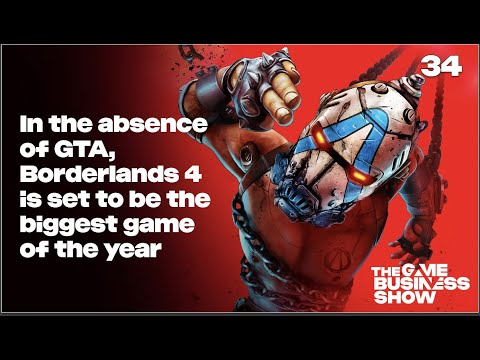
With no GTA, what are the biggest games still to come in 2025?
The 2025 gaming landscape is defined by a reliance on established intellectual property as the industry navigates a period without a major Grand Theft Auto release.
- The 2025 gaming market is anchored by established franchises including Borderlands 4, Mafia: The Old Country, Hollow Knight: Silksong, and Metal Gear Solid Delta: Snake Eater, which are currently driving the highest levels of social engagement and wish-list metrics.
- Publishers are shifting toward shorter, more focused development cycles to mitigate the financial risks associated with rising production costs and the volatility of live-service models.
- Germany has doubled its game development funding to €125 million, signaling a significant regional push to support the industry despite ongoing studio restructurings.

Web Shops: From 10% to 50% Revenue – The Playbook Top Games Don't Want You to Know
Mobile game developers are increasingly adopting direct-to-consumer web shops to circumvent the 30% platform fees imposed by Apple and Google, which often consume over 40% of gross revenue.
- Transitioning to direct-to-consumer web shops allows developers to reduce transaction costs from the standard 30% platform fee to between 5% and 10%, increasing net margins by 25% or more.
- Top-performing studios are leveraging reclaimed revenue to increase player lifetime value and outbid competitors in user acquisition auctions, aiming to capture 40% to 50% of total revenue through web channels.
- Successful web shops function as community hubs rather than simple payment portals, integrating loyalty programs, progression incentives, and social tools to drive repeat traffic and higher average order values.

Don't be big to start, start to get big - Tony Markov from FastSpring
The gaming industry is increasingly prioritizing direct-to-consumer (D2C) monetization strategies as regulatory shifts, such as recent Apple rulings, allow developers to bypass traditional app store payment ecosystems.
- Developers are increasingly adopting direct-to-consumer (D2C) monetization via web shops and third-party infrastructure to bypass traditional app store ecosystems and gain greater control over user experience.
- Despite a 7% decline in global mobile game installs, per-user spending has increased by 11%, signaling a shift toward higher monetization efficiency.
- Emerging markets in Latin America, the Asia-Pacific region, and the Middle East and Africa are driving revenue growth, necessitating the integration of localized payment methods beyond traditional credit cards.
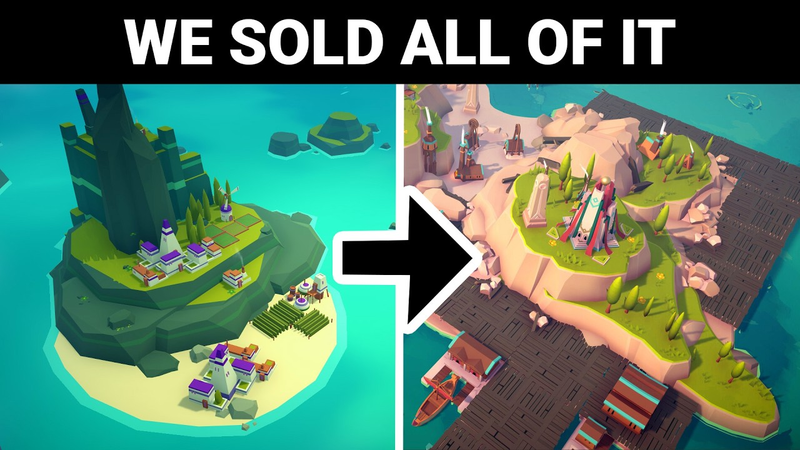
They Paid Us To Upgrade Our Indie Game
The sale of intellectual property (IP) by independent developers can serve as a viable strategy for both exiting a project and ensuring its continued development.
- Selling an indie game IP can be a viable exit strategy when the original developers no longer wish to maintain the project, as demonstrated by the sale of 'Islanders' to the porting studio Coatsync.
- The sale price for the 'Islanders' IP was approximately 1 to 2 times the total revenue the game had generated in the year following its initial release.
- Selling an IP can provide significant relief from the long-term stress of maintenance, porting, and community management, which the author notes can be exhausting and prone to contractual failures.

Discord: New Platform Opportunities for Game Studios | BITKRAFT Summit 2024
Discord has transitioned from a niche voice communication tool into a comprehensive ecosystem for game development, distribution, and monetization.
- Discord has evolved into a major game development and distribution ecosystem, leveraging a base of 200 million monthly active users to shorten the distance between production and player consumption.
- The 'Activities' ecosystem enables developers to deploy stateful, interactive games directly within private, small-group servers, fostering a social-first gameplay loop that improves retention.
- Studios are increasingly using the platform to involve communities in the earliest prototyping phases, creating robust feedback loops and driving organic peer-to-peer sharing.

Understanding what the market wants - Stuart Dinsey from Curve Games
Curve Games, a mid-sized British indie publisher, is strategically expanding its global distribution and market presence by prioritizing direct-to-consumer pathways and emerging regional markets.
- Curve Games is bypassing traditional platform limitations by using Xsolla-powered micro-sites to implement localized payment methods and capture direct consumer data.
- The publisher is targeting the MENA region for growth, which currently represents 1.5% of its business but is identified as a high-potential market due to rising indie developer activity.
- Curve Games’ strategy for emerging markets involves moving away from Western-centric exports to focus on identifying and cultivating regional intellectual property with global appeal.

"Reviving Sega will be the greatest achievement in my career"
Sega president and COO Shuji Utsumi outlines a strategic vision for revitalizing the company by balancing its rich historical legacy with modern, globalized development practices.
- Sega is transitioning from a Japan-centric development model to a simultaneous global release strategy across all platforms, including PC, to capture a broader international audience.
- The company is utilizing a portfolio-based management approach that balances stable revenue from established franchises like Sonic, Persona, and Yakuza with innovation from riskier new projects.
- Sega acquired Rovio to integrate mobile expertise and address the challenges of the games-as-a-service sector through deeper IP engagement.
The State of PC Game Distribution
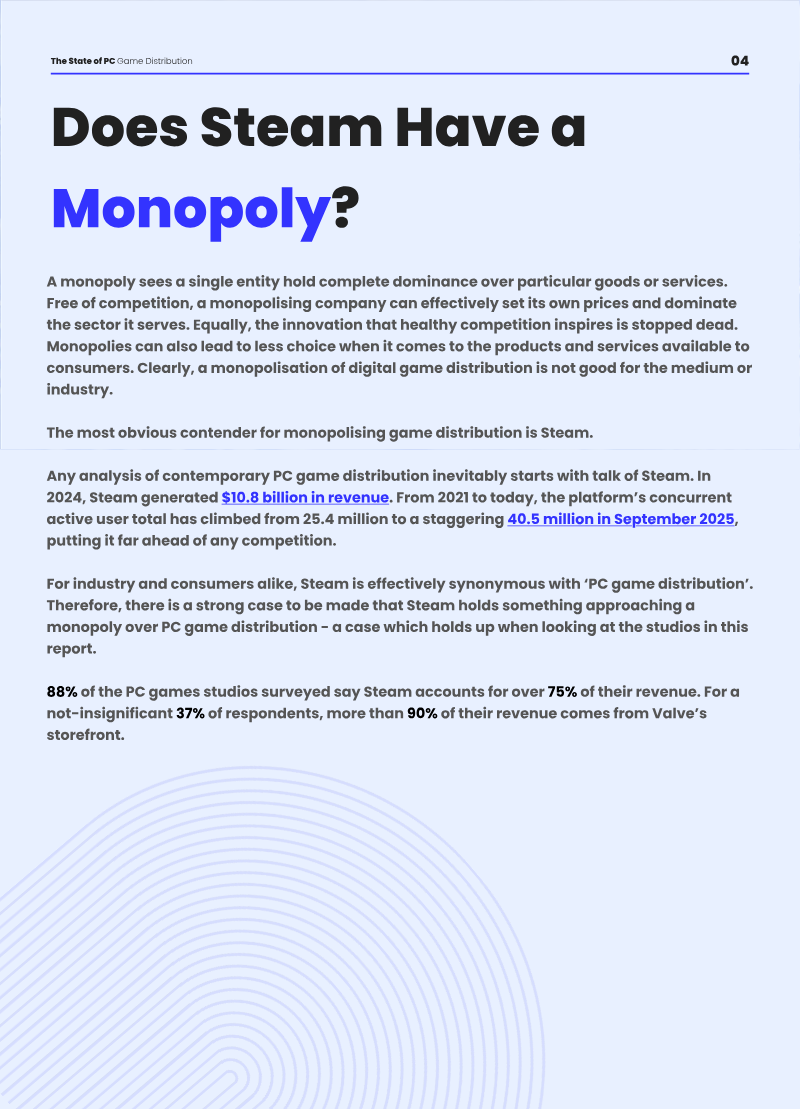
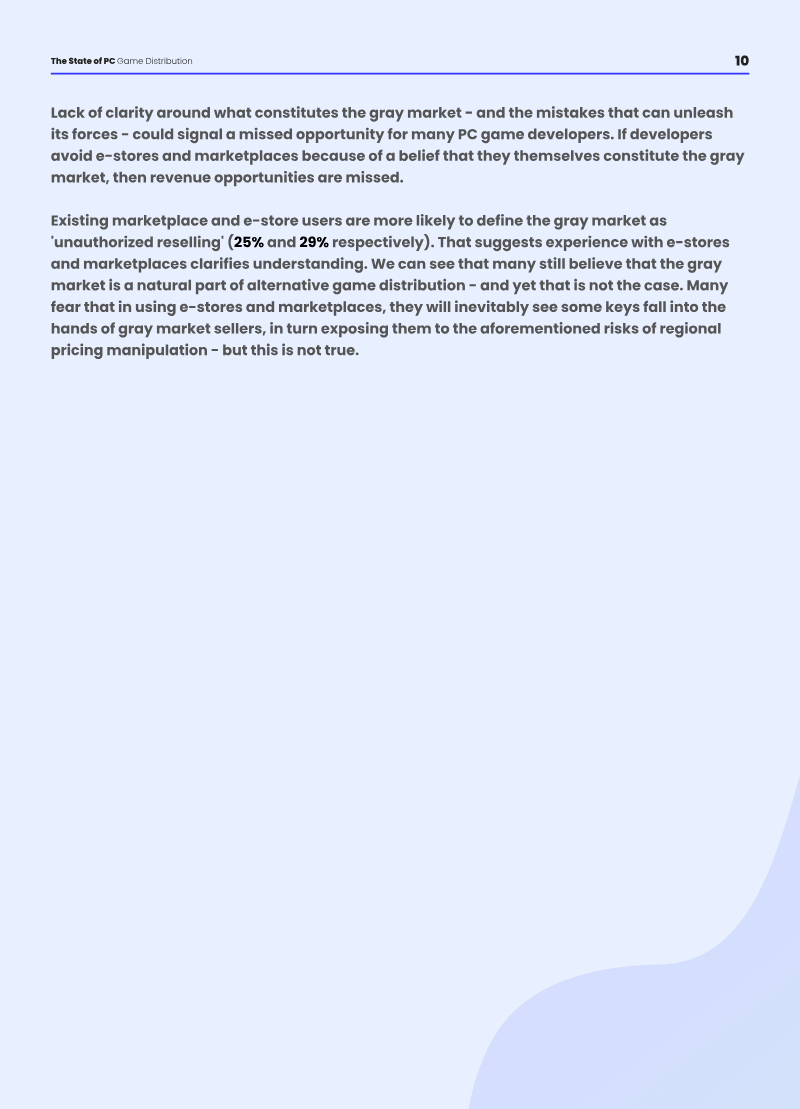
The study aims to map the contemporary PC game distribution ecosystem and evaluate whether Steam functions as a de-facto monopoly, while outlining alternative channels, associated risks, and growth opportunities for developers and publishers.
- Steam maintains a dominant market position, generating $10.8 billion in 2024 revenue with concurrent users increasing from 25.4 million in 2021 to 40.5 million by September 2025.
- Developer reliance on Steam is extreme, with 88% of studios deriving over 75% of their revenue from the platform and 37% relying on it for more than 90%.
- Despite 72% of developers labeling Steam a monopoly, diversification is underway, with 48% of studios utilizing the Epic Games Store and the Xbox PC store for distribution.

TWIG #337 Supercell's AI Ruse and Microsoft’s Muddled Xbox Strategy
The global gaming industry is currently navigating a period of significant structural instability, characterized by widespread layoffs and a strategic pivot among major players.
- Microsoft’s Xbox division faces a critical strategic impasse characterized by stagnant Game Pass subscriptions, declining hardware market share, and shrinking software margins.
- Supercell is experiencing revenue declines in flagship titles like Brawl Stars and Clash of Clans, leading to concerns that its pivot toward AI-driven innovation is a distraction from core operational challenges ahead of a potential IPO.
- Netflix is pivoting away from high-budget gaming ambitions to adopt a casual, low-engagement model similar to Apple Arcade.

Panel: D2C for Mobile – THE Do’s and Don’ts and Everything in Between.
Direct-to-consumer strategies have emerged as a vital evolution for mobile publishers seeking to improve profit margins and gain granular control over user data.
- Direct-to-consumer (D2C) web shops allow mobile publishers to bypass standard platform commission structures, improving profit margins while gaining granular control over user data.
- Top-performing D2C implementations that integrate loyalty programs and live operations can achieve conversion rates as high as 80 percent.
- The industry is shifting toward a hybrid model where web-based commerce complements app stores, which remain essential for mass-market discovery.
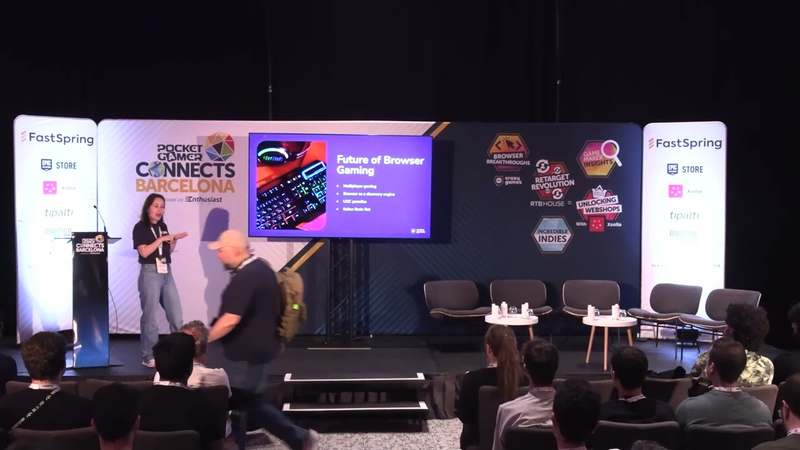
Session: Beyond the App Store: Why Top Studios Are Embracing The Browser Again - Rabia Dincer.
The browser gaming market is experiencing a significant resurgence as a primary distribution channel for game studios, driven largely by the escalating costs of user acquisition and restrictive gatekeeping within mobile app stores.
- Web gaming serves as a zero-UA-cost discovery channel where developers can build user bases, test game concepts, and generate revenue without the gatekeeping and review delays associated with mobile app stores.
- Crazy Games hosts 40 million monthly active users, with a significant portion originating from the US and other Tier 1 countries, providing a high-quality audience for both ad-supported and in-app purchase monetization models.
- WebGPU technology is enabling high-quality, graphically intensive games to load in approximately 10 seconds, allowing for complex titles that were previously considered unsuitable for browser environments.