Game Publishing reports and market data
Documents

Let's Talk About Publishing - EC Indie Fund - Extra Credits
The EC Indie Fund was established in 2011 to utilize surplus funds from a community-driven fundraiser to support independent game development.
- The EC Indie Fund was established in 2011 with $50,000 in surplus capital from a community fundraiser to provide an alternative to predatory game publishing models.
- The fund mandates that developers retain full ownership of their intellectual property, rejecting the industry-standard practice of forced IP transfer.
- To ensure equitable partnerships, the fund utilizes a transparent 50/50 net profit-sharing model rather than traditional, developer-unfriendly revenue splits.

S.978 and Operation Rainfall - Major Industry Events in 2011 - Extra Credits
The landscape of the gaming industry in 2011 was significantly influenced by legislative threats and grassroots consumer activism.
- The 2011 S.978 bill proposed classifying unauthorized streaming of copyrighted content as a felony if the stream value exceeded $2,500 or the licensing value surpassed $5,000.
- Operation Rainfall successfully pressured Nintendo to localize three specific Wii titles—Xenoblade Chronicles, The Last Story, and Pandora’s Tower—for the North American market after the company initially claimed there was insufficient demand.
- The S.978 legislation faced significant opposition due to its broad language, which threatened to criminalize individual content creators and impose severe penalties, including the loss of civil rights and deportation.

Anonymous - Who Really Hacked PlayStation Network in 2011? - Extra Credits
The 2011 PlayStation Network (PSN) breach serves as a case study for the complexities of internet anonymity and the challenges of attributing cyberattacks to decentralized collectives like Anonymous.
- The 2011 PlayStation Network (PSN) breach highlights the difficulty of attributing cyberattacks to decentralized groups like Anonymous, which lack centralized leadership and formal membership.
- The fluid, non-hierarchical structure of Anonymous allows unaffiliated actors to co-opt the group's name, enabling the retroactive attribution of criminal acts to the collective.
- The theft of financial data and prolonged service disruption during the 2011 PSN attack contradict the established ideological patterns of Anonymous, which typically prioritize protest over financial fraud.

NOT a Security Episode - Trading Privacy for Service in the PSN Hack - Extra Credits
The central thesis of this analysis is that the modern digital landscape necessitates a fundamental shift in the relationship between corporations and consumers, moving toward a model built on transparency and mutual trust.
- In the modern digital economy, corporations must shift from viewing customers as adversaries to treating them as partners by prioritizing transparency and mutual trust.
- The 2011 PlayStation Network hack serves as a primary case study demonstrating that while companies cannot always prevent cyberattacks, their subsequent crisis management determines their long-term integrity.
- Sony’s response to the 2011 breach was criticized for being opaque and utilizing 'free' service trials that functioned more as marketing upsells than genuine consumer restitution.
Ludus Florentis - Embracing Change in the Games Industry - Extra Credits
The video game industry is currently undergoing a significant transformation, moving toward a pivotal era defined by increased artistic maturity, technological accessibility, and market diversification.
- The games industry is shifting from a reliance on high-budget, graphics-heavy blockbusters toward a more diverse ecosystem of genres, platforms, and player demographics.
- Technological democratization and the rise of digital distribution platforms have lowered barriers to entry, making smaller, experimental projects economically viable.
- As graphical fidelity reaches a point of diminishing returns, development budgets are increasingly being reallocated toward research, design, and narrative depth.
An Open Letter to EA Marketing - Why EA's Controversial Ads Harm the Industry - Extra Credits
Electronic Arts (EA) faces significant criticism for its marketing strategies, which are characterized as tasteless, juvenile, and detrimental to the broader gaming industry.
- EA’s reliance on inflammatory and exclusionary marketing tactics undermines the gaming industry’s efforts to be recognized as a legitimate, serious medium for art and communication.
- Controversial campaigns, such as the 'Sin to Win' contest for Dante’s Inferno and the use of fake protesters, prioritize short-term sensationalist buzz over long-term brand loyalty and product quality.
- Marketing strategies that utilize sexist or offensive content reinforce negative stereotypes about gamers, ultimately alienating potential audiences and complicating relationships with external institutions.
Piracy - How Can the Game Industry Stop Illegal Downloads? - Extra Credits
The video game industry faces a persistent conflict regarding digital piracy, a complex issue where neither developers nor consumers hold the moral high ground.
- Restrictive Digital Rights Management (DRM) is a failed strategy that penalizes legitimate customers with inferior software while failing to effectively deter piracy.
- Creating a product experience that is objectively worse than a pirated version inadvertently incentivizes users to seek illegal downloads.
- Piracy should be addressed by improving service accessibility and rewarding loyal customers rather than relying on punitive measures.
Project Ten Dollar - EA Campaigns Against Used Games - Extra Credits
The video game industry faces a significant revenue challenge regarding the secondary market, where retailers like GameStop capture the entirety of used game sales while publishers receive nothing.
- Modern console game development costs often exceed $30 million, requiring publishers to sell over one million new units just to break even.
- Publishers introduced 'Project Ten Dollar' to capture revenue from the secondary market by requiring second-hand buyers to pay extra fees for content that original owners receive for free.
- The current secondary market model is problematic for publishers because retailers like GameStop retain 100% of the profit from used game sales, leaving developers with zero revenue from those transactions.

Innovation - How AAA and Indie Games Can Learn From Each Other - Extra Credits
The video game industry currently faces a structural divide between independent developers and AAA studios, which hinders the medium's creative potential.
- AAA studios and indie developers operate in a structural divide where AAA prioritizes risk-averse, iterative formulas, while indie teams are constrained by limited funding and marketing despite their capacity for innovation.
- Publishers should establish dedicated indie-publishing divisions to provide smaller teams with essential distribution, funding, and technical infrastructure.
- This symbiotic model allows publishers to test innovative concepts in a low-risk environment, identifying successful prototypes that can be scaled into larger, mainstream projects.
The Future of MMOs - Why Are There So Many WoW Clones? - Extra Credits
The modern massively multiplayer online (MMO) market suffers from a cycle of failure driven by high development costs and a misguided reliance on cloning the industry leader, World of Warcraft.
- The $60 million to $100 million development costs for modern MMOs force studios to prioritize risk-averse, proven formulas over innovation to satisfy investors.
- The market is saturated because MMOs are time-intensive, perpetual experiences that lock players into established social bonds, making it difficult for new titles to displace incumbents like World of Warcraft.
- Developers should decouple the 'MMO' label from the RPG genre to create lower-budget, genre-specific titles like racing or strategy games that utilize shared hub spaces instead of massive 3D worlds.

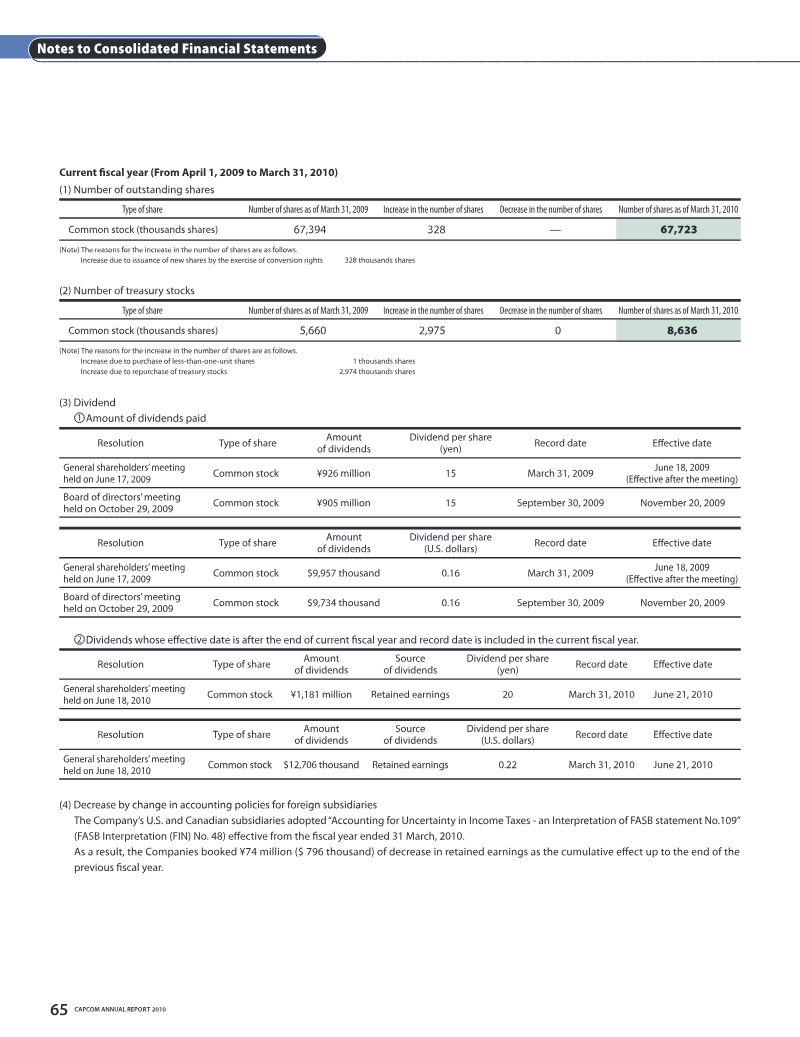

Capcom Annual Report 2010
The 2010 fiscal year represented a period of significant financial contraction and strategic realignment for Capcom.
- Capcom experienced a significant financial downturn in fiscal year 2010, with net sales dropping 27.3% to 66.8 billion yen and net income falling by 73.1%.
- The company is pivoting to a 'Single Content, Multiple Usage' strategy to leverage core IPs like Resident Evil, Street Fighter, and Monster Hunter across consoles, mobile, and online platforms.
- Management implemented a new matrix management structure and separated CEO and COO roles to improve operational accountability and decision-making speed.
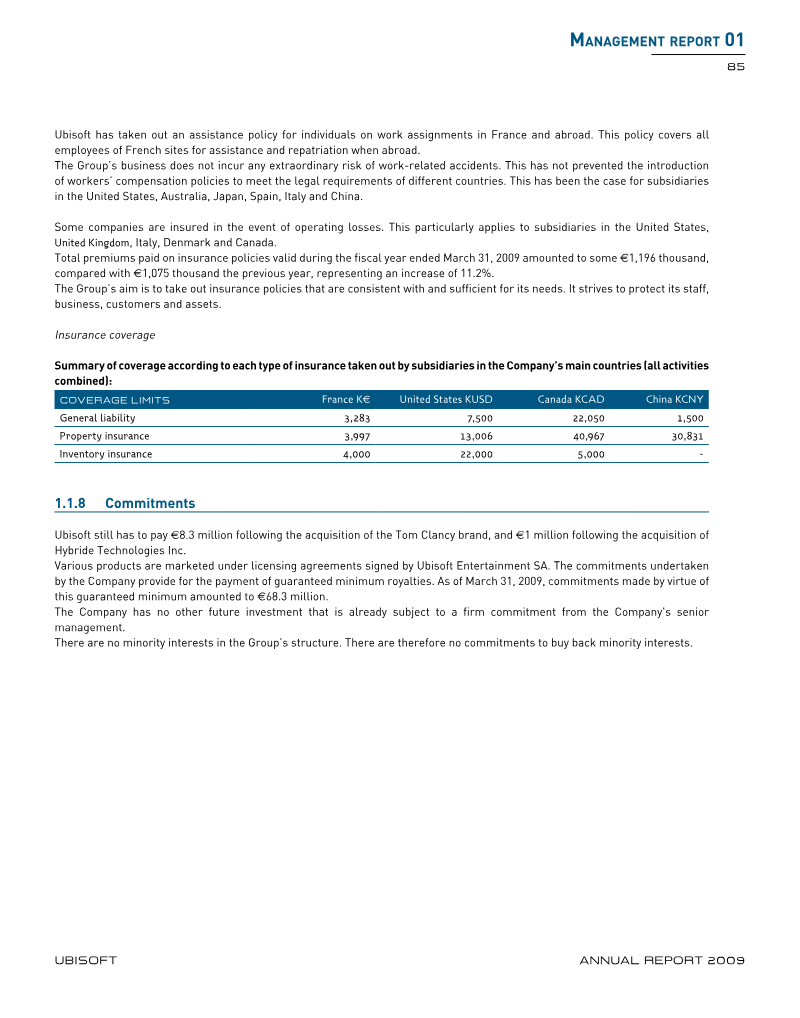
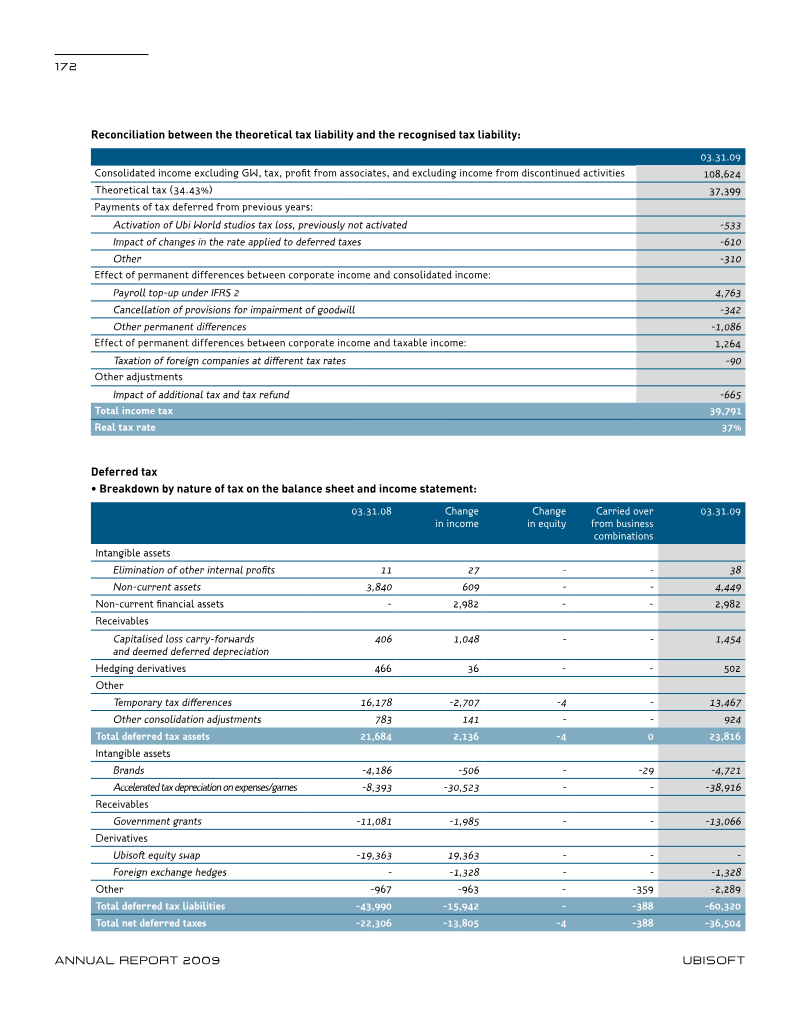

Ubisoft Annual Report 2009
The 2009 Ubisoft Annual Report details a period of significant expansion and strategic transformation for the company during the 2008-2009 fiscal year.
- Ubisoft surpassed €1 billion in annual revenue for the first time in the 2008-2009 fiscal year, achieving €1.06 billion in sales, a 14% increase over the previous period.
- Net income declined significantly to €68.8 million from €109.8 million, driven by a strategic shift toward lower-margin casual titles and increased marketing expenditures.
- The company expanded its global workforce to 5,765 employees across 28 countries, supported by the strategic acquisitions of Massive Entertainment and Hybride Technologies.