1 free read left. Create a free account for unlimited reading + AI research.
Create free account
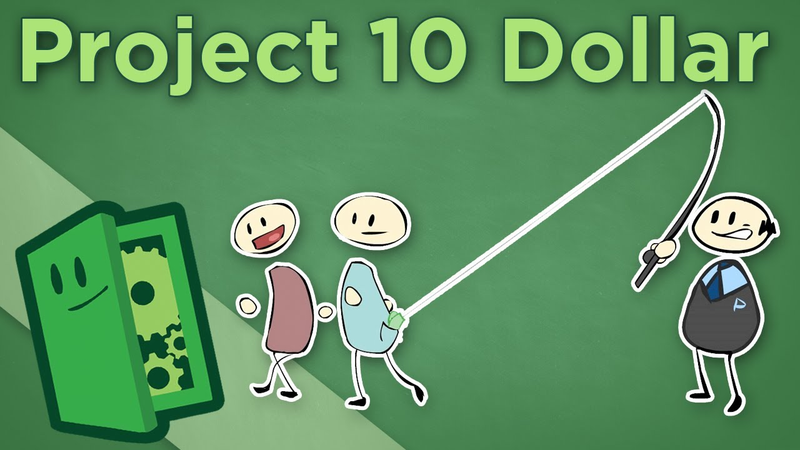
Project Ten Dollar - EA Campaigns Against Used Games - Extra Credits
Key insights
6 takeaways- 01Publishers introduced 'Project Ten Dollar' to capture revenue from the secondary market by requiring second-hand buyers to pay extra fees for content that original owners receive for free.
- 02Modern console game development costs often exceed $30 million, requiring publishers to sell over one million new units just to break even.
- 03Punitive measures like one-time-use codes alienate the player base by framing the secondary market as a consumer moral failing rather than addressing the structural flaws in retail distribution.
- 04The current secondary market model is problematic for publishers because retailers like GameStop retain 100% of the profit from used game sales, leaving developers with zero revenue from those transactions.
- 05A more sustainable economic model involves lowering initial retail prices to increase the total addressable market while offering modular, paid content to capture additional revenue per unit.
- 06Transitioning to a value-driven, flexible purchasing model could reduce industry reliance on traditional, contentious retail channels while simultaneously lowering the barrier to entry for new players.
Ask AI about this video
Transcript
[Music] [Music] first off I just want to say thanks to everyone who's been emailing us questions over the past couple months you've given us a lot to talk about we've had James digging through the suggestion pile and he's picked out a good one for us today we're going to talk about day one DLC particularly this project $10 thing EA has started you know the scenario you're on a budget so you go out and buy a used copy of a game to save a little money you bring it home and pop it in only to find that pieces of the game aren't actually on the disc and you're going to have to pay more hard-earned money now to download them just because you had the nerve to buy the game used kind of annoying right as a consumer it seems like a pretty lame practice looking at it from a developer perspective though I I get the reasoning behind it in fact I would feel sympathetic for their situation if they weren't handling it so darn poorly let's break it down shall we when you go to GameStop and buy a new game for $60 only about 20 seven of those dollars actually
go to the gamees publisher the problem is that when you go to GameStop and buy a used game zero of those dollars go to the publisher pure profit for GameStop the game makers don't get a scent so while $27 per new game sold may seem pretty good at first let's take a closer look at the numbers these days it's not uncommon for console games to cost in the $30 million range to make that means if you're a publisher you'll have to sell around 1.1 million brand new copies of the game to make the money back now think about your buying patterns how many new games do you really buy per year what about your friends a lot of us buy used don't we unless you just really have to have the game on launch day it's a better deal and everyone knows it but for the publisher that means selling over a million brand new units is Pretty Tough so what do Publishers do to compensate they look for ways to make sure they're getting some revenue from the people who are buying the used copies how do they do it DLC thus the birth of the infamous project $10 for those of you who haven't heard about EA's latest plan inside every new game EA publishes is a cpon or redeemable
code that will give the buyer access to a chunk of extra downloadable content free of charge but the code only works once so if you buy the game secondhand you'll instead have to pay $10 to get those missing extras and you know what I don't really have a problem with that in theory I like roads and schools so I pay taxes I like video games so I'm okay with the idea of making sure the publisher gets paid for their product but the problem is that they're going about this like an evil empire it's hard for anyone to feel really happy about this initiative if you buy the game used you feel like you're being busted by the game police for doing something wrong it feels like they're shaking you down for that $10 and then when you do pay it you're just left feeling ripped off and how are you rewarded for buying the game new like a good loyal customer for being super excited about their game and waiting in line on launch day to give them your money you get to fat finger in a long ass alpha numeric code with a d-pad and then sit twiddling your thumbs while the DLC downloads before you can play that shiny new game I know it's not a big deal but it doesn't really feel like much of a reward either does it so let's brainstorm for a minute How could a game come company make you feel great
about giving them the money they deserve here's one idea charge less for the game at retail game's all a cart think about it imagine if Modern Warfare 2 only cost $35 brand new on launch day but you had to pay $20 to unlock the multiplayer which was already loaded on the disc now hang on just stick with me this way the game cost you way less to buy at retail and even after paying for the multiplayer still only $55 total you pay less money the publisher gets more now before you say anything I know those ratios aren't Ironclad and I'm sure a professional sales analyst could put together something a little more sophisticated but you get the fundamental idea though pass the savings on unlockable content that's already sitting on the game disc doesn't have to be a bad thing I mean right now it just feels like they're trying to pull a fast one on us but if they've already made the game cheaper to begin with now it's just content you don't have to wait on to download you're still paying for $60 worth of game why make it a hassle to get a part of it game companies your customers aren't screwing you over or stealing from you by buying used games GameStop is screwing you over by not
giving you any portion of that used game sales revenue so stop taking it out on your customers you might not be able to negotiate with GameStop but you can sure as hell build around them I mean their entire used game model is an effort to build around you I realize you have to maintain a certain level of Goodwill with retailers but I'm just saying Two Can Play That Game now there are definitely still some ways this alternative business model could be streamlined you what yeah I know but come on we haven't even all right all right I I'll wrap it up sadly we don't have time to go into more details if we did we might talk about what other ways you might Implement such a plan for instance multiplayer doesn't have to be the content you withhold for that unlock fee if you wanted you okay okay I'm stopping I'm stopping put it down cut it out this this is not why I gave you that pencil stop okay okay thanks guys I'll see you next week Alison Theus you put that pencil down right no get away [Music]
[Music] [Music]
Summary
The video game industry faces a significant revenue challenge regarding the secondary market, where retailers like GameStop capture the entirety of used game sales while publishers receive nothing. With modern console titles often costing upwards of $30 million to develop, publishers must sell over a million new units to break even, a difficult threshold when consumers frequently opt for cheaper used copies. In response, publishers have implemented initiatives like Project Ten Dollar, which requires second-hand buyers to pay an additional fee to access content that original purchasers receive for free via a one-time-use code.
While the underlying goal of ensuring publishers receive compensation for their work is economically sound, the current execution creates a hostile consumer experience. These measures often feel punitive to used-game buyers and fail to provide a meaningful reward for loyal customers who purchase new copies at full price. The current model effectively alienates the player base by framing the secondary market as a moral failing on the part of the consumer rather than a structural issue within the retail distribution chain.
A more effective strategy would involve restructuring retail pricing to incentivize new purchases while bypassing the reliance on traditional retail models. By lowering the initial retail price of a game and offering modular, unlockable content—such as multiplayer access—for an additional fee, publishers could increase their total revenue per unit while simultaneously lowering the barrier to entry for consumers. This approach shifts the focus from penalizing used-game buyers to creating a more flexible, value-driven purchasing model that benefits both the developer and the player, ultimately mitigating the industry's dependence on the current, contentious retail landscape.



















Comments