Game Development reports and market data
Documents
Top 50 Developers of 2015: #1 Supercell
Supercell secures the top position in the 2015 list of mobile developers, marking a return to the number one spot it previously held in 2013.
- Supercell reclaimed the number one spot in the 2015 mobile developer rankings, driven by the sustained financial performance of its core portfolio.
- Clash of Clans remains the studio's primary revenue driver, generating an estimated $1.8 billion in 2014.
- The company successfully expanded its market reach with Boom Beach by positioning it as a less competitive companion to Clash of Clans, avoiding user base cannibalization.

Gdc 2015 show floor with Ctrl.alt.gdc and Tim Schafer and a one life left
The 2015 Game Developers Conference (GDC) floor serves as a primary hub for showcasing experimental hardware and unconventional interactive experiences.
- The 2015 GDC expo floor demonstrated a significant industry shift toward experimental, physical, and tactile gameplay mechanics that bypass traditional controller-based inputs.
- Innovative hardware prototypes showcased at the event included a mechanical, dial-operated tank simulation and 'Line Wobbler,' which utilizes a bungee cord interface for movement and combat.
- The conference serves as a critical networking bridge, facilitating direct interaction between emerging graduate students and industry veterans such as Ron Gilbert.
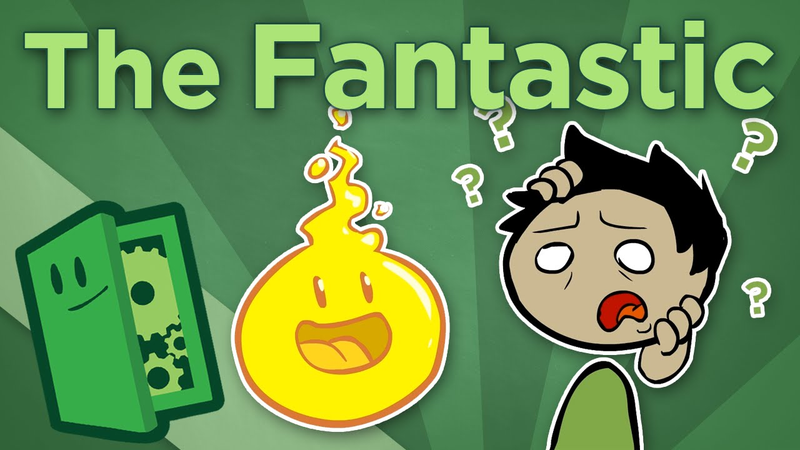
The Fantastic - How to Make Compelling Games Set in the Real World - Extra Credits
The concept of the fantastic, as defined by literary critic Tzvetan Todorov, offers a compelling framework for game designers to create engaging narratives set in the modern, real-world environment.
- The 'fantastic' is a narrative framework defined by Tzvetan Todorov that relies on creating a state of hesitation in the player regarding whether an event is a rational illusion or a genuine supernatural occurrence.
- To effectively implement the fantastic, the game must maintain a setting perceived as the player's own reality, ensure characters share the player's confusion, and treat supernatural events as literal rather than allegorical.
- The fantastic is inherently temporary, existing only during the period of uncertainty before the narrative resolves into either the 'uncanny' (a rational explanation) or the 'marvelous' (a confirmed supernatural reality).

2015 game user research summit
Game user research functions as a specialized discipline rooted in rigorous scientific methodology, primarily drawing from the fields of cognitive psychology, statistics, and data science.
- Game user research relies on rigorous scientific methodology, integrating principles from cognitive psychology, statistics, and data science to drive objective development decisions.
- Testing environments must be designed to mimic real-world conditions, such as domestic living rooms, to ensure that data accurately reflects how players interact with hardware and software.
- When testing with children, researchers must mitigate groupthink and peer-influence bias by separating participants or using structured, independent questioning techniques.
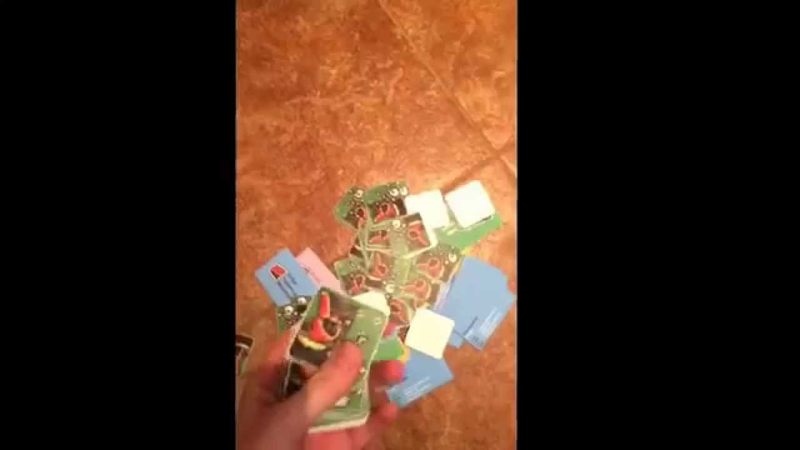
Packing for gdc
Navigating the Game Developers Conference requires a strategic approach to physical preparation, focusing on networking tools, logistical necessities, and personal comfort.
- Prioritize high-quality, visually distinct business cards and custom app stickers to serve as essential physical touchpoints for networking in crowded environments.
- Carry small-denomination cash to ensure seamless transactions at venue bars and social gatherings where digital payment systems may not be accepted.
- Maintain constant device connectivity by bringing robust portable power solutions to combat rapid battery depletion caused by heavy usage during the conference.
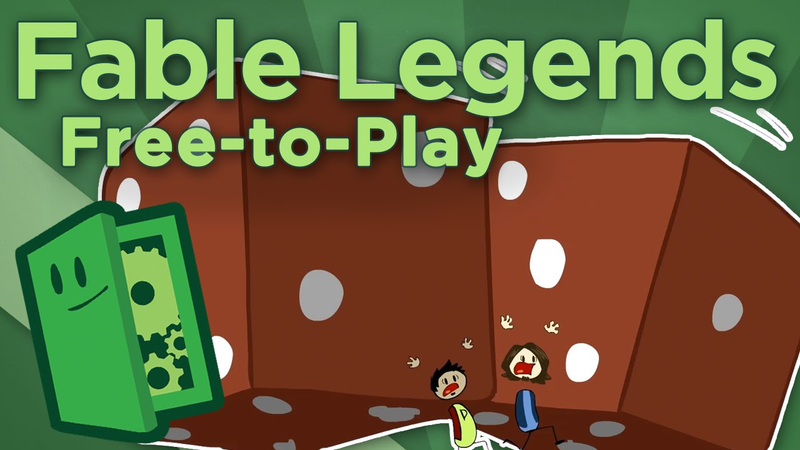
Fable Legends - Taking a Risk with AAA Quality Free-to-Play - Extra Credits
Fable Legends represents a significant industry experiment by attempting to bridge the gap between high-fidelity AAA production values and the free-to-play business model.
- Fable Legends attempts to bridge the gap between high-fidelity AAA production values and the free-to-play business model to address player dissatisfaction with low-quality, exploitative titles.
- The project utilizes cross-platform play between Xbox One and Windows 10 to build the large, diverse player base required to support its complex, asymmetric multiplayer design.
- High-fidelity AAA assets create significant financial and operational risks, as their long development cycles may struggle to meet the frequent content update demands of a free-to-play audience.
Fable Legends - The Challenges of Asymmetric Multiplayer - Extra Credits
Fable Legends represents a significant departure from traditional franchise norms, shifting from a story-driven, single-player RPG to an asymmetric multiplayer experience.
- Fable Legends shifted the franchise from a single-player RPG to a four-versus-one asymmetric multiplayer model, testing the viability of radical brand reinvention in AAA development.
- The game requires balancing two distinct gameplay perspectives: a third-person action-RPG experience for heroes and a top-down, strategy-oriented interface for the villain.
- Developers addressed console controller limitations for strategy gameplay by mapping unit types to face buttons and using bumpers and triggers for command execution.
Making Your First Game: Launching! - How to Market Your Game - Extra Credits
The primary objective for independent game developers is to bridge the gap between development and commercial viability through proactive marketing and strategic distribution.
- Marketing is a core professional responsibility essential for commercial viability, as failing to promote a game prevents players from accessing the experience and limits the developer's career sustainability.
- Developers must clearly articulate a unique value proposition, which functions both as a promotional asset and a framework for refining gameplay during the development process.
- Effective marketing requires minimal capital but significant effort in content creation, specifically through the production of professional, concise trailers and the maintenance of clean, credible websites.
Making Your First Game: Minimum Viable Product - Scope Small, Start Right - Extra Credits
The concept of a minimum viable product (MVP) serves as a critical framework for game developers, particularly those working on their first projects.
- The primary objective of a Minimum Viable Product (MVP) is to isolate and validate the core gameplay loop by stripping away all non-essential elements like narrative, art assets, and secondary mechanics.
- If a game’s core mechanics are not inherently engaging in their most rudimentary form, adding layers of content will not resolve underlying design flaws.
- Developers should prioritize functional prototypes over extensive content to identify mechanical failures and design issues early, preventing the risk of building complex systems on a weak foundation.
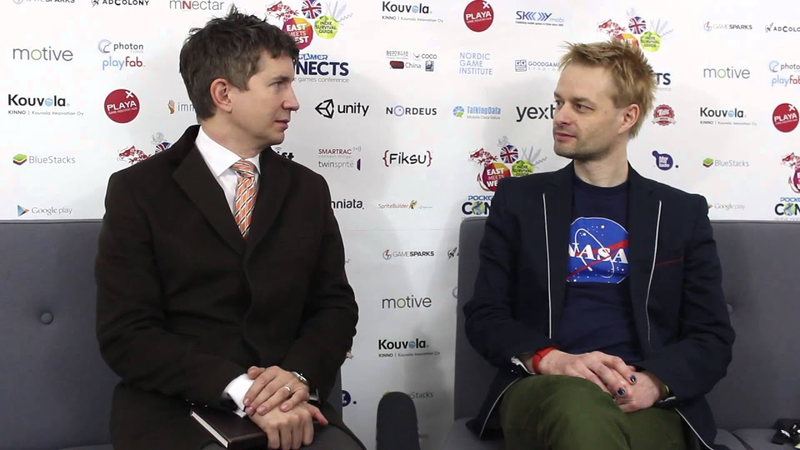
Ex-King Game Guru Tommy Palm on Stugan games accelerator
Stugan functions as a non-profit game accelerator designed to foster innovation within the global independent development community.
- Stugan is a non-profit game accelerator that hosts approximately 20 international developers for an all-expenses-paid summer residency in a remote Swedish forest.
- The program is funded entirely by private individuals from successful Swedish gaming companies, including King and DICE, to prioritize market-oriented growth over government-backed initiatives.
- The accelerator focuses on both the creation of new prototypes and the refinement of existing projects while helping developers build initial fan bases and community interest.
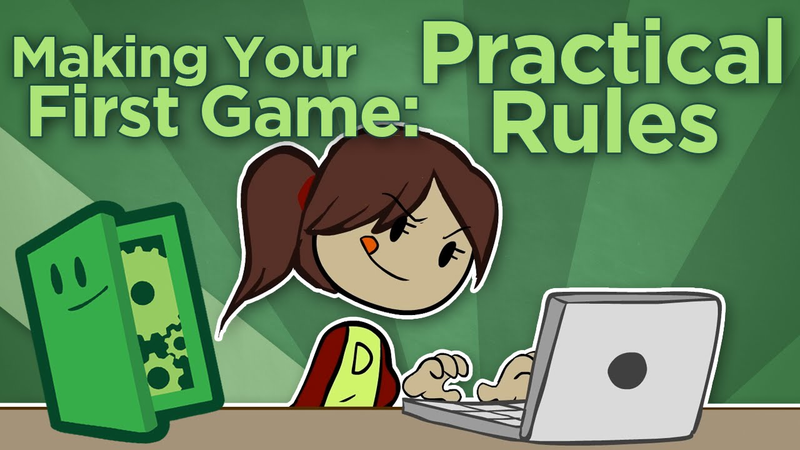
Making Your First Game: Practical Rules - Setting (and Keeping) Goals - Extra Credits
Successful game development for beginners relies on disciplined project management and realistic scoping rather than perfectionism.
- Limit your first project to a one-month timeline, as even experienced professionals typically underestimate development time by at least 50 percent.
- If a project exceeds three months of development, it is over-scoped and should be abandoned in favor of a smaller, more manageable concept.
- Break large objectives into weekly milestones and further decompose tasks into units that take less than one week to complete.
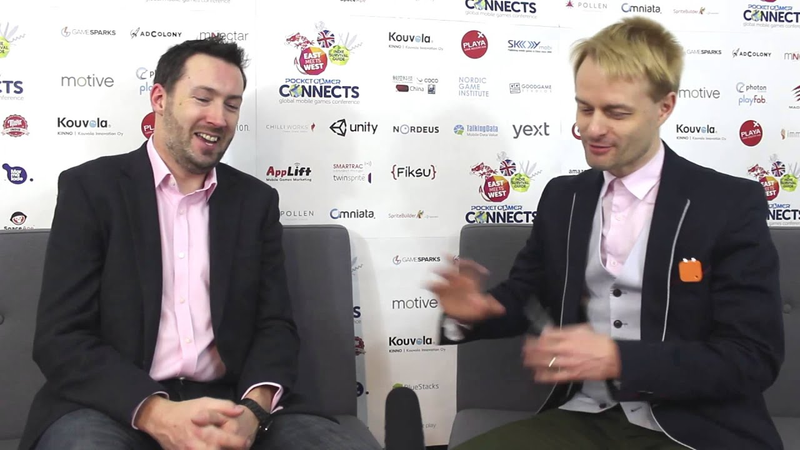
Why Tag Games is getting into the tools business
Tag Games has transitioned from a mobile game developer into the tools business with the launch of ChilliWorks, a comprehensive technology suite designed for mobile and tablet game development.
- Tag Games has launched ChilliWorks, a technology suite for mobile and tablet development, marking the company's strategic transition from a game developer to a tools provider.
- The company open-sourced its core game engine, ChilliSource, under an MIT license to provide developers with full autonomy to modify and adapt the technology for their specific needs.
- Tag Games aims to democratize the development process by removing engine licensing costs, allowing smaller studios to access technical capabilities previously reserved for larger organizations.