Game Development reports and market data
Documents
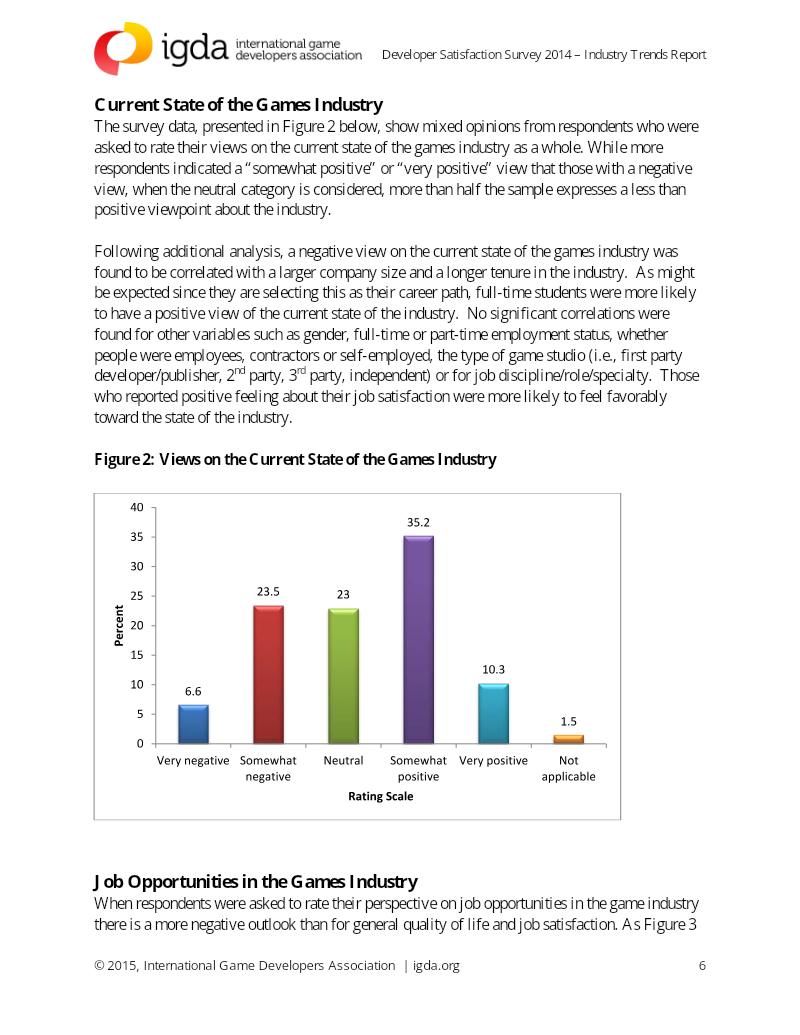
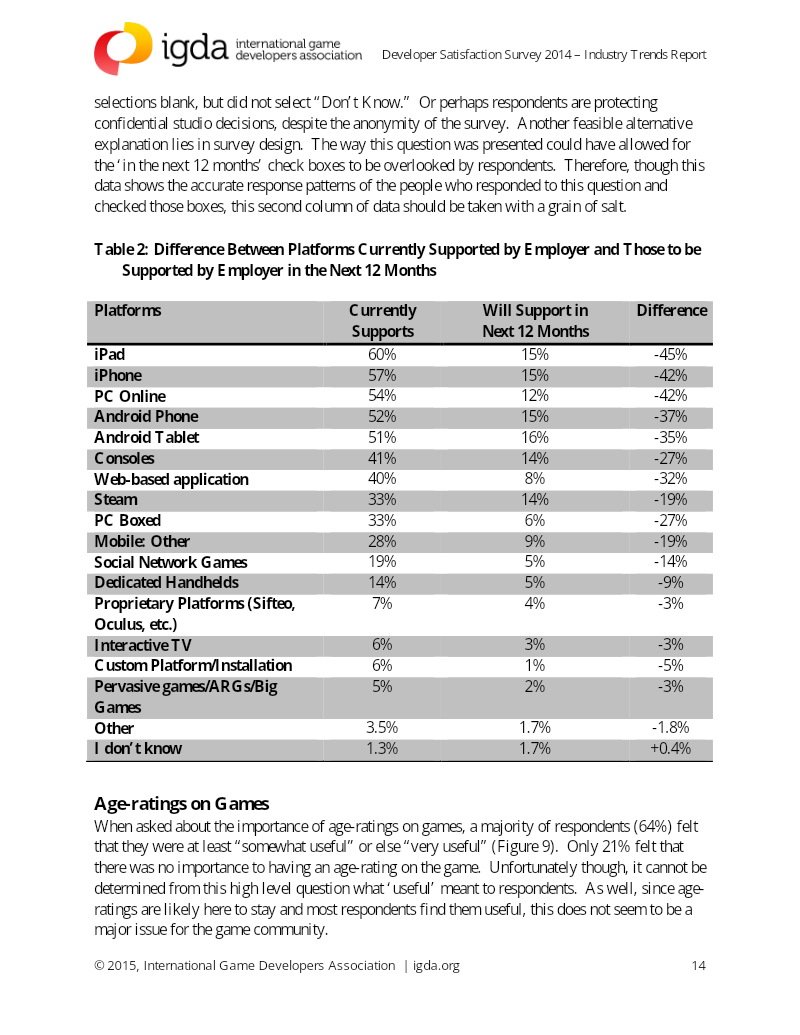

Developer Satisfaction Survey 2014: Industry Trends and Future Outlook Report
The 2014 game industry landscape is defined by a dichotomy between individual professional satisfaction and broader systemic anxiety.
- While 90 percent of developers are confident in their own company's growth, there is widespread pessimism regarding the availability of new job opportunities across the industry.
- A majority of 53 percent of developers maintain a positive one-year outlook, though the traditional AAA model is facing significant internal scrutiny from veteran professionals and large-scale studio employees.
- Developers report a strategic misalignment between current development priorities and essential future platforms, specifically noting that Steam and proprietary ecosystems remain under-addressed.
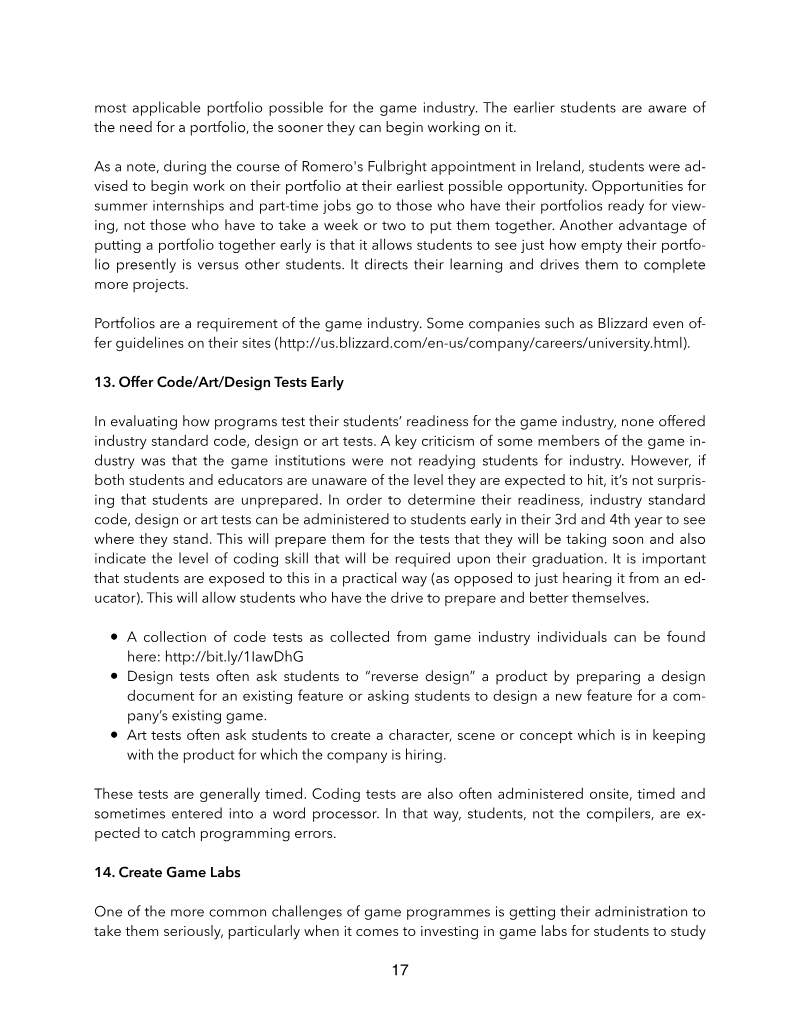


Fulbright Report on the Irish Games Industry
The Fulbright Report on the Irish games industry examines why Ireland, despite producing a large number of game-development graduates and possessing an engaged developer community, struggles to retain talent and grow its own intellectual property.
- Ireland produces many game-development graduates and has an engaged developer community, yet struggles to retain talent and grow its own intellectual property, risking its role as a mere supplier of talent to foreign studios.
- A survey of more than 600 professional programmers found 95 percent regarded C++ proficiency as essential, yet retention-based funding has pushed programmes toward easier tools such as Unity, Lua, and Java.
- Developers are trapped on a "treadmill" of contract work, with limited investment in original IP and a scarcity of junior and mid-level positions driving brain drain.
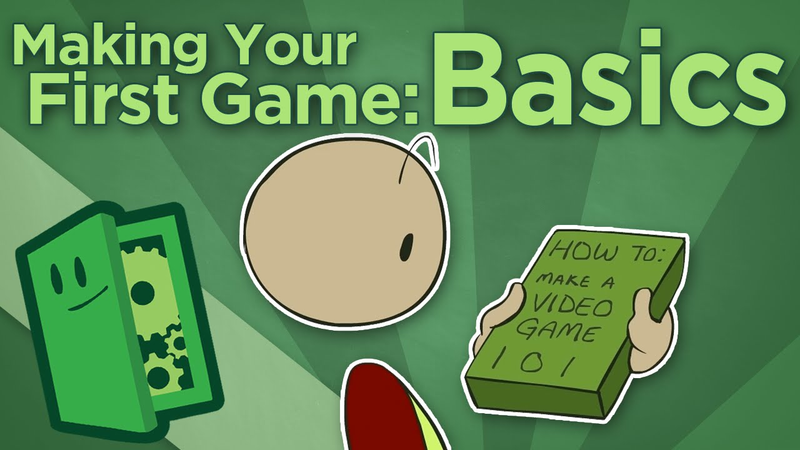
Making Your First Game: Basics - How To Start Your Game Development - Extra Credits
The primary thesis for aspiring game developers is that success in creating a first project depends on strictly managing scope and prioritizing completion over ambition.
- Prioritize project completion over ambition by strictly managing scope, as attempting to replicate AAA titles often leads to failure for beginners.
- Design your first game around your existing skill set rather than forcing a rigid, preconceived concept that may exceed your current capabilities.
- Utilize asset stores to acquire complex technical components, such as voice chat code, to bypass development tasks that fall outside your expertise.
Digitising Boardgames: Issues and Tensions
Digitising Boardgames: Issues and Tensions examines how modern Eurogames, specifically Puerto Rico, Agricola, Ascension, and Carcassonne, are translated into digital form, and what those translations gain and lose relative to physical play.
- The report's central argument is that the boardgame metaphor anchors most digital ports, which are generally praised for fidelity, yet digital tools inevitably reshape the play experience.
- Digitisation automates "articulation work" (turn management, resource restocking, and scoring), lowering barriers for casual players but removing some rule-learning and social interaction that physical play requires.
- Digital versions enable "informating," where published statistics and optimisation tools let players theorycraft optimal strategies, shifting play from subjective decision-making toward something closer to solving the game.

Independent Gamework and Identity: Problems and Subjective Nuances
This study examines how independent game developers understand and practise their autonomy, and how that self-understanding is shaped by economic necessity.
- Independent game developers are drawn to indie work largely out of dissatisfaction with retail-model constraints such as compartmentalised large teams, publisher rejection of creative proposals, and high production costs, with digital distribution offering ownership and creative control.
- Independence in game development is not purely autonomous: it is conditioned by the precarity and flexibility typical of cultural industries, and the study's 24 participants (largely from Cambridge and Yorkshire networks, interviewed in 2010 and 2011) form a UK-centred sample.
- A persistent tension exists between artistic autonomy and economic necessity, with many self-described indies embracing business logic while others prioritise experimental, critical, or community-oriented goals.
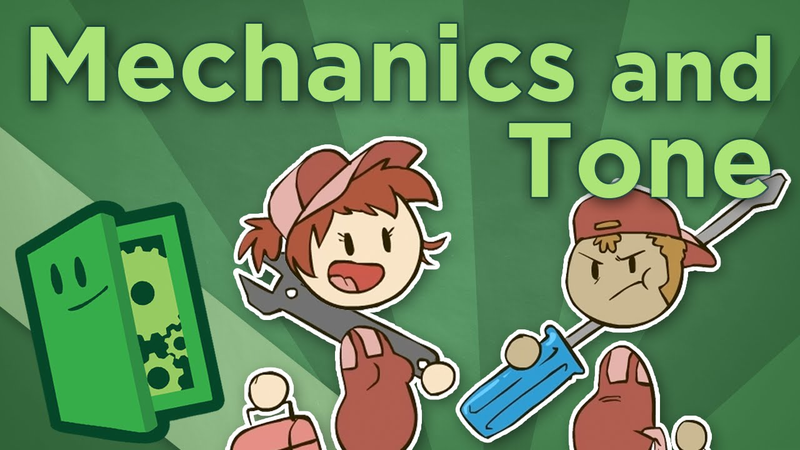
Mechanics and Tone - How Does Gameplay Relate to Story? - Extra Credits
The synthesis of gameplay mechanics and narrative is a fundamental pillar of effective game design.
- Gameplay mechanics must be developed as a foundational element of the narrative rather than an afterthought to ensure cohesive, immersive player experiences.
- Disjointed mechanics and narrative cause player disengagement, as users begin to perceive the story as an interruption to the gameplay loop.
- Effective mechanical design functions like literary style or artistic color palettes, grounding the player in the game’s emotional stakes and intended tone.
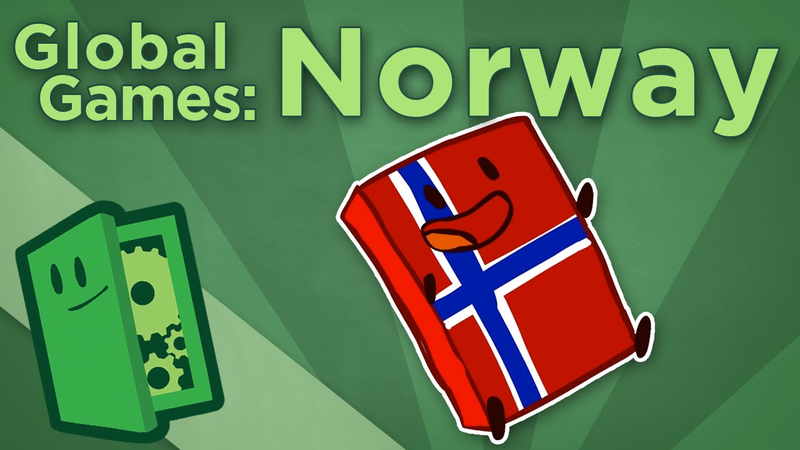
Global Games: Norway - The Challenges of Norwegian Game Companies - Extra Credits
The Norwegian game industry faces a unique set of challenges that distinguish it from emerging markets in Latin America.
- Norway's small population, comparable to the San Francisco metropolitan area, forces developers to rely exclusively on global markets rather than domestic consumption.
- The high cost of living in Norway necessitates higher sales volumes for game companies to remain solvent compared to developers in lower-cost regions.
- The local oil sector creates a competitive labor market that frequently siphons off high-level technical talent from the game industry.
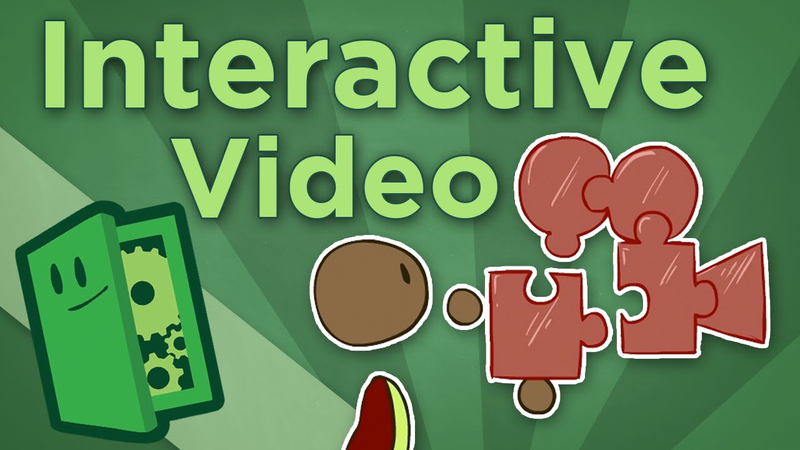
Interactive Video - How Cloud Chamber Makes a Game out of Movies - Extra Credits
The 2014 release of Cloud Chamber represents a significant shift in the evolution of interactive film, moving away from the intrusive mechanics and immersion-breaking menus that characterized earlier attempts at blending video with gaming.
- Released in 2014, Cloud Chamber successfully integrates interactivity into film by replacing intrusive menus and forced choices with a collaborative, puzzle-solving narrative structure.
- The game centers on a database of non-linear film clips, images, and text files, requiring players to analyze and decode information to progress through a mystery set at a Danish research institute.
- Cloud Chamber utilizes an integrated message board system that turns the social act of discussing complex media into a core gameplay loop, where community cooperation is required to unlock new narrative segments.


Game Developer Index 2014: Sweden
The Swedish gaming industry demonstrated exceptional vitality during the 2013–2014 period, cementing its status as a global powerhouse through rapid revenue expansion and significant job creation.
- The Swedish gaming industry experienced rapid growth between 2013 and 2014, with total revenues surging 76 percent to reach EUR 752 million.
- Industry expansion was driven by a 29 percent increase in full-time employment and a 17 percent rise in the number of active companies, anchored by the international success of King, Mojang, and DICE.
- Swedish firms are increasingly adopting self-publishing and digital-first business models to capture global market share via mobile and digital distribution platforms.
Shiver with Anticipation - How Horror Games Create Tension Cycles - Extra Credits
Effective horror game design relies on a sophisticated cycle of tension and release rather than a constant barrage of jump scares or action sequences.
- Effective horror design relies on a cycle of tension and release rather than constant action or jump scares, which lead to player desensitization.
- Developers should prioritize anticipation by extending the duration between encounters, forcing players to inhabit a state of heightened alertness during quiet periods.
- The absence of immediate danger acts as a catalyst for anxiety, as players psychologically construct their own fear when they feel vulnerable.
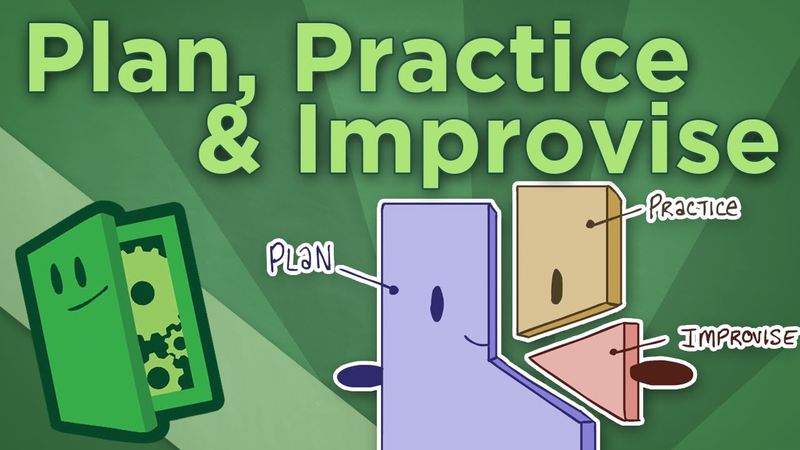
Plan, Practice, Improvise - Understanding the Three Types of Play in Games - Extra Credits
The taxonomy of game design can be categorized into three distinct pillars: improvisation, practice, and planning.
- Game design can be categorized into three distinct pillars—improvisation, practice, and planning—which serve as a diagnostic tool to align mechanics with the intended player experience.
- Improvisational gameplay prioritizes adaptation and reaction, requiring players to utilize resources to solve unpredictable or randomized scenarios on the fly.
- Practice-based gameplay focuses on mastery through repetition, utilizing static environments and fixed challenges that force players to internalize specific patterns and timing.
Big Bad - I: The Basics of Villains in Video Game Design - Extra Credits
Effective video game design requires a clear distinction between two primary categories of antagonists: mechanics villains and narrative villains.
- Effective game design requires distinguishing between mechanics villains, which facilitate gameplay, and narrative villains, which drive drama and immersion.
- Mechanics villains exist primarily to validate player skill through challenge and do not require psychological complexity.
- The design of a mechanics villain must align with the game's overall tone to prevent distracting dissonance, such as using comical foils in light-hearted games or supernatural threats in serious titles.