1 free read left. Create a free account for unlimited reading + AI research.
Create free account
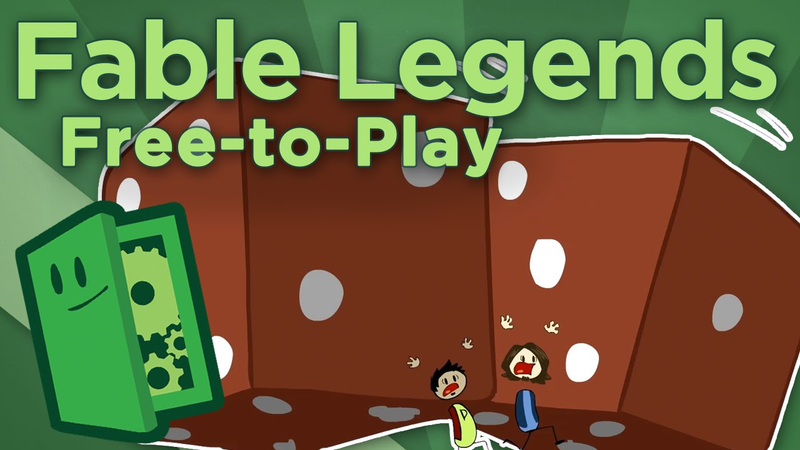
Fable Legends - Taking a Risk with AAA Quality Free-to-Play - Extra Credits
Key insights
6 takeaways- 01The project utilizes cross-platform play between Xbox One and Windows 10 to build the large, diverse player base required to support its complex, asymmetric multiplayer design.
- 02Fable Legends attempts to bridge the gap between high-fidelity AAA production values and the free-to-play business model to address player dissatisfaction with low-quality, exploitative titles.
- 03High-fidelity AAA assets create significant financial and operational risks, as their long development cycles may struggle to meet the frequent content update demands of a free-to-play audience.
- 04The studio faces the challenge of balancing profit margins against the risk of charging for content in an unproven genre for microtransactions.
- 05The success of this title would serve as a critical industry case study, potentially validating AAA free-to-play on consoles and encouraging developers to move away from risk-averse sequel production.
- 06The project represents a high-stakes gamble because it requires simultaneous innovation in both mechanical design and monetization without established industry precedents.
Ask AI about this video
Transcript
all right so last time we talked about some of the risks that lion head are taking by launching Fable Legends as their next title instead of a standard sequel entry to the series now let's talk about why they might be willing to make such a wager first off is the crossplatform play capabilities that have been announced for Xbox One and Windows 10 this sort of multiplayer experience and the slightly daunting nature of the villain role lends itself to bringing in a diverse audience and as a grow generalization the PC Community is somewhat more comfortable with multiplayer only titles than the console World while at the same time there are relatively few free-to-play games flooding the console space which means there's less competition for an audience there a game like this also needs a large player base in order to deliver the best possible matchmaking experience which a simultaneous cross-platform PC Xbox launch helps to ensure but I think a bigger factor in the decision to release this kind of fable experience is the desire to really attempt free-to-play games on the console now to
many of us microtransaction and free toplay are kind of dirty words they call to mind the many exploitative games out there specifically built to grind money out of the player but I think we tend to forget that there are a lot of great examples of microtransaction monetization out there as well Hearthstone and Magic the Gathering DOTA League team Fortress Counterstrike go now honestly I don't know what the Fable Legends microtransaction system is going to end up looking like I haven't seen it but so long as most purchasable things in the game can also be earned just by playing and it's a AAA quality game that they're going to give me for $0 instead of 60 I'm willing to give it the benefit of the doubt the big potential issue for me is that AAA part James has spent some time with the game it's definitely AAA and when talking to lion head about their microtransaction content it seems they plan to continue producing those items at a AAA level of quality as well this is actually a very atypical approach to take right now even great microtransaction games tend to try to keep content production costs low so that they can turn out a lot of content
for people to buy and so that it doesn't require a ton of sales to recoup the cost of producing that content just in case some items don't sell very well Fable Legends however is betting on the idea that really highquality content will be compelling to enough people that sales numbers will justify the production costs we're not talking about just producing a new card or a hat or even a champion for your standard MOA here we're talking about producing fully sculpted highly detailed 3D characters here each with a full Suite of animations for an action game on the Xbox One every monster every environment piece every spell or special ability that they create is going to have to live up to that AAA standard set by the initial release that's actually an enormous gamble financially go to any discussion of freet toplay or microtransaction games on the internet and you'll hear players saying how much they wish free-to-play games weren't always so cheap how they wish they would have better Fidelity or live up to higher development standards well lion head has listened and they're taking a bet that if they produce a high fidelity truly AAA free-to-play experience all those players ERS will jump on it
they're gambling quite a lot on that bet actually I'm a little skeptical that this is going to work if I'm honest AAA level content just takes longer to produce which means that they're either going to have to hire a lot of people to work on it in parallel which is a big gamble to make when the game hasn't yet proven to be a roaring success or they simply won't be able to produce new content very quickly it may well take them upwards of a month to deliver each new character and that's a problem because the player base is fickle there are always shiny new games coming out grabbing our attention that's why so many free to play games rely on their ability to constantly crank out new content always having new stuff to offer their players because even if a fable Legends player would love the new content lion head is building it won't matter if that player's already moved on to another game before it gets released this AAA content also comes at a literal Financial cost and that's another potential problem in order to deliver content at this level lion head will either have to charge the consumer more for it which is obviously risky or they'll have to take a lower margin and rely on high sales numbers to cover the difference the problem is this doesn't
insulate them from a slow start or from the inevitable cases where for whatever reason they release a piece of content that simply doesn't sell lastly this game is putting a lot of trust in those voices out there who claimed to want a higher caliber of free-to-play game I would like to believe that every one of them would happily put $1 to $15 into a game that stepped up to the plate but I'm worried that a lot of those players may just continue to play for free reaping the advantages of the dev team's bigger investment Without Really rewarding them for it this whole gamble makes James a bit nervous and I'm inclined to agree and it's not just concern over whether or not this one game will succeed but because the rest of the game industry is going to be watching Fable Legends and using it as an example for whether AAA microtransactions work there are just so many potential points of failure here and it's not even a game type where we've already figured out how to do microtransactions if you were to say hey we're going to make a AAA MOBA well okay we've been making freeo playay MOBA games for a while there's a lot of lessons about what sells and what doesn't that you can learn from the mistakes that other people have made
before you but an asymmetric action RPG with one player playing the enemies we're pretty much back to square one there all those lessons will have to be learned from the ground up that's ultimately why we agreed to do these episodes because lion head listened and they are rolling the dice big time they're a big Studio they're trying to innovate on game mechanics rather than simply creating another easy Sequel and at the same time they're trying to raise the bar of quality for the free-to-play scene that's pretty much a hat trick of things I hear players saying they want heck it's something I'd like to see succeed just to make the rest of the industry less risk averse but it's a frightening gamble so we're just going to end this by wishing everybody at lion head good luck because if they succeed they might have taken the first steps to changing how we think of freeo play it may Inspire other companies to take some more risks with their IP rather than turning out direct sequels over and over it might even make microtransactions on a console something to anticipate rather than dread then again the whole project May Fail in fact that worries me lion head are gambling more on this than I'm
entirely comfortable with but in the end I'm glad they're trying because it's better that someone tries than that we all stayed too worried to try at all thanks for watching
Summary
Fable Legends represents a significant industry experiment by attempting to bridge the gap between high-fidelity AAA production values and the free-to-play business model. By utilizing cross-platform play between Xbox One and Windows 10, the developers aim to cultivate a large, diverse player base necessary to support a complex, asymmetric multiplayer experience. The core thesis of this strategy is that players are increasingly dissatisfied with the low-quality, exploitative nature of many free-to-play titles and will respond positively to a premium, high-fidelity experience that offers substantial content for free.
The project faces considerable financial and operational risks due to the high cost of producing AAA-standard assets, such as detailed 3D characters and environments, compared to the lower-cost content typical of the free-to-play market. Because high-quality assets require longer development cycles, the studio risks losing player engagement if content updates are not frequent enough to satisfy a fickle audience. Furthermore, the studio must navigate the challenge of balancing profit margins against the risk of charging for content that players may choose to ignore, all while operating within an unproven genre for microtransactions.
Ultimately, the success or failure of this title serves as a critical case study for the broader games industry. If the model succeeds, it could validate the viability of AAA free-to-play on consoles and encourage developers to move away from risk-averse sequel production. However, the project remains a high-stakes gamble, as it requires the studio to innovate on both mechanical design and monetization simultaneously, without the benefit of established industry precedents for this specific type of asymmetric action RPG.














Comments