Game Development reports and market data
Documents
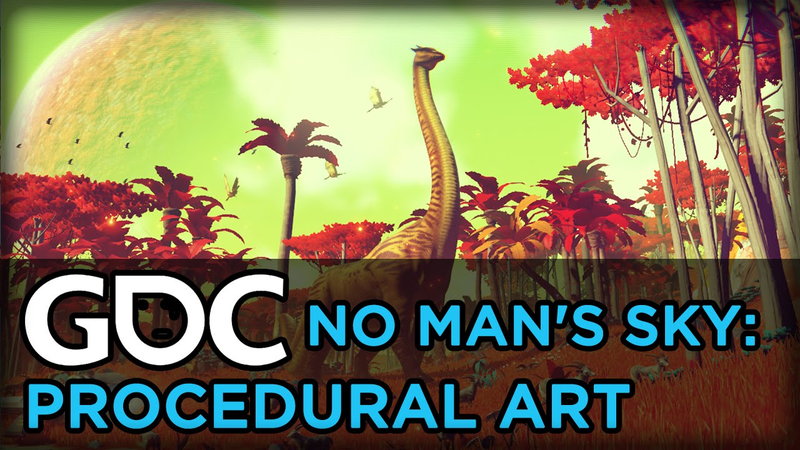
No Man's Sky: How I Learned to Love Procedural Art
The creation of an expansive, explorable universe containing 18 quintillion planets necessitates a departure from traditional, labor-intensive asset production.
- No Man's Sky utilizes a procedural generation system based on 2^64 seed values, resulting in approximately 18 quintillion unique planets.
- To avoid the 'ugly mess' of pure randomness, Hello Games implemented a blueprint system that functions as a template for all assets, ensuring stylistic consistency across procedural variations.
- The team manages the massive scale of the universe by deploying automated robot drones that visit planets and generate HTML reports with animated GIFs, allowing the four-person art team to audit visual quality efficiently.
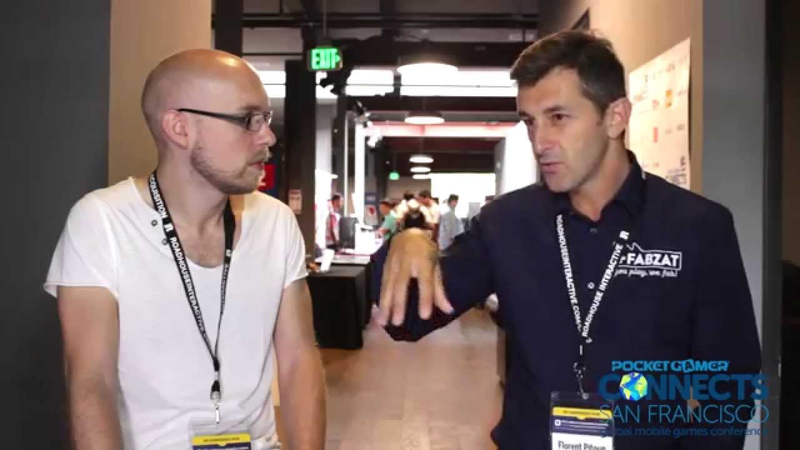
Fabzat's Florent Pitoun on the opportunity for phygital toys
The phygital toy market represents a significant evolution in the gaming industry, characterized by the convergence of virtual in-game assets and physical merchandise.
- The phygital toy market is projected to reach a $10 billion valuation, representing approximately 10% of the total global games industry.
- Bespoke 3D printing technology eliminates the need for traditional high-volume manufacturing runs of 100,000+ units, allowing developers to achieve profitability on the first unit sold.
- By removing high barriers to entry like expensive mold creation, 3D printing enables smaller, independent developers to monetize their player bases effectively.

Unity's Mickey Maher on helping indie devs make money
Unity Technologies focuses on democratizing game development by providing a comprehensive suite of services that extend beyond engine capabilities to include user acquisition, analytics, and monetization.
- Independent developers must integrate monetization strategies directly into the game’s core design loop rather than treating revenue generation as an afterthought.
- Unity provides a comprehensive ecosystem that extends beyond engine tools to include integrated analytics, user acquisition, and monetization services designed to turn games into sustainable businesses.
- The mobile market remains viable for high-quality titles on the iOS App Store and Google Play, provided developers prioritize product quality to overcome discoverability challenges.
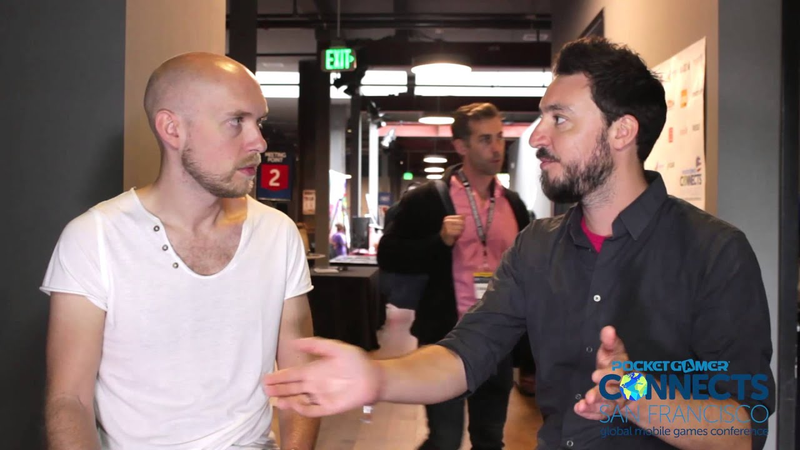
Double Fine's James Spafford on the power and pain of Kickstarter
Crowdfunding serves as a transformative, albeit challenging, financing model for independent game studios, offering greater creative control by bypassing traditional publishers.
- Crowdfunding offers independent studios a pathway to retain intellectual property and creative autonomy by bypassing traditional publisher financing.
- Double Fine’s experience with Broken Age demonstrates that consumer-funded projects face significant risks regarding community expectations and timeline management when development cycles exceed initial projections.
- Transparency is the primary tool for mitigating backer mistrust; studios must document failures, budgetary challenges, and technical hurdles to justify the use of funds.

The New Future of Japan - The Auteur Movement - Extra Credits
The Japanese game industry is currently undergoing a significant shift characterized by an auteur movement, where veteran developers are departing from large-scale AAA studios to form smaller, independent teams.
- Veteran Japanese developers like Hideo Kojima, Keiji Inafune, and Koji Igarashi are leaving major AAA studios to form smaller, independent teams to regain creative control.
- This auteur movement is a direct response to the unsustainable AAA model, which prioritizes marketing-driven sequels and high-fidelity graphics over gameplay innovation.
- These independent studios typically operate with lean budgets ranging from $10 million to $20 million, allowing them to bypass the constraints of traditional major publishers.
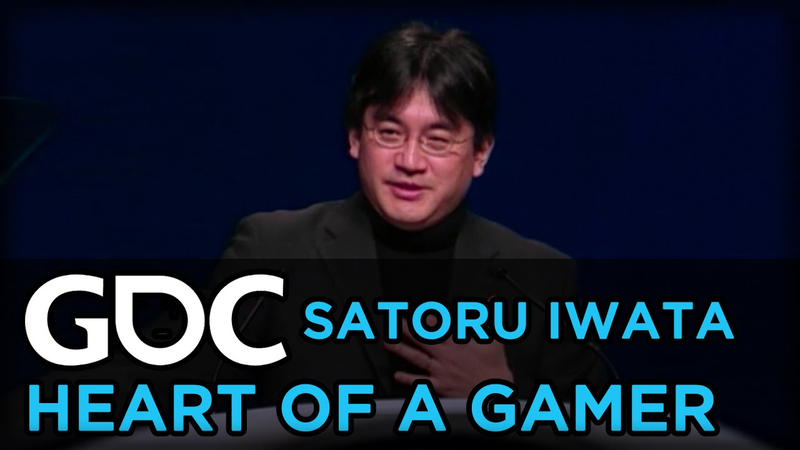
Satoru Iwata - Heart of a Gamer
The core philosophy of game development centers on the belief that software remains the primary engine of industry success, transcending hardware specifications.
- Software quality and the gamer's perspective must remain the primary drivers of industry success, taking precedence over hardware specifications.
- The industry's focus on increasing budgets and visual fidelity has led to creative stagnation and an over-reliance on repetitive genres.
- Expanding the total gaming audience is a more viable long-term strategy than competing solely for the existing core demographic.

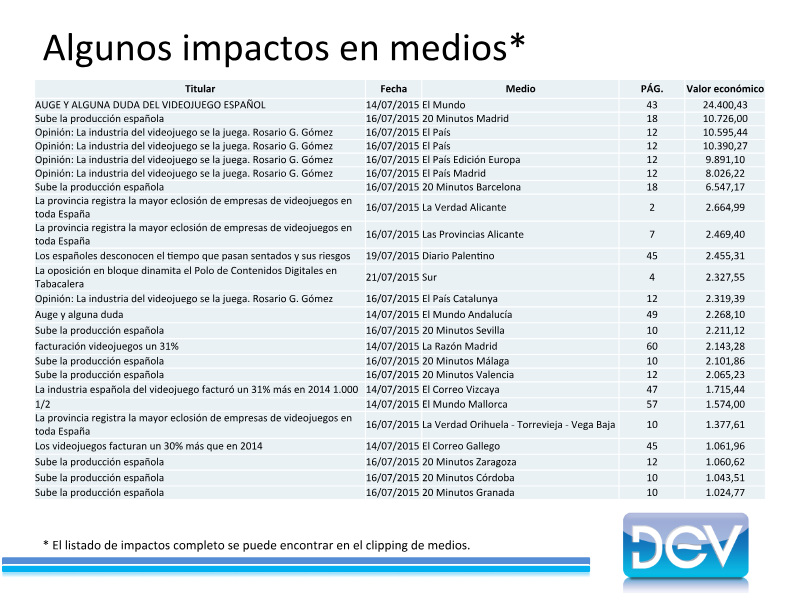
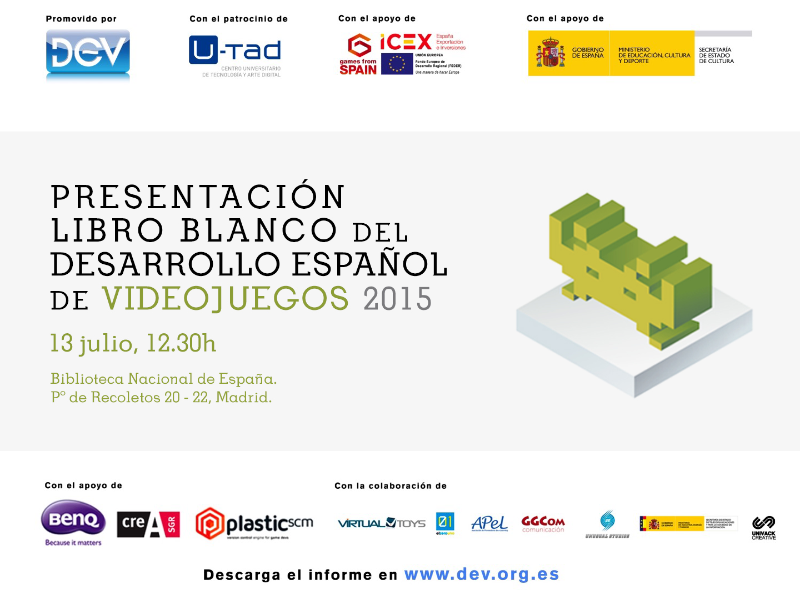
Libro Blanco del Desarrollo Español de Videojuegos 2015
The 2015 Libro Blanco del Desarrollo Español de Videojuegos serves as a comprehensive industry analysis detailing the economic performance and growth trajectory of the Spanish video game development sector.
- The Spanish video game industry reached a total turnover of 413 million euros in 2014, marking a 31% year-over-year increase.
- Market revenue is highly concentrated, with 50% of total industry turnover generated by only 5% of the companies.
- Employment within the sector grew by 28% in 2014 compared to the previous year.
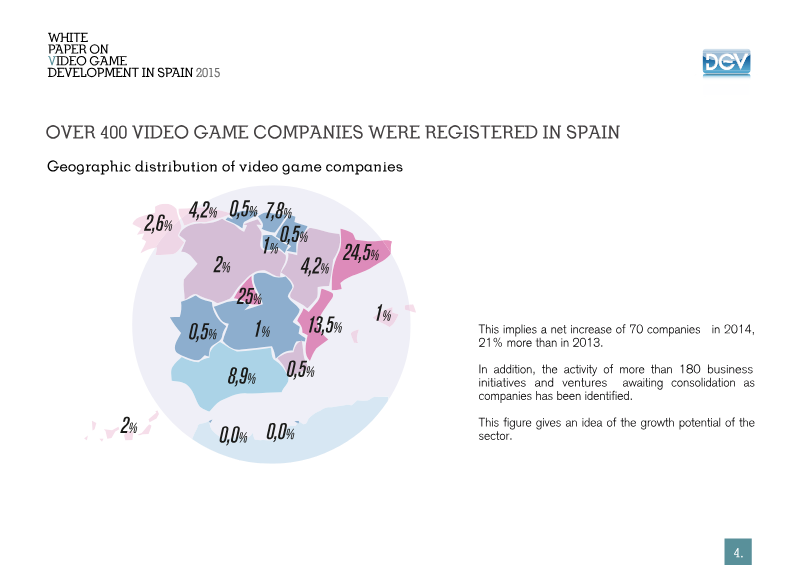
White Paper on Video Game Development in Spain 2015: Executive Summary
The 2015 White Paper on Video Game Development in Spain provides a comprehensive analysis of the national gaming industry, detailing its rapid expansion, economic impact, and structural characteristics.
- The Spanish video game industry generated 412.4 million euros in 2014, marking a 31% year-over-year increase with projections to reach one billion euros by 2018.
- Digital distribution dominates the sector, accounting for 90% of total turnover through direct downloads and free-to-play business models.
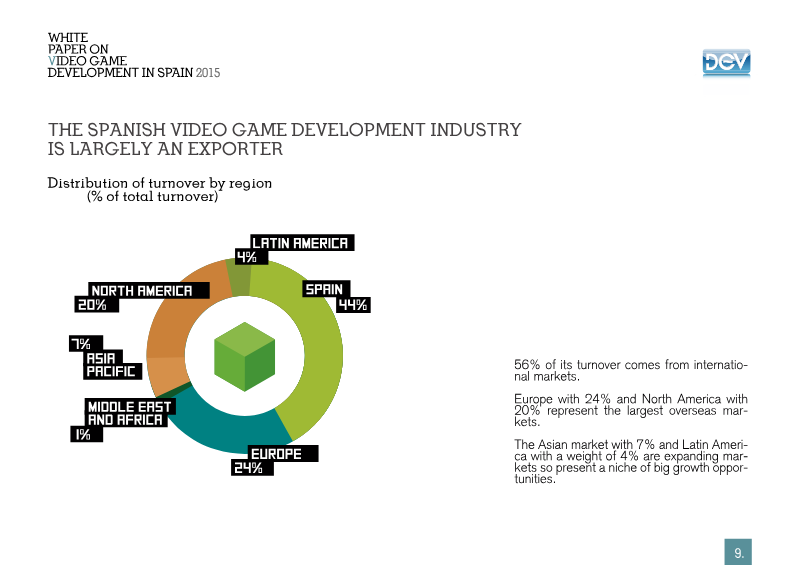
- The industry is highly internationalized, with 56% of total revenue derived from foreign markets, primarily in Europe and North America.
Building the Content that Drives the Counter-Strike: Global Offensive Economy
The Counter-Strike: Global Offensive economy functions as a highly scalable, community-driven ecosystem designed to maximize player engagement without compromising competitive integrity.
- Valve launched the 'Arms Deal' update for Counter-Strike: Global Offensive to build an economy with a small team of two artists by leveraging community-generated content through the Steam Workshop, which eventually grew to over 30,000 user-authored weapon finishes.
- To scale content production efficiently, Valve implemented procedural coloration and shader-based techniques like hydrographic-style texturing and anodization, allowing for a high volume of aesthetic variety without requiring unique assets for every item.
- Valve discovered that players valued 'paint gun' aesthetics over realistic military camouflage, proving that the game's economy is driven by its identity as a competitive sport rather than a military simulation.

Biz Daily: Will Supercell ever release another game?
Supercell maintains a rigorous development philosophy characterized by the willingness to cancel projects that fail to meet exceptionally high internal performance standards.
- Supercell maintains a lean workforce of approximately 130 employees while generating over $1 billion in annual revenue.
- The company employs a rigorous 'kill-your-darlings' strategy, intentionally canceling underperforming projects during soft-launch phases to avoid the long-term operational costs of non-profitable games.
- Supercell’s portfolio, anchored by Clash of Clans, Boom Beach, and Hay Day, prioritizes high-performance metrics over the volume of new releases.
Social Difficulty Curve - Easing Players into Communication - Extra Credits
Game design frequently utilizes a difficulty curve to manage player engagement, ensuring that mechanical challenges scale appropriately with a user's growing skill.
- Game designers must apply the same pedagogical rigor to social interaction that they apply to mechanical difficulty curves to prevent player burnout and improve retention.
- Social skill in gaming should be treated as a progressive competency that evolves from solitary play to complex interpersonal coordination.
- Developers should implement a foundational solo-play phase, such as starting zones or single-player campaigns, to allow players to master core mechanics before introducing social distractions.
Hearthstone: How to Create an Immersive User Interface
The design philosophy behind Hearthstone centers on the creation of a deeply immersive, tactile user interface that prioritizes thematic cohesion over pure functional efficiency.
- Hearthstone prioritizes thematic immersion and tactile design over pure functional efficiency to establish a distinct brand identity.
- The development process integrates UI designers as equal partners with game designers, allowing visual mockups to directly dictate and refine gameplay mechanics.
- The team intentionally accepts higher resource costs and increased user click counts to maintain a physical, handcrafted aesthetic that enhances player engagement.