1 free read left. Create a free account for unlimited reading + AI research.
Create free account
Fabzat's Florent Pitoun on the opportunity for phygital toys
Key insights
6 takeaways- 01The phygital toy market is projected to reach a $10 billion valuation, representing approximately 10% of the total global games industry.
- 02New software development kits allow physical figures to authenticate and interact directly with digital screens, creating integrated ecosystems that drive player engagement and loyalty.
- 03By removing high barriers to entry like expensive mold creation, 3D printing enables smaller, independent developers to monetize their player bases effectively.
- 04While major franchises like Skylanders and Disney Infinity pioneered mass-market retail, the current industry trend is shifting toward more accessible models for independent developers.
- 05Bespoke 3D printing technology eliminates the need for traditional high-volume manufacturing runs of 100,000+ units, allowing developers to achieve profitability on the first unit sold.
- 06Early innovators in the sector have already validated the on-demand manufacturing model by delivering over 15,000 physical objects globally.
Ask AI about this video
Transcript
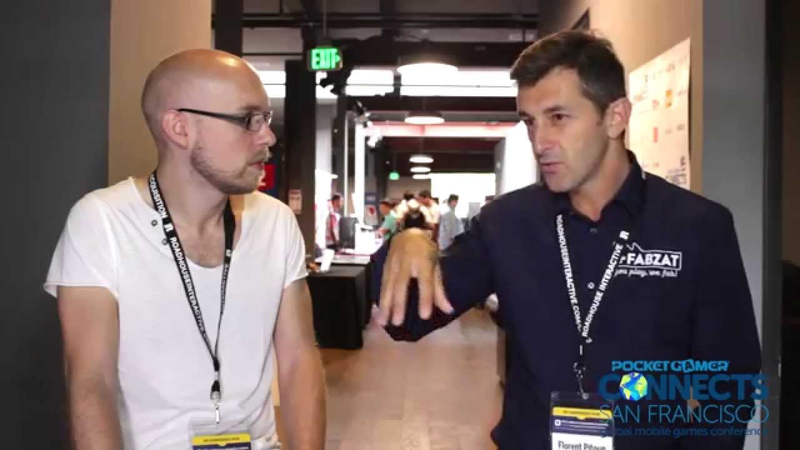
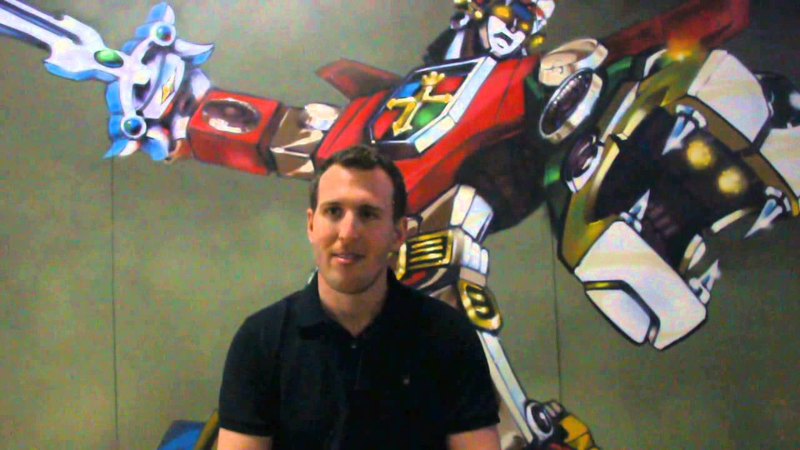
hey guys we're here live from BGC san francisco and i am here with floral from fabs and now what is it you guys have to show us today so what we have to show you is a service that can turn your virtual elements the things your heroes your characters the curve that are within your games into real objects fancy 3d printing this is an example of what we do it's a small character that is out of the game it's unique it's pretty printing only for you to choose the size which is the name that we put on a 2 2 the score and win and all the rest of the of the deal we have an sdk to put in your game and allows failures to very easily transform a theater in your game into real object so we've seen a lot of people come into the actual action figure in section yeah with games both mobile and console you so Skylanders has been an enormous success in reality from Disney that and is this
something that's comparable to that you can put the characters in the game exactly that's what we can do you can take this one and put it on on the screen and make it interact with the screen it's recognized so just as Skylanders that you mentioned infinity or others are making tons of money I have some figures about this it's a 10 billion market in two and three years in 2018 it could be a 10 billion model 10 billion is one-tenth of the games industry overall so it's huge I mean Skylanders are sending more toys than any over toys vendor at the Christmas period because it's so big and so interested so that's a very interesting trend about the games industry the games industry overall has come from the from the physical area then went to the G little one in the past two or three decades and now is melting these two universes together to make new interactions and it's working very
well among consumers so what do you think is specifically the appeal of 3d printing the Skylanders figures these are all see prefabricated major actually is not using the 3d printing process if you're a developer and wanted to use your service what's the benefit of going to you guys to do this as opposed to maybe someone else basically sclusively around making models that's really a key point if you want to enjoy this market which traditional means you have to create a mode for each of your figure and where it is something like a three to twenty thousand bucks okay so this is the first thing then you have to mass produce must produce begins at 100,000 figures like this and you have to sell them you have to distribute them so it's a very complex to enter market you can do it if you're Activision if your Nintendo if you're very big companies like Rob yours on overs if you're a big developer but not that way I mean you are doing maybe like 10 or 15 million downloads a year you still can build a
very profitable business model but fail to feed your printing if you don't know if you're not using 3d printing you can't make money out of this and what's available with budgets technologies is that we provide both the tools to create the objects and to interact with your spray so we authenticate the elements on the screen tends to various properly authentication means and the first items that yourself would be a profitable item you make money out of it right away okay well you mentioned that they're projecting figures of things like 10 billion is it hasn't an industry in terms of the 3d object where do you think that's going to go in whilst they're going to make a ton of cash out of it certainly start up like yourself who's going to be making this do you expect to see more people like you more developers and people trying to make these kind of community models or do you expect there to be a single company that kind of takes over the whole sector doing it I love this to happen we being
the single metal billiard table the tents over it but truth is we are not on a on a on a cake that we are sharing each other we are growing the cape and I think where we see competitors of fuzzy popping up in the coming years and months quite often because it's pretty a market that's booming and we have the advantage of being I may be the first or the one of the two first companies in the world to deliver this kind of technologies with this kind of a level of professionalism we already have delivered more than 15,000 objects all over the world so we have some key advantages but we don't think we would be alone with and we think that we are building this market and this 100 billion market of the games industry is going to melt and grow bigger offense to this I say and why come to an event like this we've got a bunch of people here at PG San Francisco what's the benefit from your point of view attending a conference like this it's very clear we want to make developers
aware that they can make additional revenue additional players engagement friends to our technologies fence to fetch at SDK we want to make them a robot okay so it's about getting your setting your name out there and about getting visibility within your life yeah and engaging business talks of course yes fantastic well thank you ever so much for talking to us thanks that's why
Summary
The phygital toy market represents a significant evolution in the gaming industry, characterized by the convergence of virtual in-game assets and physical merchandise. By utilizing bespoke 3D printing technology, developers can transform digital characters into unique, personalized physical objects. This approach offers a scalable alternative to traditional manufacturing methods, which typically require expensive mold creation and high-volume production runs of 100,000 units or more. By removing these high barriers to entry, 3D printing allows smaller developers to monetize their player base effectively, ensuring that even the first unit sold generates a profit.
The industry is currently experiencing rapid growth, with projections estimating the phygital sector could reach a $10 billion valuation by 2018. This figure represents approximately one-tenth of the total global games industry. While major franchises like Skylanders and Disney Infinity have successfully pioneered this space through mass-market retail, the current trend favors a more accessible model for independent developers. Technology providers are now offering software development kits that not only facilitate the creation of physical figures but also enable authentication, allowing these objects to interact directly with screens to enhance gameplay engagement.
The competitive landscape is expected to expand as the market matures and the demand for personalized gaming merchandise increases. Rather than a zero-sum competition, the sector is currently in a phase of collective growth, with early entrants focusing on establishing professional standards and proving the viability of on-demand manufacturing. Having already delivered over 15,000 objects globally, early innovators are prioritizing developer outreach at industry events to demonstrate how integrated physical-digital ecosystems can drive both incremental revenue and long-term player loyalty.















Comments