1 free read left. Create a free account for unlimited reading + AI research.
Create free account
Double Fine's James Spafford on the power and pain of Kickstarter
Key insights
6 takeaways- 01Double Fine’s experience with Broken Age demonstrates that consumer-funded projects face significant risks regarding community expectations and timeline management when development cycles exceed initial projections.
- 02The transition from a niche fan base to a broader audience creates friction, as the final product may not align with the individual visions of a diverse backer pool.
- 03Transparency is the primary tool for mitigating backer mistrust; studios must document failures, budgetary challenges, and technical hurdles to justify the use of funds.
- 04Crowdfunding offers independent studios a pathway to retain intellectual property and creative autonomy by bypassing traditional publisher financing.
- 05Independent studios are shifting from a PC-centric focus toward broad distribution strategies that include consoles, mobile devices, and handheld systems.
- 06Future engagement strategies for independent projects are increasingly reliant on broadcasting, streaming, and the integration of virtual reality to sustain long-term player interest.
Ask AI about this video
Transcript
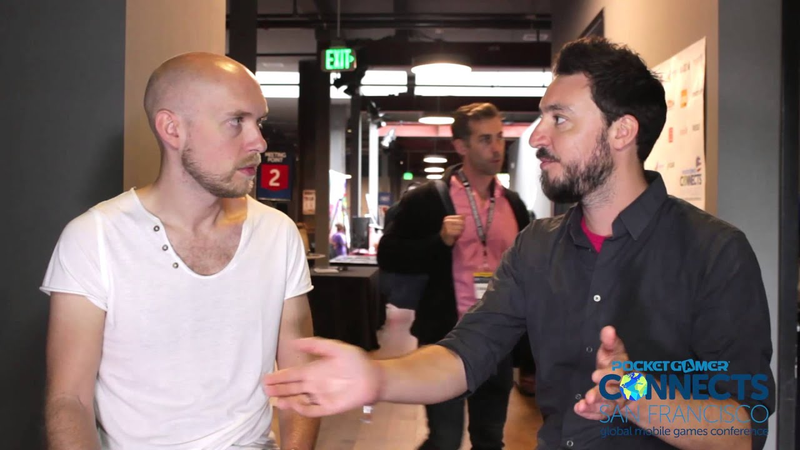
the guys were here at ptc san francisco i'm here with james pavatt who is the community manager for double time now broken age sir a game that was released in two parts over a period of about two years yes right yeah we're interested from an industry standpoint we're asking people about their kind of key trends that they're seeing and one of those key trends that emerged recently was in financing consumer funded gaming and really the Double Fine adventures at school at the time before being broken age was a big part of that push-up highlighting what Kickstarter is all about how has that worked out for the company for example what the experiences you found using that model and B would you do it again I think it's been a journey that is taking us up and down we've seen all this different size of it um I think at the beginning no one
really quite knew what they were going into with it and it's been a real adventure but it was usually successful to break bread little records and definitely set a trend or release was the first of like a lot of these big bigger projects coming through Kickstarter this is it today and I could we go back I mean we did go back for the massive chunks another game you think crowdfunding is not going to go away it's something that you know we think is really really important what were the major challenges because you released the first chapter there was not quite a big pause between chapter 1 and chapter 2 and I know there was some slightly hostile reaction to that people going you've already bought it technically where is it all and with Kickstarter there is a problem with paying for something that hasn't been made yet you're essentially putting a down payment on an idea yeah rather than a finished product were you expecting the hostile reaction and what were the issues that that caused it to take that
amount of time so I think don't find experience with community but for other kicks are having was a lot of love and a lot of like a very close-knit community is a big fan of to him and all his games and with the game to double chronic yeast that kick-started open up the floodgates to much bigger community of people and they all had a different idea on what they wanted this project to be and it couldn't be everything at once and so some people were just quiet humble or up so that was split some people up said that it wasn't the right pane but in the end I think we've created something that is wonderful and like really awesome it's the project that I'm 10 1 what're the company felt with me we created pitfalls I mean I don't know if this is crowdfunding necessarily but we did crowdfunding and we do the open development I would just found the entire thing okay let everyone know what's going on one of the I think the
biggest problems we had there was not actually showing all of that stuff to anyone outside of the backers so everyone in the in the outside world couldn't see in but all the backwards good so they didn't they didn't know what was happening have you watched our documentary series and you can see every single thing that it's happening to the studio it goes wrong and like how we try and overcome it I think there is a certain amount of mistrust with the Kickstarter model where people are ponying over a lot of money thousands and hundreds of thousands of up to millions and then not really hearing anything about what's going on and not being sure how that money is being used because they put up all the stretch goals and you kind of have to take it at the developers were there being used in that way so do you think transparency is would be a healthy thing going forward showing everyone step by step I mean sure if you're up for it but it's a lot of work you know we had a punker hanging around of three years filming everything in all of the bad days as well as all
the good days and that can be quite provides quite a lot of energy but you know it is really good to be able to show people what you're doing and we can you know there's a lot of people who seem annoyed about whether you spend this money the way we do but we can point at the documentary we're going to show people exactly where it was all spanning you know where and then when anything you did go and follow that one with another crowd funded project is it something that double fine are probably going to pursue into the future is the model now or you going to kind of do one on one off or what and so we you know we've always worked with different financing models crowdfunding is one of the ones which we rule of because it enables us to choose who funds our game and had more control over that game rather than kind of signing away a lot of stuff to to produce the ready to publish it who might not care as much as India like a project so crowdfunding exciting something that we are like look to in the future really want to come okay okay and you're you come here to PG
San Francisco yeah what are the reasons that you come to an event like this as community manager guy what's your role why was it worth turning up to one of these things i like talking to people borrowing it Clara games their players or if you're in the industry or whether they are you know I like to meet them shouldn't we have another chat this is a really good place to meet other people who are making games or people who are selling games you know SWAT tips and just hang out with Michael be so nice and you guys operate kind of cross-platform Double Fine adventure we'll need some on PC you get it on iOS and Android that sort of thing what are the key trends you think in terms of both the like home gaming and the mobile gaming space because people jumped onto mobile and now there's a slight i sensing a slight backfire because saying no we should just go back to Stephen three night and that whole thing like for you as a being involved in the development on Double Fine and be involved in that team which area you focusing on and what do you think you're going to be the next big thing to the
next few years where are we focusing on I mean to we release games for like rubber match came out PC Mac Linux ps4 PS Vita iOS Android and abou yeah yeah yeah so we just like put it out across like everything yeah so like PC has always been our our backbones and left my sticker but like new trends that are also met VR and maybe look like that stuff is really cool we're stepping what people going I think is a huge trend in broadcasting you know people sharing too much players and doing screaming so that's definitely an area that I'm interested in okay actually maybe BR screaming that's right where it is that might be interested this year well thank you so much for joining us today that's a lot with the rest of the day she was mad
Summary
Crowdfunding serves as a transformative, albeit challenging, financing model for independent game studios, offering greater creative control by bypassing traditional publishers. The experience of Double Fine with Broken Age illustrates that while consumer-funded development can successfully launch large-scale projects, it introduces significant complexities regarding community expectations and project timelines. The transition from a niche, dedicated fan base to a broader, more diverse audience often leads to friction, particularly when development cycles extend beyond initial projections or when the final product fails to align with every backer’s individual vision.
Transparency emerges as the primary mitigation strategy for the inherent mistrust associated with the Kickstarter model. By documenting the entire development process—including failures, budgetary challenges, and technical hurdles—studios can validate their financial decisions and maintain accountability. While this level of open development requires substantial effort and resources, it provides a necessary evidentiary trail that justifies the use of funds to skeptical backers. Despite the operational intensity of this approach, the ability to retain autonomy over intellectual property and development direction makes crowdfunding a viable and recurring strategy for studios prioritizing creative independence.
Looking toward the future of the industry, the focus is shifting toward cross-platform accessibility and emerging engagement trends. While PC remains a foundational platform, studios are increasingly prioritizing broad distribution across consoles, mobile devices, and handheld systems. Furthermore, the industry is pivoting toward the rise of broadcasting and streaming as critical components of community building. As developers navigate the evolving landscape, the integration of virtual reality and interactive streaming content represents the next frontier for maintaining player engagement and sustaining long-term interest in independent game projects.












Comments