Game Development reports and market data
Documents

How Games Speak - Learn the Language of Design - Extra Credits
Game design functions as a sophisticated language, utilizing a system of arranged elements to communicate complex ideas and experiences to players.
- Game design functions as a hierarchical language consisting of three layers: isolated, associative, and dynamic meaning.
- Dynamic meaning is the most potent layer, utilizing narrative twists and systemic responses to create a dialogue that explores complex themes like violence or human relationships.
- Associative meaning occurs when individual elements are combined to create experiences greater than the sum of their parts, such as linking visual recoil and sound effects to define combat feel.

Engineering success: The CSR Racing 2 story
The development of CSR Racing 2 by NaturalMotion serves as a case study in scaling a successful mobile franchise through iterative design, technical refinement, and a commitment to player-centric live operations.
- CSR Racing 2 achieved global market dominance upon its June 2016 launch, reaching the top-grossing racing title position in 126 countries.
- The game utilizes a 'digital collectible' model that drives high engagement, with the average player owning 16 cars and top users collecting over 1,400 vehicles.
- NaturalMotion scaled the franchise by leveraging four years of quantitative and qualitative data from the original CSR Racing to inform the sequel's development.
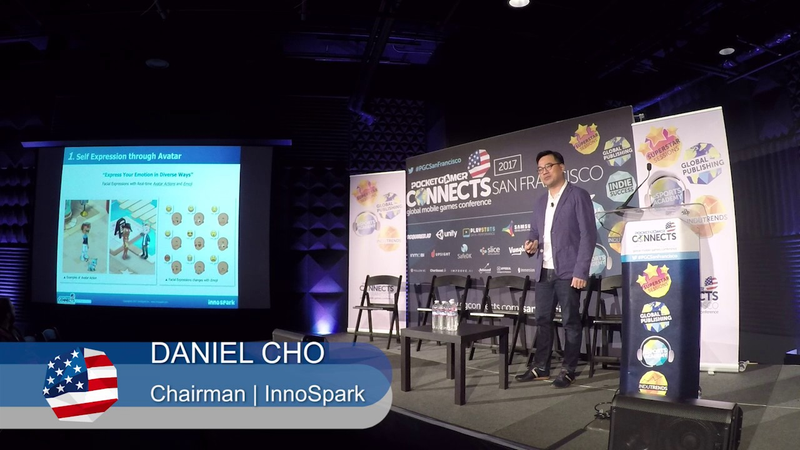
New UX in mobile social games
The mobile gaming industry is currently shifting toward social-centric experiences that prioritize user-generated activities over traditional, turn-based mechanics.
- Mobile games are shifting from isolated, turn-based mechanics to persistent, social-platform models that prioritize user-generated content and immersive avatar-based environments.
- Developers are adapting high-engagement models from Asian MMORPGs, such as Lineage Revolution, to create non-violent, social-centric experiences for broader audiences.
- To accommodate mobile commuters, developers are implementing responsive UI features like smart buttons and support for both landscape and vertical screen orientations.
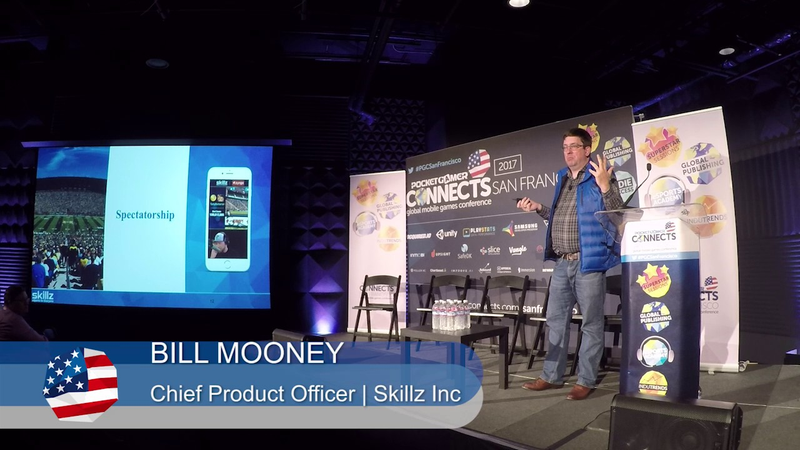
Mobile eSports 101: The past, present and future of an industry on the rise
Mobile eSports represents a rapidly expanding segment of the global gaming industry, driven by the ubiquity of smartphones and a shift toward competitive, skill-based play.
- Mobile eSports is a distinct, high-growth ecosystem serving a global base of over 2.6 billion mobile gamers.
- Approximately 20% of a typical mobile game's audience is inclined to engage in competitive play, spanning genres from complex strategy to casual puzzle games.
- The integration of real-world prizing and bracket-style tournament structures has been proven to significantly improve both user retention and monetization.
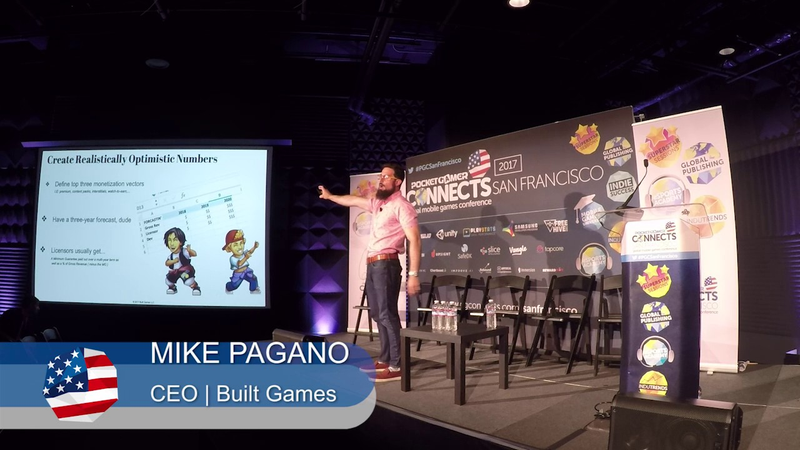
Licensed games masterclass
Securing and managing intellectual property licenses for video games requires a strategic, professional approach that prioritizes relationship-building and clear communication over technical jargon.
- Secure licensing partnerships by identifying business development managers and translating game concepts into non-technical language that aligns with the brand owner's commercial goals.
- Pitch effectively by using a concise, one-page concept document that clearly outlines the game's value proposition and user acquisition potential.
- Develop a playable demo to simplify the decision-making process for stakeholders, as this is highly effective for securing brand approval.
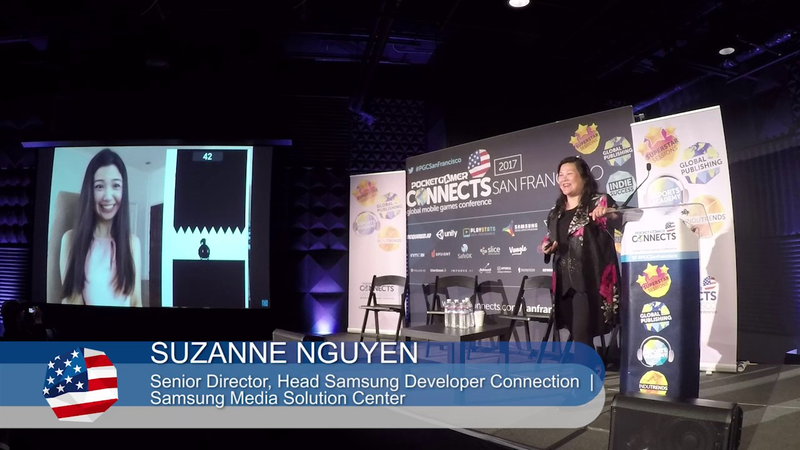
Mobile gaming – We’re not in Kansas anymore!
The mobile gaming industry is undergoing a significant transformation, moving beyond traditional app store downloads toward an immersive, multi-sensory ecosystem.
- The mobile gaming industry reached a significant revenue milestone of $41 billion in 2016, signaling a shift from traditional app store models toward immersive, multi-sensory ecosystems.
- Virtual reality (VR) is evolving into a primary industry driver, expanding beyond gaming into therapeutic applications for bedridden patients and fitness integrations with hardware like stationary bikes.
- Augmented reality (AR) and 360-degree content are gaining traction as essential components for social media platforms and specialized entertainment venues such as theme parks.
Secrets to optimising your mobile game live ops
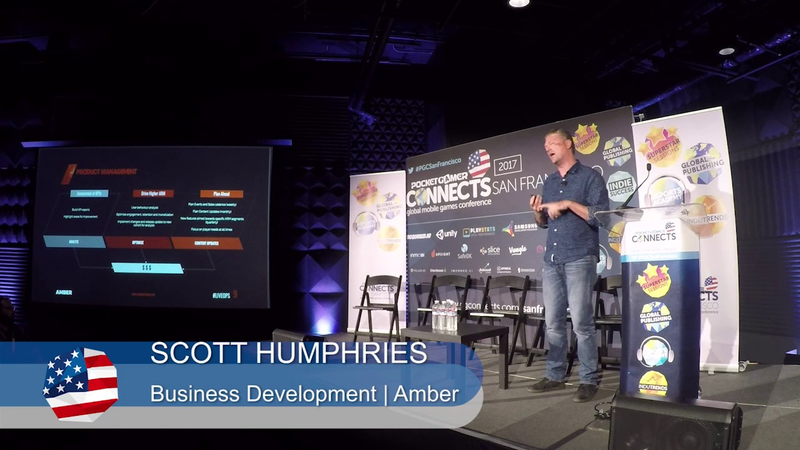
Effective live operations for free-to-play mobile games require a balanced approach across three core pillars: acquisition, retention, and monetization.
- Limited-time events can drive massive revenue spikes; for example, introducing a limited-time event in the puzzle game 'Inside Out Thought Bubbles' resulted in a 200% revenue increase over its first weekend.
- Live ops success relies on balancing three core pillars: acquisition, retention, and monetization; failing to optimize any one of these will prevent a service from reaching its full potential.
- Introducing new gameplay mechanics in every update—rather than recycling existing ones—keeps the user experience fresh and encourages long-term player retention.
The opportunities for developers in Japan's mobile games market
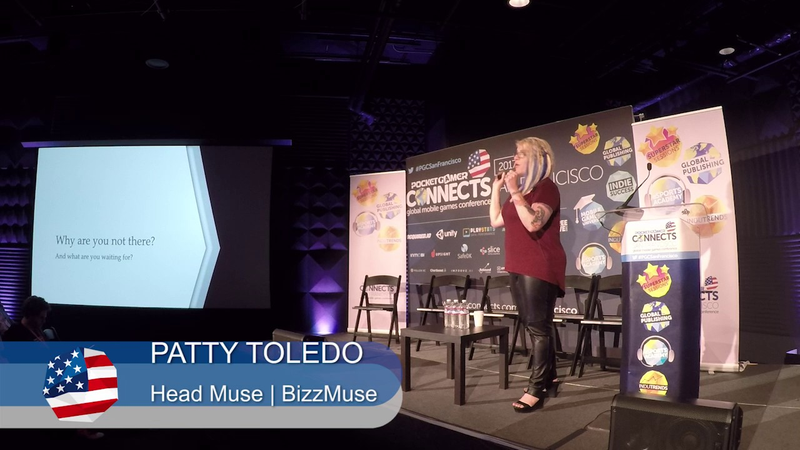
The Japanese mobile games market represents the third-largest gaming sector globally, characterized by high-end mobile hardware, widespread internet accessibility, and a highly engaged, high-spending user base.
- Japan is the world's third-largest mobile gaming market, featuring a high-spending user base with an average revenue per user (ARPU) of approximately $90 per month.
- The Japanese government is actively incentivizing international developers to enter the market through more lenient requirements for foreign startups to establish local operations.
- Success requires deep localization beyond language, as Japanese players often lack familiarity with Western cultural references, humor, and actors.
The app is dead – How post-app store games increase social conversion
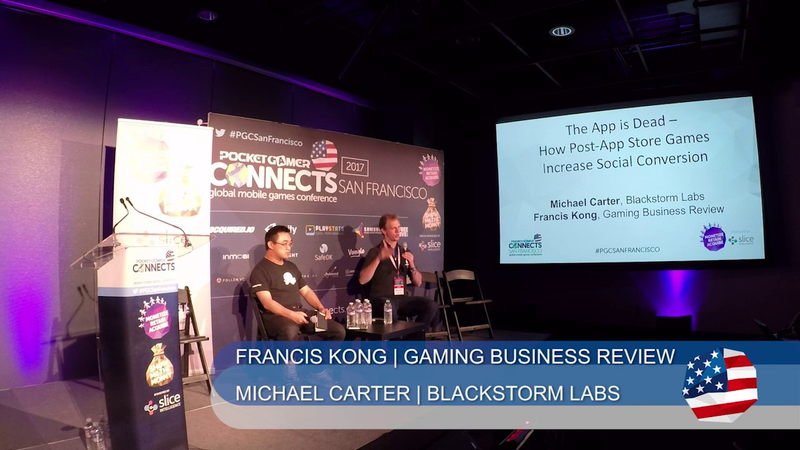
The gaming industry is undergoing a fundamental shift away from standalone applications toward a post-app store ecosystem.
- The gaming industry is shifting toward a post-app store ecosystem where games are hosted directly within super apps like Facebook Messenger, WeChat, and Line to bypass traditional download hurdles and high acquisition costs.
- HTML5 technology enables instantaneous game launches, which is critical for user retention because players are less committed than those who download standalone applications.
- Developers must capture user interest within 15 seconds and design gameplay loops that last approximately 30 seconds to maintain engagement in this frictionless environment.
Is this really all there is? More ways to monetise mobile games
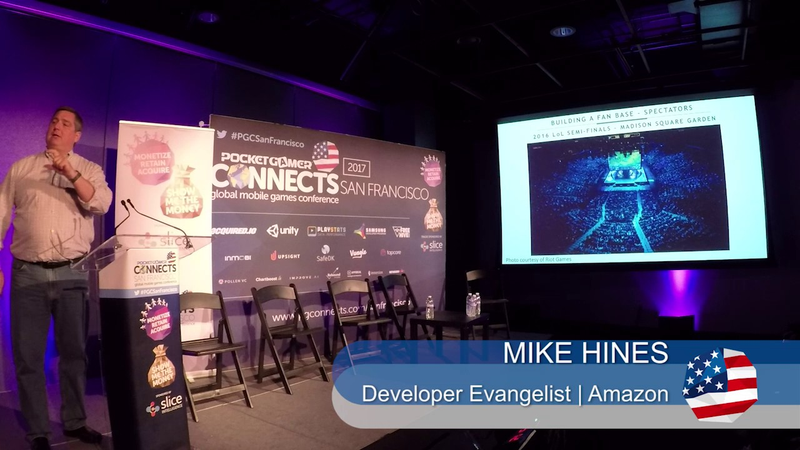
Mobile game developers frequently struggle to achieve financial sustainability, with industry data indicating that between 40% and 60% of independent studios fail to generate enough revenue to fund their subsequent projects.
- Between 40% and 60% of independent mobile game studios fail to generate sufficient revenue to fund their subsequent projects, highlighting the limitations of traditional premium, freemium, and advertising models.
- Developers can diversify revenue and increase player retention by selling physical merchandise through e-commerce platforms that manage printing, logistics, and returns, eliminating upfront inventory costs.
- Integrating streaming platform tools allows spectators to influence live gameplay through chat commands or paid interactions, effectively converting passive viewers into a new revenue stream.

(Opportunity) Cost Effective Marketing & PR for Indies
Indie game marketing is most effective when developers shift their perspective from a purely technical mindset to a consumer-centric one.
- Treat marketing as a game design problem by identifying your objective—getting the player to the game—and systematically removing barriers to that goal.
- Conduct a competitive audit by analyzing similar titles to determine your game's market position, pricing strategy, and unique selling points.
- Perform a SWOT analysis (Strengths, Weaknesses, Opportunities, Threats) to objectively evaluate your game from a consumer's perspective, focusing on the 'tip of the iceberg' that players actually see.
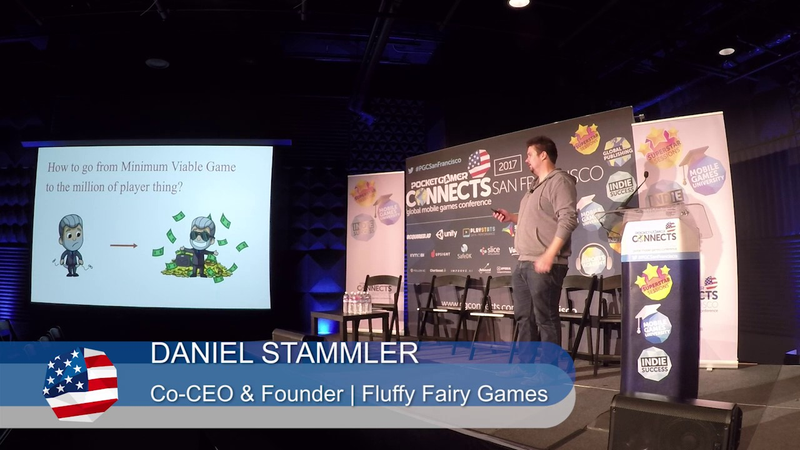
Lean game development – MVP in eight weeks, true player-centric iterations forever
The core thesis of this approach to mobile game development is that success is best achieved through lean, iterative processes that prioritize player feedback and rapid deployment over feature-heavy, long-term production cycles.
- Prioritize day-one retention as the primary metric for early-stage success, as it serves as the most critical indicator of a game's viability.
- Develop a Minimum Viable Product (MVP) within an eight-week timeframe to validate core mechanics and minimize financial risk before committing to long-term production.
- Strip away non-essential features like 3D graphics and complex social systems in the initial release to focus exclusively on refining the core gameplay loop.