Game Design reports and market data
Documents

Solid Bash's Matthew Zoern On An Approach That Amplifies A Game's "Fun Factor"
The core philosophy of modern game development centers on a features-based iterative process that prioritizes the refinement of a game’s fundamental fun factor over rigid, milestone-driven production schedules.
- Prioritize rapid prototyping and iterative development of core gameplay loops to validate the 'fun factor' before committing to full-scale production.
- Shift from rigid, milestone-driven schedules to an organic development model that emphasizes player agency and proven mechanics.
- Utilize analytics to observe authentic player behavior rather than reacting to direct user requests, which can inadvertently compromise the quality of the gaming experience.
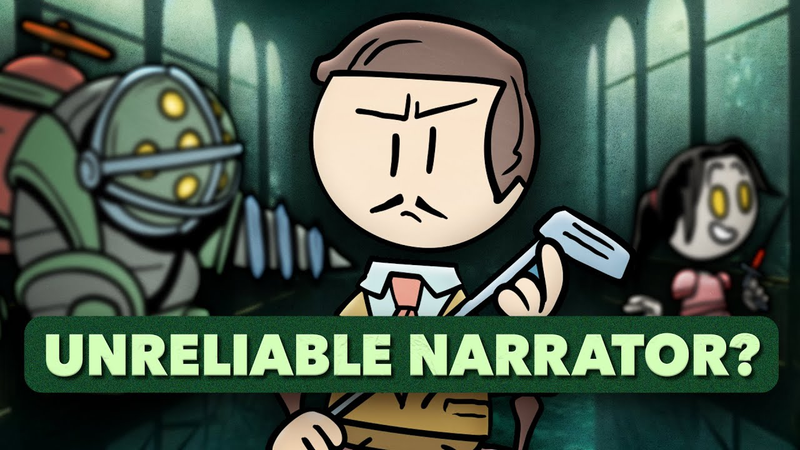
The Unreliable Narrator: When a Game Plays You
The unreliable narrator is a foundational literary and cinematic device used to challenge audience perceptions and encourage critical engagement with a story.
- Game designers effectively simulate unreliable narration by recontextualizing player actions rather than relying on a traditional unreliable narrator.
- This technique forces players to reinterpret their past choices and behaviors after a late-game revelation, despite consistent game mechanics.
- Titles such as Braid, BioShock, and Gone Home successfully utilize this method to challenge player perceptions through environmental storytelling and narrative shifts.
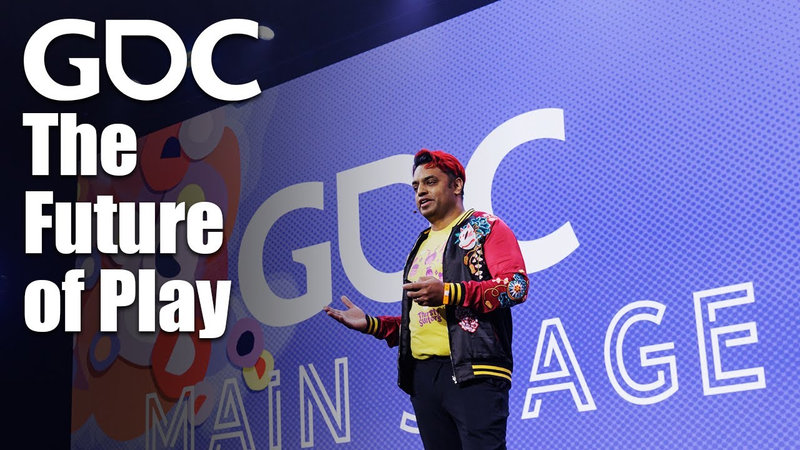
GDC 2023 Main Stage: The Future of Play
The game industry is undergoing a fundamental transformation driven by the democratization of creation tools, the shift toward browser-based accessibility, and a necessary evolution in workplace culture.
- Successful user-generated content (UGC) platforms require technology that provides creators with integrated, low-barrier tools for building and remixing, while ensuring players can enter games within seconds.
- Implementing an object-oriented message-passing system, inspired by the Smalltalk programming language, allows users to create custom message buses and interact with events across different games.
- Remote work environments benefit from 'brainwriting' techniques, which allow all team members to contribute thoughts equally regardless of seniority or extroversion, while facilitating global talent diversification.

Building an RPG for Web3 With Azra Games
Azra Games is pioneering a new approach to the role-playing game genre by integrating digital ownership into high-quality, intrinsically rewarding experiences.
- Azra Games is developing 'Legions and Legends' with $25 million in funding, focusing on high-quality RPG gameplay to bridge the gap between traditional gamers and crypto-native participants.
- The studio utilizes AI-driven production workflows to reduce development costs by over 50% while maintaining a local-first office culture.
- To mitigate the 'Time Value Paradox,' the studio employs a dual-funnel system that separates traditional players seeking intrinsic satisfaction from crypto-native speculators interacting with utility tokens.
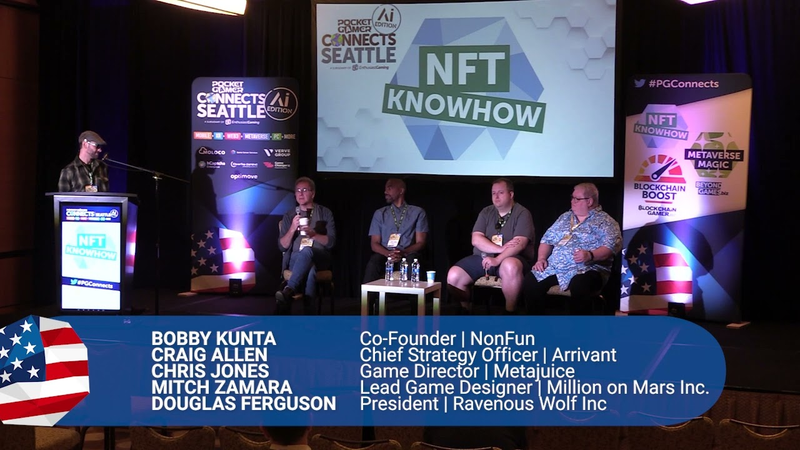
Panel: Fun first: Is NFT gaming finally coming to the big leagues?
The integration of blockchain technology into the gaming industry must transition from speculative financial models toward sustainable, entertainment-focused experiences to achieve mass-market adoption.
- Mass-market adoption of Web3 gaming requires transitioning from speculative financial models to sustainable, entertainment-focused experiences where blockchain acts as an invisible, value-added utility.
- The industry must abandon the volatile 'play-to-earn' narrative, which has historically alienated mainstream audiences, in favor of prioritizing high-quality, engaging gameplay.
- Sustainable growth depends on three pillars: sophisticated matchmaking to foster human connection, the establishment of persistent digital identities, and the use of on-chain data for cross-game experiences.
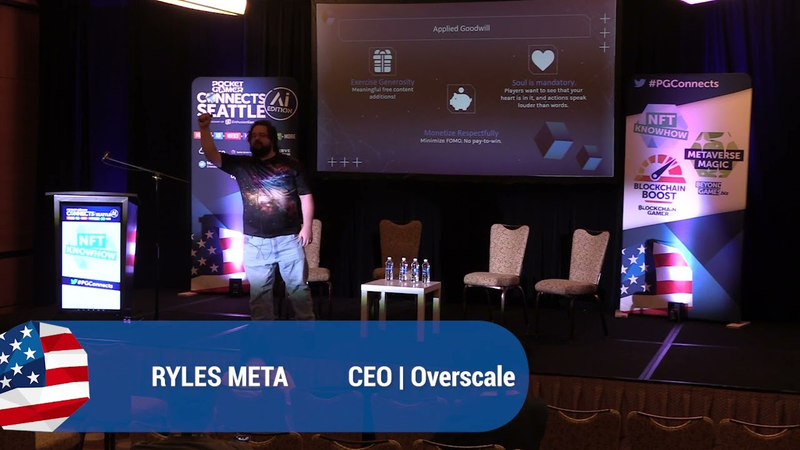
Session: NFTs That Gamers love: Delivering Unprecedented Value to Users - Ryles Meta, Overscale
The current state of web3 gaming is characterized by a disconnect between developer intentions and consumer needs, resulting in a reputation crisis defined by skepticism and poor user experiences.
- Web3 gaming must shift from speculative, investor-centric models to player-centric designs that prioritize genuine value and user agency to achieve mass adoption.
- Developers should stop marketing games as 'web3 products' and instead treat blockchain technology as a backend utility that remains invisible to the player.
- Industry success should be modeled after titles like Deep Rock Galactic and Warframe, which build player goodwill through generous monetization and cosmetic-only offerings rather than predatory mechanics.
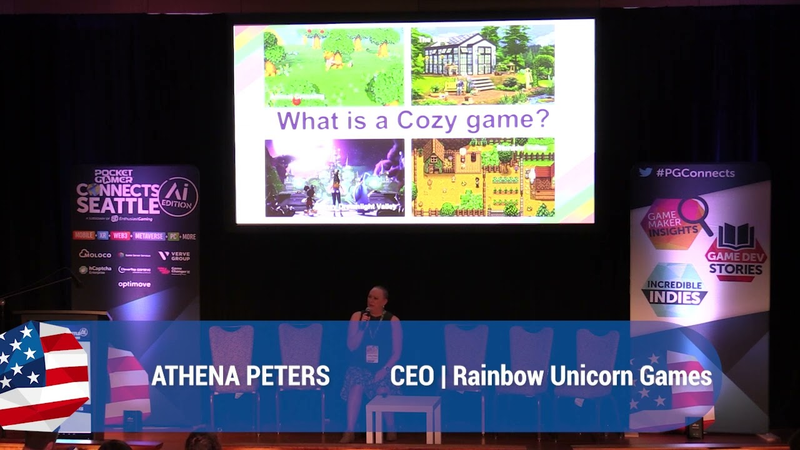
Session: The Rise Of The Non Combat Or 'Cozy' Game Genre - Athena Peters, Rainbow Unicorn Games
The cozy game genre, characterized by non-combat mechanics, relaxation, and low-pressure environments, has experienced significant growth as a response to global stressors and a desire for meditative digital experiences.
- The cozy game genre has seen a 155% increase in search volume over the last year, signaling significant market growth and consumer interest.
- The commercial viability of the genre is underscored by the success of Animal Crossing: New Horizons, which became the second-best-selling game on the Nintendo Switch.
- Mobile titles centered on decoration, narrative, and customization, such as Gardenscapes and Life Makeover, consistently generate tens of millions of dollars in monthly revenue.
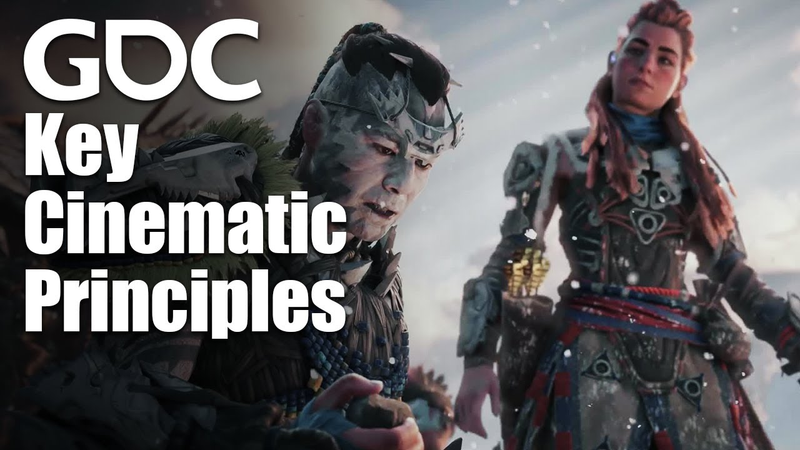
The Cinematics of 'Horizon Forbidden West'
Horizon Forbidden West establishes a new benchmark for narrative scale in open-world gaming, delivering 22 hours of cinematic content across 500 scenes and 17,000 individual shots.
- Horizon Forbidden West features 22 hours of cinematic content, comprising approximately 500 scenes, 3,900 choice nodes, and 17,000 individual shots.
- To maintain consistent quality across a massive open-world project, the team shifted from voice-over-first casting to a performance-capture-heavy approach, utilizing techniques from Judith Weston’s acting workshops.
- The production team used script analysis to define clear character objectives and motivations, which provided a framework for blocking and allowed actors to engage more authentically with scene partners.
Panel: Playing together is more fun: Is social a must?
Social integration has become a fundamental pillar of modern game development, serving as a primary engine for player retention, monetization, and organic user acquisition.
- Social integration is now a primary driver for player retention, monetization, and organic user acquisition, effectively lowering customer acquisition costs.
- Developers should prioritize collaborative gameplay loops and incentivized referral programs, as these consistently outperform complex competitive systems in driving engagement.
- Community scalability relies on mitigating toxicity through player-led self-moderation, which allows studios to maintain safe environments without stifling expression.
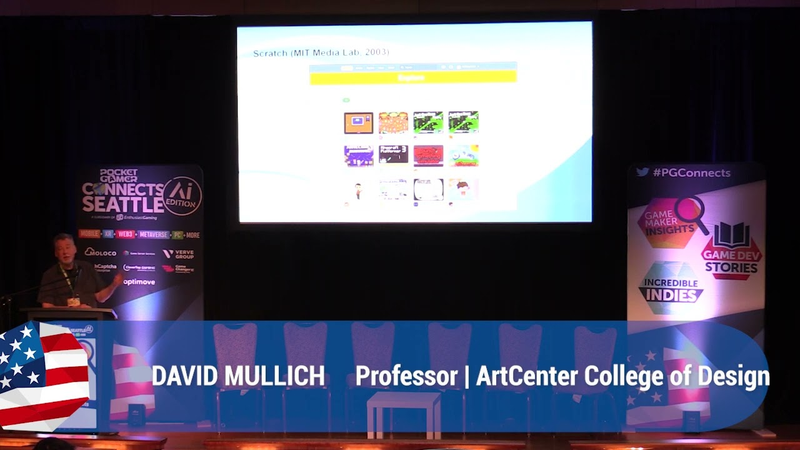
Superstar Session: Use of UGC For Teaching Game Development, David Mullich, ArtCenter College
The integration of no-code and low-code platforms into game design curricula serves as a vital pedagogical strategy for overcoming technical barriers in higher education.
- No-code and low-code platforms allow students to bypass technical barriers, enabling a focus on core design principles like interactive storytelling and rapid prototyping without requiring formal programming backgrounds.
- Foundational tools such as Scratch and Twine are effective for teaching narrative structure and basic logic, while Roblox and Minecraft provide modular ecosystems for building complex 3D environments and logical systems.
- Roblox serves as a practical environment for teaching multiplayer functionality and monetization, though it requires educators to manage specific content moderation and safety considerations.
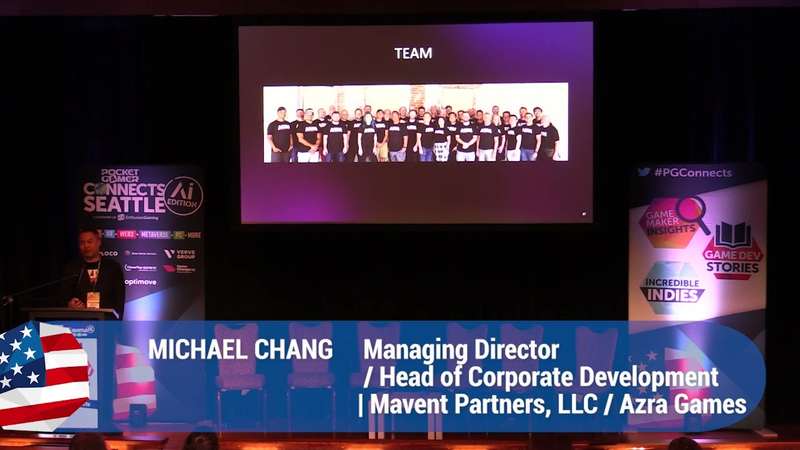
Session: How To Build The Next Forever Game Franchise - Michael Chang, Mavent Partners, LLC
Building a "forever franchise" in the modern gaming industry requires a strategic approach to development, market positioning, and team composition.
- Building a sustainable game franchise requires a 'Holy Trinity' of investment criteria: a resilient management team, a defensible position in a rapidly growing market segment, and a distinct competitive advantage.
- Modern game development has shifted to a high-stakes environment where mobile titles frequently require development and marketing budgets reaching tens of millions of dollars.
- Success in a saturated market necessitates an 'unfair competitive advantage,' such as proprietary technology, exclusive intellectual property, or unique distribution channels.
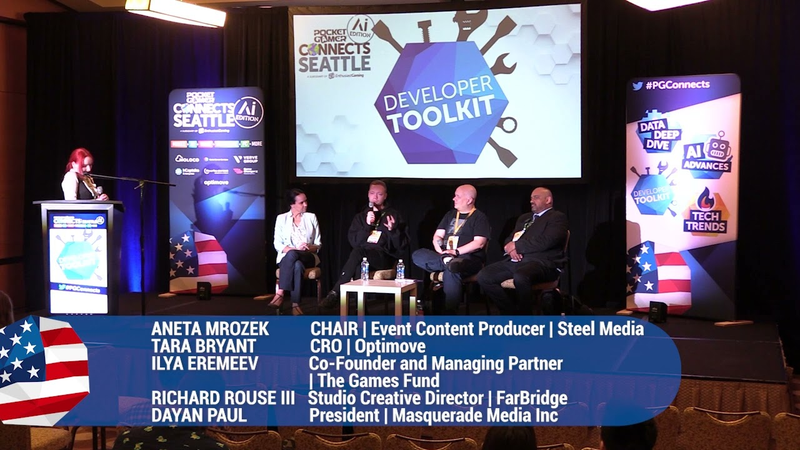
Panel: Living the moment: Leveraging technology to create a more personalized gaming experience.
Artificial intelligence, virtual reality, and augmented reality are fundamentally reshaping game development by enabling unprecedented levels of player personalization and operational efficiency.
- AI-driven personalization allows developers to automate A/B testing and implement genetic algorithms to optimize engagement, storytelling, and tutorials in ways that were previously impossible through manual design.
- While AI can accelerate production, high-quality, human-led creative work remains the primary driver of player retention, as players prioritize quality over the speed of content generation.
- The proliferation of AI-generated content will create a massive surplus of low-quality media, making content curation and discoverability the most critical challenges for the future of the gaming industry.