1 free read left. Create a free account for unlimited reading + AI research.
Create free account
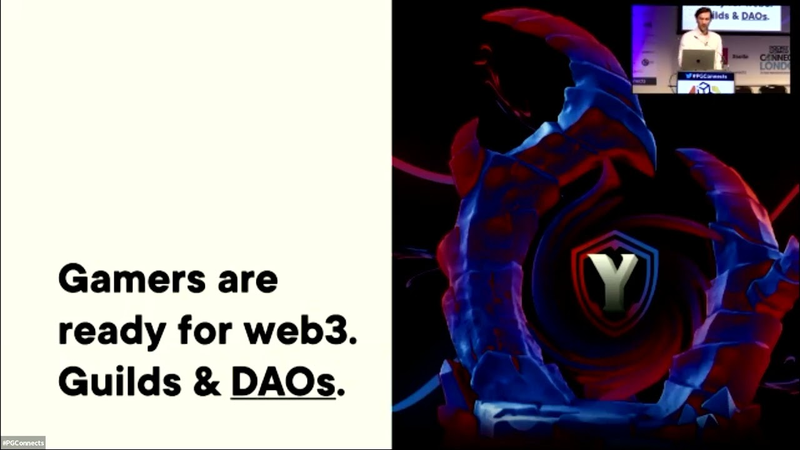
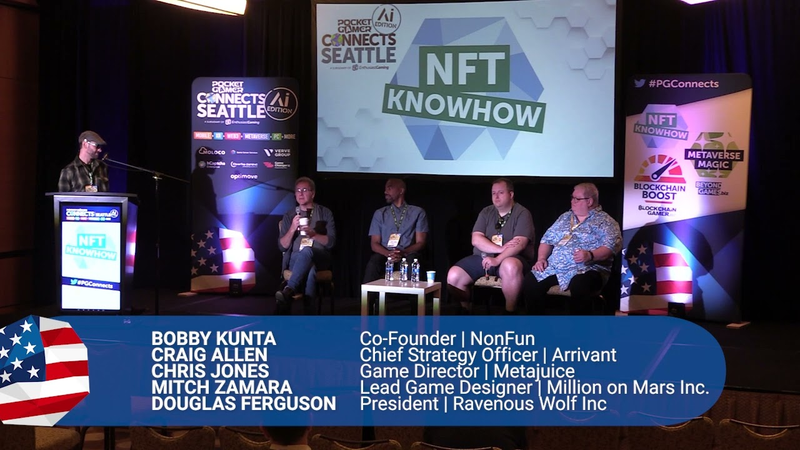
Panel: Fun first: Is NFT gaming finally coming to the big leagues?
Key insights
6 takeaways- 01Leveraging verifiable ownership and decentralized governance shifts power from centralized corporations to players, ensuring digital assets retain utility even if individual game studios fail.
- 02Sustainable growth depends on three pillars: sophisticated matchmaking to foster human connection, the establishment of persistent digital identities, and the use of on-chain data for cross-game experiences.
- 03Mass-market adoption of Web3 gaming requires transitioning from speculative financial models to sustainable, entertainment-focused experiences where blockchain acts as an invisible, value-added utility.
- 04Future development must focus on self-sustaining economies that reward player engagement rather than radical financial incentives, supported by intuitive onboarding and consumer education.
- 05The industry must abandon the volatile 'play-to-earn' narrative, which has historically alienated mainstream audiences, in favor of prioritizing high-quality, engaging gameplay.
- 06Blockchain infrastructure provides tangible solutions to industry-wide issues, including botting, identity verification, and the risks associated with unregulated black markets.
Ask AI about this video
Transcript
[Music] thank you [Music] cool so our final session of the nft know-how track is a panel on uh is nft gaming finally coming to the big leagues so I'd like to welcome our panelists Craig Allen Bobby Gunter Douglas Ferguson Chris Jones and Mitch Zamara so could our panelists come to the stage please good morning PGC whoa been fun yet a little bit a little bit of fun we're in the like funnest industry in the world we're all here together in a fun city all right let's give it up for Chris and wag me games again right
some great insights from him amazing group of people here all of you guys met some great folks here so steel media always does it right I got some great folks on stage with me here so we're here for fun first it's our topic what do you all think is uh is nft gaming coming to the big leagues it's our title here it's not up there but it's the name of this talk show a hands is nft gaming coming to the big leagues or nfts not a single hit one two three four all right five a reluctant fifth okay yeah tough crowd I dig it we gotta we gotta feel the vibe here we've got a biased panel here obviously so uh good to know who we're talking to I'm Bobby Kunta I've been uh using events experiential design digital content to build communities since the the 90s again been in web3 gaming since axi Infinity um I helped run a run stop growth shop for Brands games and events to to reach a wider audience not just uh in web 3 but elsewhere in fact our Network represents nearly 100 of the Fortune 500 Brands
um I got an awesome panel up here I'm going to let them introduce themselves you know Craig Mitch Doug Chris cool great folks hi I'm Craig Allen and I'm with a group called arrivalent where we're building social games and experiences to help people make new friendships we have a really great web3 team but we also have really great people from traditional gaming my background I started at Disney in the 90s worked at the Jim Henson company with Muppets and then ran a game studio for about 13 years where we did the first Call of Duty game for consoles so we're putting together a really strong team and for me as much as web 3 is kind of a reordering of Technology more importantly it's an opportunity to change the social structures as people self-identify through micro communities and we can do better player matchmaking and new tools to give players ownership in digital assets but really align them better for the value of playing together
thank you my name is Chris Jones I head up business development for meta juice meta juice is the blockchain crypto arm for together Labs which owns IMVU IMVU is about 18 year old metaverse we've been taking it from web 2 to web 3 and now it's the largest web 3 social mediverse uh my name is Mitch I've been in the industry for Just Around 15 16 years now got my start as a tester eventually working at companies like Zynga storm eight I've been in industry for a long time and eventually made my Pivot into web 3 a couple years ago I worked for a million on Mars as the lead designer where we make a game that is live it's a resource management economy Sim game and I have super strong beliefs about the the future of this technology and where I think it'll will lead to uh Mass consumer adoption in the future I just think that like many other people here it's it's a there's a road ahead and I'm eager to share my my thoughts and opinions about that stuff
uh I'm Doug Ferguson I'm the former Pokemon guy I was with the Pokemon company for uh uh 16 years of Pokemon company International they're based just out of Bellevue across the water and uh Wizards the coach before that I actually owned a comic and game store that's how I got my start in uh the game my game profession live um and then I just came off of working I'm in between I came off working for a company called Forge last October um you know came into the space mostly curious the hoped I would learn a lot maybe make some money I learned a lot uh I'm not a web three evangelist so I always come at things from the perspective that I'm interested in the technology I'm not interested in the the Mantra you know of you know you know like anonymity isn't important to me you know defy sort of is decentralization sort of is you just have to ask me um which particular aspect of it
um I like making great experiences for customers uh it doesn't matter you know and I think that's the the number one thing that um the guy who just finished up when he was talking about customers I mean smartest thing I've heard today awesome panel we're going to get some great insights from them it's all about fun first we had a great conversation about a week ago you know we got together and and chatted and just to sum up for you guys what we're going to spend the next half hour what they're going to spend the next half hour dropping their insights on you about is um really what does what how does web3 gaming how does web3 make gaming more fun and that's what's going to Usher this into the big leagues right and we we came up with three boxes that it checks off more fun experiences are created by checking these three boxes right Connecting People new forms of interaction the matchmaking that we're talking about providing identity appeals to underlying like our tribalism this fundamental need to express ourselves and belong to something bigger becomes uh easier to
grasp with web3 and ownership of assets that's the easiest one to push because everybody understands we want to own this stuff right now so from there just I want to do another quick Polly you guys so how many of you guys are game developers sitting in here that's it okay all right like like 25 maybe who else works in the game industry but not Developers all right like like 40 of you guys uh who plays games casually even everybody all right well except for the people not really paying attention awesome who owns nfts wow awesome I wasn't expecting that wait yeah right that was like 80 85 percent of you guys I guess to even be sitting in this room you got to have a little bit of bias but maybe this video is going to reach a wider crowd and and we'll hit some good topics so who owns gaming nfts all right maybe about half the people who own nfts have you played with them keep your hands up if you have
maybe bad yeah just over half of those who own them cool right on I dig it I've been playing with my nfts since 2019. um let's jump into it here um so how is this more than just ownership of assets that's the easiest thing everybody knows okay we want to own our skins we want to own our spellcasts our cards whatever the game is we want to own these things our extra lives whatever they are so we can all right beyond that how is this more than just ownership of assets so um to take it just a little bit in a in a different direction um I think that a lot of times the new technology comes out the first use case is the obvious one but not nearly the most interesting one so a lot of people are doing play and own because okay I understand it I own my digital asset I can sell it I can trade it cool it's eBay that's awesome but that's not going to be the most interesting creative use case I think what we're
knocking on the door of and what I get excited about is things that are about digital identity being able to have this immutable Leisure of what your activity is doing what you've been interested in how does that Define you as a person and in a world where it's increasingly fake and we're having to struggle with what's real what's not real it's only going to accelerate with AI the things that are happening with fake Tom Cruise just the tip of the iceberg we're not going to know what's real anymore unless we have some systems to help us understand proof of humanity and proof of identity and to me that's where blockchain gets really interesting and the Venn diagram overlapping with games is that you want to know who you're playing with right now 40 of the internet is botted most games are botted you're not playing with real people necessarily and if you are it's probably like an eight-year-old screaming at you in a language you don't understand this is a problem that we can help fix when we can go beyond games and actually understand lifestyle interests and real
communities of real people that are signing up to play together because they care yeah I'll be brief I think when you look at our project Bobby told us he's good right exactly when you look at our project uh we're social metaverse so our users come to our platform in order to engage with other users in a in in a social context and for us when we introduce nfts into the platform one of the things we did is we asked our users what do you like about nfts in the platform what do you like about these and getting off of Just ownership I think that they came back with was status So within our games when people bought them they were able to use other users were able to see that hey this person's wearing an nft this person's using you know fat shoes or nft and that is enabled because unlike
previously the nfts allow us to have scarcity amongst the digital assets that are in our in our game prior to then our creators and we have 200 000 creators in the platform that create all the digital Goods that our users have they could not say hey I'm only going to make 10 of this they would make a digital item and everybody on the platform would get it so that scarcity allowed people to say hey this is really cool this makes me stink because the social platform just like in the real world you know I'll be brought that bought that hat because he's like hey I really like the way that this makes me feel we're seeing that use within the platform hmm I'd like to just expand on the ideas of actually adding more value to the ownership of assets since everyone every I think I agree with your point that the first use case is maybe not the most high value but I think there is a lot of value to be had with just ownership and validation of Assets in our game for example we have a cross-promotion system set up so that if you log into the game
you've connected your polygon wallet or your Solana wallet we can scan your wallet and if you have a a farm from Sunflower Farms on polygon we'll give you a bunch of resources and an onboarding experience customized for sunflower land players we can do the same thing for any game any collection any pfp anything that we have a contract address that we can set up we can create tailored customized onboarding experiences for those communities and it's all done with on-chain data without requiring custom API work we did this a year ago with the sunflower land team as well except last year when we did it it was all custom API work that took us weeks to build properly on both sides this year around with our with our system in place it's literally me going into our back end tools putting in a few entries of like this is the contract address this is the loot table you get and this is the quest that starts and now we have a customized experience for our players that come from these other communities and to me that is not something that is easy to do in traditional game development any kind of cross-promotional cross marketing experience is always custom built very
labor intensive and requires a lot of coordination now with with our built-in user generated tools that we also enable our creators to leverage they can set up their own cross promotions with collections that they're a fan of or a holder of and we could approve that and put it into our live game so our creators can help Foster these connections across different games within the web3 community so so earlier um people you know I said I'm not a big fan of you know I'm not a web 3 evangelist anonymity to me is drives me absolutely crazy because if the banks are going to come into the space if casual players are going to come to the space via sponsorship with big companies the animated thing isn't going to work for those companies and so you know I'm looking for the Casual customer to come into the space feel safe um kids are safe you know things of that nature that doesn't mean uh um but I'm
in the Persona the whole Persona thing I love the ideal of a Persona that's persistent and perpetual and just because your persona does not have to match who you are in real life there just has to be a way of you know tracking back at some particular point but proof of identity you know I think is a really compelling and the whole idea that you can build your persona over time and increase you know your social worth in a way or direction or expression you know that's valuable to you I think is um uh where there's a lot of opportunity in the space and that's why I find pfps uh super compelling um now I've been guilty of uh you know I've sold you know plenty of nfts not me my company I worked for uh you know the ment pass hundreds of dollars I worked for the company that made promises that I'm not even sure have if they've kept yet or not um and and that's a part of our space that we need to hope that we're going to move past pretty quick
um and you know and I think for the investors in the space to get their investment back we need to stop having blockchain enthusiasts be the only customers oh yeah yeah excellent so I think the theme there was uh this identity being able to create a Persona is Amplified using web3 and and on-chain data that's uh part of those interactions can then be used for all sorts of things right yeah so Mr B is astronomical because he's built an identity he's built an identity around you know that platform and that audience um and um you know I believe that that's going to come to Persona management Within web3 well and I think just to jump in real quick um the thing that I think is really
interesting as well is the trend of authenticity right like there is a pendulum swing I think generally from giant corporations creating monoculture and controlling the narrative to individuals being able to be supported at a Grassroots level right and when you have you know these nft communities what there really are when they work well uh is people saying I like this group I like this message I like this person like Mr Beast and I want to support them and now here's a way that I can support them directly right and anyone can now be an influencer but also with digital tools and digital AI systems everyone can be a broadcast network everyone can be a merchandising company everyone can be a game company so it's really who do you want to support and if you're authentic to your community and these are kind of Super Fan networks you now have a beachhead that you can expand from like Mr Beast into traditional places and I think that's what I get excited about is that
this is this is disruptive around where does money go does it go to infrastructure because you have retail and Manufacturing and distribution or does it go to creators does it go to people who have a point of view that other people want to support that was a great addition yeah there's some gaming content creators using uh nfts and membership Alpha passes in great ways so they've monetized their YouTubes so that uh people who are engaging their content are actually earning for doing so sharing their profits in ways that are questionably legal in the US I guess we'll figure it out if they make enough money I think that the Creator Revenue share in the game industry is drastically skewed right now the 100 billion dollar game industry creators earn less than a percent collectively if you were to look at what all the creators influencers I mean Esports combined all the actual amount of money being returned to the people that are provided the entertainment value or or we're not is just minuscule I think that this
relationship is going to drastically change over the coming years as we're able to on you know verifiably prove people creators contributors are actually adding real value and that value can be then actually redistributed amongst those that are that are providing to those ecosystems like it shouldn't be one percent it should be forty percent and this is the kind of like the thing that I think is really interesting that no one's talking about which is why would any Corporation want this unless you're a marketing driven entity like a Nike or a Disney I mean that's great for them because they know their customer at a deeper level yep but there's a lot of companies that have no interest in losing control of the message and that's at the heart of I think what the battleground's all about no I think you make a great point I mean that's the you know that's the whole idea of decentralization um that's the whole idea of giving communities a voice governance um we're not a fully decentralized platform we never will be but we do look
at how we can give our users an increasing voice in the direction of the platform and that's definitely an area that will be of uh discomforting for a lot of projects a lot of existing businesses going forward you kind of have to think about how you think about business and community and extraction of value and where that goes much differently than we are currently doing man there's so much to unpack there especially if you think about it you know Craig basically just called out a big issue in the game industry which is management is getting rich off of gangs not gang designers uh you know because unlike the music industry which is a broken system but still you know the people who write the music um are earning money and perpetuity game designers are more often than not work for hire or you know I'm willing to basically give you my work in return for Life security you know things of that
nature um so I I think that's a particularly uh valid uh opportunity for us um you know in the space is to figure out you know how to you know carry some of that you know if I design Call of Duty um you know how do I get a little piece of that Call of Duty uh when it's really successful that long-term benefit think we got a panel for next year for you Bobby we could just do uh we could go on a series here should we do a video series I'm not all right so the question was how how is this more than just ownership of assets we got a lot out of that right there's trust and verification uh so that we're you know anti-bot mechanisms are easier to use there's connectivity there's identity interoperability then of these assets maybe between games within a studio awesome this gives players and the studios more ways to interact with each other uh incredible so let's try to get to a second question here how does web3
help create more meaningful connections for gamers we kind of touched on that a little bit already there are bridges then built between the players and the studio that weren't there before that means data but how does it mean more meaningful relationships I'll I'll start so when we look at our platform again we're social metaverse so people come to our platform to be able to hang out with other people we have long had uh a black market uh that existed outside where people would trade services or they would trade credits outside of our game because they were exchanging services within the game and there was no mechanisms for them to be able to exchange those services in the game so I might create a bar I might invite you guys to come to the bar and I might say hey Bobby I want you to be my bartender I might say dog I want you from a bouncer I couldn't I couldn't exchange I couldn't pay for that so there was a black market outside the game that would do that and so now just like in the real world great you're going to be about so you can remember I can I can exchange and I can make
payment within my game and that didn't exist before there was blockchain and crypto for us and so when we look at the you know a number of the ways there's a number of things we have passes and badges and a whole range of things but that's just like a simple example of something that you would think would be simple and you would think yeah like we could figure that out we weren't able to do it until we were able to have nfts and blockchain and crypto within the platform that made it much easier the thing that seems really novel and worth calling it to me is that I think that having verifiable authenticity having on-chain data things like this provide an opportunity for provable information that is quite powerful and compelling so something that I think that might realistically happen in the future is that very large well-organized gaming communities that have verifiable on-chain purchasing power that is proving what their Community is capable of moving or doing in an environment in a game that launches basically has an
operating power that can actually present themselves to a team or a company or a publisher and say we'd love to bring our community of thousands of Gamers to your to your to your soft launch or to your main launch or to your main competition what can you offer us we have verifiable proof that our purchasing power is is this what is that worth to you I think the the power dynamics are going to potentially shift in the future while we have more information behind us and I think that that's a really compelling and really uh interesting way that we can see things like user acquisition and growth change in this industry and it's putting power back into the hands of Gamers and communities in a way that hasn't been possible before because there isn't that provable data behind it yeah I think uh for the nft space we we talk a lot about ownership of in-game assets as being the Holy Grail but the problem is is that these companies are you know their companies
um and your digital assets are only worth something as long as the game is still live um you know with the onset of mobile gaming Etc um and the fact that I'm a Collectibles expert so I am subject every once in a while to whale-like behavior you know when when when my you know favorite you know marvel you know app game got retired you know free to play unfortunately with in-game purchase and all of a sudden I saw my thousand dollars go away of investment not to count you know many thousands of dollars in my opinion of my time when you know basically Marvel decided to retire that studio and shut it down you know and how frustrated I am about that so I think we need to think a little bit beyond and so what I wanted to build on with Mitch is um if we can build a sustainable gamer communities in which their um the games can you know in somewhat live on beyond the companies you know survive on you
know become part of a a public trust you know so that you know when my Capital interest in you know X gang you know goes away but the game can can survive you know in perpetuity and we see examples of that already you know that happened all the way back into the 90s and people are keeping stuff alive on private servers Etc um yeah buying the rights back if they can that happened to Zynga for me when I was there yeah and so I think that's an additional Vector that we don't uh we haven't explored in the station yet yeah I love that I also think that there's you know these natural behavior patterns that people you know fall into like collecting things right like Pokemon cards um I think there's new tools that this will offer like being able to validate what the collection is um I don't know if you saw the news about the Pokemon cards that were being taken by the people printing them and evidently there was a whole thing about people buying Pokemon packs but there was no chance for a rarity because they were being sold in in by the people
printing them whoops right so this kind of is helped by nft collections that can verify what the collection is and the status and the and verify um you know the holdership of it but I think that time stamp over you know a person's life becomes moments and games have the ability to bring people together to share moments and if there are Collectibles that come out of those shared moments that's going to be something precious and if you're born later just like I've been not have been around for the the printing of Spider-Man number one if I get to a point where I love that franchise and I have the money to buy it and own it I'm owning a piece of my childhood this is going to be an evolving Market and I think we're only just at the beginning stages of saying well what does that collection look like if I go to somebody's house I can look around and see like oh you have Spider-Man number one on the wall or a poster of a concert that you went to it's social currency in the fabric of our social connections and I think that as we mature the use cases and we get some
stability around common standards we're going to start to see new ways that that these digital Collectibles show up in games but also become part of what we talk about because I don't have to kind of say oh did you go to a concert last week and what was that like oh in this game world that we share I can see like in your in your office or in your you know yeah your feed like that's such a horrible thing because again Facebook is deciding what do I see of the people I know you know oh yeah two months ago that person that you know got married oh thanks that's helpful or whatever right um there was a birthday last month but it's much better if we're operating within the same unit verse virtually and most people's relationships now for digital natives are not on main street down the street they're in the cloud so how do we bring that Digital Life in front of people where it becomes social currency to make more connections and see what unites us hopefully that'll
start to move us away from the division of transaction and the highly predatory practices of making money off of Mind share that we currently see excellent now the question was how does web3 help create more meaningful connections for gamers those all incredible thoughts there's I just want to ask each of you questions about each of your replies if we only had time they won't even call those nfts in the future they'll just call them tickets right right now we call them poapps but I mean it's pretty popular right for people to see what they are some of the answers you guys guys gave are verifiable authenticity right to be able to see when people are what they're doing and how they're playing so leaderboards can't get botted um another thing that people are using that wasn't mentioned here is we can collect on-chain data that uh for skill based games that that show certain skills verifiable on the blockchain that players have which are actually marketable I mean there's a job market right next door to us in the Next Room if if there was on-chain Data showing
that players were extraordinary in certain areas these are our marketable skills that Gamers have so that's another way we could use this and purchasing power data players interacting on provided marketing places instead of black markets Collectibles man we all want to own this stuff when a game gets terminated and you have nothing left of it but these memories that fade you want to own something right capturing moments what about like AI games that are learning players moves over time we talked about this when we all connected a week ago is hey I can learn the way that players play you can play chess with your dad for 20 years and and the computer can learn these moves and you could play games with deceased family and friends in perpetuity uh and that is that's a mind-boggling concept and these skills can all live on chain I mean somebody can even hire this deceased relative or something I mean we're thinking way far ahead now but all right so look we've
got time for another prompt in here let's let's rock um what are they this is this is a good one here uh what are the greatest obstacles to mainstream adoption of blockchain technology and gaming and how do we overcome them Solutions oriented here not just listing the problems what are they and how do we overcome them I'm gonna do a short answer all right uh blockchain gaming needs to be gaming with blockchain the biggest issue we have right now is you know it's like saying I love this food at the electricity Cafe you should try it who cares is the food good right put the food front and center if you want Gamers to play uh give them fun games and unfortunately that takes a little while the good news is games are starting to come out and I think Gamers will come because all things being equal there's a lot more benefits and tools in the toolbox when we have these new interoperabilities and other abilities to to know our customer and play across industry but um making fun games is the
first step I would suggest that uh obviously the whole fun piece is gonna sits across everything but creating the economies that allow these games to operate in perpetuity is really challenging we see this so with our project uh we already our revenues already come from transaction fees from our creators exchanging doing Commerce on the platform but getting to that model is really challenging uh the prior speaker you know spoke about you know Candy crushing creating a secondary Market that's really interesting and cool when you're doing it the first time but then how does how do you ensure that your players create an economy that takes over on its own without you having to constantly tweak it or try and create radical incentives to keep it going so that's a real challenge that we're all trying to figure out in the web 3 space I won't repeat what's already been said I completely agree with both of what you
said um I'll add to this with the obvious education but I think it's more important that not just consumer education but I think there needs to be a new a real conversation with like media and education as well I think that if you look at gaming press gaming media as a whole they they have a very uneducated Viewpoint and a very uh expectedly harsh and and negative outlook due to the amount of BS that has already existed in this space and while real legitimate teams with tons of experience exist in this space I feel like the well has been significantly poisoned and I don't know exactly how to solve this problem I literally wrote a whole tweet Thread about this last night because like I I stay up trying to think about these things I I don't know what the perfect solution is because like I haven't seen any traditional gaming press positively coverage cover anything about web3 in this space it's always with this
hypersonical Viewpoint and I think that realigning this the conversation and the narrative is going to require real education real demonstration of approvable fun enjoyable game experience that people are actually supporting and it's it's going to be a challenge to kind of change the mindset I think yeah I think the um one of the biggest issues that I I encountered and is that the gamers and the game designers are actually not making games in web3 you know the people who are making games in web 3 know absolutely nothing about making games matter of fact don't even like games they just see it as a means of making money or you know pulling the latest Barnum scam um I watched uh you know I was in a meeting and I'm watching you know the then CEO of my company tried to outbarn them you know a former you know video game you know Legacy video game Barnum
you know and I'm like watching them both I'm like neither one of you are trying to create anything real you're just trying to out you know maneuver each other to figure out how you can bank and so that that and that's the poison that you know uh has to be overcome there is real opportunity in this space um you know because the digital assets are trackable and they're mutable and uh and that's what's really interesting about the space and it becomes something that you know I can own in perpetuity and you know there's no yua that says oh we got mad at you you know and so we won't let you play anymore and then all of a sudden I'm and because you just rented our game and therefore you don't really own anything um well it's like well you know now I can sell it off at least you know I can get or I can leave it to my kids or the Persona I built you know creates worth over time and that's the opportunity but the passion has to be there and right now
all the blockchain companies that I've experienced talking in the gaming space they don't even understand oh it's all about play to earn and I'm like well if there's no audience for your game there's no one to sell the play to earn two so if you don't have casual players you don't have people having fun there's nothing to sell you know and there's there's nothing to sell there's nothing that the gold farmers can make money for the you know the back door of black marketers there's nothing for them to you know trade you know uh so one of one of the things that people don't know about Esports is that the Esports industry that's ran for every company is ran on volunteers you know because they can't afford to run Esports purely on a global level without volunteers so there are a lot of people who are doing stuff for free because they love it um that you know all these big Esports events are dependent on doesn't matter if it's Pokemon doesn't matter if it's Call of Duty you know
um and most of the time these people are being bribed with um free stuff but that free stuff's really expensive to produce uh and and it's really hard to transact on you have to go to eBay Etc you know but we have all this opportunity in our digital economy to to solve these issues but it has to start first with the people are having fun um if people are having fun then they're going to go where the friends are and and they're going to basically create these communities that grow but we have to fulfill Our obligation to the customer that contract has to be kept and um and that's the thing over time that's that's going to have to change and in some ways I think you know the actual blockchain audience is a big part of the problem right now that's a great ending to that uh the question is what are the greatest obstacles to widespread mainstream adoption and and uh the underlying tone that a number of you guys hit on was
this uh gamer versus d-gen dualism that we're kind of facing you know where a lot of the early momentum that the web 3 gaming companies are getting is coming from the D gen crowd because it's that low-hanging fruit of eager people who are willing to put money and attention into something where there's not a game existing yet uh and so there needs to be some sort of appeal made to this Degen crowd to get them on board because they're ready willing and able and so to balance that is has been a juggling act that I've been watching unfold uh other other topics that we hit on here is uh decentralization is going to be a challenge companies that are going to want to try and give over some ownership that's going to be very challenging for some traditional companies to consider honesty about the challenges ahead of us and having these open forums for communication it's awesome we can't go without it the education making onboarding more intuitive we've talked about that already today wallets that are easy you know not talking about nfts just digital assets whatever you own in the game and getting the game economics
right when there's real world money at stake here it becomes more personal and in fact that's what Fosters more of that sense of community when our wallets are involved our back pockets it's not just our hearts and our minds it becomes something more and that actually feeds into our sense of community that helps to as a catalyst for web 3 and gaming so all right then with that this has been an awesome crowd in here I think we're over time a little bit uh thank you to to Steel media you guys are incredible everybody out here give it up for yourselves thank you to all of our panelists [Music] thank you [Applause] [Music]
Summary
The integration of blockchain technology into the gaming industry must transition from speculative financial models toward sustainable, entertainment-focused experiences to achieve mass-market adoption. The core thesis posits that Web3 gaming will only reach the big leagues when blockchain infrastructure functions as an invisible, value-added utility rather than the primary selling point. By prioritizing engaging gameplay, developers can bridge the divide between traditional gamers and the decentralized finance community, moving away from the volatile play-to-earn narrative that has historically alienated mainstream audiences.
Sustainable growth relies on three foundational pillars: fostering human connection through sophisticated matchmaking, establishing persistent digital identities, and utilizing on-chain data to create seamless, cross-game experiences. These tools offer tangible solutions to persistent industry challenges, such as botting, identity verification, and the prevalence of unregulated black markets. By leveraging verifiable ownership and decentralized governance, the industry can shift power dynamics from centralized corporations to players and creators, ensuring that digital assets retain value and utility even if individual game studios cease operations.
Ultimately, the path to mainstream integration requires a fundamental shift in development philosophy. Future success depends on creating self-sustaining economies that reward player engagement rather than radical financial incentives. By focusing on intuitive onboarding, consumer education, and high-quality, community-driven content, the sector can move past the current era of Web3 evangelism. This evolution toward a fun-first approach ensures that blockchain technology serves as a robust backend for persistent, player-centric ecosystems, effectively professionalizing the space and securing its place within the broader global gaming market.