1 free read left. Create a free account for unlimited reading + AI research.
Create free account
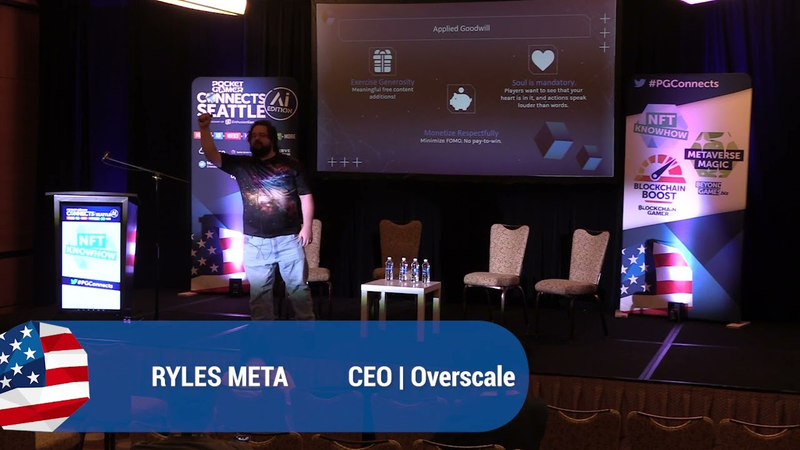
Session: NFTs That Gamers love: Delivering Unprecedented Value to Users - Ryles Meta, Overscale
Key insights
6 takeaways- 01The current web3 gaming reputation crisis is driven by an over-reliance on complex financial terminology and speculative incentives that alienate the core gaming audience.
- 02By removing blockchain friction and jargon, developers can solve systemic industry issues like the lack of true digital ownership while fostering long-term user trust.
- 03Web3 gaming must shift from speculative, investor-centric models to player-centric designs that prioritize genuine value and user agency to achieve mass adoption.
- 04Industry success should be modeled after titles like Deep Rock Galactic and Warframe, which build player goodwill through generous monetization and cosmetic-only offerings rather than predatory mechanics.
- 05To address the ephemeral nature of live-service games, developers should plan for game sunsetting at the outset by using decentralization to ensure players retain access to their assets.
- 06Developers should stop marketing games as 'web3 products' and instead treat blockchain technology as a backend utility that remains invisible to the player.
Ask AI about this video
Transcript
[Music] thank you [Music] so uh let's get Let's Get It Started uh I would like to invite uh Riles from overscale to be talking about uh nfts that Gamers love delivering unprecedented value to users so where else come to the stage please take it away Hello everybody welcome I am honored to kick off today's series of talks now there was a little bit of a change of plans because I didn't feel that my initial talk was going to deliver all the value that I felt I had to offer so uh joke's on you I'm going to give you
even more than you asked for that's why this talk is called this is literally how web3 gaming has to happen to succeed and it deserves lots of space in the event schedule hence the long name I forgive the event organizers for not actually devoting that much space to it now my name is Riles and you may be wondering exactly what a Riles is uh you can just consider it the Transcendent essence of yellow more importantly I'm the CEO of overscale Studios I am responsible for Draco dice which are cross-game non-fungible tokens as well as the creative director for collectible nft series blockchain Heroes among other things and I'm here to talk to you today because gaming is on fire in no entertainment medium have game have consumers lost more rights than in gaming and this has become evident through the patterns that have emerged with live services and the increasing
shall we say bad habits that have become prevalent in the gaming industry especially things like cut content generally deceptive practices towards consumers Etc and these are three of the main issues that I want to highlight number one is that you own nothing even if you have games on Steam or epic or God forbid you used to have games on Origin you don't actually own the software you only own a license to access the software and that goes for mobile platforms as well problem number two is that your invested time is ephemeral people who spend a lot of time in a single experience unlock for themselves very personal very valuable to them experiences that are the result of the time and effort that they put into a game moreover nobody likes watching a game die and yet it's become a standard we've gotten used to it that's a huge issue number three is that you are entitled cattle now what I'm referring to here
is the the unfortunate degree of animosity that exists between those who make games those who talk about games and those who actually play games now I firmly believe that through web 3 we can solve all of these issues but they should hurt especially because you're ostensibly here especially at the earliest Talk of the day because you are a bear Market Barbarian you are a warrior and you're here because you love this so the question is what about web3 so far we've been producing web 3 games for years and we've seen hundreds of millions possibly billions of dollars getting poured into play to earn play and earn play to own systems and yet the reputation of web3 gaming has only gone down over time and this is why it's not working number one is that we have weird terminology and what the hell is an nft non-fungible token there's too many syllables
the word fun is literally infungible there's nothing fun about saying that okay and when people see terms that are related to blockchain fly around from the perspective of just a consumer they have no idea what's going on number two is that there's a lack of trust a very loud but hopefully minority of consumers have generated this thought pattern where as soon as they see the word blockchain or web3 or nft in the marketing material for a game boom it's a scam why well hey if it wasn't a scam why would they be using blockchain in the first place they could just make a normal video game problem number three is the barrier to entry there's too many steps that users have to take in order to get initiated in order to begin engaging with the benefits that web3 ostensibly provides them and that drives any user away and then problem four is the prevalence of ulterior motives because of the investor-centric nature of work that takes place on blockchain
gaming has been a casualty of this as well and oftentimes the money that goes into web 3 goes into it not out of a desire to provide any real benefits to users but rather out of a desire to capitalize on the supposed demand these next couple slides are going to set the tone for everything so customer service expert Robert Spector have this quote and I I just love it don't reinvent the wheel focus on winning One customer at a time be honest and sincere do what's right there's nothing magical about this you see the number one problem with web 3 game development so far is that web3 developers and Publishers are trying to compromise between what they know that users want and all of the fun weird Financial stuff they want the play to earn and the play to own and those things only exist as a
result of marketing efforts that's trying to communicate to users you can make money off of this but that's not the point that's not supposed to be the point and all that this has served to do in some cases is literally ruin people's lives now of course you know individual consumers are of course culpable and responsible for the decisions that they make but at the same time these products are sort of making these promises delivering this fantasy that you can replace your day job by playing video games nobody should be buying into this anymore this is the key that underlines everything else I'm going to tell you reach consumers where they are instead of making incremental change towards what you know consumers want instead you need to go directly to what they expect and what their desires are not based on anything that's happening in web 3 but based on what's succeeding in web 2. don't reinvent the wheel there's nothing magical about this I want to offer you a case study a
couple of case studies the first one is Deep Rock Galactic kind of a show of hands if you've heard of or played d-procalactic cool they have a 97 positive rating out of 165 000 reviews on Steam which is phenomenal that is a massive success developer go ship games is a relatively small studio and I believe that this is the only game that they've released under that name but I believe that one of the reasons for why they've succeeded on the degree that they have is because they have carried massive Goodwill with their users so here's some ways that they've done that disclaimer it's so easy for me to stand up here and tell you to do these things it's a lot harder to actually put it into practice very aware of that but you're already here because gamedev is hard and web3 makes it even more difficult so you've got this sort of masochism that I respect I'm here for it first thing that they did is they exercised generosity they did this by offering free battle passes to everybody
who plays the game literally everything in the battle pass is free they monetized respectfully and when I say monetizing respectfully what I mean is that they didn't make offerings to players that players could feel were insulting and you kind of know what I'm talking about intuitively I don't have to go into Oblivion horse armor this ties into the battle pass system that they released with deeprock Galactic because if you ever missed rewards in the Deep Rock Galactic battle pass all of the things that you missed would enter the pool of loot that could drop for you just by playing the game no fomo no fear of missing out furthermore all of the cash offerings the Deep Rock Galactic has are purely cosmetic everybody knows users generally don't like play to win pay to win and there's a there's a little bit of a difference I understand between what desktop and mobile consumers expect however I'm also philosophically against
the sort of pay the win approach and number three is that soul is mandatory this is a big one it doesn't matter if you're building a web3 or not this is something that can apply always players love to see that your heart is in it and the way that you can show them that your heart is in it is by including details and functions the purpose of which is clearly to enhance the experience that they're having for the sake of enhancing that experience and with the apocalactic one of those features is rock and stone it's just a salute that any player can suddenly prompt where their their character will raise their pickaxe high and offer a rallying cry that all the other players in the lobby can hear and there's sort of an unspoken rule that when one person rocks and stones all of the other players have to also it's a lot of fun but there's no reason for why that would get built into the game in the first place except for the developers connecting directly to the users that's heart and soul and that's
part of why there's so much Goodwill between ghost ship games and their users case study number two Warframe is a very divisive title however one of the things that I feel it's done well is it's offered maximal content access so this is going a little bit deeper into one of the things they just talked about out of over half a million reviews on Steam they have over 85 percent positive reviews and one of the reasons for why that is because they don't lock off anything I mean they might they lock up just a little but that's why I say that one of the things that they do well here is selective exclusivity it's this idea that if you're going to offer something for cash to players you can't offer very much of it without also ensuring that there are alternate methods of players earning those items the main element of your Loadout in Warframe is the titular Warframe it's basically the character that you use to
progress through a level and they have a prime access system where they will offer for cash sort of an instant unlock of these Prime frames that give you just a little bit of an upgrade but if you don't want to spend cash you can work pretty hard you can Farm pretty hard in order to unlock the pieces that are required to build it without spending any money the delineation between this is only accessible by paying and this is technically accessible without paying if you're willing to work for it is huge because there's a lot of players out there who love the grind which is one of the reasons for why we see grinding as such a massively successful mechanic across the game gaming universe Point number two is that you guarantee low price point offers the temptation to cater to whales is a huge problem in web 3 development because people know if you are spending money in web 3 you probably
want to spend a lot of it I mean we see huge numbers flying left and right between monkey jpegs and lands that doesn't even function in the form of a non-fungible token but one of the things that connects to users is ensuring that they see that they can get something that's worthwhile for one two three five dollars in offering that low price point makes it a lot easier for people to connect to the ecosystem that you're offering them emphasizing that you're offering these low price points communicates that three and this is a big one avoid speculation if you're building on web 3 it's almost impossible not to have speculation people will be interested in some assets on the grounds that they believe that somebody else is going to be more interested in them down the line and that's okay but you don't want to encourage speculation my recommendation here is that you section off a small part of
the nft schema that you're using for your product and make that the sort of Speculator bait make that the less accessible the more scarce material that people are willing to throw around a lot of money for and play their little market game but for the most part what we're delivering to users if we want to have that Goodwill from earlier is not the promise of playing a market game but the promise of having more control and agency over the assets that they own because they're supposed to truly own them the concept of setting a game is a tragic one you know nobody could have seen this coming before live Services became a big deal I saw this this article that was written on gamesbrief.com in 2013 and there were 20 various industry experts developers journalists who were trying to answer this question is there a good way to
Sunset the game no no there's not there's not a good way to Sunset the game it's always disappointing nobody wants to see it happen but if we propose that users truly own their assets they should also truly own their games now I'm not telling you to keep the servers turned on forever no game can do that what I propose is sunset support early on in your production cycle you plan for what you're going to do when the lights have to go out because one day no matter what you do you will have to turn the servers off unless you have access to some sort of Technology through decentralization that effectively ensures that it lives through means beyond your control and here's how you do it you be transparent with your users if you're offering them a live service game which you probably are because you're here about nfts your users need to know what to expect
when the lights go out and this is probably something that you share towards the end of the life cycle when it when the writing is sort of on the wall you let them know you're not going to be able to just have matchmaking with everybody anymore maybe you have a peer-to-peer connection so you still get that online competitive experience maybe the whole thing is just an offline version and maybe maybe the integration sort of goes away but at least you still have the game that you've been investing so much time and money into and then you do not compromise there is so much fear and I felt it myself as a web 3 developer of what people are going to think if they feel like I'm responsible for decreasing the value of their assets there's kind of a lot of unspoken no-no's right you stop making new supplies so you stop driving down the value of what I what I have but that's not the point of a video game and the idea that that should factor in
that that should be part of your decision-making process is a lie that's sort of been environmentally sold to us the web three part of your game your web3 game doesn't have to matter the the fact that your game is web 3 should not be part of your marketing material because the only people that that appeals to are people who are looking specifically for web 3 games and those people are almost never themselves Gamers they're almost never the kind of people that you're building games for in the first place so I just call that a matter of consumer friendliness so this is a critical thing that we have to exercise in order to succeed with web3 one is we have to abandon Trends remember when I was saying instead of making incremental change towards what users actually want we go straight to the user this is part of that I don't believe that the word nft is ever going to become standard terminology I don't think that in a situation where Mass adoption has happened and we have seven
figures worth of people playing on web3 games that's no two is that you have to gamify user education you have to educate users no matter what because of the technological barriers between us and the benefits that we're trying to offer users with web3 assets and games but users love to be bribed users love to be bribed to learn user education is hard but especially in the mobile space this is a wheel that's already been invented for you if I if I ask you directly what would you do when you need to teach a user something inside of a game that they probably haven't been introduced to before you already know how to do it and sometimes offering them currency for it coins or Gems or what have you is the simplest answer and number three is that you build with integrity none of this is about you unless you're building what you're building because you want to play it
yourself if you are building something that you do not intend to play you are a peddler if you're building something that you do intend to play you are a consumer and that's the best possible position to be in as somebody who's building don't make web three games make games that support web 3. well thank you very much for uh for honoring me with your presence for being here for this talk I stream multiple times a day I actually stream video games if you would believe it at twitch.tv rilesmeta and do we have time for questions uh thank you for the great talk um I mostly agree what you said about the um throughout the presentation but the um one curiosity about your first page of presentation you talked about the unlike there are three massive problems
in game industry and this is the problem none of the stuff they talked about seem to be addressing that issue first of all um like second is that I'm like the stuff that you talked about as a problem such as dma players don't own the game or they have license as an example that is not only for the game like every software is working that way why is game is specific problem with that is like the question I want to ask and how do you think that you will be addressing it to let players to own the game by through web3 so there's two parts to the answer since there were two parts of the question first I would respectfully disagree with the with the material that I talked about being irrelevant to the three problems that I listed for example talking about how you don't truly own anything there I was definitely talking about treating games as though players can truly own them and offering that sort of ability Sunset support is part of that approach so if players are guaranteed
the ability to continue playing a game after the game would otherwise go offline that's like an unprecedented amount of ownership from the perspective of a service game and then in terms of solving the licensing issue end user license Agreements are really prickly I'm sorry I'm going just a little bit over here this is actually a huge question and this is this is a problem that a lot of people are trying to solve right now because licenses seem to sort of infringe on the concept that you own something in the first place most of the time that you actually own something there isn't the license attached however I firmly believe that it's possible to offer a version of the game after the lights have gone out that a license is not necessary for no license no privacy policy no terms of service because you're no longer offering a service you're no longer collecting data from the user and the situation has just dramatically changed so that's how I would answer that question thank you all very much [Applause]
[Music] [Applause] [Music]
Summary
The current state of web3 gaming is characterized by a disconnect between developer intentions and consumer needs, resulting in a reputation crisis defined by skepticism and poor user experiences. The primary thesis is that for web3 gaming to achieve mass adoption, developers must abandon speculative, investor-centric models and instead prioritize consumer-friendly practices that mirror the success of established web2 titles. By focusing on genuine value, transparency, and player agency, developers can leverage blockchain technology to solve systemic industry issues, such as the lack of true ownership and the ephemeral nature of live-service games.
Key findings suggest that the industry’s reliance on complex terminology and financialized incentives has alienated the core gaming audience. Successful models, such as Deep Rock Galactic and Warframe, demonstrate that player goodwill is built through generous monetization, cosmetic-only offerings, and accessible gameplay loops that do not rely on predatory mechanics. Furthermore, the document argues that developers should plan for the eventual sunsetting of their games from the outset, using decentralization to ensure that players retain access to their assets and experiences even after official support ends.
The methodology for this analysis relies on industry observation and comparative case studies of successful gaming titles. The scope covers the global gaming industry, specifically addressing the intersection of live-service models and emerging blockchain integration. The core recommendation is to stop marketing games as "web3 products" and instead build high-quality games that happen to utilize web3 infrastructure as a backend utility. By removing the friction of blockchain jargon and focusing on player-centric design, developers can foster trust and create sustainable, long-term value for users.